Blogs
At Brown Packaging, we provide insightful content about the packaging industry to keep our clients, followers, and partners informed with the latest trends and accurate information. Our goal is to equip you with up-to-date knowledge that helps you stay ahead in the ever-evolving world of packaging.

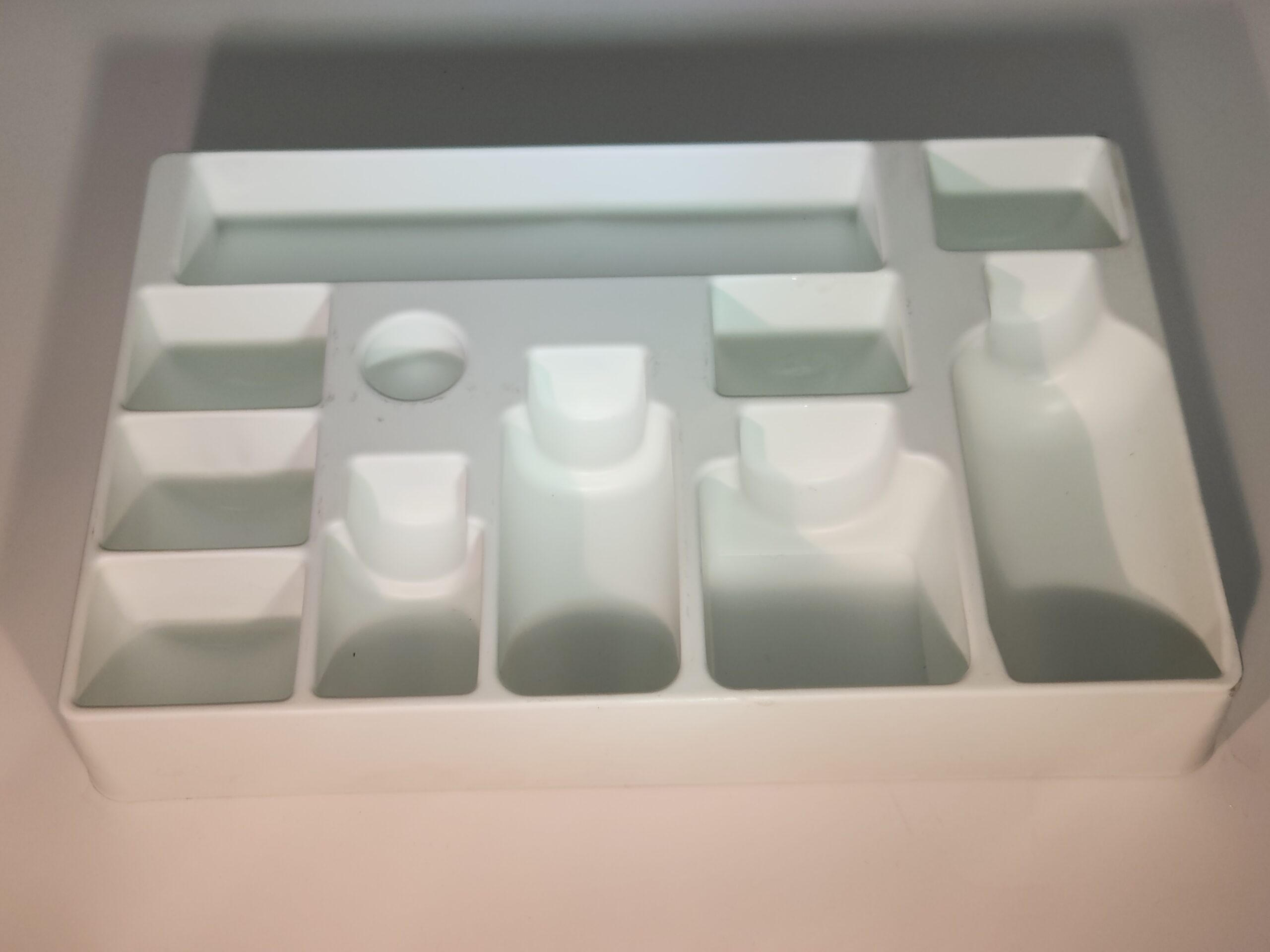
Thermoforming is a critical process in the manufacturing of diverse products, especially prominent in the packaging industry. This guide offers a detailed examination of the key thermoforming plastics, focusing on their properties, applications, and sustainability efforts to guide manufacturers in selecting the most appropriate materials for their needs. Key Thermoforming Plastics and Their Applications Polyethylene Terephthalate (PET) and PETG Properties: PET is highly resistant to environmental factors, while PETG offers excellent clarity and impact strength. Applications: Both are used extensively in food and beverage containers, with PETG also favored in medical packaging due to its ease of forming and sealing. Polypropylene (PP) Properties: Chemical-resistant, rigid, with good impact strength and temperature resilience. Applications: PP is ideal for consumer packaging, especially food containers that require microwave and dishwasher safety. High Impact Polystyrene (HIPS) Properties: Offers good impact strength and rigidity, suitable for vacuum forming. Applications: Essential in packaging for food, medical trays, and as electrical insulation. Polyvinyl Chloride (PVC) Properties: Versatile, offering excellent chemical resistance and a range from flexible to rigid. Applications: Used in transparent packaging, medical tubing, and blister packs, adaptable for clear or opaque products. Polyethylene Terephthalate (PET) Polyvinyl Chloride (PVC) Polypropylene (PP) Environmental Considerations Sustainability is increasingly critical in material selection. Materials like PP, PETG, and HDPE are favored for their recyclability and minimal ecological footprint. Innovations in bioplastics and advanced recycling processes are pivotal in reducing the environmental impacts of these materials, promoting a more sustainable manufacturing landscape.For inquiries about thermoform packaging solutions, please contact Brown Packaging. We’re here to assist you with your packaging needs. For inquiries about thermoform packaging solutions, please contact Brown Packaging. We’re here to assist you with your packaging needs. (714)300-0650 request@brownpackaging.com Most Recent Posts: Categories: Corrugated Ecommerce ESD Design Folding Carton Packaging Plastic Packaging Protection Retail Rigid Box Thermoform Subscribe To Our Newsletter By submitting your information, you agree to our terms and conditions and privacy policy. Thermoform Packaging Facebook Twitter LinkedIn Pinterest Relevant Posts

In a marketplace where packaging can significantly influence purchasing decisions, understanding what resonates with customers is essential for brands. This guide offers actionable strategies for brands to comprehend and meet their customers’ packaging preferences effectively. Engaging Directly with Customers Direct customer feedback is invaluable in understanding packaging preferences. Customer Surveys and Feedback Forms: Implement surveys or feedback forms post-purchase or through digital platforms to gather insights into customers’ packaging preferences. Questions should be specific, covering aspects like design, material, functionality, and sustainability. Social Media Engagement: Utilize social media platforms to engage with customers. Conduct polls, ask questions, and create interactive content focused on packaging preferences. Monitor comments and messages for unsolicited feedback and trends. Utilizing Market Research Structured market research can uncover broader trends and preferences in packaging. Focus Groups: Conduct focus group sessions with target demographics to get in-depth insights into their packaging likes and dislikes. Present different packaging options and gather feedback on each. Competitive Analysis: Study competitors’ packaging strategies to identify what works well in your industry. Note customer reactions and reviews of these packages for insights. Analyzing Sales and Data Trends Sales data and analytics can provide objective insights into customer preferences. Sales Data Analysis: Review sales data to see if changes in packaging correlate with changes in sales performance. Look for patterns where packaging enhancements have led to increased customer interest or sales. Website and E-commerce Analytics: Use analytics tools to track customer interactions with packaging options displayed online. Note which packaging styles are more likely to lead to conversions. Experimentation and A/B Testing Experimenting with packaging can offer direct feedback from the market. Pilot Testing: Test new packaging designs in a controlled environment or market segment. Compare customer responses and sales data to standard packaging. A/B Testing: In digital settings, use A/B testing to see which packaging visuals or descriptions perform better. Gathering In-Store Insights For physical retail, in-store observations and interactions can be revealing. Customer Observations: Observe how customers interact with different packaging designs in-store. Note which packaging styles grab attention or lead to more prolonged engagement. In-Store Customer Feedback: Collect feedback through in-store surveys or casual customer conversations. Train staff to gather informal feedback during customer interactions. Sustainability Considerations Sustainability in packaging is increasingly important for consumers. Eco-Friendly Options: Explore sustainable packaging materials and designs. Communicate your brand’s commitment to the environment through packaging choices. If you are interested in packaging that aligns with your customers preference’s preferences, then partner with Brown Packaging today to get started. (714)300-0650 request@brownpackaging.com Most Recent Posts: Categories: Corrugated Ecommerce ESD Design Display Flexible Packaging Foam Folding Carton Packaging Plastic Packaging Pouch Printing Protection Retail Rigid Box Thermoform Sustainability Subscribe To Our Newsletter By submitting your information, you agree to our terms and conditions and privacy policy. Custom Packaging Facebook Twitter LinkedIn Pinterest Relevant Posts

In the fast-paced world of retail and e-commerce, the ease of assembly in packaging plays a pivotal role in the overall efficiency and customer satisfaction. Simple and efficient packaging is not just a convenience; it’s a crucial factor that can significantly impact a business’s operational efficiency and the customer’s unboxing experience. This blog post explores the various aspects of ease of assembly in packaging and its wide-ranging implications. Why Ease of Assembly Matters The efficiency of packaging assembly directly affects the speed and cost of the production process. For businesses, especially those with high-volume shipments, packaging that is quick and easy to assemble can lead to significant time and cost savings. Moreover, for the end consumer, easy-to-assemble packaging enhances the unboxing experience, contributing to overall satisfaction and brand perception. Implications for Operational Efficiency Reduced Labor Costs: Packaging that is simple to assemble requires less manual labor, reducing the cost of packaging operations. Faster Turnaround Times: When packaging can be assembled quickly, products can be packed and shipped out more rapidly, increasing the throughput of orders. Minimized Error Rates: Simplified assembly processes reduce the likelihood of errors during packaging, leading to fewer returns and customer complaints. Enhancing Customer Experience User-Friendly Unboxing: Easy-to-assemble packaging also means easy-to-open packaging. A hassle-free unboxing experience is highly valued by customers and can be a deciding factor in repeat purchases. Brand Perception: Packaging that is thoughtfully designed for easy assembly reflects positively on a brand, enhancing its reputation for customer-centricity and innovation. Sustainability Benefits Reduced Material Usage: Efficiently designed packaging often uses fewer materials, which is not only cost-effective but also environmentally friendly. Increased Recyclability: Simplified packaging structures are generally easier to disassemble and recycle, aligning with growing consumer demands for sustainable packaging solutions. Innovation in Packaging Design Design for Assembly: The focus on ease of assembly has led to innovative packaging designs. For instance, self-locking mechanisms, intuitive folds, and interlocking tabs eliminate the need for additional packing materials like tape or staples. Material Innovations: Advances in materials also contribute to ease of assembly. Lightweight, flexible, yet sturdy materials can simplify the packaging process while ensuring product protection. Tailoring to Product Needs Customized Solutions: The ease of assembly should be considered alongside the specific requirements of the product. For fragile or high-value items, the packaging might need additional protective features, which should be integrated without complicating the assembly process. Versatility: Ideally, packaging should be versatile enough to accommodate various product sizes or types, without compromising on the ease of assembly. The Role of Automation Automated Packaging Lines: In larger operations, packaging assembly is often automated. The design of packaging needs to be compatible with automated systems, which can further enhance efficiency and reduce labor costs. If you are interested in improving the ease of assembly of your packaging, then partner with Brown Packaging today to get started. (714)300-0650 request@brownpackaging.com Most Recent Posts: Categories: Corrugated Ecommerce ESD Design Display Flexible Packaging Foam Folding Carton Packaging Plastic Packaging Pouch Printing Protection Retail Rigid Box Thermoform Sustainability Subscribe To Our Newsletter By submitting your information, you agree to our terms and conditions and privacy policy. Custom Packaging Facebook Twitter LinkedIn Pinterest Relevant Posts

For businesses, the decision to change packaging suppliers can be driven by various factors such as cost, quality, service, or the need for innovation. However, this change, while potentially beneficial, can also significantly affect the outcome of your product’s packaging. In this detailed blog, we’ll explore the various aspects of how switching packaging suppliers can impact your product and what to consider during this transition. Understanding the Implications of Changing Suppliers The decision to switch packaging suppliers is not one to be taken lightly. It involves considering how the change will impact the quality, design, cost, and overall brand consistency of your product’s packaging. Potential Benefits of Changing Suppliers Improved Quality and Innovation: A new supplier might offer better quality materials or more innovative packaging solutions that enhance the aesthetic and functionality of your product. Access to the latest technology and packaging trends can give your product a competitive edge in the market. Cost Reduction: Switching suppliers can be financially beneficial if the new supplier offers more competitive pricing without compromising quality. Cost savings can also come from more efficient production processes or economies of scale. Enhanced Sustainability: A new supplier may provide more eco-friendly packaging options, aligning with modern sustainability trends and consumer preferences. Challenges and Risks of Supplier Transition Inconsistency in Packaging Quality: A new supplier may interpret your specifications differently, leading to variations in quality or appearance of the packaging. Ensuring consistency is critical, especially if the packaging is a key component of your brand identity. Transition Delays and Logistics: Switching suppliers can lead to transition delays. Timing is crucial, especially if you have strict product launch timelines. Navigating the logistics of the switch, including winding down with the current supplier and ramping up with the new one, requires careful planning. Communication and Misunderstandings: Establishing effective communication with a new supplier is vital. Misunderstandings can lead to errors in the packaging production. Clear and detailed discussions about your packaging needs and expectations are essential. Steps to Ensure a Smooth Transition Conduct Thorough Research: Before switching, research potential suppliers thoroughly. Look for reviews, request samples, and evaluate their customer service and reliability. Consider suppliers’ expertise in your specific product category. Risk Assessment: Conduct a risk assessment to understand the potential impacts of switching suppliers. Plan for contingencies in case of unexpected challenges during the transition. Clear Communication of Specifications: Provide detailed specifications, brand guidelines, and quality standards to your new supplier. If possible, share examples of previous packaging that met your standards. Quality Control Measures: Implement stringent quality control processes with the new supplier to ensure packaging meets your standards. Regularly review sample batches before approving full-scale production. Building a Strong Partnership: Foster a collaborative relationship with your new supplier. Mutual understanding and trust are key to a successful partnership. Regular meetings and open lines of communication can help align expectations. Gradual Transition and Testing: Consider a phased approach to the transition, starting with smaller batches. Test the market’s reaction to the new packaging before fully committing to the change. If you are interested in making the switch, then partner with Brown Packaging today to get started. (714)300-0650 request@brownpackaging.com Most Recent Posts: Categories: Corrugated Ecommerce ESD Design Display Flexible Packaging Foam Folding Carton Packaging Plastic Packaging Pouch Printing Protection Retail Rigid Box Thermoform Sustainability Subscribe To Our Newsletter By submitting your information, you agree to our terms and conditions and privacy policy. Custom Packaging Facebook Twitter LinkedIn Pinterest Relevant Posts

In the intricate landscape of logistics and supply chain management, compliance with shipping regulations is a critical aspect that businesses must navigate meticulously. The packaging of goods plays a pivotal role in adhering to these regulations. This blog post aims to dissect the complexities of shipping regulations and how they impact packaging, providing businesses with the knowledge to ensure compliance. Understanding Shipping Regulations Shipping regulations are a set of rules and standards set by authorities and shipping companies to ensure the safe, efficient, and legal transport of goods. These regulations can vary widely depending on the mode of transportation, the type of goods being shipped, and the countries involved. Importance of Compliance Compliance with shipping regulations is not just a legal requirement but also a business necessity. Non-compliance can lead to delays, fines, and even the seizure of goods, which can damage a company’s reputation and bottom line. Key Aspects of Shipping Regulations in Packaging Size and Weight Limitations: Most shipping carriers have specific size and weight limits for packages. Exceeding these limits can result in additional charges or shipment rejections. Hazardous Materials: The packaging of hazardous materials (Hazmat) is subject to stringent regulations to prevent accidents during transit. Labeling and Documentation: Proper labeling and accompanying documentation are crucial for smooth customs clearance and compliance with international shipping standards. Packaging Materials: Some regulations dictate the type of materials that can be used, especially for international shipments, to prevent environmental harm and pest infestation. Strategies for Compliance Stay Informed: Regularly update your knowledge of shipping regulations, which can change frequently, especially in international contexts. Design for Compliance: Consider regulatory requirements in the initial stages of packaging design to avoid costly redesigns or delays. Training and Education: Ensure that your staff, especially those involved in packaging and logistics, are well-trained in compliance matters. Build Relationships with Carriers: Establish strong relationships with shipping carriers and logistics providers who can offer valuable guidance on compliance. Challenges in Compliance Complexity of International Shipping: Navigating the myriad of regulations across different countries can be daunting and requires thorough research and planning. Evolving Regulations: Shipping regulations, especially those related to safety and environmental protection, are constantly evolving. Technological Solutions Software for Compliance Management: Utilize software solutions that help in managing and staying updated with shipping regulations. Automation in Packaging: Automated packaging systems can be programmed to comply with various shipping standards, reducing the risk of human error. Environmental Regulations Sustainable Packaging: Environmental regulations are increasingly influencing packaging choices. Eco-friendly and recyclable materials are not only beneficial for the planet but also align with global shipping regulations. If you are interested in packaging that is compliant to specific shipping regulations, then partner with Brown Packaging today to get started. (714)300-0650 request@brownpackaging.com Most Recent Posts: Categories: Corrugated Ecommerce ESD Design Display Flexible Packaging Foam Folding Carton Packaging Plastic Packaging Pouch Printing Protection Retail Rigid Box Thermoform Sustainability Subscribe To Our Newsletter By submitting your information, you agree to our terms and conditions and privacy policy. Stock Packaging Facebook Twitter LinkedIn Pinterest Relevant Posts

Generation X, typically defined as those born between 1965 and 1980, holds significant purchasing power and influence in today’s market. Often characterized as pragmatic and value-oriented, this demographic has distinct preferences when it comes to packaging. Brands looking to appeal to Generation X need to understand their unique values and priorities. This blog post explores effective packaging strategies that resonate with Generation X, offering insights for brands to effectively engage with this demographic. Understanding Generation X Values To design packaging that appeals to Generation X, it’s important to grasp their core values: Practicality and Functionality: Gen Xers value practicality and straightforward functionality in products and packaging. Quality and Durability: This generation tends to prioritize quality and durability over flashy or trendy designs. Brand Loyalty: Once loyal to a brand, Gen X consumers are likely to remain loyal, provided the quality and value remain consistent. Environmental Awareness: While not as vocal as millennials or Gen Z, Gen Xers are environmentally conscious and appreciate sustainable practices. Designing for Practicality and Ease of Use Functionality is key for packaging aimed at Generation X. User-Friendly Design: Ensure that packaging is easy to open, use, and store. Consider the ergonomics of packaging, especially for products used frequently. Clear Instructions: Include straightforward and easy-to-read instructions or product information. Emphasizing Quality and Durability Generation X tends to view purchases as long-term investments. Durable Materials: Use high-quality materials that convey the durability and longevity of the product. Classic Design: Opt for classic and timeless designs over trendy aesthetics. Gen Xers often prefer simplicity and sophistication. Building Brand Loyalty through Consistency Brand consistency is crucial in maintaining the loyalty of Gen X consumers. Consistent Branding: Maintain a consistent brand image across all packaging. Sudden rebrands or drastic design changes might be off-putting. Trust and Reliability: Emphasize the reliability and trustworthiness of your brand through your packaging. Eco-friendly Packaging Options Incorporate sustainable practices in your packaging strategy. Recyclable Materials: Utilize materials that are recyclable or have been recycled. Minimalist Packaging: Adopt a minimalist approach to reduce waste. Gen Xers appreciate packaging that doesn’t feel excessive or environmentally unfriendly. Incorporating Technology Smartly While Gen Xers are comfortable with technology, they don’t necessarily seek it out in packaging. QR Codes for Information: Use QR codes sparingly to provide additional product information or instructions. Subtle Tech Integration: Any tech features should enhance the functionality or user experience without being overly complicated. Marketing Through Packaging Use packaging as a tool for subtle yet effective marketing. Promotions and Rewards: Include information about loyalty programs, promotions, or rewards that might appeal to the value-oriented nature of Gen X. Testimonials and Ratings: Incorporate customer testimonials or ratings, as Gen X consumers often seek out peer reviews and opinions. If you are interested in packaging for generation x, then partner with Brown Packaging today to get started. (714)300-0650 request@brownpackaging.com Most Recent Posts: Categories: Corrugated Ecommerce ESD Design Display Flexible Packaging Foam Folding Carton Packaging Plastic Packaging Pouch Printing Protection Retail Rigid Box Thermoform Sustainability Subscribe To Our Newsletter By submitting your information, you agree to our terms and conditions and privacy policy. Custom Packaging Facebook Twitter LinkedIn Pinterest Relevant Posts

In the business landscape, packaging plays a pivotal role in shaping consumer perception and brand identity. While great packaging can enhance brand reputation and customer loyalty, inconsistent packaging quality can have far-reaching negative implications. This blog post explores how fluctuating packaging standards can affect a brand, offering insights into the broader impacts of this often-overlooked aspect of product presentation. Understanding the Role of Packaging in Brand Perception Packaging is often the first physical interaction customers have with a product. It sets expectations, communicates values, and can significantly influence purchasing decisions. Consistent quality in packaging is therefore crucial in maintaining a positive brand image. Detrimental Effects of Inconsistent Packaging Quality Damaged Brand Reputation: Inconsistent packaging can lead to a perception of unreliability. Customers expecting a certain standard might be disappointed if the packaging (and by extension, the product) doesn’t meet their expectations. Negative experiences due to poor packaging quality can quickly lead to adverse word-of-mouth and social media attention, harming the brand’s reputation. Decreased Consumer Trust: Consistency in packaging quality is key to building consumer trust. Inconsistencies, such as varying material quality or design, can make consumers question the overall credibility and standards of the brand. Once trust is eroded, it can be challenging and costly to rebuild. Impact on Customer Loyalty: Customer loyalty is contingent on a consistently positive experience with a product, including its packaging. Inconsistency can lead to customer attrition as consumers might seek more reliable alternatives. Impaired User Experience: Packaging that varies in functionality (e.g., sometimes easy to open, other times not) can lead to frustration and a poor user experience. A negative unboxing experience can overshadow the quality of the product itself, detracting from the overall satisfaction. Financial Implications Increased Returns and Refunds: Inconsistent packaging can lead to damaged products, resulting in increased returns and refunds, which can be a significant financial drain. Loss of Sales: Potential customers may be deterred by negative reviews regarding packaging, leading to lost sales opportunities. Legal and Compliance Risks Inconsistent packaging quality can also result in non-compliance with industry standards and regulations, especially in sectors like food and pharmaceuticals. This non-compliance can have legal ramifications and lead to fines or recalls. Strategies to Ensure Consistent Packaging Quality Stringent Quality Control Processes: Implement and enforce strict quality control measures throughout the packaging production process. Regular audits and inspections of packaging can help maintain high standards. Reliable Supply Chain Partnerships: Foster strong relationships with trustworthy suppliers who understand your packaging standards and expectations. Regularly review supplier performance to ensure consistency in the materials and services they provide. Customer Feedback Mechanisms: Encourage and monitor customer feedback specifically regarding packaging. Use this feedback to make continuous improvements and address any inconsistencies. Investing in Packaging Technology: Leverage advanced packaging technologies and materials that offer greater consistency and protection. Automation in packaging processes can reduce human error and ensure uniformity. If you are interested in consistent branded packaging, then partner with Brown Packaging today to get started. (714)300-0650 request@brownpackaging.com Most Recent Posts: Categories: Corrugated Ecommerce ESD Design Display Flexible Packaging Foam Folding Carton Packaging Plastic Packaging Pouch Printing Protection Retail Rigid Box Thermoform Sustainability Subscribe To Our Newsletter By submitting your information, you agree to our terms and conditions and privacy policy. Custom Packaging Facebook Twitter LinkedIn Pinterest Relevant Posts

In the world of logistics and product distribution, packaging shippers play a crucial role. They are the backbone of ensuring that products reach their destination safely and efficiently. This blog post aims to shed light on what packaging shippers are, their importance in the supply chain, and the various types available to cater to different shipping needs. What are Packaging Shippers? Packaging shippers refer to the containers or materials used to ship products from manufacturers to retailers or directly to consumers. They are designed to protect goods during transit, handling, and storage, ensuring that products arrive in pristine condition. The effectiveness of packaging shippers is vital for maintaining product integrity, customer satisfaction, and a brand’s reputation. Importance of Packaging Shippers in the Supply Chain Protection: The primary function of packaging shippers is to protect the contents from damage during transportation, whether from physical impact, environmental factors, or other hazards. Efficiency: Well-designed shippers can significantly improve the efficiency of loading, unloading, and transporting goods, thereby reducing costs and saving time. Compliance: They ensure compliance with shipping regulations and standards, which can vary depending on the mode of transport and the nature of the products being shipped. Brand Representation: Packaging shippers can also serve as a branding tool, especially when shipping directly to consumers. Branded packaging enhances brand visibility and can improve the customer unboxing experience. Types of Packaging Shippers The type of packaging shipper used depends on the product’s characteristics, the shipping method, and the required level of protection. Corrugated Boxes: The most common type of packaging shipper. Offers a balance of lightweight design and strength. Can be customized in size, shape, and strength. Padded Mailers: Ideal for small, lightweight items. Provides cushioning and protection for items that do not require a box. Crates and Pallets: Used for bulkier and heavier items. Facilitates easy handling and storage, especially for international shipping. Custom Shippers: Designed specifically for products that require special handling or protection, such as electronics or fragile items. Can include features like insulation, waterproofing, or reinforced walls. Eco-Friendly Options: Sustainable packaging solutions like biodegradable or recyclable materials. Appeals to environmentally conscious consumers and aligns with green business practices. Choosing the Right Packaging Shipper Selecting the appropriate packaging shipper involves several considerations: Product Needs: Assess the level of protection required based on the product’s fragility, size, and weight. Shipping Method: Consider the mode of transportation (air, sea, road) and its specific requirements. Cost: Balance the cost of packaging materials with the level of protection they provide. Environmental Impact: Consider the sustainability of the packaging materials and their lifecycle. Innovations in Packaging Shippers Advancements in packaging technology have led to the development of smarter and more sustainable shipping solutions. Innovations include improved cushioning materials, temperature-controlled shippers for perishable goods, and smart packaging with tracking capabilities. If you are interested in packaging shippers, then partner with Brown Packaging today to get started. (714)300-0650 request@brownpackaging.com Most Recent Posts: Categories: Corrugated Ecommerce ESD Design Display Flexible Packaging Foam Folding Carton Packaging Plastic Packaging Pouch Printing Protection Retail Rigid Box Thermoform Sustainability Subscribe To Our Newsletter By submitting your information, you agree to our terms and conditions and privacy policy. Custom Packaging Facebook Twitter LinkedIn Pinterest Relevant Posts

Baby boomers, born between 1946 and 1964, are a significant demographic with substantial purchasing power. Often characterized by traditional values, brand loyalty, and a focus on quality, baby boomers have distinct preferences that influence their purchasing decisions. For brands, understanding how to tailor packaging to appeal to this demographic is key. This blog post delves into effective packaging strategies that resonate with baby boomers, ensuring brands can effectively connect with this vital market segment. Understanding Baby Boomer Values To create packaging that appeals to baby boomers, it’s essential to understand their core values and preferences: Clear and Simple Communication: Baby boomers appreciate straightforward and easily digestible information. Quality and Reliability: This demographic values high-quality products and reliable brands. Ease of Use: Functional and user-friendly packaging is important due to the varying physical capabilities within this age group. Subtle Use of Technology: While tech-savvy, baby boomers may not be as driven by the latest digital trends in packaging. Designing for Clarity and Simplicity Simplicity in design and messaging is crucial for packaging aimed at baby boomers. Legible Typography: Use clear, easy-to-read fonts, especially for essential product information. Straightforward Design: Opt for simple, uncluttered designs that convey the product’s purpose and brand’s message without overwhelming the consumer. Prioritizing Quality and Tradition Baby boomers tend to gravitate towards products that exude quality and have a sense of tradition. Durable Materials: Employ materials that are robust and convey a sense of longevity. Classic Aesthetics: Timeless designs often appeal more than trendy ones. Packaging that reflects tradition and quality can be particularly attractive to this demographic. Focusing on Functionality and Accessibility Consider the ergonomic aspects of packaging to cater to the diverse needs of baby boomers. Easy-to-Open Packaging: Ensure packaging is not difficult to open, considering factors like grip strength and ease of access. Clear Instructions: Provide straightforward instructions or guidance, making it easy for consumers to understand how to use or store the product. Incorporating Technology Tactfully While baby boomers are increasingly tech-savvy, the integration of technology in packaging should be thoughtful and purposeful. QR Codes for Additional Information: Utilize QR codes to give access to more detailed product information or instructional videos, which can be helpful without being intrusive. Subtle Digital Engagement: Any digital elements should enhance the product experience in a user-friendly manner. Building Brand Loyalty Brand loyalty is often strong among baby boomers, making it important to reinforce trust through packaging. Brand Storytelling: Use packaging to tell your brand’s story or to highlight its heritage and values. Consistent Branding: Maintain consistent branding across all packaging. Sudden changes can be jarring to a demographic that values consistency and reliability. Sustainable Options Sustainability is becoming increasingly important, even for traditionalist demographics like baby boomers. Eco-Friendly Materials: Incorporate recyclable or sustainable materials where possible. Minimal Waste: Design packaging that avoids unnecessary waste, aligning with the growing environmental consciousness. If you are interested packaging strategies for baby boomers, then partner with Brown Packaging today to get started. (714)300-0650 request@brownpackaging.com Most Recent Posts: Categories: Corrugated Ecommerce ESD Design Display Flexible Packaging Foam Folding Carton Packaging Plastic Packaging Pouch Printing Protection Retail Rigid Box Thermoform Sustainability Subscribe To Our Newsletter By submitting your information, you agree to our terms and conditions and privacy policy. Custom Packaging Facebook Twitter LinkedIn Pinterest Relevant Posts

In today’s crowded marketplace, where consumers are overwhelmed with choices, establishing differentiation is crucial for any brand’s success. One of the most effective ways to stand out is through innovative and distinctive packaging. This blog post will explore strategies for leveraging packaging as a tool to differentiate your products in a saturated market. Understanding the Power of Packaging in Market Differentiation Packaging is not just a means to protect and contain a product; it’s a critical marketing tool. It communicates your brand’s message, values, and identity. In a saturated market, unique packaging can be the deciding factor that sways consumer preference and drives purchase decisions. Strategies for Differentiating Packaging Bold and Unique Design: Use eye-catching designs and color schemes that differentiate your product from competitors. Think outside the traditional aesthetics of your category to captivate attention. Incorporate unique shapes, sizes, or textures in your packaging design. Unconventional packaging can intrigue consumers and encourage them to take a closer look. Innovative Materials and Sustainability: Opt for innovative materials that not only protect the product but also align with emerging consumer preferences, like sustainability. Utilize eco-friendly materials, such as biodegradable plastics or recycled paper, to appeal to environmentally conscious consumers. Customization and Personalization: Offer personalized packaging options. This could range from personalized labels to customizable packaging designs. Limited editions and seasonal packaging can create a sense of exclusivity and novelty. Interactive and Smart Packaging: Integrate technology into your packaging, such as QR codes, AR elements, or NFC tags. This adds an interactive layer to your product, enhancing customer engagement. Use smart packaging to provide additional product information, tell your brand’s story, or offer a unique digital experience. Clear and Consistent Branding: Ensure your packaging clearly communicates your brand identity. Consistent use of logos, colors, and imagery helps build brand recognition. Packaging should reflect the brand’s personality, whether it’s luxury, playful, eco-conscious, or cutting-edge. Functionality and Convenience: Design packaging that adds functional value. For example, resealable or easy-to-open packaging can be a significant differentiator. Consider the end-user experience. Packaging that simplifies storage, usage, or disposal can offer an edge over competitors. Storytelling Through Packaging: Use your packaging to tell a story. This could be the history of your brand, the journey of your product, or the ethos behind your company. Storytelling can create an emotional connection with consumers and make your product more memorable. Market Research and Consumer Insights Conduct thorough market research to understand what resonates with your target audience. Stay updated with current trends in packaging and consumer preferences. Collect feedback on your packaging and continually refine based on consumer insights. Testing and Prototyping Before a full launch, test different packaging designs in focus groups or small market segments to gauge consumer response. Use prototyping tools to visualize and modify packaging designs efficiently. If you are interested in brand differentiation for your product and packaging, then partner with Brown Packaging today to get started. (714)300-0650 request@brownpackaging.com Most Recent Posts: Categories: Corrugated Ecommerce ESD Design Display Flexible Packaging Foam Folding Carton Packaging Plastic Packaging Pouch Printing Protection Retail Rigid Box Thermoform Sustainability Subscribe To Our Newsletter By submitting your information, you agree to our terms and conditions and privacy policy. Custom Packaging Facebook Twitter LinkedIn Pinterest Relevant Posts

Poly bags, known for their versatility and cost-effectiveness, are widely used in various industries for packaging. However, their durability can sometimes be a concern, especially when they are used to package heavy or sharp items. Improving the durability of poly bags is crucial to ensure the safety and integrity of the products they contain. This blog post explores strategies to enhance the durability of poly bags, making them more reliable for a broader range of applications. Understanding the Basics of Poly Bags Before delving into improvement strategies, it’s important to understand what poly bags are. Made from polyethylene film, they are lightweight, flexible, and can be transparent or opaque. They are used for everything from food packaging to retail shopping bags. Material Thickness and Quality The thickness and quality of the material play a crucial role in the durability of poly bags. Opt for Higher Thickness: Increasing the thickness (measured in mils) of the poly bag can significantly enhance its strength. Heavier items will require thicker bags. Quality of Polyethylene: High-quality polyethylene can increase the bag’s resilience to tearing and punctures. Reinforcement Techniques Reinforcing stress points can greatly improve a poly bag’s durability. Reinforced Handles: For poly bags used as shopping bags, reinforced handles are essential. They prevent tearing and make the bag more comfortable to carry. Double Seaming: Applying double seams at edges can increase the bag’s capacity to withstand pressure and weight. Design Considerations The design of the poly bag can impact its overall strength and functionality. Gusseted Design: Adding gussets to poly bags allows for more space and even distribution of weight, which can prevent tears. Appropriate Sizing: Ensuring the bag is appropriately sized for its contents can reduce the risk of overstretching and tearing. Additives and Coatings Incorporating certain additives and coatings can enhance the physical properties of poly bags. UV Stabilizers: For poly bags exposed to sunlight, UV stabilizers can prevent the material from breaking down. Moisture and Corrosion Inhibitors: These can be crucial for packaging products that are sensitive to moisture or corrosion. Sealing and Closure Methods The way a poly bag is sealed can affect its durability. Heat Sealing: Provides a strong, tamper-evident seal that can enhance the bag’s strength. Zip Closures: For reusable poly bags, high-quality zip closures can offer both convenience and durability. Printing and Labeling While printing on poly bags is mainly for branding, it should be done in a way that doesn’t compromise the bag’s integrity. Flexible Inks: Use inks that are flexible and don’t crack, maintaining the integrity of the bag. Minimal Printing on Stress Areas: Avoid heavy printing on areas of the bag that will experience the most stress. Sustainable Practices Durability doesn’t have to come at the expense of the environment. Recyclable Materials: Choose materials that are recyclable to promote sustainability. Biodegradable Options: Explore biodegradable poly bags, which are becoming increasingly available and durable. Testing and Quality Control Regular testing can ensure that the poly bags meet the required durability standards. Tensile Strength Testing: Regularly test the tensile strength of the bags to ensure they meet the necessary standards. Quality Control Procedures: Implement stringent quality control measures during the manufacturing process. If you are interested in enhancing the durability of your poly bags, then partner with Brown Packaging today to get started. (714)300-0650 request@brownpackaging.com Most Recent Posts: Categories: Corrugated Ecommerce ESD Design Display Flexible Packaging Foam Folding Carton Packaging Plastic Packaging Pouch Printing Protection Retail Rigid Box Thermoform Sustainability Subscribe To Our Newsletter By submitting your information, you agree to our terms and conditions and privacy policy. Poly Bags Facebook Twitter LinkedIn Pinterest Relevant Posts

In today’s market, the concept of ethical packaging has become increasingly important. Companies are recognizing the need to adopt packaging practices that are not only environmentally friendly but also socially responsible. This blog post delves into the world of ethical packaging, examining its importance, challenges, and effective strategies for implementation. Understanding Ethical Packaging Ethical packaging encompasses the use of environmentally-friendly and socially responsible practices in packaging design and production. This approach considers the environmental impact of materials, the sustainability of packaging processes, and the social implications of production practices. The Rising Demand for Ethical Packaging Consumers are becoming more environmentally conscious, driving demand for sustainable and ethically produced products. This shift in consumer behavior is prompting companies to rethink their packaging strategies to align with these evolving preferences. Key Components of Ethical Packaging Sustainable Materials: Using recyclable, biodegradable, or compostable materials is a cornerstone of ethical packaging. These materials reduce environmental impact and support a circular economy. Reduced Environmental Footprint: Ethical packaging aims to minimize the ecological footprint of products throughout their lifecycle, from production to disposal. Socially Responsible Practices: Ensuring fair labor practices and ethical sourcing of materials is crucial in ethical packaging. This includes considering the working conditions and rights of workers involved in the production process. Challenges in Ethical Packaging Implementation Balancing Cost and Sustainability: Often, eco-friendly materials and socially responsible practices can be more expensive than traditional options, posing a challenge for businesses in balancing cost with ethical considerations. Maintaining Product Integrity: It is essential to ensure that ethical packaging solutions provide adequate protection for products and maintain their quality and shelf life. Consumer Awareness and Acceptance: Educating consumers about the importance and benefits of ethical packaging is vital for its acceptance, especially if it comes with a higher price tag. Strategies for Ethical Packaging Success Innovating in Material Use: Continuously exploring and investing in new sustainable materials that meet functional and environmental standards. Partnerships with Ethical Suppliers: Collaborating with suppliers committed to sustainability and ethical practices is key to successful ethical packaging. Effective Communication and Branding: Leveraging marketing channels to communicate the ethical aspects of packaging and aligning it with the brand’s broader environmental and social goals. Comprehensive Lifecycle Analysis: Conducting a thorough lifecycle analysis of packaging options to ensure they are genuinely sustainable and have a minimal environmental impact. If you are interested in partnering with an ethical packaging supplier, then partner with Brown Packaging today to get started. (714)300-0650 request@brownpackaging.com Most Recent Posts: Categories: Corrugated Ecommerce ESD Design Display Flexible Packaging Foam Folding Carton Packaging Plastic Packaging Pouch Printing Protection Retail Rigid Box Thermoform Sustainability Subscribe To Our Newsletter By submitting your information, you agree to our terms and conditions and privacy policy. Custom Packaging Facebook Twitter LinkedIn Pinterest Relevant Posts

For buyers across industries, determining the right packaging is a crucial aspect of product management. It’s essential to balance functionality, cost, aesthetic appeal, and sustainability. This guide provides an in-depth look at how buyers can effectively assess their packaging needs. Understanding the Product Requirements Proper packaging starts with a clear understanding of the product. Product Analysis: Evaluate the size, weight, fragility, and any special handling needs of the product. Consider environmental factors that may affect the product, like temperature or humidity. Target Market and Consumer Preferences: Understand the expectations of your target market. Keep abreast of trends, especially increasing preferences for sustainable packaging. Evaluating Packaging Materials The choice of materials can make or break your packaging strategy. Material Options: Compare materials like cardboard, plastic, glass, or metal. Consider factors like durability, cost, and environmental impact. Specialized materials might be necessary for certain products. Sustainability Considerations: Opt for environmentally friendly materials where possible and consider the full lifecycle of the packaging materials. Design and Branding Packaging is a critical aspect of your brand identity and marketing. Design Aesthetics: Ensure the packaging design is aligned with your brand and appeals to your target audience. The color scheme, typography, and imagery should reflect your brand’s values. Functionality and User Experience: Packaging should be user-friendly and offer a positive unboxing experience. Cost Analysis Understanding and managing the cost of packaging is crucial. Budgeting: Balance the cost of packaging with the need for quality and functionality. Consider long-term savings from durable or waste-reducing materials. Volume and Scalability: Assess how the quantity of packaging needed may change with your business’s growth. Logistics and Supply Chain Management Consider how packaging will impact the logistics of your product. Storage and Transportation: Evaluate the impact of packaging on storage and transportation costs. Supplier Selection: Choose suppliers based on quality, reliability, sustainability, and innovation. Regulatory Compliance and Standards Ensure your packaging meets all industry regulations and standards. Legal Requirements: Stay updated on laws and regulations, particularly for specific industries like food and pharmaceuticals. Feedback and Continuous Improvement Regularly assess your packaging and make improvements based on feedback. Collect Feedback: Use customer and stakeholder feedback to refine your packaging strategy. If you are interested in accessing your packaging needs and require packaging, then partner with Brown Packaging today to get started. (714)300-0650 request@brownpackaging.com Most Recent Posts: Categories: Corrugated Ecommerce ESD Design Display Flexible Packaging Foam Folding Carton Packaging Plastic Packaging Pouch Printing Protection Retail Rigid Box Thermoform Sustainability Subscribe To Our Newsletter By submitting your information, you agree to our terms and conditions and privacy policy. Custom Packaging Facebook Twitter LinkedIn Pinterest Relevant Posts

In the diverse world of retail and e-commerce, managing multiple Stock Keeping Units (SKUs) can be a daunting task, especially when it comes to packaging. Multi-SKU packaging requires a strategic approach to ensure efficiency, cost-effectiveness, and brand consistency across various products. This detailed guide is designed to help buyers navigate the complexities of multi-SKU packaging and make informed decisions. Understanding Multi-SKU Packaging Multi-SKU packaging involves creating packaging solutions for a range of products, each with its own unique SKU. It requires a careful balance between standardized packaging processes and the need to cater to the specific requirements of each individual product. Challenges in Multi-SKU Packaging Managing a diverse range of packaging designs and materials. Ensuring brand consistency across different products and packaging styles. Balancing cost-efficiency with the need for customization. 10 Strategies for Effective Multi-SKU Packaging Standardization Where Possible Modular Design Approach Efficient Inventory Management Focus on Scalability Cost-Effective Customization Sustainability Considerations Supplier Selection and Relationships Quality Control Consumer and Market Research Legal and Compliance Aspects Standardization Where Possible: Identify elements of packaging that can be standardized across SKUs, such as material types, box styles, or branding elements. Standardization can lead to bulk purchasing benefits and reduce complexity in the packaging process. Modular Design Approach: Adopt a modular design approach where a basic packaging format can be slightly altered or expanded to accommodate different products. This approach helps in maintaining a degree of uniformity while allowing for the necessary customization. Efficient Inventory Management: Implement an efficient inventory management system to keep track of different packaging materials for various SKUs. Utilize software and technology tools for inventory forecasting to avoid overstocking or stockouts. Focus on Scalability: Choose packaging solutions that can easily be scaled up or down based on demand fluctuations for different SKUs. Scalability is crucial to adapt to market changes without incurring significant costs. Cost-Effective Customization: For products requiring unique packaging, explore cost-effective customization options such as custom labels or inserts instead of entirely custom boxes. Digital printing can offer a cost-effective way to customize packaging for different SKUs. Sustainability Considerations: Incorporate sustainable packaging practices, which can be a selling point across all SKUs. Consider materials that are recyclable, biodegradable, or made from renewable resources. Supplier Selection and Relationships: Partner with packaging suppliers who can handle the diversity of multi-SKU packaging efficiently. Establish strong relationships with suppliers for better negotiation power and service reliability. Quality Control: Implement stringent quality control measures to ensure packaging consistency and integrity across all SKUs. Regularly review and update quality standards as per product and market needs. Consumer and Market Research: Conduct thorough consumer and market research to understand packaging preferences across different product categories. Stay updated on packaging trends and innovations that could be applied to multi-SKU packaging. Legal and Compliance Aspects: Ensure that packaging for all SKUs complies with relevant industry regulations and standards. Pay attention to labeling requirements, especially for products with specific legal guidelines such as food or pharmaceuticals. If you are looking for multi-SKU packaging, then partner with Brown Packaging today to get started. (714)300-0650 request@brownpackaging.com Most Recent Posts: Categories: Corrugated Ecommerce ESD Design Display Flexible Packaging Foam Folding Carton Packaging Plastic Packaging Pouch Printing Protection Retail Rigid Box Thermoform Sustainability Subscribe To Our Newsletter By submitting your information, you agree to our terms and conditions and privacy policy. Custom Packaging Facebook Twitter LinkedIn Pinterest Relevant Posts

In the complex journey of consumer decision-making, packaging plays a more significant role than many businesses might realize. It’s not merely a container for your product; it’s a crucial communication tool that can influence customer decisions at various stages. This blog post delves into the consumer decision-making process and examines how product packaging can sway these decisions, ultimately impacting sales and brand loyalty. Understanding the Consumer Decision-Making Process The consumer decision-making process typically involves several stages: recognizing a need, searching for information, evaluating alternatives, making the purchase decision, and post-purchase behavior. At each of these stages, packaging can have a profound impact. Need Recognition Attracting Attention: Eye-catching packaging design can stimulate the recognition of a need or desire. Unique shapes, colors, or designs can draw consumers’ attention in a crowded retail environment, prompting them to consider a purchase they hadn’t previously planned. Information Search Providing Key Information: Packaging serves as a primary source of information for consumers. Clear, concise, and visible information about the product, such as its uses, benefits, and any unique selling points, can facilitate the consumer’s information search process. Evaluation of Alternatives Differentiating from Competitors: In this stage, consumers compare your product with others. Packaging that stands out in terms of design, functionality, or sustainability can give your product a competitive edge. Conveying Quality: High-quality packaging can create a perception of a high-quality product, influencing the consumer’s evaluation favorably. Purchase Decision Emotional Influence: Packaging can evoke emotions and feelings that sway the purchase decision. For instance, packaging that resonates with a consumer’s values (like eco-friendliness) can be the deciding factor in choosing one product over another. Ease and Convenience: Functional aspects of packaging, such as ease of use, resealability, or portability, can also play a critical role in the final purchase decision. Post-Purchase Behavior Ensuring Satisfaction: The role of packaging doesn’t end at the point of purchase. How the packaging performs in terms of protecting the product, ease of storage, and disposal can affect the customer’s overall satisfaction. Influencing Repurchase and Loyalty: Positive experiences with a product’s packaging can lead to repeat purchases and brand loyalty. Conversely, packaging that is difficult to open, store, or dispose of can deter future purchases. Packaging as a Tool for Building Brand Identity Reflecting Brand Values: Packaging that aligns with your brand’s identity and values can strengthen your brand image in the consumer’s mind. Creating Brand Recognition: Consistent packaging design across different products can aid in brand recognition, making it easier for consumers to identify your products in the future. If you are interested in packaging solutions tailored to attract and acquire your customers, then partner with Brown Packaging today to get started. (714)300-0650 request@brownpackaging.com Most Recent Posts: Categories: Corrugated Ecommerce ESD Design Display Flexible Packaging Foam Folding Carton Packaging Plastic Packaging Pouch Printing Protection Retail Rigid Box Thermoform Sustainability Subscribe To Our Newsletter By submitting your information, you agree to our terms and conditions and privacy policy. Custom Packaging Facebook Twitter LinkedIn Pinterest Relevant Posts

In the competitive marketplace, packaging can significantly impact the overall cost of your product. However, efficient and budget-friendly packaging options can help maintain quality without breaking the bank. This blog post outlines the top 10 cost-effective packaging strategies that don’t compromise on the product’s appeal and protection. Simplify Your Design Bulk Purchases Choose Standard Sizes and Shapes Lightweight Materials Go for Eco-Friendly Options Reduce Excess Packaging Efficient Packaging Design Multi-functional Packaging Digital Printing for Smaller Runs Reuse and Repurpose Simplify Your Design Keeping your packaging design simple and minimalistic can reduce printing costs. Opt for one or two-color designs instead of multiple colors and avoid complex graphics. A simple, clean design not only saves money but also often appeals more to modern consumers. Bulk Purchases Ordering packaging materials in bulk usually leads to lower unit costs. However, it’s crucial to balance the inventory and storage costs against the bulk discount to ensure it’s actually cost-effective. Choose Standard Sizes and Shapes Custom shapes and sizes can be expensive, when available use standard sizes. Utilize standard sizes for boxes, pouches, or bottles, which are more affordable due to their widespread availability and the economies of scale in their production. Lightweight Materials Opting for lightweight packaging materials can significantly cut shipping costs. Materials like thin plastic, lightweight cardboard, or certain foams offer enough protection without adding much weight. Go for Eco-Friendly Options Eco-friendly materials like recycled paper or biodegradable plastics are often competitively priced and meet the growing demand for sustainable packaging. They can also save costs on waste disposal and are increasingly favored by consumers. Reduce Excess Packaging Evaluate your product’s packaging needs and eliminate unnecessary layers or components. Not only does this reduce material costs, but it also aligns with sustainability efforts and can reduce shipping costs. Efficient Packaging Design Design your packaging to use space efficiently. For instance, flat-pack designs that can be assembled as needed save space and shipping costs. Efficient use of space inside the package can also reduce the overall size, thus saving on material costs. Multi-functional Packaging Consider packaging that serves more than one purpose. For example, a box that doubles as a display stand in retail settings, or packaging that can be reused by the customer, adding value to their purchase. Digital Printing for Smaller Runs For smaller production runs, digital printing is often more cost-effective than traditional printing methods like offset or flexographic printing. It offers high-quality printing without the need for expensive plates. Reuse and Repurpose For internal operations or shipping, consider reusing boxes and other packaging materials. This approach not only reduces costs but also contributes to environmental sustainability. Bonus Tip: Engage with Multiple Suppliers Don’t rely on a single supplier for your packaging needs. Engaging with multiple suppliers can help you compare prices and negotiate better deals, potentially leading to significant cost savings. If you are interested in custom effective packaging solutions, then partner with Brown Packaging today. (714)300-0650 request@brownpackaging.com Most Recent Posts: Categories: Corrugated Ecommerce ESD Design Display Flexible Packaging Foam Folding Carton Packaging Plastic Packaging Pouch Printing Protection Retail Rigid Box Thermoform Sustainability Subscribe To Our Newsletter By submitting your information, you agree to our terms and conditions and privacy policy. Custom Packaging Facebook Twitter LinkedIn Pinterest Relevant Posts

When it comes to shipping, choosing the right type of box can make a significant difference in protecting the contents and ensuring they arrive safely at their destination. Among the various styles of corrugated boxes available, Full Overlap (FOL) boxes stand out as an especially robust option. This blog post explores the design, advantages, and common uses of Full Overlap corrugated boxes in the shipping industry. Understanding Full Overlap (FOL) Corrugated Boxes Full Overlap boxes, commonly abbreviated as FOL, are a type of corrugated box where the outer flaps overlap the entire width of the box. This design feature provides extra strength and durability, making these boxes particularly suitable for heavy or fragile items. Design Characteristics: The defining feature of FOL boxes is that the top and bottom flaps completely overlap each other, providing an additional layer of corrugated cardboard over the entire top and bottom. This design results in a highly sturdy and uniform surface. Why Choose FOL Corrugated Boxes for Shipping FOL boxes are preferred for several reasons, particularly when it comes to shipping items that require extra protection. Enhanced Strength and Durability: The overlapping flaps provide increased strength and rigidity, making the box more resistant to crushing when stacked. The uniform surface is ideal for absorbing impacts during transit, reducing the risk of damage to the contents. Ideal for Heavy or Irregular Items: FOL boxes are well-suited for packaging heavy objects or items with irregular shapes. The extra strength ensures that the box maintains its integrity under the weight. The design accommodates objects that may put pressure on the sides of the box, as the full overlap offers added resistance against bursting. Improved Security: The overlapping flaps create a more secure closure, which is beneficial for valuable or sensitive items. They can be easily sealed with tape, staples, or strapping, adding an extra layer of security during shipping. Versatility in Use: FOL boxes can be used for a variety of products across different industries, including electronics, automotive parts, home goods, and more. They are adaptable to various sizes and weights, making them a versatile choice for businesses with diverse shipping needs. Customization Options Like other corrugated boxes, FOL boxes offer several customization options to meet specific shipping requirements. Material Choices: Available in various flute sizes and types of corrugated material, allowing for customization based on the level of protection needed. Printing and Branding: FOL boxes provide ample space for printing and branding, making them an effective tool for marketing and brand recognition. Size Adaptability: They can be manufactured in a wide range of sizes, accommodating different product dimensions. Sustainability Considerations With growing environmental concerns, FOL boxes also present a sustainable packaging option. Recyclable Materials: Many FOL boxes are made from recycled materials and are themselves fully recyclable, aligning with eco-friendly business practices. Reduced Material Usage: The design of FOL boxes can minimize the need for additional internal packaging materials, such as bubble wrap or foam peanuts, further reducing environmental impact. If you are interested in full overlap corrugated boxes, then partner with Brown Packaging today to get started. (714)300-0650 request@brownpackaging.com Most Recent Posts: Categories: Corrugated Ecommerce ESD Design Display Flexible Packaging Foam Folding Carton Packaging Plastic Packaging Pouch Printing Protection Retail Rigid Box Thermoform Sustainability Subscribe To Our Newsletter By submitting your information, you agree to our terms and conditions and privacy policy. Full Overlap Corrugated Boxes Facebook Twitter LinkedIn Pinterest Relevant Posts

In the dynamic landscape of consumer goods, understanding and adapting to changing consumer behavior is crucial for maintaining relevance and competitiveness. One of the most direct ways businesses can respond to these shifts is through their packaging. This blog post explores how changing consumer behavior can influence packaging strategies and offers insights into adapting packaging to align with these evolving preferences. Recognizing the Impact of Consumer Behavior on Packaging Consumer behavior encompasses the attitudes, preferences, and purchasing habits of consumers. As these behaviors evolve, influenced by factors such as technological advancements, environmental concerns, and social trends, they can significantly impact what consumers expect and prefer in packaging. Key Consumer Trends Influencing Packaging Sustainability Awareness: Increasing environmental consciousness among consumers has led to a greater demand for sustainable packaging solutions. This includes recyclable materials, biodegradable options, and minimal use of plastic. Brands are responding by adopting eco-friendly packaging and prominently displaying sustainability credentials on their packaging. Packaging for a Female Audience Design Elements: Women may be drawn to more elegant, detailed, and aesthetically pleasing designs. Curves, soft edges, and intricate patterns can be more appealing. Color Schemes: Lighter, softer, and more varied color palettes are often attractive to female consumers. Pastel shades and a broader range of colors can be effectively used. Messaging and Communication: Packaging that tells a story or connects on an emotional level can be more engaging. Emphasize aspects like the brand’s values, the quality of the experience, and emotional benefits. Imagery and Graphics: Imagery that evokes warmth, comfort, or sophistication can be appealing. The graphics can be more detailed and subtly nuanced. Convenience and On-the-Go Lifestyles: The fast-paced lifestyle of modern consumers has heightened the demand for convenience in packaging. This includes easy-to-open, resealable, and portable packaging options. Packaging designs are evolving to include features like single-serve portions, resealable closures, and lightweight materials. Health and Wellness Focus: The growing focus on health and wellness is influencing packaging designs to be more transparent, with clear labeling of ingredients, nutritional information, and health claims. The use of safe, non-toxic materials in food packaging has become a priority, responding to consumer concerns about health implications. Technological Integration: As digital technology becomes more ingrained in consumer lifestyles, incorporating tech elements into packaging, such as QR codes, augmented reality, or smart labels, is becoming popular. These technologies can enhance the user experience by providing additional product information, authenticity verification, or interactive content. Personalization and Customization: Personalization has become a significant trend, with consumers seeking products that cater to their individual preferences. Brands are leveraging packaging to offer personalized experiences, such as customized labels or packaging designs that consumers can interact with or modify. Minimalism and Simplicity: There’s a growing preference for minimalistic and straightforward packaging designs that reflect simplicity and transparency. This trend is driving packaging designs to be less cluttered, with more focus on essential elements and a clean aesthetic. Strategies for Adapting Packaging to Consumer Behavior Conduct Continuous Market Research: Stay informed about emerging trends and shifts in consumer preferences through regular market research. Use insights from consumer feedback, social media, and market analysis to inform packaging decisions. Innovate and Experiment: Be open to experimenting with new materials, designs, and technologies in packaging. Pilot new packaging concepts in small market segments to gauge consumer response before a full-scale rollout. Focus on Brand Storytelling: Use packaging as a medium to tell your brand’s story and connect with consumers on a deeper level. Incorporate elements in your packaging that resonate with your brand values and align with consumer expectations. Sustainability as a Priority: Integrate sustainable practices into your packaging strategy, not just as a response to consumer demand but as a corporate responsibility. Clearly communicate your sustainability efforts on your packaging to inform and educate consumers. Collaboration and Feedback: Collaborate with consumers, designers, and industry experts to create packaging that aligns with contemporary needs and preferences. Implement mechanisms to gather and analyze consumer feedback on your packaging. If you are interested in adapting your packaging to changing consumer behavior, then partner with Brown Packaging today to get started. (714)300-0650 request@brownpackaging.com Most Recent Posts: Categories: Corrugated Ecommerce ESD Design Display Flexible Packaging Foam Folding Carton Packaging Plastic Packaging Pouch Printing Protection Retail Rigid Box Thermoform Sustainability Subscribe To Our Newsletter By submitting your information, you agree to our terms and conditions and privacy policy. Custom Packaging Facebook Twitter LinkedIn Pinterest Relevant Posts

Selecting the right packaging supplier is a strategic decision that significantly impacts various facets of a business. From influencing brand perception to managing costs and ensuring timely market delivery, a packaging supplier can be the linchpin in achieving or derailing your business goals. This blog will delve into how the choice of a packaging supplier plays a crucial role in the success of your product and business as a whole. Impact on Brand Image and Customer Perception Quality Consistency: A reliable packaging supplier ensures that every unit maintains high-quality standards, directly influencing your brand’s reputation. Inconsistent packaging can lead to negative customer experiences and damage your brand image. Innovative Solutions: A supplier that stays abreast of the latest trends and innovations can provide unique packaging solutions, enhancing your product’s appeal and differentiating it in a crowded market. Cost-Effectiveness and Budget Management Cost Reduction: An efficient packaging supplier helps optimize costs without compromising on quality, aiding in better budget management and potentially improving profit margins. Economies of Scale: Suppliers who can manage large-scale orders can offer more favorable pricing, reducing per-unit costs and benefiting your bottom line as your business grows. Meeting Market Demand and Timeliness Scalability: The ability of your packaging supplier to scale up operations in response to your growing needs ensures that your product supply keeps pace with market demand. Speed to Market: The timeliness of a packaging supplier in delivering materials is critical to ensuring that your products are not delayed in reaching the market, thereby avoiding potential losses in sales. Sustainability and Ethical Considerations Eco-friendly Practices: As consumers increasingly favor sustainable products, a supplier that offers eco-friendly packaging options can boost your brand’s appeal to a more environmentally conscious customer base. Ethical Sourcing: Working with a supplier committed to ethical practices, including fair labor and responsible sourcing, positively reflects on your brand values. Customization and Flexibility Tailored Solutions: A supplier offering customized packaging solutions can help create a unique product presentation and enhance customer experience. Adaptability: The ability to quickly adapt to changes in packaging design or materials keeps your products competitive and relevant in the market. Compliance and Industry Standards Regulatory Compliance: Especially critical in industries like food and pharmaceuticals, compliance with legal and safety standards is non-negotiable. A competent supplier ensures that your packaging meets all regulatory requirements. Quality Certifications: Suppliers with recognized quality certifications like ISO can provide assurance about the standards of their packaging materials. Building Long-Term Relationships Partnership Approach: A supplier who views the relationship as a partnership will be more invested in understanding and aligning with your business objectives. Communication and Support: Effective communication and robust support from your supplier can help quickly address any issues, improving the efficiency and reliability of your supply chain. If you are interested in custom or stock packaging solutions, then partner with Brown Packaging today to get started. (714)300-0650 request@brownpackaging.com Most Recent Posts: Categories: Corrugated Ecommerce ESD Design Display Flexible Packaging Foam Folding Carton Packaging Plastic Packaging Pouch Printing Protection Retail Rigid Box Thermoform Sustainability Subscribe To Our Newsletter By submitting your information, you agree to our terms and conditions and privacy policy. Custom Packaging Facebook Twitter LinkedIn Pinterest Relevant Posts

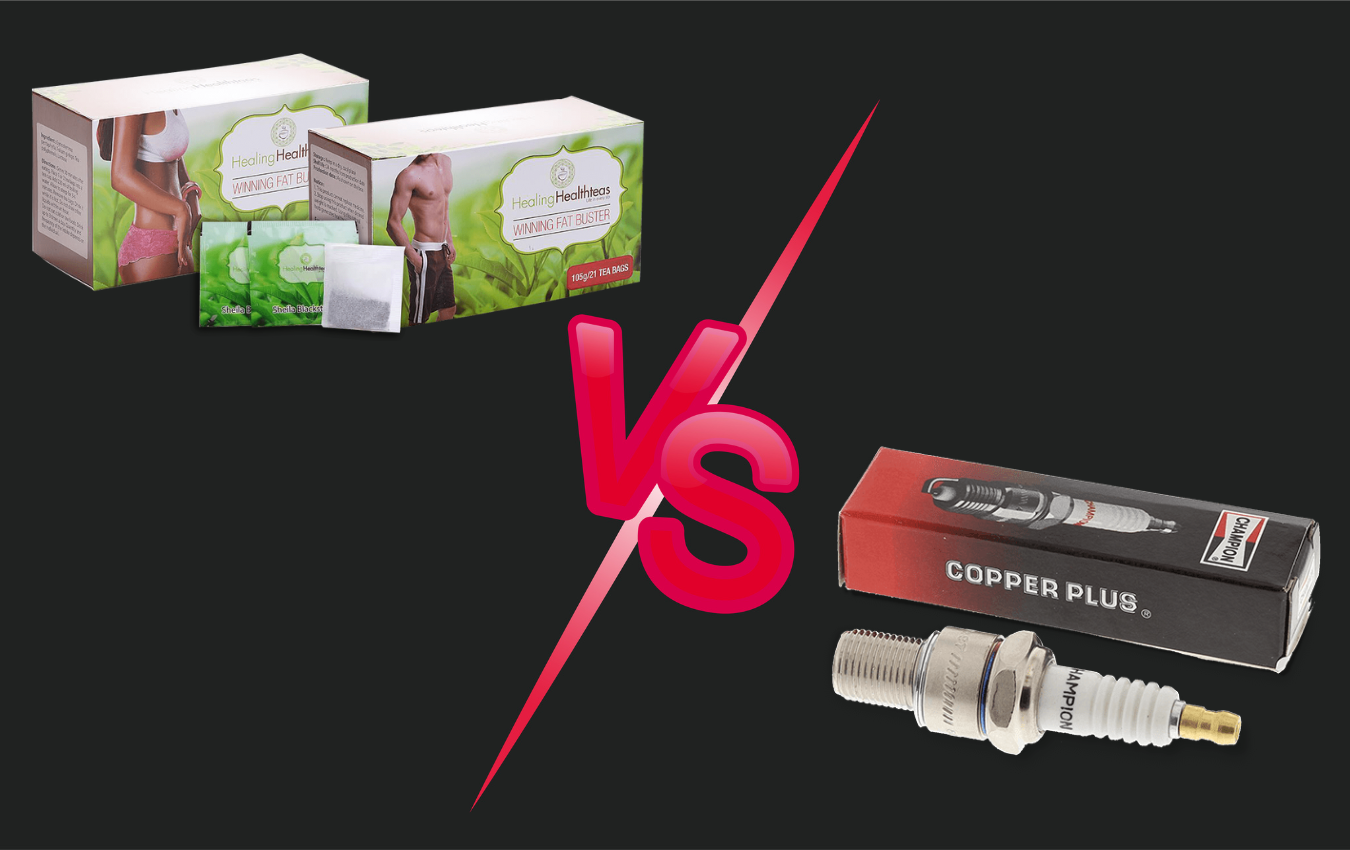
In the diverse landscape of product packaging, understanding how to effectively target different demographics, including gender-specific audiences, is crucial. Packaging is not just a protective shell for your products; it’s a communication tool that resonates with your audience’s preferences and expectations. This blog post focuses on the nuances of designing packaging that appeals specifically to male and female consumers, offering insights into how subtle differences in design, color, and messaging can significantly impact customer appeal. Understanding Gender Preferences in Packaging While it’s important to avoid stereotypes, certain trends and preferences tend to be more prevalent among male and female consumers. These preferences can be influenced by societal norms, psychological factors, and cultural trends. Packaging for a Male Audience Design Elements: Men often gravitate towards packaging with bold, clear, and straightforward designs. Simplistic and functional designs can be more appealing than overly decorative or intricate ones. Color Schemes: Darker colors, sharp contrasts, and less saturated hues tend to resonate more with male consumers. Black, blue, and gray are commonly preferred colors. Messaging and Communication: Men generally prefer packaging that communicates information in a clear, concise, and direct manner. Highlighting the product’s functionality, efficiency, and practicality can be effective. Imagery and Graphics: Imagery that conveys strength, ruggedness, or power can be appealing. Graphic elements should be bold and make a strong visual statement. Packaging for a Female Audience Design Elements: Women may be drawn to more elegant, detailed, and aesthetically pleasing designs. Curves, soft edges, and intricate patterns can be more appealing. Color Schemes: Lighter, softer, and more varied color palettes are often attractive to female consumers. Pastel shades and a broader range of colors can be effectively used. Messaging and Communication: Packaging that tells a story or connects on an emotional level can be more engaging. Emphasize aspects like the brand’s values, the quality of the experience, and emotional benefits. Imagery and Graphics: Imagery that evokes warmth, comfort, or sophistication can be appealing. The graphics can be more detailed and subtly nuanced. Considerations for Gender-Neutral Packaging In recent years, there has been a shift towards more gender-neutral packaging as brands recognize the importance of not alienating potential customers. Gender-neutral packaging focuses on inclusivity and often uses: Neutral Colors and Designs: Opting for a color palette and design elements that don’t strongly skew towards traditionally masculine or feminine aesthetics. Universal Messaging: Focusing on product benefits and features that appeal to a broad audience, regardless of gender. The Role of Cultural Sensitivity Understanding cultural nuances and sensitivities is crucial in packaging design. What appeals to a male or female audience in one culture may not hold the same appeal in another. Sustainability and Ethical Considerations Regardless of the target audience, incorporating sustainable and ethical practices in packaging is increasingly important and can significantly influence consumer preferences. Conclusion Effectively targeting male and female audiences through packaging involves understanding and catering to specific preferences while avoiding clichés and stereotypes. It’s about striking the right balance between appealing to these preferences and not reinforcing outdated gender norms. As societal attitudes continue to evolve, so too should packaging strategies, with a growing emphasis on inclusivity and diversity. In the end, the most successful packaging designs are those that resonate with the intended audience while aligning with the brand’s core values and message. If you are interested in packaging design for your audience, then partner with Brown Packaging today to get started. (714)300-0650 request@brownpackaging.com Most Recent Posts: Categories: Corrugated Ecommerce ESD Design Display Flexible Packaging Foam Folding Carton Packaging Plastic Packaging Pouch Printing Protection Retail Rigid Box Thermoform Sustainability Subscribe To Our Newsletter By submitting your information, you agree to our terms and conditions and privacy policy. Custom Packaging Facebook Twitter LinkedIn Pinterest Relevant Posts

In the world of packaging, businesses often face the decision of whether to use chipboard boxes or transition to corrugated ones. Both types have their unique strengths and applications, but there comes a time when transitioning to corrugated boxes is more beneficial. This blog post explores the scenarios that warrant such a transition, helping businesses make an informed decision for their packaging needs. Understanding Chipboard and Corrugated Boxes Before discussing the transition, it’s important to understand the differences between these two types of packaging. Chipboard Boxes: Made from reclaimed paper stock, chipboard boxes are lightweight and ideal for small, non-fragile items. They are commonly used for products like cereals, shoes, or board games. Corrugated Boxes: These are stronger and more durable, consisting of a fluted corrugated sheet sandwiched between two linerboards. They provide better protection and are suitable for heavier or more delicate items. Chipboard box Corrugated box When to Consider Transitioning to Corrugated Boxes Increased Product Weight: If your products have become heavier, corrugated boxes offer the strength and durability necessary to support the additional weight. Fragile or Valuable Items: For products that are fragile or of high value, corrugated boxes provide better protection against impacts and crushing forces. Shipping and Handling Concerns: If your products are being shipped over longer distances or through multiple carriers, corrugated boxes can withstand the rigors of shipping and handling more effectively. Storage and Stacking Needs: Corrugated boxes have superior stacking strength, making them ideal if your products need to be stored or stacked without risking box collapse. Environmental Considerations: While both chipboard and corrugated materials can be environmentally friendly, corrugated boxes often have a higher content of recycled materials and are easily recyclable. Varying Product Sizes: Corrugated boxes come in a wider range of sizes and can be customized more easily, making them suitable for businesses with a diverse product range. Benefits of Switching to Corrugated Boxes Enhanced Product Protection: The sturdy structure of corrugated boxes provides better protection, reducing the risk of product damage during transit. Cost-Effectiveness in the Long Run: Although initially more expensive, the durability of corrugated boxes can reduce the costs associated with damaged goods and returns. Sustainability: Corrugated boxes are highly recyclable, aligning with sustainable business practices. Considerations Before Making the Transition Cost Implications: Evaluate the cost differences between chipboard and corrugated boxes and how it impacts your overall budget. Supplier Relationships: Assess your current supplier’s ability to provide high-quality corrugated options or consider finding a new supplier. Customer Feedback: Gather insights from your customers, as their satisfaction with packaging can influence repeat business. If you are interested in transition from chipboards to corrugated boxes, then partner with Brown Packaging today to get started. (714)300-0650 request@brownpackaging.com Most Recent Posts: Categories: Corrugated Ecommerce ESD Design Display Flexible Packaging Foam Folding Carton Packaging Plastic Packaging Pouch Printing Protection Retail Rigid Box Thermoform Sustainability Subscribe To Our Newsletter By submitting your information, you agree to our terms and conditions and privacy policy. Custom Corrugated Boxes Facebook Twitter LinkedIn Pinterest Relevant Posts