Home » Corrugated vs. Plastic Corrugated Packaging
Corrugated vs. Plastic Corrugated Packaging
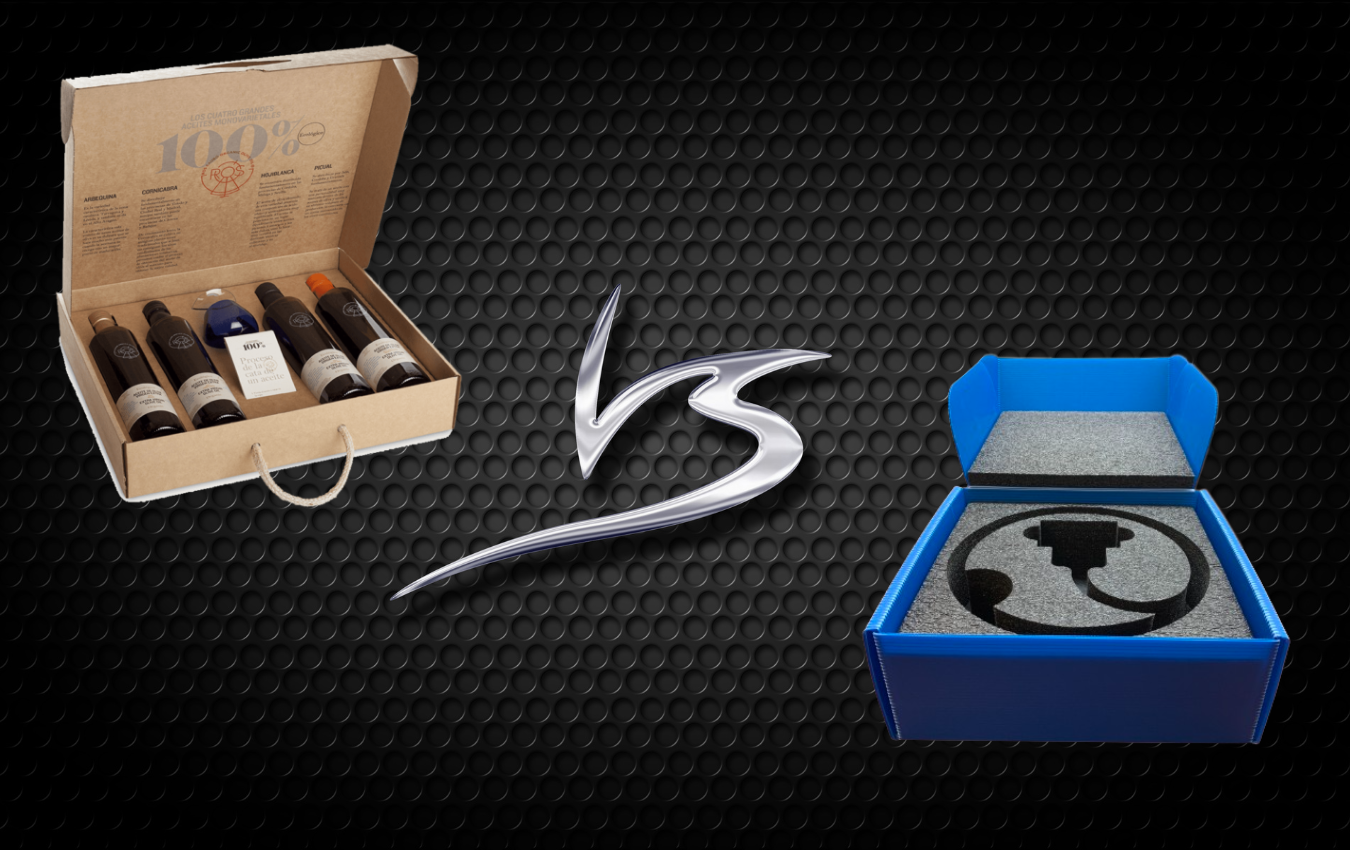
In the dynamic world of packaging, two materials often stand at the forefront: traditional corrugated cardboard and its modern counterpart, plastic corrugated. While both have their unique advantages and applications, understanding the nuances between them is crucial for businesses and consumers alike. This blog post delves deep into comparing these two popular packaging materials.
Corrugated Cardboard: The Classic Choice
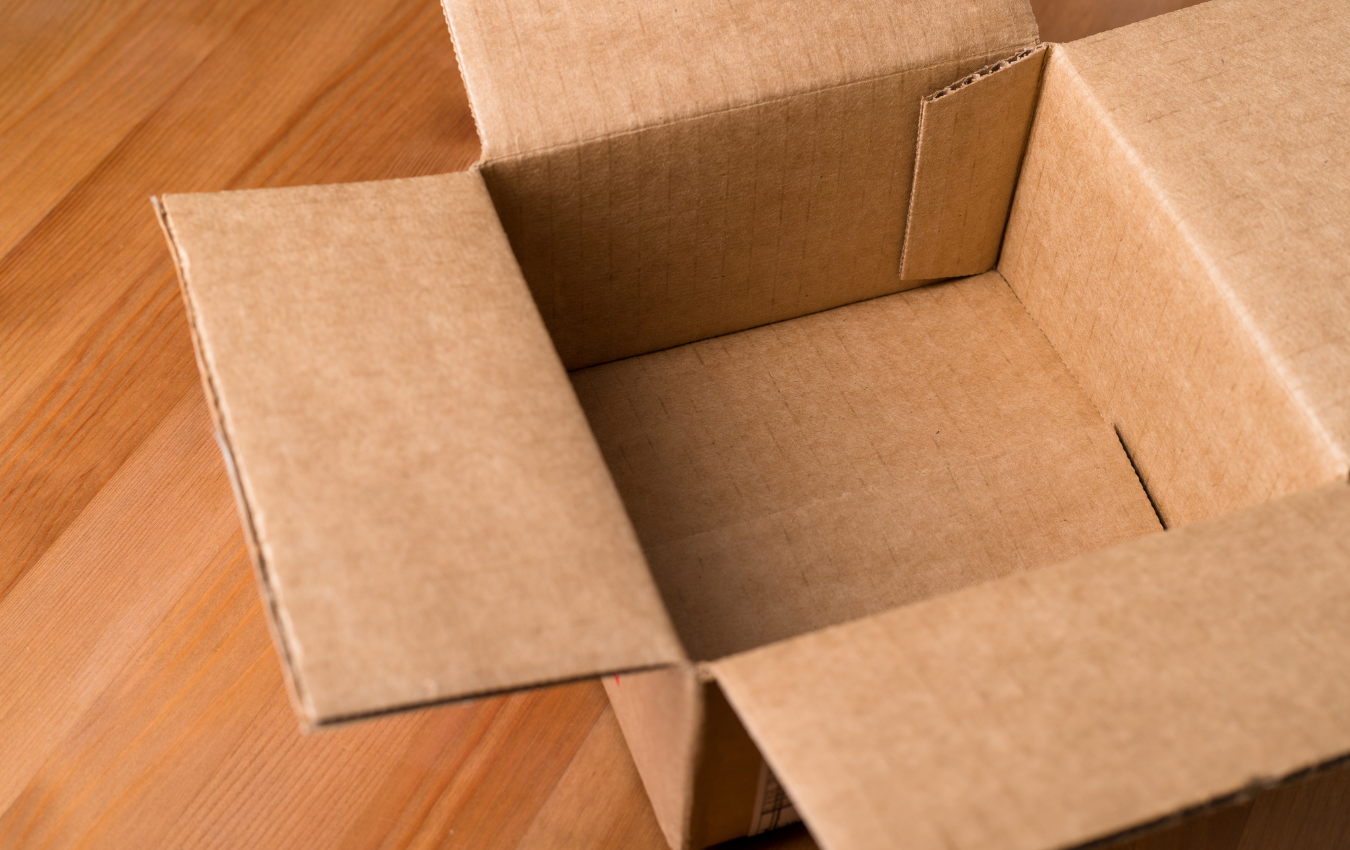
History and Composition Corrugated cardboard has been a staple in packaging for over a century. Its structure, featuring a fluted corrugated sheet sandwiched between two flat linerboards, provides a blend of strength and cushioning.
Eco-Friendly and Recyclable A significant advantage of corrugated cardboard is its environmental friendliness. Made from renewable resources (mainly recycled paper and pulp), it is biodegradable and widely recycled.
Cost-Effectiveness For businesses looking to minimize packaging costs, corrugated cardboard is often the go-to choice. Its materials and production process are relatively inexpensive, making it an economical option for bulk packaging.
Limitations However, corrugated cardboard isn’t without its drawbacks. It’s susceptible to moisture and isn’t the most durable option for long-term or heavy-duty packaging.
Plastic Corrugated: The Modern Alternative
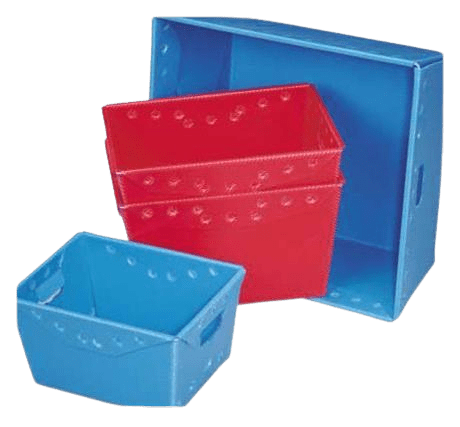
Composition and Durability Plastic corrugated sheets, made from polypropylene or polyethylene, are known for their durability. Unlike cardboard, they are resistant to moisture, chemicals, and impacts, making them suitable for more rigorous applications.
Reusability and Longevity One of the most significant advantages of plastic corrugated is its reusability. These materials can withstand repeated use without significant degradation, offering long-term cost savings despite a higher initial cost.
Versatility Plastic corrugated is available in various colors and can be easily customized, offering aesthetic and branding advantages. Its flexibility in design makes it ideal for specialized packaging needs.
Environmental Considerations While plastic corrugated is recyclable, its environmental impact is a point of contention. The recycling process is more complex than that of cardboard, and if not properly recycled, it contributes to plastic pollution.
Choosing the Right Material for Your Packaging Needs
Assessing Product Requirements The choice between corrugated and plastic corrugated depends largely on the product being packaged. For lightweight, short-term, or cost-sensitive applications, corrugated cardboard is often sufficient. However, for heavier, long-term, or moisture-sensitive products, plastic corrugated may be the better option.
Cost vs. Sustainability Budget constraints and environmental considerations play a significant role. Businesses committed to sustainability might prefer corrugated cardboard, while those requiring durability and long-term use might lean towards plastic corrugated.
If you are interested in corrugated or plastic corrugated packaging, then partner with Brown Packaging today to get started.
Box Compression Test (BCT) measures how much vertical load a corrugated box can last before it collapses. This matters when: Boxes are stacked on pallets
Most companies don’t realize how much they’re paying to ship empty space. Packaging is often designed around convenience or standard sizes, not efficiency. The result
Excess moisture in pet food packaging can cause mold growth, nutrient degradation, clumping, and product spoilage. Effective moisture control combines barrier material selection, packaging design,
Exporting products requires packaging that can endure extended transit times, multiple handling points, and strict international regulations. Full Overlap (FOL) boxes are a proven solution
A POP display can be perfectly designed, well-produced, and shipped on time… …and still never get placed. This isn’t a design failure—it’s an execution failure.
Your POP display isn’t used the way you designed it. It’s used the way the store needs it. That means: Products get moved Inserts get
Home » Corrugated vs. Plastic Corrugated Packaging

High Impact Polystyrene, commonly known as HIPS, is a versatile and widely used thermoplastic renowned for its unique blend of properties. This material is crucial

Foam-in-corrugated hybrid inserts combine the cushioning properties of foam with the structural rigidity of corrugated board, creating a packaging solution that is both protective and

When it comes to packaging fragile or valuable items, ensuring their safe transportation is crucial. One effective way to protect these items during shipping or