




Home » Understanding Shipping Regulations in Packaging
Understanding Shipping Regulations in Packaging
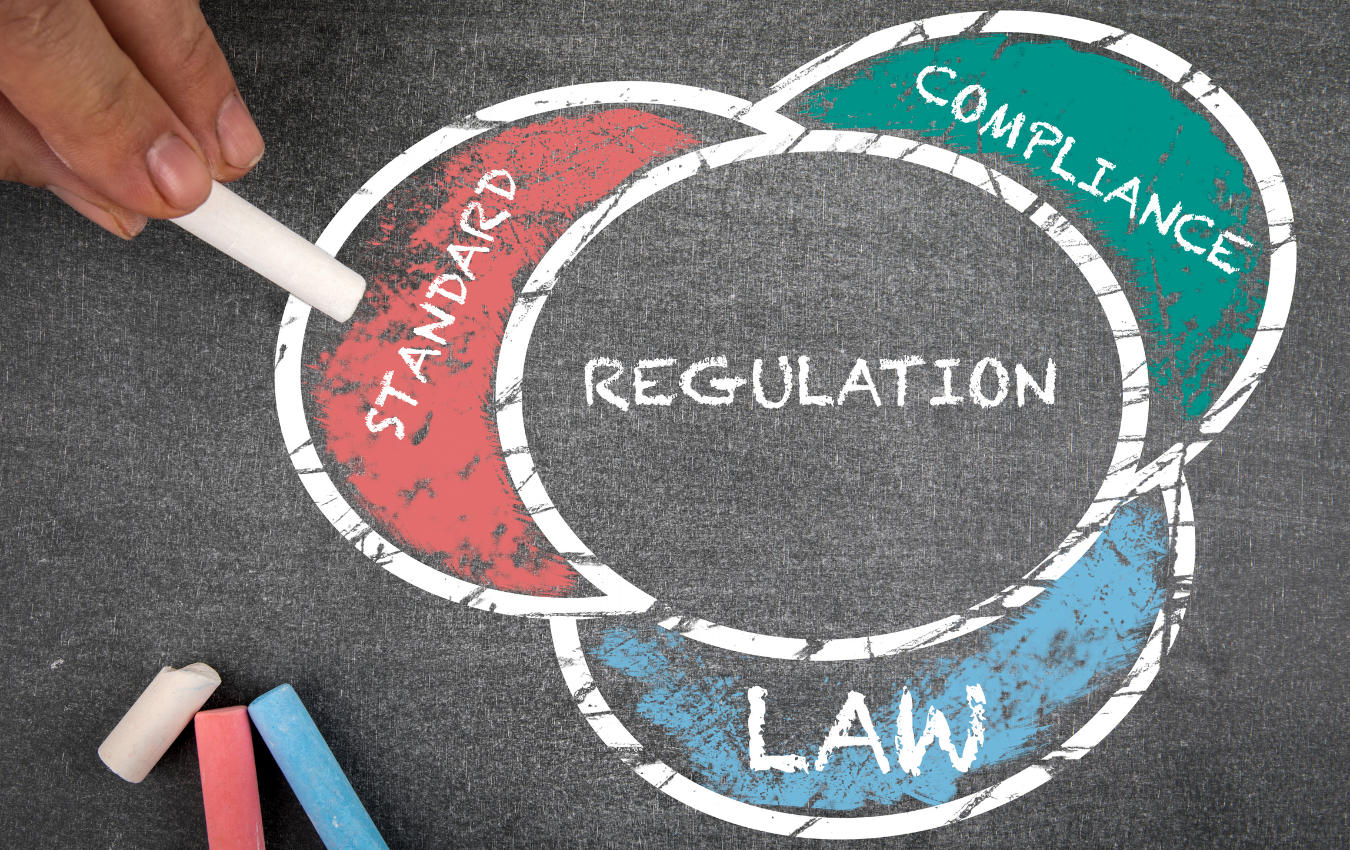
In the intricate landscape of logistics and supply chain management, compliance with shipping regulations is a critical aspect that businesses must navigate meticulously. The packaging of goods plays a pivotal role in adhering to these regulations. This blog post aims to dissect the complexities of shipping regulations and how they impact packaging, providing businesses with the knowledge to ensure compliance.
Understanding Shipping Regulations
Shipping regulations are a set of rules and standards set by authorities and shipping companies to ensure the safe, efficient, and legal transport of goods. These regulations can vary widely depending on the mode of transportation, the type of goods being shipped, and the countries involved.
Importance of Compliance
Compliance with shipping regulations is not just a legal requirement but also a business necessity. Non-compliance can lead to delays, fines, and even the seizure of goods, which can damage a company’s reputation and bottom line.
Key Aspects of Shipping Regulations in Packaging
- Size and Weight Limitations: Most shipping carriers have specific size and weight limits for packages. Exceeding these limits can result in additional charges or shipment rejections.
- Hazardous Materials: The packaging of hazardous materials (Hazmat) is subject to stringent regulations to prevent accidents during transit.
- Labeling and Documentation: Proper labeling and accompanying documentation are crucial for smooth customs clearance and compliance with international shipping standards.
- Packaging Materials: Some regulations dictate the type of materials that can be used, especially for international shipments, to prevent environmental harm and pest infestation.
Strategies for Compliance
- Stay Informed: Regularly update your knowledge of shipping regulations, which can change frequently, especially in international contexts.
- Design for Compliance: Consider regulatory requirements in the initial stages of packaging design to avoid costly redesigns or delays.
- Training and Education: Ensure that your staff, especially those involved in packaging and logistics, are well-trained in compliance matters.
- Build Relationships with Carriers: Establish strong relationships with shipping carriers and logistics providers who can offer valuable guidance on compliance.
Challenges in Compliance
- Complexity of International Shipping: Navigating the myriad of regulations across different countries can be daunting and requires thorough research and planning.
- Evolving Regulations: Shipping regulations, especially those related to safety and environmental protection, are constantly evolving.
Technological Solutions
- Software for Compliance Management: Utilize software solutions that help in managing and staying updated with shipping regulations.
- Automation in Packaging: Automated packaging systems can be programmed to comply with various shipping standards, reducing the risk of human error.
Environmental Regulations
- Sustainable Packaging: Environmental regulations are increasingly influencing packaging choices. Eco-friendly and recyclable materials are not only beneficial for the planet but also align with global shipping regulations.
If you are interested in packaging that is compliant to specific shipping regulations, then partner with Brown Packaging today to get started.
A lower unit price doesn’t mean lower cost. In POP display programs, the biggest losses rarely show up on the quote—they show up in damage
A visually impressive POP display doesn’t guarantee performance. In fact, many of the best-looking displays underperform because they’re designed for approval—not for real retail conditions.
Digital printing is often positioned as a short-run solution for emerging brands. But advances in press technology, workflow automation, and material compatibility have expanded its
Most POP displays are designed for day-one appearance—not for what happens after the first few units sell. That’s a problem. Because in retail, performance is
Most POP display decisions eventually come down to a tradeoff:make it look better or make it perform better. The mistake is thinking you have to
Many packaging purchasing decisions are made by comparing price per box. While this metric is easy to evaluate, it often fails to capture the real
Home » Understanding Shipping Regulations in Packaging

Why Board Grade Selection Matters In today’s volatile supply chain environment, packaging failures aren’t just a nuisance—they’re a liability. Damage in transit, product returns, and

Club stores such as Costco, Sam’s Club, and BJ’s Wholesale represent unique opportunities for brands. These high-traffic environments demand large-format point-of-purchase (POP) displays that deliver

Retail point of purchase (POP) displays are essential tools for marketing products directly to consumers within retail environments. These displays vary widely in shape, size,