

Home » Exploring Packaging Tradeoffs: Shelf-life vs. Costs
Exploring Packaging Tradeoffs: Shelf-life vs. Costs
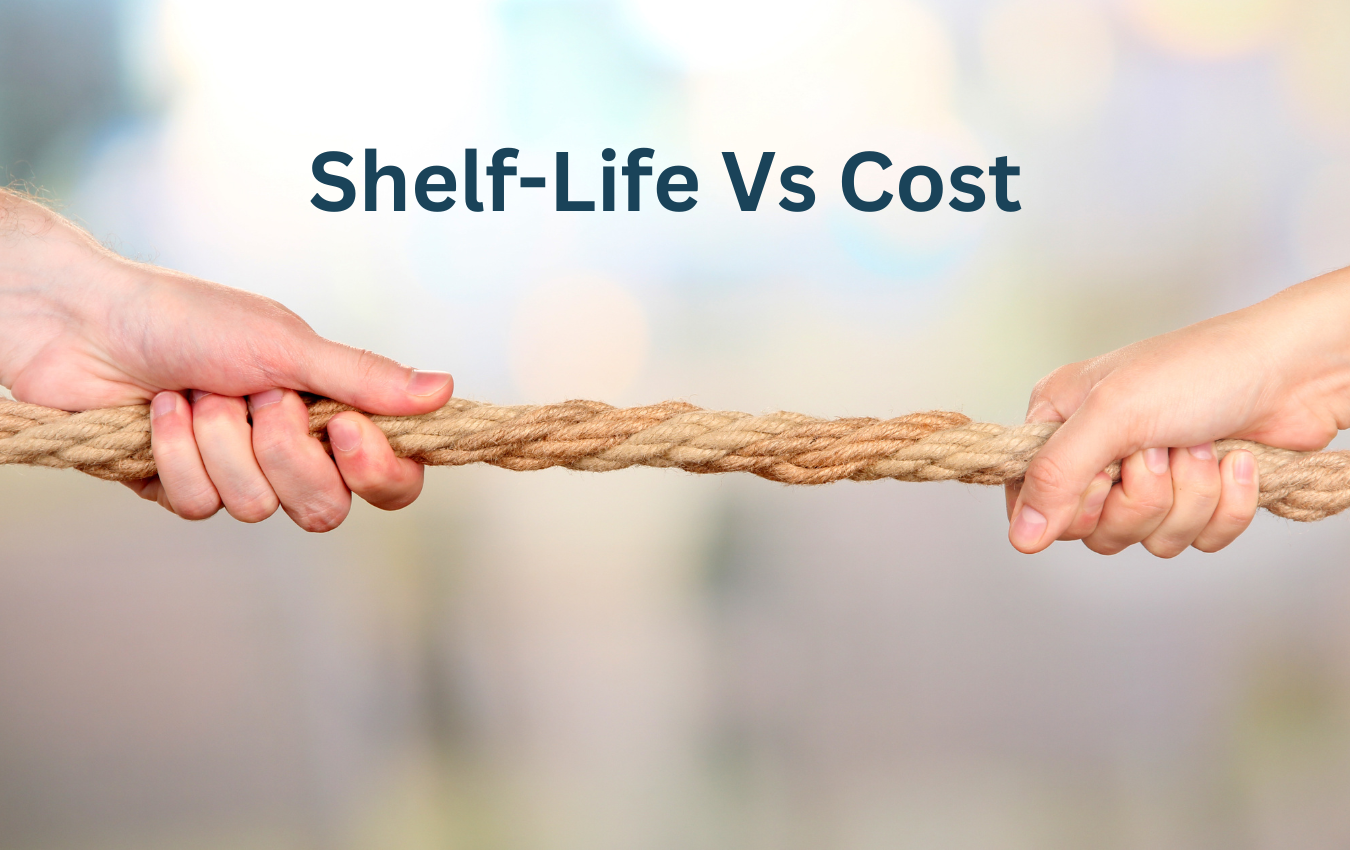
In the world of packaging, there’s a constant tug-of-war between two critical factors: extending the shelf life of products and controlling costs. This delicate balancing act requires businesses to make strategic decisions that align with their objectives and market dynamics. In this exploration, we’ll delve into the intricate tradeoff between shelf life and costs, examining the interconnectedness of these factors and how businesses can navigate this complex landscape.
Packaging Priorities
When considering packaging options, companies must weigh the significance of extending shelf life against the imperative of controlling costs. These two aspects are closely intertwined, and understanding their interplay is essential:
Extending Shelf Life
Extending the shelf life of products carries multifaceted advantages:
- Enhanced Product Quality: A prolonged shelf life ensures that products maintain their quality, flavor, and efficacy, translating into higher customer satisfaction.
- Waste Reduction: By reducing spoilage and the deterioration of goods, companies can curtail waste, aligning with both environmental and economic sustainability.
- Broader Market Reach: Products with extended shelf lives can access wider markets, including regions with extended distribution chains or markets where products may sit on shelves for prolonged periods.
- Fortified Brand Reputation: Offering products with extended shelf life can bolster a brand’s reputation for delivering reliability and quality.
Cost Control
Effective cost control is crucial for profitability and competitiveness:
- Competitive Pricing: Cost-efficient operations enable businesses to offer competitive prices, attracting price-conscious consumers.
- Profit Margin Enhancement: Improved cost control directly impacts profit margins, contributing to the financial health of the business.
- Investment in Innovation: Redirecting cost savings towards research and development allows companies to innovate and stay ahead in the market.
- Market Expansion: Lower production costs may facilitate market expansion and investments in marketing and promotional activities.
The Interplay Between Shelf Life and Costs
The connection between extending shelf life and controlling costs becomes evident when considering the following scenarios:
- Enhanced Packaging Materials: Investing in high-quality packaging materials can extend shelf life by protecting products from external factors. While this may increase upfront costs, it can reduce long-term expenses related to product spoilage.
- Optimized Packaging Designs: Streamlining packaging designs, materials, and sizes can cut production and transportation costs while still preserving product quality. This optimization can strike a balance between shelf life extension and cost control.
- Temperature-Controlled Packaging: Employing temperature-controlled packaging is costlier but essential for certain temperature-sensitive products. It extends shelf life by preventing spoilage, ultimately reducing overall costs associated with product wastage.
- Regular Quality Control: Implementing stringent quality control measures may increase initial costs. Still, it ensures that products meet quality standards, reducing expenses tied to product recalls or customer complaints.
Navigating the Packaging Tradeoff
Striking the right equilibrium between extending shelf life and controlling costs is a nuanced endeavor, necessitating a holistic approach:
- Market Insight: Thorough market research helps businesses understand consumer preferences, demand patterns, and price sensitivity, guiding decision-making.
- Product Assessment: Recognize that different products have varying requirements. Prioritize shelf life extension for perishable goods, while focusing on cost control for less time-sensitive products.
- Continuous Optimization: Regularly assess processes, materials, and packaging to identify opportunities for cost savings without compromising product quality or shelf life.
- Adaptability: Be prepared to adapt strategies as market conditions, consumer preferences, and technological advancements evolve.
If you are interested in maximizing your packaging extended shelf-life while limiting costs, then partner with Brown Packaging today to get started.
Sustainable packaging in 2027 will be less about broad claims and more about proof, performance, compliance, and cost control. Buyers will still care about recyclable
Sustainable packaging in 2027 will be less about broad claims and more about proof, performance, compliance, and cost control. Buyers will still care about recyclable
A folding carton may look simple once it reaches the shelf, but it goes through a controlled production process before it becomes a finished package.
Folding carton production is becoming more automated because buyers are asking for faster timelines, tighter consistency, and more flexibility across more SKUs. Shorter product lifecycles,
Folding carton style matters because structure affects more than appearance. The right carton can improve shelf presentation, packing speed, product access, closure security, storage efficiency,
Pouch packaging trends in 2027 will be shaped by convenience, shelf impact, sustainability pressure, sealing performance, automation, ecommerce growth, and total packaging cost. Buyers will
By submitting your information, you agree to our terms and conditions and privacy policy.
Home » Exploring Packaging Tradeoffs: Shelf-life vs. Costs


In today’s competitive business landscape, customer loyalty plays a pivotal role in the success and growth of any brand or business. With countless options available
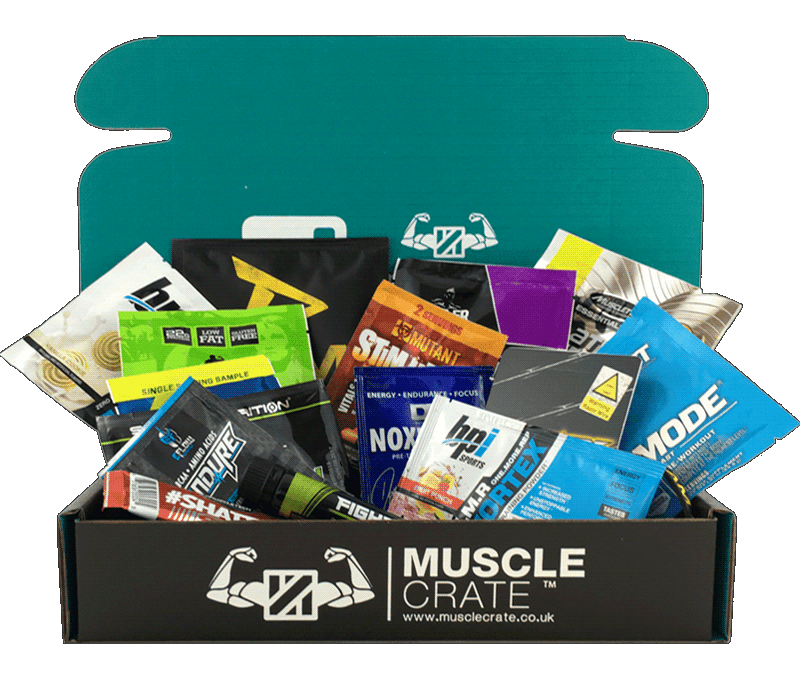
As the popularity of subscription box services continues to surge, the competition in this rapidly evolving industry has become fiercer than ever. Custom packaging plays
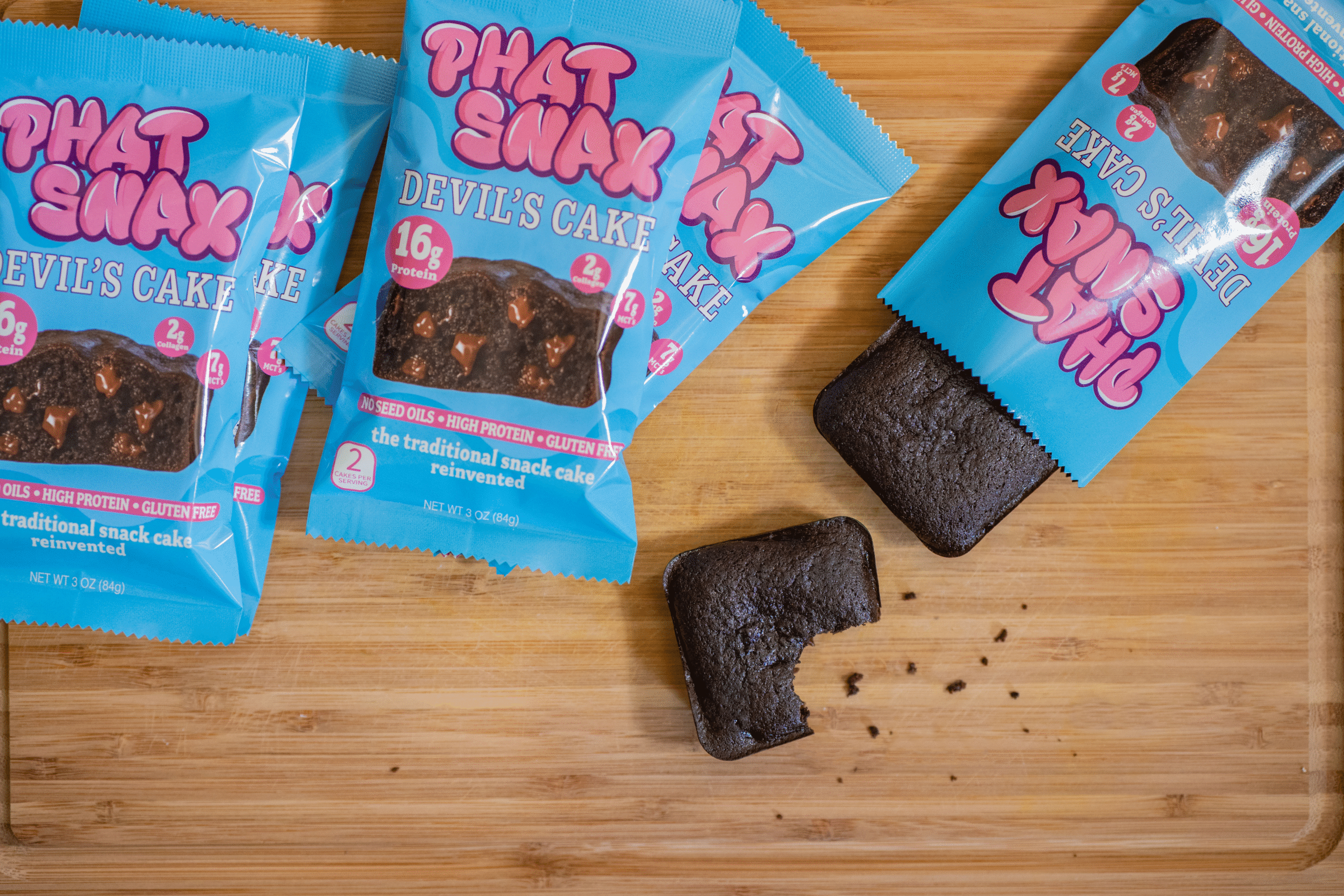
Phat Snax is redefining the snack aisle with a mission to make America’s snacks better for you — without killing the flavor. Their products, like