

Home » Optimizing the Size and Structure of Your POP Displays
Optimizing the Size and Structure of Your POP Displays

When it comes to retail marketing, Point of Purchase (POP) displays are essential for capturing customer attention and promoting your products effectively. The size and structure of these displays play a critical role in their success, influencing both visibility and shopper engagement. This blog explores how to optimize the size and structure of POP displays to maximize their impact in a retail setting.
Understanding the Importance of Size and Structure
The size and structure of a POP display can dramatically affect how a product is perceived by shoppers. Too large, and the display can overwhelm the product or clutter the shopping environment; too small, and it risks being overlooked. The right balance ensures the display is engaging without being obtrusive, and that it fits well within the available retail space.
Key Considerations for Optimizing Size
Retail Space Constraints
Before designing a POP display, it’s crucial to consider the available space. In a crowded retail environment, a compact, well-organized display might be more effective. Conversely, in larger, more open spaces, a bigger display could be used to make a bolder statement.
Product Type and Size
The size of the display should correspond to the size and type of the product. Larger items might need sturdier and more spacious displays, while smaller items can benefit from more petite, densely packed displays that allow for easy browsing.
Visibility and Reach
Ensure that the display is not only visible from a distance but also easily accessible to all customers, including those with disabilities. The height of the display should allow children and adults to comfortably interact with the products, ideally without having to reach too high or bend too low.
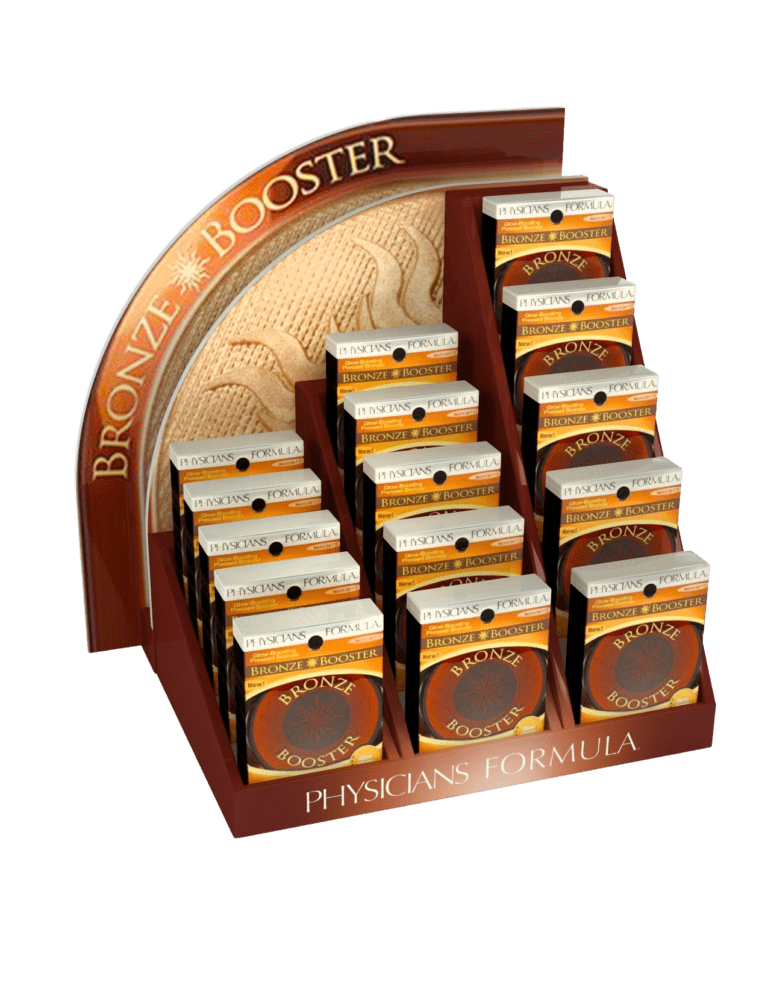
Strategies for Structuring Your Display
Modular Design
Modular POP displays offer flexibility as they can be easily adjusted or reconfigured to accommodate different products or to fit different spaces. This adaptability makes them ideal for retailers who frequently change their promotions or product placements.
Durable Materials
The choice of material can affect both the appearance and durability of a POP display. Materials should be chosen not only for their aesthetic appeal but also for their ability to withstand regular interaction from customers. Metal or high-grade plastic structures can offer longevity, while cardboard might be suitable for shorter, seasonal campaigns.
Interactive Elements
Incorporating interactive elements such as digital screens, touch panels, or movable parts can make a display more engaging. These features can help draw in customers and provide them with a memorable shopping experience.
Use of Levels and Depth
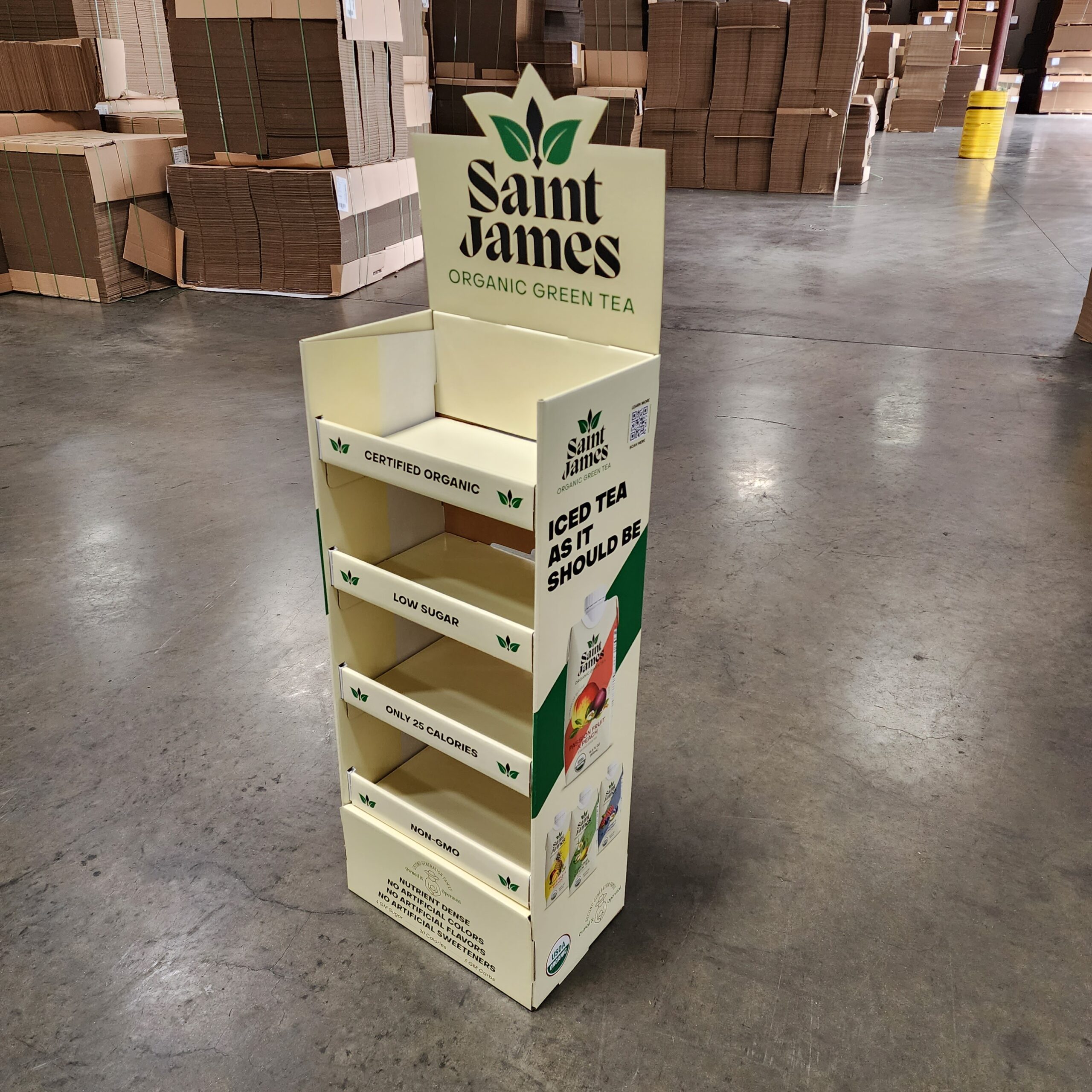
Creating levels and depth within a display can guide the shopper’s eye and highlight different products effectively. Elevated platforms or staggered shelving can help make each product stand out while ensuring that none are hidden from view.
Balancing Aesthetics and Functionality
While the structure should be visually appealing, it must also be functional. The design should facilitate an easy flow of traffic around the display and allow customers to interact with the products without any barriers. Careful consideration of the layout and overall design can prevent the display from becoming too complicated or confusing to navigate.
If you are interested in POP displays, then partner with Brown Packaging today to get started.
Sustainable packaging in 2027 will be less about broad claims and more about proof, performance, compliance, and cost control. Buyers will still care about recyclable
Sustainable packaging in 2027 will be less about broad claims and more about proof, performance, compliance, and cost control. Buyers will still care about recyclable
A folding carton may look simple once it reaches the shelf, but it goes through a controlled production process before it becomes a finished package.
Folding carton production is becoming more automated because buyers are asking for faster timelines, tighter consistency, and more flexibility across more SKUs. Shorter product lifecycles,
Folding carton style matters because structure affects more than appearance. The right carton can improve shelf presentation, packing speed, product access, closure security, storage efficiency,
Pouch packaging trends in 2027 will be shaped by convenience, shelf impact, sustainability pressure, sealing performance, automation, ecommerce growth, and total packaging cost. Buyers will
By submitting your information, you agree to our terms and conditions and privacy policy.
Home » Optimizing the Size and Structure of Your POP Displays


As retail environments evolve, Point of Purchase (POP) displays will continue to be an essential tool for capturing consumer attention and driving in-store sales. In
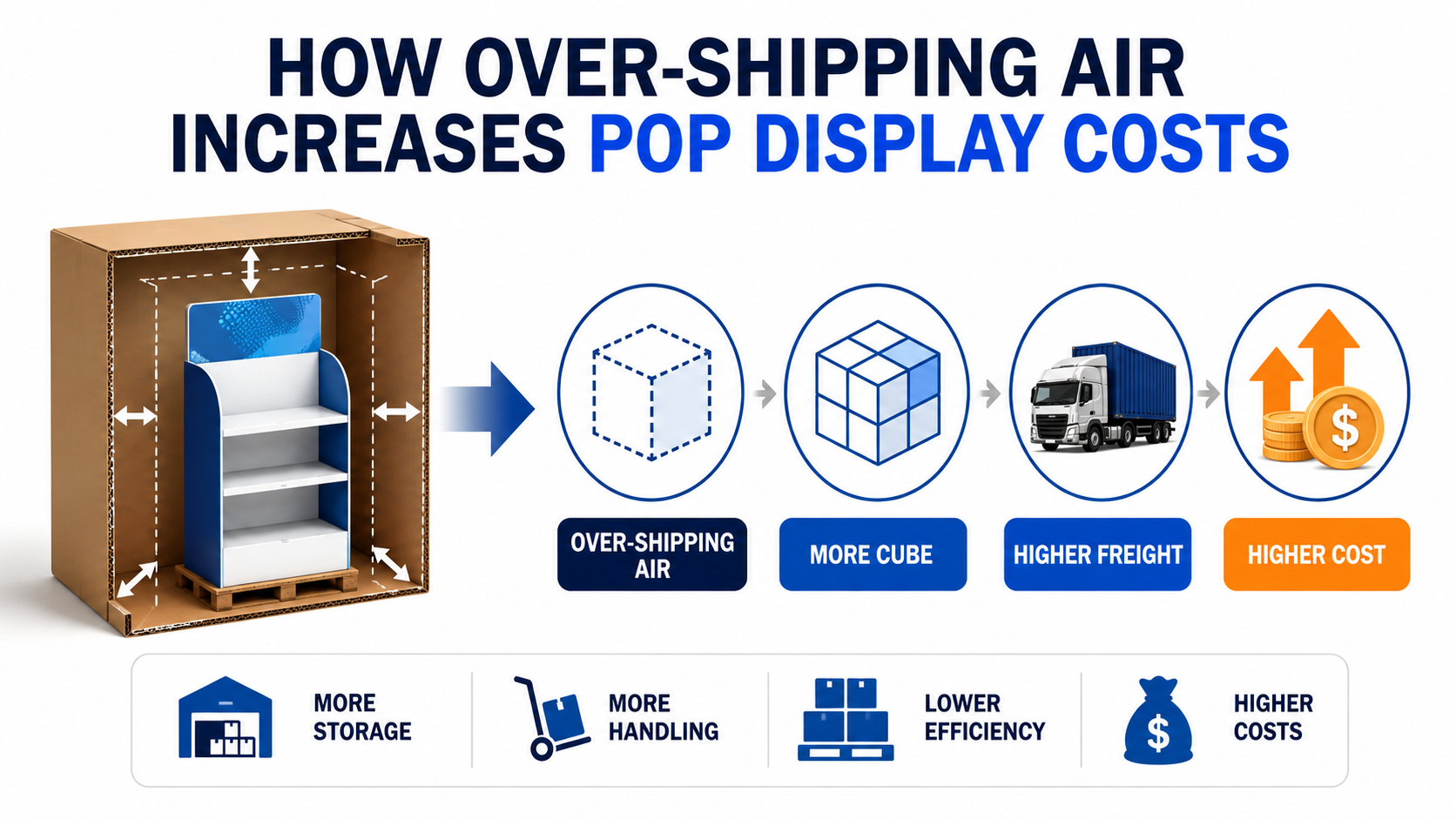
Most POP display programs don’t lose money on materials. They lose it in:👉 empty space Displays are often shipped with: Excess void space Poor stacking
Most POP floor displays don’t fail immediately—they fail after they’ve been on the retail floor for a short period of time. Week one looks fine.By