

window.uetq = window.uetq || []; window.uetq.push(‘event’, ‘submit_lead_form’,{ event_label:‘SUBMIT MESSAGE’ }); window.lintrk('track', { conversion_id: 10271009 }); window.lintrk('track', { conversion_id: 10271017 });

Blogs

At Brown Packaging, we provide insightful content about the packaging industry to keep our clients, followers, and partners informed with the latest trends and accurate information. Our goal is to equip you with up-to-date knowledge that helps you stay ahead in the ever-evolving world of packaging.

Corrugated
brownpackaging
RSC Packaging Cost Efficiency

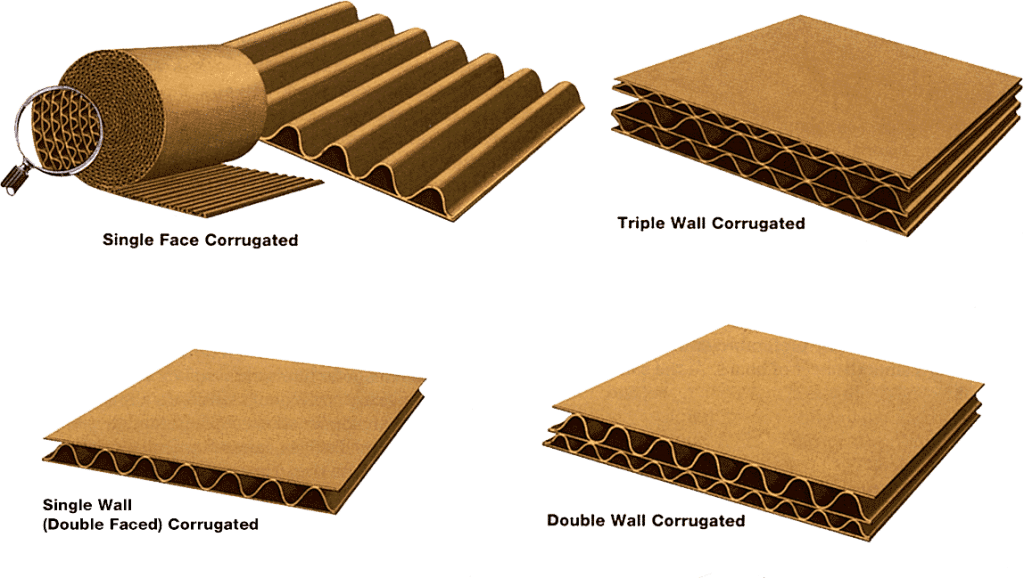
RSC boxes are widely used because they balance strength with cost efficiency. But not all RSC boxes are created equal. Buyers have to weigh board grade, flute profile, and design factors to avoid overpaying for unnecessary strength or, worse, underpaying and risking product damage. Understanding these trade-offs ensures that packaging budgets are optimized without compromising protection. Board Grade and Cost Trade-Offs Higher Grades (e.g., 44 ECT) Provide greater stacking strength. Necessary for heavy products, palletized loads, or export packaging. Higher cost due to stronger liners and mediums. Lower Grades (e.g., 26–32 ECT) Ideal for lightweight products. Cost-effective for single-use shipments or direct-to-consumer e-commerce. Reduce material cost but lower compression resistance. Takeaway: Over-specifying board grade adds unnecessary cost. Match strength to actual product weight and stacking requirements. Flute Profiles and Efficiency B-Flute: Good balance of cushioning and stacking strength, widely used in RSC. C-Flute: Higher cushioning, thicker profile, similar cost per unit. E-Flute: Thin profile, less stacking strength but reduces material use and shipping cost for small/light products. Higher cost per unit. Takeaway: Flute choice affects not only performance but also dimensional weight — a critical factor in freight costs. Assembly and Material Costs Tape and Labor: RSC requires tape or glue for sealing, which adds to per-unit cost at scale. Automation: Automated case erectors reduce labor, but box tolerances must be consistent to avoid jams. Material Utilization: RSC has one of the most efficient board utilization rates, reducing waste compared to specialty die-cut mailers. Freight and Storage Efficiency Cube Utilization: Right-sizing RSC dimensions reduces dimensional weight charges. Palletization: Box dimensions affect how many units fit per pallet — poor fit can increase freight by 10–15%. Knock-Down Storage: RSC ships flat, minimizing inbound logistics costs and warehouse space. Buyer Takeaway Use lower board grades for lightweight e-commerce and non-palletized shipments to save cost. Reserve higher grades for industrial, heavy-duty, or export applications. Right-size your RSCs to minimize dimensional weight surcharges. Consider automation compatibility to reduce long-term labor expense. When optimized, RSC packaging isn’t just cost-efficient — it’s a lever for total supply chain savings. References Fibre Box Association. (2023). Corrugated Cost Optimization. https://www.fibrebox.org Association of Independent Corrugated Converters (AICC). (2024). Cost and Efficiency in Corrugated Packaging. https://www.aiccbox.org Robertson, G. (2016). Food Packaging: Principles and Practice (3rd ed.). CRC Press. (714)300-0650 request@brownpackaging.com Most Recent Posts: Categories: Corrugated Ecommerce ESD Design Display Flexible Packaging Foam Folding Carton Packaging Plastic Packaging Pouch Printing Protection Retail Rigid Box Thermoform Sustainability Subscribe To Our Newsletter By submitting your information, you agree to our terms and conditions and privacy policy. Regular Slotted Container Facebook Twitter LinkedIn Pinterest Relevant Posts

Read More »
RSC vs. Specialty Boxes
Corrugated
brownpackaging
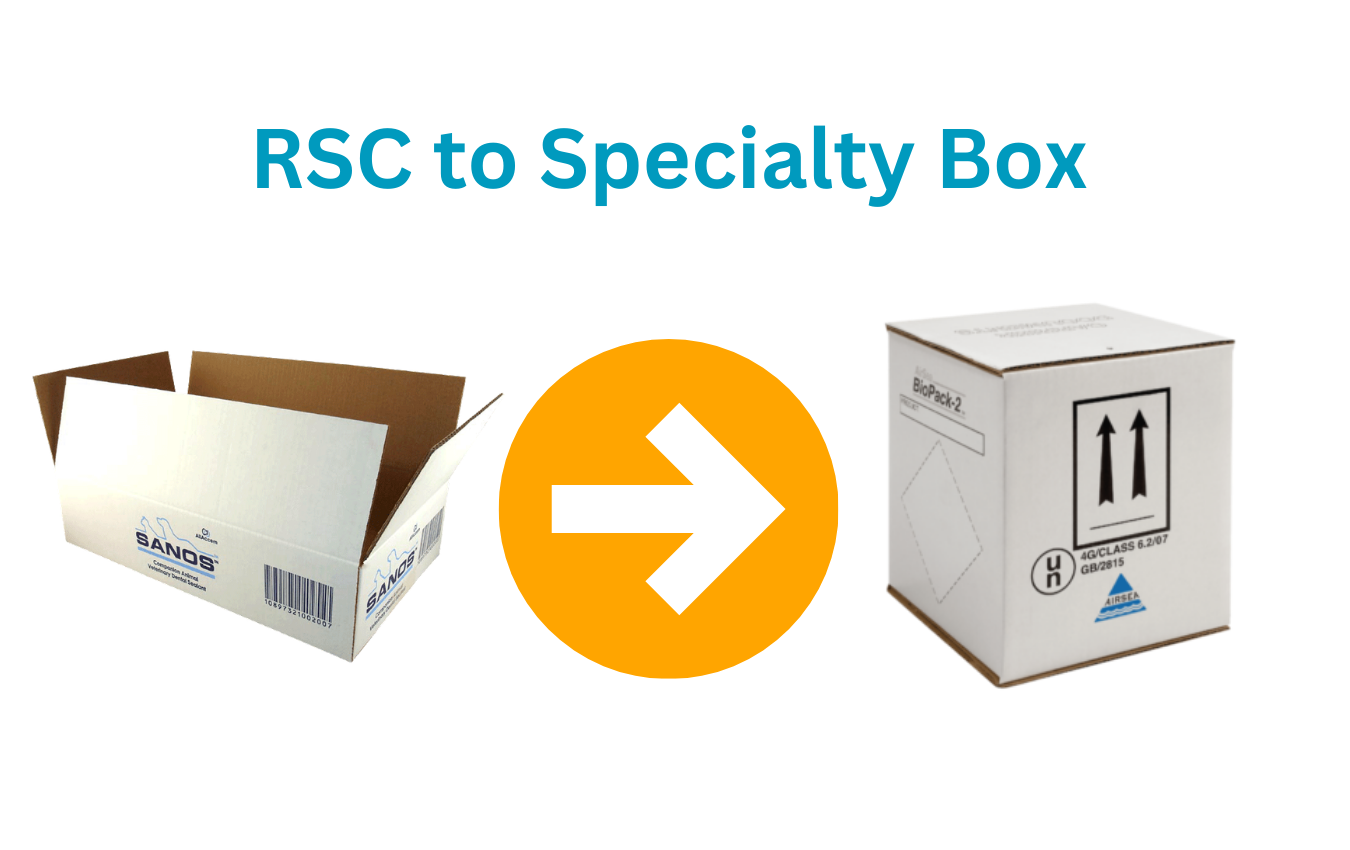
RSC vs. Specialty Boxes

RSC boxes dominate corrugated packaging, but they aren’t always the best fit. Specialty box styles like Full Overlap (FOL), RETT mailers, and die-cut formats offer unique advantages for certain applications. Understanding when to stay with an RSC versus upgrading to a specialty style ensures buyers balance cost, performance, and presentation. When RSC Is Best Bulk Shipping: Strong compression strength makes RSC ideal for palletized loads. Low Cost: Efficient to manufacture with minimal board waste. Versatility: Works across industries from industrial to retail. Automation-Ready: Standardized design runs smoothly on case erectors and palletizers. When Specialty Boxes Are Better Full Overlap (FOL) Flaps overlap fully, reinforcing the top and bottom. Better for heavy products or shipments that need extra stacking strength. RETT Mailers Dust flaps and cherry locks eliminate tape, improving assembly speed. Ideal for e-commerce and branded unboxing experiences. Die-Cut Boxes Custom shapes and closures for product-specific fit. Useful when presentation and consumer experience are top priorities. Key Trade-Offs Feature RSC Box Specialty Box Styles Assembly Speed Slower (tape required) Faster (die-cut, self-locking) Stacking Strength High Variable (higher in FOL, lower in mailers) Branding Potential Basic Premium (better graphics and unboxing) Flexibility Universal Application-specific       Buyer Takeaway Stick with RSC when cost, strength, and scalability matter most. Upgrade to FOL for heavy-duty industrial shipments. Choose RETT or die-cut mailers for e-commerce and premium branding. By evaluating your priorities — strength, speed or presentation — you can decide whether RSC remains the best fit or if specialty box styles deliver added value. References Fibre Box Association. (2023). Corrugated Box Styles and Applications. https://www.fibrebox.org Association of Independent Corrugated Converters (AICC). (2024). Corrugated Design and Performance. https://www.aiccbox.org Soroka, W. (2016). Fundamentals of Packaging Technology (5th ed.). Institute of Packaging Professionals. (714)300-0650 request@brownpackaging.com Most Recent Posts: Categories: Corrugated Ecommerce Display Foam Printing Protection Retail Thermoform Sustainability Subscribe To Our Newsletter By submitting your information, you agree to our terms and conditions and privacy policy. Custom Corrugated Boxes Facebook Twitter LinkedIn Pinterest Relevant Posts

Read More »
Packaging
brownpackaging
High-Graphics Printing for the Pet Care Market

In the competitive pet care industry, packaging graphics can be as influential as product quality when it comes to driving sales. For pet food, treats, supplements, and accessories, print method and finishing choices impact shelf presence, consumer trust, and brand differentiation. Print Methods for Pet Care Packaging Flexographic Printing How it Works: Uses flexible relief plates and water-based or UV-cured inks. Advantages: Cost-effective for high-volume runs. Suitable for porous and non-porous substrates, including kraft paper, film, and woven polypropylene. Limitations: Lower resolution than gravure for complex imagery. Plate costs make it less ideal for short runs. Digital Printing How it Works: Uses inkjet or toner-based technology without printing plates. Advantages: Ideal for short runs, SKU versioning, and seasonal promotions. No plate costs; faster turnaround. Limitations: Higher per-unit cost for large volumes. Limited ink adhesion on certain films without primers or coatings. Rotogravure Printing How it Works: Uses engraved cylinders to transfer ink directly onto the substrate. Advantages: Exceptional image detail and color consistency. Ideal for full-coverage, high-graphic designs on flexible films. Limitations: High cylinder cost; best for very large production runs. Finishing Techniques for Shelf Impact Matte & Gloss Varnish Combinations: Create contrast that draws attention to logos or product images. Soft-Touch Coatings: Give a premium tactile feel, appealing in higher-end treat or supplement markets. Metallic Inks & Foil Stamping: Provide high-end visual cues, often associated with premium quality. Transparent Windows: Showcase the product while maintaining high-graphic branding around it. Consumer Psychology in Pet Packaging Pet Imagery: Featuring realistic, happy pets increases emotional engagement. Color Selection: Earth tones for natural or organic product positioning. Bright colors for treats or playful product lines. Typography: Bold, legible fonts support quick recognition in busy retail environments. Durability and E-Commerce Considerations Scuff-Resistant Coatings: Prevent graphic wear during transit and shelf handling. Lamination Choices: Protect against moisture, grease, and abrasion for products like kibble and chews. References ASTM International. (2016). ASTM D5264-16: Standard practice for abrasion resistance of printed materials by the Sutherland rub tester. ASTM International. https://doi.org/10.1520/D5264-16ASTM International. (2019). ASTM D685-19: Standard practice for conditioning paper and paper products for testing. ASTM International. https://doi.org/10.1520/D0685-19Packaging Printing Handbook. (2023). Flexography, digital, and gravure printing methods in packaging. Retrieved from https://www.packagingprintinghandbook.com (714)300-0650 request@brownpackaging.com Most Recent Posts: Categories: Corrugated Ecommerce ESD Design Display Flexible Packaging Foam Folding Carton Packaging Plastic Packaging Pouch Printing Protection Retail Rigid Box Thermoform Sustainability Subscribe To Our Newsletter By submitting your information, you agree to our terms and conditions and privacy policy. Pet Packaging Facebook Twitter LinkedIn Pinterest Relevant Posts

Read More »
Packaging: One Distributor vs. Multiple Manufacturers
Packaging
brownpackaging
Packaging: One Distributor vs. Multiple Manufacturers

Managing packaging for your business is more than just ordering boxes and labels—it’s about sourcing the right materials, coordinating timelines, ensuring quality, and staying aligned with branding and compliance standards. For many buyers, this means juggling relationships with multiple manufacturers for items like corrugated boxes, folding cartons, mailers, tapes, pouches, and displays. But there’s a smarter, more efficient way: working with a single, full-service packaging distributor. Here’s why consolidating your packaging supply chain under one expert partner isn’t just more convenient—it can seriously improve your results. Simplified Project Management Dealing with multiple vendors often means repeating conversations, managing disconnected timelines, and trying to align different production capabilities. A packaging distributor serves as your central point of contact, coordinating every component of your project—from sampling and quoting to delivery and fulfillment. ✔ One contact for all packaging products ✔ Less back-and-forth communication ✔ No gaps between structural design and production ✔ Clear accountability from start to finish Faster Timelines and Better Coordination When you work with multiple manufacturers, each one operates on their own schedule. If your folding cartons are delayed, but your rigid boxes ship early, your entire packaging launch suffers. A distributor ensures that everything is timed to arrive together, preventing slowdowns and misalignment. ✔ Synchronized production timelines ✔ Coordinated delivery and inventory planning ✔ Streamlined launches for multi-component packaging ✔ Improved speed to market Greater Flexibility Across Packaging Types Manufacturers typically specialize in one category—like corrugated, folding cartons, or flexible packaging. But your brand needs more than that. A distributor gives you access to a wide range of packaging formats and materials without having to build separate relationships for each one. ✔ Corrugated boxes, pouches, mailers, displays, and more ✔ One partner for stock and custom packaging ✔ Flexibility to scale or adjust based on product changes ✔ Support across retail, e-commerce, and promotional needs Cost and Volume Optimization Distributors work across hundreds of vendors and manufacturers, which means they can leverage volume buying, negotiate better pricing, and combine orders to keep your costs down. You’re not locked into one manufacturer’s pricing or volume limitations—your distributor finds the best fit. ✔ Access to competitive pricing through volume ✔ Lower MOQs through consolidated buying ✔ Cost savings on bundled services (design, testing, fulfillment) ✔ Custom sourcing based on your budget and goals Customization with Consistency When you’re managing structural design through one vendor, printing with another, and labeling elsewhere, it’s easy to lose brand consistency. A distributor helps ensure that every element of your packaging is aligned—visually and structurally—because it’s all being managed under one roof. ✔ Unified branding across all packaging types ✔ Color-matching and layout alignment ✔ Accurate sizing across inserts, boxes, and displays ✔ One design file applied across multiple formats Support with Compliance, Sustainability, and Retail Requirements Retailers, distributors, and regulators all have packaging requirements—and those can be hard to manage when you’re dealing with multiple suppliers who may not understand your industry. A packaging distributor understands the bigger picture and helps ensure all products meet the same standards. ✔ Knowledge of FDA, USDA, and retailer-specific requirements ✔ Recommendations for recyclable, compostable, and eco-friendly options ✔ Retail-ready display coordination (Target, Costco, Walmart, etc.) ✔ Accurate barcoding, labeling, and structural compliance Scalability and Long-Term Partnership As your business grows, your packaging needs evolve. A manufacturer may only serve one niche, but a distributor can scale with you—offering more product options, faster turnarounds, and additional services like fulfillment, packout, and logistics. ✔ Easy to add new SKUs or packaging formats ✔ Long-term consistency across growing product lines ✔ Ongoing optimization of cost, materials, and design ✔ Built-in support for larger retail rollouts or DTC expansion Final Thoughts Working with multiple packaging manufacturers might seem like a way to shop around—but in reality, it adds unnecessary complexity and cost to your process. A trusted packaging distributor gives you efficiency, control, and scalability, all while helping you get better results with fewer headaches. Looking to simplify your packaging supply chain? We’ll help you manage every detail—from sourcing and design to delivery—so you can focus on growing your business. (714)300-0650 request@brownpackaging.com Most Recent Posts: Categories: Corrugated Ecommerce ESD Design Display Flexible Packaging Foam Folding Carton Packaging Plastic Packaging Pouch Printing Protection Retail Rigid Box Thermoform Sustainability Subscribe To Our Newsletter By submitting your information, you agree to our terms and conditions and privacy policy. Custom Packaging Facebook Twitter LinkedIn Pinterest Relevant Posts

Read More »
bike part rigid box custom printed
Packaging
brownpackaging
Packaging Solutions Designed for Cost Effectiveness

When it comes to packaging, cutting costs doesn’t mean cutting corners. The most cost-effective packaging solutions are those that balance performance, simplicity, and scalability. Whether you’re shipping direct-to-consumer, distributing through retail, or moving industrial product in bulk, your packaging should protect your product, support your brand, and save you money at scale. Here are some of the most cost-effective packaging products—and why they’re worth considering. Corrugated Boxes Why it’s cost-effective:Corrugated boxes are one of the most affordable and versatile options for shipping and storage. They’re lightweight, recyclable, and available in a wide range of sizes and strengths. Standard box styles like RSC (Regular Slotted Containers) keep production costs low and lead times fast. Best for: E-commerce shipping Industrial parts Retail master packs Folding Cartons Why it’s cost-effective:Folding cartons use less material than rigid boxes, collapse flat for efficient shipping, and run easily through automated packing lines. They’re ideal for low to mid-weight items and are highly customizable for retail. Best for: Food, beverage, and supplements Cosmetics and personal care Pharmaceuticals Poly Mailers Why it’s cost-effective:For soft goods or items that don’t require structural protection, poly mailers are inexpensive and lightweight. They also help reduce dimensional shipping weight, saving money in both materials and freight. Best for: Apparel and textiles Accessories DTC shipping Roll Stock (Flexible Film) Why it’s cost-effective:Roll stock is efficient for high-volume production and automated packaging environments. It’s commonly used for pouches, snack packs, and sachets. By forming packaging on demand, it reduces waste and speeds up fulfillment. Best for: Snacks and dry goods Single-serve products Promotional sample packs Kraft Paper and Fill Why it’s cost-effective:Kraft paper and void fill are low-cost ways to protect products inside a box without using foam or molded inserts. Paper-based solutions are recyclable and easy to source. Best for: Light cushioning and bracing Eco-conscious shipping Variable product sizes Die-Cut Inserts (Chipboard or Corrugated) Why it’s cost-effective:Custom inserts made from chipboard or corrugated reduce product movement in transit and eliminate the need for bubble wrap or expensive molded foam. They also improve unboxing and reduce returns from damage. Best for: Multipacks Fragile or breakable items E-commerce kits Bulk Packaging & Pallet Solutions Why it’s cost-effective:For large or industrial products, bulk corrugated bins, Gaylord boxes, and edge protectors reduce labor and material use. These solutions are reusable and help consolidate shipments. Best for: Industrial and automotive parts Warehouse-to-warehouse movement Heavy or oversized loads Final Thoughts Cost-effective packaging isn’t about going cheap—it’s about using the right material, structure, and design for your product and distribution channel. With smart packaging choices, you can reduce freight, simplify fulfillment, and protect your margins without sacrificing quality. Want help building a cost-effective packaging solution?We’ll help you identify the most efficient products for your needs—whether it’s simple shippers, optimized inserts, or custom print-on-demand solutions. (714)300-0650 request@brownpackaging.com Most Recent Posts: Categories: Corrugated Ecommerce ESD Design Display Flexible Packaging Foam Folding Carton Packaging Plastic Packaging Pouch Printing Protection Retail Rigid Box Thermoform Sustainability Subscribe To Our Newsletter By submitting your information, you agree to our terms and conditions and privacy policy. Custom Packaging Facebook Twitter LinkedIn Pinterest Relevant Posts

Read More »
Improve Packaging with Consumer Feedback
Packaging
brownpackaging
Improve Packaging with Consumer Feedback

Your customers are constantly giving you clues—through reviews, support tickets, returns, and even social media posts. If you’re listening closely, you’ll find that consumer feedback offers some of the most valuable insight for improving your packaging. Whether it’s complaints about difficult openings, praise for branding, or confusion over labeling, feedback gives you a roadmap to refine how your packaging looks, feels, and performs. Here’s how to take that feedback and translate it into smart, impactful packaging upgrades. Identify the Right Feedback Channels Start by gathering feedback from multiple sources, not just one review site. Look at: Product reviews on your website or marketplaces Customer service complaints or return reasons Social media comments and tagged posts Survey responses or post-purchase follow-ups Unboxing content (YouTube, TikTok, Instagram) Patterns will emerge—maybe people love your branding but hate the tape, or maybe they’re confused about what’s recyclable. The most common themes are often the most urgent opportunities. Categorize Feedback Into Packaging Functions Group comments into categories to make analysis easier: Structural Issues (box damage, hard to open, poor fit) Protection (product arrives broken, loose in box, no cushioning) Aesthetics (boring design, unclear branding, inconsistent colors) Sustainability (too much material, non-recyclable, greenwashing concerns) Informational (unclear labels, missing instructions, confusing claims) This helps you prioritize: for example, protection and functionality should be addressed before aesthetics. Use Insights to Guide Design Improvements Once you know what needs work, here’s how to apply it: If products are shifting in transit → consider custom inserts or right-sized boxes If boxes are getting crushed → upgrade to stronger board grades or better fluting If customers struggle to open boxes → rethink the closure mechanism or add easy-tear strips If labels are unclear → work with your designer on cleaner hierarchy and compliant information If you’re getting sustainability pushback → explore recyclable, paper-based alternatives These changes don’t have to be dramatic. Even small updates based on customer input can make a major impact on satisfaction and repeat purchase. Test Improvements With Your Audience If you’re considering a new structure, insert, or material, roll it out to a test group or limited SKU first. Then follow up with: Direct surveys asking what they noticed A/B testing packaging variants in e-commerce Tracking returns, complaints, or shipping damage before and after the update This helps you verify whether the changes are actually solving the problems—before applying them at scale. Close the Loop With Your Customers When you improve packaging based on feedback, tell people. It builds loyalty and shows your brand listens. Examples: “New easy-open design based on your reviews.” “Now 100% recyclable thanks to your input.” “Improved protection to prevent transit damage—just like you asked.” Customers love knowing their voice matters—and packaging updates are a great way to prove it. Final Thoughts Great packaging isn’t just designed—it’s refined through experience and feedback. By paying attention to what your customers say (and don’t say), you can build packaging that performs better, tells your brand story more clearly, and keeps customers coming back. Need help turning your customer feedback into better packaging?We’ll help you review real comments, audit your current packaging, and deliver a solution that checks all the boxes—yours and theirs. (714)300-0650 request@brownpackaging.com Most Recent Posts: Categories: Corrugated Ecommerce ESD Design Display Flexible Packaging Foam Folding Carton Packaging Plastic Packaging Pouch Printing Protection Retail Rigid Box Thermoform Sustainability Subscribe To Our Newsletter By submitting your information, you agree to our terms and conditions and privacy policy. Custom Packaging Facebook Twitter LinkedIn Pinterest Relevant Posts

Read More »
How to Build a Strong Packaging Supplier Relationship
Packaging
brownpackaging
How to Build a Strong Packaging Supplier Relationship

A great packaging supplier can do more than just deliver boxes or pouches—they can become a valuable partner in your product’s success. When you build a strong relationship with your packaging supplier, you gain access to faster turnarounds, better pricing, proactive support, and long-term consistency. In today’s competitive and fast-moving market, that kind of partnership gives your business a real edge. Here’s how to establish that relationship—and the key benefits that come with it. Communicate Clearly and Early Start by giving your supplier a complete picture of your packaging needs: product type, order volumes, launch schedules, compliance requirements, and goals. The more context they have, the better they can help you make smart decisions on materials, lead times, and design. ✅ Avoid last-minute changes✅ Get recommendations tailored to your product✅ Build trust from day one Be Transparent About Forecasts and Timelines Suppliers value visibility. If you can share estimated launch dates, repeat order timelines, or growth projections, it helps your supplier plan production capacity and manage materials more efficiently—often leading to smoother fulfillment and fewer delays. ✅ Easier to secure stock or rush jobs✅ Priority treatment on reorders✅ Better planning on both sides Ask for Input and Be Open to Advice A knowledgeable supplier sees a wide range of packaging projects across industries. Ask for their input on things like design layouts, material upgrades, cost-saving tweaks, or retail display improvements. The more you lean on their expertise, the more value they can bring beyond just delivering product. ✅ Get smarter solutions you may not have considered✅ Avoid design or material issues early✅ Improve packaging performance over time Give Feedback—Positive or Negative A good supplier wants to hear if something’s not right—whether it’s a missed delivery window or an issue with print quality. Clear, respectful feedback helps your supplier fix issues quickly and improve future orders. Likewise, let them know what they’re doing right so that performance continues. ✅ Helps refine quality and service✅ Prevents repeat issues✅ Builds a culture of accountability Consolidate More Products with One Trusted Partner The more your supplier handles—whether it’s boxes, pouches, inserts, or displays—the more efficient your packaging operation becomes. You reduce touchpoints, simplify coordination, and may even qualify for better pricing through bundled or volume-based deals. ✅ Fewer vendors to manage✅ More consistent branding and quality✅ Potential cost savings through volume Think Long-Term Don’t treat packaging as a short-term transaction. When you invest in a long-term relationship, your supplier gets to know your brand, your expectations, and your product cycles. That deeper understanding leads to better service, better packaging, and more proactive support. ✅ Better alignment over time✅ Faster execution on reorders or new projects✅ A true partner as your business grows Final Thoughts A strong packaging supplier relationship can lead to better pricing, smarter packaging, faster service, and less stress overall. By communicating clearly, staying consistent, and treating your supplier like a true partner, you unlock more than just materials—you unlock long-term value for your business. Need a packaging partner who brings more to the table?We work closely with every client to deliver packaging solutions built around your product, timeline, and goals. (714)300-0650 request@brownpackaging.com Most Recent Posts: Categories: Corrugated Ecommerce ESD Design Display Flexible Packaging Foam Folding Carton Packaging Plastic Packaging Pouch Printing Protection Retail Rigid Box Thermoform Sustainability Subscribe To Our Newsletter By submitting your information, you agree to our terms and conditions and privacy policy. Custom Packaging Facebook Twitter LinkedIn Pinterest Relevant Posts

Read More »
How to Handle Packaging Price Increases
Packaging
brownpackaging
How to Handle Packaging Price Increases

Packaging prices don’t always stay still. Whether due to raw material costs, tariffs, labor increases, or supply chain shifts, price hikes can hit unexpectedly—and impact your entire product margin. If you’re a buyer or procurement lead, knowing how to respond is critical. Should you pass the cost to your customers? Change your packaging? Negotiate with suppliers? Here’s how to make the smartest move for your business. Understand Why the Price Increased Before reacting, ask your supplier for transparency. Common reasons include: Material costs (paperboard, plastic, corrugate) Freight and fuel surcharges Labor increases Tariffs or import duties Order volume changes Knowing the root cause helps you decide whether it’s a temporary spike or a long-term shift—and whether it’s worth absorbing or working around. Review Your Packaging Spend in Detail Instead of focusing only on the total cost increase, break it down by: Cost per unit Cost per SKU Cost relative to your product margin This gives you a better sense of how much it actually affects your bottom line—and which products are most impacted. Talk to Your Supplier About Options Don’t assume the quoted increase is final. You may be able to: Adjust your order quantity for better volume pricing Modify materials to reduce cost without changing function Consolidate SKUs to simplify production Bundle packaging items for savings on combined runs A good supplier will work with you to find cost-saving adjustments that don’t sacrifice quality. Reevaluate Your Product Pricing If the increase is significant and widespread, it may be time to adjust your product pricing—but do it strategically. Small increases (under 5%) can often be absorbed with better packaging design or minor cost shifts elsewhere. Larger increases may require pricing strategy updates, especially if your competitors are facing the same issues. Pairing a price increase with added value (e.g., sustainability, upgraded packaging, bonus content) helps ease customer pushback. If your product is priced too tightly, this could be a good time to revisit margins and ensure you’re leaving room for volatility. Consider a Packaging Redesign Sometimes the best solution is a smarter box. Packaging engineers can help you: Reduce excess material or void fill Switch to more efficient structures Use lighter board grades without losing protection Combine inner and outer packaging functions These changes can offset increased costs and even improve the customer experience in the process. Final Thoughts Packaging price increases are part of doing business—but how you respond determines whether you lose margin or find opportunity. By understanding the cause, reviewing your options, and thinking long-term, you can protect your brand, your product, and your profit. Need help adjusting your packaging strategy without sacrificing performance?We’ll help you find smarter solutions that keep costs down and customer experience strong. (714)300-0650 request@brownpackaging.com Most Recent Posts: Categories: Corrugated Ecommerce ESD Design Display Flexible Packaging Foam Folding Carton Packaging Plastic Packaging Pouch Printing Protection Retail Rigid Box Thermoform Sustainability Subscribe To Our Newsletter By submitting your information, you agree to our terms and conditions and privacy policy. Custom Packaging Facebook Twitter LinkedIn Pinterest Relevant Posts

Read More »
Design
brownpackaging
How Structural Packaging Design Can Save You Money

When most buyers think of packaging design, they picture logos, colors, and graphics—but what’s often overlooked is structural design: the way your box is shaped, assembled, and built to protect your product. While it might seem like a creative or aesthetic step, structural packaging design is one of the smartest ways to reduce overall costs—without cutting corners. Here’s how working with a packaging expert on structure can help you improve efficiency, lower waste, and uncover savings you didn’t even know you were missing. Right-Sizing Reduces Material Waste One of the most common sources of excess cost is using packaging that’s too big for the product. Oversized boxes mean: Wasted material Higher shipping dimensional weight (DIM weight) More void fill or inner packaging required A structural designer will analyze your product’s exact dimensions and create a custom-fit structure that reduces material use and minimizes empty space. ✅ Lower cost per unit✅ Fewer packing materials needed✅ Eco-friendlier and More efficient Smarter Structures Can Ship and Stack Better Good packaging design doesn’t just fit the product—it also fits the pallet, the shipping box, and the retail shelf. A structural designer will optimize for: Pallet and shipping carton dimensions Nesting and stacking efficiency Improved cube utilization in transit This can result in fewer pallets shipped, better trailer utilization, and ultimately lower freight costs—especially on large or frequent shipments. ✅ Reduces freight and warehousing expenses✅ Maximizes every inch of space✅ Less breakage or shifting during transit Eliminating Unnecessary Inserts or Features You might be using inserts, partitions, or complex folds to keep your product safe when a simpler structural design could do the same job—better. Structural packaging design looks at how to: Build protection into the box Combine functions (e.g., branding + product separation) Remove excess without compromising product safety Sometimes switching from foam inserts to chipboard, or replacing a magnetic rigid box with a strong tuck-end carton, delivers the same customer experience with half the cost. ✅ Less packaging complexity✅ Fewer assembly steps✅ Reduced material and production costs Reducing Labor with Easier Assembly Every second spent assembling or filling your box adds to your cost. Structural designers can engineer packaging that: Pops into shape with minimal folding Arrives pre-glued or pre-assembled Speeds up fulfillment and packing lines The savings on labor—especially at scale—can be significant, particularly for brands doing their own fulfillment or paying by the hour for co-packing services. ✅ Faster assembly times✅ Lower labor costs✅ Fewer bottlenecks in production Improving Packaging Durability (Which Prevents Losses) A well-designed structure doesn’t just look good—it protects better. If you’ve had issues with: Boxes collapsing in transit Product shifting inside Customer complaints due to damage Then investing in a structurally sound design pays off fast. Preventing even a small percentage of returns or damaged shipments can result in thousands of dollars saved over time. ✅ Reduces product damage and returns✅ Protects your reputation✅ Cuts down on replacement and reshipping costs Structural Design Helps Avoid Retail Rejections If your packaging doesn’t meet retail requirements—whether it’s shelf dimensions, stacking strength, or display visibility—it can lead to chargebacks, delays, or rejections. Structural packaging design ensures compliance with: Club store or retail chain display specs Structural strength tests (crush, drop, vibration) Shelf or tray requirements for in-store merchandising ✅ Avoids costly reprints or redesigns✅ Streamlines vendor approval processes✅ Ensures retail-readiness the first time around Final Thoughts Structural packaging design isn’t just about aesthetics—it’s one of the most practical, cost-saving investments you can make in your packaging strategy. From reducing material and shipping costs to improving assembly and protection, the right design pays for itself. Not sure if your current packaging is working efficiently?Let us review your structure, explore design improvements, and help you uncover real savings—without sacrificing quality or presentation. (714)300-0650 request@brownpackaging.com Most Recent Posts: Categories: Corrugated Ecommerce ESD Design Display Flexible Packaging Foam Folding Carton Packaging Plastic Packaging Pouch Printing Protection Retail Rigid Box Thermoform Sustainability Subscribe To Our Newsletter By submitting your information, you agree to our terms and conditions and privacy policy. Custom Packaging Facebook Twitter LinkedIn Pinterest Relevant Posts

Read More »
custom rigid box two piece
Rigid Box
brownpackaging
How Packaging Suppliers Streamline Rigid Boxes for Retail

Rigid boxes are the premium standard in packaging—perfect for luxury products, high-end electronics, skincare, and gift sets. But creating a beautiful rigid box is only part of the process. To succeed in retail, your packaging must also meet strict retailer requirements, ensure supply chain efficiency, and deliver an exceptional unboxing experience for the customer. That’s where the right packaging supplier makes a real difference. From early design support to final delivery, a knowledgeable supplier helps streamline every stage of your rigid box project—so you can get to market faster, stay compliant, and reduce costly packaging missteps. Aligning Structural Design with Retail Requirements Every major retailer—Target, Sephora, Walmart, Ulta, Costco—has its own set of packaging specs. A qualified packaging supplier understands these standards and helps ensure your rigid box design meets them from day one. They’ll help you: Choose the right box dimensions and formats for shelf compatibility Design boxes that are stackable, protective, and easy to merchandise Comply with weight, display, and material restrictions Avoid common issues that cause costly rejections ✅ Saves time on approvals✅ Prevents repackaging or reworking✅ Positions you for smoother retailer onboarding Coordinating Print, Finishes & Branding for Consistency Retail-ready rigid boxes need to stand out visually while maintaining strict brand consistency across SKUs and product lines. A packaging supplier can oversee the full process—ensuring your logo placement, colors, and finishes are correct on every box, no matter the quantity. They’ll also advise you on: Matching existing packaging elements Choosing finishes that enhance shelf appeal (foil, embossing, soft-touch) Selecting print methods (offset, digital) that meet timeline and volume needs Incorporating interior printing or custom inserts for elevated presentation ✅ Elevates product value and brand perception✅ Supports promotional versions or line extensions✅ Helps meet retailer expectations for premium packaging Managing Production and Lead Times Efficiently One of the biggest challenges with rigid boxes is the longer production time compared to other packaging formats. Working with a supplier means you’ll have production timelines mapped out, risks flagged early, and inventory timed to meet retail delivery windows. Suppliers help with: Coordinating multiple components (base, lid, insert, printing) Managing long-lead finishes like embossing or foil Setting expectations for inventory drop dates Avoiding bottlenecks caused by fragmented communication ✅ Helps you hit critical launch dates✅ Reduces delays from scattered sourcing✅ Provides transparency and timeline accountability Offering Samples, Prototypes, and Pre-Press Checks Before full production, your supplier can create physical samples or digital proofs to ensure everything—from structure to graphics to fit—is perfect. This step is especially important when dealing with multiple SKUs or new retail accounts. What they provide: Full production mockups or white samples for review Guidance on packaging dielines and layout Print file proofing for color, resolution, and layout accuracy Pre-production testing for inserts, closures, and durability ✅ Reduces costly production mistakes✅ Ensures fit and finish meets expectations✅ Speeds up retailer approval and compliance Supporting Fulfillment, Assembly & Shipping Optimization Many retailers require fully assembled, filled, or shelf-ready packaging. Your supplier can often assist with kitting, packout, or coordination with your co-packer or fulfillment partner to make sure your rigid boxes are ready to go right out of the box. They can help: Pre-build boxes with inserts, tissue, and product placement Label, barcode, or shrink-wrap to meet retailer specs Pack efficiently for pallet optimization and damage prevention Prepare packaging to meet e-commerce AND retail requirements ✅ Reduces labor and fulfillment complexity✅ Delivers a true turnkey solution✅ Increases speed to shelf or customer Staying Compliant with Regulations and Sustainability Trends Retailers expect packaging to meet increasing standards for sustainability, labeling, and material sourcing. A knowledgeable supplier helps you stay ahead of compliance and align with retail trends. Support may include: Guidance on recyclable or eco-friendly materials Compliance with food-safe or cosmetic-safe materials Material reduction strategies for reduced carbon footprint Providing certifications or documentation for retail requirements ✅ Positions your brand as forward-thinking✅ Prevents compliance delays or rejections✅ Helps meet retailer sustainability scorecards Final Thoughts Rigid boxes can elevate your product—but only when they’re backed by the right strategy, materials, and execution. A reliable packaging supplier helps you do more than just create a beautiful box—they streamline the entire process for retail readiness, brand consistency, and supply chain success. Need help getting your rigid boxes ready for retail?We’ll guide you through every step—from design and printing to compliance and delivery—to help you launch with confidence. (714)300-0650 request@brownpackaging.com Most Recent Posts: Categories: Corrugated Ecommerce ESD Design Display Flexible Packaging Foam Folding Carton Packaging Plastic Packaging Pouch Printing Protection Retail Rigid Box Thermoform Sustainability Subscribe To Our Newsletter By submitting your information, you agree to our terms and conditions and privacy policy. Rigid Boxes Facebook Twitter LinkedIn Pinterest Relevant Posts

Read More »
Custom Rigid Box
Printing
brownpackaging
How Litho Labels Elevate Rigid Box Packaging

Rigid boxes are known for their durability, structure, and high-end feel—but what truly gives them their luxury appeal is the finish. That polished, vibrant exterior you see on high-end packaging? That’s often thanks to a litho label—a printed sheet that’s mounted to the box surface to deliver rich detail, bold color, and elevated texture. In this blog, we’ll explore what litho labels are, why they’re commonly used on rigid boxes, and how they can transform your packaging into a premium brand experience. What Is a Litho Label? A litho label (short for lithographic label) is a high-resolution printed sheet—usually made from paper or specialty stock—that’s adhered to the surface of a rigid box using glue or mounting equipment. Litho labels are produced using offset (lithographic) printing, which is known for: Crisp detail Vivid color accuracy Smooth gradients and photo-quality imagery Compatibility with coatings like gloss, matte, or soft-touch Once printed, the label is mounted onto the rigid box, giving it a refined appearance that can’t be achieved through direct-to-board printing. Why Litho Labels Are Ideal for Rigid Boxes Rigid boxes are made from thick, dense paperboard (often chipboard), which isn’t suitable for high-quality direct printing. Litho labels solve that by providing a premium printed surface that wraps the box cleanly. Benefits of Litho Labels on Rigid Boxes: ✅ Photo-Quality GraphicsPerfect for showcasing detailed artwork, branding, or imagery that reinforces luxury positioning. ✅ Wide Range of FinishesLitho labels can be laminated or coated with gloss, matte, soft-touch, or spot UV, depending on your aesthetic. ✅ Tactile EnhancementEmbossing, debossing, and foil stamping can be applied on top of the label for even more depth and visual interest. ✅ Consistent Quality Across BatchesOffset printing offers high repeatability, making litho labels ideal for brands that demand precision and consistency. Popular Applications for Litho-Labeled Rigid Boxes You’ll find litho labels in nearly every premium category, especially where first impressions and unboxing matter. Common uses include: Cosmetics & skincare kits Premium electronics packaging Subscription or influencer boxes High-end spirits or beverage boxes Luxury fashion or accessories Gift boxes and holiday promotions Whether displayed in-store or shipped DTC, litho-labeled rigid boxes instantly elevate the perceived value of the product inside. Design Freedom and Branding Possibilities Because litho labels are printed before they’re applied, they give you more flexibility in design than other packaging types. You can: Use full-bleed artwork and photo backgrounds Add intricate patterns or subtle gradients Include metallic inks or layered finishes Create seamless designs across lids and bases This allows your packaging to act as an extension of your brand—not just a container, but a premium visual statement. When Should You Use Litho Labels? If you’re investing in rigid box packaging and want to maximize visual impact, litho labels are the industry standard. They’re the right choice when: Your brand prioritizes premium presentation You need high-definition imagery or color matching Your packaging will be seen in high-end retail environments You’re building a luxury unboxing experience for influencers or direct customers For mid-range or mass-market packaging, simpler wraps or direct-to-board printing may suffice—but when presentation drives perception, litho-labeled rigid boxes deliver. Final Thoughts Litho labels bring rigid boxes to life. They combine the strength and structure of rigid packaging with the visual impact of high-end print finishes, making them a top choice for brands that want to stand out on the shelf—and in customers’ hands. Ready to create a premium rigid box with litho labeling?We’ll help you design the perfect combination of structure, print, and finish to match your product’s value and your brand’s voice. (714)300-0650 request@brownpackaging.com Most Recent Posts: Categories: Corrugated Ecommerce ESD Design Display Flexible Packaging Foam Folding Carton Packaging Plastic Packaging Pouch Printing Protection Retail Rigid Box Thermoform Sustainability Subscribe To Our Newsletter By submitting your information, you agree to our terms and conditions and privacy policy. Rigid Boxes Facebook Twitter LinkedIn Pinterest Relevant Posts

Read More »
custom counter top point of purchase (POP) display, custom printed folding carton box, toy packaging
Display
brownpackaging
How Folding Cartons and POP Displays Work Together in Retail

When it comes to maximizing shelf space and capturing buyer attention, few pairings are more effective than folding cartons and POP displays. Whether it’s a full-size floor display or a compact countertop display, using folding cartons within your display system brings structure, brand consistency, and a retail-ready finish that helps your product stand out—and sell. Here’s how and why folding cartons and POP displays work so well together—and how you can use both to your advantage in-store. What Each Does Best Understanding the strengths of each packaging component helps you combine them more effectively: Folding Cartons are primary packaging. They hold, protect, and present your product, while also delivering branding, compliance, and consumer communication. POP (Point-of-Purchase) Displays are secondary packaging built for retail presentation—designed to showcase multiple products in high-traffic areas like endcaps, aisles, and counters. Used together, they create a powerful presentation system that delivers both structure and shelf appeal. Folding Cartons Add Structure Inside the Display When placed inside a POP display, folding cartons help: Keep products organized and upright Prevent movement and scuffing inside the display Maintain a clean, uniform look throughout the lifespan of the promotion This is especially important for countertop displays, where customers may interact directly with the packaging—grabbing one item at a time. ✅ Prevents messy or slouched displays✅ Improves shopability and perceived value✅ Ensures product presentation stays consistent Cartons Enhance Branding Within the Display The display may carry your logo and key messages—but the folding carton is what customers will take home. That’s why it’s important to align the carton design with the display artwork. Tips: Match color palettes and typography between the carton and display Include consistent messaging across both components Ensure front panels of cartons are fully visible and legible within the display tray ✅ Reinforces brand identity✅ Creates a seamless shopper experience✅ Builds brand recall after purchase Essential for Club Stores, Retail Chains & Promotions Many retail and club store environments require retail-ready packaging that combines display and individual packaging. Folding cartons placed in POP displays are perfect for: Multi-pack promotional kits Trial-size or travel-size programs New product launches Seasonal or endcap promotions In club stores, countertop displays or tray packs with folding cartons make it easy for stores to place the product on display without repackaging—saving time and increasing compliance. ✅ Satisfies retail guidelines✅ Makes setup easier for staff✅ Streamlines logistics for brand and retailer Great for High-Volume, Low-Footprint Selling Countertop displays are used in checkout lanes, convenience stores, cafes, and specialty boutiques—anywhere space is tight and impulse purchases are common. Folding cartons in countertop displays are perfect for: Supplements or wellness shots Candy, snacks, or gum Small beauty items or trial kits Electronics accessories or travel essentials These cartons provide structure and protection while still being compact and lightweight—ideal for high-turnover items. ✅ Encourages grab-and-go sales✅ Protects product without adding bulk✅ Gives retailers a neat, self-contained unit Cartons Make Replenishment and Restocking Easy Retail staff love displays that are easy to restock. Folding cartons simplify the process: Easy to count, refill, or rotate Stackable within the display tray Protect the product even after multiple interactions You can even use numbered or color-coded cartons to help identify flavors, formulas, or SKUs within the same display. ✅ Reduces downtime at shelf✅ Keeps displays neat throughout their lifecycle✅ Makes multi-SKU management easier Final Thoughts Folding cartons and POP displays—especially countertop displays—go hand in hand when it comes to boosting product visibility, protection, and in-store performance. While the display grabs attention, the carton delivers branding, clarity, and trust. Need help designing folding cartons that work with POP displays?We’ll help you create a cohesive packaging system that blends structure, design, and in-store efficiency to drive retail success.   (714)300-0650 request@brownpackaging.com Most Recent Posts: Categories: Corrugated Ecommerce ESD Design Display Flexible Packaging Foam Folding Carton Packaging Plastic Packaging Pouch Printing Protection Retail Rigid Box Thermoform Sustainability Subscribe To Our Newsletter By submitting your information, you agree to our terms and conditions and privacy policy. POP Displays Facebook Twitter LinkedIn Pinterest Relevant Posts

Read More »
custom printed lay flat pouch multiple skus
Pouch
brownpackaging
Best Packaging Strategy for Multi-SKU Pouches

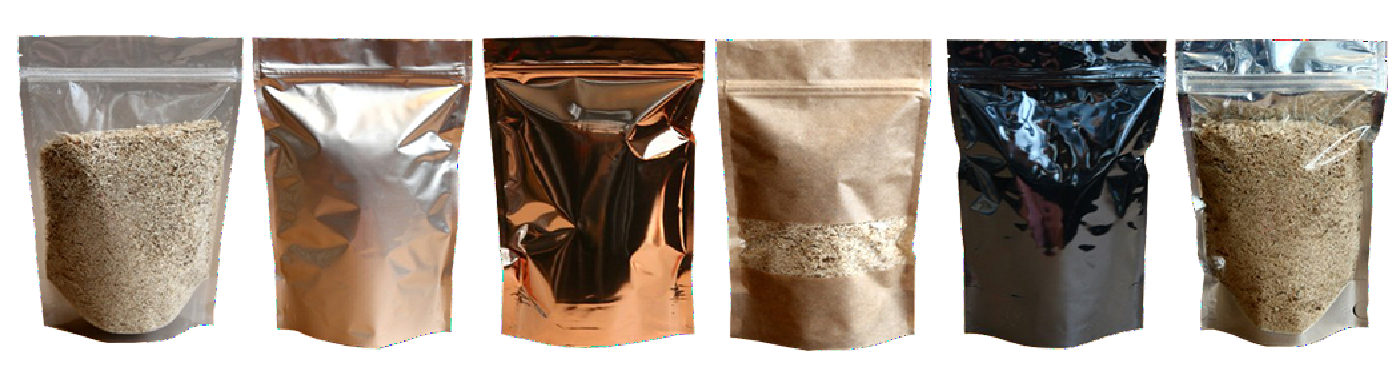
Multi-SKU product lines offer variety, but when it comes to packaging, they also create complexity. Whether you’re offering different flavors, sizes, formulas, or bundle combinations, choosing the right approach for packaging pouches across multiple SKUs is key to keeping things organized, cost-effective, and retail-ready. In this blog, we break down the smartest ways to handle multi-SKU pouch packaging and what strategies can simplify your process while maximizing shelf appeal. Why Multi-SKU Pouch Packaging Needs a Strategy If your product line includes multiple variations—like a protein powder in four flavors, or snacks in ten varieties—you’ll likely be working with multiple pouch designs and potentially different sizes. Without a plan, this can lead to over-ordering, poor inventory control, mismatched branding, and increased lead times. A strategic approach to multi-SKU pouch packaging helps you: Streamline production and inventory Maintain consistent branding across all variations Improve packaging efficiency for both retail and e-commerce Reduce waste and minimize packaging costs Choose the Right Pouch Format for All SKUs The first step is selecting a pouch format that can work across your entire SKU range. This simplifies your sourcing, design process, and shipping logistics. Common formats that work well across SKUs: Stand-up pouches for shelf presence Flat pouches for sample sizes or low-profile products Zipper pouches for resealability and convenience Printed roll stock if you need to automate pouch forming in-house Sticking to a single pouch style for all SKUs—just with design changes—makes production and fulfillment smoother. Leverage Digital Printing for Design Flexibility For brands managing 3, 5, or even 20+ SKUs, digital printing is a game-changer. It allows you to print multiple unique designs within the same run—no plate changes, no additional setup costs. Digital printing benefits for multi-SKU pouch packaging: Easy design versioning across SKUs Lower MOQs for each version Fast turnarounds to respond to changing demand Great for product launches, seasonal releases, or subscription boxes If you’re scaling or testing new SKUs, digital lets you stay nimble without sacrificing quality. Bundle Multi-SKUs with Custom Kits or Displays For brands selling multiple pouch SKUs in one package (like variety packs), consider custom kitting, inserts, or countertop displays that hold your pouches together in one unit. This is especially useful for: Subscription snack kits Sample sets or gift boxes Seasonal bundles Cross-promotional packs You can use corrugated boxes, rigid kits, or even printed sleeves and belly bands to package multiple SKUs in a clean, retail-ready format. Labeling and Inventory Tips Managing multiple SKUs means more SKUs to track. Here’s how to keep things efficient: Use consistent dielines across all pouch sizes if possible Make sure each pouch design includes a unique barcode or QR Include clear product names and variation callouts (like flavor or strength) Store digital print files in a system that makes future updates easy A well-labeled pouch not only helps in inventory—it also helps customers know exactly what they’re getting. Final Thoughts Packaging multiple SKUs with pouches doesn’t have to be overwhelming. With the right combination of standardized formats, flexible printing, and smart kitting or bundling, you can keep your operations lean while still offering the variety your customers love. Need help building a multi-SKU pouch strategy?We’ll help you find the right pouch, printing method, and packaging system that fits your brand and simplifies your workflow. (714)300-0650 request@brownpackaging.com Most Recent Posts: Categories: Corrugated Ecommerce ESD Design Display Flexible Packaging Foam Folding Carton Packaging Plastic Packaging Pouch Printing Protection Retail Rigid Box Thermoform Sustainability Subscribe To Our Newsletter By submitting your information, you agree to our terms and conditions and privacy policy. Custom Packaging Facebook Twitter LinkedIn Pinterest Relevant Posts

Read More »
gusseted pouch
Pouch
brownpackaging
15 Custom Pouch Packaging Tips for Buyers

Custom pouch packaging is one of the most flexible, lightweight, and brand-forward packaging formats on the market today. From snacks and supplements to beauty and pet products, pouches allow for high-impact design, excellent functionality, and efficient storage and shipping. But if you’re new to buying custom pouches—or just looking to improve your results—knowing what to look for can make a major difference in cost, lead times, and overall success. Here are 15 essential tips to guide you through the process and help you make the most informed decisions when it comes to sourcing and customizing your pouch packaging. Define Product Requirements Pick the Right Pouch Style Consider Barrier Protection Choose Closure Features Focus on Shelf Appeal Decide Print Method Early Get a Proper Dieline Choose Custom vs. Standard Sizes Request Samples First Follow Labeling Requirements Plan for MOQ and Lead Time Optimize Storage & Shipping Use Digital for Versioning Ask About Sustainability Options Work With a Knowledgeable Partner Define Your Product Requirements First Start by identifying key product needs: weight, volume, shelf life, and how it will be stored or displayed. This helps determine the right size, material, and features from the beginning. Choose the Right Pouch Style Common pouch types include stand-up, flat, spouted, and quad-seal. Each format offers unique benefits depending on your product’s structure and usage. Consider Barrier Needs What are you protecting against—moisture, oxygen, UV light? Select materials with the right barrier layers to maintain freshness and prevent spoilage. Think About Closure Options Zippers, tear notches, hang holes, and spouts all impact convenience, reusability, and display. Choose closures based on consumer experience and product use. Prioritize Shelf Impact Your pouch should stand out on the shelf or in e-commerce photos. Bold graphics, clean branding, and well-placed messaging make all the difference. Plan for Print Method Early Flexo, digital, and rotogravure printing each have pros and cons based on run size, lead time, and graphic complexity. Match your volume and timeline to the right print process. Get the Right Dieline for Your Design Team Request a dieline template from your packaging supplier to ensure artwork is correctly laid out, with allowances for trim, folds, zippers, and seals. Choose Custom or Standard Sizes Wisely Custom sizes maximize fit and branding, but standard sizes may reduce cost and lead time. Discuss both with your supplier to find the best balance. Request Samples First Always request physical samples or mockups before committing to production—this helps you verify fit, material quality, and function. Labeling Requirements Matter Make sure your design meets FDA, USDA, or industry-specific labeling guidelines. Ingredient lists, net weight, and barcodes should be legible and compliant. Plan for MOQ and Lead Time Minimum order quantities vary by print method and supplier. Plan your order based on your volume needs and when you need product in hand. Don’t Overlook Storage & Shipping Efficiency Flexible pouches are great for space-saving, but size, palletization, and box count still matter. Work with your vendor to optimize how they’ll ship and store. Versioning? Go Digital. If you’re launching multiple SKUs, seasonal versions, or limited runs, digital printing offers the best flexibility without extra plate costs. Ask About Sustainability Options Looking to reduce waste or go green? Many suppliers now offer recyclable, compostable, or post-consumer recycled (PCR) pouch options. Work With a Knowledgeable Partner Your packaging vendor should do more than print—they should help guide you with material selection, regulatory insight, and design alignment. Final Thoughts Custom pouch packaging gives you flexibility, speed, and premium branding in a lightweight format—but only if you approach it with the right strategy. These 15 tips can help you avoid common mistakes, control costs, and get packaging that works as hard as your product does. (714)300-0650 request@brownpackaging.com Most Recent Posts: Categories: Corrugated Ecommerce ESD Design Display Flexible Packaging Foam Folding Carton Packaging Plastic Packaging Pouch Printing Protection Retail Rigid Box Thermoform Sustainability Subscribe To Our Newsletter By submitting your information, you agree to our terms and conditions and privacy policy. Custom Pouches Facebook Twitter LinkedIn Pinterest Relevant Posts

Read More »
Custom Subscription Box
Packaging
brownpackaging
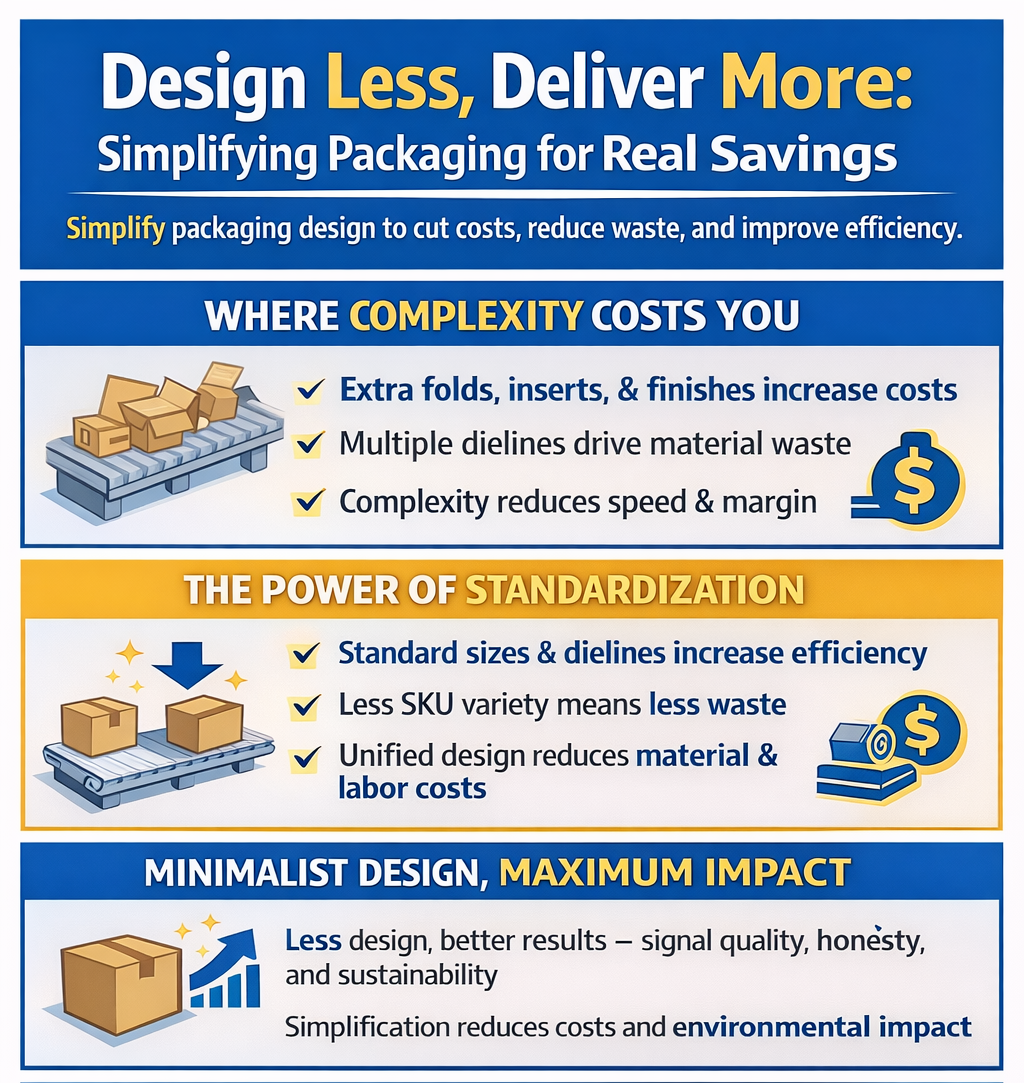
Is Your Packaging Costing You More Than It Should?

Packaging isn’t just a box or a bag—it’s a line item on your budget, a touchpoint with your customer, and a critical part of your supply chain. But what many companies don’t realize is that their packaging may be costing them more than it should—not just in materials, but in storage, shipping, damage, and customer experience. If you haven’t taken a close look at your packaging setup lately, now’s the time to assess whether it’s helping or hurting your bottom line. Oversized Packaging = Wasted Money It’s a common mistake: using a box that’s much larger than the product. Not only does this require more void fill, it also increases your dimensional shipping weight, which drives up freight costs—especially for e-commerce and parcel shipping. Solution:Switch to right-sized packaging or explore mailer alternatives like poly mailers or custom die-cut corrugated options that hug the product more closely. Over-Engineering Without Added Benefit It’s easy to assume stronger means better—but not every product needs double-wall corrugated, high-end inserts, or expensive finishes. If your packaging is doing more than it needs to, you’re likely paying for protection or features your customer doesn’t notice or value. Solution:Review your structural design and board grade. A packaging engineer can help you optimize for the product’s weight and fragility without overspending on material. Inefficient Packaging Leads to Higher Labor Costs Packaging that’s hard to assemble, overcomplicated, or inconsistent can slow down fulfillment and increase errors. Solution:Use auto-lock bottom boxes, pre-folded cartons, or streamlined assembly instructions to reduce pack time, labor cost, and error rates. Your Shipping and Fulfillment Costs Are Rising Higher freight bills or warehouse inefficiencies are often tied to inefficient packaging: oversized boxes, time-consuming assembly, or mismatched pallets. Why it matters:This is the moment to reallocate budget toward structural redesign or automation-friendly packaging that reduces labor, materials, and dimensional weight. Storage and Shipping Inefficiencies If your packaging takes up too much warehouse space or doesn’t palletize efficiently, you’re losing money in storage and shipping before a product even leaves your facility. Solution:Work with your supplier to optimize dimensions for palletization and warehouse stacking. You may be able to reduce total storage volume or fit more units per shipment. Damage and Returns Are Killing Margins If your packaging fails in transit—even occasionally—the cost of returns, replacements, and negative reviews can quickly outweigh the cost of upgrading your packaging. Solution:If you’re seeing damage or breakage rates over 1–2%, it’s time to audit your box strength, inserts, and material choices. Improving packaging here is a direct path to better margins. Missed Opportunities with Branding Generic packaging may be cheaper—but it can cost you in brand recognition, customer loyalty, and perceived value. If your packaging doesn’t reflect your product quality, customers may assume it’s lower value. Solution:Consider affordable branding upgrades like one-color flexo print, interior printing, or custom labels to make a stronger impression without blowing the budget. Final Thoughts If you’re only looking at unit cost when reviewing packaging, you’re missing the bigger picture. True packaging costs include materials, shipping, labor, storage, damage, and brand perception. Ready to find out if your packaging is costing more than it should?We’ll help you audit your current setup and identify opportunities to save money—without compromising quality, protection, or your customer experience. (714)300-0650 request@brownpackaging.com Most Recent Posts: Categories: Corrugated Ecommerce ESD Design Display Flexible Packaging Foam Folding Carton Packaging Plastic Packaging Pouch Printing Protection Retail Rigid Box Thermoform Sustainability Subscribe To Our Newsletter By submitting your information, you agree to our terms and conditions and privacy policy. Custom Packaging Facebook Twitter LinkedIn Pinterest Relevant Posts

Read More »
How Packaging Shapes Consumer Perception
Packaging
brownpackaging
How Packaging Shapes Consumer Perception

Before a customer ever opens your product, they’ve already formed an opinion—based on the packaging. Whether you’re in retail, e-commerce, or B2B, packaging is more than protection—it’s a powerful tool that communicates value, trust, and identity. From visual design and material quality to tactile feel and structural integrity, packaging influences how customers perceive your brand in just seconds. Here’s how, and why it matters. First Impressions Are Built on Packaging Packaging is often the first physical interaction a customer has with your brand. In that moment, the quality of materials, color choices, and overall presentation set expectations about the product inside. Cheap, flimsy packaging can signal low value—even if the product is great Clean, well-structured packaging gives off professionalism and care Premium textures or unique unboxing experiences create anticipation and excitement Consumers don’t just see packaging—they feel it. And those feelings guide how much they trust your product and your brand. Packaging Design Reinforces Brand Identity Your packaging is a reflection of your brand’s personality. Through font, layout, imagery, and finish, it tells the customer what you stand for: Minimalist designs communicate elegance, simplicity, or sustainability Bold graphics signal confidence, creativity, or playfulness Natural materials or kraft board suggest eco-consciousness and authenticity A consistent design system across your SKUs builds recognition and loyalty. Packaging doesn’t just carry your product—it carries your message. Packaging Suggests Product Value Customers often associate the quality of packaging with the quality of the product—even before trying it. This is especially true for high-consideration purchases like: Cosmetics and skincare Supplements and wellness Electronics and accessories Food and beverage A well-designed folding carton or rigid box with premium print and finish instantly elevates perceived value. Even in cost-conscious markets, thoughtful packaging design can justify higher price points. Unboxing Is a Marketing Opportunity In the age of social media, your packaging can become part of the product experience. Branded interiors, clean insert layouts, and satisfying openings turn ordinary shipments into memorable moments—often shared online. The more enjoyable the unboxing, the more likely your customer is to: Recommend your product Leave a positive review Reorder from your brand Post content that builds organic reach In other words, packaging can drive engagement and brand exposure—with zero additional ad spend. Functional Design Builds Trust At the end of the day, packaging must do its job. If it breaks, doesn’t protect the product, or looks messy on arrival, consumer trust takes a hit. Durable corrugated mailers protect during shipping Smart inserts reduce damage and returns Clear labeling and tamper-evident features reassure buyers Easy-open designs improve convenience and satisfaction Good packaging shows your customer that you’ve thought about their experience—and that builds brand credibility. Final Thoughts Consumer perception doesn’t start with your product—it starts with the box, pouch, or carton it comes in. Great packaging tells a story, creates emotion, and strengthens loyalty. It’s one of the most effective tools your brand has—and one of the easiest to get wrong. Looking to improve your packaging strategy?We’ll help you align structure, design, and function to create packaging that connects with your audience and sets your brand apart. (714)300-0650 request@brownpackaging.com Most Recent Posts: Categories: Corrugated Ecommerce ESD Design Display Flexible Packaging Foam Folding Carton Packaging Plastic Packaging Pouch Printing Protection Retail Rigid Box Thermoform Sustainability Subscribe To Our Newsletter By submitting your information, you agree to our terms and conditions and privacy policy. Custom Packaging Facebook Twitter LinkedIn Pinterest Relevant Posts

Read More »
Custom Rigid Box Book Style
Packaging
brownpackaging
Packaging Solutions Designed for High-End Products

High-end products deserve more than protection—they require packaging that conveys value, craftsmanship, and prestige from the moment it’s seen or touched. Whether you’re selling luxury cosmetics, premium electronics, specialty foods, or curated gift sets, the packaging becomes a vital part of the product experience. From tactile finishes to custom structures, here are the best packaging solutions for premium brands looking to stand out and connect with discerning customers. Rigid Boxes Why it’s premium:Rigid boxes (also called set-up boxes) are the gold standard of luxury packaging. Built from dense paperboard, they offer a strong, weighty feel, excellent structure, and endless customization options—like magnetic closures, ribbon pulls, or lift-off lids. Best for: Luxury cosmetics and skincare Tech accessories and watches Gift sets and influencer kits Folding Cartons with Premium Finishes Why it’s premium:Folding cartons can be elevated with the right combination of coatings, textures, and print effects. Soft-touch matte coatings, foil stamping, embossing, and spot UV all contribute to a high-end visual and tactile feel while keeping costs lower than rigid boxes. Best for: Perfume, supplements, and wellness products Boutique food and beverage Subscription box inserts Litho-Labeled Corrugated Boxes Why it’s premium:For brands that want structural strength without sacrificing print quality, litho-labeled corrugated boxes are the solution. A high-resolution printed label is laminated to the box, allowing for photo-quality graphics, bold color, and protective finishes. Best for: E-commerce shipping with a luxury unboxing feel Premium consumer electronics Club store or endcap-ready packaging Custom Inserts (Foam, Chipboard, or Molded Pulp) Why it’s premium:Premium packaging often includes tailored inserts to cradle products securely and create a layered unboxing experience. Options like velvet-lined foam, die-cut chipboard, or eco-friendly molded pulp provide protection and elegance in one. Best for: Fragile or high-value items Multi-component kits Gift-ready packaging Luxury Bags and Pouches Why it’s premium:For retail and gifting, high-end paper or fabric tote bags add refinement. Custom-printed drawstring pouches or inner wraps enhance the experience and offer reusability, which customers appreciate. Best for: Boutique retail Apparel and jewelry Trade shows and launch events Enhanced Printing and Finishing Techniques Why it’s premium:The details matter. Features like: Foil stamping for elegance and shine Debossing/embossing for texture and depth Soft-touch or velvet lamination for a luxe feel Spot UV to highlight logos or patterns …transform ordinary boxes into memorable brand moments. Magnetic Closures and Custom Hardware Why it’s premium:Magnetic flaps, ribbon closures, and metal clasps provide a refined, gift-worthy presentation. These features not only enhance functionality but also elevate the perceived value of what’s inside. Best for: Jewelry, spirits, and limited editions Corporate gifts Collector items Final Thoughts High-end packaging isn’t just about looks—it’s about creating an experience that aligns with your product and speaks directly to your audience. With the right structure, materials, and finishes, your packaging becomes a powerful tool for brand storytelling, perceived value, and customer loyalty. Ready to build a premium packaging experience?We’ll help you source and design high-end solutions that match your product’s value—and exceed your customer’s expectations. (714)300-0650 request@brownpackaging.com Most Recent Posts: Categories: Corrugated Ecommerce ESD Design Display Flexible Packaging Foam Folding Carton Packaging Plastic Packaging Pouch Printing Protection Retail Rigid Box Thermoform Sustainability Subscribe To Our Newsletter By submitting your information, you agree to our terms and conditions and privacy policy. Custom Packaging Facebook Twitter LinkedIn Pinterest Relevant Posts

Read More »
Navigating Tariffs in Industrial Packaging
Packaging
brownpackaging
Packaging Solutions That Deliver the Best Value

Not every product calls for ultra-premium packaging—but that doesn’t mean you have to settle for generic or low-quality. For many brands, the sweet spot lies in mid-tier packaging: options that look professional, protect well, and offer strong visual appeal at a reasonable cost. Whether you’re scaling up, entering retail, or upgrading from basic stock solutions, these packaging choices strike the right balance between performance, branding, and budget. Folding Cartons with Simple Print Why it’s high-value:Folding cartons offer excellent customization, compact storage, and fast turnaround times. By sticking to clean designs, single-color branding, or standard finishes, you can maintain a polished retail presence without high production costs. Best for: Wellness and supplements Personal care and beauty Food and beverage products Corrugated Mailer Boxes with Flexo Print Why it’s high-value:Die-cut mailers are perfect for e-commerce and DTC brands. Using flexographic printing on kraft or white corrugated board keeps costs low while still delivering a branded unboxing experience. Best for: Apparel and accessories Subscription kits Promotional or sample packaging Litho-Labeled Corrugated (Selective Use) Why it’s high-value:Want crisp, colorful print without going full rigid box? Litho-labeled corrugated is a smart mid-tier option when used on key panels or for limited runs. Combine with standard structures to reduce cost. Best for: Display-ready retail boxes Giftable packaging Trade show and wholesale programs Foam or Chipboard Inserts Why it’s high-value:Custom foam and molded inserts can be expensive—but using stock chipboard or simple foam cutouts can provide protection and organization at a lower price point. Best for: Electronics and tools Fragile parts Multi-item kits Matte Aqueous Coatings or Spot Color Why it’s high-value:Skip expensive embellishments and opt for matte aqueous coatings or spot color applications to add a professional, clean finish to your packaging without going over budget. Best for: Retail cartons Lightweight boxes B2B presentation materials Kraft or White Corrugated with Interior Print Why it’s high-value:Exterior branding can stay simple while interior print adds impact during unboxing. It’s a great way to enhance customer experience affordably. Best for: DTC brands Club store multipacks Limited-edition drops Final Thoughts Mid-tier packaging is all about getting the most for your money—without cutting corners that affect customer experience or product safety. With the right materials and smart design choices, you can elevate your packaging while keeping it efficient and scalable. Need help finding the right packaging solution for your brand and budget?We’ll work with you to develop a custom plan that delivers performance, presentation, and value where it matters most. (714)300-0650 request@brownpackaging.com Most Recent Posts: Categories: Corrugated Ecommerce ESD Design Display Flexible Packaging Foam Folding Carton Packaging Plastic Packaging Pouch Printing Protection Retail Rigid Box Thermoform Sustainability Subscribe To Our Newsletter By submitting your information, you agree to our terms and conditions and privacy policy. Custom Packaging Facebook Twitter LinkedIn Pinterest Relevant Posts

Read More »
Why More Brands Are Choosing U.S. Corrugated Box Suppliers Oversea Manufacturers
Corrugated
brownpackaging
The Shift to U.S. Corrugated Packaging Suppliers

With rising tariffs, unpredictable freight costs, and ongoing supply chain delays, more companies are pulling away from overseas packaging and turning to U.S.-based corrugated box suppliers. While international sourcing once offered significant cost savings, the current landscape has shifted. Now, domestic packaging solutions offer more control, faster turnaround, and better long-term value. Here’s why this shift is happening—and what buyers need to consider. Tariffs Are Raising Costs The return of tariffs on oversea goods has significantly increased the true cost of sourcing corrugated boxes overseas. What used to be a budget-friendly option is now burdened by duties, customs fees, and higher overall import costs—often eliminating any price advantage. Global Shipping Is Still Unstable Ocean freight remains volatile, with container costs, port delays, and extended lead times continuing to disrupt planning. Brands relying on overseas box production often face 8–12 week lead times—while U.S. suppliers can typically deliver in 2–4 weeks or less. Faster Turnarounds for Retail and E-Commerce In today’s fast-moving market, speed matters. Whether you’re launching new products, fulfilling flash sales, or restocking inventory, long overseas timelines are a major risk. Domestic suppliers offer more responsive service, making it easier to adjust forecasts and scale with demand. Better Communication and Quality Control Working with local vendors means easier collaboration, fewer miscommunications, and the ability to address issues quickly. You’re in the same time zone, speaking the same language, and often dealing with someone who knows your business directly. Retailers Prefer “Made in USA” Packaging Many retailers are encouraging (or outright requiring) U.S.-sourced packaging to support local economies and simplify logistics. Having a U.S.-made corrugated box can be a selling point, especially in food, cosmetics, or wellness categories where transparency matters. Sustainability and Local Sourcing Go Hand in Hand Brands committed to sustainability are realizing that local packaging = lower carbon footprint. Domestic sourcing means less transportation, less fuel usage, and often better access to recyclable or responsibly sourced materials. Final Thoughts What once made sense from a cost standpoint may no longer hold up under today’s market pressure. Tariffs, delays, and uncertainty have led many brands to move their printed corrugated box sourcing back to the U.S.—gaining speed, control, and stability in return. Looking to bring your packaging supply chain closer to home?We can help you transition smoothly and build a custom corrugated box solution that works for your business. (714)300-0650 request@brownpackaging.com Most Recent Posts: Categories: Corrugated Ecommerce ESD Design Display Flexible Packaging Foam Folding Carton Packaging Plastic Packaging Pouch Printing Protection Retail Rigid Box Thermoform Sustainability Subscribe To Our Newsletter By submitting your information, you agree to our terms and conditions and privacy policy. Custom Packaging Facebook Twitter LinkedIn Pinterest Relevant Posts

Read More »
custom printed two piece rigid box, electronic packaging
Printing
brownpackaging
Top Printing Methods and Finishes for Rigid Boxes

Rigid boxes are known for their premium feel, durability, and high-end presentation, making them the go-to choice for luxury goods, cosmetics, electronics, and gift packaging. But what really sets a rigid box apart isn’t just its structure—it’s the printing and finishing. Whether you’re aiming for elegance, bold visuals, or a tactile unboxing experience, the right combination of print method and finishing technique is key to bringing your packaging to life. Here’s a breakdown of the most popular options and what you should know about each. Most Common Printing Methods for Rigid Boxes Lithographic (Offset) Printing This is the most popular method for rigid boxes, offering high-resolution, full-color prints with sharp detail and excellent consistency. Best For: Retail and luxury branding Cosmetics, electronics, and fashion Complex, photo-quality graphics Pros:✔ Sharp, clean visuals✔ Perfect for detailed or high-color designs✔ Supports all major finishes (emboss, foil, etc.) Digital Printing A growing option for short runs and fast turnarounds, digital printing allows direct-to-substrate printing without the need for plates. Best For: Personalized or versioned packaging Low to mid-quantity runs Limited editions or fast product launches Pros:✔ No plate/setup fees✔ Great for multi-SKU designs✔ Fast turnaround for samples and full runs Screen Printing Used selectively for rigid boxes, screen printing offers rich, opaque color—especially for specialty applications like matte white on dark backgrounds or bold, single-color graphics. Best For: Minimalist designs Bold spot colors Specialty textures Pros:✔ Vibrant, high-opacity ink✔ Good for metallics or spot finishes✔ Works well with textured materials Hot Stamping (Foil Stamping) Hot stamping uses heat and pressure to apply metallic or pigmented foil onto the box, creating eye-catching, reflective accents.Best For: Logos, monograms, premium accentsPros:✔ Adds visual and tactile impact✔ Available in metallics, holographics, and pigment foils✔ Often used with embossing for layered effects Popular Finishes for Rigid Boxes Printing sets the tone, but finishing brings the texture, shine, and impact. Here are the most common enhancements used to make rigid boxes stand out: Matte and Gloss Lamination These are protective film coatings added after printing that affect the look and feel of the box. Matte: Soft, elegant, non-reflective Gloss: Shiny, vibrant, enhances color contrast Application: Cosmetics, tech, fashion, lifestyle products Soft-Touch Coating This ultra-smooth finish adds a velvety, premium texture. Often paired with minimalistic designs or foil accents for a luxury effect. Application: High-end electronics, skincare, subscription boxes Foil Stamping Foil stamping uses heat and pressure to apply metallic foil (gold, silver, copper, holographic) to the box surface. Application: Logo treatments, luxury branding, gift sets Popular Foil Colors: Gold, silver, rose gold, holographic Embossing & Debossing Embossing raises elements of the design above the surface Debossing presses them into the surface for a recessed effect Often used with logos, borders, or typography to create tactile contrast and brand emphasis. Spot UV Coating This clear, glossy coating is applied only to specific areas—like logos, text, or imagery—to create visual contrast against a matte background. Application: Branding elements, accent graphics, bold visual focal points Linen, Leather, or Specialty Wraps Beyond printing, rigid boxes can be wrapped in textured papers, leather-like materials, or specialty stocks for a distinctive tactile experience. Application: Jewelry, spirits, promotional packaging What to Consider When Choosing Print & Finish Brand identity: Do you want luxurious, modern, bold, or minimal? Product category: Cosmetics, tech, and fashion all have different packaging cues. Volume and budget: Offset is great for large runs, while digital suits smaller ones. Timeline: Some finishes add production time—factor that into your launch. Retail vs. e-commerce: Will customers see the box on a shelf or open it at home? Final Thoughts Rigid boxes are already associated with premium quality—but pairing the right printing method with thoughtful finishes takes them to the next level. Whether you’re going for classic elegance or modern minimalism, the combination of design, texture, and detail will shape how customers perceive your product before they even open it. Need help selecting the right print and finish for your rigid box?We’ll help you build a packaging solution that reflects your brand and stands out with purpose. (714)300-0650 request@brownpackaging.com Most Recent Posts: Categories: Corrugated Ecommerce ESD Design Display Flexible Packaging Foam Folding Carton Packaging Plastic Packaging Pouch Printing Protection Retail Rigid Box Thermoform Sustainability Subscribe To Our Newsletter By submitting your information, you agree to our terms and conditions and privacy policy. Rigid Boxes Facebook Twitter LinkedIn Pinterest Relevant Posts

Read More »
Custom POP displays
Display
brownpackaging
2025 Holiday Trends: Revolutionizing Retail with POP Displays

As the retail landscape continues to evolve, staying ahead of the latest trends is crucial, especially during the competitive holiday season. In 2025, Point of Purchase (POP) displays are not just about catching the eye—they are about creating immersive experiences that connect with consumers on a new level. This blog will explore the most exciting POP display trends for the 2025 holiday season, helping retailers harness these innovations to drive traffic and increase sales. Interactive and Digital Integration Augmented Reality Experiences Augmented reality (AR) is transforming POP displays into interactive experiences. Imagine customers pointing their smartphones at a display to view 3D models of products, interactive features, or even virtual try-ons. This technology not only entertains but also informs, providing a deeper connection between the customer and the product. Touchscreen Interfaces Incorporating touchscreens within displays allows for on-demand product information, tutorials, and even ordering capabilities directly at the point of purchase. This trend is about blending digital convenience with in-store shopping, enhancing the customer’s journey through technology. Sustainability in Design Eco-Friendly Materials Sustainability is a growing priority among consumers. Retailers are responding by constructing POP displays from recycled or biodegradable materials. This not only appeals to environmentally conscious shoppers but also promotes a brand’s commitment to sustainability. Reusable Displays More retailers are opting for modular and reusable displays that can be easily updated for different campaigns or seasons. This approach reduces waste and costs while maintaining a fresh and relevant presence in-store. Emotional and Thematic Storytelling Narrative-Driven Displays 2025 sees a surge in displays that tell a story. Whether it’s a winter wonderland scene or a narrative about holiday traditions, these displays create a deeper emotional connection by engaging customers with a compelling story. Cultural Inclusivity Reflecting cultural diversity within holiday displays can resonate with a broader audience. Displays that celebrate various holidays around the same time, such as Hanukkah, Christmas, and Kwanzaa, acknowledge and respect the diversity of consumers. Customization and Personalization Customizable Product Options Allowing customers to customize products directly from the display, whether through color options, designs, or add-ons, caters to the desire for personalized products. This trend not only boosts engagement but also increases the likelihood of purchase. Personalized Recommendations Using data-driven insights, displays can now offer personalized recommendations based on a customer’s shopping history or preferences. This level of customization enhances the shopping experience and makes product discovery more intuitive. Conclusion The 2025 holiday season presents an exciting opportunity for retailers to leverage the latest trends in POP displays. By integrating technology, prioritizing sustainability, focusing on emotional engagement, and embracing personalization, retailers can create more meaningful and effective customer interactions. As you prepare for the busiest shopping time of the year, consider how these trends can be incorporated into your POP strategies to stand out and succeed. If you are interested in POP displays for the holiday season, then partner with Brown Packaging today to get started. (714)300-0650 request@brownpackaging.com Most Recent Posts: Categories: Corrugated Ecommerce ESD Design Display Flexible Packaging Foam Folding Carton Packaging Plastic Packaging Pouch Printing Protection Retail Rigid Box Thermoform Sustainability Subscribe To Our Newsletter By submitting your information, you agree to our terms and conditions and privacy policy. POP Display Facebook Twitter LinkedIn Pinterest Relevant Posts

Read More »
Categories:
Subscribe To Our Newsletter

By submitting your information, you agree to our terms and conditions and privacy policy.

Custom POP displays
Custom Packaging