Home » Reusable vs Disposable POP Displays
Reusable vs Disposable POP Displays
Point-of-purchase (POP) displays come in two primary formats: reusable and disposable. Each option offers advantages depending on campaign goals, budget, and retail environment. Choosing the right format requires balancing cost, durability, sustainability, and brand objectives.
What Are Disposable POP Displays?
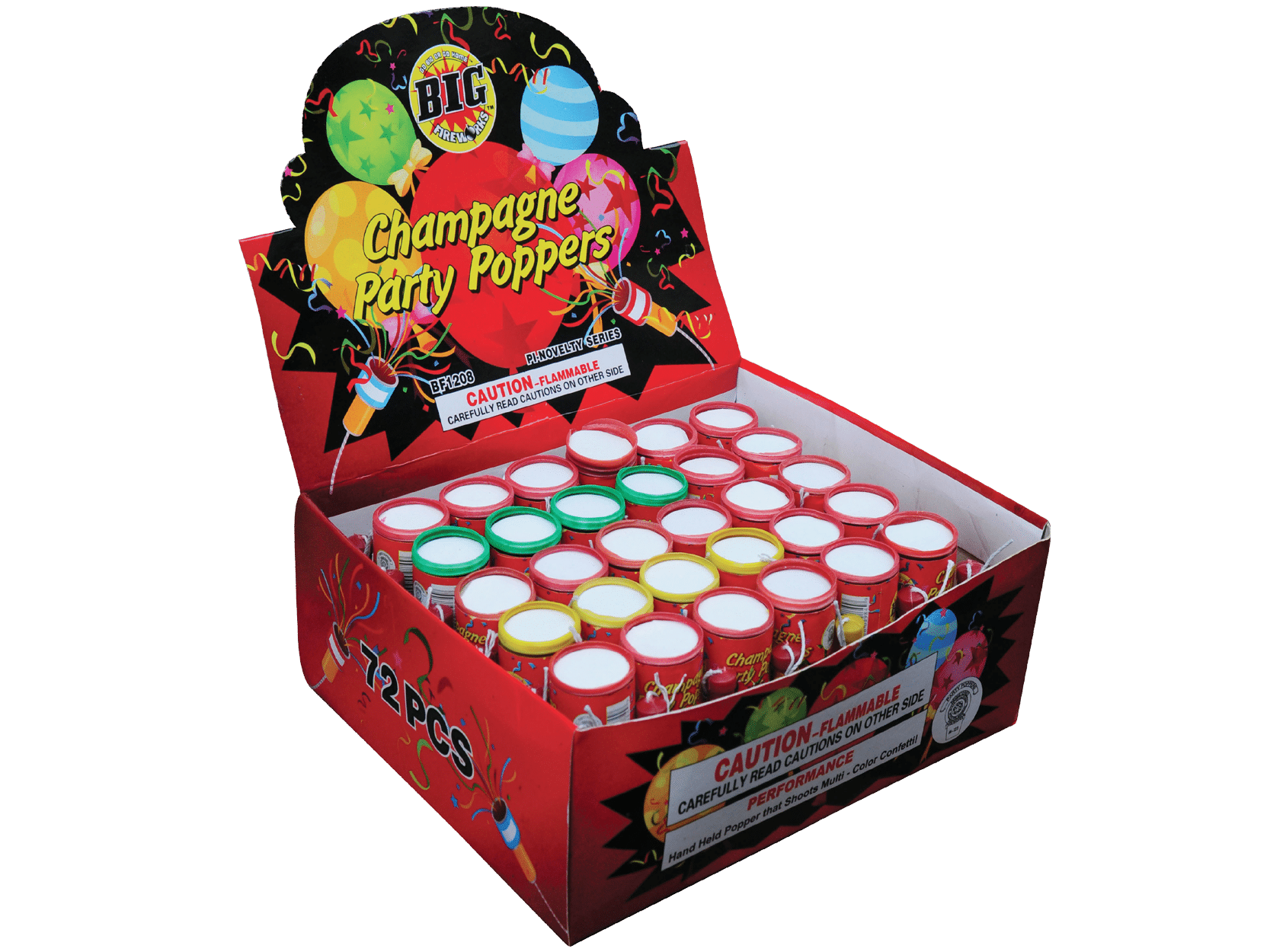
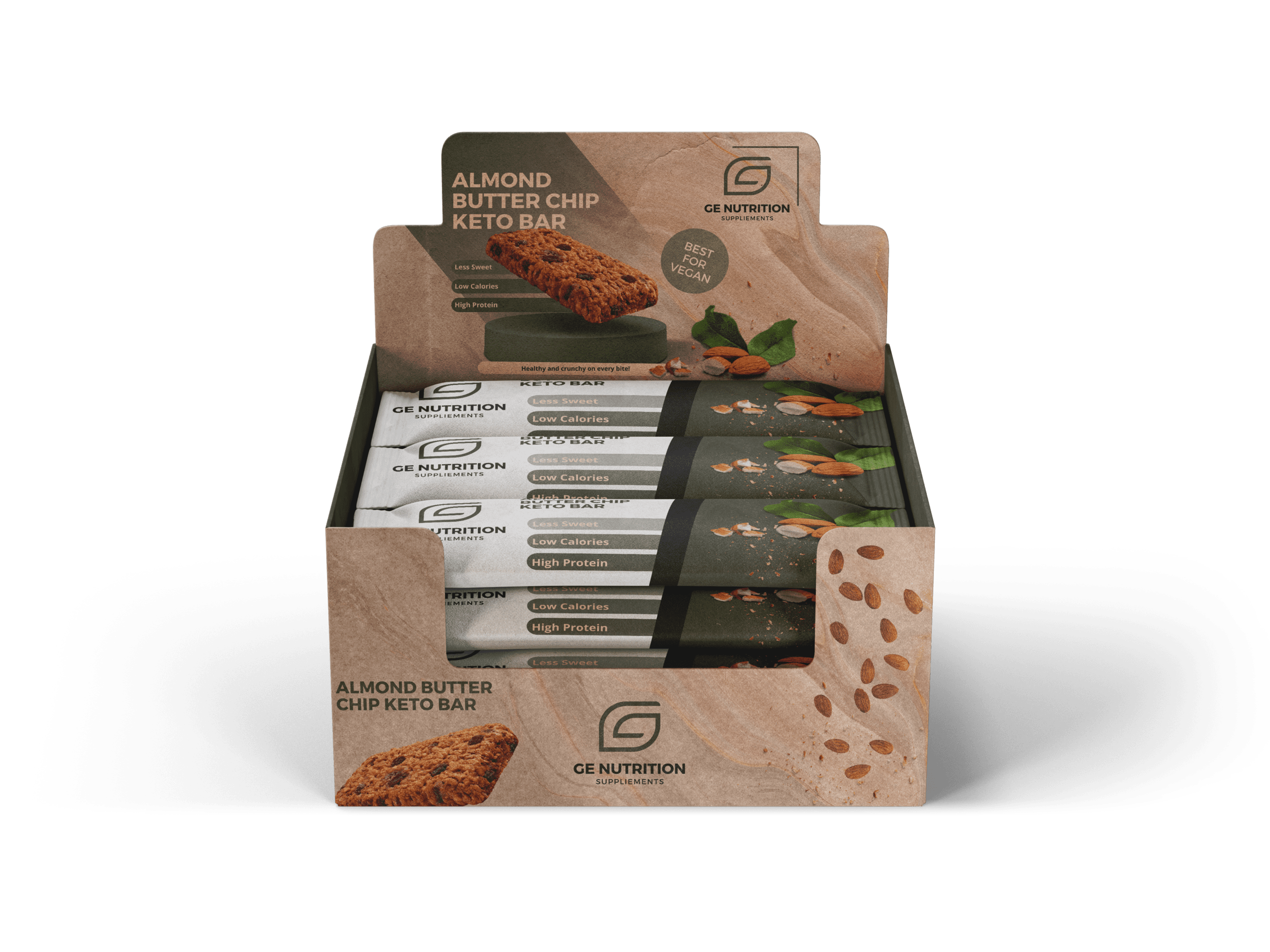
Disposable POP displays are typically made from corrugated board and are designed for short-term use. After a campaign ends, they are recycled or discarded.
- Best for: Seasonal promotions, product launches, and short campaigns.
- Advantages: Lower upfront cost, lightweight, fast to ship and assemble.
- Limitations: Less durable, limited lifespan, not suited for extended use.
What Are Reusable POP Displays?
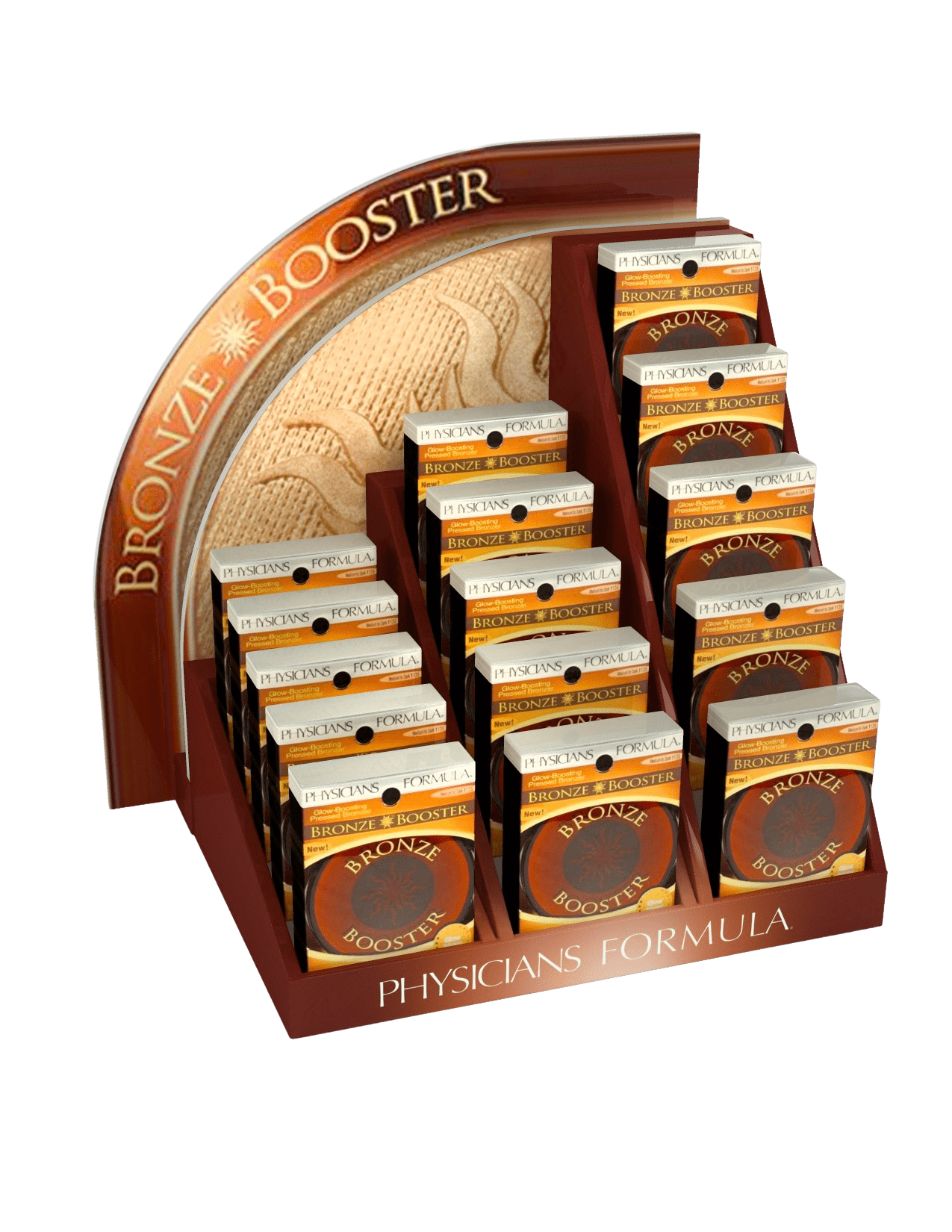
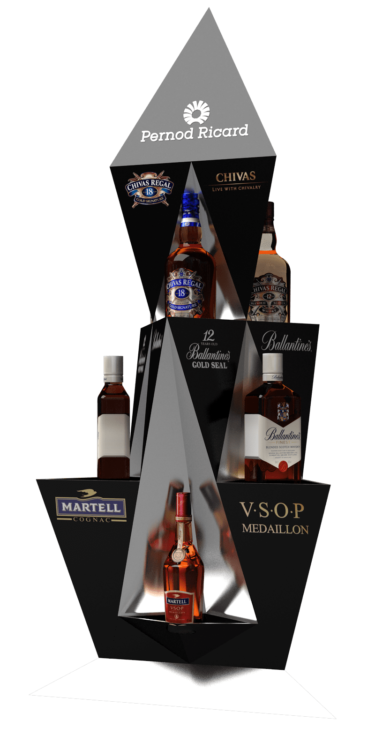
Reusable displays are built with stronger materials such as reinforced corrugated, plastic, or metal components. They can be restocked and redeployed across multiple campaigns.
- Best for: Long-term promotions, club stores, and high-value products.
- Advantages: Greater durability, long-term cost savings, premium brand presentation.
Limitations: Higher upfront cost, heavier to ship, more complex to assemble.
Factors to Consider When Choosing
- Campaign duration: Short-term promotions benefit from disposable displays.
- Budget priorities: Lower upfront cost vs. long-term savings.
- Brand positioning: Premium brands may prefer reusable for consistent presence.
- Sustainability goals: Reusable displays reduce waste, while recyclable disposable displays minimize footprint.
Examples of Applications
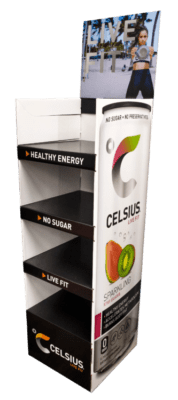
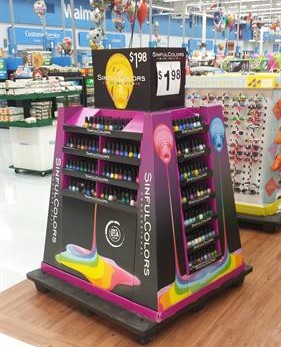
- Disposable: Back-to-school displays, holiday promotions, limited editions.
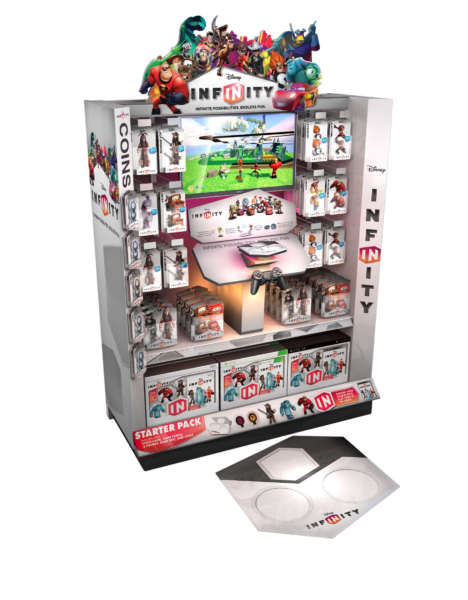
- Reusable: Beverage pallet displays, electronics showcases, club store programs.
POP Display Solutions with Brown Packaging
Brown Packaging designs both reusable and disposable POP displays, tailored to campaign goals and supply chain needs. Whether you need cost-effective corrugated for seasonal promotions or reinforced structures for long-term use, our solutions balance impact and efficiency. Contact us to explore your options.
References
Shop! Association. (2021). Best Practices for In-Store Marketing and POP Displays. Retrieved from https://www.shopassociation.org
Soroka, W. (2009). Fundamentals of Packaging Technology (4th ed.). Institute of Packaging Professionals.
ASTM International. (2022). ASTM D685: Standard Practice for Conditioning Paper and Paper Products for Testing.
A lower unit price doesn’t mean lower cost. In POP display programs, the biggest losses rarely show up on the quote—they show up in damage rates, retail rejection, poor sell-through,
A visually impressive POP display doesn’t guarantee performance. In fact, many of the best-looking displays underperform because they’re designed for approval—not for real retail conditions. What works in a render,
Digital printing is often positioned as a short-run solution for emerging brands. But advances in press technology, workflow automation, and material compatibility have expanded its role well beyond limited production.
Most POP displays are designed for day-one appearance—not for what happens after the first few units sell. That’s a problem. Because in retail, performance is determined by what happens during
Home » Reusable vs Disposable POP Displays