Home » Balancing Graphics and Structure in POP Displays
Balancing Graphics and Structure in POP Displays
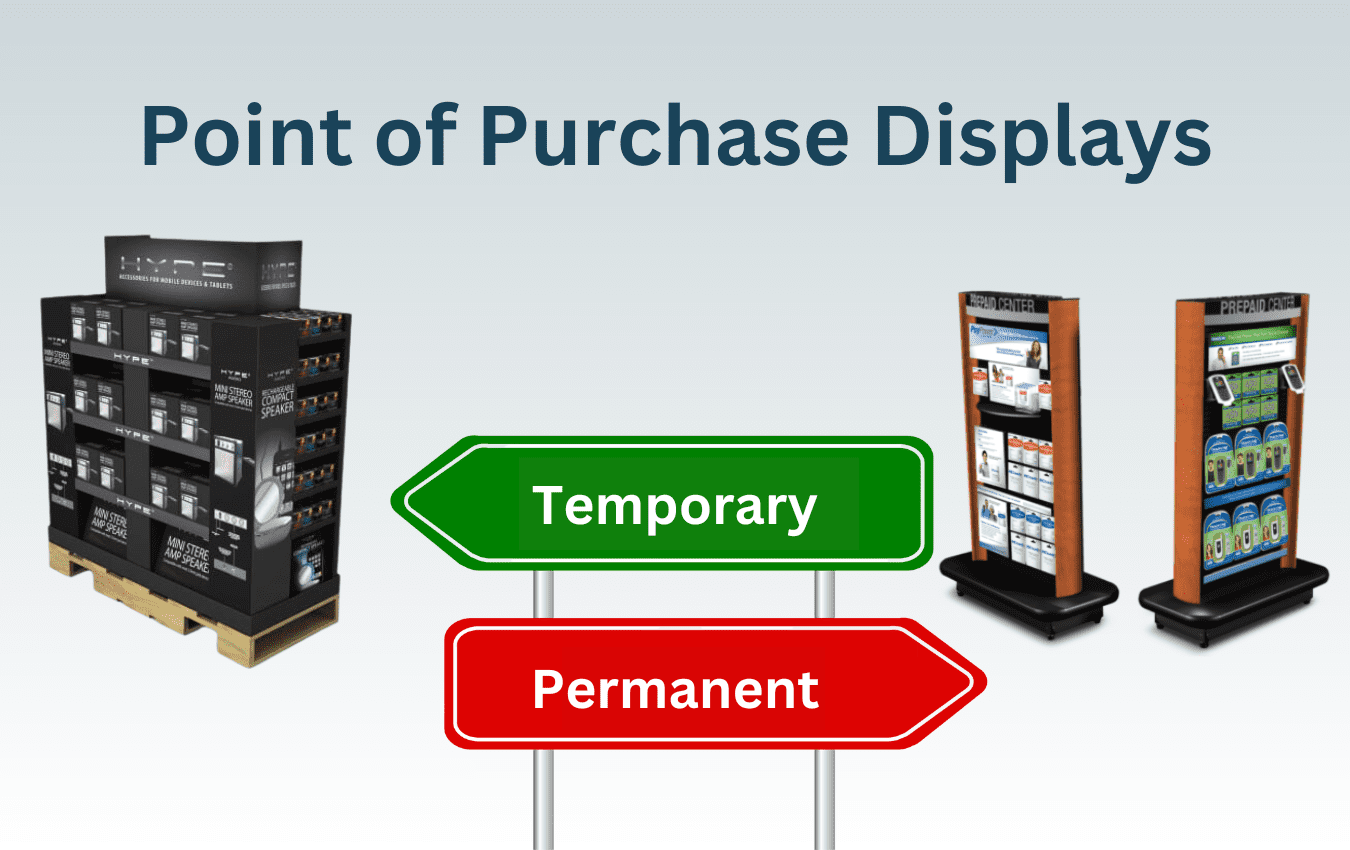
Point-of-purchase (POP) displays play a dual role in retail environments: they must capture attention with graphics while supporting products with reliable structure. If one side is overemphasized, the other suffers—eye-catching graphics on a weak structure can lead to product collapse, while overbuilt displays with poor graphics fail to drive sales. Successful POP design requires careful coordination between visual branding and engineering strength.
The Role of Graphics in POP Displays
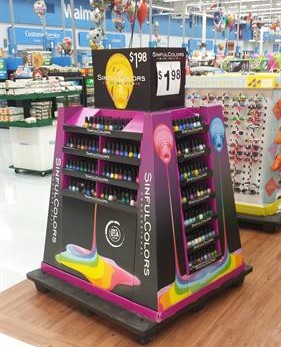
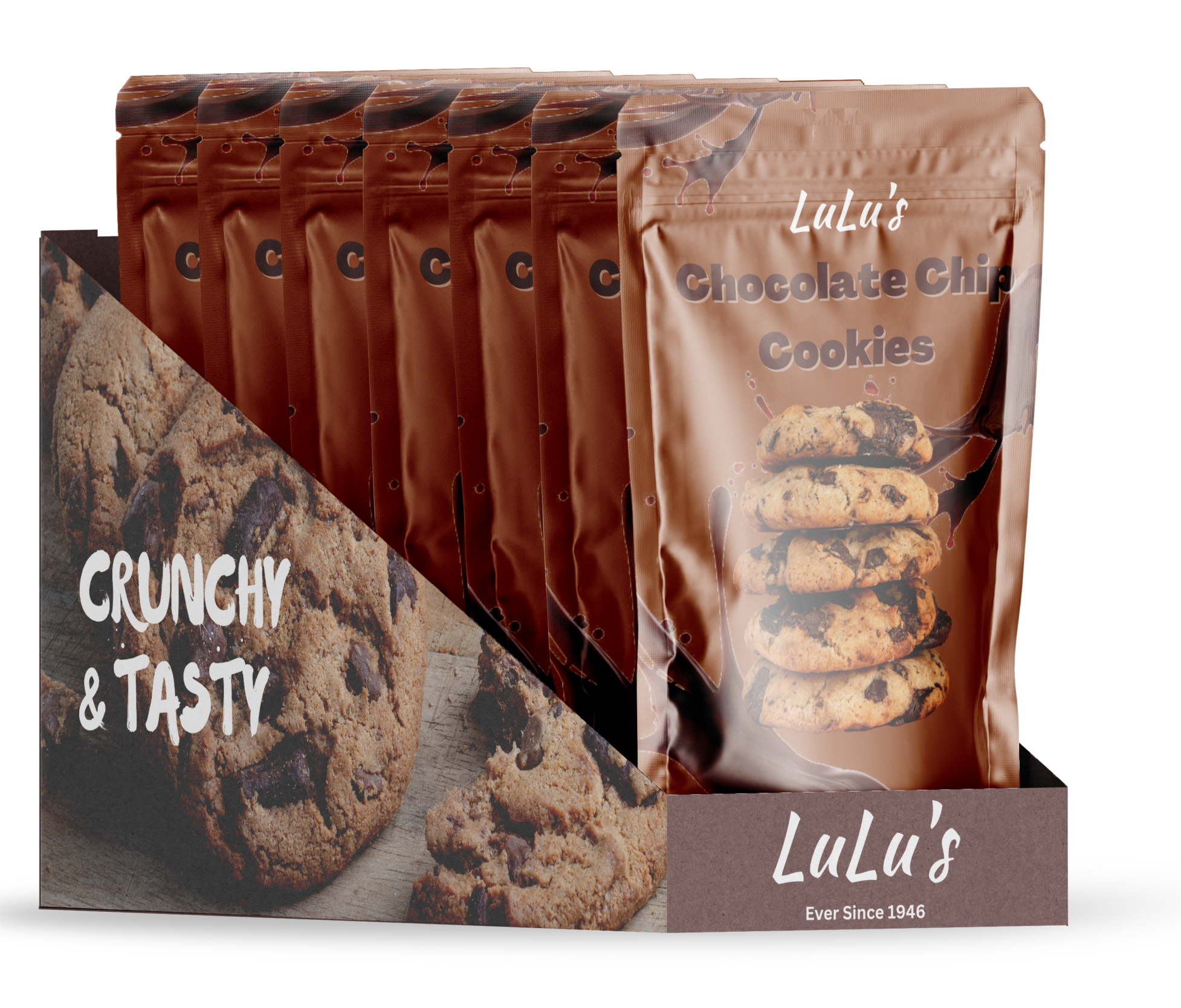
Graphics carry the brand message and attract consumer attention in crowded retail aisles. Effective use of color, typography, and imagery transforms a standard corrugated display into a compelling marketing tool.
- Reinforces brand identity.
- Highlights product features or promotions.
- Differentiates products from competitors on the same shelf.
However, graphics must be placed with consideration of die lines, folds, and assembly points. A design that looks strong in concept may lose effectiveness if critical elements are cut or hidden during production.
Structural Integrity and Functionality
The best POP display design balances aesthetics with durability. Structural engineering ensures the display holds weight, withstands handling, and complies with retailer requirements.
- Load-bearing capacity: Displays must hold multiple units without sagging.
- Assembly efficiency: Designs should be easy to set up in stores.
- Retail compliance: Dimensions must fit within chain-specific guidelines.
Ignoring structure risks costly failures on the retail floor, from leaning displays to complete collapse.
Achieving Balance Between Graphics and Structure
- Collaborative design: Graphic and structural designers should work together from concept through prototype.
- Testing in real-world conditions: Simulate load, handling, and lighting before production.
- Material selection: Choose board grades and coatings that allow high-quality print while maintaining rigidity.
- Print-to-structure alignment: Ensure graphics align with folds, cutouts, and SKU placement.
Industry Examples
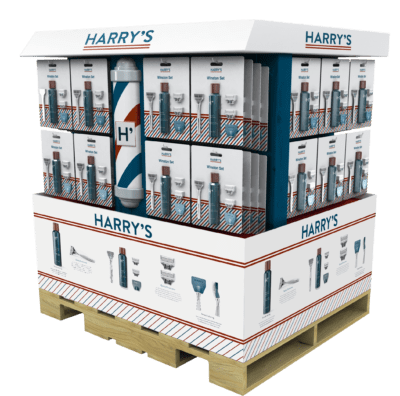
- Club stores: High-traffic environments demand bold graphics paired with strong pallet displays.
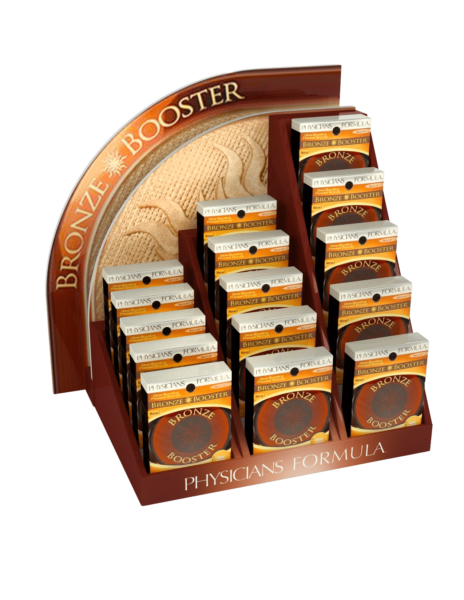
- Seasonal promotions: Graphics drive excitement, but structural resilience ensures displays last through extended campaigns.
- Cross-merchandising displays: Must hold different SKUs securely without compromising print impact.
POP Display Solutions with Brown Packaging
At Brown Packaging, we engineer POP displays that balance structural integrity with brand-forward graphics. From retail-ready pallet displays to seasonal floor stands, our team ensures your design attracts attention without sacrificing performance. Contact us to start planning your next POP display.
References
Soroka, W. (2009). Fundamentals of Packaging Technology (4th ed.). Institute of Packaging Professionals.
Shop! Association. (2021). Best Practices for In-Store Marketing and POP Displays. Retrieved from https://www.shopassociation.org
ASTM International. (2022). ASTM D642: Standard Test Method for Determining Compressive Resistance of Shipping Containers.
Most cost savings in packaging come from:👉 Ordering more volume But increasing MOQ isn’t always possible. Storage is limited Cash flow is constrained Demand is uncertain So the real question
Minimum order quantities (MOQs) aren’t arbitrary. They exist because packaging production has fixed costs that don’t scale down—only up. When you order one unit, you still pay for:👉 The entire
Most POP display programs don’t lose money on materials. They lose it in:👉 empty space Displays are often shipped with: Excess void space Poor stacking efficiency Low pallet utilization You’re
Taller displays get attention. But they also get: Rejected by retailers Unstable under load More likely to fail in-store Height isn’t just a design choice—it’s a tradeoff between visibility and
Home » Balancing Graphics and Structure in POP Displays