
Home » Balancing Visual Impact and Logistics in POP Displays
Balancing Visual Impact and Logistics in POP Displays
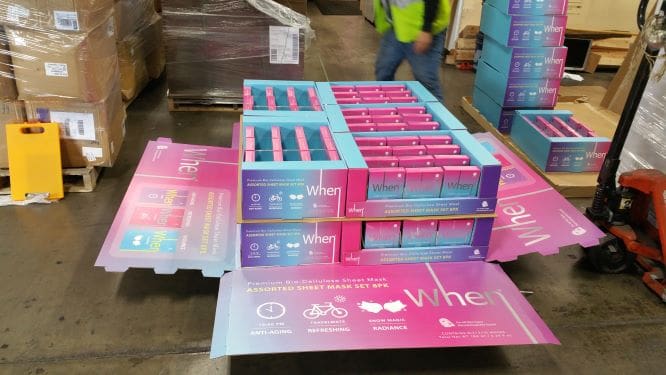
Point-of-purchase (POP) displays must catch a shopper’s eye while also moving efficiently through the supply chain. Striking the right balance between visual impact and logistics ensures displays drive sales without creating costly inefficiencies. A design that leans too far toward graphics may ship poorly, while one built only for logistics risks blending into the background.
The Role of Visual Impact
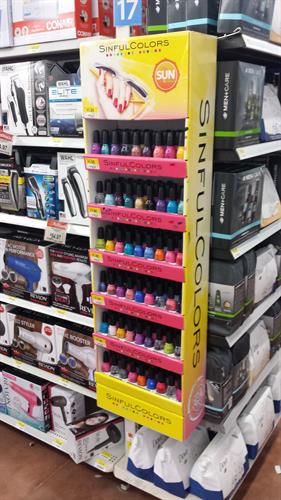
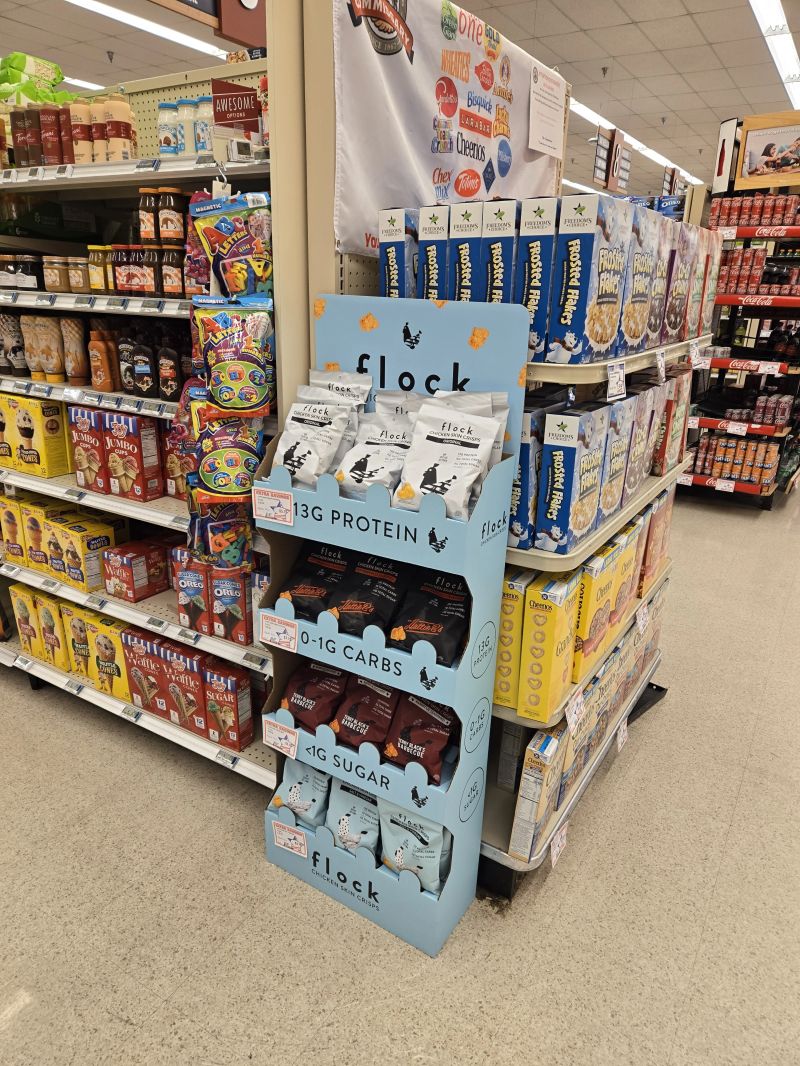
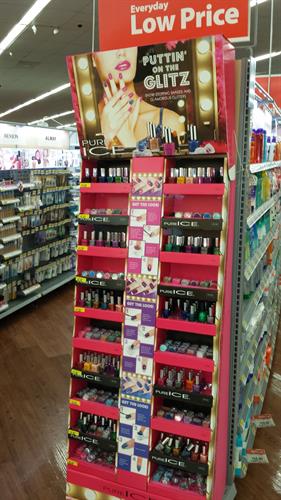
Graphics and structure are central to a display’s retail performance. Visual impact drives traffic and communicates the brand message at a glance.
- Bold colors and large product imagery attract attention.
- Clean layouts improve readability in busy aisles.
- Seasonal themes and promotions build urgency.
Without strong branding, even the most efficient display may fail to engage shoppers.
Logistics Demands in POP Displays
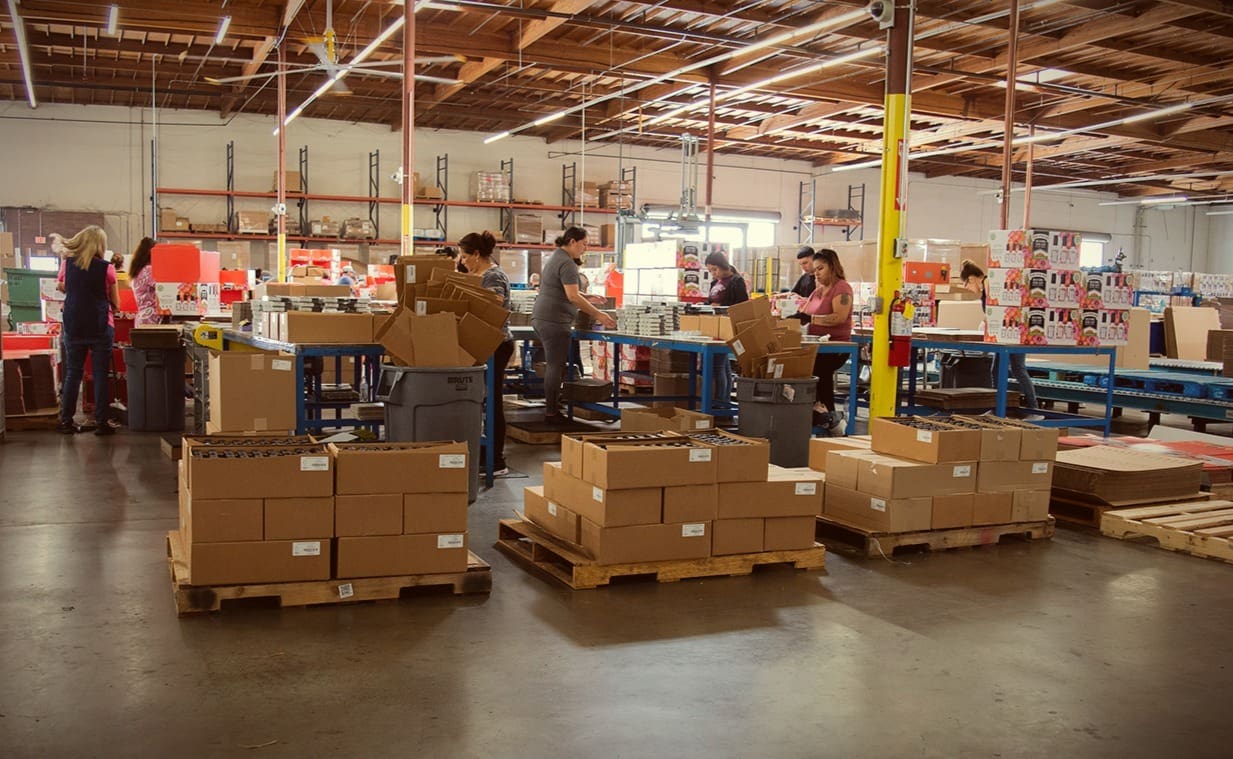
Retailers expect displays that not only sell but also ship and set up efficiently. Logistics considerations include:
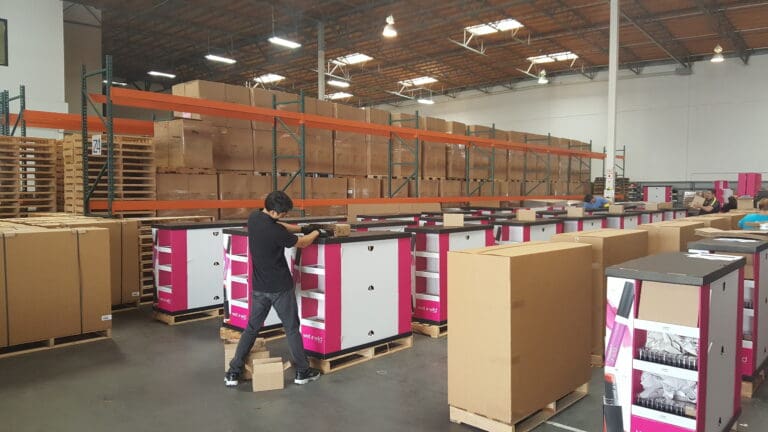
- Cube efficiency: Displays should maximize pallet and trailer space.
- Durability: Strength to withstand transit and handling.
- Ease of assembly: Retail staff need quick setup without extra labor.
- Compliance: Dimensions must meet retailer guidelines for footprint and safety.
Strategies to Balance Both Sides
- Collaborative design: Structural and graphics teams work together from the start.
- Prototype testing: Confirm visual alignment and shipping durability before production.
- Material selection: Choose corrugated grades that allow high-quality print and strength.
- Right-size graphics: Design branding that adapts to fold lines and pallet constraints.
Examples of Balanced POP Designs
- Club store pallet displays: Large branding surfaces combined with pallet-ready engineering.
- Seasonal promotions: Bold graphics with lightweight, compact shipping formats.
- Cross-merchandising units: Multi-SKU designs that showcase brands while stacking efficiently.
POP Display Solutions with Brown Packaging
Brown Packaging creates POP displays that deliver both retail impact and supply chain efficiency. Our designs maximize brand presence while meeting freight, compliance, and setup demands. Contact us to explore display options that balance impact with logistics.
References
Shop! Association. (2021). Best Practices for In-Store Marketing and POP Displays. Retrieved from https://www.shopassociation.org
Soroka, W. (2009). Fundamentals of Packaging Technology (4th ed.). Institute of Packaging Professionals.
ASTM International. (2022). ASTM D685: Standard Practice for Conditioning Paper and Paper Products for Testing.
Digital printing is often positioned as a short-run solution for emerging brands. But advances in press technology, workflow automation, and material compatibility have expanded its role well beyond limited production.
Most POP displays are designed for day-one appearance—not for what happens after the first few units sell. That’s a problem. Because in retail, performance is determined by what happens during
Most POP display decisions eventually come down to a tradeoff:make it look better or make it perform better. The mistake is thinking you have to choose. In reality, the best-performing
Many packaging purchasing decisions are made by comparing price per box. While this metric is easy to evaluate, it often fails to capture the real economics of packaging systems. Packaging
Home » Balancing Visual Impact and Logistics in POP Displays