Home » Reducing Freight Costs with POP Displays
Reducing Freight Costs with POP Displays
Freight is one of the largest cost drivers in retail packaging programs. Point-of-purchase (POP) displays that look impressive on the floor may be inefficient to ship, leading to wasted space, higher freight charges, and reduced margins. By designing POP displays with logistics in mind, brands can reduce transportation costs without sacrificing retail impact.
Why Freight Costs Matter in POP Programs
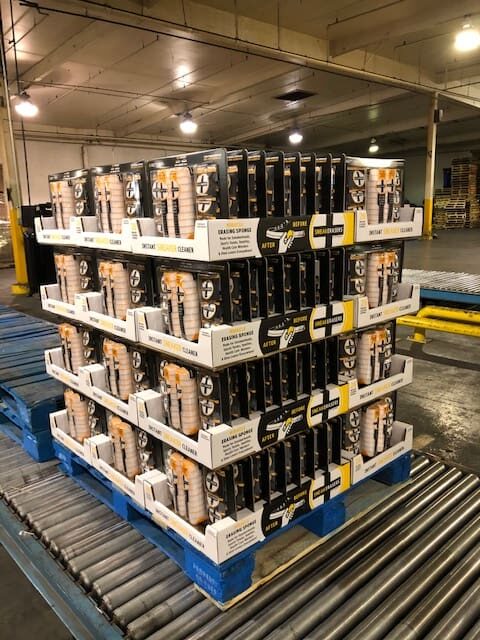
Shipping inefficiency adds up quickly across high-volume campaigns. Displays that do not cube out effectively—or require excessive protective packaging—cost more to move and handle. In some cases, freight expenses outweigh the cost of the displays themselves.
Designing POP Displays for Shipping Efficiency
- Flat-pack design: Displays that ship knocked down reduce cubic volume.
- Right-size engineering: Minimize excess corrugated or void space.
- Lightweight materials: Reduce overall shipping weight.
- Stacking strength: Displays must withstand compression during pallet transport.
Balancing Shipping and Retail Needs
Designers must ensure that cost savings on freight do not compromise in-store performance. Best practices include:
- Testing displays for stability after flat-pack assembly.
- Using reinforced corrugated grades where stacking is required.
- Designing displays that integrate seamlessly with pallets.
- Coordinating with logistics teams early in the design process.
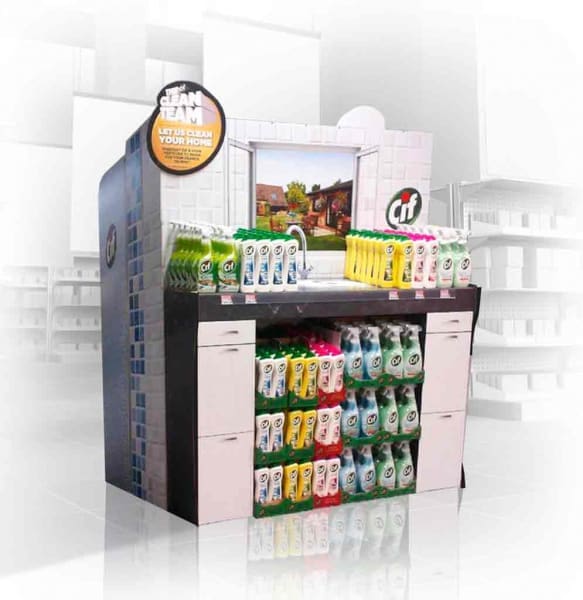
Examples of Freight-Efficient POP Displays
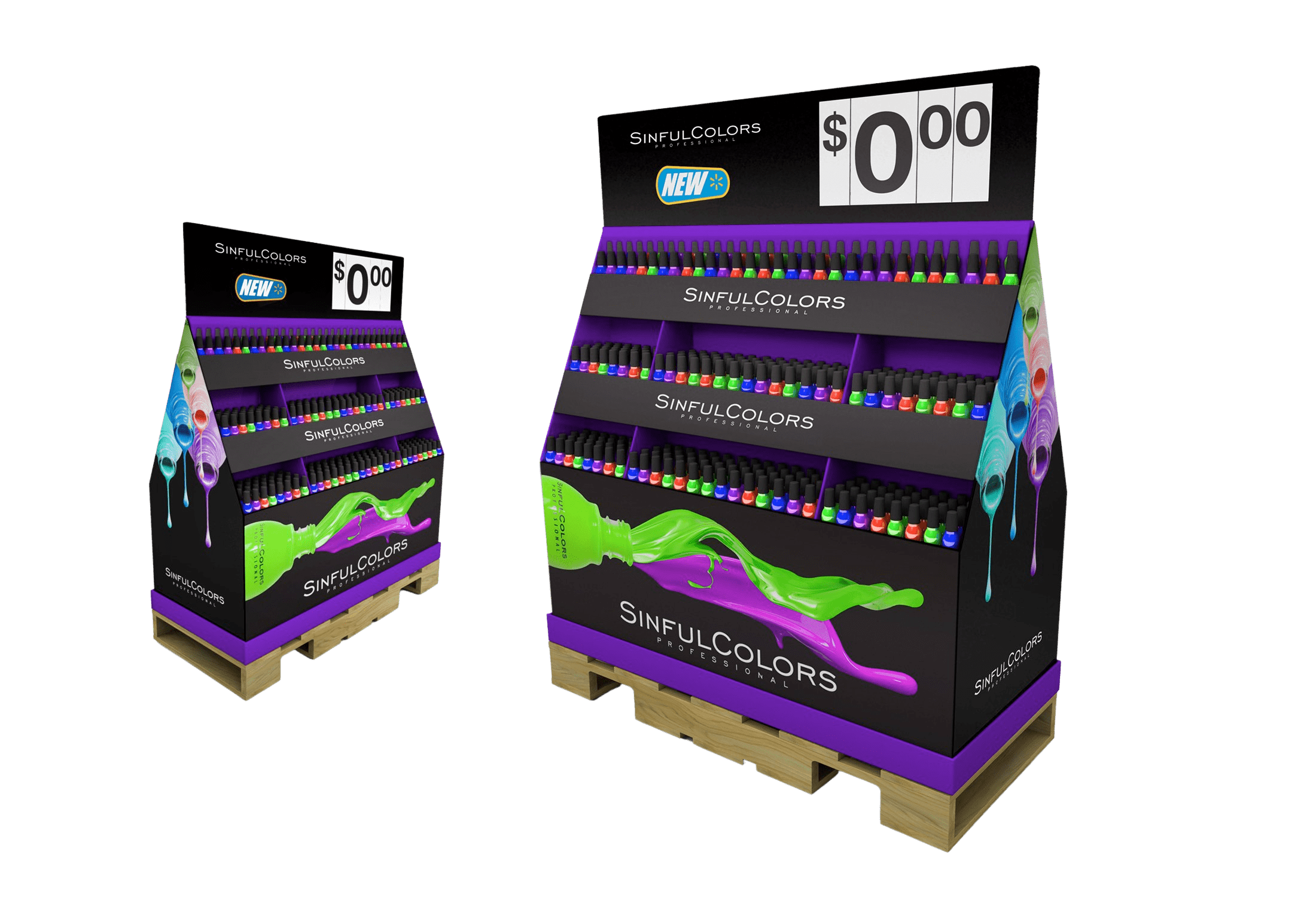
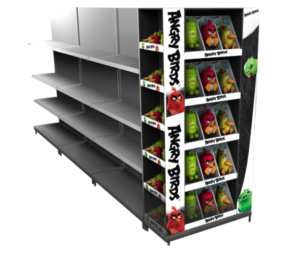
- Club store pallet displays: Engineered for direct-to-floor placement.
- Seasonal promotions: Lightweight designs shipped compactly in bulk.
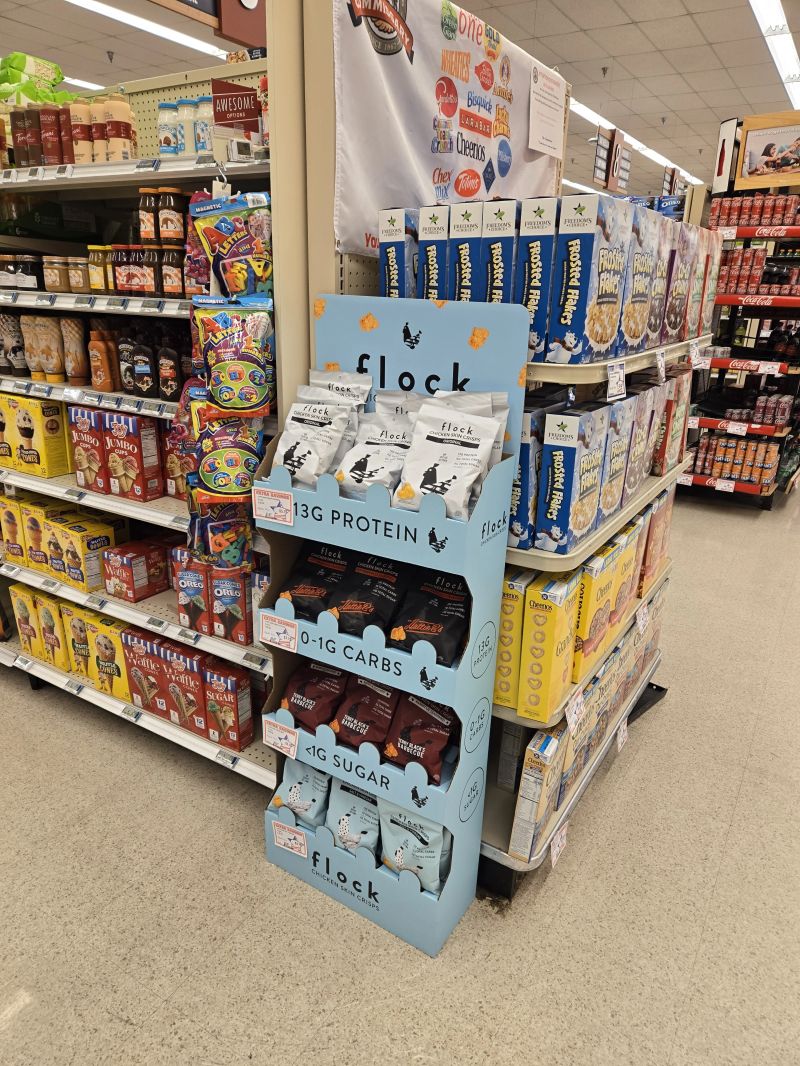
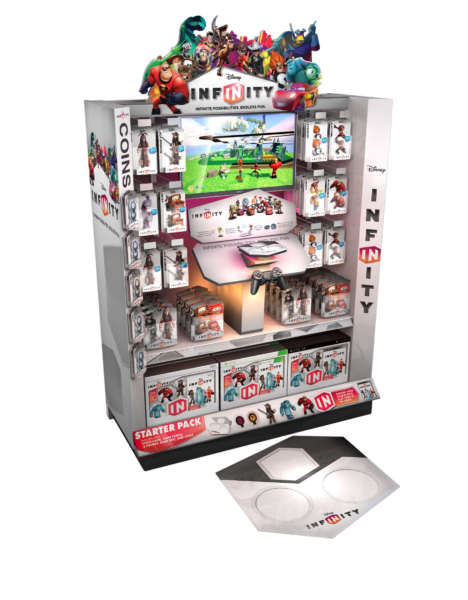
- Floor stands: Collapsible displays that expand on-site without excess packaging.
POP Display Solutions with Brown Packaging
Brown Packaging designs POP displays that balance retail impact with freight efficiency. Our solutions reduce logistics costs while ensuring displays perform as intended in-store. Contact us to explore freight-efficient POP display options.
References
Shop! Association. (2021). Best Practices for In-Store Marketing and POP Displays. Retrieved from https://www.shopassociation.org
Soroka, W. (2009). Fundamentals of Packaging Technology (4th ed.). Institute of Packaging Professionals.
ASTM International. (2023). ASTM D4169: Standard Practice for Performance Testing of Shipping Containers and Systems.
Most POP floor displays don’t fail immediately—they fail after they’ve been on the retail floor for a short period of time. Week one looks fine.By week two, problems start showing:
A lower unit price doesn’t mean lower cost. In POP display programs, the biggest losses rarely show up on the quote—they show up in damage rates, retail rejection, poor sell-through,
A visually impressive POP display doesn’t guarantee performance. In fact, many of the best-looking displays underperform because they’re designed for approval—not for real retail conditions. What works in a render,
Digital printing is often positioned as a short-run solution for emerging brands. But advances in press technology, workflow automation, and material compatibility have expanded its role well beyond limited production.
Home » Reducing Freight Costs with POP Displays