
Home » Getting Started with POP Displays: A Buyer’s Guide
Getting Started with POP Displays: A Buyer’s Guide
Point of Purchase (POP) displays are a dynamic marketing tool used to engage customers and boost sales at the point of decision-making. Whether you’re a retailer or a brand looking to promote your products effectively, creating a successful POP display requires careful planning and execution.
In this comprehensive buyer’s guide, we’ll walk you through the essential 10 steps to begin your journey into the world of POP displays.
Step 1: Define Your Goals and Objectives
Before diving into the design and creation of a POP display, it’s crucial to establish clear goals and objectives. Ask yourself:
- What specific products or promotions do you want to highlight?
- What are your sales targets and timeframes?
- Are you aiming to increase brand visibility, introduce a new product, or boost impulse purchases?
Having a well-defined purpose for your POP display will guide your decision-making throughout the process.
Step 2: Know Your Target Audience
Understanding your target audience is fundamental to designing an effective POP display. Consider factors such as demographics, preferences, and buying behavior. Knowing your audience allows you to tailor your display to appeal directly to them.
Step 3: Determine Placement
Identify the optimal location for your POP display within the retail space. Factors to consider include foot traffic patterns, visibility, and proximity to related products. Collaborate with the retailer to secure a prime location if possible.
Step 4: Design the Display
This step involves creating the visual and structural elements of your POP display. Key considerations include:
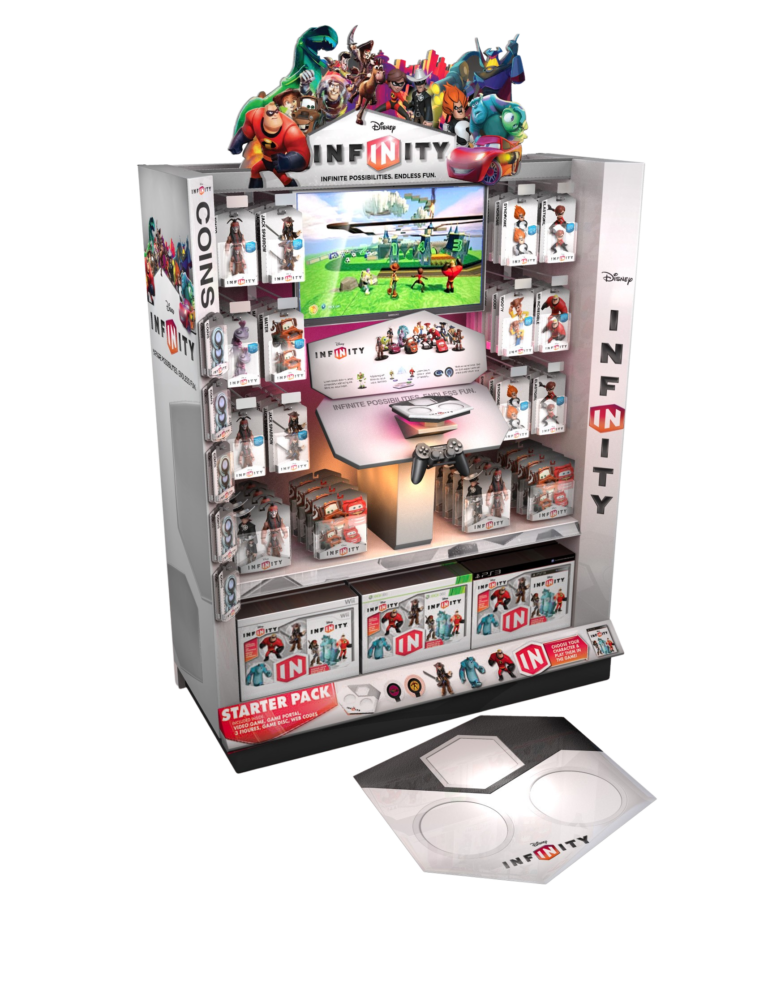
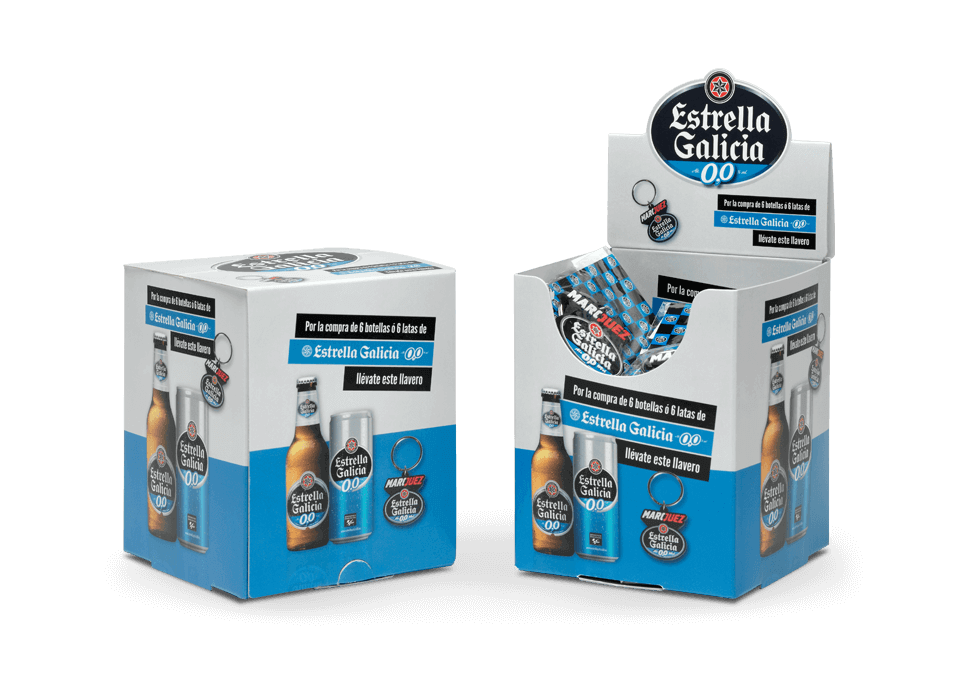
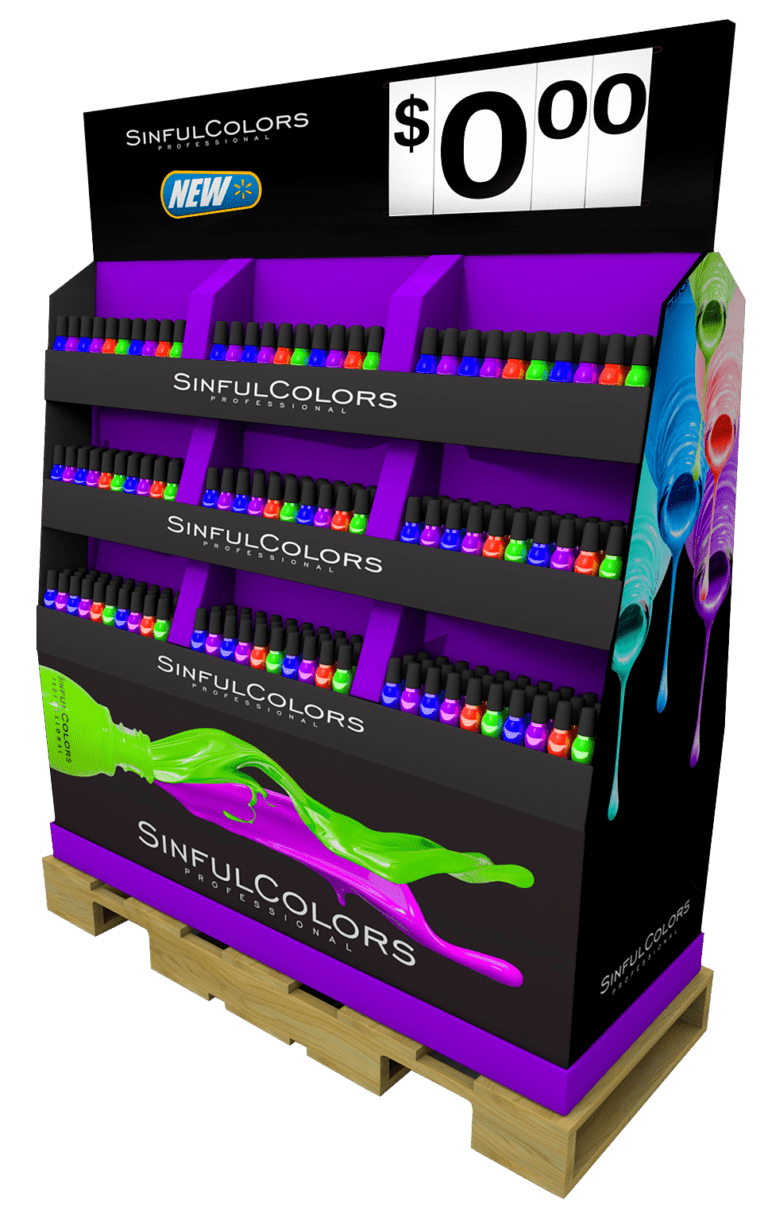
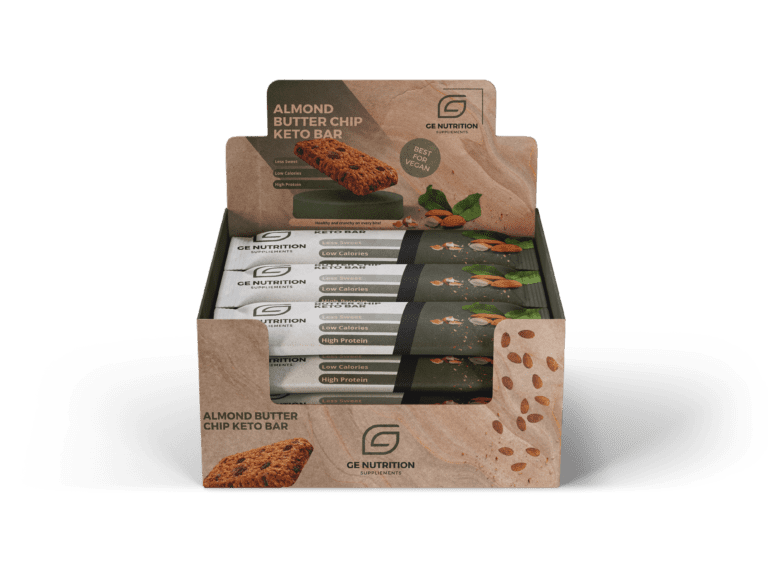
- Eye-Catching Design: Use attractive visuals, colors, and graphics that align with your brand identity and resonate with your target audience.
- Product Placement: Arrange products strategically, ensuring they are accessible and easy to reach for customers.
- Signage and Messaging: Incorporate clear and concise signage that conveys product information, benefits, and pricing.
- Branding: Maintain consistency in branding elements, including logos, fonts, and color schemes.
- Materials and Durability: Select high-quality materials and construction that can withstand the rigors of a retail environment.
Step 5: Budget and Resources
Determine your budget for creating and implementing the POP display. Consider costs related to design, materials, manufacturing, and installation. Allocate resources accordingly to ensure a smooth execution.
Step 6: Manufacturing and Assembly
Choose a reputable manufacturer or supplier to bring your POP display to life. Ensure that the manufacturing process aligns with your design specifications and quality standards. Assembly and construction should be easy and straightforward for store personnel.
Step 7: Testing and Refinement
Before final deployment, conduct tests to ensure that the POP display functions as intended. Consider factors like customer interaction, stability, and overall appeal. Make any necessary refinements based on feedback and insights.
Step 8: Deployment and Installation
Coordinate with the retailer to install the POP display in the designated location. Ensure that installation is completed correctly and that all elements are in place.
Step 9: Monitor and Evaluate
Track the performance of your POP display by monitoring sales data, customer feedback, and other relevant metrics. Evaluate its effectiveness in achieving your goals and objectives.
Step 10: Adapt and Optimize
Based on your evaluation, make adjustments to your POP display strategy as needed. This could include changes in design, placement, messaging, or product selection. Continuously adapt and optimize your approach to maximize results.
Conclusion
Creating a successful POP display is a strategic process that begins with setting clear goals, understanding your audience, and carefully planning every aspect of design and execution. By following these essential steps outlined in this buyer’s guide, you can embark on your POP display journey with confidence, knowing that you are on the path to capturing customer attention, boosting sales, and enhancing your brand’s visibility in the retail environment. Keep in mind that ongoing evaluation and adaptation are key to ensuring the continued success of your POP displays.
If you are interested in point of purchase displays, then partner with Brown Packaging today to get started.
Folding carton production is becoming more automated because buyers are asking for faster timelines, tighter consistency, and more flexibility across more SKUs. Shorter product lifecycles, retail launch windows, labor pressure,
Folding carton style matters because structure affects more than appearance. The right carton can improve shelf presentation, packing speed, product access, closure security, storage efficiency, and overall cost. For retail
Pouch packaging trends in 2027 will be shaped by convenience, shelf impact, sustainability pressure, sealing performance, automation, ecommerce growth, and total packaging cost. Buyers will still want pouches that look
Corrugated box trends in 2027 will be driven by a practical mix of cost control, sustainability, ecommerce growth, automation, retail requirements, and supply chain performance. Buyers will still need boxes
Home » Getting Started with POP Displays: A Buyer’s Guide