
window.uetq = window.uetq || []; window.uetq.push(‘event’, ‘submit_lead_form’,{ event_label:‘SUBMIT MESSAGE’ }); window.lintrk('track', { conversion_id: 10271009 }); window.lintrk('track', { conversion_id: 10271017 });

Blogs

At Brown Packaging, we provide insightful content about the packaging industry to keep our clients, followers, and partners informed with the latest trends and accurate information. Our goal is to equip you with up-to-date knowledge that helps you stay ahead in the ever-evolving world of packaging.

Foam vs. Paper: Comparing Protective Packaging Materials
Corrugated
brownpackaging
Foam vs. Paper: Comparing Protective Packaging Materials

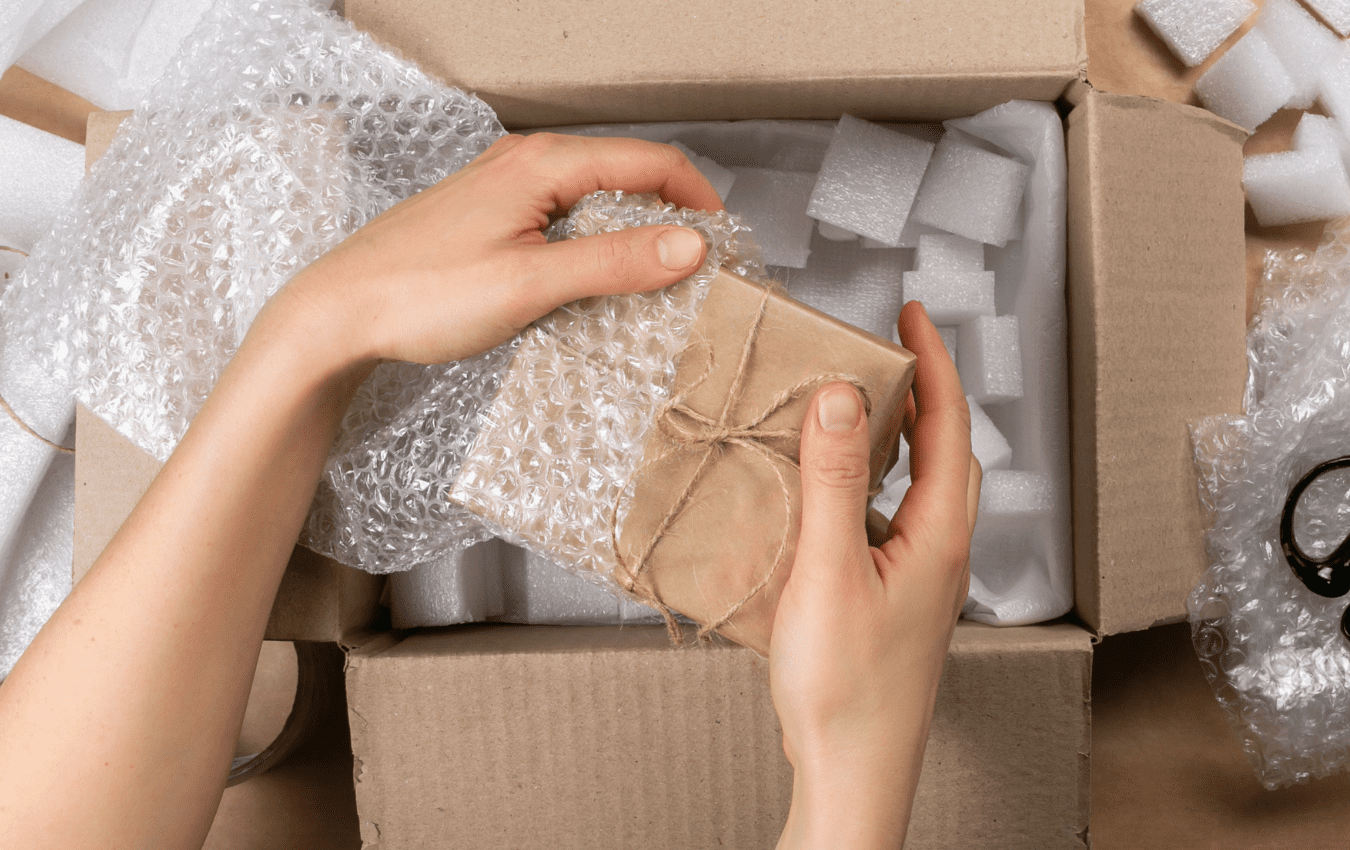
In the world of e-commerce and supply chain management, the need for reliable packaging materials cannot be overstated. From the careful encasing of fragile items to ensuring the safe transit of products, the choice of packaging material often makes a significant difference. In this blog, we delve into the world of protective packaging materials, comparing two popular options: foam and paper. Understanding Protective Packaging Before we compare foam and paper, it’s important to understand what protective packaging entails. Protective packaging, as the name suggests, is designed to shield products from damage during storage or transit. This damage could come in many forms such as shock, vibration, abrasion, or environmental factors such as moisture or temperature fluctuations. Foam Packaging: Advantages and Disadvantages Advantages of Foam Packaging Superior Cushioning Foam is known for its exceptional cushioning properties. It’s capable of absorbing and dispersing impact, which reduces the risk of damage to fragile or sensitive items. This makes it a favored choice for electronics, ceramics, glassware, and other delicate items. Versatility Foam can be customized into different shapes and sizes, making it a versatile choice for different products. This adaptability means it can be tailored to fit unusual shapes or to snugly encapsulate specific items. Lightweight Foam is extremely light, which can help reduce shipping costs. This lightweight property doesn’t compromise its protective capabilities, though, as foam still offers excellent shock absorption. Disadvantages of Foam Packaging Environmental Impact One of the major disadvantages of foam is its environmental impact. Foam is typically non-biodegradable and can take hundreds of years to decompose. Even when recycled, the process can be energy-intensive. Cost Compared to other packaging materials, foam can be relatively expensive. The cost of foam packaging includes not only the material itself but also the cost associated with its disposal or recycling. Paper Packaging: Advantages and Disadvantages Advantages of Paper Packaging Eco-Friendly Paper packaging stands out for its environmental friendliness. It is biodegradable and easily recyclable, causing much less environmental harm compared to foam. Additionally, many paper packaging options are made from recycled materials. Cost-Effective Paper is generally less expensive than foam. Its cost-effectiveness combined with its eco-friendliness makes it a popular choice for businesses conscious about their budget and environmental footprint. Versatility Just like foam, paper can be adapted into different forms to cater to different packaging needs. Corrugated paper, Kraft paper, tissue paper, and more offer varying levels of protection and can be customized to fit different products. Disadvantages of Paper Packaging Lower Cushioning While certain forms of paper packaging, like corrugated, offer reasonable cushioning, they often don’t match the shock-absorbing qualities of foam. This makes paper less suitable for extremely fragile items. Susceptibility to Environmental Factors Paper is more susceptible to environmental factors like moisture, which could potentially harm the product inside. So, Foam or Paper? The choice between foam and paper for protective packaging depends largely on the specific requirements of the product to be packaged, the company’s budget, and its sustainability goals. If the product is highly fragile or sensitive, foam might be the preferred option for its superior cushioning properties. However, for companies with strong eco-friendly policies or for less fragile products, paper packaging might be a better choice due to its biodegradability, recyclability, and cost-effectiveness. In conclusion, both foam and paper have their place in the world of protective packaging. Understanding the benefits and drawbacks of each can help businesses make informed decisions that align with their operational needs and environmental responsibilities. As sustainability continues to become a more prominent factor in consumer choice, it’s likely that we’ll continue to see innovations in both these spaces to further enhance their protective qualities and environmental credentials. (714)300-0650 request@brownpackaging.com Most Recent Posts: Categories: Corrugated Ecommerce ESD Design Display Flexible Packaging Foam Folding Carton Packaging Plastic Packaging Pouch Printing Protection Retail Rigid Box Thermoform Sustainability Subscribe To Our Newsletter By submitting your information, you agree to our terms and conditions and privacy policy. Custom Packaging Facebook Twitter LinkedIn Pinterest Relevant Posts

Read More »
Packaging as a Marketing Tool: Leveraging Custom Packaging for Brand Promotion
Packaging
brownpackaging
Packaging as a Marketing Tool: Leveraging Custom Packaging for Brand Promotion

In today’s competitive business landscape, every company needs to utilize all potential avenues to get its brand and products noticed. One such avenue that often gets overlooked is the power of packaging. Packaging can do far more than just encase a product for shipment or storage. It can be an invaluable marketing tool to increase brand visibility, perception, and ultimately, customer loyalty. In this article, we’ll delve into how businesses can leverage custom packaging as a tool for brand promotion. Packaging as a Silent Salesman Often referred to as the “silent salesman,” packaging communicates about the brand even before the product does. Custom packaging can catch the eye of potential customers in a store, and with e-commerce on the rise, it can create an appealing unboxing experience for online shoppers. Color schemes, text fonts, and designs on the packaging can help tell a brand’s story, transmit its values, and even influence the customer’s perception of the product’s worth. For example, Apple, known for its sleek design and attention to detail, extends this philosophy to its packaging with minimalist designs and premium materials. Brand Differentiation In a crowded marketplace, standing out is key. When a product is placed alongside its competitors, having unique packaging can grab a customer’s attention, making them more likely to choose your product over others. Custom packaging allows a brand to showcase its unique personality and differentiating factors. Consider the Tiffany Blue Box from Tiffany & Co. The distinctive robin’s egg blue packaging is instantly recognizable and creates a sense of luxury and exclusivity, setting Tiffany’s products apart from other jewelry brands. Building Brand Recognition Brand recognition is crucial in fostering customer loyalty. The more frequently customers see a brand, the more likely they are to remember it. Thus, businesses should strive to create a distinctive and memorable packaging design that reflects their brand identity. One of the most successful examples of this is Coca-Cola. Its iconic contoured bottle and red and white color scheme are known worldwide, even without the logo visible. Enhancing Customer Experience Custom packaging provides a prime opportunity to enhance the customer’s unboxing experience. With the rise of e-commerce and social media, unboxing has become a social event. Customers often share their unboxing experiences on platforms like YouTube and Instagram, effectively giving brands free advertising. For instance, companies can include personalized thank you notes, discounts for future purchases, or small freebies. These small touches can greatly enhance the customer experience, promote customer loyalty, and encourage word-of-mouth advertising. Sustainability as a Brand Value Increasingly, consumers are becoming more eco-conscious and prefer to support brands that demonstrate sustainability. By using eco-friendly materials in your packaging, you can show your commitment to the environment, which could attract these consumers. Brands like Patagonia are leading the way in this area. The outdoor clothing company has long been committed to sustainability, and this commitment is reflected in its packaging, which is minimal, recyclable, and often made from recycled materials. Best Practices for Custom Packaging Align With Brand Identity: The packaging design should be consistent with your brand’s identity. The colors, fonts, and imagery should all reflect your brand’s style and values. Prioritize Quality: The quality of your packaging reflects on your brand. Using high-quality materials can create a sense of luxury and signal to customers that your products are high quality too. Incorporate Practicality: While aesthetics is important, practicality shouldn’t be neglected. The packaging should protect the product, be easy to open, and ideally, be reusable or recyclable. Experiment and Innovate: Don’t be afraid to think outside the box (pun intended). Unique and innovative packaging designs can create a buzz around your product and make your brand memorable. Consider Unboxing: Keep the unboxing experience in mind. The process of opening the package should be enjoyable, not frustrating, and should ideally offer a surprise or extra value to the customer. Be Mindful of Sustainability: In a world increasingly conscious of environmental issues, consider using recyclable or biodegradable materials in your packaging. It’s not only good for the environment but can also enhance your brand’s image among eco-conscious consumers. Final Thoughts In an era of intense competition, businesses need to leverage every opportunity to distinguish themselves and connect with their customers. Custom packaging is a potent tool that can serve to amplify your brand’s visibility, convey its uniqueness, enhance customer experience, and underline its commitment to sustainability. By considering packaging as more than just a protective casing and instead as a silent salesman, businesses can open a world of marketing opportunities. However, remember that while packaging can indeed enhance brand perception, it must ultimately align with the quality of the product it contains. As in every aspect of business, consistency is key. Only when the product experience matches the packaging promise, will the brand flourish. If you are interested positioning your custom packaging to promote your brand, then partner with Brown Packaging to get started. (714)300-0650 request@brownpackaging.com Most Recent Posts: Categories: Corrugated Ecommerce ESD Design Display Flexible Packaging Foam Folding Carton Packaging Plastic Packaging Pouch Printing Protection Retail Rigid Box Thermoform Sustainability Subscribe To Our Newsletter By submitting your information, you agree to our terms and conditions and privacy policy. Custom Packaging Facebook Twitter LinkedIn Pinterest Relevant Posts

Read More »
The Role of Corrugated Trays in Product Presentation
Corrugated
brownpackaging
The Role of Corrugated Trays in Product Presentation

When it comes to presenting your products, every detail matters. One aspect that often goes unnoticed but holds considerable significance is the packaging of the product. A critical aspect of product packaging is the use of corrugated trays. Today, we will delve deep into understanding the vital role that corrugated trays play in product presentation. Introduction to Corrugated Trays Corrugated trays are made from corrugated fiberboard, a material that is lightweight yet sturdy. Known for their versatility, these trays have found application in various industries, from food and beverage to cosmetics and electronics. But why are they so popular? The reasons are numerous, and we will explore them in the sections below. Why Corrugated Trays? Enhanced Protection: The main role of any packaging is to protect the product, and corrugated trays excel at this. Their robust structure provides excellent protection, guarding the products against physical impacts and environmental factors. Eco-friendly: In an age where sustainability is increasingly important, corrugated trays are an eco-friendly option. They are made from recycled materials and can be recycled again after use, contributing to a circular economy. Customizable: Corrugated trays can be customized in terms of size, shape, and design to meet specific product needs. This makes them an excellent choice for businesses looking for a unique way to present their products. The Role of Corrugated Trays in Product Presentation Showcasing the Product A well-designed corrugated tray can beautifully showcase a product. Businesses often use these trays to display their products in an attractive and organized manner. Whether it’s neatly arranged cosmetics, delectable cupcakes, or the latest gadgets, corrugated trays help products shine. Enhancing Brand Recognition Corrugated trays can be customized with brand logos, color schemes, and unique designs, which can significantly boost brand recognition. When a customer sees a product displayed on a tray emblazoned with a brand’s colors and logo, they instantly recognize who the product is from, strengthening the brand’s identity. Facilitating Customer Decision-making A neatly organized tray can make it easier for customers to compare products and make purchasing decisions. For example, in the case of cosmetics, a tray with multiple compartments can display different shades of a product side by side, allowing customers to easily compare and choose the one they prefer. Incorporating Corrugated Trays in Various Industries Food and Beverage Industry In the food and beverage industry, corrugated trays are used to display fresh produce, baked goods, beverages, and other products. They protect the food items, keep them organized, and make them look more appealing. Retail Industry Retail stores use corrugated trays for displaying various products, from clothes to electronics. The trays help in maintaining an orderly presentation and make it easier for customers to browse and select products. E-commerce In the e-commerce industry, corrugated trays are used for packaging and delivering products. They provide excellent protection during transportation and can be customized for a unique unboxing experience, leaving a lasting impression on the customer. If you are interested in corrugated trays, then partner with Brown Packaging today to get started. Summary: Cutting Packaging Costs and Tradeoffs In conclusion, reducing your packaging costs can provide many benefits for your business, including cost savings, increased efficiency, and improved sustainability. However, businesses need to carefully consider the potential tradeoffs and balance cost savings with the need to maintain quality, sustainability, and brand image. By taking a strategic approach to packaging, businesses can reduce their costs without sacrificing quality or customer satisfaction. (714)300-0650 request@brownpackaging.com Most Recent Posts: Categories: Corrugated Ecommerce ESD Design Display Flexible Packaging Foam Folding Carton Packaging Plastic Packaging Pouch Printing Protection Retail Rigid Box Thermoform Sustainability Subscribe To Our Newsletter By submitting your information, you agree to our terms and conditions and privacy policy. Corrugated Trays (Carriers) Facebook Twitter LinkedIn Pinterest Relevant Posts

Read More »
Protective Packaging
Packaging
brownpackaging
The Impact of Custom Packaging on Product Safety and Security

In the rapidly expanding global marketplace, companies constantly strive to distinguish their products and safeguard them during transit. Custom packaging plays an essential role in not just differentiating a brand but also ensuring product safety and security. In this blog, we will explore the significant impact of custom packaging on product safety and security. The Necessity of Custom Packaging Every product is unique, and so should be its packaging. Custom packaging takes into account the specific dimensions, weight, fragility, and other distinctive characteristics of a product. It’s not a one-size-fits-all approach; it’s about creating a tailor-made protective shell that meets the precise needs of the product. Custom packaging provides an additional level of protection that conventional packaging may not offer. It can be designed to protect a product from a wide range of potential harms, including physical damage (such as impacts or drops), environmental factors (like moisture or temperature fluctuations), and security threats (theft or tampering). Impact on Product Safety The most immediate impact of custom packaging is on product safety. Here’s how: Minimized Damage Custom packaging designed to fit a product perfectly minimizes the risk of damage during transit. If a product can move around within its box, there’s a chance it could be damaged by impacts or falls. Custom packaging that snugly fits around a product minimizes this risk by providing a protective layer that absorbs shocks and keeps the product in place. Protection from Environmental Factors Environmental factors such as temperature, humidity, and light can impact certain products’ quality and safety. Custom packaging can be engineered with materials that insulate the product from these damaging environmental conditions. For instance, thermally insulated packaging can maintain a stable temperature for temperature-sensitive goods like pharmaceuticals or food products. Impact on Product Security Custom packaging can significantly enhance the security of your products in the following ways: Tamper-Evidence Tamper-evident packaging helps identify whether a product has been interfered with during transit. It often features mechanisms that are destroyed or altered if someone attempts to open the package, giving a clear signal that the product may have been tampered with. Anti-Theft Measures Custom packaging can also incorporate features that deter theft. For instance, RF (Radio Frequency) or RFID (Radio-Frequency Identification) tags can be integrated into the packaging design to prevent theft in the distribution process. Counterfeit Protection Counterfeiting is a significant concern for many brands. Custom packaging can incorporate elements like holographic seals, unique serial numbers, QR codes, or other authentication markers to prove the product’s authenticity and protect against counterfeit goods. Strengthening Brand Image While the primary purpose of custom packaging is product safety and security, it also offers the additional benefit of enhancing a brand’s image. A well-designed, personalized packaging not only catches the customer’s eye but also communicates a brand’s values, professionalism, and commitment to quality and safety. Final Thoughts In an era of heightened customer expectations and a highly competitive business environment, custom packaging serves as a critical tool for product safety, security, and branding. The right packaging will ensure that products reach their destinations undamaged and secure, enhancing customer satisfaction and loyalty. As more companies realize the significant advantages of custom packaging, it’s increasingly becoming a standard practice rather than a luxury. With advancements in packaging technology and materials, businesses have access to a wider array of customizable, cost-effective packaging solutions that offer enhanced protection and appeal for their products. In conclusion, if your business isn’t leveraging the power of custom packaging, it’s time to reconsider. Prioritizing product safety and security through customized packaging can protect your products, boost your brand, and ultimately increase your bottom line. If you are interested in custom packaging that is safe and secure, then partner with Brown Packaging today to get started. (714)300-0650 request@brownpackaging.com Most Recent Posts: Categories: Corrugated Ecommerce ESD Design Display Flexible Packaging Foam Folding Carton Packaging Plastic Packaging Pouch Printing Protection Retail Rigid Box Thermoform Sustainability Subscribe To Our Newsletter By submitting your information, you agree to our terms and conditions and privacy policy. Custom Packaging Facebook Twitter LinkedIn Pinterest Relevant Posts

Read More »
Packaging on a Budget: Strategies for Reducing Your Business's Packaging Costs
Packaging
brownpackaging
Packaging on a Budget: Strategies for Reducing Your Business’s Packaging Costs

In today’s competitive market, businesses need to constantly look for ways to cut costs and increase efficiency to remain profitable. One area where businesses can save money is in their packaging costs. Packaging is an essential part of any business, but it can also be a significant expense. In this guide, we will explore some tips and strategies that businesses can use to reduce their packaging costs, as well as the potential tradeoffs that come with those savings. Cost Reducing Packaging Strategies to Use Right-Size Your Packaging To right-size your packaging, businesses should take accurate measurements of their products and choose packaging that fits those dimensions, leaving just enough space to protect the product. Using packaging that is too large can waste materials, increase shipping costs, and take up unnecessary space. Choosing the right size packaging can save businesses money on materials and shipping costs while reducing their environmental impact. Use Lighter Weight Materials Choosing lighter weight packaging materials can significantly reduce the cost of materials, shipping, and energy used during production. For example, switching from a traditional corrugated box to a padded envelope or lightweight mailer can save on materials, weight, and shipping costs. Businesses can also consider using eco-friendly materials like recycled plastic, paper, or biodegradable materials that are lighter and cost-effective. Optimize Your Packaging Design Businesses can optimize their packaging design by selecting packaging that is durable, easy to use, and visually appealing. By using a unique design that fits the product, businesses can reduce the amount of material needed, use more cost-effective materials, and reduce shipping costs. Additionally, using packaging that is easy to open and store can reduce the likelihood of damaged products and improve customer satisfaction. Use Sustainable Materials Switching to sustainable materials like recycled plastic, paper, or biodegradable materials can reduce costs and improve sustainability. While sustainable materials can be more expensive, businesses can reduce costs by purchasing in bulk, using eco-friendly packaging designs that require fewer materials, and sourcing materials locally to reduce shipping costs. Sustainable materials can also help businesses appeal to customers who are environmentally conscious. Buy in Bulk Purchasing packaging materials in bulk can help businesses take advantage of volume discounts, reduce shipping costs, and ensure they have enough packaging on hand for peak sales seasons. Buying in bulk can also help businesses negotiate better pricing, improve lead times, and reduce the risk of running out of materials when demand increases. By implementing these strategies, businesses can reduce their packaging costs without sacrificing quality, sustainability, or customer satisfaction. However, it is essential to consider potential tradeoffs and weigh the benefits of each strategy to determine which is best for their unique business needs. Potential Tradeoffs To Cutting Packaging Costs Quality Reducing packaging costs can sometimes lead to lower quality materials, which can impact the appearance and safety of the product. Using low-quality packaging materials can result in damaged products, increased returns, and harm to a brand’s reputation. Therefore, businesses should consider the balance between cost savings and the quality of packaging materials to ensure they are not sacrificing quality for cost savings. Sustainability While sustainable packaging materials can reduce a business’s environmental impact, they can be more expensive than traditional packaging materials. Therefore, businesses must weigh the benefits of sustainable packaging against the higher costs. Choosing sustainable materials can help businesses appeal to environmentally conscious customers, but it is essential to ensure the cost is reasonable and the materials provide the necessary protection for the product. Brand Image Packaging plays a critical role in shaping a brand’s image. Choosing packaging that is low quality or visually unappealing can negatively impact a brand’s image and harm sales. Therefore, businesses should consider the potential impact of packaging changes on their brand image and take steps to ensure they are not sacrificing brand image for cost savings. Customer Satisfaction Packaging is often the first impression customers have of a product. Poor quality or unappealing packaging can negatively impact customer satisfaction and harm a brand’s reputation. Therefore, businesses must consider the potential impact of packaging changes on customer satisfaction and ensure they are not sacrificing customer satisfaction for cost savings. Summary: Cutting Packaging Costs and Tradeoffs In conclusion, reducing your packaging costs can provide many benefits for your business, including cost savings, increased efficiency, and improved sustainability. However, businesses need to carefully consider the potential tradeoffs and balance cost savings with the need to maintain quality, sustainability, and brand image. By taking a strategic approach to packaging, businesses can reduce their costs without sacrificing quality or customer satisfaction. (714)300-0650 request@brownpackaging.com Most Recent Posts: Categories: Corrugated Ecommerce ESD Design Display Flexible Packaging Foam Folding Carton Packaging Plastic Packaging Pouch Printing Protection Retail Rigid Box Thermoform Sustainability Subscribe To Our Newsletter By submitting your information, you agree to our terms and conditions and privacy policy. Custom Packaging Facebook Twitter LinkedIn Pinterest Relevant Posts

Read More »
A Look at the Pharmaceutical Industry's Dependence on Blister Packs
Packaging
brownpackaging
A Look at the Pharmaceutical Industry’s Dependence on Blister Packs

In our daily lives, we come across a plethora of pharmaceutical products, either in our personal capacity or via someone close to us. In this blog, we will delve into a significant yet frequently overlooked component of these products: blister packs. We will explore their utility, benefits, and why the pharmaceutical industry is heavily dependent on them. Understanding Blister Packs Before delving into the specifics of the pharmaceutical industry’s dependence on blister packs, let’s first understand what they are. A blister pack is a type of packaging produced by sealing a product in a plastic cavity or pocket, usually with a paper, corrugated, or foil backing. They’re commonly used for packaging pharmaceutical products, particularly pills, tablets, and capsules. Why Blister Packs? So, why does the pharmaceutical industry prefer blister packs over other packaging options? The simple answer is the versatility, protection, and convenience that blister packs offer. Protection and Preservation Blister packs are predominantly used because they protect the individual doses of medication. They offer a barrier to moisture, light, and oxygen, preserving the effectiveness of the drugs. The separation of each pill also prevents cross-contamination and ensures that the product remains tamper-evident until it reaches the end consumer. Patient Compliance and Safety A significant benefit of blister packaging lies in patient compliance. The organized and segmented nature of blister packs allows patients to track their medication intake effectively. It can significantly aid elderly patients or those taking multiple medications at different times of the day. By reducing errors in medication consumption, blister packs enhance patient safety. Ease of Use and Portability Blister packs are designed for consumer convenience. They are lightweight, compact, and easily portable, making them ideal for on-the-go consumers. The simplicity in popping a pill out from its compartment enhances the product’s ease of use. The Business Perspective: Cost-Effectiveness and Marketing Opportunities From the business side, blister packs offer several benefits, including cost-effectiveness and marketing opportunities. Cost-Effectiveness Blister packaging can be highly cost-effective compared to other packaging solutions. The material used is typically less expensive, and the production process is often more streamlined. Also, because blister packs help maintain drug integrity, the rate of product returns or losses due to spoilage or damage is substantially reduced. Marketing Opportunities Lastly, blister packs offer unique marketing opportunities. The backing card provides ample space for branding, important drug information, instructions for use, and even promotional messages. This aspect can give pharmaceutical companies an edge in a highly competitive market. Environmental Considerations of Blister Packs Like any industry, pharmaceutical packaging must consider its environmental impact. While blister packs provide a multitude of benefits, they also have some downsides. These packs are often composed of a combination of plastic and aluminum, which are not biodegradable and difficult to recycle. As environmental awareness rises, pharmaceutical companies are challenged to find more sustainable solutions without compromising the product’s integrity and the consumer’s safety and convenience. The Future of Blister Packs in Pharmaceuticals With the advantages blister packs offer, they’re here to stay. However, the push for more sustainable practices is driving innovation in this sector. We can expect advancements in materials science to produce more environmentally-friendly blister packs in the future. Furthermore, technology may introduce smart blister packs, capable of reminding patients to take their medication, improving adherence rates even further. In summary, the pharmaceutical industry’s dependence on blister packs is multifaceted and rooted in both practical and business considerations. However, as the industry evolves, so too will its packaging methods, with an increasing focus on sustainability and technological innovation. (714)300-0650 request@brownpackaging.com Most Recent Posts: Categories: Corrugated Ecommerce ESD Design Display Flexible Packaging Foam Folding Carton Packaging Plastic Packaging Pouch Printing Protection Retail Rigid Box Thermoform Sustainability Subscribe To Our Newsletter By submitting your information, you agree to our terms and conditions and privacy policy. Blister Packaging Facebook Twitter LinkedIn Pinterest Relevant Posts

Read More »
Flexographic Printing for Packaging: A Sustainable Solution
Printing
brownpackaging
Flexographic Printing for Packaging: A Sustainable Solution

Flexographic printing is a widely used printing method in the packaging industry that offers several advantages, including high efficiency, versatility, and cost-effectiveness. However, the sustainability of flexographic printing for packaging applications depends on several factors, including the materials used, the printing process, and the disposal of the printed material. In this blog, we will explore these factors in more detail and discuss how companies can adopt sustainable practices to ensure the sustainability of flexographic printing for packaging applications. Materials Used: Sourcing Sustainable Substrate Materials The sustainability of the printed material depends on the sustainability of the substrate material used. Paper and corrugated material is a renewable resource that is widely used in packaging applications. Sustainable paper production practices include using recycled paper, sourcing paper from responsibly managed forests, and using renewable energy sources to power the production process. Plastic is a non-renewable resource that is widely used in packaging applications. Sustainable plastic production practices include using recycled plastic, using bioplastics made from renewable resources, and designing packaging that can be easily recycled or reused. By sourcing sustainable substrate materials, companies can reduce the environmental impact of their packaging materials and ensure the sustainability of their printing practices. Printing Process: Using Environmentally Friendly Inks and Renewable Energy Sources The printing process used in flexographic printing can also impact the sustainability of the printed material. Using environmentally friendly inks, such as water-based or soy-based inks, can reduce the environmental impact of the printing process. These inks are biodegradable and do not contain harmful chemicals, making them a more sustainable choice than traditional petroleum-based inks. Using renewable energy sources, such as solar or wind power, can also reduce the carbon footprint of the printing process and make it more sustainable. Disposal of Printed Material: Designing Packaging for Recycling and Reuse The disposal of printed material is another important factor to consider when assessing the sustainability of flexographic printing for packaging applications. Printed material that is not recycled or reused can end up in landfills, where it can take hundreds of years to break down. Designing packaging that can be easily recycled or reused can help reduce the environmental impact of printed material. This can include using materials that are easily recyclable, such as paper or corrugated, or designing packaging that can be reused, such as refillable containers. Sustainability as a Holistic Approach To ensure the sustainability of flexographic printing for packaging applications, companies should take a holistic approach to their printing practices. This can include sourcing sustainable materials, using environmentally friendly inks, reducing energy consumption, and designing packaging that can be easily recycled or reused. By adopting sustainable practices throughout their printing processes, companies can reduce their environmental impact and help create a more sustainable future for the packaging industry. Conclusion: A Step Towards a Sustainable Future Flexographic printing can be a sustainable printing method for packaging applications, but it requires a commitment to sustainable practices from companies in the packaging industry. By taking a holistic approach to their printing practices and considering the sustainability of their materials, processes, and disposal methods, companies can reduce their environmental impact and help create a more sustainable future for the packaging industry. As consumers become increasingly aware of the environmental impact of packaging materials, companies that adopt sustainable printing practices are likely to have a competitive advantage in the marketplace. If you are interested in custom packaging with flexographic print, then partner with Brown Packaging today to get started. (714)300-0650 request@brownpackaging.com Most Recent Posts: Categories: Corrugated Ecommerce ESD Design Display Flexible Packaging Foam Folding Carton Packaging Plastic Packaging Pouch Printing Protection Retail Rigid Box Thermoform Sustainability Subscribe To Our Newsletter By submitting your information, you agree to our terms and conditions and privacy policy. Custom Packaging Facebook Twitter LinkedIn Pinterest Relevant Posts

Read More »
Best Practices in Protective Packaging for Fragile Items
Packaging
brownpackaging
Best Practices in Protective Packaging for Fragile Items

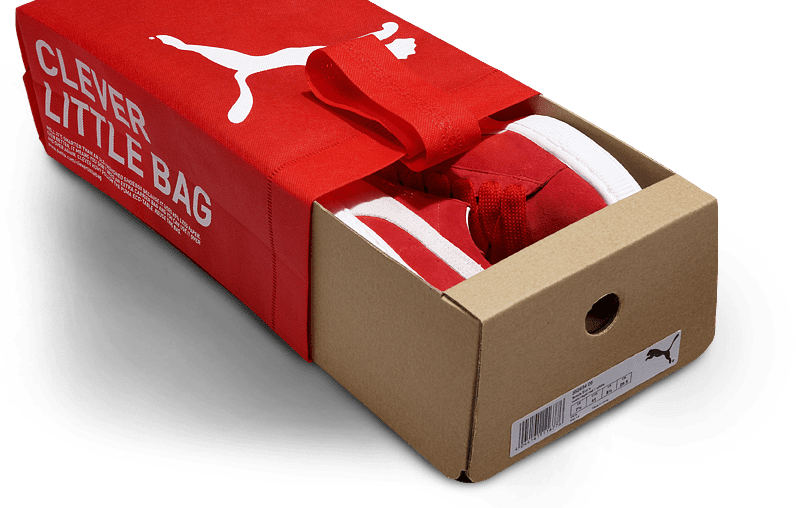
When it comes to shipping or storing fragile items, ensuring their safe arrival without any damage is of utmost importance. Fragile items such as glassware, electronics, ceramics, and artwork require special attention and protection during transportation. This blog aims to highlight the best practices in protective packaging for fragile items, offering valuable insights to individuals and businesses to ensure their delicate items reach their destination intact. Understanding the Fragility of the Item Before choosing the appropriate protective packaging, it is crucial to understand the fragility of the item. Assess its susceptibility to impact, vibration, compression, and temperature variations. This understanding will help determine the level of protection required and guide the selection of suitable packaging materials. Selecting the Right Packaging Materials Cushioning Materials Bubble wrap, foam sheets, packing peanuts, and air pillows are popular cushioning materials. They provide a protective layer around the item, absorbing shocks and preventing direct contact with the outer packaging. Inner Packaging For fragile items with intricate details or multiple components, it is advisable to use inner packaging to provide additional protection. Custom foam inserts, cardboard dividers, and molded pulp trays can be tailored to fit the specific shape and size of the item, securing it in place and minimizing movement during transit. Outer Packaging The outer packaging should be sturdy and durable to withstand external impacts. Corrugated cardboard boxes are commonly used due to their strength and shock-absorbing capabilities. Reinforced corners or double-walled boxes provide extra protection. Proper Packing Techniques Wrap The Item Start by wrapping the fragile item with a layer of bubble wrap or foam sheets, ensuring all sides are covered. Secure the wrapping with tape, but avoid applying tape directly to the item’s surface to prevent damage upon removal. Fill Void Spaces Fill the empty spaces within the box using packing peanuts, crumpled paper, or air pillows. This prevents the item from shifting or moving during transportation. Labeling and Instructions Clearly label the package as “Fragile” or “Handle with Care” to alert handlers and carriers of the delicate contents. Include any specific handling instructions, such as “This Side Up” or “Do Not Stack.” Consider Specialized Packaging Certain fragile items may require specialized packaging solutions tailored to their unique characteristics: Temperature-sensitive items: For items sensitive to temperature fluctuations, consider insulated packaging or temperature-controlled containers. Liquid or breakable items: Use leak-proof and sturdy containers, and seal them properly to prevent spills or breakage. Artwork or delicate objects: Consider custom-built wooden crates or reinforced cardboard boxes designed specifically for protecting artwork and delicate objects. These containers provide added protection against impact, humidity, and temperature changes. Partner with a Reliable Shipping Carrier Choosing a reputable shipping carrier with experience in handling fragile items is crucial. Research carriers that offer specialized fragile item handling services or use dedicated fragile item shipping services. Insurance options are also worth considering to provide financial protection in case of damage during transit. Final Thoughts: Protective Packaging and Fragile Items Protective packaging plays a vital role in safeguarding fragile items during shipping or storage. By understanding the fragility of the item, selecting appropriate packaging materials, utilizing proper packing techniques, and considering specialized packaging, individuals and businesses can ensure the safe arrival of delicate items. Partnering with a reliable shipping carrier further enhances the chances of a successful and damage-free transportation experience. Successful Examples of Creative Yet Functional Packaging Many brands have successfully achieved this balance. Here are a few noteworthy examples: Nike’s Air Max 95 Box: Nike designed a shoebox for the Air Max 95 that resembled the shoe’s design. Not only did it create a unique unboxing experience, but the box was sturdy and protective, maintaining the fundamental functionality of shoe packaging. Puma’s Clever Little Bag: Puma replaced traditional shoe boxes with a reusable bag in a carton frame, reducing corrugated usage by 65%. This design retained its protective function while adding the creative element of a reusable bag for the customers, effectively telling a story about Puma’s commitment to sustainability. Fit Buns High Protein Bread: This brand used packaging that features a muscular arm graphic which also serves as a handle. It’s a playful touch that reinforces the product’s high-protein, healthy angle, while providing functionality in the form of an easy-to-carry package. In conclusion, the perfect blend of creativity and functionality in custom packaging can create a memorable brand experience, drive customer engagement, and ultimately fuel business growth. Striking this balance requires thoughtful design, innovative use of materials, rigorous testing, and a deep understanding of the customer’s journey. With the right approach, your packaging can serve as a powerful marketing tool that encapsulates your brand’s identity while serving its protective and informative roles impeccably. In the realm of custom packaging, it’s all about creating harmony between the practical and the creative, turning each package into a canvas that tells your brand’s story and a protective shell that ensures your product reaches your customer in pristine condition. The interplay between these elements can result in a packaging design that is as enchanting as it is effective, delighting your customers and setting your brand apart in the marketplace. If you are interested in custom packaging with a balance of functionality and creativity, then partner with Brown Packaging today. (714)300-0650 request@brownpackaging.com Most Recent Posts: Categories: Corrugated Ecommerce ESD Design Display Flexible Packaging Foam Folding Carton Packaging Plastic Packaging Pouch Printing Protection Retail Rigid Box Thermoform Sustainability Subscribe To Our Newsletter By submitting your information, you agree to our terms and conditions and privacy policy. Custom Packaging Facebook Twitter LinkedIn Pinterest Relevant Posts

Read More »
Custom Rigid Box
Packaging
brownpackaging
Custom Packaging: Striking the Right Balance Between Creativity and Functionality

In the ever-competitive business world, effective product packaging has evolved beyond mere containers used to secure goods for transit. Today, it serves as a powerful marketing tool, offering brands a unique way to showcase their identity, stir consumer emotions, and, ultimately, influence buying decisions. Yet, as compelling as innovative and creative packaging may be, it must never sacrifice its fundamental purpose – functionality. So, how do companies strike the right balance between creativity and functionality in custom packaging? This article will explore strategies that successful brands have employed in their quest for that golden equilibrium. Functionality: The Foundation of Effective Packaging Before we delve into creativity, let’s understand the basic premise of functionality. Packaging, at its core, should protect the product, facilitate its transportation, and provide relevant information about the contents. Without these, even the most beautifully designed packaging fails to fulfill its purpose. Therefore, as much as creativity is important, it must not overshadow these fundamental aspects. Protect the Product: Packaging should safeguard the product from damage, whether during transit or while sitting on the store shelf. This includes protection from external elements such as light, heat, moisture, and physical shock. Facilitate Transportation and Storage: Good packaging should be easy to handle, stack, and store, both for the retailer and the end customer. For example, the packaging design of bottled drinks often includes contours that enhance grip, making them easier to hold and pour. Provide Relevant Information: Lastly, effective packaging communicates crucial product details. This can range from nutritional information on food items, usage instructions on an electronic device, or the brand’s story to build a deeper connection with the consumers. Unleashing Creativity: More Than Just a Pretty Face Once the functional aspects are in place, it’s time to let the creative juices flow. Creative packaging can amplify a brand’s message, entice potential customers, and create memorable unboxing experiences. Reflect Your Brand: Your packaging is often the first physical interaction a customer has with your brand, so it should reflect your identity. From the colors used, the typography, to the overall aesthetics, every element should be in harmony with your brand personality. Engage the Senses: Great packaging doesn’t just look good; it engages multiple senses. Think about the texture of the packaging materials, the sound it makes when opened, or even the smell that’s released. This multi-sensory experience can create a more memorable interaction with your brand. Tell a Story: Storytelling is a powerful marketing tool. Use your packaging to tell your brand story or the story behind the product. This could be as subtle as using certain colors or images or as explicit as including a short narrative on the packaging. The Art of Balancing Creativity and Functionality The magic happens when brands manage to blend creativity and functionality seamlessly. Here are some strategies to consider: Consider the User’s Journey: Understanding your customer’s interaction with your product – from purchase, unboxing, usage, to disposal or recycling – can help shape the design process. For instance, some companies use reusable packaging that serves secondary functions, marrying utility with environmentally-friendly design. Materials Matter: The choice of packaging material can play a huge role in this balance. Innovative materials can add a unique touch to your packaging while ensuring robust protection. For instance, plant-based packaging can be molded into unique shapes and textures while providing excellent cushioning. Prototyping and Testing: Always prototype and test your packaging design. This includes stress tests to ensure product safety and focus groups or surveys to gather consumer feedback on its aesthetic and functional appeal. Innovation Through Technology: Advancements in packaging technology can open up new possibilities. Augmented Reality (AR), for instance, can bring packaging to life, offering a highly engaging and interactive experience while maintaining the package’s protective role. Consumers can simply point their smartphones at the packaging to access a wealth of information or interactive content. Eco-conscious Design: Today, functionality also means sustainability. Consumers are increasingly concerned about environmental impacts, so consider using recyclable materials or minimalistic designs to reduce waste. This not only fulfills the function of protection but also serves the larger purpose of environmental consciousness – a trait that could enhance your brand image. Successful Examples of Creative Yet Functional Packaging Many brands have successfully achieved this balance. Here are a few noteworthy examples: Nike’s Air Max 95 Box: Nike designed a shoebox for the Air Max 95 that resembled the shoe’s design. Not only did it create a unique unboxing experience, but the box was sturdy and protective, maintaining the fundamental functionality of shoe packaging. Puma’s Clever Little Bag: Puma replaced traditional shoe boxes with a reusable bag in a carton frame, reducing corrugated usage by 65%. This design retained its protective function while adding the creative element of a reusable bag for the customers, effectively telling a story about Puma’s commitment to sustainability. Fit Buns High Protein Bread: This brand used packaging that features a muscular arm graphic which also serves as a handle. It’s a playful touch that reinforces the product’s high-protein, healthy angle, while providing functionality in the form of an easy-to-carry package. In conclusion, the perfect blend of creativity and functionality in custom packaging can create a memorable brand experience, drive customer engagement, and ultimately fuel business growth. Striking this balance requires thoughtful design, innovative use of materials, rigorous testing, and a deep understanding of the customer’s journey. With the right approach, your packaging can serve as a powerful marketing tool that encapsulates your brand’s identity while serving its protective and informative roles impeccably. In the realm of custom packaging, it’s all about creating harmony between the practical and the creative, turning each package into a canvas that tells your brand’s story and a protective shell that ensures your product reaches your customer in pristine condition. The interplay between these elements can result in a packaging design that is as enchanting as it is effective, delighting your customers and setting your brand apart in the marketplace. If you are interested in custom packaging with a

Read More »
custom mailer boxes with insert cavities
Corrugated
brownpackaging
Maximizing Product Protection with Corrugated Box Inserts

Corrugated box inserts are a key player in the world of packaging solutions. Not only do they secure and protect the products during transit, but they also add an extra level of professionalism and aesthetic appeal when unboxing. This blog post will delve into the various aspects of corrugated box inserts and how they help in maximizing product protection. Understanding Corrugated Box Inserts What are Corrugated Box Inserts? Corrugated box inserts are specifically designed components that fit inside the packaging box to provide a structured and safe space for the product. They can be customized to fit any product’s shape and size, thereby reducing movement and minimizing the risk of damages during transportation or handling. Materials Used in Corrugated Box Inserts Corrugated is a popular choice for inserts due to its strength, durability, and cost-effectiveness. It offers excellent shock absorption properties, reducing the impact on the products within. Moreover, corrugated inserts are sustainable, making them an environmentally friendly packaging solution. Benefits of Using Corrugated Box Inserts Improved Product Protection Corrugated box inserts offer excellent product protection. The inserts provide a snug fit for the products, limiting their movement within the box and minimizing potential damage caused by shocks and impacts during transportation. Enhanced Product Presentation Aside from protection, the inserts also enhance the unboxing experience. A well-designed insert can hold the product in place, present it effectively, and even highlight specific components or features. Customizable and Versatile The versatility of corrugated box inserts allows them to be tailored to any product’s shape and size, creating a custom solution that ensures optimal product protection. Effective Practices for Maximizing Protection with Corrugated Box Inserts Designing for the Product The design of the insert should cater to the product’s unique dimensions and fragility. A custom-fitted insert provides more security than a generic one, as it ensures the product fits perfectly, minimizing movement within the box. Multi-Layering for Extra Protection For more fragile items, using multi-layered corrugated box inserts can provide additional protection. The layers create an extra barrier, increasing the resistance to impact and shock. Incorporating Protective Padding Depending on the product, incorporating protective padding within the insert can help absorb impact. This is particularly beneficial for delicate items such as electronics, glassware, or ceramics. Summary: Corrugated Box Inserts In a world where online shopping is becoming increasingly prevalent, ensuring that products arrive safely at their destination is of paramount importance. This is where corrugated box inserts shine, by offering an effective and sustainable solution to maximize product protection. By investing in well-designed corrugated box inserts, companies can reduce product damage, increase customer satisfaction, and improve their overall brand image. (714)300-0650 request@brownpackaging.com Most Recent Posts: Categories: Corrugated Ecommerce ESD Design Display Flexible Packaging Foam Folding Carton Packaging Plastic Packaging Pouch Printing Protection Retail Rigid Box Thermoform Sustainability Subscribe To Our Newsletter By submitting your information, you agree to our terms and conditions and privacy policy. Corrugated Box Inserts Facebook Twitter LinkedIn Pinterest Relevant Posts

Read More »
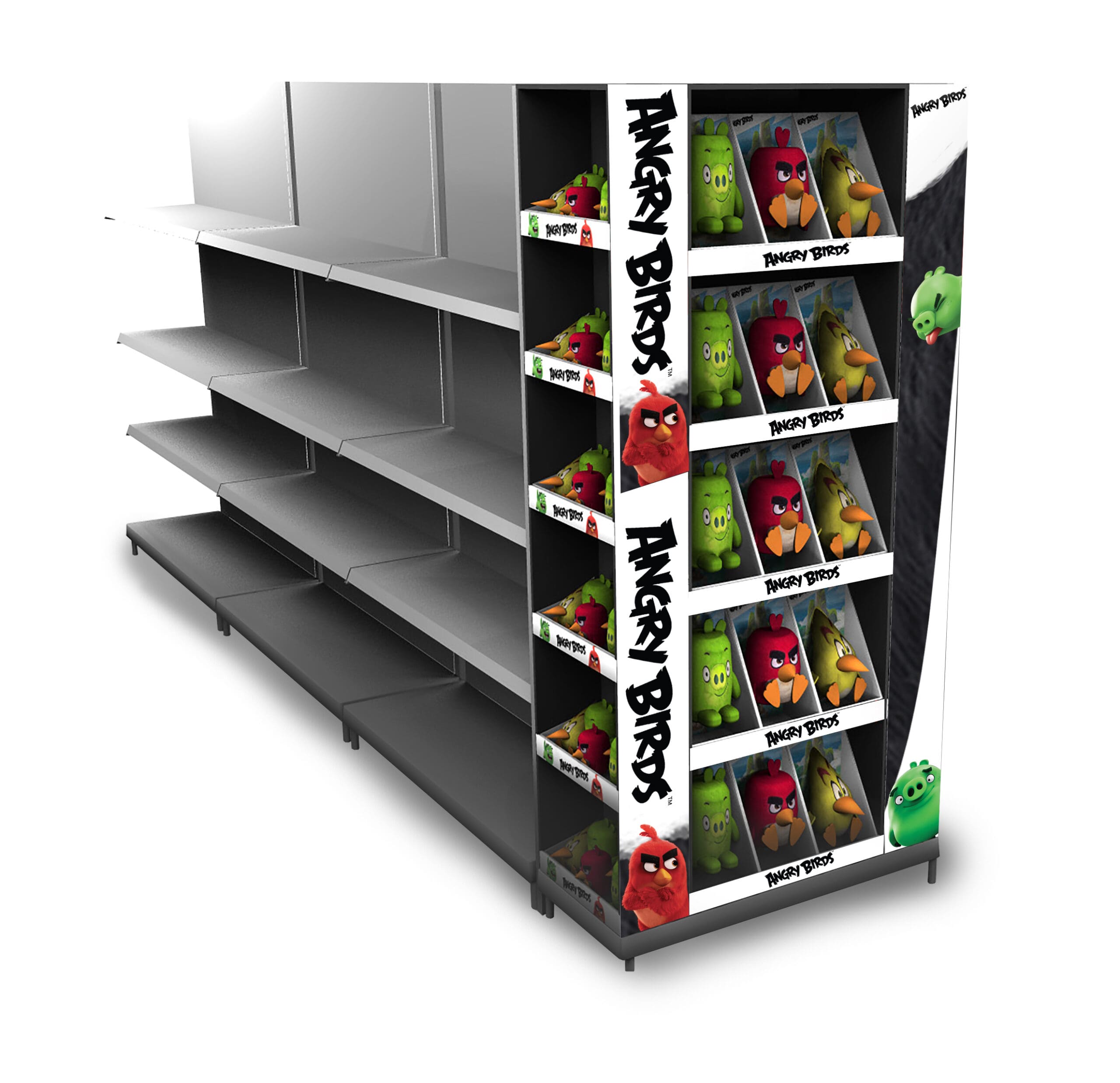
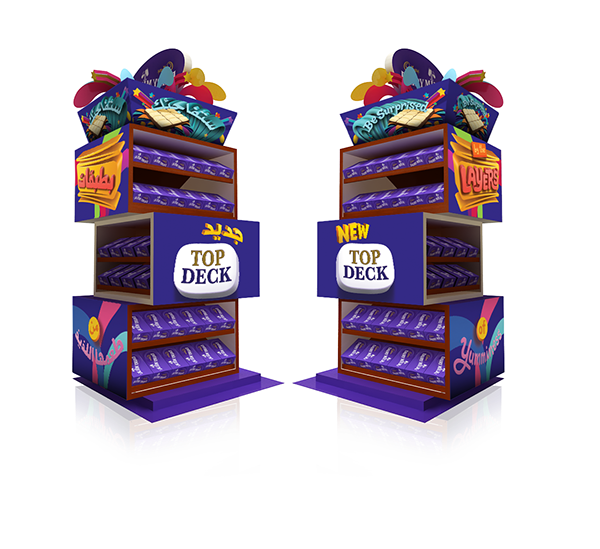
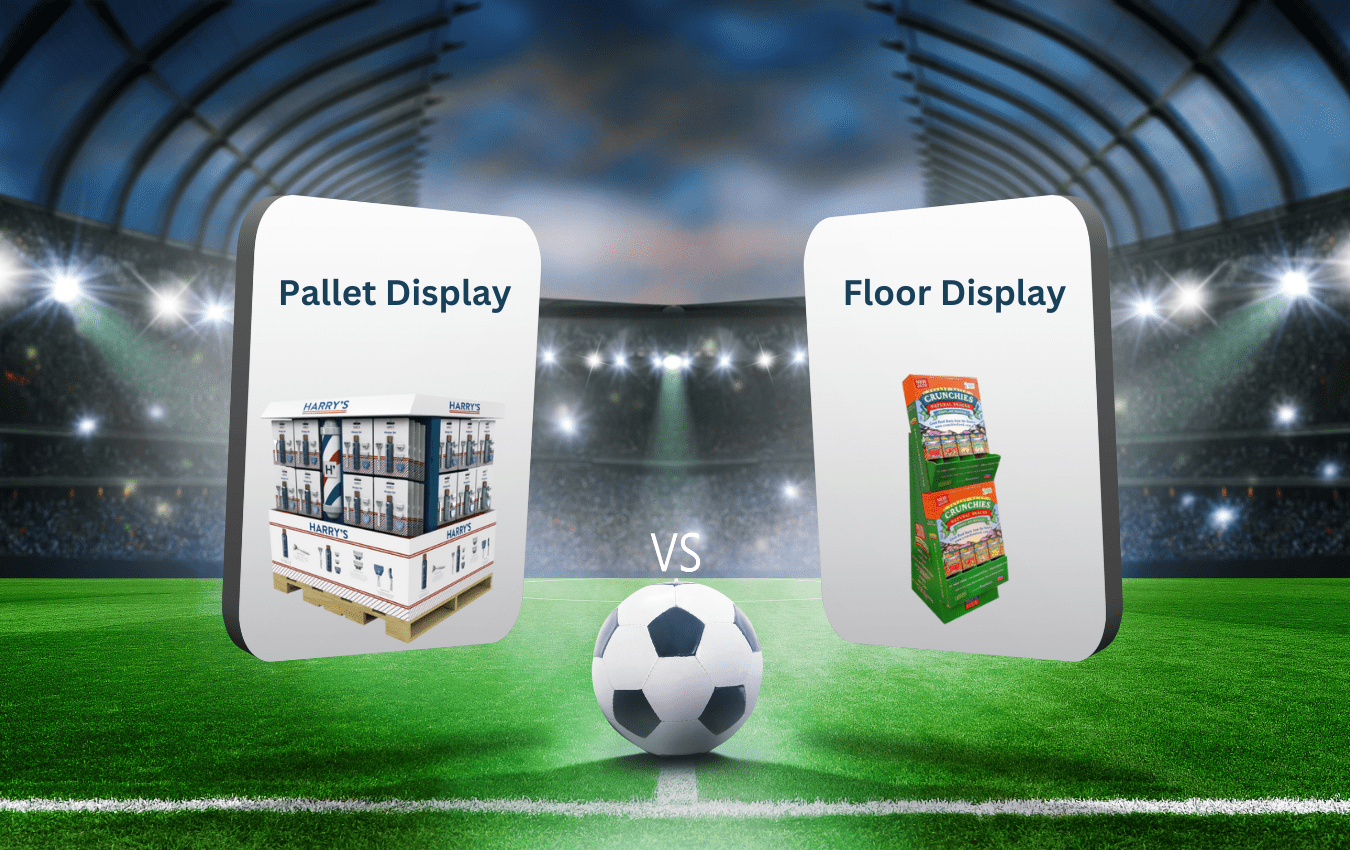
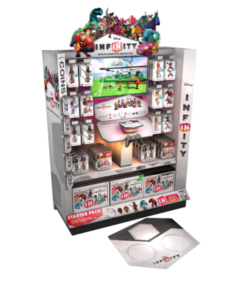
Custom Full Pallet Display with blister packs, corrugated carriers, sample packs, and poly bags
Display
brownpackaging
Pack-Out for Point of Purchase Displays: A Comprehensive Guide

Point of purchase displays, also known as POP displays, are an essential marketing tool for businesses to showcase their products and attract customers. However, creating a successful POP display is not just about designing an eye-catching display; it also involves careful planning and execution of the pack-out process. Pack-out refers to the process of assembling, arranging, and packing products within a POP display unit. In this blog, we will discuss the essential aspects of pack-out for POP displays and provide some tips on how to optimize the process for maximum efficiency and effectiveness. Understanding the POP Display Layout Before you start the pack-out process, it is crucial to understand the layout of your POP display unit. This includes knowing the dimensions, the number of shelves, the weight limit for each shelf, and any special features such as hooks or holders. Knowing the design layout will help you plan how to arrange your products within the unit, taking into account factors such as product size, weight, and packaging. You should also consider how to maximize the visual impact of your products, such as using color coordination or arranging products by height or theme. Once you have a good understanding of your POP display concept, you need to design your display and organize your products for pack-out. This involves deciding which products to include, how many of each product, and how to arrange them within the unit. When selecting the design end product, consider the following factors: Popularity: Which products are most likely to attract customers and generate sales? Seasonality: Are there any products that are more suitable for a particular season or holiday? Packaging: Can the products be easily displayed and arranged within the POP display unit? When deciding how to arrange your products, consider the following tips: Place high-selling products at eye-level or within easy reach. Group products by category or theme to make it easier for customers to find what they are looking for. Use color coordination to create an attractive and cohesive display. Place products with the same packaging or branding together to create a stronger visual impact. Executing the Pack-out Process Now that you have organized your products for pack-out, it’s time to execute the process. Here are some essential steps to follow: Step 1: Prepare the POP Display Unit Before you start packing products into the unit, you need to ensure it is clean, stable, and ready for use. This includes removing any debris, dusting the shelves, and ensuring that any special features such as hooks or holders are secure. Step 2: Pack Products onto the Shelves Begin packing products onto the shelves, starting with the bottom shelf and working your way up. Ensure that each product is securely in place, and that there is enough space between products to prevent overcrowding. Step 3: Check for Balance and Stability As you pack each shelf, check that the unit remains balanced and stable. Ensure that heavy products are evenly distributed across the shelves and that there is no risk of the unit tipping over. Step 4: Make Final Adjustments Once all products are packed, step back and take a look at the overall display. Make any final adjustments to product positioning or arrangement to ensure that the display is visually appealing and optimized for sales. Step 5: Prepare for Shipment After completing the pack-out process for your POP display, it’s essential to prepare the display unit for shipment to its destination. This involves ensuring that the unit is securely packaged and protected to prevent damage during transit. Here are some considerations for preparing the shipment of your POP display: Packaging Selection: Choose appropriate packaging materials to protect the display unit during shipment. Depending on the size and nature of the display, options such as Regular Slotted Containers (RSC), Half-Slotted Containers (HSC), or Top Cap and Sleeve packaging can be used. These packaging solutions provide structural integrity and protection during transportation. Securing the Display: Take measures to secure the products within the display unit to prevent shifting or damage during transit. This can include using additional cushioning materials, such as foam inserts or bubble wrap, to keep the products in place and protect them from impacts. Labeling and Identification: Clearly label the shipment with necessary information, such as the destination address, handling instructions, and any other relevant details. Use appropriate labeling systems, such as barcodes or QR codes, to facilitate tracking and ensure accurate delivery. Quality Control: Conduct a final quality control check before shipment. Verify that the display unit is in optimal condition, all products are properly arranged and secured, and the packaging is intact. This step ensures that the display reaches its destination in the best possible state. Shipping Method and Carrier Selection: Choose a reputable shipping carrier or logistics provider that specializes in handling fragile or large displays. Consider factors such as delivery time, cost, and tracking capabilities when selecting the most suitable shipping method. Optimizing Pack-out Efficiency and Effectiveness To optimize pack-out for POP displays, consider the following tips: Use high-quality, durable packaging that is easy to arrange within the display unit. Use a pack-out checklist to ensure that all necessary products and materials are available before beginning the process. Train employees on the pack-out process to ensure that it is executed consistently and efficiently. Monitor sales and customer feedback to make adjustments to the pack-out process and product selection. Summary: POP Displays and Pack-out Pack-out for point of purchase displays is a critical aspect of creating a successful marketing strategy for businesses. By understanding the layout of the POP display unit, organizing products for pack-out, and executing the pack-out process with care, businesses can create an attractive and effective display that will attract customers and generate sales. To optimize pack-out efficiency and effectiveness, businesses should use high-quality packaging, develop a pack-out checklist, train employees on the process, and monitor sales and customer feedback to make adjustments as needed. (714)300-0650 request@brownpackaging.com Most Recent Posts: Categories: Corrugated Ecommerce ESD Design Display Flexible Packaging Foam

Read More »
Roll Stock vs. Pouches: Comparing Flexible Packaging Options
Flexible Packaging
brownpackaging
Roll Stock vs. Pouches: Comparing Flexible Packaging Options

Packaging plays a crucial role in marketing a product. The packaging material and design not only protect the product but also influence the customer’s purchasing decision. Roll stock and pouches are two popular types of flexible packaging used widely across various industries. In this blog post, we will dive deeper into roll stock and pouches and compare and contrast them to help you decide which one is the best option for your packaging needs. What is Roll Stock? Roll stock, also known as roll-fed packaging, is a type of flexible packaging material that comes in a roll form. It is commonly made of plastic materials such as polypropylene, polyethylene, and polyester. Roll stock is a popular choice for packaging products such as snacks, pet food, candy or similar products. Roll stock can be customized to meet the specific needs of a product. It can be printed with high-quality graphics, which is great for branding and marketing purposes. Roll stock can also be made in different sizes, thicknesses, and colors to suit different packaging requirements. Roll stock is produced in large rolls and then cut and formed into the final shape by the packaging manufacturer or co-packer. The manufacturing process is cost-effective, making it a good choice for companies looking to save money on packaging costs. Roll stock takes up less storage space than pre-made pouches because it is produced in large rolls. This makes it easier to store and transport. What are Pouches? Pouches, also known as pre-made bags, are another popular type of flexible packaging. Unlike roll stock, pouches are pre-made and come in various sizes, shapes, and styles. They are commonly made of materials such as plastic films, laminates, and aluminum foil. Pouches can be customized with high-quality graphics and designs, making them a popular choice for branding and marketing purposes. They are used to package a wide range of products such as supplements, powders, foods, beverages and personal care items. Pouches are made by sealing the edges of pre-made bags to create a sealed container. This process creates a tight seal that prevents air and moisture from entering the package, providing better product protection than roll stock. However, because pouches are pre-made and come in standard sizes and shapes, they can be more expensive than roll stock. Differences between Roll Stock and Pouches Here are the key differences between roll stock and pouches: Manufacturing Process Roll stock is produced in large rolls and then cut and formed into the final shape by the packaging manufacturer or co-packer. Pouches, on the other hand, are pre-made and formed into the final shape during the manufacturing process. Roll stock require either vertical or horizontal 4-fill seal machine also known as a vertical or horizontal wrapper. Size and Shape Roll stock can be made in any size or shape, depending on the product’s packaging requirements. Pouches, on the other hand, come in standard sizes and shapes. Printing Roll stock offers more flexibility when it comes to printing. The entire surface of the roll stock can be printed with high-quality graphics, while pouches have limited space for printing. Cost Roll stock tends to be more cost-effective than pouches because it is produced in bulk and is customizable. Pouches, on the other hand, are pre-made in stock and come in standard sizes and shapes, custom pouches can be made for specific sizes, making them more expensive. Storage Space Roll stock takes up less storage space than pouches because it is produced in large rolls, while pouches take up more storage space because they are pre-made and cannot be stacked. Product Protection Pouches provide better product protection than roll stock because they are pre-made and have sealed edges that prevent air and moisture from entering the package. Which One Should You Choose? Both roll stock and pouches have their advantages and disadvantages. The choice ultimately depends on the specific needs of your product. Roll stock is a good choice if you need a flexible packaging material that can be customized in terms of size, shape, and printing. It is also cost-effective and takes up less storage space, making it a good choice for companies with limited storage capacity. Roll stock is ideal for products that don’t require a specific shape or size and don’t need the extra protection provided by a pre-made pouch. Pouches, on the other hand, provide better product protection and are a good choice for products that are sensitive to air and moisture. They are also a good choice for products that require a specific size or shape. Pouches are an excellent option for products that need to stand out on shelves and grab the attention of customers due to their customizable printing options. When deciding which packaging material to use, consider factors such as cost, size, shape, printing, and product protection. If you are interested in roll stock, pouches or other flexible packaging, then partner with Brown Packaging today to get started. (714)300-0650 request@brownpackaging.com Most Recent Posts: Categories: Corrugated Ecommerce ESD Design Display Flexible Packaging Foam Folding Carton Packaging Plastic Packaging Pouch Printing Protection Retail Rigid Box Thermoform Sustainability Subscribe To Our Newsletter By submitting your information, you agree to our terms and conditions and privacy policy. Roll Stock Facebook Twitter LinkedIn Pinterest Relevant Posts

Read More »
Packaging
brownpackaging
Custom Packaging: Everything You Need to Know and More

Custom packaging is the process of creating unique and personalized packaging materials tailored to the specific requirements of a product, brand, or business. In today’s crowded marketplace, custom packaging plays a crucial role in enhancing the overall customer experience, promoting brand recognition, and setting businesses apart from their competitors. In this blog, we will delve deeper into custom packaging, explore its benefits, types, considerations, and additional information that businesses need to know to make informed decisions about their packaging needs. Why Custom Packaging is Important? Custom packaging provides businesses with numerous benefits, such as improved brand identity, product protection, marketing, and sustainability. Custom packaging is essential for businesses because it: Enhances Brand Identity: Custom packaging allows businesses to create packaging designs that align with their brand identity, values, and messaging. By creating unique and consistent packaging, businesses can create a lasting impression on their customers and set themselves apart from their competitors. Ensures Product Protection: Custom packaging is designed to protect the product during transportation and storage. Custom packaging ensures that the product arrives at the customer’s doorstep in perfect condition, leading to customer satisfaction and loyalty. Improves Marketing Efforts: Custom packaging can be used as a marketing tool to promote the brand, communicate product information, and increase customer engagement. Custom packaging creates a memorable experience for customers, making it an effective way to communicate brand values and messaging. Supports Sustainability Efforts: Custom packaging allows businesses to choose eco-friendly materials, reduce waste, and promote their commitment to sustainability. In today’s world, customers are environmentally conscious, making sustainability an important factor for businesses to consider. Types of Custom Packaging Businesses have numerous options when it comes to custom packaging. Depending on the product and business requirements, there are different types of custom packaging solutions available. Some popular types of custom packaging are: Printed Boxes Printed boxes are a cost-effective and customizable packaging solution for various products, including food, cosmetics, and electronics. They can be customized with various printing options, including logos, images, and product information. Printed boxes come in different sizes, shapes, and materials (chipboard, paperboard and corrugated), making them versatile and suitable for different products. Custom Bags Custom bags are an excellent packaging option for retail businesses, restaurants, and food delivery services. They can be made from different materials, including paper, plastic, and fabric, and customized with branding and design elements. Custom bags are easy to carry, lightweight, and convenient for customers, making them a popular choice for businesses. Custom Labels Custom labels are an essential component of custom packaging and can be used to display product information, branding, and marketing messages. They can be made from various materials, including paper, vinyl, and polyester, and come in different sizes, shapes, and finishes. Custom labels can be applied to different packaging materials, including boxes, bags, and jars. Custom Inserts Custom inserts are designed to protect and secure the product inside the packaging. They can be made from different materials, including foam, corrugated, plastic and molded pulp, and customized to fit the product’s dimensions. Custom inserts ensure that the product is safe and secure during transportation, reducing the risk of damage. Custom Tubes Custom tubes are a popular packaging option for products such as cosmetics, pharmaceuticals, and food items. They can be made from various materials, including paper, plastic, and metal, and customized with different printing options. Custom tubes are durable, convenient, and easy to use, making them a preferred choice for many businesses. Considerations for Custom Packaging When designing custom packaging, businesses need to consider various factors, such as product requirements, budget, materials, design, and sustainability. By taking these factors into account, businesses can create custom packaging solutions that align with their values, meet their specific requirements, and promote their brand identity effectively. Some additional considerations for custom packaging are: Product Compatibility The packaging material should be compatible with the product it is intended to protect. Businesses need to consider factors such as product fragility, moisture resistance, and temperature control to ensure that the packaging material is suitable for the product. Packaging Size The packaging size should be appropriate for the product, ensuring that it is neither too loose nor too tight. A packaging size that is too small can damage the product, while a packaging size that is too large can lead to unnecessary material waste. Budget and Cost-Effectiveness Custom packaging can be expensive, and businesses need to determine their budget and cost-effectiveness of the packaging solution. It is essential to strike a balance between cost and quality to ensure that the custom packaging solution meets the business’s specific requirements and is cost-effective. Materials The materials used for custom packaging should be eco-friendly, sustainable, and aligned with the business’s values and messaging. Businesses should consider materials such as recycled paper, biodegradable plastics, and natural fibers to promote sustainability and environmental consciousness. Design and Branding The packaging design should be visually appealing, consistent with the brand identity, and convey the product information and marketing messages effectively. Custom packaging design should be eye-catching and memorable, ensuring that the packaging creates a lasting impression on customers. Custom Packaging Regulations Businesses should be aware of the regulatory requirements for custom packaging, such as food safety regulations, labeling requirements, and environmental regulations. Compliance with these regulations ensures that the custom packaging solution is safe, legally compliant, and sustainable. Impact on Customer Experience Custom packaging plays a significant role in enhancing the overall customer experience. Businesses should consider how their custom packaging solutions impact the customer experience, such as how easy it is to open, how the packaging feels in the hands, and how well it protects the product. Logistics and Transportation Businesses should consider the logistics and transportation requirements of their custom packaging solutions. Factors such as packaging weight, dimensions, and materials can impact shipping costs, transportation logistics, and storage. Summary: Custom Packaging In conclusion, custom packaging is a valuable investment that can enhance the overall customer experience, promote brand recognition, and support sustainability efforts. Businesses should carefully consider product requirements, budget, materials, design,

Read More »
Flexible Packaging Trends of 2023: Innovations Driving Sustainability and Convenience
Flexible Packaging
brownpackaging
Flexible Packaging Trends of 2023: Innovations Driving Sustainability and Convenience

Flexible packaging is a dynamic and growing market that has revolutionized the packaging industry. From snack foods to pharmaceuticals, flexible packaging offers lightweight, cost-effective, and versatile solutions that cater to a wide range of products. With advancements in materials, printing, and technology, flexible packaging has become a popular choice for brands looking to differentiate themselves and meet changing consumer needs. In this blog, we will explore the top flexible packaging trends of 2023 that are driving sustainability and convenience. Quick Overview: 10 Flexible Packaging Trends of 2023 Sustainability Takes the Lead Digital Printing and Personalization Convenience is Key Smart Packaging The Rise of E-commerce Interactive Packaging Premiumization Transparency and Visibility Antimicrobial Packaging Resealable and Portion Control Packaging Sustainability Takes the Lead Consumers are increasingly concerned about the impact of packaging waste on the environment. As a result, sustainability has become a key driver in packaging innovation, and flexible packaging is no exception. Brands are embracing eco-friendly materials, such as plant-based and compostable plastics, to reduce their carbon footprint. Furthermore, lightweight and recyclable packaging is gaining popularity, as it reduces the use of materials and lowers transportation costs. Digital Printing and Personalization The rise of digital printing technology has enabled brands to personalize their packaging, creating a unique and memorable experience for customers. Flexible packaging allows for high-quality graphics and printing, enabling brands to showcase their products in a visually appealing way. This trend is expected to continue in 2023, with brands using digital printing to differentiate their products and attract consumers. Convenience is Key Consumers are increasingly busy and seeking products that fit their on-the-go lifestyles. Flexible packaging provides a convenient solution, allowing products to be easily transported and consumed. Packaging features such as resealable closures and easy-to-open seals are becoming standard, while innovative packaging designs that make products easier to use and consume are emerging. Smart Packaging The Internet of Things (IoT) has revolutionized many industries, and packaging is no exception. Smart packaging technology integrates sensors, NFC tags, and QR codes to provide information to consumers and enhance their experience. In 2023, we expect to see more brands adopting smart packaging technology to offer a range of benefits, such as improved product tracking, food safety, and consumer engagement. The Rise of E-commerce The pandemic has accelerated the shift towards e-commerce, with online shopping becoming the norm for many consumers. Flexible packaging is ideal for e-commerce, as it offers cost-effective and lightweight solutions that can be easily shipped. Brands are expected to continue investing in e-commerce packaging in 2023, with features such as tamper-evident seals and easy-open tear notches becoming essential. Interactive Packaging Interactive packaging takes personalization to the next level, offering a fun and engaging experience for customers. This type of packaging can include augmented reality, QR codes, or other interactive elements that allow customers to learn more about the product, access exclusive content, or play games. Premiumization As consumers become more discerning, premiumization has become a key trend in flexible packaging. High-quality materials, sophisticated design, and premium finishes are increasingly being used to create a premium look and feel for products, elevating the perceived value and enhancing the overall consumer experience. Transparency and Visibility Consumers are increasingly interested in the source, quality, and safety of the products they buy. Flexible packaging is ideal for showcasing product transparency and visibility, with clear windows or see-through packaging. This trend is expected to continue in 2023, with brands using transparent and visible packaging to build trust and convey product quality. Antimicrobial Packaging In the wake of the COVID-19 pandemic, antimicrobial packaging has emerged as a trend for 2023. Antimicrobial packaging contains agents that inhibit the growth of bacteria, viruses, and fungi, making it ideal for products that require high levels of hygiene and safety. Resealable and Portion Control Packaging Consumers are increasingly looking for portion control and convenience when it comes to packaging. Resealable packaging allows customers to consume products at their own pace, while portion control packaging ensures that products are used in the right quantities. These features are expected to continue to be popular in 2023, especially for products such as snacks and beverages. Conclusion: Flexible Packaging Trends For 2023 In conclusion, flexible packaging is a dynamic and evolving industry that is driven by innovation and sustainability. As we look ahead to 2023, we expect to see brands continue to prioritize eco-friendly materials and digital printing, while also focusing on convenience and smart packaging. With the rise of e-commerce and changing consumer needs, flexible packaging is set to play an increasingly important role in the packaging industry. If you are interested in flexible packaging for your products, then partner with Brown Packaging today to get started. (714)300-0650 request@brownpackaging.com Most Recent Posts: Categories: Corrugated Ecommerce ESD Design Display Flexible Packaging Foam Folding Carton Packaging Plastic Packaging Pouch Printing Protection Retail Rigid Box Thermoform Sustainability Subscribe To Our Newsletter By submitting your information, you agree to our terms and conditions and privacy policy. Custom Pouches Facebook Twitter LinkedIn Pinterest Relevant Posts

Read More »
How to Optimize Your Packaging in Delivery Trucks Using CAPE Software
Packaging
brownpackaging
How to Optimize Your Packaging in Delivery Trucks Using CAPE Software

In today’s fast-paced world, the logistics industry plays a crucial role in ensuring that products are delivered to customers in a timely and cost-effective manner. One of the primary challenges faced by logistics companies is optimizing delivery trucks to carry as many products as possible while minimizing transportation costs. The use of pallets filled with packaging products is a popular method of optimizing delivery trucks, and with the help of CAPE (Computer-Aided Packaging Engineering) software, this process can be even more effective and efficient. What are Pallets? Pallets are flat structures made of wood, plastic, or metal that are used to transport goods. They provide a stable base for the goods being transported, reducing the risk of damage during transportation. Pallets come in different sizes, but the most common size is 48×40 inches. Packaging Products Packaging products are materials used to protect and secure goods during transportation, such as corrugated boxes, stretch film, corner protectors, and cushioning materials like bubble wrap. They come in different sizes and shapes to fit different types of goods. Optimizing Delivery Trucks with Pallets Filled with Packaging Products Using CAPE Software CAPE software is a valuable tool for optimizing the use of pallets filled with packaging products in delivery trucks. It enables logistics companies to streamline their packaging processes and maximize the efficiency of their truck loading operations. Here’s how to optimize your packaging in delivery trucks using CAPE software: Step 1: Choose the Right Pallets With CAPE software, you can input the dimensions and weight of your goods, and it will help you determine the appropriate pallet size and type. The software takes into account factors such as load-bearing capacity and compatibility with handling equipment. It ensures that you choose the right pallets to safely and efficiently transport your goods. Step 2: Choose the Right Packaging Products CAPE software allows you to simulate different packaging scenarios and assess the impact on space utilization and product protection. It helps you select the most suitable packaging products for your goods, considering factors such as fragility, weight, and size. By using the software, you can make informed decisions about the types and quantities of packaging products required to secure your goods effectively. Step 3: Pack the Goods Efficiently CAPE software provides virtual packing simulations, allowing you to visualize how your goods will fit onto the pallets. It helps you optimize the arrangement of products, ensuring efficient use of space and minimizing the risk of damage during transportation. The software considers the shape, dimensions, and weight distribution of the goods, helping you pack them in the most space-efficient and secure manner. Step 4: Load the Pallets onto the Delivery Truck CAPE software assists in determining the most efficient loading sequence for pallets onto the delivery truck. It takes into account factors such as weight distribution, stability, and accessibility. By following the loading instructions provided by the software, you can ensure that the pallets are loaded safely and securely, maximizing the use of available space within the truck. Step 5: Optimize Routing and Consolidation CAPE software can also assist in optimizing routing and consolidation strategies. By considering factors such as delivery destinations, weight distribution, and delivery schedules, the software helps logistics companies make informed decisions about the most efficient routes and consolidation options. This reduces the number of trips required and maximizes the utilization of delivery trucks, resulting in cost savings and reduced carbon footprint. By incorporating CAPE software into your packaging optimization process, you can enhance the efficiency, accuracy, and sustainability of your delivery truck operations. The software enables you to make data-driven decisions, leading to improved space utilization, reduced transportation costs, and minimized environmental impact. Leveraging Expertise for Successful CAPE Software Implementation Implementing CAPE software requires expertise and support, so consult with professionals experienced in CAPE software implementation. These experts can provide guidance on utilizing the software effectively and optimizing your packaging in delivery trucks. Additionally, consider partnering with packaging solution providers who have expertise in optimizing delivery truck logistics. They can offer insights on best practices, recommend suitable packaging materials, and assist in the implementation of CAPE software. Through their expertise, they can help you: Analyze and Evaluate: Experienced professionals can assess your current packaging and delivery processes, identifying areas for improvement. They can analyze factors such as product dimensions, weight, fragility, and transportation requirements to determine the optimal packaging solution. CAPE Software Integration: Professionals skilled in CAPE software can guide you through its integration into your packaging optimization workflow. They will assist in data input, simulations, and analysis to achieve the best results in terms of space utilization, load stability, and product protection. Packaging Material Selection: Partnering with packaging experts ensures that you choose the right materials for your specific goods. They can recommend packaging products such as corrugated boxes, stretch film, corner protectors, and cushioning materials that align with your requirements and maximize protection during transportation. Efficient Packing Strategies: Professionals can provide insights and strategies for efficient packing, considering factors like weight distribution, stacking arrangements, and load stability. This ensures that you maximize the available space on pallets and minimize the risk of damage during transit. Continuous Improvement: Collaboration with experts in packaging optimization and CAPE software allows for ongoing evaluation and improvement. They can help you analyze data, identify areas for further optimization, and refine your packaging processes over time. If you are interested in optimizing your packaging in delivery trucks with CAPE, then partner with Brown Packaging today to get started. (714)300-0650 request@brownpackaging.com Most Recent Posts: Categories: Corrugated Ecommerce ESD Design Display Flexible Packaging Foam Folding Carton Packaging Plastic Packaging Pouch Printing Protection Retail Rigid Box Thermoform Sustainability Subscribe To Our Newsletter By submitting your information, you agree to our terms and conditions and privacy policy. Custom Packaging Facebook Twitter LinkedIn Pinterest Relevant Posts

Read More »
10 Essential Packaging Tips for Small Businesses
Packaging
brownpackaging
10 Essential Packaging Tips for Small Businesses

Packaging is an essential aspect of any product, and it is vital for the success of small businesses. Effective packaging not only protects the product but also serves as a marketing tool that can help small businesses stand out from the competition. 10 Packaging Tips For Small Businesses In this blog, we will explore some tips that every small business should consider when selecting packaging products. Choose the Right Type of Packaging Material Consider the Size and Weight of the Product Use Eco-Friendly Packaging Incorporate Branding Make it Easy to Open Provide Clear Instructions Consider Shipping and Storage Conditions Consider the Type of Product Consider the Shipping Method Test the Packaging Choose the Right Type of Packaging Material There are various packaging materials to choose from, and selecting the right one is crucial to protect the product during transit. Some common packaging materials include corrugated boxes, plastic bags, paper bags, bubble wrap, and padded mailers. Corrugated boxes are an affordable and eco-friendly option that provides excellent protection, whereas plastic bags are more durable and water-resistant. Padded mailers and bubble wrap are ideal for fragile items, as they provide cushioning and protection during transit. Consider the Size and Weight of the Product The size and weight of the product are crucial factors to consider when selecting the packaging. If the product is small and lightweight, a smaller package such as a paper bag or padded mailer will suffice. However, if the product is bulky and heavy, a larger package such as a corrugated box with more protection may be necessary. Using oversized packaging not only increases the cost of shipping but also has a negative impact on the environment. Use Eco-Friendly Packaging Sustainable packaging options are becoming increasingly popular as consumers become more environmentally conscious. Eco-friendly packaging includes materials that are biodegradable, compostable, or recyclable. Switching to eco-friendly packaging not only reduces the carbon footprint but also appeals to environmentally conscious customers. Some eco-friendly packaging products include biodegradable plastic bags, recycled corrugated boxes, and paper bags. Incorporate Branding Packaging is an excellent tool for branding, and incorporating your brand logo and colors on the packaging can help increase brand recognition. Consistent branding across all packaging and marketing materials can help build brand awareness and loyalty. Branding options include custom-printed bags, boxes, and labels. Make it Easy to Open Customers appreciate packaging that is easy to open and does not require any additional tools. Complicated packaging can frustrate customers and negatively impact their experience with the product. Additionally, easy-to-open packaging reduces the risk of damage to the product during opening. Ziplock bags and self-sealing bags are great options for easy-to-open packaging. Provide Clear Instructions Providing clear instructions on how to use the product and how to dispose of the packaging can help enhance the customer experience. Clear instructions reduce the risk of damage to the product during use and reduce the risk of customer dissatisfaction. Instructions can be printed on the packaging or provided in a separate document. Consider Shipping and Storage Conditions When selecting packaging products, it is essential to consider the shipping and storage conditions of the product. Products that require refrigeration, for example, may require special packaging that can keep the product at the correct temperature during transit. Additionally, packaging that is easy to store can save on storage costs and reduce the risk of damage to the product during storage. Some options for easy-to-store packaging include flat poly bags and foldable boxes. Consider the Type of Product The type of product being shipped is an essential factor to consider when selecting packaging products. Some products may require special packaging to protect them during transit. For example, perishable items such as food and flowers may require insulated packaging or special refrigerated packaging. Fragile items such as electronics or glassware may require additional padding and protection to prevent damage. Consider the Shipping Method The shipping method you choose can also impact the type of packaging product you select. Some shipping carriers may have specific requirements for packaging products, such as weight limits and size restrictions. It’s essential to research the shipping carrier’s guidelines and requirements before selecting packaging products to ensure they comply with their regulations. Test the Packaging Before shipping products, it’s crucial to test the packaging to ensure it can protect the product during transit. Testing the packaging can help identify any weaknesses in the packaging and allow for adjustments to be made to ensure the product arrives safely. Testing can include drop testing, compression testing, and vibration testing. Summary: 10 Packaging Tips for Small Businesses In summary, selecting the right packaging products is essential for the success of small businesses. By considering the type of packaging material, size and weight of the product, eco-friendly options, branding, ease of opening, clear instructions, shipping and storage conditions, type of product, shipping method, and testing the packaging, small businesses can ensure that their products arrive safely and attractively packaged, which can enhance the customer experience and increase brand loyalty. If you are interested in packaging solutions tailored to small businesses, then partner with Brown Packaging today to get started. (714)300-0650 request@brownpackaging.com Most Recent Posts: Categories: Corrugated Ecommerce ESD Design Display Flexible Packaging Foam Folding Carton Packaging Plastic Packaging Pouch Printing Protection Retail Rigid Box Thermoform Sustainability Subscribe To Our Newsletter By submitting your information, you agree to our terms and conditions and privacy policy. Custom Packaging Facebook Twitter LinkedIn Pinterest Relevant Posts

Read More »
A Step-by-Step ISTA Certification Guide
Packaging
brownpackaging
A Step-by-Step ISTA Certification Guide

Packaging plays a crucial role in ensuring that products reach their intended destination safely and securely. Without proper packaging, products are likely to suffer damage during transit, resulting in losses for manufacturers and retailers alike. To avoid such losses, it is necessary to have packaging that meets certain quality standards. One such standard is ISTA certification. ISTA certification is recognized worldwide as the leading authority on packaging performance testing and certification. In this blog post, we will provide a detailed guide on how someone can get their packaging ISTA certified. What is ISTA certification? ISTA (International Safe Transit Association) is an organization that sets standards for packaging performance. ISTA certification ensures that a package is safe and secure for transportation. ISTA certification is essential for companies that want to ensure that their products are protected during transit. ISTA certification is recognized globally, and it is considered the leading authority on packaging performance testing and certification. The ISTA certification process: The ISTA certification process is a rigorous one that involves several steps. Here is a step-by-step guide on how to get ISTA certified: Step 1: Determine the ISTA certification level you need The first step in the ISTA certification process is to determine the level of certification you need. ISTA has several levels of certification, depending on the nature of the product and the type of transportation it will undergo. You can consult with ISTA or an ISTA certified lab to determine the appropriate certification level for your product. Below is a list of the different levels of ISTA certification: ISTA 1 Series – Non-Simulation Integrity Performance Test Level This level is for products that require basic protection and may not be susceptible to damage during transportation. The testing involves basic drop tests and compression tests. ISTA 2 Series – Partial Simulation Performance Test Level This level is for products that are moderately susceptible to damage during transportation. The testing involves more advanced simulations of the shipping environment, including drops and vibrations. ISTA 3 Series – General Simulation Performance Test Level This level is for products that are highly susceptible to damage during transportation. The testing involves rigorous simulations of the shipping environment, including drops, vibrations, and temperature and humidity conditions. ISTA 4 Series – Enhanced Simulation Performance Test Level This level is for products that are highly valuable, fragile, or have high safety requirements. The testing involves the most rigorous simulations of the shipping environment, including high-altitude simulations, compression testing, and more. ISTA 6 Series – Member Performance Test Mode This level is for products that are subject to specific requirements from individual ISTA members. The testing involves customized testing procedures based on member-specific requirements. ISTA 7 Series – Development Test Mode This level is for products that are in the development stage, and the testing is performed to help the manufacturer design the packaging for optimum performance during transportation. Step 2: Select an ISTA certified lab Once you have determined the appropriate certification level, the next step is to select an ISTA certified lab. ISTA has a network of certified labs worldwide that conduct testing and certification. You can find a list of certified labs on the ISTA website. You can also consult with ISTA to help you select an appropriate lab. Step 3: Prepare your Packaging for Testing The next step is to prepare your packaging for testing. You will need to provide samples of your packaging to the certified lab. The lab will use these samples to perform various tests to determine whether your packaging meets the required ISTA standards. You should ensure that the samples you provide are representative of the packaging you intend to use for your products. Step 4: Testing Once you have provided the samples, the lab will begin testing your packaging. The testing process may take several days or even weeks, depending on the level of certification you require. The lab will use various methods to test your packaging, including drop testing, vibration testing, compression testing, and atmospheric conditioning. Step 5: Certification Once the testing is complete, the lab will provide a certification report indicating whether your packaging meets the required ISTA standards. If your packaging meets the standards, you will receive an ISTA certification. If your packaging does not meet the standards, you will receive a report indicating the areas that need improvement. Summary: ISTA Certification Guide ISTA certification is essential for companies that want to ensure that their products are protected during transit. ISTA certification is recognized globally, and it is considered the leading authority on packaging performance testing and certification. The ISTA certification process is rigorous, and it involves several steps. These include determining the appropriate certification level, selecting an ISTA certified lab, preparing your packaging for testing, testing, and certification. By following these steps, you can ensure that your packaging meets the required ISTA standards and that your products are protected during transit. If you are interested in packaging and ISTA certification assistance, then partner with Brown Packaging today to get started. (714)300-0650 request@brownpackaging.com Most Recent Posts: Categories: Corrugated Ecommerce ESD Design Display Flexible Packaging Foam Folding Carton Packaging Plastic Packaging Pouch Printing Protection Retail Rigid Box Thermoform Sustainability Subscribe To Our Newsletter By submitting your information, you agree to our terms and conditions and privacy policy. Custom Packaging Facebook Twitter LinkedIn Pinterest Relevant Posts

Read More »
Custom Printed Pouches
Packaging
brownpackaging
Physical vs Digital Packaging Prototypes: Choosing the Right Prototype for Your Business Needs

In today’s market, packaging plays a crucial role in product sales and branding. It is one of the most critical aspects of a product’s marketing strategy, making it essential for businesses to get it right. There are two main types of packaging prototypes: physical and digital. Each has its benefits and drawbacks, and understanding these differences can help businesses choose the right prototype for their packaging needs. Physical Packaging Prototypes Physical prototypes are tangible models of a product’s packaging. These prototypes are made using physical materials like cardboard, plastic, and metal. The prototype is a full-scale representation of the final packaging design, giving businesses a realistic idea of how the packaging will look and feel. Benefits of Physical Packaging Prototypes Realistic Experience: Physical prototypes offer a tactile experience that digital prototypes cannot replicate. The user can touch, feel, and interact with the packaging, giving a more realistic experience. Accurate Color Representation: Color representation is an essential aspect of packaging design. Physical prototypes offer a more accurate color representation than digital prototypes, as colors can appear differently on screens than they do in real life. Detailed Design: Physical prototypes offer businesses the opportunity to see and test the detailed design of the packaging, including the structure, materials, and finish. Easy to Understand: Physical prototypes are easier for everyone to understand, even those who may not be familiar with design software. Drawbacks of Physical Packaging Prototypes Time-consuming: Physical prototypes can be time-consuming to create and may require multiple iterations before the final design is achieved. Costly: Creating physical prototypes can be expensive, especially if multiple iterations are required. Limited Revisions: Making changes to a physical prototype can be challenging and may require starting from scratch, which can be costly and time-consuming. Digital Packaging Prototypes Digital packaging prototypes are created using software and computer graphics. They are virtual representations of the final packaging design, giving businesses a 3D view of the packaging design. Benefits of Digital Packaging Prototypes Quick and Cost-effective: Digital prototypes are quick and cost-effective to create compared to physical prototypes. Easy Revisions: Making changes to a digital prototype is easy and cost-effective. It can be done quickly without the need for starting from scratch. Eco-friendly: Digital prototypes are environmentally friendly, as they do not require physical materials, reducing waste. Easy Collaboration: Digital prototypes can be shared electronically, making it easy to collaborate with remote team members. Drawbacks of Digital Packaging Prototypes Lack of Tactile Experience: Digital prototypes lack a tactile experience, making it difficult to understand how the packaging will feel in real life. Limited Color Representation: Colors can appear differently on screens than they do in real life, leading to inaccurate color representation. Limited Detail: Digital prototypes may not show the finer details of the packaging, including the texture and finish. Steep Learning Curve: Creating digital prototypes can have a steep learning curve, requiring specialized software and technical skills. Summary: Physical Vs Digital Packaging Prototypes Both physical and digital packaging prototypes have their benefits and drawbacks. Physical prototypes offer a realistic experience, accurate color representation, and detailed design, but they can be time-consuming and costly. Digital prototypes, on the other hand, are quick and cost-effective, easy to revise, eco-friendly, and offer easy collaboration, but they lack a tactile experience and may have limited detail and color representation. If you are interested in custom packaging solutions, then partner with Brown Packaging today. (714)300-0650 request@brownpackaging.com Most Recent Posts: Categories: Corrugated Ecommerce ESD Design Display Flexible Packaging Foam Folding Carton Packaging Plastic Packaging Pouch Printing Protection Retail Rigid Box Thermoform Sustainability Subscribe To Our Newsletter By submitting your information, you agree to our terms and conditions and privacy policy. Custom Packaging Facebook Twitter LinkedIn Pinterest Relevant Posts

Read More »
Lithographic Printing in Packaging: is it Worth it?
Packaging
brownpackaging
Lithographic Printing in Packaging: is it Worth it?

Lithography in packaging is a process used to print high-quality graphics and text on various substrates, such as plastics and paper. This technique is used in various industries, including consumer goods, pharmaceuticals, and food packaging. Lithography is often used in packaging to enhance the visual appeal of the product, provide important information to consumers, and differentiate the product from competitors. But is it worth it? In this blog post, we will explore the benefits and drawbacks of lithography in packaging and help you decide whether it’s worth it for your business. What is Lithography in Packaging? Lithography is a printing process that involves transferring an image from a flat surface (called a lithographic plate) to a substrate using ink. The image is transferred to the plate through a process of exposing the plate to light, which hardens the image area and makes it receptive to ink. The plate is then mounted on a press, and the ink is applied to the plate, which is then transferred to the substrate. The result is a high-quality, detailed image with sharp edges and vibrant colors. In packaging, lithography is used to print high-quality graphics and text on a variety of substrates. This technique is often used for product labels, cartons, and other packaging materials. Lithography can be used to print text, logos, and other design elements in a range of colors and sizes, making it a versatile option for packaging design. Benefits of Lithography in Packaging High Quality and Consistency: Lithography is known for producing high-quality, detailed images with sharp edges and vibrant colors. The process is also highly consistent, ensuring that each print is identical to the previous one. Versatility: Lithography can be used on a wide range of substrates, including paper, metal, and plastics, making it a versatile option for packaging design. This makes it a suitable choice for a wide range of packaging applications. Customizability: Lithography allows for a high level of customization, including the ability to print in a wide range of colors, sizes, and fonts. This makes it an ideal choice for companies that want to create a unique and memorable packaging design. Drawbacks of Lithography in Packaging Cost: Lithography can be expensive, particularly for small runs or complex designs. This is because it requires the creation of a lithographic plate, which can be time-consuming and costly. Additionally, the ink used in lithography is more expensive than other types of printing ink. Limited Flexibility: Once a lithographic plate is created, it is difficult to make changes to the design without incurring additional costs. This can make it difficult to make changes to packaging designs after they have been printed. Environmental Concerns: The lithographic printing process requires the use of chemicals and solvents, which can have environmental impacts. Additionally, the printing plates used in lithography are often made from aluminum, which requires a significant amount of energy to produce. Is Lithography in Packaging Worth it? Ultimately, the decision to use lithography in packaging will depend on your specific business needs and goals. Lithography is a high-quality printing process that can help to create memorable packaging designs that stand out on store shelves. However, it can also be expensive, particularly for small runs or complex designs. Additionally, the environmental impacts of lithography should be taken into consideration when making the decision to use this printing process. If you are looking to create high-quality, memorable packaging designs for your products, lithography may be worth the investment. However, if cost or environmental concerns are a priority, other printing processes may be a better fit for your business needs. Ultimately, the decision to use lithography in packaging should be based on a careful consideration of your specific needs, goals, and budget. If you are interested in custom packaging with lithographic print, then partner with Brown Packaging today to get started. (714)300-0650 request@brownpackaging.com Most Recent Posts: Categories: Corrugated Ecommerce ESD Design Display Flexible Packaging Foam Folding Carton Packaging Plastic Packaging Pouch Printing Protection Retail Rigid Box Thermoform Sustainability Subscribe To Our Newsletter By submitting your information, you agree to our terms and conditions and privacy policy. Custom Packaging Facebook Twitter LinkedIn Pinterest Relevant Posts

Read More »
A Comprehensive Guide for Businesses to Choosing the Right Pressure-Sensitive Adhesive Tape
Packaging
brownpackaging
A Comprehensive Guide for Businesses to Choosing the Right Pressure-Sensitive Adhesive Tape

Pressure-sensitive adhesive tapes have been a popular choice for businesses due to their versatile and reliable adhesive solutions. They are used in various industries, including packaging, construction, automotive, and electronics. However, it is crucial to consider certain factors before buying the right pressure-sensitive adhesive tape for a specific application. In this blog, we will explore everything a business buyer needs to know before making a purchase. What is Pressure-Sensitive Adhesive Tape? Pressure-sensitive adhesive tape is a type of tape that is coated with an adhesive substance that sticks to surfaces when pressure is applied. It is a strong, durable, and weather-resistant adhesive that can resist UV radiation and chemicals. The adhesive tape is versatile and can be used on various surfaces, including plastics, metals, glass, and paper. It is available in different types, including double-sided, single-sided, and foam tapes, which can be used for various applications. Hot Melt Acrylic Rubber Factors to Consider When Buying Pressure-Sensitive Adhesive Tape Adhesive Strength One of the most important factors to consider when buying pressure-sensitive adhesive tape is its adhesive strength. Adhesive strength is determined by the type of adhesive used. Here are three common adhesive types: Hot Melt Adhesive: Hot melt adhesive is a type of thermoplastic adhesive that is solid at room temperature but melts when heated. It offers excellent initial tack and bond strength, making it suitable for a wide range of applications. Hot melt adhesive provides good adhesion to different surfaces, including plastics, wood, and metals. Acrylic Adhesive: Acrylic adhesive is a versatile adhesive that offers excellent bonding to various substrates, including plastics, metals, and glass. It provides good temperature resistance, UV resistance, and long-term durability. Acrylic adhesive is suitable for both indoor and outdoor applications. Rubber Adhesive: Rubber adhesive is known for its high initial tack and excellent adhesion to a variety of surfaces, including uneven or textured surfaces. It offers good flexibility and conformability. Rubber adhesive is commonly used for applications that require a strong and instant bond. Temperature Resistance Temperature resistance is another crucial factor to consider when buying pressure-sensitive adhesive tape. Different adhesive types have different temperature resistance capabilities. It is essential to select a tape that can withstand the temperature range of your application. Here are some general guidelines: Hot Melt Adhesive: Hot melt adhesive offers good temperature resistance, typically ranging from -40°F to 150°F (-40°C to 65°C). Acrylic Adhesive: Acrylic adhesive provides excellent temperature resistance, typically ranging from -40°F to 300°F (-40°C to 150°C), depending on the specific formulation. Rubber Adhesive: Rubber adhesive generally has a moderate temperature resistance, typically ranging from -20°F to 180°F (-30°C to 80°C). It is important to consult the manufacturer’s specifications for the specific temperature resistance of the adhesive tape you are considering. UV Resistance UV resistance is an important factor to consider when buying pressure-sensitive adhesive tape, especially for outdoor applications. Exposure to sunlight and UV radiation can cause some adhesives to deteriorate over time. Here’s how different adhesive types generally handle UV resistance: Hot Melt Adhesive: Hot melt adhesive typically offers fair to good UV resistance, but it may not be suitable for long-term outdoor exposure. Acrylic Adhesive: Acrylic adhesive provides excellent UV resistance, making it ideal for outdoor applications where prolonged exposure to sunlight is expected. Rubber Adhesive: Rubber adhesive may have fair to good UV resistance, depending on the specific formulation. It is recommended to check the manufacturer’s specifications for the UV resistance of the particular rubber adhesive tape you are considering. Thickness The thickness of the pressure-sensitive adhesive tape can affect its adhesive strength, conformability, and flexibility. Thicker tapes generally offer higher adhesive strength and durability, while thinner tapes provide better flexibility and conformability. Consider the requirements of your application and the surface you will be using the tape on to determine the appropriate thickness. It’s important to find a balance between thickness and the specific needs of your application. Color The color of the pressure-sensitive adhesive tape is an important consideration for some applications. Some tapes come in various colors, including clear, white, or tan. Choosing a tape with the appropriate color may be essential for branding, labeling, or aesthetic purposes. Consider the visual requirements of your application and choose a tape color that aligns with your needs. Application Pressure-sensitive adhesive tapes are available in different forms, including rolls, sheets, and pre-cut pieces. Consider the type of application you will be using the tape for and choose the appropriate form of tape. Some tapes are suitable for specific applications, such as high-temperature applications or bonding irregular surfaces, while others may be more suitable for general-purpose applications. Assess the requirements of your application and select the tape form that best meets your needs. Compatibility Pressure-sensitive adhesive tape is compatible with a wide range of surfaces, but not all surfaces are suitable for it. Consider the compatibility of the tape with the surface you will be using it on and choose a tape that is suitable for that specific surface. Some tapes may not adhere well to certain surfaces, such as oily or textured surfaces. It’s important to select a tape that is compatible with the surface to ensure a strong and long-lasting adhesive bond. Summary: Choosing the Right Pressure-Sensitive Adhesive Tape When selecting pressure-sensitive adhesive tape for your business, it is essential to consider factors such as adhesive strength, temperature resistance, UV resistance, thickness, color, application, and compatibility. By carefully evaluating these factors and understanding the specific requirements of your application, you can make an informed decision and choose the right type of tape that meets your needs and delivers the best performance. Whether you require hot melt adhesive, acrylic adhesive, or rubber adhesive, it is crucial to select a tape that aligns with your application’s demands. Consult with adhesive tape manufacturers or suppliers to ensure you choose the appropriate adhesive type and tape construction for your specific requirements. By considering these factors and making a well-informed decision, businesses can select the right pressure-sensitive adhesive tape that enhances efficiency, productivity, and profitability in

Read More »
10 Budget-Friendly Packaging Options for Small Businesses
Packaging
brownpackaging
9 Budget-Friendly Packaging Options for Small Businesses

Packaging plays a crucial role in the success of a product. It not only protects the product from damage but also serves as a medium to communicate with the customers. However, packaging can also be expensive, especially for small businesses with a limited budget. 9 Budget Friendly Options In this blog, we will explore budget-friendly packaging options that can help small businesses save money without compromising on quality. Utilize Reusable Packaging Keep It Simple Bulk Ordering Use Standard sizes Use Minimalist Labeling Opt for Lightweight Materials Use Multi-Functional Packaging Explore Alternative Suppliers Simplify Your Packaging Process Utilize Reusable Packaging Instead of focusing solely on recyclable materials, consider using packaging that can be reused multiple times. For example, using sturdy and reusable fabric bags or containers can provide value to customers and reduce the need for new packaging for each purchase. Reusable packaging not only saves money in the long run but also promotes sustainability. Keep It Simple While flashy packaging designs can be appealing, they can also be expensive to produce. Keeping packaging simple not only saves money but can also be an effective way to communicate with customers. Simple packaging designs are also easier to produce, reducing labor costs. For example, plain brown paper bags can be an inexpensive yet effective way to package products. Bulk Ordering Buying packaging materials in bulk can help businesses save money in the long run. Many suppliers offer discounts for bulk orders, which can help reduce the cost per unit. Bulk ordering also reduces the number of orders that need to be placed, saving time and resources. Use Standard Sizes Custom packaging can be expensive, especially for small businesses. Using standard sizes for packaging can help reduce costs. Standard sizes are readily available, and suppliers often offer discounts for bulk orders. Additionally, using standard sizes can also reduce shipping costs, as they are more efficient to transport. Use Minimalist Labeling Another way to keep packaging costs low is by using minimalist labeling. Instead of printing elaborate designs, consider using simple, clear labels that list the product name, ingredients, and other essential information. Minimalist labeling can be just as effective at catching customers’ attention and can help reduce printing costs. Opt for Lightweight Materials Lightweight materials, such as thin plastics and lightweight papers, can be a cost-effective way to package products. They are less expensive to produce and ship, and can also help reduce shipping costs. However, it is important to ensure that the materials provide adequate protection for the products. Use Multi-Functional Packaging Multi-functional packaging can be a cost-effective option for small businesses. Packaging that can be repurposed, such as jars and tins, can provide customers with added value and reduce waste. For example, a candle sold in a reusable jar can be used to store small items after the candle has burned out. Explore Alternative Suppliers Instead of buying packaging supplies in bulk, another cost-saving option is to explore alternative suppliers. Look for local or online suppliers that offer competitive prices and deals, even if you’re not purchasing in bulk. Sometimes, smaller suppliers can provide more affordable options tailored to the needs of small businesses. Simplify Your Packaging Process Simplifying the packaging process can help reduce costs associated with labor and equipment. Using automated packaging equipment, for example, can help reduce labor costs and increase efficiency. Simplifying the packaging process can also reduce the risk of errors, leading to fewer returns and replacements. Summary: Budget Friendly Packaging Options In conclusion, packaging is an essential aspect of any business that can significantly impact a product’s success. However, small businesses with limited budgets can find it challenging to invest in high-quality packaging. Fortunately, there are many cost-effective packaging options available that can help small businesses create effective packaging solutions. By considering options such as using reusable and lightweight materials, minimalist labeling, multi-functional packaging, and simplifying the packaging process, small businesses can reduce costs without compromising on quality. With these budget-friendly packaging options, small businesses can enhance their products’ presentation, protect them during transit, and create a positive customer experience, all while maintaining their bottom line. If you are interested in packaging solutions to fit your budget, then partner with Brown Packaging today to get started. (714)300-0650 request@brownpackaging.com Most Recent Posts: Categories: Corrugated Ecommerce ESD Design Display Flexible Packaging Foam Folding Carton Packaging Plastic Packaging Pouch Printing Protection Retail Rigid Box Thermoform Sustainability Subscribe To Our Newsletter By submitting your information, you agree to our terms and conditions and privacy policy. Custom Packaging Facebook Twitter LinkedIn Pinterest Relevant Posts

Read More »
Categories:
Subscribe To Our Newsletter

By submitting your information, you agree to our terms and conditions and privacy policy.

Custom POP displays
Custom Packaging