

window.uetq = window.uetq || []; window.uetq.push(‘event’, ‘submit_lead_form’,{ event_label:‘SUBMIT MESSAGE’ }); window.lintrk('track', { conversion_id: 10271009 }); window.lintrk('track', { conversion_id: 10271017 });

Blogs

At Brown Packaging, we provide insightful content about the packaging industry to keep our clients, followers, and partners informed with the latest trends and accurate information. Our goal is to equip you with up-to-date knowledge that helps you stay ahead in the ever-evolving world of packaging.

Custom POP Display
Display
brownpackaging
Maximizing ROI with Point of Purchase Displays: Tips and Tricks

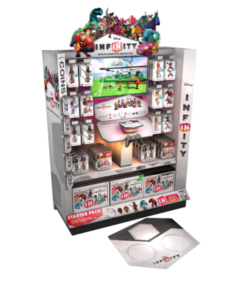
In the competitive retail landscape, capturing consumers’ attention is more crucial than ever. One strategic approach to achieve this is through effective point of purchase (POP) displays. These displays, positioned strategically at checkout counters or end-of-aisle locations, can significantly impact your bottom line and maximize your return on investment (ROI). This blog will provide valuable tips and tricks on how to leverage POP displays to optimize sales and enhance customer experience. Understanding the Power of POP Displays POP displays serve as a powerful marketing tool, grabbing customers’ attention and stimulating impulsive buying behaviors. Well-designed and positioned displays can highlight products, create a sense of urgency, and encourage add-on purchases, ultimately driving higher sales. Tips and Tricks to Maximize ROI with POP Displays Strategic Placement Placement is key when it comes to POP displays. They should be located in high-traffic areas, such as near checkout lines or at the end of aisles. These locations often have the highest visibility and can effectively prompt last-minute purchase decisions. Eye-Catching Design Ensure your displays stand out by implementing eye-catching designs. This could involve using vibrant colors, engaging graphics, or innovative structures. Additionally, the use of clear and concise messaging can convey the product’s benefits and create a sense of urgency. Rotate Displays Regularly Regularly changing your displays keeps the retail environment fresh and engaging. It encourages repeat customers to explore new products and prevents display blindness, where consumers overlook the display due to familiarity. Optimize for Product Interaction Allowing customers to touch and interact with the product can lead to higher sales. Design your POP displays in a way that products are easily accessible and can be handled by customers. Use Cross-Merchandising Techniques Consider pairing related items together in your POP display. This cross-merchandising strategy can encourage multiple purchases and increase the overall sales value per customer. Measure Performance Implement tracking measures to analyze the effectiveness of your POP displays. This can be as simple as tracking sales of displayed products or as complex as using technology like heat maps or customer journey analysis. The insights can inform your future display strategies and help optimize ROI. Leveraging Technology for Enhanced POP Displays In the digital age, technology can significantly enhance the effectiveness of displays. Interactive displays, augmented reality (AR), or digital signage can provide a unique and engaging customer experience, further driving impulse purchases and boosting sales. Wrapping Up: A Worthwhile Investment In conclusion, while creating effective POP displays requires an initial investment, it can lead to significant returns in terms of increased sales, customer engagement, and brand recognition. By employing these tips and tricks, retailers can truly harness the power of their displays to maximize their ROI. If you are interested in POP Display and need help maximize your displays potential, then contact Brown Packaging today. (714)300-0650 request@brownpackaging.com Most Recent Posts: Categories: Corrugated Ecommerce ESD Design Display Flexible Packaging Foam Folding Carton Packaging Plastic Packaging Pouch Printing Protection Retail Rigid Box Thermoform Sustainability Subscribe To Our Newsletter By submitting your information, you agree to our terms and conditions and privacy policy. POP Displays Facebook Twitter LinkedIn Pinterest Relevant Posts

Read More »
Exploring the Versatility of Packaging Inserts for Corrugated Boxes
Corrugated
brownpackaging
Exploring the Versatility of Packaging Inserts for Corrugated Boxes

Packaging inserts play a vital role in optimizing the protection and presentation of products during shipping and handling. In this blog, we will explore the different types of inserts commonly used with corrugated boxes, along with their benefits and applications. Foam Inserts: Safeguarding Fragile Items Foam inserts are highly effective in cushioning delicate and fragile products during transit. Crafted from materials like polyethylene or polyurethane foam, these inserts offer superior shock absorption. Customizable to fit specific shapes and sizes, they provide a secure and snug fit for items such as electronics, glassware, and medical devices. Dividers and Partitions: Ensuring Organization and Protection Dividers and partitions are essential for keeping products organized and protected within corrugated boxes. Made from materials like corrugated cardboard, chipboard, dividers create individual compartments, preventing collisions and minimizing the risk of damage. They are commonly used in industries such as food and beverage, pharmaceuticals, and cosmetics to safeguard bottles, jars, vials, and other delicate items. Inserts with Cutouts: Tailored Support for Irregular Shapes Inserts with cutouts are designed to provide customized support for products with irregular shapes or specific requirements. Whether it’s electronic components, automotive parts, or jewelry, these inserts offer a secure fit and additional protection. Made from materials like cardboard, chipboard, or foam, inserts with cutouts minimize movement within the packaging, reducing the risk of damage during transit. Molded Pulp Inserts: Sustainable and Reliable Packaging Solutions Molded pulp inserts are eco-friendly options created from recycled materials. These inserts are molded to match the contours of products, providing excellent protection and support. With applications in various industries, such as food and beverage, electronics, and industrial sectors, molded pulp inserts offer both reliability and sustainability. Benefits of Using Packaging Inserts: Using inserts with corrugated boxes offers several benefits, including: Enhanced Product Protection: Inserts provide an additional layer of protection, minimizing the risk of damage during shipping and handling. Customized Solutions: Inserts can be tailored to fit specific product sizes and shapes, ensuring a secure fit and optimum protection. Organized Packaging: Inserts help keep products organized within the box, minimizing movement and preventing collisions during transit. Sustainable Packaging: Utilizing inserts made from recycled materials or those that can be reused or recycled contributes to eco-friendly packaging practices. Applications of Packaging Inserts: Packaging inserts find applications in various industries and sectors: E-commerce: Inserts are crucial for securing products during shipping, ensuring their safe delivery to customers. Food and Beverage: Inserts provide support and protection for food and beverage products, maintaining their freshness and preventing damage. Industrial: Inserts safeguard heavy-duty products during transportation, reducing the risk of damage or breakage. Retail: Inserts enhance product presentation and organization, making them ideal for displaying and promoting sales. Summary: Corrugated Boxes and Packaging Inserts Packaging inserts play a pivotal role in ensuring the safe transportation and presentation of products within corrugated boxes. By incorporating these inserts, businesses can enhance product protection, organization, and sustainability. Choose the appropriate inserts based on your product requirements and industry to optimize the packaging experience and strengthen brand reputation. If you are looking for packaging inserts, then partner with Brown Packaging today to get started. (714)300-0650 request@brownpackaging.com Most Recent Posts: Categories: Corrugated Ecommerce ESD Design Display Flexible Packaging Foam Folding Carton Packaging Plastic Packaging Pouch Printing Protection Retail Rigid Box Thermoform Sustainability Subscribe To Our Newsletter By submitting your information, you agree to our terms and conditions and privacy policy. Packaging Inserts Facebook Twitter LinkedIn Pinterest Relevant Posts

Read More »
10 Sustainable Packaging in 2024: What to Expect
Sustainability
brownpackaging
11 Sustainable Packaging in 2024: What to Expect

As we gear up for 2024, the world continues to evolve and adapt to the ever-growing demands of sustainability. A major focal point of this shift is the packaging industry. Brands, consumers, and governments are increasingly cognizant of the environmental impacts of packaging waste. As a result, the sustainable packaging industry is set to experience transformative innovations and widespread adoption. Rise in Biodegradable and Compostable Materials Return to Reuse Systems Smart Packaging Focus on Minimalism Recycled Content Water-Soluble Packaging Water-Soluble Packaging Governmental Regulations Consumer Demand for Transparency Reduction in Microplastics Innovative Packaging Design Digital Platforms & Certifications Rise in Biodegradable and Compostable Materials More companies are likely to adopt packaging made from plant-based plastics, like polylactic acid (PLA), and materials that break down faster in the environment. Mushroom packaging, seaweed-based materials, and other natural alternatives will see broader adoption. Return to Reuse Systems A throwback to the milkman days, brands will offer packaging that’s meant to be returned, cleaned, and reused. Loop, a shopping platform that provides products in reusable containers, is a precursor to this trend. Smart Packaging Incorporating technology, smart packaging will not only be sustainable but also interactive. This can include QR codes to provide recycling information, sensors indicating product freshness, or even augmented reality experiences that promote sustainability. Focus on Minimalism “Less is more” will be the mantra. Brands will opt for minimalist packaging designs, utilizing lesser material while ensuring product safety and integrity. This reduction in materials will also reduce transportation emissions due to lighter weight. Water-Soluble Packaging Products like single-use laundry detergents, shampoos, and soaps will adopt water-soluble packaging. These dissolve in water, leaving no trace behind. Recycled Content The demand for post-consumer recycled (PCR) content in packaging will continue to rise. Companies will increasingly highlight the percentage of PCR material in their packaging as a selling point. Governmental Regulations More countries are likely to impose stricter regulations on packaging materials, promoting the use of sustainable alternatives and penalizing non-compliance. Extended Producer Responsibility (EPR) regulations might become common. Consumer Demand for Transparency Brands will need to be more transparent about their packaging’s lifecycle, including its origin, recyclability, and environmental impact. This might even influence purchasing decisions. Reduction in Microplastics With increasing awareness about the hazards of microplastics in our oceans and food chain, there will be a significant move to reduce or eliminate them from packaging materials. Innovative Packaging Design Brands will collaborate with designers to create packaging that not only looks appealing but also serves multiple purposes. For instance, a package that can be transformed into a hanger, planter, or a storage container. Digital Platforms & Certifications More digital platforms offering sustainable packaging solutions will emerge, making it easier for brands to switch. Additionally, sustainable packaging certifications will become a key differentiator for brands. In Conclusion 2024 promises to be a pivotal year for sustainable packaging. As the world acknowledges the pressing need for environmental conservation, sustainable packaging is no longer just a trend but a necessity. Both industry leaders and emerging startups will play critical roles in shaping the future of packaging. As consumers, our purchasing choices will drive this change, reinforcing the idea that sustainability is not just good for the planet, but good for business too. If you are interested in sustainable packaging, then partner with Brown Packaging today to get started. (714)300-0650 request@brownpackaging.com Most Recent Posts: Categories: Corrugated Ecommerce ESD Design Display Flexible Packaging Foam Folding Carton Packaging Plastic Packaging Pouch Printing Protection Retail Rigid Box Thermoform Sustainability Subscribe To Our Newsletter By submitting your information, you agree to our terms and conditions and privacy policy. Custom Packaging Facebook Twitter LinkedIn Pinterest Relevant Posts

Read More »
Corrugated vs Poly Mailers: Choosing the Right Ecommerce Packaging
Ecommerce
brownpackaging
Corrugated vs Poly Mailers: Choosing the Right Ecommerce Packaging

In the world of ecommerce, packaging plays a crucial role in ensuring that products reach customers in perfect condition while also reflecting the brand’s image and values. Among the various packaging options available, corrugated and poly mailers are two popular choices. Each option has its own set of advantages and considerations, making the decision between them an important one for any ecommerce business. In this blog post, we’ll delve into the details of corrugated and poly mailers to help you make an informed choice for your ecommerce packaging needs. Corrugated Mailers Advantages: Protection and Durability: Corrugated mailers, often made from sturdy corrugated cardboard, offer exceptional protection to fragile items. The multi-layered structure of corrugated material provides cushioning and absorbs shocks during transit, minimizing the risk of damage. Customization: Corrugated mailers can be easily customized to fit your brand’s identity. They can be printed with high-quality graphics, logos, and branding elements, enhancing your brand recognition and creating a memorable unboxing experience for customers. Versatility: These mailers come in various sizes and shapes, making them suitable for a wide range of products. Additionally, they can be used for products of different weights without compromising on protection. Eco-Friendly Options: Many consumers appreciate sustainable packaging choices. Corrugated mailers can be sourced from recycled materials and are biodegradable, aligning with environmentally conscious values. Considerations: Weight and Shipping Costs: Corrugated mailers are heavier than poly mailers, which can result in higher shipping costs, especially for businesses shipping products in bulk or internationally. Storage Space: Due to their rigid structure, corrugated mailers might require more storage space compared to flat-folded poly mailers. Poly Mailers Advantages: Lightweight: Poly mailers are made from thin, lightweight plastic materials, which can help reduce shipping costs, particularly for businesses that ship large quantities. Water-Resistant: Poly mailers provide a level of water resistance, protecting products from minor exposure to moisture during transit. This feature is particularly useful for products that are not inherently waterproof. Flexibility: Poly mailers are flexible and take up less storage space compared to corrugated mailers. They can be stored flat and easily folded when needed. Tear-Resistant: These mailers are designed to resist tears and punctures, providing an extra layer of protection against potential damage. Considerations: Limited Cushioning: While poly mailers offer some level of protection, they may not be suitable for very delicate or fragile items without additional cushioning. Branding Limitations: While poly mailers can be printed on, the printing quality might not be as high as what’s achievable on corrugated mailers. Environmental Impact: Poly mailers are often made from plastic materials that are not biodegradable. This can be a concern for environmentally conscious customers. Choosing the Right Option Ultimately, the choice between corrugated and poly mailers depends on the nature of your products, your brand image, and your budget considerations. If your priority is to provide maximum protection for fragile items and to create a strong branding impression, corrugated mailers might be the way to go. On the other hand, if cost efficiency, lightweight packaging, and flexibility are more important for your business, poly mailers could be the better choice. Remember, you can also explore hybrid options. For instance, some businesses use corrugated mailers for fragile items and poly mailers for less delicate products, striking a balance between protection and cost-effectiveness. In the end, the ideal packaging solution considers both the practical aspects of safe product transit and the emotional aspects of customer experience. Whichever option you choose, make sure it aligns with your brand’s values and meets your customers’ expectations. If you are interested in ecommerce packaging solutions, then partner with Brown Packaging today to get started. (714)300-0650 request@brownpackaging.com Most Recent Posts: Categories: Corrugated Ecommerce ESD Design Flexible Packaging Foam Folding Carton Packaging Plastic Packaging Pouch Retail Sustainability Subscribe To Our Newsletter By submitting your information, you agree to our terms and conditions and privacy policy. Ecommerce Packaging Facebook Twitter LinkedIn Pinterest Relevant Posts

Read More »
Custom Packaging as a Tool for Building Customer Loyalty
Packaging
brownpackaging
Custom Packaging as a Tool for Building Customer Loyalty

In today’s competitive business landscape, customer loyalty plays a pivotal role in the success and growth of any brand or business. With countless options available to consumers, it is essential for businesses to go the extra mile to create a strong connection with their customers. Custom packaging, an often-overlooked aspect of product presentation, can be a powerful tool in building customer loyalty. This blog explores the significance of custom packaging and how it can foster customer loyalty. The Importance of Packaging Packaging serves as the face of a product, the first tangible interaction a customer has with a brand. It not only protects the product but also acts as a canvas to showcase a brand’s identity, values, and story. Custom packaging goes beyond a generic box or bag and allows businesses to create a unique and memorable unboxing experience. This attention to detail demonstrates a brand’s commitment to providing exceptional customer experiences. Personalization and Branding Custom packaging offers businesses the opportunity to personalize their product presentation. By incorporating unique designs, colors, and materials that align with the brand’s aesthetics, custom packaging enhances brand recognition. Personalization also allows businesses to tailor the packaging to specific customer segments, further strengthening the bond between the customer and the brand. Unboxing Experience The unboxing experience has become a significant part of a customer’s journey. Custom packaging adds an element of surprise, delight, and anticipation, making the act of opening a package an enjoyable experience. Well-crafted packaging can evoke positive emotions and leave a lasting impression on customers. When customers have a positive unboxing experience, they are more likely to share it on social media, leading to free and valuable word-of-mouth marketing. Enhanced Perceived Value Custom packaging elevates the perceived value of a product. When customers receive a well-designed and carefully packaged product, it communicates a sense of quality and attention to detail. This association between premium packaging and product quality enhances customer satisfaction and reinforces their decision to choose a particular brand over others. Brand Differentiation In a saturated market, standing out from the competition is crucial. Custom packaging allows businesses to differentiate themselves and create a unique brand identity. By incorporating innovative packaging techniques, such as embossing, foil stamping, or unique structural designs, businesses can capture the attention of customers and leave a lasting impression. When customers connect the distinctive packaging with a positive experience, they are more likely to remain loyal to the brand. Emotional Connection Custom packaging has the power to evoke emotions and create a deeper connection between the customer and the brand. By incorporating elements that resonate with the target audience, such as eco-friendly materials, personalized messages, or charitable initiatives, businesses can appeal to customers’ values and foster an emotional connection. When customers feel emotionally connected to a brand, they are more likely to become brand advocates and recommend the brand to others. Repeat Purchases and Referrals Custom packaging contributes to customer loyalty by encouraging repeat purchases. When customers have a positive experience with a brand’s packaging, they are more likely to repurchase the product. Additionally, custom packaging can drive referrals. Customers who are delighted by the packaging may share their experience with friends, family, or on social media platforms, expanding the brand’s reach and attracting new customers. In summary, custom packaging goes beyond mere aesthetics; it is a powerful tool for building customer loyalty. By investing in unique and personalized packaging, businesses can create memorable unboxing experiences, enhance brand recognition, differentiate themselves from competitors, and foster emotional connections with customers. Through custom packaging, businesses can cultivate a loyal customer base that not only repurchases but also becomes brand advocates, leading to sustainable growth and success in the long run. If you are interested in custom packaging solutions, then partner with Brown Packaging today to get started. (714)300-0650 request@brownpackaging.com Most Recent Posts: Categories: Corrugated Ecommerce ESD Design Display Flexible Packaging Foam Folding Carton Packaging Plastic Packaging Pouch Printing Protection Retail Rigid Box Thermoform Sustainability Subscribe To Our Newsletter By submitting your information, you agree to our terms and conditions and privacy policy. Custom Packaging Facebook Twitter LinkedIn Pinterest Relevant Posts

Read More »
Corrugated Boxes vs. Other Packaging Options: A Comparative Study
Corrugated
brownpackaging
Corrugated Boxes vs. Other Packaging Options: A Comparative Study

Packaging serves as the first impression of a product. As the old saying goes, “You never get a second chance to make a first impression.” That’s why choosing the right type of packaging is crucial. There are countless packaging options available in the market, each with its own set of advantages and disadvantages. In this comparative study, we are going to dive into the world of corrugated boxes and see how they stand against other packaging options. Understanding Corrugated Boxes Corrugated boxes, also known as cardboard boxes, are made from corrugated paperboard. These boxes consist of a fluted corrugated sheet and one two, three or four flat linerboards. They are popular for their strength, durability, lightweight nature, recyclability, and cost-effectiveness. Corrugated Boxes vs. Plastic Packaging Plastic packaging is one of the primary alternatives to corrugated boxes. While plastic packaging can be lightweight and versatile, corrugated boxes often come out on top in terms of sustainability and protection. Sustainability Corrugated boxes are generally made from renewable resources, and they are widely recyclable. In contrast, plastic packaging contributes to environmental pollution as it takes hundreds of years to degrade, and even then, it breaks down into microplastics which pose their own environmental concerns. Protection While plastic packaging can provide waterproofing and air-tight sealing, corrugated boxes offer superior cushioning and strength for heavy or fragile items. They can also be customized with interior partitions and protective inserts, providing a safer transit experience for delicate goods. Corrugated Boxes vs. Wood Crates Wooden crates are another common packaging solution, especially for heavy, bulky items. However, corrugated boxes may still be a better choice depending on the application. Weight and Handling Corrugated boxes are lighter than wood crates, reducing shipping costs and making them easier to handle. This is especially important in e-commerce where businesses must frequently ship packages of varying sizes to consumers. Cost Wooden crates can be more expensive than corrugated boxes, both in terms of the initial cost and the cost of shipping due to their heavier weight. Customizability Corrugated boxes can be customized to fit any size and shape, making them more versatile than wooden crates. Corrugated Boxes vs. Metal Containers Metal containers are often used for long-term storage and the shipping of specialized items. However, for most uses, corrugated boxes offer a more versatile and cost-effective solution. Cost and Versatility Metal containers can be expensive and are often overkill for most shipping needs. Corrugated boxes, on the other hand, are relatively cheap, versatile, and perfect for most goods. Ease of Use Metal containers can be bulky and difficult to handle. Corrugated boxes are lighter and can be easily flattened and stored when not in use. Recyclability While metal containers can be reused or recycled, the process is energy-intensive. In contrast, recycling corrugated boxes is typically a simpler and more eco-friendly process. Conclusion: The Versatility and Sustainability of Corrugated Boxes While other packaging materials may offer certain advantages in specific scenarios, corrugated boxes provide a broad array of benefits making them the go-to choose for many industries. Their strength, durability, lightweight nature, cost-effectiveness, and environmentally friendly attributes make them an exceptional choice for packaging needs. However, it’s always important to carefully consider your specific requirements before choosing a packaging solution, as what works best may vary based on the nature of the product, shipping requirements, and sustainability goals. If you are interested in stock or custom corrugated boxes, then partner with Brown Packaging today to get started. (714)300-0650 request@brownpackaging.com Most Recent Posts: Categories: Corrugated Ecommerce ESD Design Display Flexible Packaging Foam Folding Carton Packaging Plastic Packaging Pouch Printing Protection Retail Rigid Box Thermoform Sustainability Subscribe To Our Newsletter By submitting your information, you agree to our terms and conditions and privacy policy. Custom Packaging Facebook Twitter LinkedIn Pinterest Relevant Posts

Read More »
Boosting Product Protection During Transit with Edge Protectors
Protection
brownpackaging
Boosting Product Protection During Transit with Edge Protectors

Shipping products safely and securely is a top priority for any business. During transit, packages are susceptible to various risks, including jostling, drops, and other forms of rough handling. As a business, minimizing product damage during shipping not only cuts down on replacement costs but also contributes to overall customer satisfaction. One solution to improve product protection during transit is the use of edge protectors. Below, we will delve into the role of edge protectors, how they boost product protection during shipping, and how you can effectively incorporate them into your packaging strategy. Understanding the Role of Edge Protectors Edge protectors, also known as corner protectors or angle boards, are simple yet effective tools that are designed to safeguard the corners and edges of products during transportation and storage. These protectors, often made from sturdy materials like plastic, metal, or compressed recycled paper, can provide a significant improvement in package resilience. Edge protectors are usually shaped in L, U, or O forms, with the main purpose of buffering vulnerable points on packages. This is particularly important for goods that have sharp or fragile edges, or for heavy items that can cause strain on packaging materials. The Impact of Edge Protectors on Product Protection The utility of edge protectors extends far beyond just protecting the corners of your products. Let’s explore how they boost product protection during transit. Minimizing Physical Damage Edge protectors act as a buffer, absorbing the impacts of sudden shocks or vibrations during transport. They significantly reduce the likelihood of chipping, cracking, or other forms of damage to the corners and edges of the items, which are usually the most vulnerable parts. Improving Structural Integrity Heavy products can put a lot of pressure on packaging materials, which can lead to deformation or tearing. Edge protectors help distribute this weight more evenly, enhancing the package’s structural integrity and resilience to external pressure. Maximizing Load Stability When stacking packages for transport, edge protectors enhance load stability, reducing the risk of packages toppling over. They can also help secure the load when stretch film or strapping is applied. Choosing the Right Edge Protector for Your Needs The variety of edge protectors available on the market allows businesses to choose the most suitable type based on their specific needs. Material Considerations The choice of material depends on the weight and fragility of your products, as well as the expected handling conditions during transit. Plastic edge protectors offer a higher level of protection and are water-resistant, making them suitable for heavy items and harsh conditions. On the other hand, paperboard edge protectors are environmentally friendly and cost-effective, ideal for light to medium weight items. Size and Shape The size and shape of the edge protector should correspond with the dimensions of your products. You’ll need to consider the thickness, width, and length of the edge protector to ensure it provides the necessary coverage and support. Incorporating Edge Protectors into Your Packaging Strategy Implementing edge protectors is a straightforward process that can greatly improve the safety of your products in transit. Identify Vulnerable Products: Begin by identifying products in your range that have sharp or fragile edges or that are heavy enough to put strain on packaging materials. These are the items that would benefit most from edge protectors. Choose Appropriate Edge Protectors: Based on the nature of your products and your shipping conditions, choose the appropriate type, size, and material of edge protectors. Train Your Packaging Team: Ensure your team understands the importance of edge protectors and knows how to apply them properly. Correct placement is crucial for maximizing the effectiveness of these tools. Quality Assurance Checks: Regularly inspect packages to ensure that the edge protectors are doing their job and that there isn’t any unnoticed damage. By incorporating edge protectors into your packaging strategy, you can significantly improve the safety of your products during transit. This, in turn, can reduce costs associated with damaged goods, enhance customer satisfaction, and uphold your brand’s reputation for quality and reliability. If you are interested in edge protectors, then partner with Brown Packaging today to get started. (714)300-0650 request@brownpackaging.com Most Recent Posts: Categories: Corrugated Ecommerce ESD Design Display Flexible Packaging Foam Folding Carton Packaging Plastic Packaging Pouch Printing Protection Retail Rigid Box Thermoform Sustainability Subscribe To Our Newsletter By submitting your information, you agree to our terms and conditions and privacy policy. Edge Protectors Facebook Twitter LinkedIn Pinterest Relevant Posts

Read More »
The Imperative Role of Protective Packaging in eCommerce
Ecommerce
brownpackaging
The Imperative Role of Protective Packaging in eCommerce

The surge of eCommerce has fundamentally altered the methods in which products are bought and sold. Amid these alterations, one element consistently remains vital — the significance of protective packaging. This blog post aims to examine the essential role that protective packaging plays in eCommerce, highlighting the various types, and assessing its influence on customer satisfaction and brand reputation. Setting the Scene: The Fundamentals of Protective Packaging The principle of protective packaging is straightforward. It’s designed to guard goods from potential damage during transit. It cloaks the product, offering a defensive layer against shocks, vibrations, or unfavorable environmental conditions that may take place during the delivery process. This makes sure the item arrives in the best condition, ready for the customer’s unboxing delight. Protective Packaging: A Cornerstone of eCommerce Victory The prominence of protective packaging in eCommerce is indisputable. Let’s delve into why: Consumer Gratification and Recurring Business Picture a customer, their anticipation high, unboxing their long-awaited purchase, only to discover it’s broken or damaged. The consequent disappointment can result in negative feedback, a claim for a refund, or worst still, a customer lost forever. In contrast, a product delivered in immaculate condition, thanks to sturdy protective packaging, culminates in a content customer who’s more likely to make subsequent purchases. Corporate Image and Reputation The condition in which a product is delivered significantly influences a company’s professionalism and dedication to quality. An undamaged product suggests that the company values its customers and takes pride in its quality product delivery. Conversely, repeated delivery of damaged goods can smear a company’s reputation. Ecological Considerations Modern consumers are more eco-conscious than ever about their purchasing impact. Employing environmentally friendly, recyclable protective packaging not only diminishes a company’s ecological footprint but also resonates with this burgeoning market demographic. A Variety of Protective Packaging Options Different types of protective packaging are frequently employed in eCommerce. Here’s a brief introduction: Air Pillows These lightweight, inflatable packaging materials secure items within the box and prevent them from shifting during transit. They provide a space-efficient, reusable, and recyclable solution. Bubble Wrap Bubble wrap is a pliable plastic sheeting with small, air-filled bubbles providing cushioning for fragile or delicate items. Foam Inserts Custom foam inserts are cut to fit around the specific shape of a product, offering excellent protection. They are perfect for shipping electronics, glassware, and other fragile items. Kraft Paper Kraft paper is a robust and versatile packaging material, ideal for filling voids and providing cushioning in the packaging. It’s also recyclable and biodegradable, making it a popular eco-friendly choice. Corrugated Inserts Corrugated inserts, made from sturdy paper-pulp, are a favored choice for due to their strength, durability, and cost-effectiveness. Selecting the Ideal Solution for Your eCommerce Enterprise Selecting the right protective packaging for your eCommerce business is a juggling act. It demands consideration of the nature of the products you ship, your budget, the customer experience, and your company’s commitment to the environment. Experiment with various packaging materials and techniques to find what suits your products best. Involve your customers by seeking their feedback. Most importantly, keep sustainability at the forefront of your packaging strategy, as it can be a significant differentiator in the highly competitive eCommerce environment. If you are interested in protective packaging for ecommerce, then partner with Brown Packaging today to get started today. (714)300-0650 request@brownpackaging.com Most Recent Posts: Categories: Corrugated Ecommerce ESD Design Display Flexible Packaging Foam Folding Carton Packaging Plastic Packaging Pouch Printing Protection Retail Rigid Box Thermoform Sustainability Subscribe To Our Newsletter By submitting your information, you agree to our terms and conditions and privacy policy. Ecommerce Packaging Facebook Twitter LinkedIn Pinterest Relevant Posts

Read More »
Top 11 Most Popular Packaging Products for E-commerce
Ecommerce
brownpackaging
Top 11 Most Popular Packaging Products for E-commerce

In the world of e-commerce, packaging has evolved beyond its traditional role of protection and transportation. It has become a powerful tool for branding, customer engagement, and creating memorable unboxing experiences. As online shopping continues to flourish, brands are investing in the most popular packaging products that not only safeguard their products but also leave a lasting impression on customers. This blog probes into the top 11 most popular packaging products for e-commerce, showcasing how they contribute to enhancing your brand’s identity and creating a positive customer journey. Custom Printed Boxes Custom printed boxes are a cornerstone of e-commerce packaging. These boxes can be tailored to feature your brand logo, colors, and design elements that resonate with your target audience. Customization not only reinforces brand recognition but also creates a cohesive and visually appealing unboxing experience that sets your brand apart from competitors. Mailer Boxes Mailer boxes are a versatile packaging solution that combines convenience with aesthetics. These boxes are easy to assemble and offer a clean, professional look. They can be printed with your brand’s imagery and message, making them a great option for shipping products while maintaining a consistent brand image. Poly Mailers Poly mailers are lightweight, durable, and cost-effective. They are particularly suitable for shipping clothing, accessories, and soft goods. Poly mailers can also be customized with your brand’s logo or design, providing a branded touch to your packaging while ensuring the safe delivery of your products. Tissue Paper and Wrapping Tissue paper adds an extra layer of elegance to your packaging. It can be used to wrap products, cushion delicate items, or simply add a pop of color to the unboxing experience. Tissue paper can be custom printed with your brand’s logo or design, adding a touch of luxury and sophistication. Stickers and Labels Stickers and labels are versatile branding tools that can be used on various packaging products. They can be placed on boxes, mailers, or even directly on the products themselves. Stickers can convey important information, promote special offers, or simply showcase your brand logo. Custom Packing Tape Custom packing tape not only secures your packages but also serves as an additional branding opportunity. Printed with your brand’s logo, message, or design, custom packing tape enhances the professionalism of your packaging and creates a cohesive look that customers will remember. Void Fill and Protective Packaging Protecting the contents of your package is crucial, and void fill materials such as bubble wrap, foam or corrugated inserts, or air pillows provide excellent cushioning. These materials prevent items from shifting during transit and ensure that products arrive in pristine condition, enhancing customer satisfaction. Eco-Friendly Packaging Sustainability is a driving force in packaging choices. Eco-friendly packaging products, such as compostable mailers, recycled cardboard boxes, and biodegradable packing materials, resonate with environmentally-conscious consumers. By prioritizing eco-friendly options, you demonstrate your commitment to responsible practices and cater to a growing Thank-You Cards and Inserts A personalized touch goes a long way in customer retention. Including thank-you cards, inserts, or handwritten notes in your packages shows appreciation to your customers and fosters a sense of connection. These thoughtful additions create a positive brand impression and encourage repeat purchases. Reusable Packaging Reusable packaging products, such as cloth bags, fabric pouches, or branded containers, provide customers with an item they can use beyond the initial purchase. These products add value to the unboxing experience and contribute to a sense of brand loyalty. Embrace the Power of E-commerce Packaging E-commerce packaging is no longer just a means of delivering products; it’s a powerful tool for branding, customer engagement, and creating memorable moments. By leveraging popular packaging products, you can transform your brand’s unboxing experience into a delightful journey that resonates with customers long after the purchase. Whether it’s through custom printed boxes, eco-friendly solutions, or personalized touches, your packaging choices play a pivotal role in shaping how customers perceive and connect with your brand. If you are interested in ecommerce packaging, then partner with Brown Packaging today to get started. (714)300-0650 request@brownpackaging.com Most Recent Posts: Categories: Corrugated Ecommerce ESD Design Display Flexible Packaging Foam Folding Carton Packaging Plastic Packaging Pouch Printing Protection Retail Rigid Box Thermoform Sustainability Subscribe To Our Newsletter By submitting your information, you agree to our terms and conditions and privacy policy. Ecommerce Packaging Facebook Twitter LinkedIn Pinterest Relevant Posts

Read More »
Exploring the World of E-commerce Packaging: Trends, Sustainability, and Popular Solutions
Ecommerce
brownpackaging
Exploring the World of E-commerce Packaging: Trends, Sustainability, and Popular Solutions

E-commerce has revolutionized the way we shop and do business, making it more convenient for consumers to purchase products from the comfort of their own homes. However, the increasing popularity of online shopping has also led to a surge in the demand for e-commerce packaging. In this blog, we will explore the world of e-commerce packaging, including its importance, trends, sustainability, and popular solutions. Importance of E-commerce Packaging E-commerce packaging is an essential component of the overall customer experience. It is not only responsible for protecting the product during shipment, but it also serves as a physical representation of the brand. An e-commerce package that is visually appealing, easy to open, and functional can help build brand loyalty and leave a positive lasting impression on the customer. Moreover, e-commerce packaging plays a critical role in reducing product returns due to damage during shipment. According to a study by Dotcom Distribution, 34% of customers who received a damaged package from an online order would not order from the same retailer again. Therefore, it is crucial for businesses to invest in high-quality packaging solutions that can protect their products and prevent damage during transit. Trends in E-commerce Packaging E-commerce packaging trends are continually evolving to meet the changing needs and preferences of customers. Here are some of the current trends that are shaping the world of e-commerce packaging: Minimalism: Minimalist packaging is a trend that has gained popularity in recent years. This trend is characterized by simple designs, clean lines, and a focus on eco-friendliness. Minimalist packaging can help businesses reduce their environmental impact and create a memorable unboxing experience for customers. Personalization: Personalized packaging is another emerging trend in e-commerce packaging. Personalized packaging can include everything from custom wrapping paper to personalized messages on the box. This trend can help businesses create a stronger connection with their customers and differentiate themselves from their competitors. Biodegradable and Compostable Materials: With increased awareness of the impact of plastic on the environment, businesses are turning to biodegradable and compostable materials for e-commerce packaging. These materials are more environmentally friendly and can help reduce waste. Smart Packaging: Smart packaging is an emerging trend that involves the use of technology to enhance the functionality of packaging. For example, QR codes can be used to provide customers with additional information about the product or to track the package’s delivery status. Popular E-commerce Packaging Solutions There are various e-commerce packaging solutions available that can help businesses enhance their customer experience, reduce costs, and improve sustainability. Here are some of the popular e-commerce packaging solutions: Corrugated Boxes: Corrugated boxes are one of the most popular e-commerce packaging solutions. These boxes are made of multiple layers of paperboard that provide excellent cushioning and protection during shipment. Corrugated boxes are recyclable and can be customized with various designs and sizes. Poly Mailers: Poly mailers are lightweight and durable plastic bags that are ideal for shipping soft goods such as clothing, accessories, and textiles. These bags are waterproof, tear-resistant, and can be customized with various designs and sizes. Poly mailers are also recyclable and can be reused multiple times. Bubble Mailers: Bubble mailers are similar to poly mailers but feature an extra layer of bubble wrap padding for added protection. These mailers are ideal for shipping delicate or fragile items such as electronics, glassware, and ceramics. Bubble mailers are recyclable and can be customized with various designs and sizes. Padded Envelopes: Padded envelopes are a popular e-commerce packaging solution for shipping small, lightweight items such as jewelry, cosmetics, and stationery. These envelopes are lined with padded material, providing extra cushioning and protection during transit. Padded envelopes come in various sizes and designs, and they are also recyclable Sustainability in E-commerce Packaging Sustainability is a critical issue in e-commerce packaging, with consumers increasingly demanding more eco-friendly options from businesses. Here are some ways that businesses can address sustainability in their e-commerce packaging: Use of Eco-friendly Materials: Businesses can switch to eco-friendly materials such as recycled paper, cardboard, and biodegradable plastics for their e-commerce packaging. These materials are more environmentally friendly and can help reduce waste. Optimal Sizing: Optimal sizing of packaging can help reduce waste and the use of excess materials. Businesses should choose packaging sizes that are appropriate for their products to avoid using unnecessary materials. Lightweight Packaging: Lightweight packaging can help reduce the carbon footprint of transportation and shipping. Businesses should choose lightweight packaging solutions that provide adequate protection while using minimal materials. Innovative Packaging Designs: Innovative packaging designs can help reduce waste and increase the reusability of packaging. For example, businesses can use packaging that can be repurposed or upcycled, or they can implement reusable packaging solutions such as tote bags. Recycling Programs: Recycling programs can help reduce waste and promote sustainability. Many businesses are implementing recycling programs for their packaging materials, allowing customers to recycle their packaging after use. If you are looking for ecommerce packaging solutions, then partner with Brown Packaging today to get started. (714)300-0650 request@brownpackaging.com Most Recent Posts: Categories: Corrugated Ecommerce ESD Design Display Flexible Packaging Foam Folding Carton Packaging Plastic Packaging Pouch Printing Protection Retail Rigid Box Thermoform Sustainability Subscribe To Our Newsletter By submitting your information, you agree to our terms and conditions and privacy policy. Ecommerce Packaging Facebook Twitter LinkedIn Pinterest Relevant Posts

Read More »
corrugated pads
Corrugated
brownpackaging
Corrugated Pads Unwrapped: The Expert’s Guide to Successful Packaging

Corrugated pads are an essential component of the packaging industry. They are versatile, durable, and cost-effective solutions for a wide range of packaging needs. Corrugated pads can be used for both cushioning and separating products during transport or storage. In this ultimate guide to corrugated pads, we will explore everything you need to know about these valuable packaging materials. What are Corrugated Pads? Corrugated pads are flat pieces of corrugated cardboard that are used for cushioning and separating products during transport or storage. They are made by sandwiching a layer of fluted cardboard between two layers of linerboard. The fluted layer gives the pad its strength and cushioning properties, while the linerboard provides a smooth surface for printing and labeling. There are two main types of corrugated pads: single-wall and double-wall. Single-wall corrugated pads have one layer of fluting sandwiched between two layers of linerboard, while double-wall corrugated pads have two layers of fluting sandwiched between three layers of linerboard. Double-wall corrugated pads are more durable and provide better cushioning properties than single-wall corrugated pads. Advantages of Using Corrugated Pads Corrugated pads offer many advantages over other packaging materials. Here are some of the benefits of using corrugated pads in packaging: Cost-effectiveness: Corrugated pads are an affordable packaging solution that provides excellent value for money. They are cheaper than other materials such as plastic, foam, or wood. Versatility: Corrugated pads can be used for a wide range of packaging needs, from protecting fragile items during transport to separating and organizing products during storage. Environmental sustainability: Corrugated pads are made from renewable materials, and they are 100% recyclable. They have a lower carbon footprint than other packaging materials, and they do not contribute to landfill waste. Customizability: Corrugated pads can be customized to meet specific packaging needs. They can be cut to any size or shape, printed with branding or labeling, and even laminated for added strength and durability. Applications of Corrugated Pads Corrugated pads are used in many different industries and businesses. Here are some of the common uses of corrugated pads in packaging: Transportation and logistics: Corrugated pads are used to protect products during transport, especially fragile or delicate items such as electronics, glassware, or ceramics. Manufacturing and distribution: Corrugated pads are used to separate and organize products during manufacturing and distribution. They are often used in automated assembly lines to prevent damage or scratching of products. Retail packaging: Corrugated pads are used in retail packaging to provide cushioning and support for products. They are commonly used in shipping boxes or retail displays. Food packaging: Corrugated pads are used in food packaging to separate and cushion products such as eggs, fruits, and vegetables. They are also used in shipping boxes for food and beverage products such as wine bottles or canned goods. Innovative applications of corrugated pads in packaging include using them as insulation for homes, creating furniture, and even building temporary structures such as emergency shelters. Choosing the Right Corrugated Pad for Your Packaging Needs When choosing a corrugated pad for your packaging needs, there are several factors to consider. Here are some tips for choosing the right corrugated pad: Product weight and fragility: The weight and fragility of the product you are packaging will determine the thickness and strength of the corrugated pad you need. Heavier or more fragile items require thicker or double-wall corrugated pads. Shipping and storage conditions: The shipping and storage conditions of your product will also affect the type of corrugated pad you need. For example, if your product is being shipped long distances, you may need a stronger corrugated pad to withstand the vibrations and impact of transportation. Customization options: Corrugated pads can be customized to meet specific packaging needs. Consider whether you need a custom size or shape, printing or labeling, or laminated options for added strength. Tips for Using Corrugated Pads Effectively To maximize the protective properties of corrugated pads, here are some best practices for using them effectively: Proper placement: Place corrugated pads between products to prevent scratching or damage during transport or storage. Multiple layers: For heavier or more fragile items, consider using multiple layers of corrugated pads for added protection. Cushioning: Use additional cushioning materials such as bubble wrap or foam inserts to provide extra protection for fragile items. Storage and handling: Store corrugated pads in a dry, cool area to prevent moisture damage. Handle them carefully to avoid creases or tears that could reduce their effectiveness. If you are interested in corrugated pads, then partner with Brown Packaging today to get started. (714)300-0650 request@brownpackaging.com Most Recent Posts: Categories: Corrugated Ecommerce ESD Design Display Flexible Packaging Foam Folding Carton Packaging Plastic Packaging Pouch Printing Protection Retail Rigid Box Thermoform Sustainability Subscribe To Our Newsletter By submitting your information, you agree to our terms and conditions and privacy policy. Corrugated Pads Facebook Twitter LinkedIn Pinterest Relevant Posts

Read More »
5 Ways Custom Packaging Can Enhance Product Visibility and Sales
Packaging
brownpackaging
5 Ways Custom Packaging Can Enhance Product Visibility and Sales

Product visibility and sales are two most crucial factors that directly contribute to the success of any business. In the era of the highly competitive retail industry, businesses are always in search of innovative strategies that can enhance their product’s visibility and, consequently, sales. Among these strategies, custom packaging has emerged as an incredibly powerful tool. Not only does it make a product stand out, but it also serves as a silent salesperson, speaking volumes about the brand and its value proposition. In this blog, we will explore five ways that custom packaging can enhance product visibility and ultimately boost your sales. Differentiation and Brand Identity In a market where multiple brands sell similar products, differentiation is key. Custom packaging allows businesses to convey their unique identity and distinguish their products from the crowd. A well-designed package can reflect your brand’s personality and values, establishing an emotional connection with your target customers. For instance, eco-conscious brands may opt for sustainable packaging to resonate with like-minded consumers. This kind of clear, visual differentiation not only enhances visibility but also fosters brand loyalty, which can lead to increased sales. Enhanced Shelf Impact Shelf impact is a crucial factor that influences buying decisions at the point of purchase. Custom packaging, with its unique designs, shapes, and colors, can enhance the product’s appeal on the shelves. Customers’ eyes are naturally drawn to items that stand out, so designing a package that is visually arresting and clearly communicates the product’s benefits can significantly increase the likelihood of the product being noticed and picked up. Unboxing Experience In the age of social media, the unboxing experience has become an integral part of the customer journey. A product packaged in a custom box provides a memorable unboxing experience that customers may share on social media platforms, thereby acting as free advertising and reaching a larger audience. This not only amplifies product visibility but also provides potential customers with a sneak peek into the product, thereby increasing their likelihood of making a purchase. Imparting Value and Quality Custom packaging can serve as an indicator of a product’s value and quality. High-quality, attractive packaging suggests that a lot of thought and care has gone into the product, implying that the product itself is of high quality. By investing in high-quality custom packaging, you communicate to customers that your product is worth their money, which can, in turn, drive sales. Reinforcing Brand Message and Story Every brand has a unique story and message. Custom packaging offers a valuable opportunity to reinforce this message and communicate your brand story directly to your customers. This can be done through creative use of design elements, color schemes, and even printed stories or messages on the packaging itself. By creating an emotional resonance with your brand, customers are more likely to remember your product and choose it over others. In conclusion, custom packaging goes far beyond simply holding a product; it is a significant aspect of brand identity, product visibility, and customer engagement. It provides a unique opportunity for businesses to differentiate themselves, create a memorable unboxing experience, impart perceived value and quality, and reinforce their brand message. As such, businesses should see custom packaging not as an expense, but as a strategic investment that can significantly enhance product visibility and drive sales. If you are interested in custom packaging solutions, then partner with Brown Packaging today to get started. (714)300-0650 request@brownpackaging.com Most Recent Posts: Categories: Corrugated Ecommerce ESD Design Display Flexible Packaging Foam Folding Carton Packaging Plastic Packaging Pouch Printing Protection Retail Rigid Box Thermoform Sustainability Subscribe To Our Newsletter By submitting your information, you agree to our terms and conditions and privacy policy. Custom Packaging Facebook Twitter LinkedIn Pinterest Relevant Posts

Read More »
Mastering Ecommerce Packaging Optimization for Shipping Success
Ecommerce
brownpackaging
Mastering Ecommerce Packaging Optimization for Shipping Success

Efficient and effective packaging is a cornerstone of successful ecommerce operations. It’s not just about protecting your products; it’s also about minimizing costs, reducing environmental impact, and providing an excellent customer experience. In this blog post, we’ll look into key strategies to optimize your ecommerce packaging for shipping, ensuring your products arrive safely and your business thrives. Right-Sizing is Key Select packaging that fits your products snugly, without excess space. This minimizes the need for fillers and reduces the risk of items moving around during transit. Use packaging solutions that come in various sizes to match your diverse product range. Quality is Non-Negotiable Invest in high-quality packaging materials that provide adequate protection. Fragile items require extra padding, while sturdy items might need less cushioning. Bubble wrap, air pillows, and foam and corrugated inserts can be tailored to different product needs. Consider Dimensional Weight Pricing Shipping carriers often charge based on the dimensional weight (size) of a package rather than just its actual weight. Opt for packaging that keeps your dimensional weight as low as possible without compromising product safety. Choose Environmentally Friendly Options Sustainability is crucial. Opt for recyclable, biodegradable, or reusable packaging materials. Not only does this appeal to environmentally conscious consumers, but it also reduces waste and shipping costs in the long run. Automate Packaging Processes Automated packaging systems can accurately measure, cut, and assemble packaging materials to fit each order. This reduces human error and speeds up the packing process, leading to more consistent results. Standardize Packaging Across Products Standardizing your packaging as much as possible simplifies the packing process. When your team knows exactly how to pack each type of product, it minimizes confusion and ensures uniform quality. Avoid Overly Complex Designs While branding is important, overly complex packaging designs can lead to errors in packing and increase production costs. Find a balance between branding and practicality. Implement Barcoding and Labeling Ensure every package has a clear and scannable barcode label. This not only aids in tracking but also reduces the chances of misdelivery. Test, Test, Test Regularly test your packaging’s durability by simulating shipping conditions. This helps you identify weaknesses and make necessary improvements. Leverage Technology for Data Insights Use data analytics to identify patterns in product damage during shipping. This can help you refine your packaging strategy and make data-driven decisions. Provide Unboxing Instructions Include instructions for opening the package safely. This can prevent accidental damage caused by customers struggling to open the package. Collaborate with Shipping Partners Engage with your shipping partners to understand their packaging guidelines and requirements. Following these guidelines can lead to smoother operations and potentially reduced shipping costs. Opt for Flat-Folding Options Whenever possible, choose packaging solutions that can be flat-folded. This saves storage space, reduces shipping costs, and allows for easier packing. Customer Feedback Loop Encourage customers to provide feedback on the packaging. Their insights can reveal pain points and guide improvements. Continuous Improvement Mindset Ecommerce packaging is not a static endeavor. Regularly assess and improve your packaging strategy based on customer feedback, industry trends, and technological advancements. By optimizing your ecommerce packaging for shipping, you’re not only ensuring the safe delivery of your products but also enhancing your brand’s reputation and operational efficiency. Keep the customer experience at the forefront of your efforts, and let your packaging become a testament to your commitment to quality and care. If you are interested in ecommerce packaging and want to optimize your packaging for shipping success, then partner with Brown Packaging today to get started. (714)300-0650 request@brownpackaging.com Most Recent Posts: Categories: Corrugated Ecommerce ESD Design Display Flexible Packaging Foam Folding Carton Packaging Plastic Packaging Pouch Printing Protection Retail Rigid Box Thermoform Sustainability Subscribe To Our Newsletter By submitting your information, you agree to our terms and conditions and privacy policy. Ecommerce Packaging Facebook Twitter LinkedIn Pinterest Relevant Posts

Read More »
E-commerce vs Retail Packaging: Navigating the Packaging Landscape
Ecommerce
brownpackaging
E-commerce vs Retail Packaging: Navigating the Packaging Landscape

In the ever-evolving world of commerce, packaging serves as a pivotal bridge between businesses and their customers. As shopping habits shift and technology continues to shape the way we buy, the choice between e-commerce and retail packaging has become a crucial decision for brands seeking to provide a seamless and delightful customer experience. This blog delves into the nuances of e-commerce and retail packaging, highlighting their differences, challenges, and the strategies brands can employ to create packaging solutions that resonate with their audience. Defining E-commerce and Retail Packaging E-commerce Packaging: E-commerce packaging refers to the protective materials used to encase products during shipping to customers who order online. It includes elements such as corrugated boxes, bubble mailers, and protective cushioning to ensure products arrive intact. Retail Packaging: Retail packaging, on the other hand, encompasses the design and materials used to package products intended for in-store displays. It focuses on enhancing the visual appeal of products on shelves, capturing attention, and driving in-store sales. Different Stages, Different Needs E-commerce Packaging: Protection is Paramount: E-commerce packaging must withstand the rigors of shipping, handling, and potential impacts. Products need to arrive in pristine condition, requiring sturdy and well-padded materials. Unboxing Experience: Brands have a unique opportunity to create a memorable unboxing experience for online customers. Custom packaging, personal notes, and creative designs contribute to customer satisfaction. Sustainability Matters: The rise of eco-conscious consumers has led to a demand for sustainable e-commerce packaging solutions. Brands are exploring recyclable, compostable, and reusable materials to align with environmental values. Retail Packaging: Visual Impact: Retail packaging is designed to catch the eye of in-store shoppers. Packaging colors, shapes, and graphics play a crucial role in drawing attention and encouraging impulse purchases. In-store Display: Retail packaging needs to fit seamlessly within in-store displays, emphasizing aesthetics and brand consistency. Shelving, hanging, and stacking considerations influence design. Personal Touch: The tactile experience of physically handling products in-store creates an opportunity for brands to connect with customers on a personal level. Packaging materials and finishes contribute to this experience. Challenges and Solutions E-commerce Packaging Challenges: Dimensional Accuracy: Online orders come in various shapes and sizes, making it challenging to find the perfect-fit packaging. Brands are adopting customizable packaging solutions to reduce excess space and shipping costs. Brand Identity: Replicating the brand’s identity in e-commerce packaging can be challenging due to size constraints. However, brands are finding innovative ways to include logos, colors, and designs. Sustainability Dilemma: Balancing the need for protective e-commerce packaging with sustainable materials is a challenge. Brands are exploring lightweight yet sturdy materials and optimizing package sizes. Retail Packaging Challenges: Standout Competition: In-store shelves are filled with products competing for attention. Retail packaging must be unique and engaging to stand out amidst the visual clutter. Limited Shelf Space: Shelf space is limited, which requires brands to design packaging that is compact yet impactful. Clever designs that maximize visibility are essential. Seasonal Changes: Retailers often require packaging that can adapt to seasonal changes in promotions and displays. Flexible packaging solutions that can be easily updated or replaced are crucial. Strategies for Success E-commerce Packaging Strategies: Right-Sized Packaging: Utilizing packaging that matches the product’s dimensions reduces waste and shipping costs. Unboxing Delight: Thoughtful unboxing experiences create a positive impression and encourage social media sharing. Eco-friendly Approach: Brands can adopt sustainable materials and communicate their commitment to eco-conscious customers. Retail Packaging Strategies: Captivating Design: Engaging designs that align with brand identity and resonate with target consumers enhance shelf presence. Space Optimization: Efficient packaging that maximizes shelf space while showcasing product features is essential. Easy Inventory Management: Brands can explore packaging solutions that simplify restocking and replenishment processes. A Symbiotic Relationship E-commerce and retail packaging are not mutually exclusive; they complement each other to provide a comprehensive brand experience. Brands that seamlessly transition between online and in-store shopping by maintaining consistent visual elements and aligning their packaging strategies can create a cohesive and memorable journey for customers. In a rapidly evolving retail landscape, understanding the distinct requirements of e-commerce and retail packaging is essential for brands to thrive. By embracing the challenges, implementing effective strategies, and prioritizing the customer experience, brands can navigate the packaging landscape to deliver value, delight, and satisfaction at every touchpoint. If you are interested in ecommerce and/or retail packaging, then partner with Brown Packaging today. (714)300-0650 request@brownpackaging.com Most Recent Posts: Categories: Corrugated Ecommerce ESD Design Display Flexible Packaging Foam Folding Carton Packaging Plastic Packaging Pouch Printing Protection Retail Rigid Box Thermoform Sustainability Subscribe To Our Newsletter By submitting your information, you agree to our terms and conditions and privacy policy. Ecommerce Packaging Facebook Twitter LinkedIn Pinterest Relevant Posts

Read More »
Customizing Edge Protectors to Your Specific Packaging Needs: A Step-by-step Guide
Corrugated
brownpackaging
Customizing Edge Protectors to Your Specific Packaging Needs: A Step-by-step Guide

When it comes to packaging fragile or valuable items, ensuring their safe transportation is crucial. One effective way to protect these items during shipping or storage is by using edge protectors. Edge protectors are versatile packaging materials designed to safeguard the edges of products and prevent damage caused by impact, compression, or rough handling. While standard edge protectors are readily available, customizing them to suit your specific packaging needs can provide added protection and peace of mind. In this step-by-step guide, we will walk you through the process of customizing edge protectors for your unique requirements. Step 1: Assess Your Packaging Requirements Before customizing edge protectors, it’s essential to assess your packaging requirements thoroughly. Consider the size, shape, and fragility of the items you are packaging. Identify potential vulnerabilities, such as sharp corners or delicate surfaces that require extra protection. Additionally, determine the transportation or storage conditions your packages will be subjected to. By understanding your specific needs, you can tailor your edge protectors accordingly. Step 2: Select the Appropriate Edge Protector Material Edge protectors are available in various materials, each offering distinct benefits. Common materials include cardboard, foam, plastic, and composite materials. Cardboard edge protectors are ideal for light to medium-duty applications, while foam edge protectors offer excellent cushioning and shock absorption. Plastic edge protectors are durable and water-resistant, making them suitable for heavy-duty applications. Composite edge protectors combine multiple materials for enhanced protection. Choose the material that best aligns with your requirements. Step 3: Measure and Cut Once you’ve determined the material, it’s time to measure and cut the edge protectors to the desired length. Measure the dimensions of your item’s edges and add a few extra inches for overlap. This overlap will ensure complete edge coverage and optimal protection. Use a ruler or measuring tape to achieve accurate measurements. Then, using a sharp utility knife or scissors, carefully cut the edge protectors along the measured lines, unless they are custom made to the exact size. Step 4: Shape the Edge Protectors Depending on your packaging needs, you may need to shape the edge protectors to fit specific corners or edges. For example, if your item has rounded edges, you can create a curved shape in the foam edge protectors to provide a snug fit. Use a utility knife or scissors to make precise cuts and adjustments, ensuring a tailored fit for maximum protection. Step 5: Add Reinforcements (Optional) For particularly fragile or heavy items, you may consider reinforcing the edge protectors for added strength. Reinforcements can be achieved by layering multiple edge protectors together or by attaching additional support materials, such as adhesive foam pads or corner guards. Reinforcing the edge protectors will help distribute the impact and protect your items from potential damage. Step 6: Secure the Edge Protectors After customizing the edge protectors to fit your specific packaging needs, it’s time to secure them in place. Depending on the material and design of the edge protectors, there are several options for attachment. Adhesive backing, double-sided tape, or straps can be used to secure the edge protectors to the edges or corners of your item. Ensure that the edge protectors are firmly and evenly attached, leaving no gaps or loose ends. Step 7: Test for Adequate Protection Before finalizing your customized edge protectors, perform a thorough testing process to ensure they provide adequate protection. Mimic the transportation or storage conditions your packages will undergo, subjecting them to simulated impacts or rough handling. Inspect the packaged item for any signs of vulnerability or damage. If needed, make further adjustments to the edge protectors to enhance their protective capabilities. Step 8: Regularly Evaluate and Improve Packaging needs and requirements may evolve over time, so it’s crucial to regularly evaluate and improve your customized edge protectors. Stay updated with industry advancements and new packaging technologies that can enhance protection. Solicit feedback from your shipping or warehousing team and customers to identify areas for improvement. By continuously evaluating and refining your customized edge protectors, you can ensure the highest level of protection for your valuable items. If interested in custom edge protectors, then partner with Brown Packaging today. (714)300-0650 request@brownpackaging.com Most Recent Posts: Categories: Corrugated Ecommerce ESD Design Display Flexible Packaging Foam Folding Carton Packaging Plastic Packaging Pouch Printing Protection Retail Rigid Box Thermoform Sustainability Subscribe To Our Newsletter By submitting your information, you agree to our terms and conditions and privacy policy. Edge Protectors Facebook Twitter LinkedIn Pinterest Relevant Posts

Read More »
custom blister pack medical
Thermoform
brownpackaging
Latest Technological Innovations in Blister Pack Design and Production

Blister packaging plays an indispensable role in various sectors, especially in the pharmaceutical, food, and consumer goods industries. It provides a user-friendly and secure mode of packaging, keeping products safe from contamination and damage. Over the years, technological advancements have greatly transformed the way blister packs are designed and produced, paving the way for increased efficiency, improved product preservation, and superior end-user experience. This blog will delve into the latest technological innovations in blister pack design and production. Personalized and Smart Packaging Customization and personalization are not just trends, but are becoming the norm in today’s competitive market. To meet this growing demand, blister pack producers are turning to advanced design software and production equipment that enable them to create tailor-made packaging solutions. For instance, 3D printing technology is increasingly used for prototyping personalized blister packs. This approach reduces the design-to-production time, as well as costs associated with traditional prototyping methods. In addition to personalization, smart packaging is also on the rise. It integrates various technologies such as RFID (Radio Frequency Identification) tags, QR codes, and NFC (Near Field Communication) chips to provide value-added features such as product tracking, authentication, and consumer engagement. Sustainable Packaging Innovations Given the growing awareness and regulations related to environmental protection, sustainability is becoming a key consideration in blister pack design. Several innovative technologies are being implemented to minimize the environmental impact of blister packaging. One of the most promising innovations is the development of biodegradable and compostable materials. For example, many companies are experimenting with plant-based polymers like PLA (Polylactic Acid), a renewable and compostable alternative to petroleum-based plastics. Additionally, the concept of mono-material blister packs is gaining traction, facilitating easier recycling by eliminating the need to separate different materials. Automation and Robotics in Production Automation and robotics have significantly enhanced the efficiency and accuracy of blister pack production. High-speed, automated blister packaging machines are becoming standard in the industry, capable of producing thousands of packs per hour with precision and consistency. These machines come with features such as automatic filling, sealing, and cutting. In addition, robotic systems are increasingly used in blister pack production lines for tasks such as loading and unloading, inspecting the quality of packs, and sorting and palletizing the finished products. These advancements not only improve productivity but also reduce the risk of human errors and enhance workplace safety. Advanced Sensing and Inspection Systems Quality assurance is crucial in blister pack production, especially in sensitive sectors like pharmaceuticals. Thanks to technological advancements, modern blister packaging machines are equipped with advanced sensing and inspection systems. These systems use machine vision technology, infrared, and ultrasonic sensors to detect any defects or inconsistencies in real-time, ensuring every pack leaving the production line meets the highest standards of quality and safety. Digitalization and Industry 4.0 The blister pack production industry is embracing digitalization and the principles of Industry 4.0. Technologies such as the Internet of Things (IoT), Big Data, and cloud computing are increasingly being used to collect and analyze data from production lines. This data-driven approach enables predictive maintenance, reduces downtime, and optimizes the overall production process. Furthermore, the use of digital twins – virtual replicas of physical systems – allows manufacturers to simulate and optimize their production processes before implementing them in the real world. This results in more efficient production, reduced waste, and quicker troubleshooting. Interested in blister packaging, then partner with Brown Packaging today to get started. (714)300-0650 request@brownpackaging.com Most Recent Posts: Categories: Corrugated Ecommerce ESD Design Display Flexible Packaging Foam Folding Carton Packaging Plastic Packaging Pouch Printing Protection Retail Rigid Box Thermoform Sustainability Subscribe To Our Newsletter By submitting your information, you agree to our terms and conditions and privacy policy. Blister Packaging Facebook Twitter LinkedIn Pinterest Relevant Posts

Read More »
How to Reduce Waste with Flexible Packaging: A Comprehensive Guide
Flexible Packaging
brownpackaging
How to Reduce Waste with Flexible Packaging: A Comprehensive Guide

It’s no secret that we’re living in an era characterized by the urgent need for environmental sustainability. With escalating concerns about the waste generated by traditional packaging, it’s essential that businesses and consumers alike pay keen attention to the kind of packaging they use. One practical solution emerging as a frontrunner is flexible packaging. This blog post will delve into the innovative world of flexible packaging and illustrate how it can contribute significantly to waste reduction. It’ll also explore the potential of flexible packaging to lead the packaging industry toward sustainability. Understanding Flexible Packaging Before we dive into the specifics of waste reduction, let’s first understand what flexible packaging entails. At its core, flexible packaging refers to any packaging type that can easily change shape when filled with a product or after the product is removed. These include pouches, bags, films, and envelopes. Flexible packaging materials are often lightweight, which reduces shipping weight, and can be manufactured using fewer materials, which can reduce resource consumption. How Flexible Packaging Reduces Waste Flexible packaging, by its very nature, offers multiple avenues through which waste can be reduced. Here are a few: Efficient Use of Materials Unlike rigid packaging, flexible packaging uses significantly fewer materials. By using less, we naturally produce less waste. Flexible packaging often involves thinner and lighter materials, which also require less energy for production and transport, contributing to lower carbon emissions. Product Protection and Preservation Flexible packaging offers excellent product protection, reducing the chances of product damage during transit. It also provides superior barriers against moisture, light, and oxygen, which enhances product shelf life. By reducing spoilage and product damage, flexible packaging reduces waste associated with unsold or unusable goods. Optimized Logistics The lightweight and compact nature of flexible packaging means more products can be transported in one go. This efficiency reduces the number of trips needed, thus reducing fuel consumption and carbon emissions. Best Practices for Implementing Flexible Packaging Knowing that flexible packaging can reduce waste is one thing, but successfully implementing it in your business is another. Here are a few tips: Understand Your Packaging Needs First, identify your specific packaging needs. Consider the nature of your product, its shelf life, and how it’s typically transported. These factors will help you choose the most appropriate type of flexible packaging. Work With a Reputable Manufacturer Ensure you’re working with a reputable flexible packaging manufacturer who values sustainability. They should be able to provide you with the best materials for your needs and offer advice on how to maximize waste reduction. Educate Your Consumers Make sure your consumers understand the value of flexible packaging. Educate them on how to properly dispose of the packaging or, if possible, reuse it. The Future of Flexible Packaging The benefits of flexible packaging extend beyond waste reduction. With continued technological advancements, the industry is working towards even more sustainable options. Innovations like compostable and biodegradable flexible packaging are paving the way for a future where packaging can be both convenient and kind to the planet. If you are interested in flexible packaging, then partner with Brown Packaging today to get started. (714)300-0650 request@brownpackaging.com Most Recent Posts: Categories: Corrugated Ecommerce ESD Design Display Flexible Packaging Foam Folding Carton Packaging Plastic Packaging Pouch Printing Protection Retail Rigid Box Thermoform Sustainability Subscribe To Our Newsletter By submitting your information, you agree to our terms and conditions and privacy policy. Custom Packaging Facebook Twitter LinkedIn Pinterest Relevant Posts

Read More »
Mastering Your Ecommerce Packaging with Corrugated Mailers
Corrugated
brownpackaging
Mastering Your Ecommerce Packaging with Corrugated Mailers

Ecommerce packaging is more than just a protective shell for your products; it’s a canvas for your brand identity, a vessel for customer experience, and a reflection of your commitment to quality. Corrugated mailers, with their durability and customizability, have emerged as a popular choice among ecommerce businesses. In this comprehensive guide, we’ll look into the world of corrugated mailers and how you can master your ecommerce packaging using this versatile option. Understanding Corrugated Mailers Corrugated mailers are boxes made from corrugated cardboard, a material known for its strength and resilience. The distinctive corrugated design consists of three layers: an outer liner, an inner liner, and a wavy inner medium known as “fluting.” This structure creates a balance between strength and weight, making corrugated mailers an ideal choice for shipping and protecting various products. Advantages of Corrugated Mailers Protection: The primary function of packaging is to protect your products during transit. Corrugated mailers excel in this aspect due to their sturdy construction, which absorbs shocks and minimizes the risk of damage. Customization: Corrugated mailers can be tailored to align with your brand identity. Printing options allow you to showcase your logo, branding, and even eye-catching graphics, enhancing your brand recognition. Versatility: Corrugated mailers come in a range of sizes and styles, accommodating diverse product dimensions. This flexibility is beneficial for businesses with varied product offerings. Eco-Friendly Options: Many corrugated mailers are made from recycled materials and are biodegradable, appealing to environmentally conscious consumers. Unboxing Experience: With proper design and branding, corrugated mailers contribute to an engaging unboxing experience that leaves a lasting impression on customers. Mastering Your Ecommerce Packaging Select the Right Size: Choose corrugated mailers that snugly fit your products. An oversized mailer wastes space and can lead to unnecessary shipping costs, while an undersized one risks inadequate protection. Quality Matters: Opt for high-quality corrugated cardboard to ensure maximum protection. The thickness of the cardboard (measured in “ECT,” or Edge Crush Test) should match the weight and fragility of your products. Branding and Design: Leverage the customization options by incorporating your brand’s colors, logo, and other design elements. Consider using high-quality printing to ensure your branding looks professional. Internal Cushioning: Depending on the fragility of your products, include internal cushioning materials such as bubble wrap, foam, or tissue paper to provide an extra layer of protection. Clear Labeling: Ensure each corrugated mailer has clear labeling, including shipping labels and destination addresses, to avoid any confusion during transit. Educational Inserts: Include educational inserts that guide customers on how to safely unbox and handle their products. This can prevent accidental damage caused by mishandling. Sustainability Focus: If sustainability is a part of your brand ethos, highlight it on your packaging. Use eco-friendly materials and inform customers about the recyclability of the packaging. Quality Control: Implement quality control processes to ensure that every corrugated mailer meets your standards before it’s sent out to customers. Consistency is Key: Maintain consistency in your packaging design and materials across orders. This helps in reinforcing your brand identity and building customer trust. Unboxing Experience: Consider adding a personal touch to your corrugated mailers, such as a thank-you note or a small promotional item, to enhance the unboxing experience. Conclusion Corrugated mailers offer a winning combination of protection, customization, and brand representation. By mastering the art of ecommerce packaging with corrugated mailers, you’re not just delivering products; you’re delivering an experience that resonates with your customers. Keep your brand values and customer satisfaction at the forefront, and let your packaging become a memorable extension of your ecommerce journey. If you are interested in corrugated mailers or alternative ecommerce packaging options, then partner with Brown Packaging today to get started. (714)300-0650 request@brownpackaging.com Most Recent Posts: Categories: Corrugated Ecommerce ESD Design Display Flexible Packaging Foam Folding Carton Packaging Plastic Packaging Pouch Printing Protection Retail Rigid Box Thermoform Sustainability Subscribe To Our Newsletter By submitting your information, you agree to our terms and conditions and privacy policy. Ecommerce Packaging Facebook Twitter LinkedIn Pinterest Relevant Posts

Read More »
Creative Packaging Ideas for Ecommerce During the 2023 Holiday Season
Ecommerce
brownpackaging
10 Creative Packaging Ideas for Ecommerce During the 2023 Holiday Season

As the holiday season approaches, ecommerce businesses have a golden opportunity to stand out and create a memorable shopping experience for their customers. One way to make a lasting impression is through innovative and eye-catching packaging. In this blog post, we’ll explore some exciting packaging ideas that can elevate your brand during the 2023 holiday season. Festive Custom Boxes Personalized Gift Notes Reusable Packaging Limited Edition Collectibles Interactive Unboxing Gift Sets with a Twist Scented Packaging QR Code Holiday Stories Advent Calendar Packaging Charitable Packaging Festive Custom Boxes Design custom packaging boxes that capture the spirit of the holidays. Incorporate festive colors, patterns, and motifs that resonate with the season. Whether it’s snowflakes, ornaments, or a cozy winter scene, a festive touch can enhance the unboxing experience and spread holiday cheer. Personalized Gift Notes Include personalized holiday messages or thank-you notes in each package. This small touch adds a personal connection between your brand and the customer. Consider offering the option for customers to write their own messages or choose from a selection of holiday-themed notes. Reusable Packaging Create packaging that serves a secondary purpose, such as being repurposed as gift wrap or storage. Reusable tote bags, fabric pouches, or decorative boxes can provide added value to customers and reduce waste, aligning with sustainable values. Limited Edition Collectibles Introduce limited edition packaging that doubles as a collectible item. This could be a special holiday-themed keychain, sticker, or magnet. Not only does this encourage repeat business, but it also gives customers a reason to choose your brand for their holiday shopping. Interactive Unboxing Design packaging that engages customers in an interactive unboxing experience. This could involve pull-out tabs, hidden compartments, or even QR codes that lead to exclusive holiday content or discounts. The element of surprise adds excitement to the unboxing ritual. Gift Sets with a Twist Curate holiday gift sets that go beyond the ordinary. Consider offering themed bundles that evoke nostalgia or cater to specific holiday traditions. Include a mix of your popular products along with some exclusive items available only in these sets. Scented Packaging Incorporate scented elements into your packaging for a multisensory experience. Scented tissue paper, inserts, or sachets that emit holiday aromas like pine, cinnamon, or gingerbread can evoke strong emotional connections with the season. QR Code Holiday Stories Print QR codes on your packaging that lead to heartwarming holiday stories, behind-the-scenes glimpses of your brand’s preparations, or even user-generated content from previous holiday seasons. This digital dimension adds depth to the unboxing experience. Advent Calendar Packaging Design packaging that resembles an advent calendar, revealing different compartments or products as customers open each “door.” This can be a fantastic way to build anticipation and keep customers engaged throughout the holiday season. Charitable Packaging Spread the holiday spirit of giving by incorporating charitable elements into your packaging. For each purchase, donate a portion of the proceeds to a relevant cause. Inform customers about the impact of their purchase and the difference they’re making. The holiday season is not only a time for giving but also a time to create lasting memories. With these creative packaging ideas, your ecommerce business can leave a positive and lasting impression on customers, enhancing their overall holiday shopping experience and fostering brand loyalty. Embrace the festive energy and let your packaging tell a compelling holiday story. If you are interested in ecommerce packaging for this holiday season, then partner with Brown Packaging today to get started. (714)300-0650 request@brownpackaging.com Most Recent Posts: Categories: Corrugated Ecommerce ESD Design Display Flexible Packaging Foam Folding Carton Packaging Plastic Packaging Pouch Printing Protection Retail Rigid Box Thermoform Sustainability Subscribe To Our Newsletter By submitting your information, you agree to our terms and conditions and privacy policy. E-commerce Packaging Facebook Twitter LinkedIn Pinterest Relevant Posts

Read More »
Corrugated subscription Box
Corrugated
brownpackaging
Custom Packaging for Subscription Box Services: Unwrapping Tips and Strategies

As the popularity of subscription box services continues to surge, the competition in this rapidly evolving industry has become fiercer than ever. Custom packaging plays a pivotal role in this landscape, offering a unique opportunity for businesses to stand out, create memorable customer experiences, and foster brand loyalty. From aesthetics to sustainability, every element of your subscription box packaging has the potential to influence your customer’s perception of your brand. In this blog, we will delve into essential tips and strategies for successful custom packaging for subscription box services. Designing with Your Brand Identity in Mind Your packaging is often the first tangible interaction your customers have with your brand. Therefore, it’s critical to ensure that the design aligns with your brand identity. Consider using your brand’s color palette, logo, and typography on the box. Consistent branding not only improves brand recognition but also instills trust and loyalty among customers. Delight Customers with Unboxing Experience An exciting unboxing experience can drive customer engagement, prompt social media shares, and potentially attract new subscribers. To achieve this, think of your package as a gift box. Use quality materials, thoughtful arrangement of products, and add personalized touches such as thank-you notes or unexpected free samples. Use tissue paper, branded stickers, or custom inserts to add an extra layer of anticipation during unboxing. Prioritize Durability and Protection The integrity of your products is paramount. Your subscription box must be sturdy enough to protect its contents during transit. Utilize protective inner packaging like bubble wrap, foam inserts, or air pillows, particularly for delicate items. Furthermore, investing in high-quality materials reflects positively on your brand’s image and reduces the chances of customer dissatisfaction due to damaged items. Optimize for Shipping Costs Packaging dimensions significantly impact shipping costs. Design your subscription box to optimize space while ensuring safety and presentation of your products. Depending on your product mix, consider using variable-sized boxes or custom inserts to adapt to each order, thus saving on unnecessary shipping charges. Embrace Sustainability With growing consumer consciousness towards the environment, incorporating sustainable packaging practices can set your subscription service apart and resonate with eco-minded customers. Consider using recyclable or compostable materials, reducing excess packaging, or opting for suppliers who source materials responsibly. Customization and Personalization Customization is a powerful tool in establishing a deeper connection with customers. Personalized messages, products curated based on customer preferences, or unique box designs for different occasions can make your customers feel valued and appreciated, thus fostering a long-term relationship. Testing and Feedback Finally, remember that the perfect packaging strategy evolves over time. Regularly test different packaging elements and gather customer feedback to understand what works and what needs improvement. Such feedback is valuable in refining your packaging strategy to best meet your customers’ expectations and preferences. Summary: Subscription Boxes Tips and Strategies The unboxing of a subscription box is more than opening a package; it’s an experience that begins from the moment the customer sees the box at their doorstep. By crafting a delightful, engaging, and memorable unboxing experience, your subscription service can captivate customers, generate organic social media buzz, and ultimately, drive the success of your brand. Remember, the box is not just a container for your products; it’s a powerful marketing tool that can tell your brand story and connect with customers on a deeper level. By embracing the strategies shared in this blog, your custom packaging can become a strategic differentiator, transforming your subscription box service from good to unforgettable. If you are interested in subscription boxes, then partner with Brown Packaging today to get started. (714)300-0650 request@brownpackaging.com Most Recent Posts: Categories: Corrugated Ecommerce ESD Design Display Flexible Packaging Foam Folding Carton Packaging Plastic Packaging Pouch Printing Protection Retail Rigid Box Thermoform Sustainability Subscribe To Our Newsletter By submitting your information, you agree to our terms and conditions and privacy policy. Subscription Boxes Facebook Twitter LinkedIn Pinterest Relevant Posts

Read More »
How to Maximize Efficiency with Mailing Tubes in Your Shipping Process
Packaging
brownpackaging
How to Maximize Efficiency with Mailing Tubes in Your Shipping Process

Shipping is a critical part of any business that provides physical goods to its customers. Efficient, cost-effective shipping processes not only improve customer satisfaction but also drive down operational costs. Mailing tubes, while not a new concept, have been an underutilized resource in many industries. They can optimize shipping costs, enhance product safety, and offer unique branding opportunities. In this blog post, we will delve deep into the world of mailing tubes and provide actionable tips on how to maximize their efficiency in your shipping process. Understanding the Advantages of Mailing Tubes Before we discuss how to make the most of mailing tubes, let’s first understand their unique advantages: Durability: Mailing tubes are typically made from sturdy materials such as cardboard or plastic, making them resistant to damage from drops or impact. This provides excellent protection for the shipped items. Shape and Design: The cylindrical shape of mailing tubes distributes pressure evenly across the surface, making it less likely that the contents will be crushed or damaged during transportation. Versatility: Mailing tubes can accommodate a wide array of items. They’re not just for posters or blueprints; many products such as apparel, accessories, or certain types of homeware can be rolled or strategically placed within these tubes. Economical: Due to their shape, mailing tubes often more economical for some shipping applications. Additionally, the simple design reduces the need for additional packing materials, saving money on both ends. Environmentally Friendly: Most mailing tubes are made from recyclable materials, making them a more sustainable choice for eco-conscious businesses and customers. Maximizing Efficiency with Mailing Tubes: A Step-By-Step Guide Now that we understand why mailing tubes are a fantastic option let’s explore how you can incorporate them effectively into your shipping process. Step 1: Select the Right Size Choosing the right size mailing tube is crucial to prevent damage and unnecessary costs. The tube should be slightly longer than the longest item you’re shipping and wide enough to accommodate all items without forcing them. However, avoid selecting a tube that’s excessively large, as it may lead to higher shipping costs or allow items to move around, potentially causing damage. Step 2: Opt for Adjustable Length Tubes One way to streamline your shipping process and reduce inventory is by choosing adjustable length mailing tubes. These tubes can be shortened or lengthened depending on the items being shipped, making them a versatile solution that reduces the need for a variety of tube sizes. Step 3: Use Protective Inner Packaging Though mailing tubes are durable, it’s still necessary to secure fragile items with protective packaging materials. Bubble wrap, packing peanuts, or foam can provide an extra layer of protection. However, remember to balance this with the need to keep weight and costs down. Step 4: Ensure Secure Closure To maximize the protection offered by the mailing tube, it’s vital to ensure its securely sealed. Whether you’re using end caps, friction-fit plugs, or tube crimping, be sure that both ends are tightly closed to prevent the contents from slipping out during shipping. Step 5: Maximize Branding Opportunities Mailing tubes present a unique canvas for your branding efforts. Customizing tubes with your logo, brand colors, or other designs can serve as an excellent marketing tool while enhancing the unboxing experience for your customers. Step 6: Leverage Bulk Shipping Discounts Many carriers offer discounts for businesses that ship in bulk. If you use mailing tubes regularly, consider consolidating your shipments to qualify for these reduced rates. It’s a simple way to drive down your shipping costs further. Conclusion Mailing tubes offer a host of benefits that can greatly enhance your shipping process. By selecting the right size, using protective packaging, securing closures, maximizing branding opportunities, and leveraging bulk shipping discounts, you can optimize your shipping process, reduce costs, and boost customer satisfaction. Don’t overlook the humble mailing tube; it might just be the shipping solution you’ve been seeking. If you are interested in custom or stock mailing tubes, then partner with Brown Packaging today to get started. (714)300-0650 request@brownpackaging.com Most Recent Posts: Categories: Corrugated Ecommerce ESD Design Display Flexible Packaging Foam Folding Carton Packaging Plastic Packaging Pouch Printing Protection Retail Rigid Box Thermoform Sustainability Subscribe To Our Newsletter By submitting your information, you agree to our terms and conditions and privacy policy. Custom Mailing Tubes Facebook Twitter LinkedIn Pinterest Relevant Posts

Read More »
Categories:
Subscribe To Our Newsletter

By submitting your information, you agree to our terms and conditions and privacy policy.

Custom POP displays
Custom Packaging