window.uetq = window.uetq || []; window.uetq.push(‘event’, ‘submit_lead_form’,{ event_label:‘SUBMIT MESSAGE’ }); window.lintrk('track', { conversion_id: 10271009 }); window.lintrk('track', { conversion_id: 10271017 });

Maximizing ROI with Point of Purchase Displays: Tips and Tricks
Custom POP Display

In the competitive retail landscape, capturing consumers’ attention is more crucial than ever. One strategic approach to achieve this is through effective point of purchase (POP) displays. These displays, positioned strategically at checkout counters or end-of-aisle locations, can significantly impact your bottom line and maximize your return on investment (ROI).

This blog will provide valuable tips and tricks on how to leverage POP displays to optimize sales and enhance customer experience.

Understanding the Power of POP Displays

POP displays serve as a powerful marketing tool, grabbing customers’ attention and stimulating impulsive buying behaviors. Well-designed and positioned displays can highlight products, create a sense of urgency, and encourage add-on purchases, ultimately driving higher sales.

Tips and Tricks to Maximize ROI with POP Displays

Strategic Placement

Placement is key when it comes to POP displays. They should be located in high-traffic areas, such as near checkout lines or at the end of aisles. These locations often have the highest visibility and can effectively prompt last-minute purchase decisions.

Eye-Catching Design

Ensure your displays stand out by implementing eye-catching designs. This could involve using vibrant colors, engaging graphics, or innovative structures. Additionally, the use of clear and concise messaging can convey the product’s benefits and create a sense of urgency.

Sinful Colors Pallet Display

Rotate Displays Regularly

Regularly changing your displays keeps the retail environment fresh and engaging. It encourages repeat customers to explore new products and prevents display blindness, where consumers overlook the display due to familiarity.

Optimize for Product Interaction

Allowing customers to touch and interact with the product can lead to higher sales. Design your POP displays in a way that products are easily accessible and can be handled by customers.

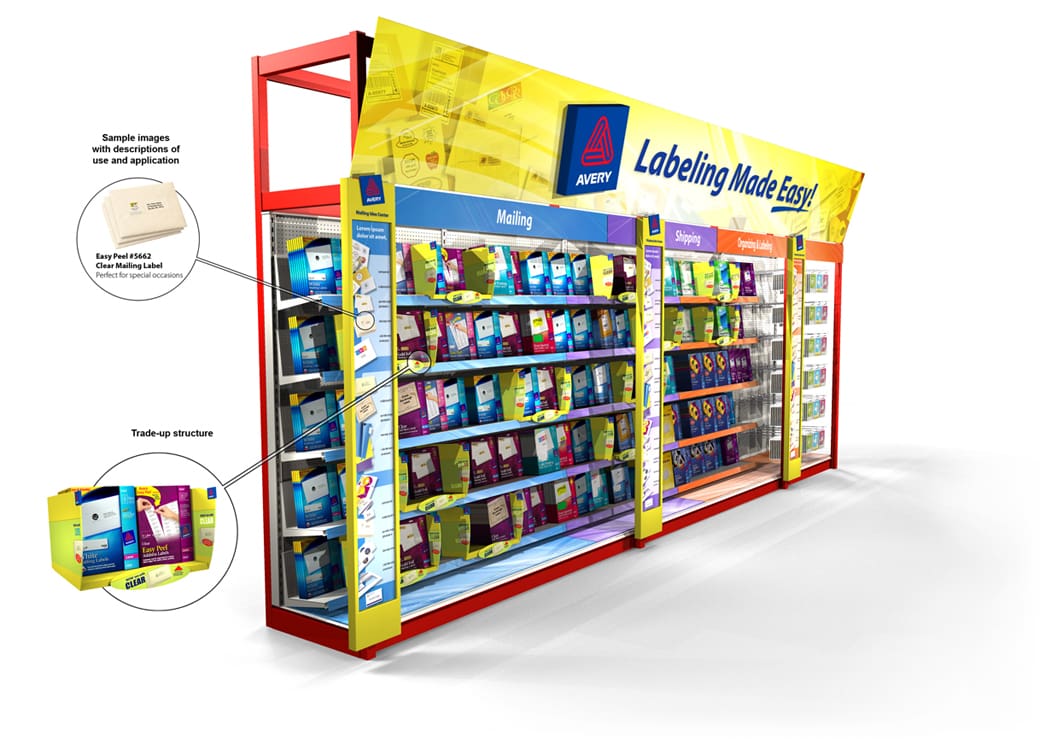
Custom Endcap Display

Use Cross-Merchandising Techniques

Consider pairing related items together in your POP display. This cross-merchandising strategy can encourage multiple purchases and increase the overall sales value per customer.

Measure Performance

Implement tracking measures to analyze the effectiveness of your POP displays. This can be as simple as tracking sales of displayed products or as complex as using technology like heat maps or customer journey analysis. The insights can inform your future display strategies and help optimize ROI.

Leveraging Technology for Enhanced POP Displays

In the digital age, technology can significantly enhance the effectiveness of displays. Interactive displays, augmented reality (AR), or digital signage can provide a unique and engaging customer experience, further driving impulse purchases and boosting sales.

Wrapping Up: A Worthwhile Investment

In conclusion, while creating effective POP displays requires an initial investment, it can lead to significant returns in terms of increased sales, customer engagement, and brand recognition. By employing these tips and tricks, retailers can truly harness the power of their displays to maximize their ROI.

POP Endcap Display

If you are interested in POP Display and need help maximize your displays potential, then contact Brown Packaging today.

Most Recent Posts:
Comparing Single vs. Multi-Material Packaging

Choosing the right packaging material is one of the most important decisions buyers face. Single-material packaging offers simplicity and recyclability, while multi-material designs provide enhanced performance and protection. Understanding the

Read More »
Categories:
Subscribe To Our Newsletter

By submitting your information, you agree to our terms and conditions and privacy policy.

corrugated display
POP Displays
Facebook
Twitter
LinkedIn
Pinterest
Relevant Posts
Custom Display
Display
brownpackaging
Mastering Signage for POP Displays: A Retailer’s Guide

Effective signage is a critical component of successful Point of Purchase (POP) displays. It not only attracts attention but also communicates essential information, helping to convert casual browsers into buyers. This blog delves into the best practices for signage in POP displays, offering insights on how to design signs that are both engaging and effective. The Role of Signage in POP Displays Signage serves as a direct communication channel between the product and the consumer. In a busy retail environment, it helps your products stand out by delivering clear messages and drawing attention to specific features or promotions. The right signage can enhance the visual appeal of a display, provide necessary information, and guide purchasing decisions. Key Elements of Effective Signage Clarity and Readability The primary goal of any sign is to be read. Use clear, concise language and a readable font to ensure that your messages are easily understood at a glance. Avoid overcrowding your signs with too much text or overly complex vocabulary that might confuse the shopper. Visual Appeal Your signage should catch the eye of the shopper. Use vibrant colors and bold fonts that align with your brand identity. However, it’s important to balance attractiveness with readability and not sacrifice one for the other. High-contrast color schemes can help make your signage pop against the background of your display. Brand Consistency All signage should reflect your brand’s visual identity and voice. Consistent use of logos, color schemes, and typography reinforces brand recognition and builds trust with your customers. Consistency in signage across all displays also helps create a cohesive shopping experience. Strategic Messaging The content of your signage should be strategic. Highlight the benefits of the product, any special offers, or unique selling propositions that can influence buying decisions. Phrases like “New Arrival,” “Limited Edition,” or “Special Discount” can create urgency and attract interest. Size and Placement The size of the signage should be appropriate for the distance from which it is meant to be read. Larger signs are necessary for visibility from afar, while smaller, more detailed signs can be used for up-close interactions. Placement also plays a crucial role; signs should be placed at eye level or just above to catch the shopper’s eye as they approach or pass by the display. Integrating Technology in Signage Digital Signage Incorporating digital elements into your signage can significantly enhance its impact. Digital signs can display changing messages, interactive content, or even multimedia presentations that engage customers more deeply than static signs. They are particularly effective in catching the attention of tech-savvy consumers and can be easily updated to reflect new promotions or products. QR Codes and Interactive Elements Adding QR codes to your signage can provide a bridge to online content, offering more detailed product information, promotional videos, or even direct links to online purchasing options. This integration of online and offline marketing creates a seamless shopping experience that can enhance customer satisfaction and increase sales. Conclusion Signage is a powerful tool in the arsenal of POP display strategies. By focusing on clarity, visual appeal, brand consistency, strategic messaging, and the integration of technology, retailers can create effective signage that not only draws attention but also persuades and informs. Well-designed signs make POP displays more effective and can significantly influence consumer behavior in the retail environment. If you are interested in POP displays, then partner with Brown Packaging today to get started.   (714)300-0650 request@brownpackaging.com Most Recent Posts: Categories: Corrugated Ecommerce ESD Design Display Flexible Packaging Foam Folding Carton Packaging Plastic Packaging Pouch Printing Protection Retail Rigid Box Thermoform Sustainability Subscribe To Our Newsletter By submitting your information, you agree to our terms and conditions and privacy policy. POP Display Facebook Twitter LinkedIn Pinterest Relevant Posts

Read More »
Fulfillment and Packout
Display
brownpackaging
Retail Evolution: Adapting POP Displays and Pack-out to Changing Consumer Behavior

The retail landscape is in a constant state of evolution, shaped by dynamic consumer behaviors and emerging trends. As consumer preferences continue to shift, retailers are tasked with the challenge of staying relevant and engaging. This blog delves into the critical role of adapting point-of-purchase (POP) displays and pack-out processes to meet changing consumer behavior. By embracing this evolution, retailers can create impactful shopping experiences, drive sales, and forge stronger connections with their audience. The Changing Face of Consumer Behavior Consumer behavior is not static; it’s a fluid phenomenon influenced by various factors like technology, socio-economic shifts, and cultural changes. In the digital age, consumers are more informed and discerning than ever before. They demand convenience, personalization, and authentic interactions with brands. Retailers must closely observe these shifts to design strategies that resonate with modern shoppers. Personalization as a Key Driver Gone are the days of generic displays and packaging. The rise of e-commerce and data-driven insights has ushered in the era of personalization. Retailers are leveraging consumer data to craft tailored shopping experiences. Personalized POP displays, backed by analytics, present consumers with products that align with their preferences and browsing history. This customized approach not only captures attention but also drives conversion rates. Elevating In-Store Experiences Physical retail spaces remain essential, albeit with a twist. Consumers now seek memorable in-store experiences that go beyond transactional interactions. Retailers are turning to experiential POP displays that engage the senses, educate, and entertain shoppers. From interactive product demonstrations to immersive storytelling, these displays create lasting impressions and transform shopping into an event. Seamless Online-Offline Integration The lines between online and offline shopping are blurring. Consumers often research products online before making in-store purchases, or vice versa. Retailers that seamlessly integrate their online presence with physical displays create a unified brand experience. QR codes, augmented reality, and digital touchpoints bridge the gap, enabling consumers to access additional product information and reviews on their smartphones while in-store. Pack-out Optimization for Modern Demands Pack-out, the process of organizing and shipping products, is undergoing a transformation to meet the demands of today’s consumers. Fast shipping, sustainability, and minimal waste are now paramount. Retailers are adopting eco-friendly packaging materials, optimizing box sizes for efficiency, and ensuring products arrive intact and in pristine condition. This not only reduces environmental impact but also enhances customer satisfaction. Responsive to Seasonal and Trend Changes Retailers must remain agile to adapt POP displays and pack-out processes to seasonal trends and emerging consumer preferences. With data analytics, retailers can identify patterns and anticipate shifts in demand. This foresight enables timely adjustments to display layouts, product assortments, and packaging, ensuring that consumers find what they need when they need it. Innovation and Technology Integration Innovative technologies are reshaping retail, and POP displays are no exception. Retailers are exploring digital signage, touchscreens, and interactive displays to engage shoppers and provide real-time product information. This integration of technology enhances the shopping journey, fosters brand loyalty, and offers a competitive edge in an ever-evolving market. Real-world Case Studies Across industries, retailers are embracing the evolution of consumer behavior by adapting their POP displays and pack-out strategies. From a beauty brand that used AR-powered displays to allow customers to virtually try on makeup products to a tech retailer that optimized its pack-out process for quick deliveries, real-world case studies highlight the tangible impact of staying attuned to consumer shifts. Embracing Retail Evolution In an era defined by change, the evolution of retail is an ongoing process. Adapting POP displays and pack-out processes to changing consumer behavior is not just a strategy—it’s a necessity. Companies that embrace this evolution are poised to create engaging experiences that resonate with modern shoppers, build brand loyalty, and thrive in an increasingly competitive landscape. By understanding consumer behavior, harnessing data, and infusing creativity, brands can navigate the ever-changing retail world with confidence and success. If you are interested pack-out and fulfilment in retail and pop display applications, then partner with Brown Packaging today to get started. (714)300-0650 request@brownpackaging.com Most Recent Posts: Categories: Corrugated Ecommerce ESD Design Display Flexible Packaging Foam Folding Carton Packaging Plastic Packaging Pouch Printing Protection Retail Rigid Box Thermoform Sustainability Subscribe To Our Newsletter By submitting your information, you agree to our terms and conditions and privacy policy. POP Displays Facebook Twitter LinkedIn Pinterest Relevant Posts

Read More »
Endcap Display
Display
brownpackaging
Choosing Materials and Production for Your POP Display

The selection of materials and the production process are critical aspects of creating a Point of Purchase (POP) display that not only captures attention but is also cost-effective and durable. This stage in the creation of a POP display involves deciding on the materials that will best convey the brand message while standing up to the retail environment. This blog explores how to choose the right materials for your POP display and discusses key considerations for the production process. Material Selection: Balancing Aesthetics, Budget, and Durability Understand Material Options The most common materials used in POP displays include cardboard, plastic, metal, and wood. Each has its advantages and drawbacks: Cardboard (Corrugated) is cost-effective and versatile but less durable. Plastic offers durability and a clean look but can be more expensive. Metal is highly durable and stable, suitable for heavier products. Wood provides a premium aesthetic but is often heavier and more costly. Consider Environmental Factors Select materials that are appropriate for the display’s environment. For indoor displays, durability concerns might be less stringent than for outdoor displays. Additionally, consider the sustainability of materials if environmental impact is a concern for your brand. Align with Budget Your material choice is heavily influenced by your budget. While it’s important to aim for high-quality, cost-effective materials that offer visual appeal and durability, ensure they do not stretch your budget too thin. Plan to allocate resources efficiently to balance between material costs and other elements like design and transportation. Production Process: Ensuring Quality and Efficiency Choose the Right Manufacturer Selecting a manufacturer is a pivotal decision in the production process. Look for manufacturers with experience in producing similar types of displays, good reputations for quality and reliability, and the ability to provide valuable insights and adjustments to your design. Prototype Testing Before moving into mass production, ensure that a prototype of the display is tested. This helps in identifying any potential issues with the design or materials that might affect the display’s functionality or durability. Quality Control Establish a strict quality control process with your manufacturer to ensure that every display meets your standards. Consistent quality is crucial, as any defects can detract from the effectiveness of your display and potentially harm your brand’s reputation. Consider Assembly and Installation Think about the assembly process for your display. If the displays need to be assembled on-site, ensure that they are designed to be easily put together, with clear instructions provided. This can significantly affect the overall success of the display deployment. Plan for Logistics Coordinate with the manufacturer about logistics. This includes the packaging of the displays for shipment and the delivery schedules to ensure that displays arrive in good condition and on time for deployment. Conclusion Choosing the right materials and overseeing a careful production process are essential steps in creating effective POP displays. By considering factors like material properties, budget constraints, and environmental conditions, and by working closely with a reliable manufacturer, you can ensure that your POP display effectively represents your brand and engages your target audience. This attention to detail in the production phase will pay dividends in the display’s success and durability. If you are interested in POP displays, then partner with Brown Packaging today to get started.   (714)300-0650 request@brownpackaging.com Most Recent Posts: Categories: Corrugated Ecommerce ESD Design Display Flexible Packaging Foam Folding Carton Packaging Plastic Packaging Pouch Printing Protection Retail Rigid Box Thermoform Sustainability Subscribe To Our Newsletter By submitting your information, you agree to our terms and conditions and privacy policy. POP Display Facebook Twitter LinkedIn Pinterest Relevant Posts

Read More »