

Home » Understanding the Role of Edge Protectors
Understanding the Role of Edge Protectors
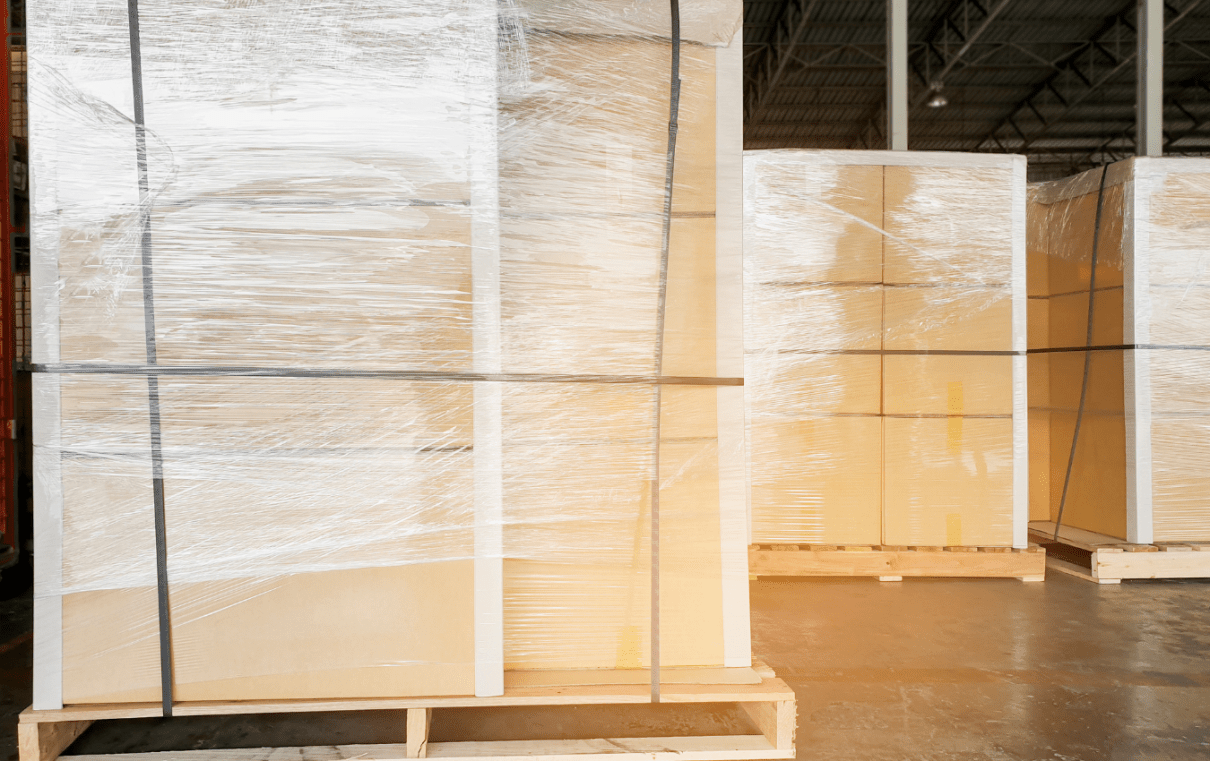
The world of packaging is an intricate system of components working together to ensure products reach consumers in pristine condition. Many packaging elements such as tape, stretch film, or boxes are commonplace in our daily lives. However, in the grand scheme of packaging, one hero often goes unnoticed: the humble edge protector. This article aims to shine a spotlight on the essential but underappreciated role of edge protectors in the realm of packaging.
The Fundamentals: What are Edge Protectors?
Edge protectors, often referred to as corner protectors, edge guards, or angle boards, are industrial packaging materials designed to safeguard the corners and edges of goods during storage and transportation. They are usually made from sturdy materials like plastic, metal, or most commonly, recycled cardboard. Edge protectors may appear straightforward and mundane, but they hold the essential task of shielding the products from harm and ensuring secure delivery.
The Critical Role of Edge Protectors in Packaging
Edge protectors are not just additional packaging components; they’re integral to maintaining the integrity of the packaged goods. Here’s why:
Damage Prevention
The primary purpose of edge protectors is to shield the vulnerable corners and edges of products from damage during transit. By reinforcing these vulnerable points, they decrease the likelihood of the product being affected by impacts, vibrations, or abrasions.
Load Stability
Edge protectors help maintain the stability of palletized goods during transit. They enable better load distribution and prevent shifting or toppling of products, making transport safer and more efficient.

Strapping Protection
Edge protectors also act as a buffer between strapping materials and the product, distributing the pressure applied by strapping evenly and preventing indentation or damage to the product.
Enhanced Product Image
By minimizing the risk of product damage, edge protectors indirectly contribute to preserving a company’s reputation. Receiving goods in perfect condition enhances customer satisfaction, promoting a positive product and brand image.
The Environmental Impact: Sustainability in Focus
An often-overlooked aspect of edge protectors is their contribution to sustainable packaging practices. Many edge protectors, especially those made from recycled cardboard, align with the push towards eco-friendly packaging. They are recyclable and biodegradable, reducing the overall environmental footprint of packaging. Thus, the use of edge protectors aligns with the growing consumer demand for sustainable business practices.
The Economic Perspective: Cost-Efficiency in Packaging
Edge protectors are cost-effective packaging solutions. They reduce the risk of product damage and associated costs of replacements or refunds. By ensuring load stability, they allow more efficient use of transportation space, saving costs in the long run. Moreover, being made from cost-effective materials like recycled cardboard, they don’t add significantly to the overall packaging expenses.


Conclusion: The True Value of Edge Protectors
In the world of packaging, it’s easy to overlook the quiet contributors like edge protectors. However, their role in preventing damage, promoting sustainability, and enhancing cost efficiency is invaluable. They may be unsung heroes, but the quality of the product delivery wouldn’t be the same without them. As we strive towards creating efficient, sustainable packaging solutions, the significance of edge protectors is likely to grow even more. So, the next time you see a shipment arrive in pristine condition, take a moment to appreciate the hidden champions of packaging: the edge protectors.
If your interested in edge protectors, stock or custom, the contact Brown Packaging today to get started.
Sustainable packaging in 2027 will be less about broad claims and more about proof, performance, compliance, and cost control. Buyers will still care about recyclable
Sustainable packaging in 2027 will be less about broad claims and more about proof, performance, compliance, and cost control. Buyers will still care about recyclable
A folding carton may look simple once it reaches the shelf, but it goes through a controlled production process before it becomes a finished package.
Folding carton production is becoming more automated because buyers are asking for faster timelines, tighter consistency, and more flexibility across more SKUs. Shorter product lifecycles,
Folding carton style matters because structure affects more than appearance. The right carton can improve shelf presentation, packing speed, product access, closure security, storage efficiency,
Pouch packaging trends in 2027 will be shaped by convenience, shelf impact, sustainability pressure, sealing performance, automation, ecommerce growth, and total packaging cost. Buyers will
By submitting your information, you agree to our terms and conditions and privacy policy.

Home » Understanding the Role of Edge Protectors


Custom box inserts are used to ensure your products are secure inside your box throughout the supply chain. They are used to keep your product
Product damage is one of the most expensive risks in packaging. Beyond replacement costs, damaged goods lead to lost sales, returns, and reputational harm. In
In an age where sustainability and ecological responsibility take center stage, our individual roles in environmental preservation have never been more crucial. A key part