window.uetq = window.uetq || []; window.uetq.push(‘event’, ‘submit_lead_form’,{ event_label:‘SUBMIT MESSAGE’ }); window.lintrk('track', { conversion_id: 10271009 }); window.lintrk('track', { conversion_id: 10271017 });

Blogs

At Brown Packaging, we provide insightful content about the packaging industry to keep our clients, followers, and partners informed with the latest trends and accurate information. Our goal is to equip you with up-to-date knowledge that helps you stay ahead in the ever-evolving world of packaging.

Retail
brownpackaging
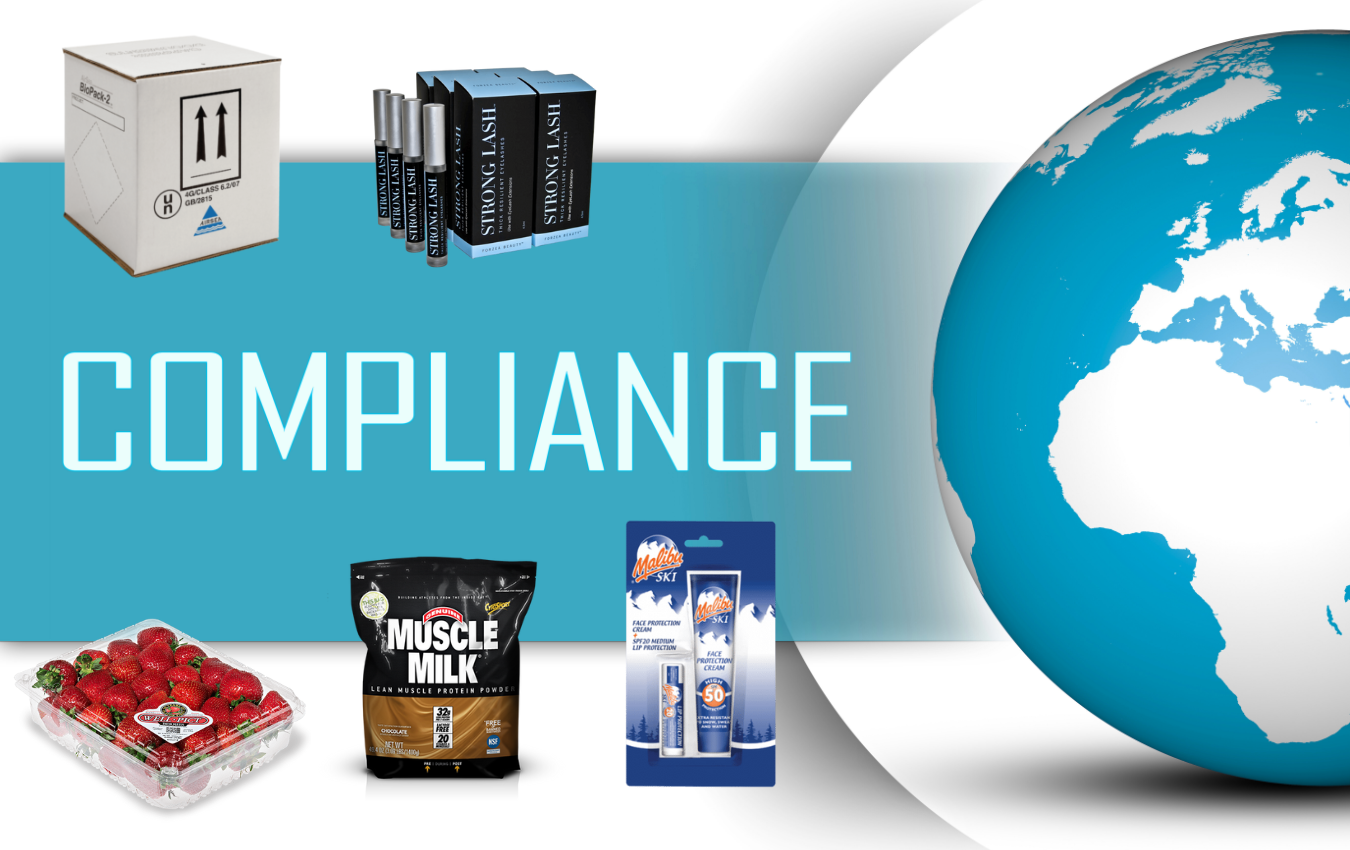
Packaging That Improves Retail Compliance

Retailers place strict requirements on packaging to ensure products move efficiently through distribution centers, arrive safely, and look consistent on shelves. Non-compliance can lead to costly chargebacks, rejected shipments, and damaged retailer relationships. Buyers must design packaging that meets performance, labeling, and sustainability standards to avoid disruptions. Why Retail Compliance Matters Financial impact: Chargebacks and penalties cut into margins. Operational delays: Non-compliant packaging can hold up entire shipments. Retailer trust: Consistent compliance builds long-term partnerships. Shelf presence: Packaging that aligns with planograms avoids disruptions at store level. Key Compliance Requirements Structural standards: Packaging must meet durability and palletization guidelines. Labeling accuracy: GS1-compliant barcodes and proper product details. Sustainability mandates: FSC certification or recyclability requirements from major retailers. Testing protocols: ISTA or ASTM performance tests to validate protection. Common Causes of Non-Compliance Incorrect pallet sizes or overhang. Weak corrugated grades that collapse under stacking. Missing or unreadable barcodes. Excess packaging waste conflicting with retailer eco goals. How to Improve Retail Compliance Standardize box sizes to match retailer pallet and shelf guidelines. Validate packaging with ISTA or ASTM testing before rollout. Collaborate with suppliers who understand retailer-specific requirements. Audit packaging regularly to stay aligned with updated standards. Packaging Solutions with Brown Packaging Brown Packaging partners with companies to design packaging that meets retailer requirements. From GS1 labeling to FSC-certified materials and ISTA-tested corrugated, we help buyers reduce chargebacks and protect retail relationships. Contact us to improve your retail compliance program. References GS1. (2024). Global Standards for Packaging and Labeling. Retrieved from https://www.gs1.orgInternational Safe Transit Association (ISTA). (2023). ISTA Testing Procedures for Transport Packaging. Retrieved from https://ista.orgForest Stewardship Council (FSC). (2023). FSC Packaging Certification Guidelines. Retrieved from https://fsc.org (714)300-0650 request@brownpackaging.com Most Recent Posts: Categories: Corrugated Ecommerce ESD Design Display Flexible Packaging Foam Folding Carton Packaging Plastic Packaging Pouch Printing Protection Retail Rigid Box Thermoform Sustainability Subscribe To Our Newsletter By submitting your information, you agree to our terms and conditions and privacy policy. Retail Packaging Facebook Twitter LinkedIn Pinterest Relevant Posts

Read More »
Stretch Film
Corrugated
brownpackaging
RSC Boxes in Freight Optimization

RSC boxes dominate shipping because they combine strength with efficiency. But beyond protection, their dimensions and stacking performance directly influence freight cost, pallet utilization, and warehouse efficiency. Choosing the right RSC design can reduce supply chain costs by double digits. Pallet Utilization Box Size and FitAn RSC that doesn’t optimize pallet footprint wastes space. Even a 1–2 inch mismatch can reduce units per pallet by 5–10%. Standard Pallet SizesIn North America, most pallets are 48” x 40”. Designing RSC dimensions to fit evenly across this footprint maximizes stacking stability. Load StabilityUniform RSC dimensions improve compression strength across the load, reducing toppling and damage in transit. Dimensional Weight (DIM) Charges Carrier Pricing ModelsCarriers like UPS and FedEx charge based on dimensional weight, not just actual weight. Oversized RSC boxes can inflate costs significantly. Right-SizingSelecting an RSC that closely matches product volume reduces cube size, cutting freight charges. Impact on E-CommerceFor direct-to-consumer shipments, oversize RSC boxes can double shipping cost while raising material expense. Stacking and Compression Box Compression Test (BCT)Determines how much weight an RSC can withstand in a stacked load. Real-World FactorMoisture and long-term storage reduce compression strength. Oversizing boxes to “play it safe” only increases freight cost. Instead, balance board grade with actual load needs. Warehouse Efficiency Knock-Down StorageRSC boxes ship and store flat, reducing warehouse footprint compared to assembled specialty mailers. AutomationConsistent RSC dimensions reduce jams in case erectors and palletizers, improving throughput. Buyer Takeaway Use RSC dimensions that align with pallet footprints to maximize utilization. Avoid oversized boxes — dimensional weight charges add hidden costs. Match board grade and box size to actual load requirements instead of over-specifying. Optimized RSC design isn’t just packaging — it’s a supply chain cost-control tool. References Fibre Box Association. (2023). Palletization and Shipping Standards. https://www.fibrebox.org International Safe Transit Association (ISTA). (2023). Distribution Testing Protocols. https://ista.org Soroka, W. (2016). Fundamentals of Packaging Technology (5th ed.). Institute of Packaging Professionals. (714)300-0650 request@brownpackaging.com Most Recent Posts: Categories: Corrugated Ecommerce ESD Design Display Flexible Packaging Foam Folding Carton Packaging Plastic Packaging Pouch Printing Protection Retail Rigid Box Thermoform Sustainability Subscribe To Our Newsletter By submitting your information, you agree to our terms and conditions and privacy policy. Custom Regular Slotted Container (RSC) Facebook Twitter LinkedIn Pinterest Relevant Posts

Read More »
The size of a corrugated box, chart of how to measure a corrugated box. Width, length, height or depth. Cardboard boxes size. Package dimensions.
Corrugated
brownpackaging
RSC Box Design Fundamentals: Why It’s the Industry Standard

The Regular Slotted Container (RSC) is the most widely used corrugated box style in the world. Its simplicity, manufacturing efficiency, and versatility make it the default choice across industries ranging from industrial parts to e-commerce fulfillment. Understanding what makes RSC boxes so effective helps buyers decide when standardization is the best approach — and when alternatives may be worth considering. What Defines an RSC Box An RSC is manufactured from a single sheet of corrugated board with flaps of equal length that meet at the center when folded. The design minimizes board waste, requires only a single die-cut or slotting process, and can be assembled with tape, glue, or staples. Its dimensions can be adjusted easily to accommodate nearly any product size. Why RSC Remains the Standard Manufacturing Efficiency RSCs use minimal board compared to other box styles. They can be produced on high-speed corrugators and folder-gluers without complex tooling. Standardized sizes reduce lead times and lower setup costs. Structural Strength The design maximizes stacking strength with flaps that reinforce the edges of the container. Compatible with a wide range of flute profiles and board grades, from single-wall E-flute to triple-wall heavy-duty. Versatility Works for products ranging from lightweight consumer goods to heavy industrial components. Compatible with automation in packing, sealing, and palletization systems. Easily branded with flexographic or digital print for retail and e-commerce applications. Cost Effectiveness Board utilization is highly efficient, reducing waste. Standardized production reduces cost per unit at scale. Assembly and sealing are simple, requiring minimal labor and materials. Limitations of the RSC While RSC is unmatched for general-purpose shipping, it’s not always the best option: Requires tape, glue, or staples, which adds materials and labor. Lacks the premium presentation of die-cut mailers for e-commerce. For unusually heavy or fragile products, other styles (like Full Overlap or RETT) may provide better performance. Buyer Takeaway RSC boxes dominate corrugated packaging for one reason: they offer the best balance of strength, efficiency, and cost. If your priorities are bulk shipping, pallet strength, and scalability, RSC is almost always the right choice. But for premium presentation, automation-friendly features, or specialty protection, it’s worth exploring alternative styles. References Fibre Box Association. (2023). Corrugated Box Styles and Design Guide. https://www.fibrebox.org Association of Independent Corrugated Converters (AICC). (2024). Corrugated Packaging Fundamentals. https://www.aiccbox.org Soroka, W. (2016). Fundamentals of Packaging Technology (5th ed.). Institute of Packaging Professionals. (714)300-0650 request@brownpackaging.com Most Recent Posts: Categories: Corrugated Ecommerce ESD Design Display Flexible Packaging Foam Folding Carton Packaging Plastic Packaging Pouch Printing Protection Retail Rigid Box Thermoform Sustainability Subscribe To Our Newsletter By submitting your information, you agree to our terms and conditions and privacy policy. Custom Regular Slotted Containers Facebook Twitter LinkedIn Pinterest Relevant Posts

Read More »
custom corrugated box with print sustainability
Packaging
brownpackaging
Sustainable Packaging Options for the Pet Industry

Sustainability in pet product packaging involves balancing environmental impact with functional performance. Materials must protect against moisture, oxygen, and pests while also meeting recyclability or compostability goals. Choosing the right approach requires a clear understanding of available technologies, regulatory compliance, and supply chain realities. Recyclable Mono-Material Films Description: Flexible packaging made from a single resin type (e.g., all-PE or all-PP). Benefits: Compatible with store drop-off or curbside programs in certain municipalities. Eliminates the separation challenges of multi-material laminates. Limitations: Lower barrier properties compared to foil or metallized films unless enhanced with coatings. May require thicker gauges for equivalent performance. Post-Consumer Recycled (PCR) Content Description: Packaging that incorporates recycled resin from consumer waste streams. Benefits: Reduces reliance on virgin plastic. Demonstrates brand commitment to circular economy principles. Limitations: Variability in resin quality can impact clarity, seal strength, and barrier. Regulatory restrictions for direct food contact in some markets. Compostable Films Description: Materials derived from plant-based sources (e.g., PLA, starch blends) designed to break down in industrial composting conditions. Benefits: Reduces landfill waste when properly disposed. Appeals to eco-conscious consumers. Limitations: Requires access to industrial composting facilities (rare in many regions). Lower mechanical strength and shorter shelf life than conventional films. Paper-Based Pet Food Packaging Description: Multiwall kraft paper bags with or without barrier liners. Benefits: Widely recyclable in paper streams when unlined. Strong consumer perception of sustainability. Limitations: Requires additional barrier layer for moisture or grease resistance. Lower tear resistance than woven poly or laminated film. Bio-Based Plastics Description: Plastics derived from renewable biomass sources such as sugarcane ethanol-based PE. Benefits: Reduces carbon footprint compared to petroleum-based resins. Matches performance of conventional PE in many applications. Limitations: Availability and cost can be volatile. Does not inherently solve end-of-life recycling challenges. Performance and Testing Considerations Barrier Testing: ASTM F1249 for WVTR and ASTM D3985 for OTR confirm material suitability. Seal Strength: ASTM F88/F88M ensures structural integrity. Life-Cycle Analysis (LCA): Quantifies environmental trade-offs of each packaging option. References ASTM International. (2013). ASTM F1249-13: Standard test method for water vapor transmission rate through plastic film and sheeting using a modulated infrared sensor. ASTM International. https://doi.org/10.1520/F1249-13ASTM International. (2010). ASTM D3985-10: Standard test method for oxygen gas transmission rate through plastic film and sheeting using a coulometric sensor. ASTM International. https://doi.org/10.1520/D3985-10Sustainable Packaging Coalition. (2023). Sustainable materials and design strategies. https://sustainablepackaging.org (714)300-0650 request@brownpackaging.com Most Recent Posts: Categories: Corrugated Ecommerce ESD Design Display Flexible Packaging Foam Folding Carton Packaging Plastic Packaging Pouch Printing Protection Retail Rigid Box Thermoform Sustainability Subscribe To Our Newsletter By submitting your information, you agree to our terms and conditions and privacy policy. Pet Packaging Facebook Twitter LinkedIn Pinterest Relevant Posts

Read More »
Retail
brownpackaging
Balancing Branding and Performance in Retail Boxes

Retail packaging must do two jobs at once—catch the shopper’s eye while protecting the product through the supply chain. Too much focus on graphics can weaken structure, while over-engineering for performance can overlook the branding needed to drive sales. Buyers need solutions that blend both without inflating costs. The Role of Branding in Retail Boxes Shelf impact: Bold graphics and finishes differentiate products in crowded aisles. Consumer connection: Packaging communicates brand values and quality. Promotional flexibility: Seasonal or limited-edition graphics boost sales. The Role of Performance in Retail Boxes Durability: Boxes must withstand shipping, handling, and shelf stocking. Compliance: Structural strength and barcodes must meet retailer requirements. Sustainability: Materials must align with eco goals without compromising strength. How to Balance Branding and Performance Integrated design: Build graphics around structural features like folds, flaps, and windows. Material choice: Use substrates that support high-quality printing and durability. Testing protocols: Ensure performance under ISTA or ASTM standards before scaling. Cost management: Match premium finishes to high-margin SKUs only. Examples in Action Confectionery boxes: Gloss coatings and die-cuts combined with reinforced board. Electronics packaging: Retail-ready graphics with inserts for secure transit. Club store displays: Bulk packaging with strong corrugated and bold branding panels. Packaging Solutions with Brown Packaging Brown Packaging creates retail boxes that balance high-impact branding with supply chain durability. From FSC-certified substrates to performance-tested structures, our solutions help brands stand out while meeting retailer requirements. Contact us to optimize your retail packaging. References Soroka, W. (2009). Fundamentals of Packaging Technology (4th ed.). Institute of Packaging Professionals.Sustainable Packaging Coalition. (2023). Retail Packaging Trends and Sustainability Insights. Retrieved from https://sustainablepackaging.orgASTM International. (2023). ASTM D4169: Performance Testing of Shipping Containers. (714)300-0650 request@brownpackaging.com Most Recent Posts: Categories: Corrugated Ecommerce ESD Design Display Flexible Packaging Foam Folding Carton Packaging Plastic Packaging Pouch Printing Protection Retail Rigid Box Thermoform Sustainability Subscribe To Our Newsletter By submitting your information, you agree to our terms and conditions and privacy policy. Retail Packaging Facebook Twitter LinkedIn Pinterest Relevant Posts

Read More »
Packaging
brownpackaging
Cutting Packaging Costs Without Sacrificing Protection

As budgets tighten in 2026, packaging buyers are under pressure to reduce costs without increasing damage rates. Cutting too aggressively can lead to product loss, higher return rates, and frustrated customers. The key is balancing material use, box design, and supply chain efficiency so that savings do not come at the expense of protection. Where Packaging Costs Add Up Oversized boxes: Drive dimensional weight charges. Excess materials: Overuse of void fill and inserts. Complex SKU mix: Redundant sizes increase inventory costs. Inefficient freight: Poor palletization and stacking. Cost-Saving Strategies That Maintain Protection Right-sizing: Match box size to product dimensions to cut DIM charges and material use. Optimize corrugated grades: Switch to single- or double-wall where appropriate without compromising strength. Consolidate SKUs: Streamline packaging options to reduce inventory overhead. Efficient inserts: Replace foam or excess dunnage with engineered corrugated or molded pulp. Supplier contracts: Negotiate based on annual volumes, not just peak season orders. Testing Before Implementing Changes Use ASTM and ISTA protocols to ensure changes won’t increase product damage. Test for compression, vibration, and drop resistance. Run pilot shipments before scaling across the supply chain. Balancing Sustainability and Cost Eco-friendly doesn’t have to mean expensive: Use recyclable coatings to reduce plastic films. Choose corrugated designs that require less material while maintaining stacking strength. Highlight sustainable solutions in marketing to offset cost concerns. Packaging Solutions with Brown Packaging Brown Packaging helps companies lower costs while protecting products across the supply chain. From SKU rationalization to right-sized corrugated solutions, our team ensures packaging savings don’t compromise performance. Contact us to optimize your packaging program. References Soroka, W. (2009). Fundamentals of Packaging Technology (4th ed.). Institute of Packaging Professionals.ASTM International. (2023). ASTM D4169: Standard Practice for Performance Testing of Shipping Containers and Systems.Sustainable Packaging Coalition. (2023). Packaging Efficiency and Waste Reduction Report. Retrieved from https://sustainablepackaging.org (714)300-0650 request@brownpackaging.com Most Recent Posts: Categories: Corrugated Ecommerce ESD Design Display Flexible Packaging Foam Folding Carton Packaging Plastic Packaging Pouch Printing Protection Retail Rigid Box Thermoform Sustainability Subscribe To Our Newsletter By submitting your information, you agree to our terms and conditions and privacy policy. Custom Packaging Facebook Twitter LinkedIn Pinterest Relevant Posts

Read More »
Reducing Packaging Tariff Exposure with U.S. Suppliers
Packaging
brownpackaging
Reducing Packaging Tariff Exposure with U.S. Suppliers

Many U.S. businesses currently sourcing packaging from China are facing a harsh reality: tariffs and trade volatility can quickly erode margins and disrupt supply chains. By shifting toward U.S.-based packaging suppliers, you can reduce exposure to trade risk, stabilize costs, and gain faster lead times. The Tariff Reality for Packaging Importers Chinese imports of packaging materials, like corrugated boxes and folding cartons, are often subject to Section 301 tariffs and additional duties. The U.S. government has moved to end the de minimis exemption for low-value Chinese parcels, meaning even small packaging imports can now attract duties. Tariffs can be stacked — base duties plus special surcharges — pushing total duty rates in some cases. These shifting policies mean that what looks cheap today may suddenly double in cost tomorrow. Risks Facing Packaging Buyers Using China Suppliers Margin erosion — sudden tariff spikes eat into profits. Unpredictable costs — makes quoting and budgeting harder. Supply disruption — export bans, customs delays, or regulatory changes. Quality and compliance issues — harder to enforce U.S. standards on distant suppliers. Inventory risk — overstocking to hedge risk increases holding costs. Why U.S. Suppliers Are Attractive Right Now Tariff immunity — sourcing domestically removes exposure to Chinese import duties. Shorter lead times — faster production and shipping. Better oversight — easier quality control, regulatory compliance, and audits. Supply chain resilience — less dependence on global political events. Total landed cost transparency — fewer hidden risk factors. How Buyers Should Transition Map current China-sourced SKUs — know your exposure by product. Run landed cost comparisons — include materials, freight, tariffs, and inventory costs. Pilot with U.S. suppliers — start small to test quality, logistics, and price. Negotiate transition contracts — volume guarantees or phased ramps to smooth pricing. Communicate with stakeholders — show finance, operations, and sales how stability is improved. Maintain supply diversity — don’t drop all China sourcing immediately — keep backup paths. Key Design & Sourcing Guidelines Favor modular box sizes that U.S. suppliers can replicate easily. Avoid overly custom features that Asian factories might have specialized tooling for. Ensure all designs adhere to U.S. ISTA / ASTM testing standards. Specify U.S.-friendly materials (domestic linerboard, recycled content) to reduce import dependencies. Why It Matters for Buyers Tariff exposure isn’t a temporary issue — it’s a long-term challenge that directly impacts margins and predictability. Businesses that act early to localize packaging supply chains will be better positioned to manage cost, quality, and delivery reliability. Brown Packaging partners with U.S. manufacturers and distributors to provide stable, tariff-free packaging solutions. From corrugated boxes to custom-printed cartons, our domestic network helps buyers eliminate trade-related risk and maintain consistent supply.Contact us to explore cost-stable alternatives to imported packaging. References SpeccP. “Tariffs’ effect on packaging.” Spectrum Custom Packaging EcoEnclose. “Tariffs, Trade Wars, and Your Packaging.” EcoEnclose Packaging Dive. “5 questions about tariff impacts on packaging.” Packaging Dive Avalara. “How to handle US-China tariffs and the end of de minimis.” Avalara Creative Retail Packaging. “Trump Tariffs: Tracking the Impacts on the Packaging Industry.” creativeretailpackaging.com (714)300-0650 request@brownpackaging.com Most Recent Posts: Categories: Corrugated Ecommerce ESD Design Display Flexible Packaging Foam Folding Carton Packaging Plastic Packaging Pouch Printing Protection Retail Rigid Box Thermoform Sustainability Subscribe To Our Newsletter By submitting your information, you agree to our terms and conditions and privacy policy. Custom Packaging Facebook Twitter LinkedIn Pinterest Relevant Posts

Read More »
Reducing Tariff Exposure with Domestic Packaging Alternatives
Packaging
brownpackaging
Reducing Packaging Tariff Exposure with U.S. Suppliers

Rising tariffs and trade restrictions on Chinese manufacturing are accelerating the need for U.S. companies to reevaluate their packaging supply chains. Many packaging buyers who once relied on Chinese corrugated, folding carton, or retail display production are now confronting considerable tariff hikes, longer lead times, and higher freight costs. The result: sourcing decisions must shift from lowest unit price to lowest total landed cost and risk exposure. Why Tariff Exposure Is Now a Core Supply Chain Risk Tariffs aren’t a temporary inconvenience—they’ve become a recurring part of U.S.–China trade dynamics. Most categories affected by tariffs including paperboard, corrugated substrates, and even adhesives or coatings used in printed packaging. That means importers can no longer assume tariff exemptions. For packaging buyers, this instability affects: Forecasting accuracy — Tariff shifts alter quarterly pricing models and margin targets. Supplier consistency — Factories facing reduced export demand may limit runs or close entirely. Compliance risk — Country-of-origin labeling and component sourcing rules are tightening under new trade regulations. Why Nearshoring Has Become a Competitive Advantage Nearshoring—moving production to nearby regions such as Mexico, Central America, or Canada—offers a faster, more predictable alternative to Asian imports. Proximity reduces freight volatility and enables real-time collaboration on packaging design and assembly. Key nearshoring benefits for packaging include: Lower transit and warehousing costs – Drastically reduced container dependency and demurrage risk. Shorter lead times – Transit from Mexico or Canada averages 1–2 weeks vs. 6–8 weeks from China. Improved communication – Aligned time zones and fewer language barriers improve production accuracy. Lower minimum order quantities (MOQs) – Regional converters are often more flexible than high-volume Chinese facilities. Domestic Manufacturing: The Most Stable Option While nearshoring provides cost relief and flexibility, fully domestic packaging manufacturing remains the most secure option for long-term stability. U.S. suppliers are investing heavily in automation, digital die cutting, and short-run litho-laminated systems to close cost gaps with overseas competitors. Domestic packaging advantages include: Tariff elimination – 100% of production within U.S. borders avoids all import-related fees. Faster prototyping and revisions – Local access enables same-day design and sampling. Compliance confidence – Made-in-USA labeling supports sustainability and procurement standards. Integration with fulfillment – Many U.S. converters offer kitting, co-packing, and drop shipping within the same facility. Cost Optimization Beyond Labor Rates A common misconception is that nearshoring or U.S.-based sourcing automatically increases costs. However, freight, duties, insurance, and inventory carrying costs often offset labor savings from China. When total landed cost is evaluated correctly, domestic or nearshore solutions frequently provide parity or better value. Example cost drivers impacting total landed cost: Freight (ocean + inland) Tariffs Quality control inspections and compliance audits add hidden overhead. Long lead times create excess inventory storage and obsolescence risk. Material and Substrate Considerations Certain packaging types benefit more from nearshoring or domestic conversion: Corrugated Boxes – High volume, high cube, and regional freight sensitivity favor U.S. production. Folding Cartons – Nearshore or domestic options with automated gluing and UV print systems compete effectively at scale. POP Displays and Pallet Programs – Domestic production ensures compliance with retailer testing and ECT standards while minimizing damage risk during shipping. Flexible Packaging Films – Mexico and Central America are emerging hubs with competitive extrusion and printing capabilities. Supplier Consolidation and Compliance Efficiency Consolidating packaging SKUs under one domestic distributor or converter can simplify compliance tracking and tariff exposure management. Buyers who previously coordinated multiple overseas vendors for boxes, inserts, and displays are moving toward integrated regional sourcing. Modern packaging distributors now offer: Multi-material expertise (corrugated, carton, label, film) FSC®, SFI®, and ISO-certified manufacturing In-house engineering and prototyping Regional warehousing and JIT programs Domestic fulfillment and co-packing support Evaluating Next Steps for Sourcing Strategy Companies currently importing from China should perform a total landed cost analysis comparing three options: Maintain Chinese sourcing under new tariffs. Shift to nearshoring in Mexico or Canada. Transition to full domestic manufacturing through a U.S. distributor or converter. The analysis should include freight rates, duties, minimum orders, production reliability, and compliance overhead. Many packaging buyers are discovering that their “cheaper” overseas program actually costs more once tariffs, logistics delays, and quality losses are quantified. References Reuters. Trump mulls ending some trade ties with China, including relation cooking oil. October 14, 2025. U.S. Trade Representative (USTR). Section 301 Tariff Actions and Product Lists. International Trade Administration (ITA). Country Commercial Guide: Mexico – Packaging and Labeling. Soroka, W. Fundamentals of Packaging Technology. 6th ed. Institute of Packaging Professionals. (714)300-0650 request@brownpackaging.com Most Recent Posts: Categories: Corrugated Ecommerce ESD Design Display Flexible Packaging Foam Folding Carton Packaging Plastic Packaging Pouch Printing Protection Retail Rigid Box Thermoform Sustainability Subscribe To Our Newsletter By submitting your information, you agree to our terms and conditions and privacy policy. Custom Packaging Facebook Twitter LinkedIn Pinterest Relevant Posts

Read More »
POP sidekick display
Display
brownpackaging
Balancing Shelf Presence and Shipping Efficiency in POP Displays

POP display design must serve two masters — maximizing visual impact in-store while minimizing logistics costs. Engineering the right balance between display footprint, assembly complexity, and shipping volume is critical to meeting retailer requirements and protecting margins. Knock-Down vs. Fully Assembled Designs Knock-Down (KDF) Displays: Pros: Reduced shipping volume, lower freight costs, easier warehousing. Cons: Requires assembly labor at store level, potential for setup errors. Fully Assembled Displays: Pros: Guaranteed presentation quality, faster deployment. Cons: Higher dimensional freight costs, risk of damage in transit. Freight Optimization Factors Cube Utilization: Designing displays to fit standard pallet footprints (40×48 inches) and trailer heights improves load efficiency. Dimensional Weight (DIM): Carriers charge based on the higher of actual or volumetric weight; bulky but light displays can be costly to ship. Palletization Patterns: Consistent stacking reduces shifting and improves load stability. Structural Engineering Considerations Flat-Pack Engineering: Modular components with interlocking tabs reduce the need for fasteners. Material Selection: Lighter substrates reduce freight weight but must still meet load-bearing requirements. Protective Packaging: Corner protectors and slip sheets prevent in-transit abrasion. Shelf Presence Strategies Without Bulk Tiered Merchandising: Maximizes SKU visibility without increasing footprint. Bold Header Cards: Achieves eye-level engagement without adding weight. Interchangeable Graphic Panels: Allows seasonal refresh without replacing the structural base. Testing and Compliance ISTA 3E: Simulates unitized load handling for large-format displays. Retailer Compliance Manuals: Many major retailers specify maximum dimensions, palletization methods, and setup time allowances. References International Safe Transit Association. (2018). ISTA 3E: Packaged-products for unitized loads. ISTA. https://ista.orgWalmart. (2024). Retail link supplier compliance guidelines. Walmart Inc. https://www.walmart.com/suppliersTarget. (2024). Target merchandising display guidelines. Target Brands, Inc. https://corporate.target.com (714)300-0650 request@brownpackaging.com Most Recent Posts: Categories: Corrugated Ecommerce ESD Design Display Flexible Packaging Foam Folding Carton Packaging Plastic Packaging Pouch Printing Protection Retail Rigid Box Thermoform Sustainability Subscribe To Our Newsletter By submitting your information, you agree to our terms and conditions and privacy policy. Custom POP Display Facebook Twitter LinkedIn Pinterest Relevant Posts

Read More »
Hammer & Anvils Folding Carton - Case Study
Folding Carton
brownpackaging
Engineering Folding Carton Features

Functional features like tear strips, windows, and hang tabs can enhance consumer experience and retail appeal—but they also introduce engineering challenges. Each modification affects structural strength, converting efficiency, and cost. This guide examines the technical considerations behind these common folding carton enhancements. Tear Strips Tear strips provide controlled access while maintaining tamper evidence until opened. Engineering Considerations: Placement: Must be positioned where it aligns with grain direction to avoid unpredictable tearing. Substrate Reinforcement: Removal of fibers weakens the panel; select caliper and fiber strength to compensate. Activation Features: Starter notches or pull tabs improve usability but require precise die-cut tolerances. Applications: Snack boxes, e-commerce ready-packaging, and promotional multi-packs. Windows Die-cut or film-covered openings that provide product visibility. Engineering Considerations: Board Strength Loss: Removing material reduces panel rigidity—reinforce with flanges or use thicker caliper. Film Selection: Polyester (PET) for clarity and strength; polypropylene (PP) for flexibility and cost savings. Attachment Method: Heat sealing for hermetic barriers; cold glue for standard retail windows. Applications: Bakery cartons, toy packaging, premium electronics. Hang Tabs Extensions with die-cut holes designed for pegboard display. Engineering Considerations: Load Bearing: Must withstand repeated handling without tearing; reinforced with lamination or added plies. Hole Shape: Rounded edges distribute stress better than sharp corners. Placement: Maintain center alignment for balance during display. Applications: Small electronics, blister card sleeves, impulse-buy products. Score and Perforation Modifications Used for easy-open panels or controlled folding in promotional displays. Engineering Considerations: Perforation Pattern: Ratio of cut-to-land determines tear resistance. Score Depth: Must be consistent to avoid tearing in unintended areas. Coating Impact: Gloss or film coatings may require modified perforation tooling for clean separation. Impact on Production Efficiency Die-Cutting Complexity: Additional features increase make-ready time and tooling wear. Feeding and Folding: Non-standard cutouts may catch on machine guides—prototype testing is critical. Waste Management: Window scrap and added features increase offcut volume. Balancing Aesthetics, Function, and Strength Every feature trades some structural integrity for consumer or retail benefit. The engineering goal is to design enhancements that maximize usability and shelf presence without compromising carton performance or running efficiency. References Soroka, W. (2014). Fundamentals of packaging technology (5th ed.). Institute of Packaging Professionals. ISBN: 978-1-930268-37-2 Twede, D., & Goddard, R. (2021). Cartons, crates and corrugated board: Handbook of paper and wood packaging technology (2nd ed.). DEStech Publications. ISBN: 978-1-60595-120-5 (714)300-0650 request@brownpackaging.com Most Recent Posts: Categories: Corrugated Ecommerce ESD Design Display Flexible Packaging Foam Folding Carton Packaging Plastic Packaging Pouch Printing Protection Retail Rigid Box Thermoform Sustainability Subscribe To Our Newsletter By submitting your information, you agree to our terms and conditions and privacy policy. Custom Folding Cartons Facebook Twitter LinkedIn Pinterest Relevant Posts

Read More »
Case Study: Custom Fin-Sealed Lay-Flat Pouches for Phat Snax
Case Study
brownpackaging
Case Study: Custom Fin-Sealed Lay-Flat Pouches for Phat Snax

Phat Snax is redefining the snack aisle with a mission to make America’s snacks better for you — without killing the flavor. Their products, like the Devil’s Cake, are high in protein, low in sugar, and made with real ingredients — no seed oils, no fake sugars, no artificial anything. Built around nostalgia and performance, Phat Snax represents a new wave of “snack with purpose” brands — bridging indulgence and health in one bite. To match that vision, they needed packaging that looked as bold, clean, and professional as their product tastes. *Images above show the finished product* Challenge As a growing snack manufacturer, Phat Snax needed packaging that looked like printed roll stock film used by national snack brands — but without investing in expensive flow-wrapper machinery. Traditional pouches lacked the fin seal and crisp structure that consumers associate with mainstream snack cakes. Without that detail, the product risked appearing “small-batch” instead of “retail-ready.” The goal was to create a pre-formed pouch that achieved the look, texture, and feel of roll stock — down to the seal and serrated edge. Solution Brown Packaging engineered a custom pre-formed lay-flat pouch with a fin seal and serrated edge to emulate flow-wrapped film packaging. The film structure was chosen for moisture resistance, shelf stability, and tight product fit, ensuring that each Devil’s Cake looked uniform and professional. To achieve a perfect balance between performance and brand expression: Multiple non-printed prototypes were hand-built and tested to refine sizing and form. Barrier materials were adjusted to maintain product freshness and flavor integrity. Artwork was applied to the final production die line, with registration and seal placement fine-tuned for print accuracy. The result captured the same polished, vibrant energy seen across Phat Snax’s branding — reinforcing their “better-for-you, no-compromise” message. Implementation The project moved from concept to production in under six weeks. Weeks 1–3: Brown Packaging created and tested prototypes across several materials and dimensions. Weeks 4–6: Finalized the structure, artwork, and production run. Each phase emphasized communication, testing, and precision, with only minor size adjustments needed before production. Outcome The finished pouches delivered exactly what Phat Snax envisioned — a flow-wrap look in a flexible pouch that feels right at home on the snack aisle. The new design: Loads and seals efficiently. Preserves product freshness. Elevates brand perception across retail and DTC channels. Client Feedback: “They look great!” Results ✅ Achieved a national-brand presentation without major equipment investment. ✅ Enhanced brand trust and consumer appeal with professional flow-wrap visuals. ✅ Optimized material performance for product protection and shelf stability. ✅ Streamlined production process for repeatable runs and quick restocks. Why It Matters For a fast-growing snack brand like Phat Snax, packaging isn’t just a container — it’s part of the product experience. The right pouch helped them project scale, consistency, and confidence on par with larger CPG competitors. Brown Packaging’s approach combined technical packaging expertise with brand-first thinking, ensuring Phat Snax could scale without sacrificing authenticity or presentation. Project Contact Alex Vom SteegAccount Manager | Brown Packaging📧 alex@brownpackaging.com | 📞 949-433-90781990 W Corporate Way, Anaheim, CA 92801www.brownpackaging.com Case Studies: Content Categories: Corrugated Ecommerce ESD Design Display Flexible Packaging Foam Folding Carton Packaging Plastic Packaging Pouch Printing Protection Retail Rigid Box Thermoform Sustainability Subscribe To Our Newsletter By submitting your information, you agree to our terms and conditions and privacy policy. Custom Pouches Facebook Twitter LinkedIn Pinterest Other Case Studies

Read More »
RSC Boxes vs. RETT Corrugated Mailers
Corrugated
brownpackaging
RSC Boxes vs. RETT Corrugated Mailers

When choosing corrugated packaging, box style directly impacts cost, strength, speed of packing, and customer experience. Two of the most common options are the Regular Slotted Container (RSC) and the Roll-End Tuck-Top (RETT) mailer. While both protect products well, their design differences make each suited for very different needs. Regular Slotted Container (RSC) Design & Features Flaps of equal length meet in the center. Requires tape, glue, or staples for closure. Minimal board waste, highly efficient to manufacture. Advantages Strong and Stackable: Excellent compression strength for palletized loads. Cost-Efficient: Standardized design lowers production cost. Versatile: Common in nearly every industry. Limitations Slower Assembly: Tape or glue required for every box. Basic Presentation: Not designed for branded unboxing experiences. Roll-End Tuck-Top (RETT) Mailer Design & Features Single-piece die-cut design. Built-in dust flaps protect contents from debris. Cherry locks (small locking tabs) keep the lid secure without tape. Advantages Fast Assembly: Self-locking design saves time and eliminates tape. Premium Look: Ideal for branded unboxing and e-commerce. Better Closure: Dust flaps improve integrity; cherry locks prevent accidental opening. Limitations Higher Cost: Requires custom tooling and more board. Lower Stacking Strength: Not as durable for bulk palletized shipping. Less Flexible for Large Sizes: Best suited to small-to-medium e-commerce parcels. RSC vs. RETT: Side-by-Side Comparison Feature RSC Box RETT Mailer Closure Method Tape, glue, or staples Dust flaps + cherry locks (self-locking) Assembly Speed Slower Faster Stacking Strength High (pallet loads) Moderate Cost Lower Higher Branding & Unboxing Basic Premium Best For Bulk shipping, warehousing, palletization E-commerce, subscription boxes, retail-ready packaging Regular Slotted Container (RSC) Roll End Tuck Top (RETT) with cherry lock and dust flaps Buyer Takeaways Choose an RSC if you need maximum stacking strength and shipping efficiency. Perfect for palletized loads, warehouses, and industrial distribution. Choose a RETT mailer if your focus is branding, presentation, and fast assembly. Ideal for e-commerce, D2C shipments, and subscription boxes. Dust flaps and cherry locks make RETT mailers especially well-suited to online retail, where presentation and secure delivery both matter. References Fibre Box Association. (2023). Corrugated Box Styles and Design Guide. https://www.fibrebox.org Association of Independent Corrugated Converters (AICC). (2024). Corrugated Packaging Fundamentals. https://www.aiccbox.org (714)300-0650 request@brownpackaging.com Most Recent Posts: Categories: Corrugated Ecommerce ESD Design Display Flexible Packaging Foam Folding Carton Packaging Plastic Packaging Pouch Printing Protection Retail Rigid Box Thermoform Sustainability Subscribe To Our Newsletter By submitting your information, you agree to our terms and conditions and privacy policy. Custom Corrugated Boxes Facebook Twitter LinkedIn Pinterest Relevant Posts

Read More »
Holiday Packaging and Supply Chain Stress
Packaging
brownpackaging
Holiday Packaging and Supply Chain Stress

The holiday season pushes packaging supply chains to their limits. With surging e-commerce demand, constrained carrier capacity, and rising material costs, packaging buyers must navigate a complex landscape. The right packaging choices can ease stress on the supply chain, while poor design or sourcing decisions can amplify bottlenecks, drive up costs, and increase product damage. How the Holiday Season Strains Supply Chains Higher order volumes: Warehouses and carriers face peak loads. Material shortages: High demand for corrugated and mailers creates lead time risks. Carrier delays: Overloaded networks increase transit times and handling. Labor constraints: Seasonal staff may have less training in handling. These factors combine to increase both risk and cost for packaging programs Packaging Strategies to Reduce Stress Source early: Secure corrugated, mailers, and all packaging materials before peak demand. Standardize SKUs: Fewer box sizes streamline fulfillment and stocking. Right-size for freight: Reduce DIM charges and optimize pallet loads. Reinforce durability: Stronger boxes prevent returns from mishandling. Flat-pack efficiency: Displays and cartons that ship compactly save space. Balancing Speed and Protection The challenge lies in balancing speed with durability. Overbuilt boxes slow down assembly and inflate costs, while underbuilt packaging risks damage and returns. Buyers must focus on: Identifying high-risk SKUs for reinforced protection. Using inserts or coatings to strengthen vulnerable products. Testing packaging under simulated peak season conditions. The Role of Sustainability in Peak Season Shoppers expect sustainable packaging even during high-volume periods. Supply chain stress is amplified when packaging is overbuilt or wasteful. Using recyclable corrugated or paper-based void fill balances eco goals with functionality. Holiday Packaging Solutions with Brown Packaging Brown Packaging helps brands prepare for peak season by engineering packaging that reduces supply chain stress. From durable corrugated solutions to optimized freight efficiency, our programs balance cost, sustainability, and performance. Contact us to get your packaging supply chain ready for the holidays. References Soroka, W. (2009). Fundamentals of Packaging Technology (4th ed.). Institute of Packaging Professionals.GS1. (2022). Retail Supply Chain Standards for Packaging and Logistics. Retrieved from https://www.gs1.orgUPS. (2023). Holiday Shipping Deadlines and Carrier Capacity Updates. Retrieved from https://www.ups.com (714)300-0650 request@brownpackaging.com Most Recent Posts: Categories: Corrugated Ecommerce ESD Design Display Flexible Packaging Foam Folding Carton Packaging Plastic Packaging Pouch Printing Protection Retail Rigid Box Thermoform Sustainability Subscribe To Our Newsletter By submitting your information, you agree to our terms and conditions and privacy policy. Ecommerce Packaging Facebook Twitter LinkedIn Pinterest Relevant Posts

Read More »
Mailer Subscription Box
Ecommerce
brownpackaging
Holiday Packaging for Subscription Boxes

Subscription boxes experience a surge in demand during the holiday season as shoppers purchase gift memberships and curated kits. Packaging for these shipments must balance festive branding with protection across long shipping networks. For buyers, the challenge is creating holiday-ready designs that enhance unboxing while minimizing returns and freight costs. Why Subscription Packaging Peaks During Holidays Gift purchases: Seasonal subscriptions for beauty, food, and lifestyle brands. Limited-edition themes: Holiday boxes designed for special promotions. High-volume fulfillment: Brands ship thousands of units within tight windows. Customer expectations: Subscribers expect packaging that feels premium and festive. Key Design Considerations for Holiday Subscription Boxes Right-sizing: Tailor boxes to fit curated items securely. Protective inserts: Foam, molded pulp, or corrugated dividers prevent shifting. Festive graphics: Seasonal prints enhance the unboxing experience. Sustainable substrates: Recyclable corrugated and paper-based mailers meet eco goals. Balancing Branding and Supply Chain Efficiency Holiday themes should not compromise logistics or cost efficiency. Buyers must evaluate: Production lead times: Seasonal printing requires early planning. Freight optimization: Compact box formats reduce DIM charges. Automation compatibility: Boxes should run efficiently on fulfillment lines. Examples of Holiday Subscription Packaging Beauty kits: Printed cartons with festive designs and thermoformed or molded pulp inserts. Food boxes: Insulated corrugated with seasonal branding. Lifestyle boxes: Premium graphics on recyclable folding cartons. Holiday Packaging Solutions with Brown Packaging Brown Packaging designs subscription packaging that enhances holiday unboxing while protecting products in transit. From seasonal graphics to right-sized protective inserts, our solutions balance branding, cost, and performance. Contact us to prepare your subscription packaging for the holiday season. References Sustainable Packaging Coalition. (2022). Design for Recyclability Guidelines. Retrieved from https://sustainablepackaging.orgSoroka, W. (2009). Fundamentals of Packaging Technology (4th ed.). Institute of Packaging Professionals.Shopify. (2023). Subscription Box Packaging Trends. Retrieved from https://www.shopify.com (714)300-0650 request@brownpackaging.com Most Recent Posts: Categories: Corrugated Ecommerce ESD Design Display Flexible Packaging Foam Folding Carton Packaging Plastic Packaging Pouch Printing Protection Retail Rigid Box Thermoform Sustainability Subscribe To Our Newsletter By submitting your information, you agree to our terms and conditions and privacy policy. Ecommerce Packaging Facebook Twitter LinkedIn Pinterest Relevant Posts

Read More »
Protecting Fragile Gifts in E-Commerce Shipping
Ecommerce
brownpackaging
Protecting Fragile Gifts in E-Commerce Shipping

Fragile products like glassware, electronics, and specialty gifts are especially vulnerable during the holiday rush. With more handling points, packed trailers, and faster fulfillment, the risk of breakage increases significantly. For packaging buyers, protecting fragile items is essential to reduce returns, safeguard margins, and deliver a positive customer experience. Challenges of Shipping Fragile Holiday Gifts Multiple handling points: Packages change hands more frequently during peak season. Stacking pressure: Full trailers subject boxes to high compression. Environmental stress: Cold, moisture, and vibration affect packaging integrity. Customer expectations: Damaged gifts lead to frustration and lost loyalty. Best Packaging Practices for Fragile Products Reinforced corrugated boxes: Double wall board for heavy or breakable items. Protective inserts: Foam, molded pulp, or corrugated partitions prevent shifting. Right-sizing: Minimizes void space that increases damage risk. Edge and corner protection: Absorbs shock in high-impact zones. Dual-layer packaging: Secondary boxes add protection for premium gifts. Testing Packaging for Fragile SKUs Holiday conditions require validation before rollout: Drop testing: Confirms impact resistance at key failure points. Vibration testing: Ensures stability during long-haul shipping. Compression testing: Validates stacking strength under heavy loads. Balancing Protection with Cost Protecting fragile items often means higher packaging investment. Buyers can offset costs by: Applying premium protection only to vulnerable SKUs. Using sustainable inserts like molded pulp in place of foam. Designing modular partitions to fit multiple product types. Holiday Packaging Solutions with Brown Packaging Brown Packaging engineers protective solutions for fragile gifts. From custom inserts to reinforced corrugated boxes, our designs minimize breakage and maximize customer satisfaction. Contact us to strengthen your fragile product packaging. References ASTM International. (2023). ASTM D5276: Standard Test Method for Drop Testing of Loaded Containers.International Safe Transit Association (ISTA). (2022). Series 3A Testing for Packaged Products for Parcel Delivery.Soroka, W. (2009). Fundamentals of Packaging Technology (4th ed.). Institute of Packaging Professionals. (714)300-0650 request@brownpackaging.com Most Recent Posts: Categories: Corrugated Ecommerce ESD Design Display Flexible Packaging Foam Folding Carton Packaging Plastic Packaging Pouch Printing Protection Retail Rigid Box Thermoform Sustainability Subscribe To Our Newsletter By submitting your information, you agree to our terms and conditions and privacy policy. Ecommerce Packaging Facebook Twitter LinkedIn Pinterest Relevant Posts

Read More »
Reducing Shipping Costs in Holiday Packaging
Packaging
brownpackaging
Reducing Shipping Costs in Holiday Packaging

Shipping costs surge during the holiday season as carriers raise rates and surcharges. For packaging buyers, box design directly impacts freight spend. Oversized cartons, excess void fill, and inefficient palletization can erode margins quickly. By optimizing packaging, brands can reduce costs while maintaining protection and customer experience. Why Shipping Costs Increase During Holidays Carrier surcharges: Additional peak season fees. Dimensional weight pricing: Charges based on size, not just weight. Freight congestion: Limited space in trailers and planes increases costs. Returns volume: Damaged or oversized packaging drives reverse logistics costs. Packaging Strategies to Cut Holiday Freight Costs Right-size boxes: Reduce DIM weight charges and void fill. Lightweight materials: Use high-performance corrugated grades. Flat-pack efficiency: Ship displays and bulk units compactly. Pallet optimization: Design cartons that cube out evenly. Dual-purpose design: Boxes that serve both shipping and retail-ready functions. Balancing Cost Reduction with Protection Cost cutting cannot compromise product integrity. Buyers should: Identify which SKUs need reinforced packaging. Apply protective inserts where products are fragile. Test packaging for drop and compression resistance. Use coatings for moisture or cold-chain applications. Examples of Cost-Optimized Holiday Packaging E-commerce mailers: Lightweight, right-sized boxes that minimize void fill. Subscription kits: Compact formats with protective molded pulp inserts. Club store displays: Pallet-ready designs that reduce repacking needs. Holiday Packaging Solutions with Brown Packaging Brown Packaging helps brands reduce holiday shipping costs through right-sized, freight-optimized packaging solutions. From corrugated cartons to pallet displays, we design for both efficiency and protection. Contact us to lower freight costs this holiday season. References UPS. (2023). Peak Season Surcharge and DIM Weight Guidelines. Retrieved from https://www.ups.comSoroka, W. (2009). Fundamentals of Packaging Technology (4th ed.). Institute of Packaging Professionals.International Safe Transit Association (ISTA). (2022). Test Procedures for Packaged Products in Transit. (714)300-0650 request@brownpackaging.com Most Recent Posts: Categories: Corrugated Ecommerce ESD Design Display Flexible Packaging Foam Folding Carton Packaging Plastic Packaging Pouch Printing Protection Retail Rigid Box Thermoform Sustainability Subscribe To Our Newsletter By submitting your information, you agree to our terms and conditions and privacy policy. Custom Packaging Facebook Twitter LinkedIn Pinterest Relevant Posts

Read More »
custom printed corrugated box with interior print
Ecommerce
brownpackaging
Right Sizing Boxes for Holiday E-Commerce

Peak season shipping volumes put pressure on every part of the supply chain. For packaging buyers, right-sizing boxes is one of the most effective strategies to reduce freight costs, improve protection, and support sustainability goals. During the holidays, when every cubic inch of trailer space counts, oversized packaging can erode margins and damage customer satisfaction. Why Right-Sizing Matters Oversized boxes waste materials, increase void fill usage, and drive up dimensional weight (DIM) shipping charges. During the holiday rush, these costs multiply. Higher freight costs: Carriers charge based on box size, not just weight. Excess materials: More corrugated and dunnage raise costs and waste. Poor customer experience: Shoppers dislike oversized boxes for small items. Increased damage risk: Extra space allows products to shift during transit. Best Practices for Right-Sizing Analyze SKU dimensions: Match box styles to product families. Invest in multiple sizes: Stock a range of box dimensions to reduce void fill. Use modular design: Boxes that cube efficiently on pallets and in trailers. Integrate automation: Automated packing systems can select optimal box sizes at scale. Leverage inserts: Corrugated or molded pulp inserts reduce the need for excess space. Holiday Season Considerations During peak e-commerce periods, right-sizing takes on added importance: Carrier surcharges: Oversize fees are more common during holidays. Storage constraints: Compact packaging reduces warehouse congestion. Sustainability visibility: Shoppers are more critical of waste during gifting seasons. Balancing Efficiency and Flexibility Right-sizing should not limit fulfillment speed. Buyers should evaluate: The trade-off between stocking many sizes vs. standardizing. Whether automation can offset labor required to manage multiple SKUs. The role of sustainable materials in reinforcing brand image. Holiday Packaging Solutions with Brown Packaging Brown Packaging helps e-commerce brands right-size boxes for efficiency, protection, and cost savings. Our packaging solutions reduce freight charges, minimize waste, and improve customer experience during the holiday rush. Contact us to optimize your holiday packaging program. References Soroka, W. (2009). Fundamentals of Packaging Technology (4th ed.). Institute of Packaging Professionals.UPS. (2023). Dimensional Weight Guidelines for Shippers. Retrieved from https://www.ups.comInternational Safe Transit Association (ISTA). (2022). ISTA Testing Standards for Packaged Products in Transit. (714)300-0650 request@brownpackaging.com Most Recent Posts: Categories: Corrugated Ecommerce ESD Design Display Flexible Packaging Foam Folding Carton Packaging Plastic Packaging Pouch Printing Protection Retail Rigid Box Thermoform Sustainability Subscribe To Our Newsletter By submitting your information, you agree to our terms and conditions and privacy policy. Ecommerce Packaging Facebook Twitter LinkedIn Pinterest Relevant Posts

Read More »
Handling Holiday Returns with Return-Friendly E-Commerce Packaging
Ecommerce
brownpackaging
Holiday Return-Friendly E-Commerce Packaging

The post-holiday season often brings a surge in product returns, making it essential for e-commerce businesses to design packaging that simplifies the returns process. Offering return-friendly packaging not only boosts customer satisfaction but also encourages future purchases by ensuring a seamless experience. Below is a guide on how businesses can create packaging that makes holiday returns easier for customers while minimizing costs and frustration. Design Reusable and Easy-to-Open Packaging Reusable packaging is one of the simplest ways to streamline returns. By designing packaging that can be easily opened and resealed, you save customers the hassle of finding new packaging for returns. Tips for Reusable Packaging: Dual-Seal Adhesive Strips: Incorporate a second adhesive strip inside the package so customers can reseal the packaging for returns. This eliminates the need for tape or extra supplies, simplifying the process. Tear-Open Features: Add tear-open strips that make the package easy to open without damaging the material, so it can be reused for returns. Sturdy Materials: Ensure your packaging is durable enough to handle multiple shipments. Reinforced materials prevent damage and ensure that items can be returned in the same box without compromising protection. By making packaging reusable, you cut down on waste while offering customers a convenient return option that doesn’t require additional materials. Include Prepaid Return Labels Providing prepaid return labels is a significant way to simplify returns for customers, especially during the busy holiday season. When customers have an easy way to return items, it reduces frustration and builds trust in your brand. Benefits of Prepaid Return Labels: Convenience: Including a prepaid label inside the original packaging ensures that customers don’t have to visit a post office or print a label themselves, saving them time and effort. Cost-Effective for You: Prepaid return labels can be pre-negotiated with your shipping partners, helping to lower overall shipping costs while offering a convenient option for customers. Encourage Faster Returns: Easy-to-use prepaid labels encourage customers to return items quickly, allowing businesses to restock and resell products faster. Make the return process simple by providing instructions along with the label on where to drop off the package or schedule a pickup. Provide Clear Return Instructions Returns can be confusing if the process is not clearly laid out. Include simple and straightforward return instructions inside the package to help customers understand how to return their items easily. Key Components of Return Instructions: Step-by-Step Guide: Provide a step-by-step guide that explains how to repackage the item, affix the return label, and ship it back. This minimizes confusion and ensures a smooth return process. Visuals or Diagrams: Consider adding images or diagrams to help clarify each step, particularly for customers unfamiliar with your returns process. Contact Information: Offer easy access to customer service in case customers have questions or need assistance with their return. A dedicated customer service line or live chat option ensures that issues are resolved quickly. By making your instructions simple and easy to follow, you can eliminate confusion and provide a hassle-free experience for customers. Focus on Durability and Protection Even when a product is being returned, it needs to arrive back at your facility in good condition. Ensure that your packaging is durable enough to protect the product during its return trip. How to Enhance Durability: Protective Inserts: Use foam inserts, air pillows, or cardboard dividers to cushion the product and prevent damage during return shipping. Reinforced Boxes: Double-wall corrugated boxes or reinforced mailers are ideal for fragile items, ensuring that they stay protected through multiple rounds of shipping. Secure Closures: Use tamper-evident seals or reinforced tape to secure the package, giving customers peace of mind and ensuring the contents are safe during transit. Durable packaging not only protects your products during returns but also reduces the likelihood of additional costs from damaged goods. Incorporate Sustainability in Return-Friendly Packaging Sustainability is becoming increasingly important for consumers, and the returns process is no exception. Design return-friendly packaging with eco-friendly materials to show your commitment to reducing environmental impact. Sustainable Packaging Ideas: Recyclable Materials: Use materials like kraft paper or cardboard that can be recycled after the return process, minimizing waste. Biodegradable Packaging: For more sustainable options, consider biodegradable materials that break down naturally, making the returns process more eco-friendly. Minimalist Design: Simplify your packaging by using less material without compromising protection. This reduces waste while still delivering a functional and aesthetically pleasing package. By incorporating sustainability into your return packaging, you not only reduce your environmental footprint but also align your brand with eco-conscious consumers. Conclusion Designing return-friendly packaging for the holiday season is crucial for providing a seamless post-purchase experience. Reusable packaging, prepaid return labels, clear instructions, and durable materials all contribute to a smooth returns process that can boost customer satisfaction and loyalty. By investing in return-friendly packaging, e-commerce businesses can streamline their operations and improve their overall customer experience, even during the hectic holiday season. If you’re interested in ecommerce packaging, then partner with Brown Packaging today to get started. (714)300-0650 request@brownpackaging.com Most Recent Posts: Categories: Corrugated Ecommerce ESD Design Display Flexible Packaging Foam Folding Carton Packaging Plastic Packaging Pouch Printing Protection Retail Rigid Box Thermoform Sustainability Subscribe To Our Newsletter By submitting your information, you agree to our terms and conditions and privacy policy. Ecommerce Packaging Facebook Twitter LinkedIn Pinterest Relevant Posts

Read More »
Packaging Supplier
Ecommerce
brownpackaging
Testing Packaging for Peak Season Loads

Holiday e-commerce volumes push packaging to its limits. Trailers are overfilled, handling is rushed, and parcels endure more drops and vibration than usual. Without proper testing, even well-designed packaging may fail under peak season conditions, leading to damage, costly returns, and dissatisfied customers. Why Peak Season Testing Is Critical Higher stacking pressures: Boxes face extreme compression in full trailers. More frequent handling: Extra scans and transfers increase drop risk. Transit vibrations: Long-haul shipping amplifies mechanical stress. Environmental extremes: Moisture and temperature swings impact materials. Peak conditions require packaging that goes beyond normal performance thresholds. Types of Packaging Tests for Peak Season Compression testing: Measures stacking strength of corrugated boxes. Drop testing: Simulates impacts during warehouse and carrier handling. Vibration testing: Evaluates product protection in long-haul transit. Edge crush test (ECT): Determines box wall strength against vertical pressure. Moisture testing: Assesses packaging durability in variable climates. Balancing Cost and Testing Rigor Not every SKU requires the same testing intensity. Packaging buyers should prioritize: High-value or fragile products. Items with past return/damage history. Heavy SKUs prone to crushing or shifting. Subscription or seasonal kits with multiple components. Testing can be scaled to focus on products where risk is highest. Holiday Packaging and Supply Chain Alignment Testing should be tied directly to peak-season logistics strategies. Packaging must: Meet retailer compliance standards. Withstand real-world shipping simulations. Be validated before production ramps for holiday campaigns. Holiday Packaging Solutions with Brown Packaging Brown Packaging helps brands test and validate packaging for peak season. Using industry-standard methods, we ensure designs hold up against compression, vibration, and environmental stress during high-volume shipping. Contact us to safeguard your holiday packaging. References ASTM International. (2023). ASTM D4169: Standard Practice for Performance Testing of Shipping Containers and Systems.International Safe Transit Association (ISTA). (2022). ISTA Test Procedures for Packaged Products in Transit.Soroka, W. (2009). Fundamentals of Packaging Technology (4th ed.). Institute of Packaging Professionals. (714)300-0650 request@brownpackaging.com Most Recent Posts: Categories: Corrugated Ecommerce ESD Design Display Flexible Packaging Foam Folding Carton Packaging Plastic Packaging Pouch Printing Protection Retail Rigid Box Thermoform Sustainability Subscribe To Our Newsletter By submitting your information, you agree to our terms and conditions and privacy policy. Custom Packaging Facebook Twitter LinkedIn Pinterest Relevant Posts

Read More »
Preventing Damage in Peak Season Deliveries
Ecommerce
brownpackaging
Preventing Damage in Peak season Deliveries

The holiday season is the busiest—and most demanding—time of year for e-commerce packaging. Higher shipping volumes, faster turnaround times, and rougher handling conditions increase the risk of product damage. For packaging buyers, preventing costly returns and protecting brand reputation requires balancing structural strength, material efficiency, and smart design choices. The Risks of Peak Season Shipping During peak periods, parcels move through more touchpoints than at any other time of year. This creates conditions that amplify damage risks: Increased handling: More scans, transfers, and repacks. Stacking and compression: Trailers and warehouses filled to maximum capacity. Temperature extremes: Exposure to cold, moisture, or fluctuating environments. Rushed labor: Faster fulfillment increases the chance of rough handling. Key Packaging Strategies for Damage Prevention Right-size boxes: Eliminate empty space that allows product shifting. Reinforced materials: Choose double-wall or high-performance corrugated for heavy SKUs. Protective inserts: Foam, corrugated, or molded pulp provide stability. Edge and corner protection: Absorb shock during stacking and transit. Moisture resistance: Add coatings or liners for weather-sensitive deliveries. Testing Packaging for Peak Loads Simulation testing before the holiday rush ensures packaging is fit for purpose: Vibration testing: Replicates conditions of long-haul transit. Compression testing: Confirms stacking strength under peak loads. Drop testing: Evaluates impact protection across handling points. Investing in testing reduces the risk of large-scale returns that erode profit margins. Balancing Cost and Performance Not every product requires heavy-duty protection. Over-packaging drives up material and freight costs. Buyers should focus on: Identifying SKUs most vulnerable to damage. Applying protective features only where necessary. Leveraging data from past returns to guide improvements. Holiday Packaging Solutions with Brown Packaging Brown Packaging helps brands design e-commerce packaging that survives peak season conditions without unnecessary cost. From reinforced corrugated boxes to protective inserts and coatings, our solutions ensure your products arrive intact and customer-ready. Contact us to prepare your packaging program for the holiday rush. References ASTM International. (2023). ASTM D4169: Standard Practice for Performance Testing of Shipping Containers and Systems.Soroka, W. (2009). Fundamentals of Packaging Technology (4th ed.). Institute of Packaging Professionals.International Safe Transit Association (ISTA). (2022). ISTA Series Test Procedures for Packaged Products in Transit. (714)300-0650 request@brownpackaging.com Most Recent Posts: Categories: Corrugated Ecommerce ESD Design Display Flexible Packaging Foam Folding Carton Packaging Plastic Packaging Pouch Printing Protection Retail Rigid Box Thermoform Sustainability Subscribe To Our Newsletter By submitting your information, you agree to our terms and conditions and privacy policy. Ecommerce Packaging Facebook Twitter LinkedIn Pinterest Relevant Posts

Read More »
Custom two piece rigid box with print
Ecommerce
brownpackaging
How Packaging Shapes Holiday Gift Perception

During the holiday season, packaging does more than protect—it directly influences how recipients perceive the gift inside. For e-commerce buyers, the right packaging design can elevate brand image, create excitement, and strengthen customer loyalty. Poor packaging, on the other hand, can make even premium products feel underwhelming. Why Gift Perception Matters First impressions: Packaging is the first part of the gift experience. Emotional impact: Seasonal designs create excitement and anticipation. Brand alignment: Premium packaging reinforces product value. Customer loyalty: Memorable unboxing increases the likelihood of repeat purchases. Packaging Elements That Influence Perception Graphics and print quality: Holiday colors, patterns, and clean branding. Structural design: Rigid boxes or inserts that feel premium. Materials: Recyclable, high-quality substrates show responsibility and care. Ease of opening: Tear strips and smart closures enhance the experience. Balancing Aesthetics with Functionality While holiday packaging should look festive, it must still meet shipping and supply chain demands. Buyers should: Choose substrates that withstand compression and transit stress. Ensure graphics align with folds, creases, and die-cuts. Test packaging for protection before large holiday runs. Balance eco-friendly materials with print performance. Examples of Holiday Gift Packaging Premium electronics: Rigid folding cartons with seasonal sleeve designs. Food and beverage gifts: Corrugated boxes with custom inserts. Subscription kits: Festive branding with recyclable substrates. Holiday Packaging Solutions with Brown Packaging Brown Packaging designs holiday packaging that enhances gift perception while protecting products in transit. From custom graphics to structural reinforcements, our solutions ensure your packaging reflects the value of what’s inside. Contact us to elevate your holiday packaging program. References Soroka, W. (2009). Fundamentals of Packaging Technology (4th ed.). Institute of Packaging Professionals.Sustainable Packaging Coalition. (2022). Design for Recyclability Guidelines. Retrieved from https://sustainablepackaging.orgShop! Association. (2021). Best Practices for In-Store Marketing and POP Displays. Retrieved from https://www.shopassociation.org (714)300-0650 request@brownpackaging.com Most Recent Posts: Categories: Corrugated Ecommerce ESD Design Display Flexible Packaging Foam Folding Carton Packaging Plastic Packaging Pouch Printing Protection Retail Rigid Box Thermoform Sustainability Subscribe To Our Newsletter By submitting your information, you agree to our terms and conditions and privacy policy. Ecommerce Packaging Facebook Twitter LinkedIn Pinterest Relevant Posts

Read More »
Categories:
Subscribe To Our Newsletter

By submitting your information, you agree to our terms and conditions and privacy policy.

Custom POP displays
Custom Packaging