

Home » Choosing the Right Corrugated Grade for 2026
Choosing the Right Corrugated Grade for 2026
Corrugated board comes in multiple flute sizes and wall grades, each designed to balance strength, weight, and cost. Selecting the wrong grade can lead to product damage, excessive freight costs, or unnecessary material expense. In 2026, buyers must match corrugated performance to their supply chain conditions, sustainability goals, and budget requirements.
Common Corrugated Grades
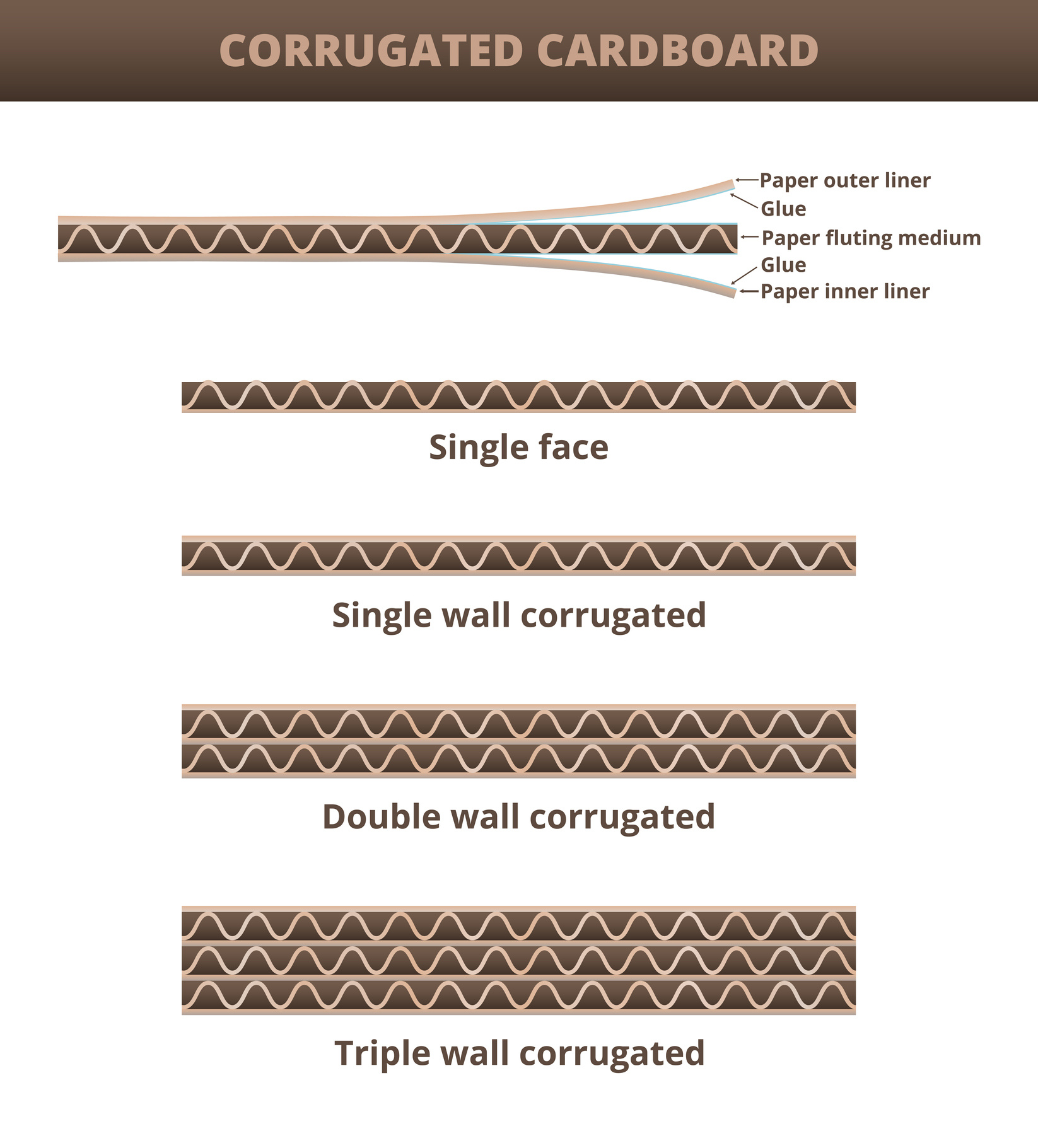
- Single-wall: Lightweight, cost-effective, suitable for many retail and e-commerce uses.
- Double-wall: Greater strength and stacking ability for heavy or fragile items.
- Triple-wall: Maximum compression resistance for industrial, bulk, and export packaging.
Key Factors When Choosing a Grade
- Product weight: Heavier items require stronger board.
- Supply chain conditions: Long transit times, stacking, and climate variations increase stress.
- Cost balance: Higher grades protect better but add material expense.
- Sustainability goals: Use recycled content or right-size to minimize waste.
- Compliance: Certain industries require ISTA or ASTM-tested packaging.
How to Match Grade to Application
- E-commerce: Single-wall RSCs with performance coatings for moisture resistance.
- Industrial parts: Double-wall or triple-wall for high stacking and pallet loads.
- Export packaging: Triple-wall FOL boxes for international freight durability.
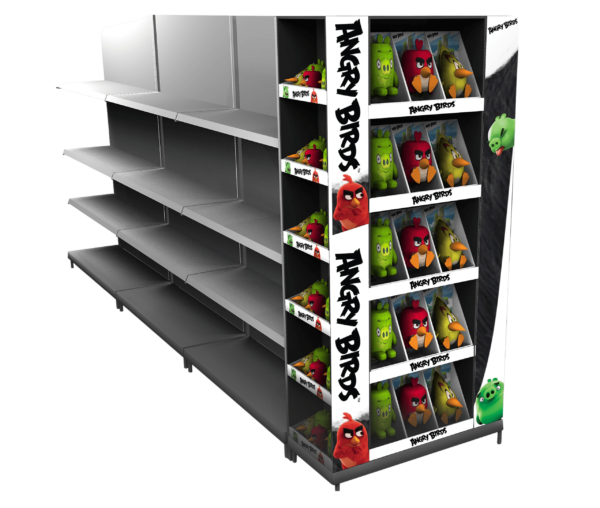
- Retail displays: Lighter grades with strong print surfaces for shelf appeal.
Testing for Performance Confidence
- Compression testing: Ensures cartons withstand stacking loads.
- Vibration and drop testing: Validates protection during transport.
- Material analysis: Confirms recycled fiber content aligns with performance goals.
Packaging Solutions with Brown Packaging
Brown Packaging works with buyers to identify the right corrugated grade for each application. From single-wall e-commerce boxes to triple-wall export packaging, we balance protection, cost, and sustainability. Contact us to select the right grade for 2026.
References
ASTM International. (2023). ASTM D642: Standard Test Method for Compression Resistance of Shipping Containers.
Soroka, W. (2009). Fundamentals of Packaging Technology (4th ed.). Institute of Packaging Professionals.
Fiber Box Association. (2024). Corrugated Packaging Performance Handbook. Retrieved from https://www.fibrebox.org
Exporting products requires packaging that can endure extended transit times, multiple handling points, and strict international regulations. Full Overlap (FOL) boxes are a proven solution for export shipments because their
A POP display can be perfectly designed, well-produced, and shipped on time… …and still never get placed. This isn’t a design failure—it’s an execution failure. And it’s more common than
Your POP display isn’t used the way you designed it. It’s used the way the store needs it. That means: Products get moved Inserts get removed Layouts get simplified Structure
Lower cost per unit looks like a win. Until the display: Fails early Doesn’t get placed Doesn’t sell product Then it becomes expensive—fast. Because POP display cost isn’t about what
Home » Choosing the Right Corrugated Grade for 2026