window.uetq = window.uetq || []; window.uetq.push(‘event’, ‘submit_lead_form’,{ event_label:‘SUBMIT MESSAGE’ }); window.lintrk('track', { conversion_id: 10271009 }); window.lintrk('track', { conversion_id: 10271017 });

Optimizing POP Display Placement for Retail Success

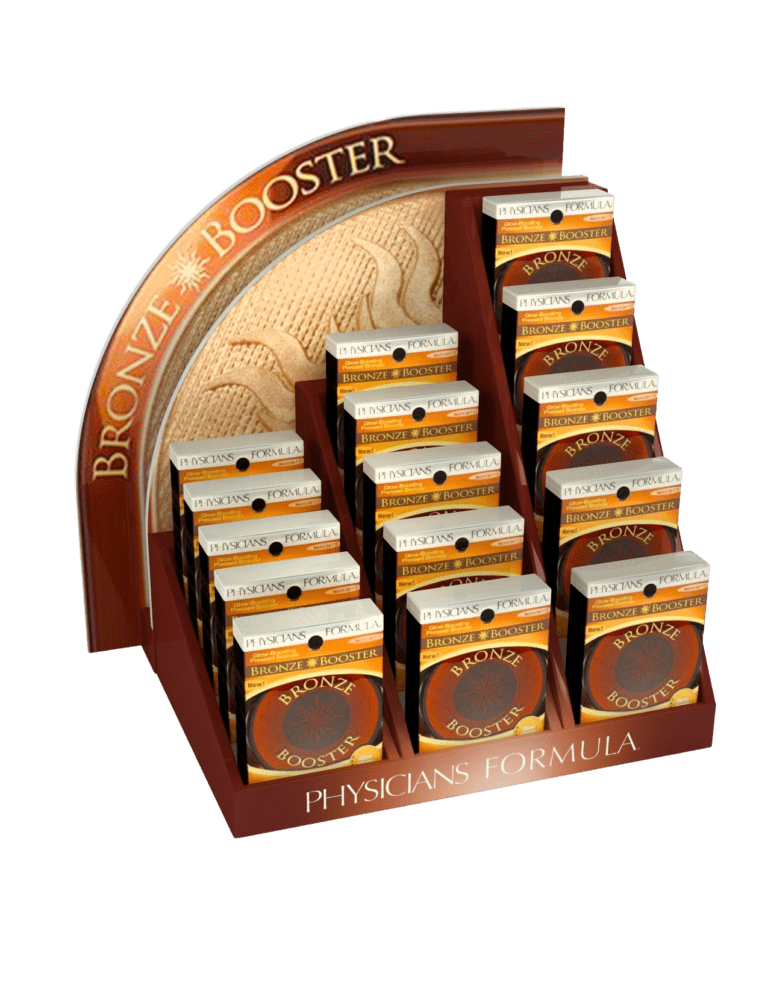
Countertop Display

In the retail environment, the placement of Point of Purchase (POP) displays is just as critical as their design and content. Strategic positioning can significantly influence consumer behavior, increase product visibility, and drive sales. This blog explores the importance of strategic placement for POP displays and provides insights on how to maximize their effectiveness through optimal positioning.

Understanding Consumer Traffic Flow

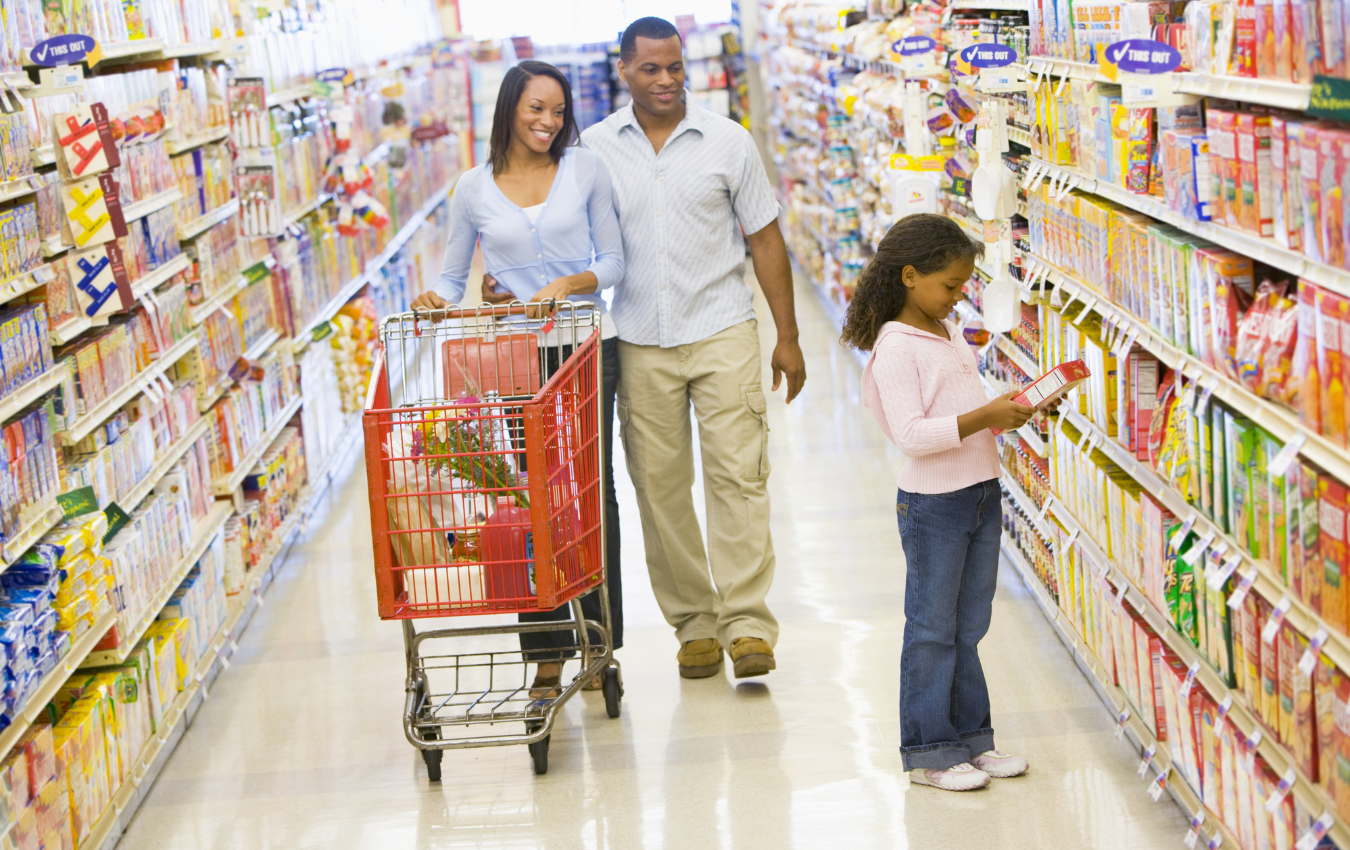
The effectiveness of a POP display largely depends on its ability to catch the consumer’s eye. To achieve this, retailers must first understand the natural traffic flow within their store. This involves analyzing which areas receive the most foot traffic and where customers pause, browse, or make decisions. Placing POP displays in these high-traffic or high-engagement zones can increase the likelihood of interaction and purchase.

Designing Custom Packaging for Different Generations: Catering to Diverse Demographics

Prime Locations for POP Displays

Near the Entrance

Placing POP displays near the entrance captures the attention of customers as soon as they enter the store. This position can be used to promote new arrivals, seasonal items, or special offers, setting the tone for the shopping experience.

At the End of Aisles

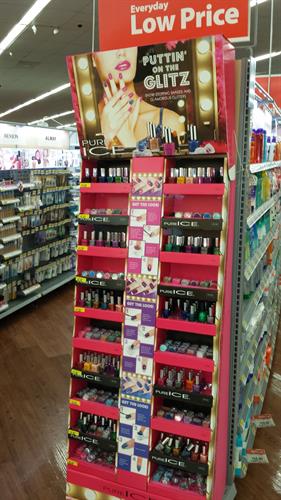
The end of an aisle, or endcap, is a premium spot for POP displays. As customers navigate the aisles, endcaps serve as focal points that draw their gaze. These locations are ideal for showcasing bestsellers, promotional items, or products that benefit from high visibility.

Checkout Areas

The checkout area is a hotspot for impulse buys. While customers wait in line, they are more likely to browse and pick up additional items. POP displays placed near or around the checkout can capitalize on this by featuring small, easy-to-decide-on products.

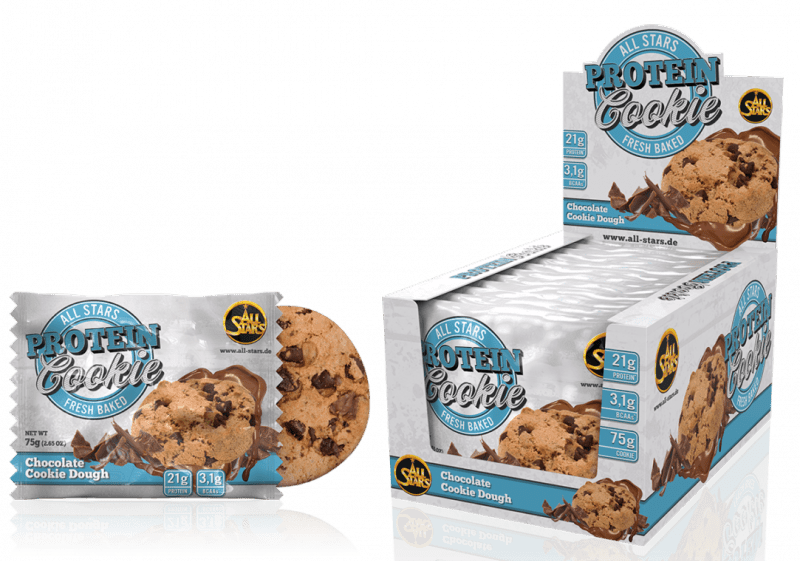
custom countertop displays and roll stock

Transition Zones

Areas where customers transition from one part of the store to another, such as the entrance to a specialty section, are strategic for placement. These locations can be leveraged to introduce customers to products or deals that relate to their shopping journey.

Integrating Placement with Store Layout

Effective POP display placement should feel organic and integrate seamlessly with the overall store layout. Displays should not obstruct the flow of traffic or overwhelm customers but should enhance the shopping experience by being both informative and persuasive.

The Role of Visibility and Accessibility

Visibility is paramount in effective POP display placement. Displays should be positioned at eye level or in direct line of sight to ensure they are not overlooked. Additionally, products on the display should be easily accessible; customers should be able to interact with the products without any hindrance.

Using Data-Driven Insights for Placement Decisions

Leveraging sales data and customer behavior analytics can provide valuable insights into where POP displays would be most effective. A/B testing different placements can also help determine the most impactful locations based on actual customer interaction and sales conversion rates.

POP Display

Conclusion

The strategic placement of POP displays is a critical component in maximizing their effectiveness. By understanding customer behavior, leveraging high-traffic locations, and ensuring visibility and accessibility, retailers can significantly enhance the impact of their POP displays. Thoughtful placement, combined with compelling design and relevant content, ensures that POP displays are not just seen but are also effective in driving purchases.

If you are interested in POP displays, then partner with Brown Packaging today to get started.

Most Recent Posts:
Comparing Single vs. Multi-Material Packaging

Choosing the right packaging material is one of the most important decisions buyers face. Single-material packaging offers simplicity and recyclability, while multi-material designs provide enhanced performance and protection. Understanding the

Read More »
Categories:
Subscribe To Our Newsletter

By submitting your information, you agree to our terms and conditions and privacy policy.

Floor Display
POP Display
Facebook
Twitter
LinkedIn
Pinterest
Relevant Posts
Custom Full Pallet Display with blister packs, corrugated carriers, sample packs, and poly bags
Display
brownpackaging
Pack-Out for Point of Purchase Displays: A Comprehensive Guide

Point of purchase displays, also known as POP displays, are an essential marketing tool for businesses to showcase their products and attract customers. However, creating a successful POP display is not just about designing an eye-catching display; it also involves careful planning and execution of the pack-out process. Pack-out refers to the process of assembling, arranging, and packing products within a POP display unit. In this blog, we will discuss the essential aspects of pack-out for POP displays and provide some tips on how to optimize the process for maximum efficiency and effectiveness. Understanding the POP Display Layout Before you start the pack-out process, it is crucial to understand the layout of your POP display unit. This includes knowing the dimensions, the number of shelves, the weight limit for each shelf, and any special features such as hooks or holders. Knowing the design layout will help you plan how to arrange your products within the unit, taking into account factors such as product size, weight, and packaging. You should also consider how to maximize the visual impact of your products, such as using color coordination or arranging products by height or theme. Once you have a good understanding of your POP display concept, you need to design your display and organize your products for pack-out. This involves deciding which products to include, how many of each product, and how to arrange them within the unit. When selecting the design end product, consider the following factors: Popularity: Which products are most likely to attract customers and generate sales? Seasonality: Are there any products that are more suitable for a particular season or holiday? Packaging: Can the products be easily displayed and arranged within the POP display unit? When deciding how to arrange your products, consider the following tips: Place high-selling products at eye-level or within easy reach. Group products by category or theme to make it easier for customers to find what they are looking for. Use color coordination to create an attractive and cohesive display. Place products with the same packaging or branding together to create a stronger visual impact. Executing the Pack-out Process Now that you have organized your products for pack-out, it’s time to execute the process. Here are some essential steps to follow: Step 1: Prepare the POP Display Unit Before you start packing products into the unit, you need to ensure it is clean, stable, and ready for use. This includes removing any debris, dusting the shelves, and ensuring that any special features such as hooks or holders are secure. Step 2: Pack Products onto the Shelves Begin packing products onto the shelves, starting with the bottom shelf and working your way up. Ensure that each product is securely in place, and that there is enough space between products to prevent overcrowding. Step 3: Check for Balance and Stability As you pack each shelf, check that the unit remains balanced and stable. Ensure that heavy products are evenly distributed across the shelves and that there is no risk of the unit tipping over. Step 4: Make Final Adjustments Once all products are packed, step back and take a look at the overall display. Make any final adjustments to product positioning or arrangement to ensure that the display is visually appealing and optimized for sales. Step 5: Prepare for Shipment After completing the pack-out process for your POP display, it’s essential to prepare the display unit for shipment to its destination. This involves ensuring that the unit is securely packaged and protected to prevent damage during transit. Here are some considerations for preparing the shipment of your POP display: Packaging Selection: Choose appropriate packaging materials to protect the display unit during shipment. Depending on the size and nature of the display, options such as Regular Slotted Containers (RSC), Half-Slotted Containers (HSC), or Top Cap and Sleeve packaging can be used. These packaging solutions provide structural integrity and protection during transportation. Securing the Display: Take measures to secure the products within the display unit to prevent shifting or damage during transit. This can include using additional cushioning materials, such as foam inserts or bubble wrap, to keep the products in place and protect them from impacts. Labeling and Identification: Clearly label the shipment with necessary information, such as the destination address, handling instructions, and any other relevant details. Use appropriate labeling systems, such as barcodes or QR codes, to facilitate tracking and ensure accurate delivery. Quality Control: Conduct a final quality control check before shipment. Verify that the display unit is in optimal condition, all products are properly arranged and secured, and the packaging is intact. This step ensures that the display reaches its destination in the best possible state. Shipping Method and Carrier Selection: Choose a reputable shipping carrier or logistics provider that specializes in handling fragile or large displays. Consider factors such as delivery time, cost, and tracking capabilities when selecting the most suitable shipping method. Optimizing Pack-out Efficiency and Effectiveness To optimize pack-out for POP displays, consider the following tips: Use high-quality, durable packaging that is easy to arrange within the display unit. Use a pack-out checklist to ensure that all necessary products and materials are available before beginning the process. Train employees on the pack-out process to ensure that it is executed consistently and efficiently. Monitor sales and customer feedback to make adjustments to the pack-out process and product selection. Summary: POP Displays and Pack-out Pack-out for point of purchase displays is a critical aspect of creating a successful marketing strategy for businesses. By understanding the layout of the POP display unit, organizing products for pack-out, and executing the pack-out process with care, businesses can create an attractive and effective display that will attract customers and generate sales. To optimize pack-out efficiency and effectiveness, businesses should use high-quality packaging, develop a pack-out checklist, train employees on the process, and monitor sales and customer feedback to make adjustments as needed. (714)300-0650 request@brownpackaging.com Most Recent Posts: Categories: Corrugated Ecommerce ESD Design Display Flexible Packaging Foam

Read More »
Custom Point of Purchase Displays
Display
brownpackaging
Why Retail POP Displays Matter: The Ultimate Guide

In the fast-paced world of retail, every moment counts when it comes to capturing the attention of customers and driving sales. This is where Point of Purchase (POP) displays come into play as invaluable tools that can make or break a retailer’s success. In this comprehensive guide, we’ll dive deep into the reasons why retail POP displays matter and how they can significantly impact your business. The Power of First Impressions Imagine a shopper walking into a store. Their eyes scan the surroundings, looking for something that catches their interest. This is the moment when the power of a well-designed POP display comes into play. These displays are strategically placed to attract attention and create an immediate connection with your products. The first impression can be the deciding factor in whether a customer explores further or simply walks by. Visual Appeal and Branding Effective POP displays go beyond just showcasing products – they also convey your brand’s identity and values. The design, colors, and overall aesthetics of your displays should align with your brand image. Consistency in branding across all displays creates a cohesive and memorable shopping experience for customers. When done right, POP displays not only attract attention but also help build brand recognition and loyalty. Influence on Purchasing Decisions The primary goal of any retail business is to convert browsers into buyers. POP displays play a critical role in influencing purchasing decisions at the point of sale. By strategically placing products and using eye-catching visuals, you can guide customers towards specific items or promotions. Whether it’s a limited-time offer or a new product launch, a well-executed POP display can create a sense of urgency and encourage impulse buys. Enhanced Product Visibility With the vast array of products available in a store, it’s easy for certain items to get lost in the shuffle. POP displays solve this problem by giving your products a dedicated space to shine. By elevating products to eye level and using creative design elements, you ensure that they’re noticed by customers who might have otherwise overlooked them. Improved visibility can lead to increased sales and customer satisfaction. Creating Engaging Shopping Experiences Shopping is not just about transactions; it’s an experience. POP displays can transform a mundane trip to the store into an exciting and interactive journey. Incorporating elements like product demonstrations, interactive screens, or QR codes can engage customers on a deeper level. These experiences not only provide valuable information but also create a memorable visit that customers are likely to share with others. Flexibility and Versatility POP displays come in various shapes, sizes, and types, offering flexibility to suit different products and promotions. Whether it’s a temporary display for a seasonal campaign or a permanent fixture, these displays can adapt to your evolving needs. This versatility allows retailers to tailor their displays to specific goals, ensuring maximum impact. Targeted Marketing POP displays offer a targeted approach to marketing. Instead of trying to reach a broad audience, you can focus on specific segments by placing displays in relevant sections of your store. For example, if you’re promoting fitness products, you can position displays near the athletic wear or gym equipment section. This precision in targeting enhances the effectiveness of your marketing efforts. Measurable Results One of the significant advantages of POP displays is their measurability. Retailers can track the success of each display by monitoring sales data before and after implementation. This data-driven approach allows you to fine-tune your strategies and make informed decisions about future displays. By analyzing which displays resonate most with your customers, you can continually optimize your approach. Competitive Edge In today’s competitive retail landscape, standing out is essential. A well-designed POP display can give you a competitive edge by showcasing your products in a unique and memorable way. It’s a chance to differentiate yourself from competitors and create a lasting impression on customers. Investing in innovative displays can help position your brand as a leader in the industry. Building Customer Relationships Beyond the transactional aspect, successful retailers aim to build lasting relationships with their customers. Effective POP displays can contribute to this by creating positive experiences. When customers feel excited and engaged during their shopping journey, they’re more likely to associate those emotions with your brand. This emotional connection can lead to repeat business and word-of-mouth recommendations. If you are interested in pop displays, then partner with Brown Packaging today to get started. (714)300-0650 request@brownpackaging.com Most Recent Posts: Categories: Corrugated Ecommerce ESD Design Display Flexible Packaging Foam Folding Carton Packaging Plastic Packaging Pouch Printing Protection Retail Rigid Box Thermoform Sustainability Subscribe To Our Newsletter By submitting your information, you agree to our terms and conditions and privacy policy. POP Displays Facebook Twitter LinkedIn Pinterest Relevant Posts

Read More »
POP floor display
Display
brownpackaging
Balancing Graphics and Structure in POP Displays

Point-of-purchase (POP) displays play a dual role in retail environments: they must capture attention with graphics while supporting products with reliable structure. If one side is overemphasized, the other suffers—eye-catching graphics on a weak structure can lead to product collapse, while overbuilt displays with poor graphics fail to drive sales. Successful POP design requires careful coordination between visual branding and engineering strength. The Role of Graphics in POP Displays Graphics carry the brand message and attract consumer attention in crowded retail aisles. Effective use of color, typography, and imagery transforms a standard corrugated display into a compelling marketing tool. Reinforces brand identity. Highlights product features or promotions. Differentiates products from competitors on the same shelf. However, graphics must be placed with consideration of die lines, folds, and assembly points. A design that looks strong in concept may lose effectiveness if critical elements are cut or hidden during production. Structural Integrity and Functionality The best POP display design balances aesthetics with durability. Structural engineering ensures the display holds weight, withstands handling, and complies with retailer requirements. Load-bearing capacity: Displays must hold multiple units without sagging. Assembly efficiency: Designs should be easy to set up in stores. Retail compliance: Dimensions must fit within chain-specific guidelines. Ignoring structure risks costly failures on the retail floor, from leaning displays to complete collapse. Achieving Balance Between Graphics and Structure Collaborative design: Graphic and structural designers should work together from concept through prototype. Testing in real-world conditions: Simulate load, handling, and lighting before production. Material selection: Choose board grades and coatings that allow high-quality print while maintaining rigidity. Print-to-structure alignment: Ensure graphics align with folds, cutouts, and SKU placement. Industry Examples Club stores: High-traffic environments demand bold graphics paired with strong pallet displays. Seasonal promotions: Graphics drive excitement, but structural resilience ensures displays last through extended campaigns. Cross-merchandising displays: Must hold different SKUs securely without compromising print impact. POP Display Solutions with Brown Packaging At Brown Packaging, we engineer POP displays that balance structural integrity with brand-forward graphics. From retail-ready pallet displays to seasonal floor stands, our team ensures your design attracts attention without sacrificing performance. Contact us to start planning your next POP display. References Soroka, W. (2009). Fundamentals of Packaging Technology (4th ed.). Institute of Packaging Professionals.Shop! Association. (2021). Best Practices for In-Store Marketing and POP Displays. Retrieved from https://www.shopassociation.orgASTM International. (2022). ASTM D642: Standard Test Method for Determining Compressive Resistance of Shipping Containers. (714)300-0650 request@brownpackaging.com Most Recent Posts: Categories: Corrugated Ecommerce ESD Design Display Flexible Packaging Foam Folding Carton Packaging Plastic Packaging Pouch Printing Protection Retail Rigid Box Thermoform Sustainability Subscribe To Our Newsletter By submitting your information, you agree to our terms and conditions and privacy policy. POP Display Facebook Twitter LinkedIn Pinterest Relevant Posts

Read More »