window.uetq = window.uetq || []; window.uetq.push(‘event’, ‘submit_lead_form’,{ event_label:‘SUBMIT MESSAGE’ }); window.lintrk('track', { conversion_id: 10271009 }); window.lintrk('track', { conversion_id: 10271017 });

Foam Density Selection for Heavy vs. Light Products

9 Top Foam Packaging Trends for 2025

Choosing the right foam density isn’t about “soft” versus “hard” — it’s about controlling shock transmission and matching the foam’s cushioning curve to the product’s fragility. Using the wrong density can cause more damage than using no foam at all.

Understanding Foam Density

  • Definition: Density is the mass per unit volume (lb/ft³ or kg/m³) and directly affects stiffness, energy absorption, and weight.
  • Not the Same as Firmness: Firmness (indentation force deflection) can vary independently of density depending on foam chemistry.

How Density Affects Shock Absorption

  • Low-Density Foam:
    • Better for light, delicate products where over-compression could cause crushing.
    • May bottom out under heavy loads, losing protection.
  • High-Density Foam:
    • Better for heavy items, spreading impact force over a longer deceleration period.

Can be too stiff for fragile, lightweight products, causing rebound shock.

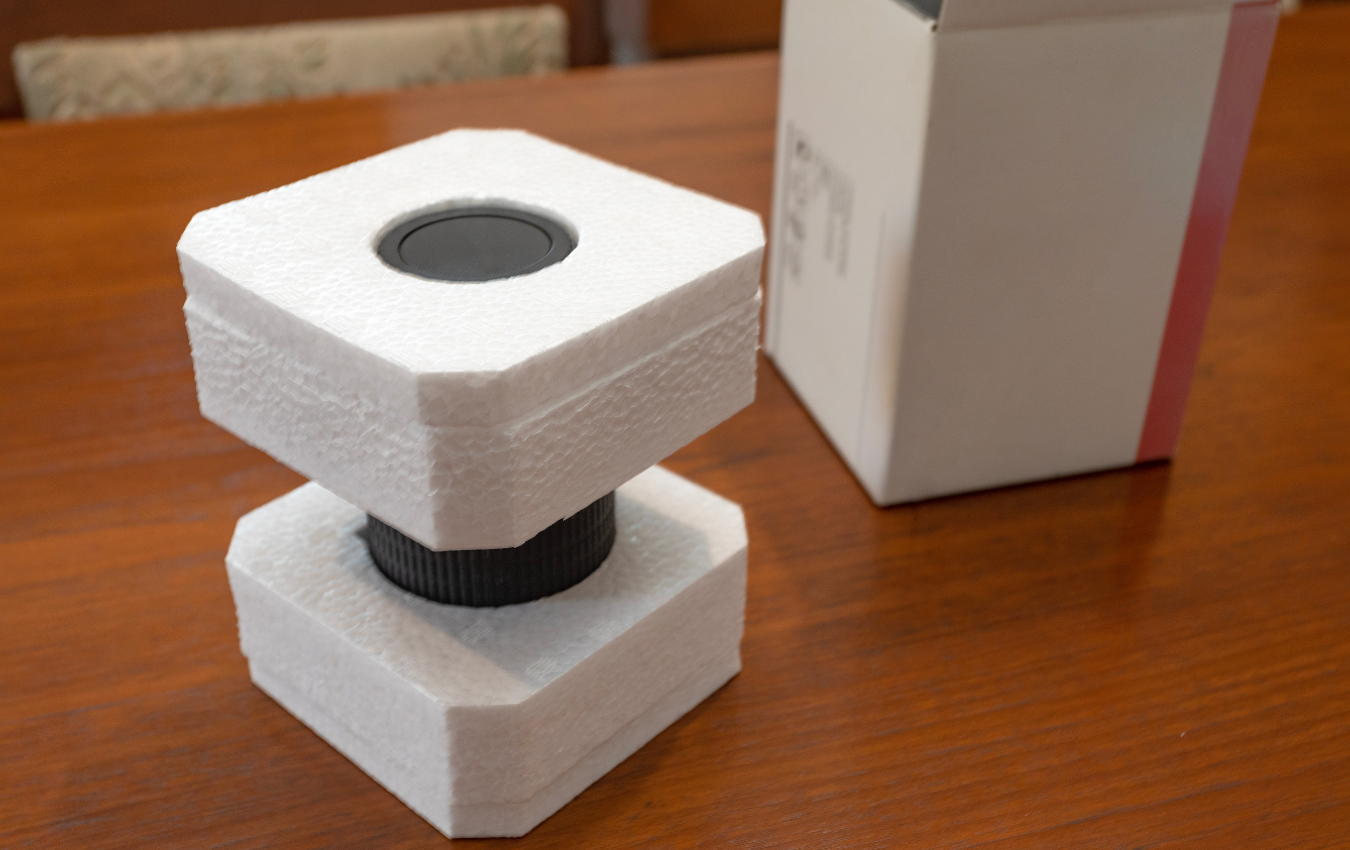
A Comprehensive Guide to Expanded Polystyrene (EPS) Foam in Packaging

Product Fragility

  • For fragile electronics (fragility rating ~30–50 G), choose foam that keeps transmitted forces below the product limit.

For rugged machinery parts (~100+ G), higher density foam can provide adequate protection with minimal thickness.

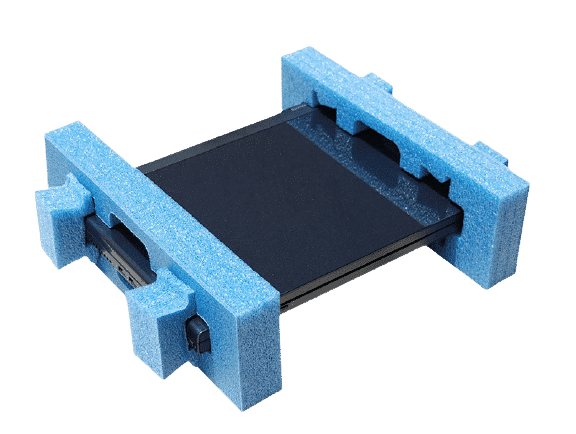
Electronic Device with Custom Foam End Caps

Environmental Factors

  • Temperature Sensitivity: Some foams stiffen in cold storage, increasing G-force transmission.
  • Moisture Uptake: Certain foams lose energy absorption properties when saturated.

Testing and Standards

  • ASTM D1596: Determines cushioning characteristics of packaging materials.
  • ASTM D4168: Measures shock cushioning performance in simulated transit.

Best Practices for Selection

  • Always test with actual product weight and packaging configuration.
  • Avoid relying solely on density — evaluate density + cushioning curve together.
  • Consider hybrid solutions, such as layering low- and high-density foams for mixed load shipments.

References


ASTM International. (2014). ASTM D1596-14: Standard test method for dynamic shock cushioning characteristics of packaging materials. ASTM International. https://www.astm.org/d1596-14.html
ASTM International. (2014). ASTM D4168-14: Standard test method for transmitting shock through packaging materials. ASTM International. https://www.astm.org/d4168-14.html

Most Recent Posts:
Comparing Single vs. Multi-Material Packaging

Choosing the right packaging material is one of the most important decisions buyers face. Single-material packaging offers simplicity and recyclability, while multi-material designs provide enhanced performance and protection. Understanding the

Read More »
Categories:
Subscribe To Our Newsletter

By submitting your information, you agree to our terms and conditions and privacy policy.

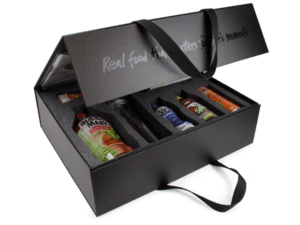
Custom rigid box with handles and foam insert
Custom Foam
Facebook
Twitter
LinkedIn
Pinterest
Relevant Posts
Polyurethane
Foam
brownpackaging
A Comprehensive Guide to Polyurethane Foam for Packaging

When it comes to protecting fragile or valuable items during shipping or storage, the choice of packaging material can make all the difference. Polyurethane foam is a versatile and highly effective material that has gained popularity in the world of packaging. In this comprehensive guide, we will explore what polyurethane foam is, its properties, benefits, and various applications in packaging. Introduction to Polyurethane Foam Polyurethane foam is a versatile polymer material that is widely used in various industries, including construction, automotive, and of course, packaging. It is created through the reaction of polyols and isocyanates, resulting in a foam with a wide range of properties, making it suitable for diverse applications. In packaging, polyurethane foam is valued for its ability to provide cushioning and protection to fragile and sensitive items, effectively preventing damage during transit. Properties of Polyurethane Foam Physical Properties Flexibility: Polyurethane foam is highly flexible, allowing it to conform to the shape of the object it is protecting, ensuring a snug and secure fit. Density: It is available in various densities, ranging from low-density foam for cushioning to high-density foam for structural support. Compression Strength: Polyurethane foam can withstand a wide range of compressive forces, making it ideal for items of varying weights and sizes. Thermal Insulation: It offers some degree of thermal insulation, which can be crucial for products sensitive to temperature changes. Chemical Properties Chemical Resistance: Polyurethane foam exhibits resistance to many chemicals, which can protect items from exposure to corrosive substances. Moisture Resistance: It is inherently resistant to moisture, helping to prevent damage due to water or humidity exposure. Benefits of Using Polyurethane Foam in Packaging Shock Absorption and Impact Resistance: One of the primary benefits of polyurethane foam is its exceptional shock absorption and impact resistance. It effectively absorbs and dissipates energy from impacts, reducing the risk of damage to packaged items. Customization and Versatility: Polyurethane foam can be easily cut and shaped to fit the specific dimensions of the item being packaged. This versatility allows for precise and tailored protection. Moisture Resistance: Its inherent resistance to moisture makes polyurethane foam an excellent choice for products that are sensitive to humidity or may encounter wet conditions during shipping. Lightweight and Space Efficiency: Polyurethane foam is lightweight, helping to minimize shipping costs. Its ability to compress and expand as needed also makes it space-efficient. Applications of Polyurethane Foam in Packaging Electronics Packaging: Polyurethane foam is commonly used to protect delicate electronics such as laptops, smartphones, and components during transit. Medical Device Packaging: Medical devices, which often have sensitive components, benefit from polyurethane foam’s protective properties. Automotive Parts Packaging: Automotive parts, from small components to large body panels, are safeguarded during shipping with polyurethane foam. Fragile Goods Packaging: Fragile items like glassware, ceramics, and artworks are frequently packed with polyurethane foam to prevent breakage. Choosing the Right Polyurethane Foam When selecting polyurethane foam for packaging, consider the following factors: Density: Choose the foam density based on the weight and fragility of the item. Heavier or delicate items may require higher-density foam for better protection. Hardness: The foam’s hardness or firmness should match the level of cushioning needed. Softer foams offer more cushioning, while firmer foams provide better support. Size and Shape: Customize the foam’s size and shape to ensure a snug fit around the item. Manufacturing and Customization Polyurethane foam can be tailored to meet specific packaging needs. Manufacturers can create custom foam inserts, shapes, and sizes to perfectly fit the item being packaged. If you are interested in polyurethane foam, then partner with Brown Packaging today to get started. (714)300-0650 request@brownpackaging.com Most Recent Posts: Categories: Corrugated Ecommerce ESD Design Display Flexible Packaging Foam Folding Carton Packaging Plastic Packaging Pouch Printing Protection Retail Rigid Box Thermoform Sustainability Subscribe To Our Newsletter By submitting your information, you agree to our terms and conditions and privacy policy. Custom Packaging Facebook Twitter LinkedIn Pinterest Relevant Posts

Read More »
The Importance of Compression Properties in Foam Packaging
Foam
brownpackaging
The Importance of Compression Properties in Foam Packaging

When it comes to packaging, especially for delicate and fragile items, foam materials play a crucial role in ensuring the safety and protection of the contents. One often-overlooked but vital aspect of foam materials is their compression properties. In this comprehensive guide, we will explore why the compression properties of foam matter in packaging, how they impact product protection, and what to consider when choosing the right foam for your packaging needs. Understanding Foam Compression Properties Before delving into the importance of foam compression properties, it’s essential to understand what these properties entail. Foam compression properties refer to how a foam material responds when subjected to external pressure or force. These properties are typically categorized into two key characteristics: Compression Deflection (Firmness): This measures the force required to compress a foam material by a certain percentage of its original thickness. It indicates how firm or soft the foam feels and how much it resists deformation under load. Compression Set: Compression set refers to the ability of a foam material to recover its original shape after being compressed. It quantifies the foam’s ability to bounce back to its initial form once the compressive force is removed. Now, let’s delve into why these compression properties are of paramount importance in foam packaging: Protection Against Impact and Shock One of the primary functions of foam in packaging is to cushion and protect items from impact and shock during transportation and handling. The compression deflection of foam determines how effectively it absorbs and disperses the energy generated during these impacts. A foam with the right compression deflection will minimize the risk of damage to the packaged goods, ensuring they arrive in pristine condition. Maintaining Product Integrity For delicate and sensitive products, maintaining their structural integrity is crucial. When a foam has a suitable compression set, it ensures that even after compression during packaging or transit, the foam will regain its original shape. This property is particularly essential for products with intricate shapes or those that must be held securely within the packaging. Load Distribution In some cases, packaged items may be subjected to prolonged periods of compression, either from stacking in storage or during transit. The compression properties of foam become instrumental in evenly distributing the load. Foam materials with well-chosen compression deflection and compression set characteristics will prevent uneven pressure points that could lead to deformation or damage to the packaged items. Customizability and Versatility Different products have varying packaging requirements, and foam materials can be tailored to meet these needs. By selecting foam with the right compression properties, packaging designers can ensure that the foam conforms to the specific shape and fragility of the item, providing tailored protection. Choosing the Right Foam Material Selecting the right foam material with suitable compression properties involves assessing your packaging needs and the fragility of your products. Factors to consider include: Product Weight: Heavier items may require foam with a higher compression deflection to withstand the load without bottoming out. Product Fragility: Delicate or sensitive products benefit from foam with both a suitable compression deflection and compression set to absorb and recover from shocks effectively. Packaging Design: The shape and design of your packaging play a role in determining the foam’s compression requirements. Custom-cut foam inserts can optimize protection. Environmental Conditions: Consider the environmental conditions the packaged items will face. Some foams are better suited for extreme temperatures or exposure to moisture. Cost Considerations: Balance your packaging needs with your budget. Different foam materials may vary in cost, so choose one that meets your requirements without overstretching your budget. If you are interested in foam packaging solutions, then partner with Brown Packaging today to get started. (714)300-0650 request@brownpackaging.com Most Recent Posts: Categories: Corrugated Ecommerce ESD Design Display Flexible Packaging Foam Folding Carton Packaging Plastic Packaging Pouch Printing Protection Retail Rigid Box Thermoform Sustainability Subscribe To Our Newsletter By submitting your information, you agree to our terms and conditions and privacy policy. Custom Foam Facebook Twitter LinkedIn Pinterest Relevant Posts

Read More »
A Comprehensive Guide to Expanded Polystyrene (EPS) Foam in Packaging
Foam
brownpackaging
Expanded Polystyrene (EPS) Foam in Packaging Explained

Packaging is an essential aspect of the modern supply chain, serving as a protective shield for products, preserving their quality, and enhancing their marketability. Among the plethora of packaging materials available today, Expanded Polystyrene (EPS) foam has been a versatile and effective choice. In this comprehensive guide, we will delve into the world of EPS foam in packaging, exploring its properties, applications, benefits, environmental considerations, and more. Understanding EPS Foam What is EPS Foam? EPS foam, also commonly referred to as Styrofoam, is a lightweight and rigid plastic material derived from polystyrene. Its manufacturing process involves the expansion of polystyrene resin beads using heat and steam, resulting with exceptional cushioning and insulation properties. Key Properties of EPS Foam EPS foam possesses several key properties that make it an ideal material for packaging purposes: Lightweight: It is exceptionally light, reducing transportation costs. Insulation: Offers excellent thermal resistance and moisture protection. Cushioning: Provides superior shock absorption, safeguarding products during transit. Buoyancy: EPS foam is buoyant, making it suitable for applications requiring flotation. Moldability: It can be molded into various shapes and sizes to fit a wide range of products. Recyclability: While recyclable, EPS foam recycling often requires specific facilities and processes. Applications of EPS Foam in Packaging Protective Packaging EPS foam is widely used to safeguard fragile and sensitive items during shipping. It serves as an effective cushion against impacts, vibrations, and temperature variations. Common applications include electronics, glassware, and equipment. Insulated Packaging Thanks to its exceptional insulation capabilities, EPS foam is employed for packaging temperature-sensitive goods such as food, pharmaceuticals, and chemicals. It helps maintain the desired temperature, minimizing spoilage and product damage. Void Fill and Dunnage EPS foam can be converted into loose-fill packaging or custom shapes to fill empty spaces within packages, preventing products from shifting and sustaining damage during transit. Industrial Packaging In industries such as automotive and manufacturing, EPS foam is used for bulk packaging of components and materials. It provides protection against mechanical damage and corrosion. Benefits of EPS Foam Packaging Superior Protection EPS foam’s ability to absorb shocks and vibrations ensures that products arrive intact at their destination, reducing returns and customer complaints. Lightweight The lightweight nature of EPS foam contributes to lower shipping costs and reduced fuel consumption, thereby decreasing carbon emissions. Thermal Insulation For products requiring temperature control, EPS foam acts as an efficient insulator, helping maintain product quality and safety. Customization EPS foam’s moldability allows for the creation of precisely tailored packaging solutions, minimizing waste and material usage. Cost-Effective EPS foam remains a cost-effective choice compared to many alternative packaging materials with similar protective properties. Environmental Considerations Recycling While EPS foam is recyclable, the availability of collection and recycling facilities varies by region. It is crucial for businesses and consumers to follow local recycling guidelines and utilize available facilities. Sustainable Alternatives Ongoing efforts within the industry focus on finding sustainable alternatives to EPS foam, such as biodegradable foams and other eco-friendly packaging materials. EPS Foam in a Circular Economy Extended Life EPS foam can have an extended life beyond packaging through recycling or repurposing in various applications, including construction and arts and crafts. Closed-Loop Recycling Some companies are investing in closed-loop recycling systems, which collect and reuse EPS foam packaging, contributing to a more sustainable and circular economy. If you are interested EPS foam packaging solutions, then partner with Brown Packaging today to get started. (714)300-0650 request@brownpackaging.com Most Recent Posts: Categories: Corrugated Ecommerce ESD Design Display Flexible Packaging Foam Folding Carton Packaging Plastic Packaging Pouch Printing Protection Retail Rigid Box Thermoform Sustainability Subscribe To Our Newsletter By submitting your information, you agree to our terms and conditions and privacy policy. Expanded Polystyrene Foam Facebook Twitter LinkedIn Pinterest Relevant Posts

Read More »