
Home » Cutting Packaging Costs Without Sacrificing Protection
Cutting Packaging Costs Without Sacrificing Protection
As budgets tighten in 2026, packaging buyers are under pressure to reduce costs without increasing damage rates. Cutting too aggressively can lead to product loss, higher return rates, and frustrated customers. The key is balancing material use, box design, and supply chain efficiency so that savings do not come at the expense of protection.
Where Packaging Costs Add Up
- Oversized boxes: Drive dimensional weight charges.
- Excess materials: Overuse of void fill and inserts.
- Complex SKU mix: Redundant sizes increase inventory costs.
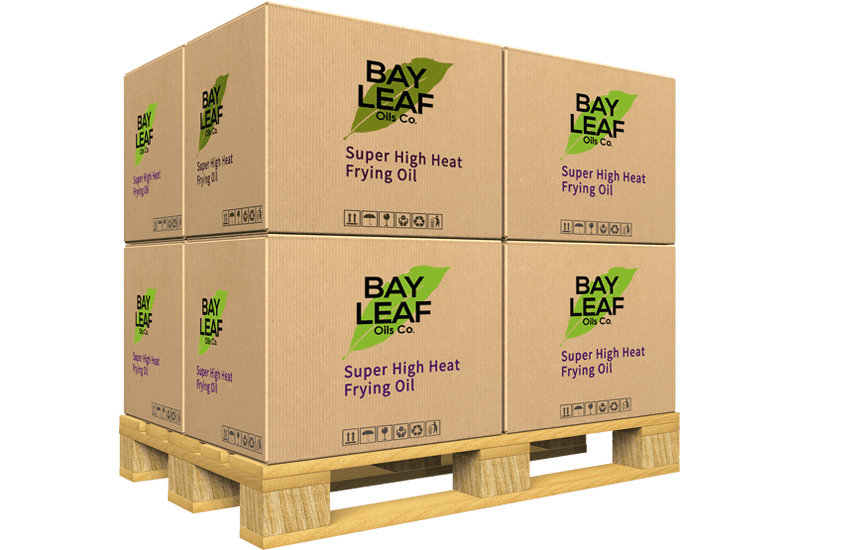
- Inefficient freight: Poor palletization and stacking.
Cost-Saving Strategies That Maintain Protection
- Right-sizing: Match box size to product dimensions to cut DIM charges and material use.
- Optimize corrugated grades: Switch to single- or double-wall where appropriate without compromising strength.
- Consolidate SKUs: Streamline packaging options to reduce inventory overhead.
- Efficient inserts: Replace foam or excess dunnage with engineered corrugated or molded pulp.
- Supplier contracts: Negotiate based on annual volumes, not just peak season orders.
Testing Before Implementing Changes
- Use ASTM and ISTA protocols to ensure changes won’t increase product damage.
- Test for compression, vibration, and drop resistance.
- Run pilot shipments before scaling across the supply chain.
Balancing Sustainability and Cost
Eco-friendly doesn’t have to mean expensive:
- Use recyclable coatings to reduce plastic films.
- Choose corrugated designs that require less material while maintaining stacking strength.
- Highlight sustainable solutions in marketing to offset cost concerns.
Packaging Solutions with Brown Packaging
Brown Packaging helps companies lower costs while protecting products across the supply chain. From SKU rationalization to right-sized corrugated solutions, our team ensures packaging savings don’t compromise performance. Contact us to optimize your packaging program.
References
Soroka, W. (2009). Fundamentals of Packaging Technology (4th ed.). Institute of Packaging Professionals.
ASTM International. (2023). ASTM D4169: Standard Practice for Performance Testing of Shipping Containers and Systems.
Sustainable Packaging Coalition. (2023). Packaging Efficiency and Waste Reduction Report. Retrieved from https://sustainablepackaging.org
Most POP displays are designed for day-one appearance—not for what happens after the first few units sell. That’s a problem. Because in retail, performance is determined by what happens during
Most POP display decisions eventually come down to a tradeoff:make it look better or make it perform better. The mistake is thinking you have to choose. In reality, the best-performing
Many packaging purchasing decisions are made by comparing price per box. While this metric is easy to evaluate, it often fails to capture the real economics of packaging systems. Packaging
A POP display isn’t successful when it looks good leaving production—it’s successful when it arrives intact, gets placed correctly, and performs in-store. The problem is most displays are designed for
Home » Cutting Packaging Costs Without Sacrificing Protection