
Blogs
At Brown Packaging, we provide insightful content about the packaging industry to keep our clients, followers, and partners informed with the latest trends and accurate information. Our goal is to equip you with up-to-date knowledge that helps you stay ahead in the ever-evolving world of packaging.

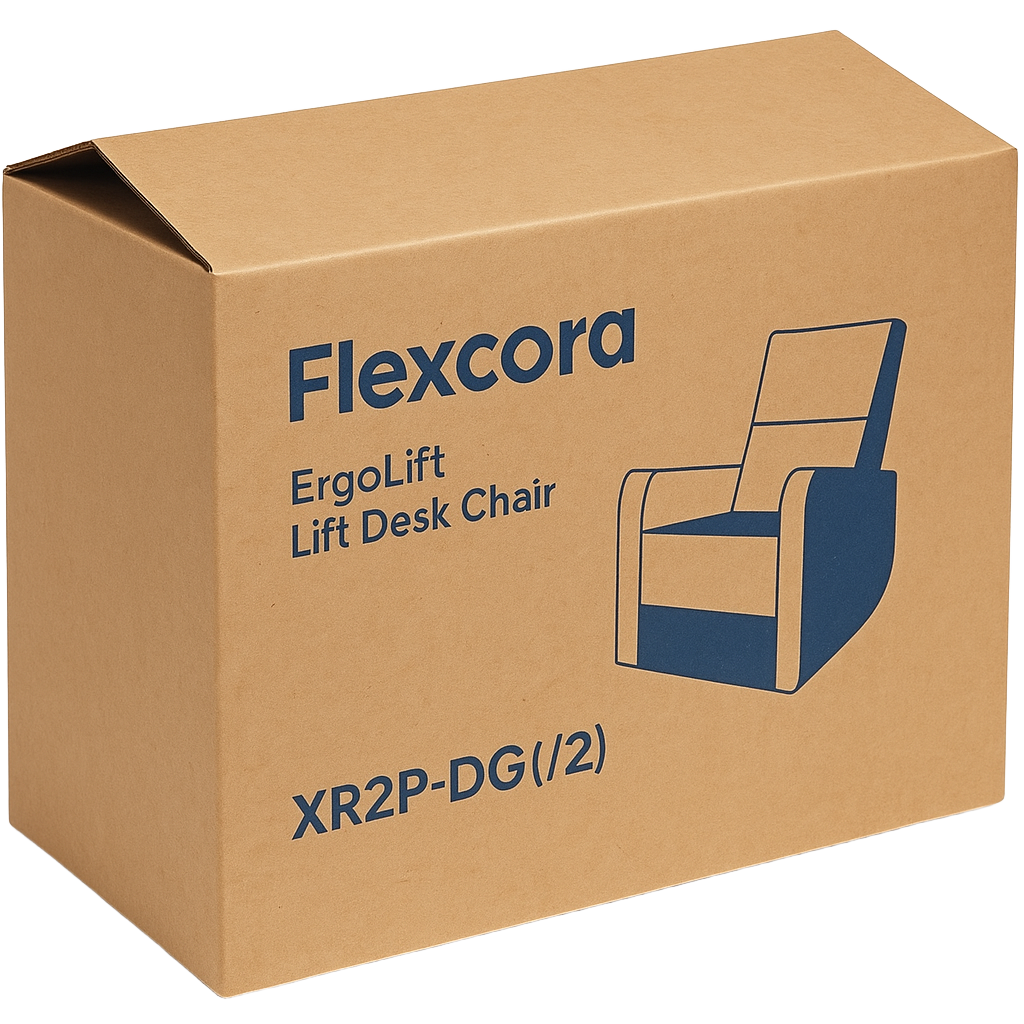
Corrugated boxes are highly effective for a wide range of packaging needs, providing superior protection, durability, and versatility. Their unique construction allows them to withstand various stresses during shipping and storage, making them a preferred choice for businesses and consumers alike. The Structure of Corrugated Boxes The effectiveness of corrugated boxes starts with their structure. Made from corrugated fiberboard, which includes a fluted corrugated sheet sandwiched between two flat linerboards, these boxes offer a robust design capable of absorbing shock and preventing damage to the contents. This structure not only imparts strength but also provides insulation that can protect against temperature variations. Versatility and Customization Corrugated boxes are celebrated for their versatility. They can be custom-manufactured to fit any size, shape, or weight requirement, ensuring that products, regardless of their dimensions, can be securely packaged with minimal movement inside the box. This customizability extends to the printing and branding of the boxes, making them an effective marketing tool in addition to their primary function of protection. Sustainability One of the most compelling advantages of corrugated boxes is their sustainability. Made from renewable resources, primarily recycled paper and cardboard, these boxes can be recycled again after their lifecycle, reducing waste and the demand for raw materials. The recycling process for corrugated cardboard is efficient and widespread, contributing to its status as one of the most recycled materials in the world. Durability and Protection The durability of corrugated boxes is a key factor in their effectiveness. They are designed to resist tears, splits, and bursts, which can occur during handling and transit. The fluting within the cardboard also provides a cushion for the items inside, protecting against impacts. Furthermore, corrugated boxes can be treated with coatings or laminates to make them resistant to moisture, oil, and other environmental factors, thereby enhancing the protection they offer. Cost-Effectiveness Corrugated boxes are cost-effective, offering a high level of protection relative to their cost. They are lightweight, which reduces shipping costs, and their material and construction costs are lower compared to alternative packaging options. This cost-effectiveness makes corrugated boxes an attractive option for a wide range of industries, from e-commerce to retail and beyond. Challenges and Considerations While corrugated boxes are effective, there are considerations to keep in mind. The integrity of the box can be compromised by overloading, improper handling, or exposure to damp conditions. However, these challenges can be mitigated through proper design, handling, and storage practices. Conclusion In conclusion, corrugated boxes offer an effective solution for packaging needs across various industries. Their strength, flexibility, sustainability, and cost-effectiveness make them a superior choice for protecting goods during transit and storage. By leveraging the inherent benefits of corrugated boxes and adhering to best practices for their use, businesses can ensure the safety of their products while also contributing to environmental sustainability. If you are interested in corrugated boxes, then partner with Brown Packaging today to get started. (714)300-0650 request@brownpackaging.com Most Recent Posts: Categories: Corrugated Ecommerce ESD Design Display Flexible Packaging Foam Folding Carton Packaging Plastic Packaging Pouch Printing Protection Retail Rigid Box Thermoform Sustainability Subscribe To Our Newsletter By submitting your information, you agree to our terms and conditions and privacy policy. Custom Corrugated Boxes Facebook Twitter LinkedIn Pinterest Relevant Posts

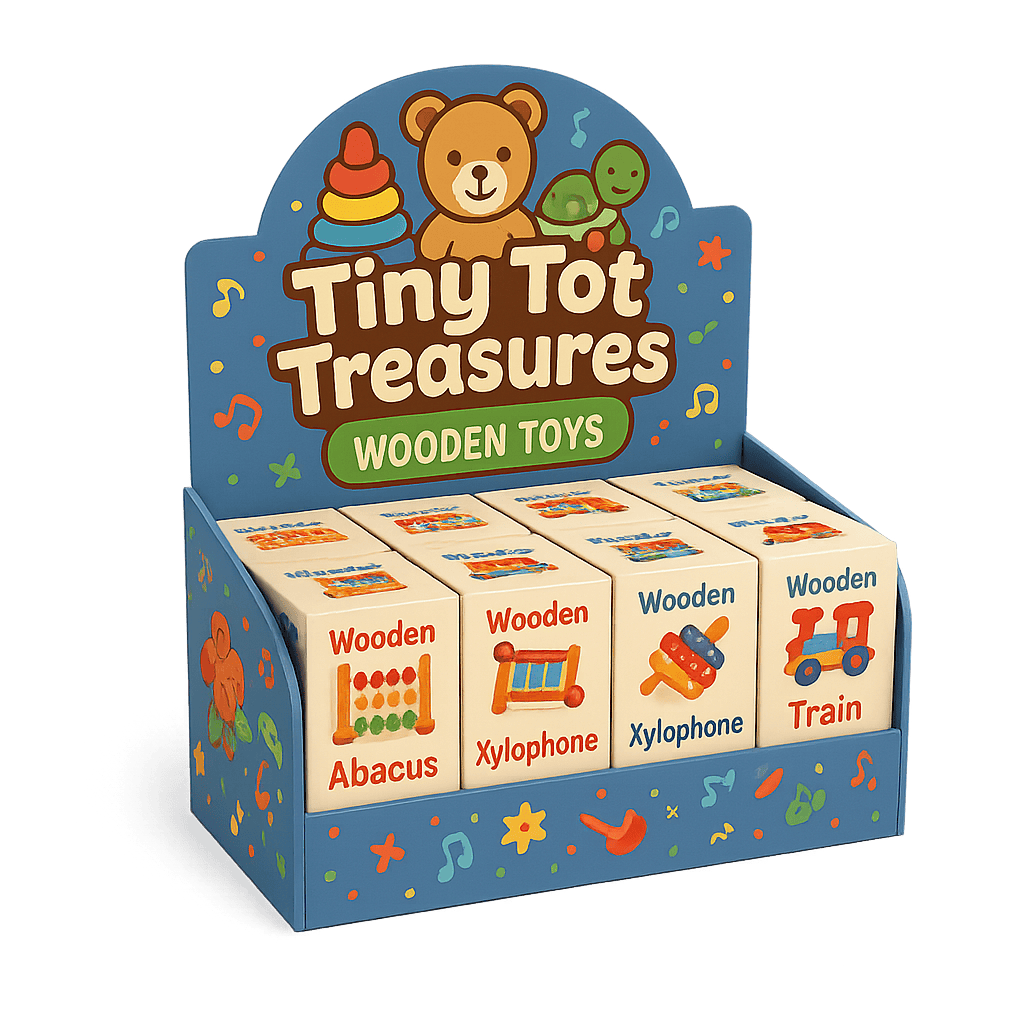
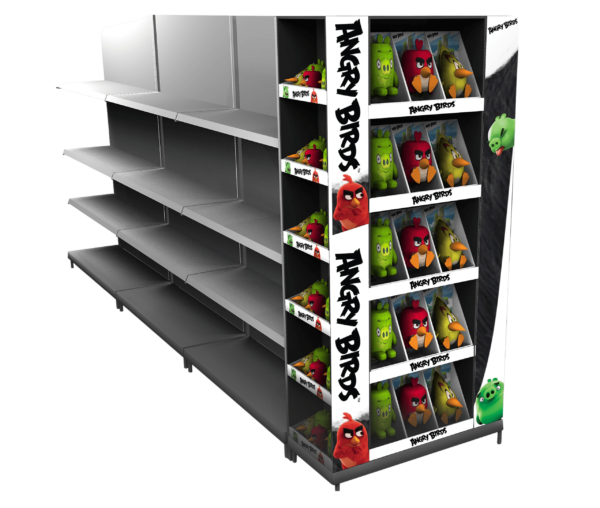
Point of Purchase (POP) displays are a dynamic marketing tool used to engage customers and boost sales at the point of decision-making. Whether you’re a retailer or a brand looking to promote your products effectively, creating a successful POP display requires careful planning and execution. In this comprehensive buyer’s guide, we’ll walk you through the essential 10 steps to begin your journey into the world of POP displays. Define Your Goals and Objectives Know Your Target Audience Determine Placement Design the Display Budget and Resources Manufacturing and Assembly Testing and Refinement Deployment and Installation Monitor and Evaluate Adapt and Optimize Step 1: Define Your Goals and Objectives Before diving into the design and creation of a POP display, it’s crucial to establish clear goals and objectives. Ask yourself: What specific products or promotions do you want to highlight? What are your sales targets and timeframes? Are you aiming to increase brand visibility, introduce a new product, or boost impulse purchases? Having a well-defined purpose for your POP display will guide your decision-making throughout the process. Step 2: Know Your Target Audience Understanding your target audience is fundamental to designing an effective POP display. Consider factors such as demographics, preferences, and buying behavior. Knowing your audience allows you to tailor your display to appeal directly to them. Step 3: Determine Placement Identify the optimal location for your POP display within the retail space. Factors to consider include foot traffic patterns, visibility, and proximity to related products. Collaborate with the retailer to secure a prime location if possible. Step 4: Design the Display This step involves creating the visual and structural elements of your POP display. Key considerations include: Eye-Catching Design: Use attractive visuals, colors, and graphics that align with your brand identity and resonate with your target audience. Product Placement: Arrange products strategically, ensuring they are accessible and easy to reach for customers. Signage and Messaging: Incorporate clear and concise signage that conveys product information, benefits, and pricing. Branding: Maintain consistency in branding elements, including logos, fonts, and color schemes. Materials and Durability: Select high-quality materials and construction that can withstand the rigors of a retail environment. Step 5: Budget and Resources Determine your budget for creating and implementing the POP display. Consider costs related to design, materials, manufacturing, and installation. Allocate resources accordingly to ensure a smooth execution. Step 6: Manufacturing and Assembly Choose a reputable manufacturer or supplier to bring your POP display to life. Ensure that the manufacturing process aligns with your design specifications and quality standards. Assembly and construction should be easy and straightforward for store personnel. Step 7: Testing and Refinement Before final deployment, conduct tests to ensure that the POP display functions as intended. Consider factors like customer interaction, stability, and overall appeal. Make any necessary refinements based on feedback and insights. Step 8: Deployment and Installation Coordinate with the retailer to install the POP display in the designated location. Ensure that installation is completed correctly and that all elements are in place. Step 9: Monitor and Evaluate Track the performance of your POP display by monitoring sales data, customer feedback, and other relevant metrics. Evaluate its effectiveness in achieving your goals and objectives. Step 10: Adapt and Optimize Based on your evaluation, make adjustments to your POP display strategy as needed. This could include changes in design, placement, messaging, or product selection. Continuously adapt and optimize your approach to maximize results. Conclusion Creating a successful POP display is a strategic process that begins with setting clear goals, understanding your audience, and carefully planning every aspect of design and execution. By following these essential steps outlined in this buyer’s guide, you can embark on your POP display journey with confidence, knowing that you are on the path to capturing customer attention, boosting sales, and enhancing your brand’s visibility in the retail environment. Keep in mind that ongoing evaluation and adaptation are key to ensuring the continued success of your POP displays. If you are interested in point of purchase displays, then partner with Brown Packaging today to get started. (714)300-0650 request@brownpackaging.com Most Recent Posts: Categories: Corrugated Ecommerce ESD Design Display Flexible Packaging Foam Folding Carton Packaging Plastic Packaging Pouch Printing Protection Retail Rigid Box Thermoform Sustainability Subscribe To Our Newsletter By submitting your information, you agree to our terms and conditions and privacy policy. POP Displays Facebook Twitter LinkedIn Pinterest Relevant Posts

Full-Overlap (FOL) boxes are renowned for their structural integrity and robust design, making them a popular choice for packaging products that require extra protection during transit. In this detailed blog, we will delve into the features, functions, and customization options of Full-Overlap boxes, shedding light on why they are a go-to solution for businesses seeking secure and tailored packaging. Understanding Full-Overlap (FOL) Boxes Full-Overlap (FOL) boxes, as the name suggests, are characterized by their design, where the flaps on the top and bottom fully overlap when the box is closed. This unique feature distinguishes them from other box styles and contributes to their exceptional strength and protection. Key Features of Full-Overlap (FOL) Boxes Enhanced Protection: Full-Overlap boxes provide superior protection due to their overlapping flap design. This feature safeguards the contents from external impacts, moisture, and rough handling during shipping. Structural Integrity: The overlapping flaps enhance the structural integrity of the box, preventing it from collapsing or becoming deformed, even when stacked with other boxes. Secure Closure: FOL boxes feature a secure closure mechanism, typically using adhesive tape, glue, or staples, ensuring that the box remains sealed throughout the shipping process. Custom Sizing: Full-Overlap boxes can be custom-sized to fit specific product dimensions, minimizing excess space within the box and reducing the risk of damage due to movement during transit. Versatility: These boxes are versatile and suitable for various industries, including electronics, automotive, machinery, and delicate or heavy-duty items. Functions and Use Cases Shipping Fragile Items: Full-Overlap boxes are ideal for shipping fragile or delicate items, such as glassware, ceramics, electronics, and precision instruments, where protection against shocks and vibrations is crucial. Heavy-Duty Applications: Businesses that deal with heavy machinery, industrial equipment, or automotive parts often rely on FOL boxes to ensure the safe transit of their products. Retail Packaging: FOL boxes can be customized with branding and product information, making them suitable for retail packaging of high-end or premium items. Storage and Archive: Their robust construction also makes FOL boxes suitable for long-term storage and archiving of documents, records, and important materials. Customization Options Graphics and Branding: Full-Overlap boxes can be customized with printed graphics, logos, and branding to enhance their visual appeal and promote your brand. Interior Fittings: For added protection, you can include interior fittings such as foam inserts, partitions, or dividers to secure the contents within the box. Printing Options: Choose between digital, flexographic or lithographic printing methods to achieve the desired print quality and visual presentation. Material Selection: Select corrugated materials based on the level of protection required, whether single-wall or double-wall, and the flute type that suits your product’s fragility and weight. Conclusion Full-Overlap (FOL) boxes offer a winning combination of features, functions, and customization options that cater to a wide range of packaging needs. Their robust design, enhanced protection, and versatility make them a preferred choice for businesses looking to ensure the safe and secure transit of their products. Whether you need to protect fragile items, heavy-duty equipment, or showcase premium products, Full-Overlap boxes can be customized to meet your specific packaging requirements while leaving a lasting impression on your customers. If you are interested in full overlap corrugated boxes, then partner with Brown Packaging today to get started. (714)300-0650 request@brownpackaging.com Most Recent Posts: Categories: Corrugated Ecommerce ESD Design Display Flexible Packaging Foam Folding Carton Packaging Plastic Packaging Pouch Printing Protection Retail Rigid Box Thermoform Sustainability Subscribe To Our Newsletter By submitting your information, you agree to our terms and conditions and privacy policy. Full Overlap Boxes Facebook Twitter LinkedIn Pinterest Relevant Posts

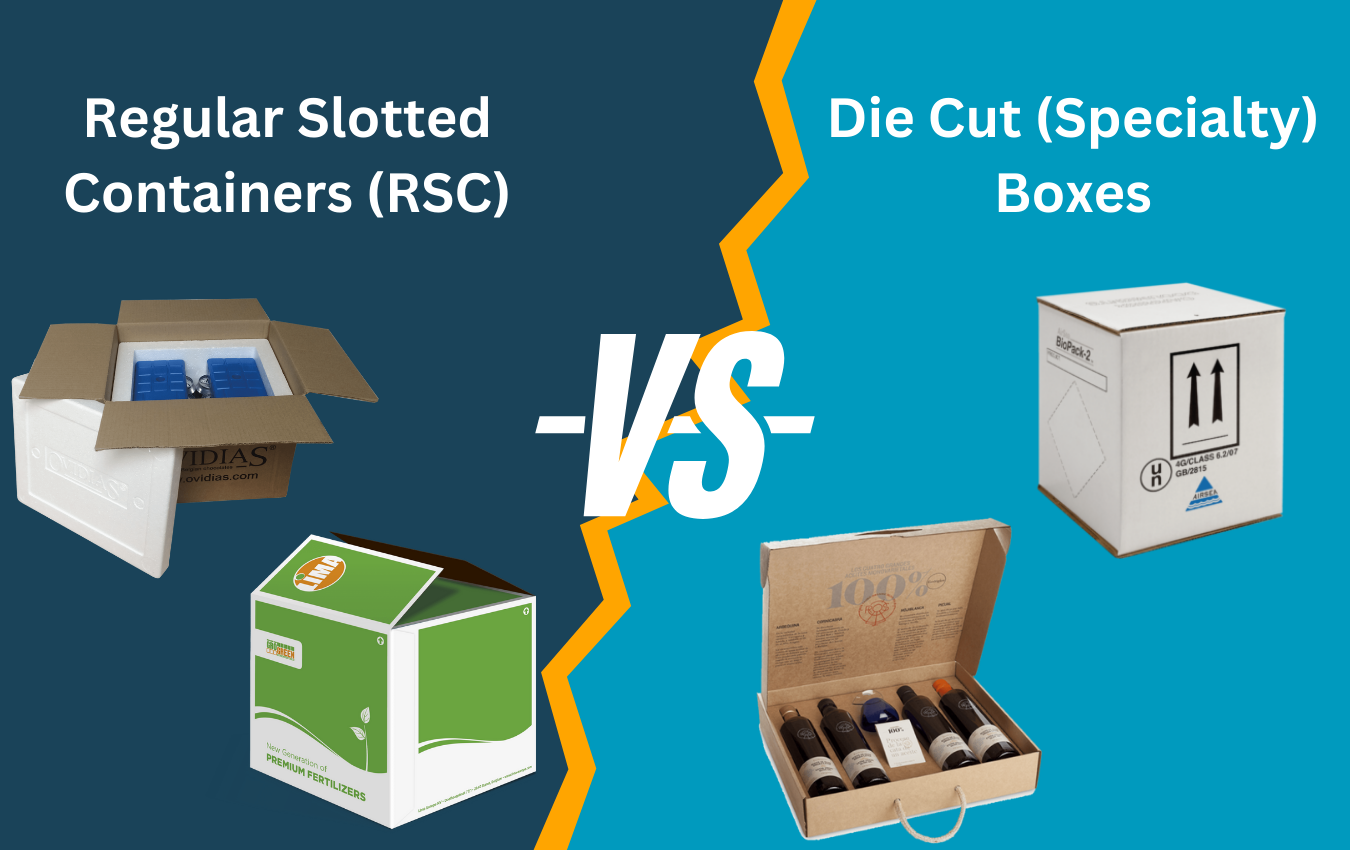
When it comes to packaging solutions, corrugated boxes offer versatility and protection. Among the common corrugated box styles are the Regular Slotted Container (RSC) box and the Full-Overlap (FOL) box. Each style caters to specific packaging needs, making them suitable for various applications. In this comparative analysis, we will explore the characteristics, use cases, advantages, and considerations of Corrugated RSC Boxes and Full-Overlap (FOL) Boxes to help you determine which is the right choice for your packaging requirements. What is a (RSC) Box? Regular Slotted Container (RSC) boxes are known for their simplicity and efficiency in design and production. They feature four flaps—two on the top and two on the bottom—that meet in the center when closed. RSC boxes are cost-effective and widely used across industries. What is a Full-Overlap (FOL) Box? Full-Overlap (FOL) boxes, in contrast, are designed with flaps that fully overlap when closed, providing added protection and structural integrity. These boxes excel in safeguarding products during transit, making them ideal for items that require extra strength and stability. A Comparative Analysis Design and Closure: Corrugated (RSC) Box: RSC boxes offer a straightforward design, making them easy to assemble and close with tape or adhesive. Closure involves folding the flaps on the top and bottom, taping or gluing to a secure seal. Full-Overlap (FOL) Box: FOL boxes feature overlapping flaps, enhancing structural integrity and security. The flaps provide additional protection and resistance to crushing, making FOL boxes ideal for fragile or heavy items. Protection and Strength: Corrugated (RSC) Box: RSC boxes offer standard protection and are suitable for a wide range of products. While they provide adequate strength, they may not be the best choice for heavy or delicate items. Full-Overlap (FOL) Box: FOL boxes excel in providing enhanced protection and structural integrity. They are ideal for shipping heavy, fragile or valuable items, including electronics, glassware, and machinery. Versatility: Corrugated (RSC) Box: RSC boxes are versatile and can be used for various products and industries. They are cost-effective and readily available in standard sizes. Full-Overlap (FOL) Box: FOL boxes are versatile as well but are often chosen for specific applications requiring superior protection. They may be slightly more expensive than RSC boxes due to their specialized design. Customization: Corrugated (RSC) Box: RSC boxes can be customized with printed graphics and branding, enhancing their visual appeal. Full-Overlap (FOL) Box: FOL boxes can also be customized with branding and graphics and are often used for premium or high-end products. Cost-Efficiency: Corrugated (RSC) Box: RSC boxes are generally more cost-effective due to their simpler design and ease of production. Full-Overlap (FOL) Box: FOL boxes may come at a slightly higher cost, primarily due to their enhanced protective features. Choosing the Right Box for Your Needs The choice between Corrugated RSC Boxes and Full-Overlap (FOL) Boxes hinges on your specific packaging requirements. Here are some considerations: If you need a cost-effective and versatile solution for standard products, Corrugated RSC Boxes are a practical choice. If you’re shipping fragile or valuable items, heavy machinery, or electronics, Full-Overlap (FOL) Boxes offer superior protection and structural integrity. Customization and branding are possible with both box styles, allowing you to create a unique packaging experience for your customers. If you are interested corrugated boxes like RSC, FOL and other styles, then partner with Brown Packaging today to get started. (714)300-0650 request@brownpackaging.com Most Recent Posts: Categories: Corrugated Ecommerce ESD Design Display Flexible Packaging Foam Folding Carton Packaging Plastic Packaging Pouch Printing Protection Retail Rigid Box Thermoform Sustainability Subscribe To Our Newsletter By submitting your information, you agree to our terms and conditions and privacy policy. Custom Corrugated Boxes Facebook Twitter LinkedIn Pinterest Relevant Posts

In the world of packaging, there’s a constant pursuit of innovation and improvement to ensure products are not only securely packaged but also easy to access. One such advancement in packaging technology is the incorporation of cherry locks in roll end tuck top (RETT) boxes. In this blog, we will delve into the intricacies of cherry locks, exploring their design, features, benefits, and the scenarios where they prove to be an invaluable addition to RETT boxes. Understanding Cherry Locks Cherry locks, also known as snap locks or friction locks, are a locking mechanism employed in packaging to secure the top flaps of boxes without the need for additional adhesives or tape. These locks are specifically designed to offer a secure closure while allowing for effortless and repeated opening, making them ideal for applications where ease of access is crucial. Here’s a closer look at their design and features: Benefits of Cherry Locks Cherry locks offer several advantages, making them a valuable addition to RETT boxes: Enhanced Security: Cherry locks provide a secure closure that prevents accidental opening during transit while deterring tampering or unauthorized access. Easy Access: The user-friendly design of cherry locks allows for quick and effortless opening, making them ideal for products that need to be accessed frequently, such as retail items or subscription boxes. Sustainability: Cherry locks contribute to sustainability efforts as they reduce the reliance on single-use adhesives and tapes, promoting eco-friendly packaging practices. These boxes can also be reused and repurposed. Cost Savings: While cherry locks may initially seem like a slightly higher investment, their reusability ultimately leads to cost savings by eliminating the need for additional sealing materials. Cherry Locks in Roll End Tuck Top Boxes Roll end tuck top boxes, with their inherent durability and versatility, are a perfect pairing for cherry locks. These boxes are constructed to provide a secure enclosure while allowing for easy customization and branding. When cherry locks are integrated into RETT boxes, they bring an added layer of security and convenience to the packaging solution. Scenarios for Using Cherry Locks in RETT Boxes Cherry locks are a versatile locking mechanism that can be employed in various industries and applications: Retail Packaging: RETT boxes with cherry locks are an excellent choice for retail packaging, ensuring that products remain secure on the shelves while allowing customers to open and inspect them easily. E-commerce: For e-commerce businesses, cherry locks enhance the security of shipped items while offering recipients a hassle-free unboxing experience. Subscription Boxes: Subscription box services benefit from cherry locks as they combine security with the convenience of repeated opening for subscribers. Electronics and Gadgets: Sensitive electronics and gadgets can be securely packaged with cherry locks, ensuring the contents are protected during shipping and readily accessible to users. Conclusion Cherry locks in roll end tuck top boxes represent a significant innovation in packaging design, offering the perfect balance between security and ease of access. Understanding the design, features, benefits, and potential applications of cherry locks can help businesses make informed choices when selecting packaging solutions. Whether you are in retail, e-commerce, or any other industry, the integration of cherry locks into RETT boxes can enhance your packaging strategy, providing a secure and user-friendly experience for both businesses and customers alike. If you are interested in roll end tuck top boxes with cherry locks, then partner with Brown Packaging today to get started. (714)300-0650 request@brownpackaging.com Most Recent Posts: Categories: Corrugated Ecommerce ESD Design Display Flexible Packaging Foam Folding Carton Packaging Plastic Packaging Pouch Printing Protection Retail Rigid Box Thermoform Sustainability Subscribe To Our Newsletter By submitting your information, you agree to our terms and conditions and privacy policy. Roll End Tuck Top Facebook Twitter LinkedIn Pinterest Relevant Posts

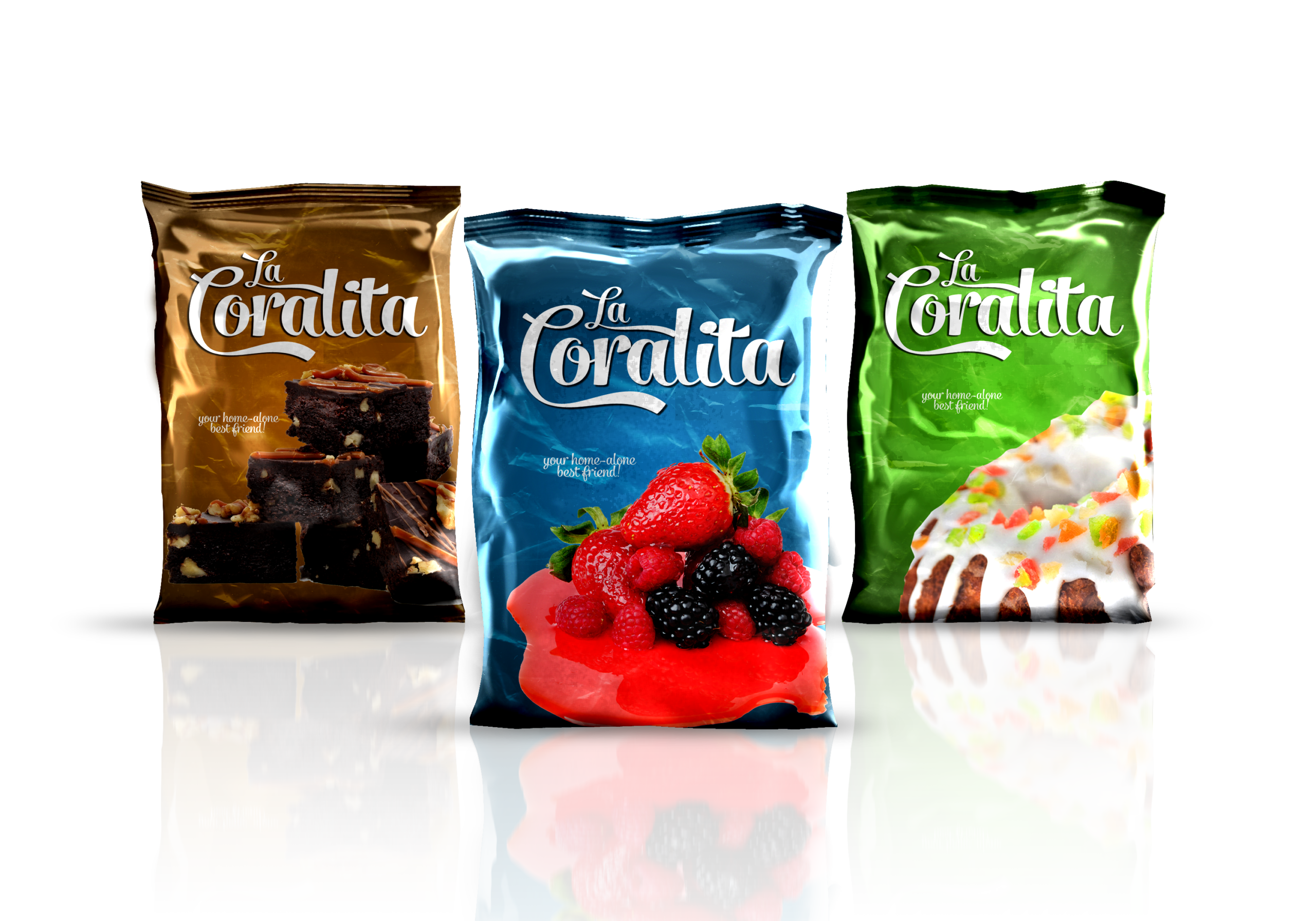
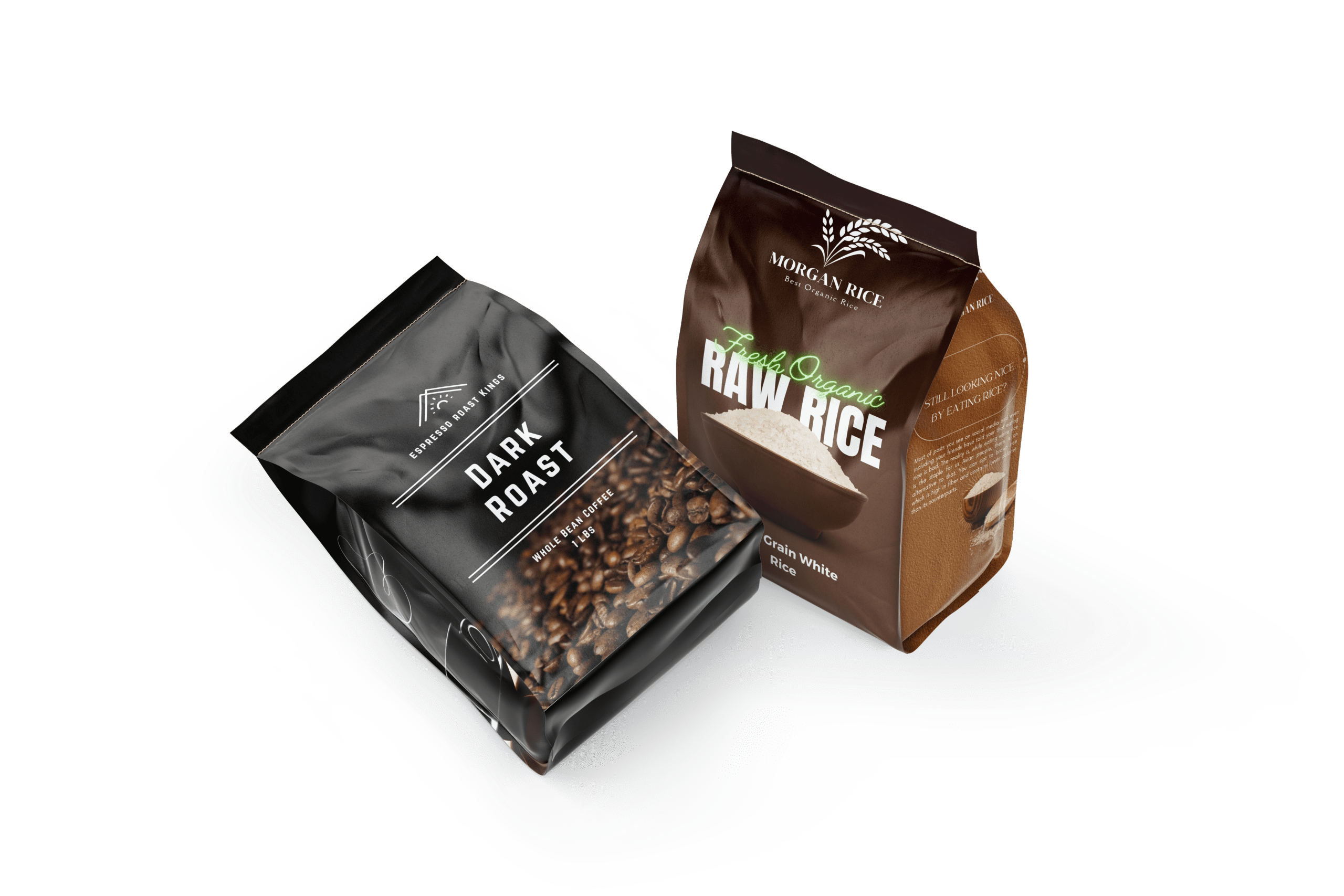
As a small business owner, bringing your product to retail is a significant milestone, and the packaging plays a crucial role in making a lasting impression on customers. Proper packaging not only protects your product but also enhances its visual appeal and brand recognition. In this comprehensive guide, we’ll walk you through the essential steps and considerations for creating the correct and proper packaging for your product as you navigate the retail landscape. Understand Your Product and Audience Before diving into packaging design, take the time to thoroughly understand your product and target audience. What are the unique features and benefits of your product? What problem does it solve for your customers? Knowing your product inside and out will help you tailor your packaging to its specific needs and the preferences of your audience. Determine Your Budget Packaging costs can vary significantly depending on factors like materials, design complexity, and order quantity. Determine your budget for packaging early in the process to ensure you strike the right balance between cost and quality. Remember that packaging is an investment in your brand’s success. Choose the Right Materials Selecting the appropriate packaging materials is essential for product protection and presentation. Consider factors such as product fragility, weight, and environmental impact when choosing materials. Common packaging materials include cardboard, corrugated cardboard, plastic, glass, and more. If sustainability is a priority, explore eco-friendly options. Focus on Functionality Functionality is key when designing retail packaging. Your packaging should not only protect your product but also make it easy for customers to access and use. Consider features like resealable closures, easy-open tabs, and clear windows that allow customers to see the product inside. Design for Brand Identity Your packaging should align with your brand’s identity and convey a cohesive message. Use your brand colors, logo, and typography consistently across all packaging elements. A well-designed package enhances brand recognition and encourages customer loyalty. Follow Retailer Guidelines If you plan to sell your product through specific retailers, be sure to understand their packaging guidelines and requirements. Retailers often have specific packaging standards that must be met for shelf placement. Failing to comply with these guidelines can hinder your product’s entry into retail stores. Test and Iterate Before finalizing your packaging, conduct testing and gather feedback. Test the packaging for durability, functionality, and visual appeal. Seek input from potential customers, friends, or focus groups to ensure it resonates with your target audience. Be open to making adjustments based on the feedback you receive. Consider Sustainability Sustainability is an increasingly important factor in packaging design. Many consumers prefer eco-friendly packaging, so explore options like recyclable materials, reduced packaging waste, and sustainable printing practices. Highlight your commitment to sustainability on your packaging if applicable. Work with Professionals If you’re not confident in your packaging design skills, consider working with packaging professionals, such as graphic designers and packaging manufacturers. They can provide expertise and guidance to create packaging that meets industry standards and customer expectations. Plan for Production and Distribution Once you’ve finalized your packaging design, plan for production and distribution. Choose a reliable packaging manufacturer or supplier that can meet your production needs. Ensure that your packaging is compatible with your distribution methods and can withstand the rigors of shipping and handling. Conclusion Creating the correct and proper packaging for your small business product is a critical step in bringing it to retail success. Invest time and resources in thoughtful packaging design that aligns with your brand identity, appeals to your target audience, and meets retailer requirements. A well-designed package not only enhances your product’s chances of success on retail shelves but also communicates your brand’s values and quality to customers. With the right packaging strategy, your small business can make a memorable impact in the retail marketplace. If you are interested in bringing your products to retail with the correct packaging solutions, then partner with Brown Packaging today to get started. (714)300-0650 request@brownpackaging.com Most Recent Posts: Categories: Corrugated Ecommerce ESD Design Display Flexible Packaging Foam Folding Carton Packaging Plastic Packaging Pouch Printing Protection Retail Rigid Box Thermoform Sustainability Subscribe To Our Newsletter By submitting your information, you agree to our terms and conditions and privacy policy. Retail Packaging Facebook Twitter LinkedIn Pinterest Relevant Posts

In the competitive world of retail, effective packaging can make all the difference. If your product finds itself on the bottom shelf, it’s essential to invest in packaging that not only protects your product but also captures the attention of shoppers. In this comprehensive guide, we’ll explore how to package your product for retail and make it stand out, even when placed on the bottom shelf. Know Your Target Audience Eye-Catching Design Optimize Packaging Size Clear Product Information Use Unique Shapes Incorporate Interactive Elements Highlight Key Selling Points Utilize Color Psychology Test Store Layouts Collaborate with Retailers Understanding the Significance of Shelf Placement The placement of your product on the retail shelf can greatly impact its visibility and sales. Bottom shelf placement is a common challenge, as it may be less eye-catching than eye-level or top-shelf locations. However, with strategic packaging and design, you can overcome this challenge and make your product shine. Know Your Target Audience Understanding your target audience is the first step in creating effective packaging. What appeals to your potential customers? What are their preferences and priorities? Tailor your packaging design to resonate with your target demographic. Eye-Catching Design Invest in a visually appealing packaging design that grabs attention. Use vibrant colors, compelling graphics, and high-quality images to make your product stand out. Ensure that your packaging reflects the essence of your brand and the uniqueness of your product. Optimize Packaging Size Consider the dimensions of your packaging. If your product is on the bottom shelf, it should be easy to reach and handle. Avoid oversized or bulky packaging that can be challenging for customers to access. Clear Product Information Provide clear and concise product information on the packaging. Shoppers should be able to quickly understand what your product is, its key features, and its benefits. Use legible fonts and make essential details easily visible. Use Unique Shapes Consider unique packaging shapes that distinguish your product from the competition. Unconventional shapes can pique curiosity and draw shoppers’ attention. However, ensure that the shape aligns with your brand and product identity. Incorporate Interactive Elements Interactive packaging features can engage shoppers and make your product memorable. This might include peel-and-reveal labels, cut-out windows, or embossed textures that invite touch and exploration. Highlight Key Selling Points Identify your product’s key selling points and prominently feature them on the packaging. Whether it’s eco-friendly materials, product quality, or a special promotion, make sure these attributes are clearly communicated. Utilize Color Psychology Harness the power of color psychology to evoke specific emotions and associations. Different colors can convey trust, excitement, or relaxation, depending on your brand and product message. Test Store Layouts Visit retail stores where your product is sold and observe how the bottom shelves are arranged. Request shelf adjustments or rearrangements if necessary to ensure better visibility. Collaborate with Retailers Build strong relationships with retailers and collaborate on promotional opportunities. Retailers may provide signage, displays, or end-cap placements that can enhance your product’s visibility. Conclusion Effective packaging is a crucial element in making your product stand out on the bottom shelf of retail stores. By understanding your target audience, investing in eye-catching design, optimizing packaging size, providing clear product information, using unique shapes, incorporating interactive elements, highlighting key selling points, leveraging color psychology, testing store layouts, and collaborating with retailers, you can increase your product’s chances of success, even in a less prominent location. Remember that packaging is not just a protective shell; it’s a powerful marketing tool that can influence shoppers’ buying decisions. With thoughtful and strategic packaging, you can make your product a standout success on any shelf. (714)300-0650 request@brownpackaging.com Most Recent Posts: Categories: Corrugated Ecommerce ESD Design Display Flexible Packaging Foam Folding Carton Packaging Plastic Packaging Pouch Printing Protection Retail Rigid Box Thermoform Sustainability Subscribe To Our Newsletter By submitting your information, you agree to our terms and conditions and privacy policy. Custom Packaging Facebook Twitter LinkedIn Pinterest Relevant Posts

Choosing corrugated boxes for packaging needs is a decision that offers unparalleled benefits in terms of protection, sustainability, and cost-effectiveness. These boxes stand out for their robust design, versatility, and environmental friendliness, making them a top choice for businesses looking to optimize their packaging solutions. Superior Protection At the heart of the appeal of corrugated boxes is their exceptional ability to protect contents during shipping and storage. The secret lies in their construction: a fluted corrugated sheet sandwiched between one or two linerboards. This structure creates a sturdy yet cushioned barrier against impacts, vibrations, and compressive forces, ensuring that items inside remain secure and undamaged. The fluting also provides excellent insulation against temperature changes, which is crucial for the safe transport of sensitive products. Customization and Flexibility Corrugated boxes can be easily customized to meet the specific needs of any product, regardless of size, shape, or fragility. This flexibility ensures that every item can be packaged in a box that fits perfectly, reducing the risk of movement and damage. Additionally, these boxes can be printed with logos, branding elements, or handling instructions, enhancing brand visibility and providing valuable information to handlers and consumers alike. Environmental Sustainability In today’s eco-conscious market, the sustainability of packaging materials is more important than ever. Corrugated boxes excel in this area, as they are made from recycled paper and are fully recyclable themselves. The industry’s commitment to sustainable practices means that the majority of corrugated cardboard is produced using renewable energy sources, and the high recycling rate of these boxes reduces the need for virgin paper, conserving natural resources and minimizing environmental impact. Cost Efficiency Despite their high quality and performance, corrugated boxes are an economical packaging option. Their lightweight design lowers shipping costs, and the materials used in their production are relatively inexpensive, especially when compared to alternative packaging solutions. This cost efficiency makes corrugated boxes an attractive choice for businesses of all sizes, from small startups to large corporations. Durability for Repeated Use Corrugated boxes are not only strong but also durable enough for multiple uses, underlining their value and efficiency. When handled and stored properly, these boxes can be reused several times, further extending their lifecycle and enhancing their environmental benefits. This durability also contributes to their cost-effectiveness, as the ability to reuse boxes can significantly reduce packaging costs over time. Wide Range of Applications The versatility and adaptability of corrugated boxes make them suitable for a vast array of applications. From fragile electronics and perishable food items to bulky industrial equipment, corrugated boxes can be engineered to meet the specific requirements of virtually any product. This wide-ranging applicability ensures that businesses in diverse sectors can rely on these boxes for their packaging needs. Conclusion The choice of corrugated boxes for packaging is justified by their protective qualities, customization options, environmental sustainability, cost-efficiency, and durability. These advantages make corrugated boxes an indispensable resource for businesses seeking reliable, responsible, and effective packaging solutions. With their ability to cater to a wide range of products and their contribution to sustainable packaging practices, corrugated boxes are not just a choice but a necessity for forward-thinking businesses today. If you are interested in corrugated boxes, then partner with Brown Packaging today to get started. (714)300-0650 request@brownpackaging.com Most Recent Posts: Categories: Corrugated Ecommerce ESD Design Display Flexible Packaging Foam Folding Carton Packaging Plastic Packaging Pouch Printing Protection Retail Rigid Box Thermoform Sustainability Subscribe To Our Newsletter By submitting your information, you agree to our terms and conditions and privacy policy. Custom Corrugated Boxes Facebook Twitter LinkedIn Pinterest Relevant Posts

Effective packaging plays a crucial role in product presentation and protection across various industries. Among the many packaging options available, blister packaging stands out as a versatile and valuable choice. Blister packs find widespread use in sectors such as pharmaceuticals, electronics, toys, and consumer goods. In this comprehensive guide, we’ll delve into the top 10 reasons why blister packaging should be a strong consideration for your product packaging needs. Enhanced Product Visibility Reliable Protection from Contamination Tamper-Evident Features Extensive Customization Options Exceptional Durability Cost-Effective Solution Space Efficiency Sustainability Considerations Shelf-Life Extension Versatile Packaging Solution Enhanced Product Visibility Blister packaging excels in showcasing your product. Its transparent plastic shell offers a clear view of the item within. This visibility builds consumer trust and confidence as customers can precisely see the product they are purchasing, reducing the likelihood of misunderstandings or dissatisfaction. Reliable Protection from Contamination One of the primary advantages of blister packs is their superior protection against external contaminants. The sealed plastic shell encases the product securely, shielding it from dust, moisture, and handling. This ensures that your product remains clean and intact until it is opened by the end-user. Tamper-Evident Features Blister packaging can be designed to incorporate tamper-evident features, such as perforated edges or prominently printed warnings. These elements reassure customers that the product has not been tampered with, enhancing safety and trust in your brand. Extensive Customization Options Blister packs offer ample room for customization. You can tailor the packaging to precisely fit the shape and size of your product, allowing you to add branding elements, labels, or eye-catching graphics. This level of customization creates a unique and visually appealing presentation that sets your product apart. Exceptional Durability Blister packs are renowned for their durability. They can withstand the rigors of handling, transportation, and storage. The robust plastic shell resists tearing, ensuring that your products reach customers in excellent condition. Cost-Effective Solution Blister packaging is often a cost-effective choice, particularly for high-volume production. The efficiency of the packaging process and material options can help reduce overall packaging costs while maintaining quality. Space Efficiency Blister packs are space-efficient, making them ideal for retailers and businesses with limited shelf or storage space. The compact design allows for easy stacking and storage, optimizing space usage. Sustainability Considerations Blister packaging can be designed with sustainability in mind. Many blister pack materials are recyclable, contributing to eco-friendly packaging practices. By choosing sustainable options, you can reduce your environmental footprint and appeal to environmentally conscious consumers. Shelf Life Extension Blister packs can be designed to extend the shelf life of products that require protection from moisture, light, or oxygen. This is particularly crucial for industries such as pharmaceuticals and food, where product freshness and integrity are paramount. Versatile Packaging Solution Blister packaging’s versatility is one of its standout features. It is suitable for a wide range of products, spanning pharmaceuticals, cosmetics, small electronics, hardware, and more. Its adaptability and compatibility with diverse product types make it a popular choice across various industries. Blister packaging offers a multitude of advantages, making it an attractive and versatile option for product packaging. Its transparency, contamination protection, tamper-evident features, customization possibilities, durability, cost-effectiveness, and space efficiency are some of the key reasons businesses opt for blister packaging. Additionally, blister packs can contribute to sustainability goals, extend product shelf life, and accommodate a wide array of products. Whether you operate in the pharmaceutical, electronics, or consumer goods industry, exploring the benefits of blister packaging can enhance your product’s appeal, protection, and marketability. If you are interested in blister packaging, then partner with Brown Packaging today to get started. (714)300-0650 request@brownpackaging.com Most Recent Posts: Categories: Corrugated Ecommerce ESD Design Display Flexible Packaging Foam Folding Carton Packaging Plastic Packaging Pouch Printing Protection Retail Rigid Box Thermoform Sustainability Subscribe To Our Newsletter By submitting your information, you agree to our terms and conditions and privacy policy. Custom Corrugated Boxes Facebook Twitter LinkedIn Pinterest Relevant Posts

Mailing tubes are a popular choice for safely shipping and storing various items, such as posters, blueprints, and documents. While these tubes offer excellent protection and convenience, understanding order minimums in packaging is equally important, especially for businesses looking to source mailing tubes efficiently. In this comprehensive guide, we will explore mailing tubes, their advantages, and how order minimums can impact your packaging decisions. The Advantages of Mailing Tubes Before delving into order minimums, let’s examine why mailing tubes are favored for packaging: Protection: Mailing tubes provide a secure and protective enclosure for rolled or cylindrical items, preventing damage during transit. Versatility: They come in various lengths and diameters, making them suitable for a wide range of products, from artwork to blueprints. Convenience: Mailing tubes are easy to use, requiring minimal assembly and offering a hassle-free packing experience. Brand Presentation: They allow for branding and labeling, helping businesses convey their identity and professionalism. Now, let’s explore the concept of order minimums: Understanding Order Minimums In the world of packaging, order minimums refer to the minimum quantity of a specific packaging product that a supplier requires you to purchase in a single order. These minimums can vary significantly among suppliers and depend on factors such as the type of packaging, size, and customization options. Factors Impacting Order Minimums for Mailing Tubes Several factors can influence the order minimums for mailing tubes: Size and Dimensions: Larger or custom-sized tubes may have higher minimum order quantities due to their specialized production requirements. Material and Customization: Tubes made from unique materials or with custom printing, branding, or finishes may have specific minimums. Supplier Policies: Each packaging supplier may have its own policies regarding minimum orders. Some suppliers cater to small businesses with lower minimums, while others primarily serve larger enterprises. Volume Discounts: Suppliers often offer volume discounts, encouraging customers to order larger quantities by reducing the cost per unit. Determining the Right Order Quantity When deciding on the order quantity for mailing tubes, consider the following factors: Usage Frequency: Assess how frequently you use mailing tubes in your packaging operations. Ordering in larger quantities may be cost-effective if you use them regularly. Storage Space: Consider your available storage space for bulk orders. Ensure you have adequate space to store the tubes without overcrowding your facility. Budget Constraints: Evaluate your budget and cash flow. Ordering larger quantities may require a more substantial upfront investment, so ensure it aligns with your financial capabilities. Supplier Relationships: Establish a relationship with a packaging supplier who understands your needs and offers flexible order minimums that match your requirements. Lead Times: Take into account the lead times required for manufacturing and delivery. Ordering larger quantities may allow you to reduce order frequency. Custom Mailing Tubes and Order Minimums If you require custom mailing tubes with unique dimensions, branding, or printing, be prepared for potentially higher order minimums. Customization often involves specialized production processes and setup costs that can impact minimum quantity requirements. Conclusion Mailing tubes are a valuable packaging solution for various industries and products. Understanding order minimums and their impact on your packaging decisions is crucial for efficient sourcing and cost-effective operations. By carefully assessing your usage needs, budget, and supplier options, you can strike the right balance between order quantities and packaging requirements. Establishing a reliable supplier relationship that aligns with your business goals is key to optimizing your mailing tube procurement strategy. If you are interested in a large volume of mailing tubes, then partner with Brown Packaging today to get started. (714)300-0650 request@brownpackaging.com Most Recent Posts: Categories: Corrugated Ecommerce ESD Design Display Flexible Packaging Foam Folding Carton Packaging Plastic Packaging Pouch Printing Protection Retail Rigid Box Thermoform Sustainability Subscribe To Our Newsletter By submitting your information, you agree to our terms and conditions and privacy policy. Custom Mailing Tubes Facebook Twitter LinkedIn Pinterest Relevant Posts

Whether storing household items, packing for a move, or packaging products for shipping, we often take corrugated boxes for granted. They offer strength, durability, and protection for their contents, making them indispensable for a wide variety of uses. Today, we’re going to peek behind the curtain and understand the process of creating these boxes. The process is quite fascinating and involves several key steps that ultimately result in the production of a corrugated box. Corrugated cardboard is the material of choice for many types of packaging and is specifically designed to be both light and sturdy. But what makes this material so unique? What is Corrugated Cardboard? Corrugated cardboard is a type of paper-based material consisting of a fluted corrugated sheet and one or two flat linerboards. The corrugated or fluted layer provides strength and rigidity while remaining lightweight, while the linerboards provide a smooth surface suitable for printing. The Corrugated Box Manufacturing Process The manufacturing process of corrugated boxes involves several stages. Here is an inside look into the entire process: Pulp Preparation The process begins with the creation of paper pulp. This pulp is made from tree logs that are stripped of their bark, chipped into small pieces, and then cooked to break them down into a soupy mixture. This pulp is then bleached, cleaned, and transformed into a paper substance by pressing and drying. Making the Corrugated Cardboard The next step is to create the corrugated cardboard. A machine called a corrugator takes huge rolls of paper and heats them to approximately 200 degrees Celsius to make them pliable. Adhesive is then applied to the tips of the corrugations, and the outer liner is glued to them. Another adhesive is then applied to the other side of the corrugated medium, and the other liner is attached, creating a complete corrugated cardboard sheet. Cutting and Printing Once the corrugated cardboard is made, it is cut and printed based on the specifications of the order. Large sheets of the cardboard are cut into box blanks, which are simply flat pieces of corrugated cardboard that are ready to be folded into boxes. At this point, if the boxes need to be printed with text or images, the printing process happens. Flexographic printing is most commonly used, which uses flexible relief plates to apply the desired image or text to the box. Folding and Gluing The box blanks are then sent to a machine that folds them into the shape of a box. This machine also applies glue to the areas that need to be attached to create the box’s final shape. The glue is typically applied to the manufacturer’s joint, which is the one edge of the box that is glued during the manufacturing process. Bundling and Shipping Finally, the boxes are bundled together and prepared for shipment. They are often tied together in bundles of 25, 50, or 100, depending on their size. These bundles are then stacked onto pallets and wrapped in plastic for protection during transport. The Importance of Corrugated Boxes Corrugated boxes aren’t just useful; they’re a necessity in our modern world. With e-commerce booming and the continuous need for shipping goods globally, corrugated boxes provide the strength and durability required to protect products from the warehouse to the consumer’s doorstep. The Future of Corrugated Box Manufacturing Looking ahead, the corrugated box industry continues to innovate and improve its manufacturing processes. Sustainability has become a major focus, with efforts to increase recycling and reduce waste becoming increasingly important. This focus on sustainability aligns with the growing consumer demand for environmentally-friendly packaging. Moreover, the integration of advanced technologies, such as automation and AI, into the manufacturing process can boost efficiency and accuracy, further revolutionizing the industry. Indeed, the humble corrugated box continues to play a crucial role in global commerce, and its production process will undoubtedly continue to evolve and improve in response to shifting consumer needs and technological advancements. To conclude, the manufacturing process of corrugated boxes is a fascinating journey from tree to final product. The meticulous steps undertaken to create these strong, versatile boxes demonstrate the ingenuity and efficiency of modern manufacturing. We hope this deep dive into the process gives you a new appreciation for the seemingly simple corrugated box and its important role in our everyday lives. If you are interested stock or custom corrugated boxes, then partner with Brown Packaging today to get started. (714)300-0650 request@brownpackaging.com Most Recent Posts: Categories: Corrugated Ecommerce ESD Design Display Flexible Packaging Foam Folding Carton Packaging Plastic Packaging Pouch Printing Protection Retail Rigid Box Thermoform Sustainability Subscribe To Our Newsletter By submitting your information, you agree to our terms and conditions and privacy policy. Custom Corrugated Boxes Facebook Twitter LinkedIn Pinterest Relevant Posts

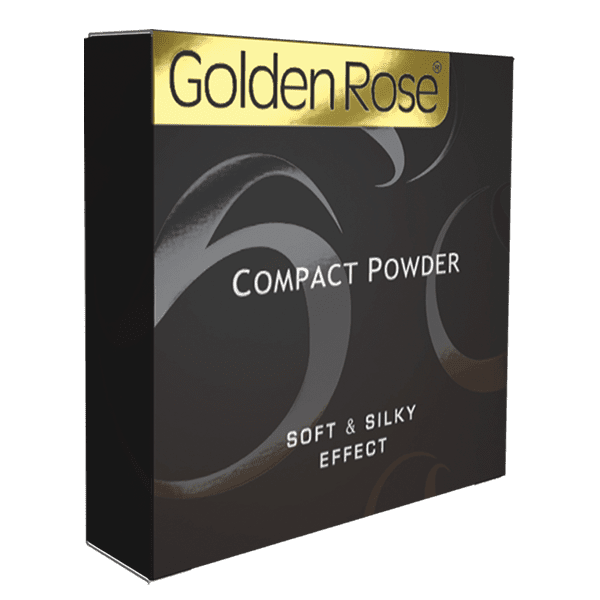
Straight Tuck End (STE) folding cartons are a popular and widely used type of packaging for consumer goods such as food, beverage, cosmetics, and household items. In this blog, we will explore the various aspects of STE folding cartons, including the materials used, customization options, sustainability considerations, and their benefits compared to other packaging styles. Materials Used in Straight Tuck End Folding Cartons One of the most common materials used for STE folding cartons is paperboard. Paperboard is a thick and stiff sheet made from recycled paper that is economical and easily printable. It is also recyclable or biodegradable, making it an environmentally friendly choice. The most popular material is SBS (Solid Bleached Sulfate) paperboard. SBS is a high-quality, bright white paperboard that provides a premium look and feel. It is often used for luxury or high-end products where a premium appearance is important. Chipboard is another material that can be used for STE folding cartons. Chipboard is a low-cost that provides good product protection. It is a less dense and less durable material than other alternatives, but it is still a popular choice for certain applications. CNK (Clay Coated Newsback) and CCNB (Clay Coated Natural Back) paperboard are another option that is commonly used for STE folding cartons. CNK and CCNB is a durable and printable paperboard materials that provide good product protection and are a cost-effective alternative to SBS paperboard. Customization Options Straight Tuck End folding cartons can be easily customized to meet your specific needs and help you stand out in a crowded market. They can be printed with your company’s branding and product information, and they can be manufactured in a variety of sizes and shapes to fit your product. You can also choose from a range of finishes, such as matte or glossy, to give your cartons a unique look and feel. Sustainability Considerations Sustainability is an important consideration for many companies when it comes to packaging. Straight Tuck End folding cartons made from paperboard are a sustainable option as paperboard can be recycled or biodegraded after use. However, it’s important to consider the entire lifecycle of the product, including production and transportation, to ensure that your packaging is as sustainable as possible. Packaging Applications STE folding cartons are a versatile packaging option that can be used for a wide range of products and industries. They are suitable for both manual and automated packing processes and can be used for food, beverage, cosmetic, and household items. They are also commonly used for gift and premium packaging as well as for over-the-counter products. Benefits and Advantages of Straight Tuck End Folding Cartons There are several benefits and advantages to using Straight Tuck End folding cartons compared to other packaging styles. Some of these include: Cost-effective: STE folding cartons are an economical option that provides good product protection. Customizable: They can be easily customized to meet your specific needs and can be printed with your company’s branding and product information. Versatile: They are suitable for a wide range of products and industries and can be used for both manual and automated packing processes. Sustainable: Paperboard is recyclable or biodegradable, making STE folding cartons a sustainable option for those looking to minimize their environmental impact. Summary: Straight Tuck End Folding Cartons In conclusion, Straight Tuck End folding cartons are a popular and versatile option for packaging consumer goods. With a range of material options, including CNK and CCNB, SBS, chipboard, and CNK, and the ability to be easily customized, STE folding cartons offer a cost-effective and sustainable solution for a wide range of products and industries. Whether you are looking to package food, beverages, cosmetics, or household items, STE folding cartons provide good product protection and a premium look and feel that can help you stand out in a crowded market. With their numerous benefits and advantages, STE folding cartons are a smart choice for your packaging needs. If you are interested in folding cartons, then contact Brown Packaging today for assistance. (714)300-0650 request@brownpackaging.com Most Recent Posts: Categories: Corrugated Ecommerce ESD Design Display Flexible Packaging Foam Folding Carton Packaging Plastic Packaging Pouch Printing Protection Retail Rigid Box Thermoform Sustainability Subscribe To Our Newsletter By submitting your information, you agree to our terms and conditions and privacy policy. Straight Tucke End Folding Carton Facebook Twitter LinkedIn Pinterest Relevant Posts

Corrugated partition inserts are an innovative packaging solution that can significantly enhance the functionality and efficiency of boxes. These inserts are made from corrugated cardboard, a versatile and durable material widely used in the packaging industry. By incorporating partition inserts, boxes can be transformed into organized compartments, providing protection, support, and separation for the packaged items. In this blog, we will explore the various benefits and applications of corrugated partition inserts, as well as their contribution to sustainable packaging solutions. Benefits of Corrugated Partition Inserts Protection and Stability Corrugated partition inserts offer excellent protection for delicate or fragile items during transit. The inserts can be designed to fit snugly inside the box, creating individual compartments that prevent the packaged items from shifting or colliding with each other. This added stability minimizes the risk of damage and ensures that products arrive at their destination in optimal condition. Improved Organization and Presentation With corrugated partition inserts, boxes can be organized and segmented into multiple compartments, allowing for better item separation and organization. This is particularly beneficial for industries such as cosmetics, electronics, and food, where products need to be individually stored or displayed. The inserts also contribute to a visually appealing presentation, creating an attractive and professional appearance for the packaged items. Enhanced Efficiency in Handling and Storage Partition inserts streamline the handling and storage process by simplifying the identification and retrieval of specific items. By providing separate compartments for each product, inserts eliminate the need for time-consuming searching or sorting through a box full of items. This increased efficiency can greatly benefit distribution centers, warehouses, and retail operations. Customizability and Versatility Corrugated partition inserts can be customized to fit the specific dimensions and requirements of various products. Manufacturers can design inserts with different cell sizes and configurations, allowing for optimal placement and protection of items with different shapes, sizes, and fragility levels. This versatility makes partition inserts suitable for a wide range of industries and product types. Applications of Corrugated Partition Inserts Electronics and Technology: The electronics industry often deals with delicate components that require individual protection. Corrugated partition inserts can safeguard circuit boards, computer chips, and other electronic parts from damage during shipping. The inserts ensure that each component remains secure and isolated, reducing the risk of static discharge and other potential hazards. Pharmaceutical and Healthcare: In the pharmaceutical and healthcare sectors, the integrity and safety of products are paramount. Partition inserts can be utilized to separate and protect vials, syringes, medicine bottles, and other medical supplies. These inserts help prevent contamination, breakage, and the mixing of different substances, ensuring the quality and efficacy of pharmaceutical products. Food and Beverage: Corrugated partition inserts find applications in the food and beverage industry, particularly for the packaging of fragile or delicate food items. Inserts can keep items like glass bottles, jars, or delicate products secure and separate from one another, minimizing the chance of breakage or spoilage. Additionally, partitioned compartments can be used to package multiple items together, allowing for easy assembly of gift sets or sampler packs. Sustainability and Corrugated Partition Inserts Corrugated partition inserts contribute to sustainable packaging solutions in several ways: Recyclability Like corrugated cardboard boxes, partition inserts are recyclable and can be transformed into new paper products. By using recyclable materials, companies can reduce their environmental impact and support a circular economy. Reduced Material Consumption Partition inserts optimize the use of materials by providing individual compartments, eliminating the need for excessive cushioning or additional packaging. This reduces the overall material consumption and waste generation. Lightweight and Space-Efficient Corrugated cardboard partition inserts are lightweight, which helps reduce transportation costs and carbon emissions. Their space-efficient design allows for more products to be packed in a single shipment, maximizing the use of cargo space and minimizing the need for additional vehicles. Biodegradability Corrugated partition inserts are made from natural fibers, which means they are biodegradable. When disposed of properly, they break down naturally over time without releasing harmful pollutants into the environment. Renewable Material Source Corrugated cardboard is made from a renewable resource—trees. Responsible forestry practices ensure the sustainability of the raw materials used in the production of corrugated partition inserts, minimizing the impact on forests and promoting environmental stewardship. Summary: Corrugated Partition Inserts Corrugated partition inserts offer numerous benefits for packaging applications, ranging from enhanced protection and organization to improved efficiency and presentation. Their customizability and versatility make them suitable for a wide range of industries, including electronics, pharmaceuticals, and food and beverage. Moreover, these inserts contribute to sustainable packaging solutions by being recyclable, lightweight, space-efficient, biodegradable, and sourced from renewable materials. By incorporating corrugated partition inserts into their packaging designs, companies can enhance the functionality of their boxes while minimizing their environmental footprint. If you are interested in corrugated partitions or other types of inserts, then partner with Brown Packaging today to get started. (714)300-0650 request@brownpackaging.com Most Recent Posts: Categories: Corrugated Ecommerce ESD Design Display Flexible Packaging Foam Folding Carton Packaging Plastic Packaging Pouch Printing Protection Retail Rigid Box Thermoform Sustainability Subscribe To Our Newsletter By submitting your information, you agree to our terms and conditions and privacy policy. Custom Corrugated Boxes Facebook Twitter LinkedIn Pinterest Relevant Posts

In today’s digital age, online packaging companies offer the convenience of DIY packaging solutions. However, the allure of DIY packaging can mask significant challenges. In this comprehensive guide, we’ll explore the potential pitfalls of DIY packaging and emphasize the importance of partnering with a packaging professional. The Allure of DIY Packaging DIY packaging from online companies has gained popularity for several reasons: Convenience: Ordering packaging materials online is convenient and can be done at any time, from anywhere. Cost Control: DIY packaging allows businesses to have control over their packaging costs by selecting materials and quantities according to their budget. Customization: Online platforms often offer customization options, allowing businesses to add branding and tailor packaging to their needs. Speed: Some online packaging services promise quick turnaround times, appealing to businesses with tight schedules. However, the allure of DIY packaging can often mask some significant challenges: Limited Expertise: Designing effective packaging requires expertise in materials, structural engineering, and graphic design. Many DIY users lack the knowledge to create packaging that provides optimal protection and branding impact. Branding and Design Limitations: While online platforms offer customization options, they may have limitations in terms of design flexibility, color accuracy, and finishing options. Achieving a unique and branded look can be challenging. Quality Control: DIY packaging often lacks quality control measures. Users may receive subpar materials or printing results, leading to unsatisfactory outcomes and potential product damage during transit. Inefficient Prototyping: Testing and prototyping packaging designs can be challenging with online DIY services. You may have to place multiple orders to iterate and improve your packaging, which can be time-consuming and costly. Material Selection: Selecting the right packaging materials is critical for product safety and presentation. DIY users may struggle to identify the most suitable materials for their specific products. Limited Support: Online packaging companies may provide limited customer support, making it challenging to resolve issues or seek advice during the design and ordering process. Hidden Costs: While DIY packaging appears cost-effective at first glance, the total cost of multiple revisions, returns, and damaged products can add up quickly. The Importance of a Packaging Professional Partnering with a packaging professional offers several advantages: Expertise: Packaging professionals can guide you in selecting the right materials, designs, and finishes to meet your unique needs. Quality Assurance: Packaging professionals prioritize quality control, ensuring that your packaging materials and designs meet high standards. Customization: They offer more extensive customization options, allowing you to create packaging that truly reflects your brand identity. Prototyping and Testing: Packaging professionals facilitate prototyping and testing, helping you refine your packaging design for optimal results. Problem Resolution: If issues arise, a dedicated team is available to resolve them promptly, saving you time and frustration. Efficiency: Packaging professionals streamline the ordering process, reducing the risk of hidden costs and delays. Conclusion While the convenience of DIY packaging from online companies may seem enticing, it often falls short in delivering the desired results. The pitfalls of limited expertise, design constraints, and quality issues can have a significant impact on your brand’s image and product protection. Partnering with a packaging professional empowers you with the expertise, support, and quality assurance necessary to create packaging solutions that truly meet your needs. When it comes to packaging, it’s worth investing in a partner who prioritizes your success and ensures that your packaging aligns with your brand’s identity and customer expectations. If you are interested in professional packaging solutions, then partner with Brown Packaging today to get started. (714)300-0650 request@brownpackaging.com Most Recent Posts: Categories: Corrugated Ecommerce ESD Design Display Flexible Packaging Foam Folding Carton Packaging Plastic Packaging Pouch Printing Protection Retail Rigid Box Thermoform Sustainability Subscribe To Our Newsletter By submitting your information, you agree to our terms and conditions and privacy policy. Custom Packaging Facebook Twitter LinkedIn Pinterest Relevant Posts

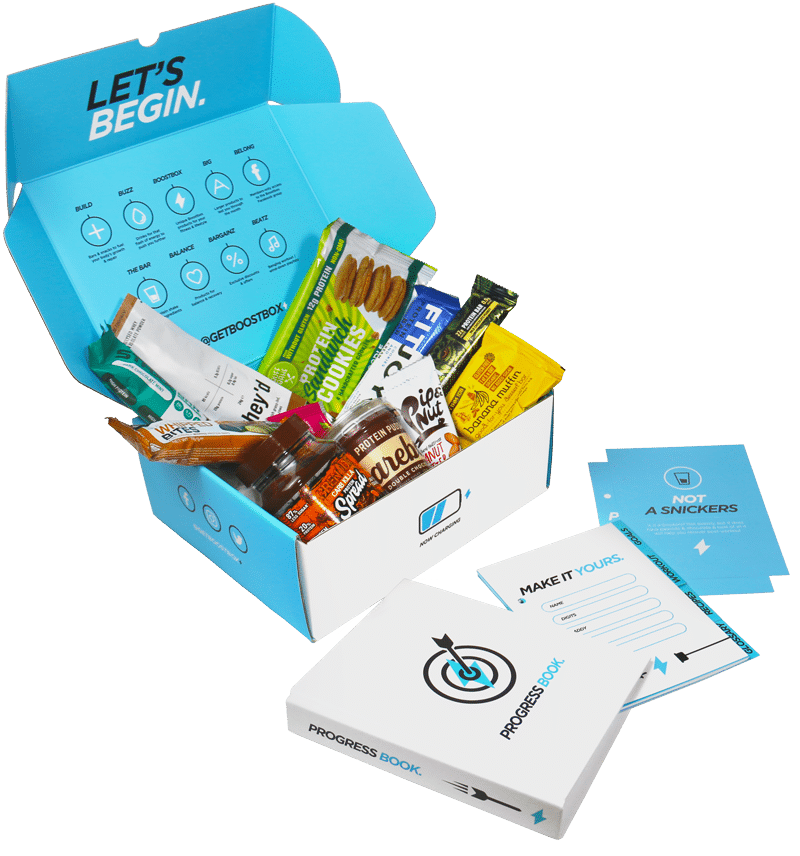
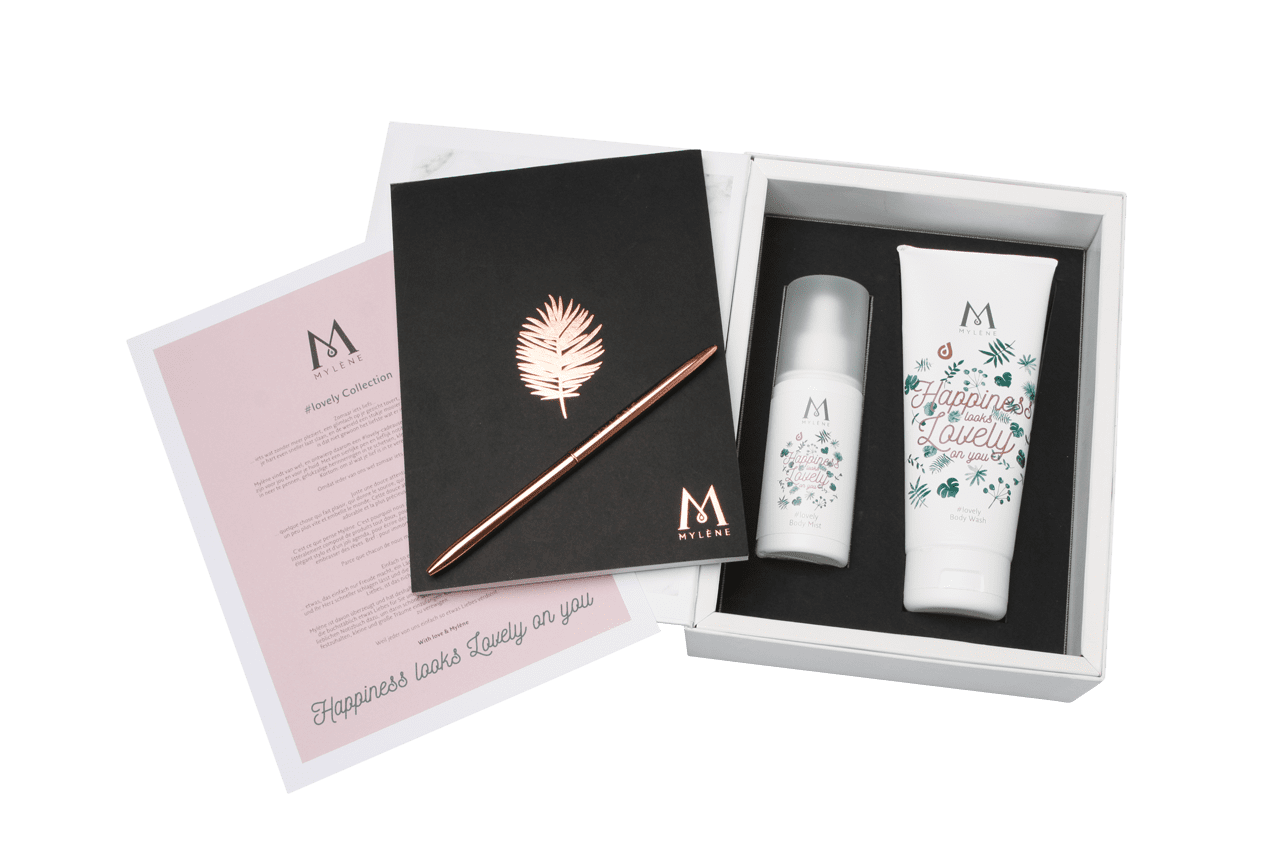
In the world of e-commerce, packaging is much more than just protection for your products. It has evolved into a vital marketing asset that helps build brand recognition, enhance customer experiences, and drive brand loyalty. Here are key ways businesses can leverage e-commerce packaging to serve as an effective marketing tool: Create a Memorable Unboxing Experience The unboxing experience is the first physical interaction customers have with your brand. A well-crafted unboxing experience leaves a lasting impression and can turn one-time buyers into loyal customers. Brands can design their packaging to be visually engaging and reflective of their brand identity. This could include using branded materials, premium finishes, or even adding personalized touches, such as custom messages or small gifts. By designing packaging with the customer experience in mind, businesses can foster a deeper emotional connection with their customers, leading to brand loyalty and increased customer retention. Encourage Social Sharing Packaging that is visually appealing or creatively designed encourages customers to share their unboxing experience on social media. A simple, visually striking box or innovative design can easily prompt a customer to share their experience with friends and followers. Social sharing acts as word-of-mouth marketing and provides free promotion, helping your brand reach a wider audience. To amplify social sharing, include your brand’s social media handles and encourage the use of a branded hashtag. Providing customers with an incentive, such as a discount or a feature on your social pages, can further boost engagement and increase your brand’s visibility. Highlight Sustainability Efforts Sustainability is becoming a key concern for modern consumers, and packaging is an excellent space to showcase your eco-friendly practices. Using recyclable or biodegradable materials and clearly communicating your sustainability efforts can help build trust with environmentally conscious customers. Including a brief message about the eco-friendliness of your packaging shows that your brand is committed to reducing its environmental impact. Emphasizing sustainability in packaging can also influence purchase decisions. Consumers are more likely to support brands that align with their values, and environmentally friendly packaging can give your business a competitive edge. Promote Cross-Selling and Repeat Purchases E-commerce packaging is an ideal platform to promote other products and encourage repeat business. By including promotional materials like flyers, coupons, or special discount codes in your packaging, you can drive customers to explore more of your product offerings. Cross-selling is a powerful strategy to increase the average order value and introduce customers to complementary products. Additionally, including discount vouchers or loyalty incentives for future purchases can boost customer retention and repeat sales. Packaging inserts provide an easy and cost-effective way to engage customers and encourage long-term brand loyalty. Personalize the Packaging Experience Personalized packaging creates a unique and memorable experience for customers, helping to foster stronger brand connections. Personal touches like thank-you notes, custom inserts, or packaging that includes the customer’s name make the experience feel special and tailored. Personalization shows customers that your brand values them, and this extra attention can lead to higher customer satisfaction and brand advocacy. A personalized packaging experience can also create differentiation in the market. Small businesses, in particular, can use personalized packaging to compete with larger brands by delivering a more intimate, customer-focused experience. Integrate QR Codes and Augmented Reality Integrating technology into packaging, such as QR codes or augmented reality (AR), offers a unique way to engage customers beyond the physical product. QR codes can lead customers to a landing page with additional product information, video tutorials, or even personalized thank-you messages. AR can allow customers to interact with your brand in new ways, from virtual product demonstrations to digital storytelling. By using technology in your packaging, you not only enhance the customer experience but also provide valuable post-purchase engagement. Interactive packaging can turn the act of receiving a package into an opportunity for deeper brand immersion. Use Packaging as a Storytelling Tool Packaging can be an effective medium for telling your brand’s story. Whether you’re highlighting the origin of your product, sharing your mission, or explaining the craftsmanship behind your brand, packaging offers the perfect canvas for these narratives. Packaging that conveys your values and the story behind your products helps to humanize your brand, making it more relatable and authentic to customers. By leveraging storytelling in your packaging, you create a connection with your customers that goes beyond the product itself. This helps in building emotional ties with your audience, increasing customer loyalty and advocacy. Conclusion E-commerce packaging is no longer just about protecting the product during shipping. It has become a critical marketing tool that can enhance customer experiences, build brand loyalty, and drive sales. By focusing on memorable unboxing experiences, sustainability, personalization, and interactive elements, businesses can turn their packaging into a powerful extension of their brand and a key factor in their marketing strategy. If you are interested in leveraging your ecommerce packaging with the right solutions, then partner with Brown Packaging today to get started. (714)300-0650 request@brownpackaging.com Most Recent Posts: Categories: Corrugated Ecommerce ESD Design Display Flexible Packaging Foam Folding Carton Packaging Plastic Packaging Pouch Printing Protection Retail Rigid Box Thermoform Sustainability Subscribe To Our Newsletter By submitting your information, you agree to our terms and conditions and privacy policy. Ecommerce Packaging Facebook Twitter LinkedIn Pinterest Relevant Posts

The longevity of corrugated boxes, a question frequently asked by businesses and consumers alike, hinges on several key factors, including their construction, material quality, and the conditions under which they are stored and used. Typically, corrugated boxes are designed to withstand the rigors of shipping and handling for a single shipping cycle, which can range from a few days to several weeks, depending on the logistics involved. However, under ideal conditions and with proper care, these boxes can be reused multiple times, extending their useful life significantly. Understanding Corrugated Boxes To appreciate why and how corrugated boxes last, it’s important to start with their construction. Corrugated boxes are made from corrugated fiberboard, consisting of two or three flat linerboards encasing a fluted corrugated sheet. This design imparts strength and durability, making the boxes capable of protecting contents against bumps, drops, and compression. Material Properties The durability of corrugated boxes also depends on the quality of the materials used. High-quality corrugated fiberboard, made from virgin or recycled paper, can enhance the box’s strength and longevity. The paper’s grade, thickness, and the flute size of the corrugated medium contribute to the box’s overall durability, resistance to moisture, and ability to withstand various loads. Environmental Conditions and Storage How long corrugated boxes last is greatly influenced by environmental conditions. Exposure to humidity, extreme temperatures, and direct sunlight can weaken the boxes, reducing their lifespan. Proper storage in a cool, dry place can help preserve their integrity for longer periods. Additionally, avoiding overloading and ensuring that boxes are stacked correctly can prevent crushing and deformation, further extending their life. Reusability and Recycling One of the strengths of corrugated boxes is their reusability. Boxes that are gently used and remain in good condition can be reused for shipping or storage multiple times. This reusability factor not only extends the life of the boxes but also contributes to environmental sustainability by reducing waste and the need for new materials. Moreover, when corrugated boxes reach the end of their useful life, they are highly recyclable. The recycling process rejuvenates the fiber, allowing it to be used in the production of new boxes or other paper products, thus closing the loop in the product lifecycle. Best Practices for Extending Life To maximize the lifespan of corrugated boxes, several best practices can be followed: Avoid exposure to damp conditions and direct sunlight. Do not overload boxes or stack them in a manner that puts undue stress on the bottom boxes. Store boxes in a cool, dry environment to prevent the paper from weakening. Flatten and store unused boxes in a protected area to avoid unnecessary wear and tear. Conclusion In conclusion, the lifespan of corrugated boxes is a function of their construction, the quality of materials used, and how they are handled and stored. With proper care and under ideal conditions, these boxes can serve well beyond a single shipping cycle, offering an efficient, cost-effective, and environmentally friendly packaging solution. By understanding the factors that contribute to their longevity, users can take steps to extend the life of their corrugated boxes, benefiting both their bottom line and the planet. If you are interested in corrugated boxes, then partner with Brown Packaging today to get started. (714)300-0650 request@brownpackaging.com Most Recent Posts: Categories: Corrugated Ecommerce ESD Design Display Flexible Packaging Foam Folding Carton Packaging Plastic Packaging Pouch Printing Protection Retail Rigid Box Thermoform Sustainability Subscribe To Our Newsletter By submitting your information, you agree to our terms and conditions and privacy policy. Custom Corrugated Boxes Facebook Twitter LinkedIn Pinterest Relevant Posts

A Point of Purchase (POP) display is a powerful marketing tool used by retailers and brands to attract customers’ attention, showcase products, and boost sales at the moment of decision-making. However, designing an effective POP display requires careful consideration and adherence to certain principles. In this comprehensive guide, we’ll explore the essential do’s and dont’s of creating a successful POP display. The Do’s of Creating a POP Display 1. Know Your Target Audience:Understand the preferences, interests, and buying behaviors of your target customers. Tailor your POP display to resonate with your audience. 2. Highlight Key Products:Focus on promoting a select few products rather than overwhelming customers with too many options. Highlighting specific items can lead to higher sales. 3. Eye-Catching Design:Invest in an attractive and visually appealing design. Use colors, graphics, and branding elements that align with your brand identity. 4. Simplicity:Keep the design simple and uncluttered. A cluttered display can confuse customers and discourage them from making a purchase. 5. Effective Signage:Use clear and concise signage to convey product information, benefits, and pricing. Ensure that signage is easy to read from a distance. 6. Product Accessibility:Arrange products in a way that encourages customers to interact with them. Allow for easy product access and handling. 7. Incorporate Branding:Reinforce your brand identity through consistent logo placement, color schemes, and messaging on the display. 8. Lighting:Consider using lighting to draw attention to your display. Well-placed lights can make products stand out and create a more inviting atmosphere. 9. Durability:Choose durable materials and construction for your POP display, especially if it will be placed in high-traffic areas. 10. Regular Maintenance:Ensure that your POP display is regularly maintained and refreshed. Replace damaged or worn-out elements promptly. Supplier Negotiation and Comparison Establishing a good relationship with suppliers can open the door to discounts, especially if your business is a repeat customer. Don’t hesitate to negotiate prices or ask for special deals. Additionally, regularly comparing prices from different suppliers can uncover more competitive rates or better terms. Keep in mind that the cheapest option is not always the best choice if it compromises box quality, which can lead to product damage and higher costs in the long run. The Don’ts of Creating a POP Display 1. Overcrowding:Avoid overcrowding the display with too many products or excessive signage. Clutter can deter customers. 2. Complex Messaging:Keep your messaging simple and straightforward. Avoid using technical jargon or overly complicated language. 3. Ignoring Placement:Consider the location of your POP display within the store. Don’t place it in an area with poor visibility or low foot traffic. 4. Lack of Clarity:Don’t leave customers guessing about product details or pricing. Make sure all essential information is clearly displayed. 5. Inconsistent Branding:Maintain consistency in branding elements. Avoid using conflicting colors, fonts, or logos that can confuse customers. 6. Neglecting Maintenance:Neglecting the maintenance of your display can lead to a negative impression. Regularly check for damage or wear and tear. 7. Disregarding Feedback:Don’t ignore customer feedback or sales data. Use insights to make improvements to your POP display strategy. 8. Not Testing:Don’t skip the testing phase. Before deploying your display, conduct test runs to ensure it’s visually appealing and functional. 9. Ignoring Trends:Stay updated with current design and retail trends. An outdated or out-of-touch display can deter customers. 10. Lack of Flexibility:Ensure that your POP display can be adapted to changing needs or promotions. A rigid design can limit its effectiveness. Conclusion Creating a successful POP display requires careful planning and adherence to best practices. By knowing your audience, highlighting key products, focusing on design and simplicity, using effective signage, ensuring product accessibility, incorporating branding, considering lighting and durability, maintaining the display, and avoiding common pitfalls such as overcrowding and complex messaging, you can create a compelling and effective POP display that captures customers’ attention and drives sales. Keep in mind that a well-executed POP display can be a valuable asset in your marketing toolkit, enhancing your brand’s visibility and increasing product sales. If you are interested in point of purchase displays, then partner with Brown Packaging today to get started. (714)300-0650 request@brownpackaging.com Most Recent Posts: Categories: Corrugated Ecommerce ESD Design Display Flexible Packaging Foam Folding Carton Packaging Plastic Packaging Pouch Printing Protection Retail Rigid Box Thermoform Sustainability Subscribe To Our Newsletter By submitting your information, you agree to our terms and conditions and privacy policy. Custom POP Displays Facebook Twitter LinkedIn Pinterest Relevant Posts

Yes, a corrugated box is an excellent choice for shipping due to its strong, durable nature and its ability to protect contents from damage during transit. Its structural integrity, coupled with its lightweight design, makes it ideal for a wide range of shipping needs, from delicate items to heavy goods. Strength and Durability The key to the corrugated box’s suitability for shipping lies in its unique construction. Composed of a fluted corrugated sheet sandwiched between two linerboards, this design creates a sturdy, yet cushioned, environment for items being shipped. The corrugation provides resistance against impacts, vibrations, and compression, significantly reducing the risk of damage. This structural strength is scalable; by adjusting the thickness of the board and the size of the flutes, corrugated boxes can be customized to handle various weight capacities and protection levels. Versatility Corrugated boxes offer unparalleled versatility. They can be customized in size, shape, and strength to suit specific shipping needs, whether for small, fragile items or large, bulky products. This customization extends to the printing and branding of the boxes, enabling businesses to use their packaging as a marketing tool. Moreover, additional features like handles, die-cut inserts, or reinforced corners can be added to enhance functionality and protection. Sustainability In an era where environmental concerns are increasingly important, corrugated boxes stand out for their eco-friendliness. Made from renewable resources, primarily recycled paper, corrugated boxes are recyclable and biodegradable. Their production and recycling processes are energy efficient and contribute to a reduction in carbon footprint, making corrugated boxes a responsible choice for businesses committed to sustainability. Protective Features Corrugated boxes can also be equipped with various protective features to enhance their shipping capabilities. These include water-resistant coatings or liners, which protect against moisture and humidity, and barrier coatings that guard against oil, grease, or other contaminants. For items requiring temperature control, insulated corrugated boxes are available to maintain a stable environment during transit. Ease of Use The simplicity and ease of use of corrugated boxes are significant benefits. They can be quickly assembled, filled, sealed, and labeled, making the packing process efficient and straightforward. At the destination, they are easy to open and, if undamaged, can be reused or recycled, contributing to waste reduction. Conclusion Corrugated boxes are indeed an excellent choice for shipping, offering a combination of strength, durability, cost efficiency, and environmental sustainability. Their adaptability to various shipping requirements, coupled with protective and customizable features, makes them a reliable packaging solution for businesses and individuals worldwide. Whether you’re shipping locally or internationally, corrugated boxes ensure that your products arrive safely, securely, and in style. If you are interested in corrugated boxes, then partner with Brown Packaging today to get started. (714)300-0650 request@brownpackaging.com Most Recent Posts: Categories: Corrugated Ecommerce ESD Design Display Flexible Packaging Foam Folding Carton Packaging Plastic Packaging Pouch Printing Protection Retail Rigid Box Thermoform Sustainability Subscribe To Our Newsletter By submitting your information, you agree to our terms and conditions and privacy policy. Custom Corrugated Boxes Facebook Twitter LinkedIn Pinterest Relevant Posts

Saving on the purchase of corrugated boxes involves strategic planning and smart sourcing to ensure you get the best value without compromising on quality. By exploring bulk purchasing, negotiating with suppliers, opting for standard sizes, and considering lightly used or recycled boxes, businesses can significantly reduce their packaging costs. Bulk Purchasing One of the most straightforward ways to save on corrugated boxes is by buying in bulk. Manufacturers often offer substantial discounts for large orders due to the lower logistics and handling costs involved. Bulk purchasing not only reduces the per-unit cost but also minimizes the frequency of reordering, saving additional time and shipping expenses. It’s essential, however, to have adequate storage space and to ensure that the bulk quantity aligns with your usage to avoid unnecessary stockpiling. Supplier Negotiation and Comparison Establishing a good relationship with suppliers can open the door to discounts, especially if your business is a repeat customer. Don’t hesitate to negotiate prices or ask for special deals. Additionally, regularly comparing prices from different suppliers can uncover more competitive rates or better terms. Keep in mind that the cheapest option is not always the best choice if it compromises box quality, which can lead to product damage and higher costs in the long run. Recycled and Lightly Used Boxes For businesses committed to sustainability and looking to save on costs, recycled or lightly used corrugated boxes are an excellent option. Many suppliers offer high-quality recycled boxes at a fraction of the cost of new ones. These boxes can be just as durable and reliable as new ones, especially if they have only been used once or twice. Moreover, opting for recycled boxes reduces your environmental footprint and supports circular economy practices. Efficient Design and Material Use Work with your box supplier to design packaging that uses material efficiently. Reducing material waste not only lowers costs but also benefits the environment. Consider lighter-weight corrugated options that still provide adequate protection for your products. Innovations in corrugated box design can result in the use of less material without sacrificing box integrity or performance. Inventory Management Effective inventory management can also lead to savings. By carefully monitoring your box usage and inventory levels, you can avoid rush orders, which often come with premium shipping costs. Predictable ordering patterns can also strengthen your negotiating position with suppliers, potentially leading to better prices or terms. Conclusion Saving on corrugated boxes requires a multi-faceted approach that includes smart purchasing strategies, supplier negotiations, and a commitment to efficient design and sustainability. By adopting these practices, businesses can significantly reduce their packaging expenses while still ensuring their products are well-protected. Remember, the goal is to find a balance between cost savings and maintaining the quality and integrity of your packaging to support your brand’s reputation and customer satisfaction. If you are interested in corrugated boxes, then partner with Brown Packaging today to get started. (714)300-0650 request@brownpackaging.com Most Recent Posts: Categories: Corrugated Ecommerce ESD Design Display Flexible Packaging Foam Folding Carton Packaging Plastic Packaging Pouch Printing Protection Retail Rigid Box Thermoform Sustainability Subscribe To Our Newsletter By submitting your information, you agree to our terms and conditions and privacy policy. Custom Corrugated Boxes Facebook Twitter LinkedIn Pinterest Relevant Posts

In October 2024, California made a groundbreaking move by banning “sell by” dates on food products. This legislation aims to reduce consumer confusion, minimize food waste, and introduce standardized freshness terms across the state. Effective July 1, 2026, this new law has far-reaching implications for packaging design, production, and compliance. For packaging buyers, it is crucial to understand these changes and their impact on packaging strategies to make informed decisions. The Problem with “Sell By” Dates Historically, “sell by” dates have been used as a tool for inventory management, intended for retailers rather than consumers. However, many consumers misinterpret these dates as indicators of food safety, leading to the premature disposal of perfectly edible food. According to studies, this confusion contributes to approximately 70,000 tons of food waste annually in California alone. What Does the New Law Require? The law eliminates “sell by” dates and replaces them with clear, standardized terms that better communicate product freshness to consumers. These terms are expected to include: “Best If Used By”: Indicates the period for optimal quality or flavor. “Use By”: Reflects the last date recommended for the product’s peak quality, often tied to food safety for perishable items. By standardizing labels, California aims to enhance consumer understanding, reduce food waste, and align with global best practices in food labeling. How This Affects Packaging Buyers Packaging buyers must prepare for the operational and design changes required to comply with this legislation. Here’s how the new rules impact the packaging industry and what buyers need to consider: Redesigning Labels The shift to standardized terms requires updates to all food product packaging sold in California. Key Considerations: Ensure compliance with the mandated labeling terms. Collaborate with graphic designers to revise labels while maintaining brand identity. Confirm that new labels are clear and legible for consumers. Adjusting Printing Processes Buyers may need to adjust printing specifications or partner with new suppliers to accommodate the updated labeling requirements. Actionable Steps: Evaluate whether current printing equipment and processes can support the new labeling formats. Plan ahead to avoid delays or increased costs during the transition. Managing Compliance Across States If your business operates in multiple states, consider how to address varying labeling laws. Options for Buyers: Implement California-compliant labels nationwide to streamline production. Use region-specific packaging if distinct compliance is necessary. Sustainability Opportunities The new law aligns with sustainability goals by reducing food waste, providing an opportunity for packaging buyers to align their strategies. How Buyers Can Respond: Highlight eco-friendly materials in packaging to reinforce your brand’s commitment to sustainability. Include consumer education elements, such as QR codes, that provide additional information on food storage and expiration. Cost Implications While the changes may involve upfront costs, compliance can prevent fines and align your products with consumer preferences. Potential Costs: Redesigning and reprinting packaging. Updating inventory and supply chain processes. Training staff on new compliance requirements. Benefits of the New Law for Packaging Buyers While adapting to this legislation requires investment, it also presents several opportunities: Building Consumer Trust Clear and standardized labels improve transparency, helping consumers make informed decisions and fostering trust in your brand. Reducing Waste in Supply Chains With less food discarded due to misunderstood labels, businesses can optimize inventory and reduce losses, saving costs in the long term. Staying Ahead of National Trends California often leads the way in regulatory changes that later influence national policies. Preparing for these changes now could position your business ahead of future federal regulations. Enhancing Brand Reputation By adopting clear, consumer-focused labeling, you align with growing consumer demand for accountability and clarity in packaging. Steps to Prepare for the Labeling Transition To ensure a smooth transition, packaging buyers should take the following steps: Conduct an Audit of Current Labels: Review all products sold in California to identify labels that require updates. Collaborate with Suppliers: Work closely with suppliers to revise labels and ensure timely production. Plan and Budget for the Transition: Allocate resources for redesign, printing, and potential supply chain adjustments. Educate Internal Teams: Train staff on the new labeling requirements and their implications for production and sales. Communicate with Retailers and Distributors: Ensure that partners in the supply chain understand and comply with the new standards. Conclusion California’s new food date labeling law is a significant step toward reducing food waste and improving consumer understanding. For packaging buyers, this change presents both challenges and opportunities. By preparing early and aligning your packaging strategies with the new standards, you can ensure compliance, enhance consumer trust, and support sustainability goals. With thoughtful planning, the transition can become a competitive advantage in the ever-evolving packaging industry. If you are interested in making your food packaging compliant, then partner with Brown Packaging today to get started. (714)300-0650 request@brownpackaging.com Most Recent Posts: Categories: Corrugated Ecommerce ESD Design Display Flexible Packaging Foam Folding Carton Packaging Plastic Packaging Pouch Printing Protection Retail Rigid Box Thermoform Sustainability Subscribe To Our Newsletter By submitting your information, you agree to our terms and conditions and privacy policy. Food Packaging Facebook Twitter LinkedIn Pinterest Relevant Posts

The weight a corrugated box can hold depends on factors such as box construction, material grade, flute size, and box dimensions. Corrugated boxes are designed to protect and hold items during storage and shipping efficiently. A standard single-wall corrugated box can hold between 20 to 120 pounds, while double-wall constructions can support significantly higher weights ranging from 80 to 180 pounds. Understanding Corrugated Box Strength Corrugated box strength is determined by multiple factors, including construction, material grade, and flute size. Understanding these variables ensures the right box is chosen for the job. Box Construction Corrugated boxes are available in three main constructions: Single-Wall Boxes: Suitable for lighter items with weight capacities ranging from 20 to 120 lbs, depending on the material strength. Double-Wall Boxes: Designed for heavier or fragile items, supporting weights from 80 to 180 lbs. Triple-Wall Boxes: Used for exceptionally heavy items, such as industrial equipment, capable of holding hundreds of pounds. Material Strength: Bursting Test and Edge Crush Test (ECT) Two key measurements determine corrugated box strength: Bursting Strength Test: Measures the force required to rupture the surface of corrugated board. Edge Crush Test (ECT): Measures stacking strength and indicates how much weight a box can withstand before collapsing. The following tables summarize the equivalencies for single-wall and double-wall corrugated boxes: Single-Wall Corrugated Boxes Bursting Test Minimum Edge Crush Test (ECT) Maximum Suggested Loading Limit Per Carton 125# 23 ECT 20 lbs. 150# 26 ECT 35 lbs. 175# 29 ECT 50 lbs. 200# 32 ECT 65 lbs. 275# 44 ECT 95 lbs. 350# 55 ECT 120 lbs. Double-Wall Corrugated Boxes Bursting Test Minimum Edge Crush Test (ECT) Maximum Suggested Loading Limit Per Carton 200# 42 ECT 80 lbs. 275# 48 ECT 100 lbs. 350# 51 ECT 120 lbs. 400# 61 ECT 140 lbs. 500# 71 ECT 160 lbs. 600# 82 ECT 180 lbs. These standardized tests ensure the durability and reliability of corrugated boxes, helping buyers choose boxes that meet their weight requirements. The Role of Flute Size Corrugated boxes use fluted sheets to provide strength and cushioning. Larger flutes (like A or B flutes) offer better compression resistance and are ideal for heavier items, while smaller flutes (like E or F flutes) provide a smoother surface for printing and are better for lightweight items. The Importance of Box Dimensions Box size directly affects weight capacity and strength. Larger boxes have a wider surface area, which can distribute weight evenly but may require stronger materials to prevent collapse. Choosing the appropriate box size can optimize load support and minimize material waste. How to Choose the Right Box To ensure optimal performance, consider the following when selecting a corrugated box: Determine the Weight of the ContentsUse the tables above to match the weight of your products with the appropriate box strength. Evaluate the Box Construction Single-wall for lightweight items. Double-wall for medium to heavy items. Triple-wall for extremely heavy or industrial goods. Consult with SuppliersCollaborate with packaging experts to select boxes with the proper ECT or bursting strength for your application. Optimize for SustainabilityChoose boxes made from recycled or sustainable materials without compromising strength. Conclusion The weight a corrugated box can hold depends on its construction, material grade, and strength ratings (ECT and bursting test). Single-wall boxes can hold up to 120 lbs, while double-wall boxes can support weights up to 180 lbs, as shown in the tables above. By understanding these key metrics and factors, packaging buyers can confidently choose the right boxes for their needs, ensuring products are protected during shipping and storage. Partner with Brown Packaging today to find corrugated boxes designed to meet your weight, size, and durability requirements. Whether you’re shipping lightweight goods or industrial equipment, we’ve got the solution for you! (714)300-0650 request@brownpackaging.com Most Recent Posts: Categories: Corrugated Ecommerce ESD Design Display Flexible Packaging Foam Folding Carton Packaging Plastic Packaging Pouch Printing Protection Retail Rigid Box Thermoform Sustainability Subscribe To Our Newsletter By submitting your information, you agree to our terms and conditions and privacy policy. Custom Corrugated Boxes Facebook Twitter LinkedIn Pinterest Relevant Posts