
Home » California’s Push Against Single-Use Plastics: Impact on Packaging
California’s Push Against Single-Use Plastics: Impact on Packaging
In the ongoing battle against environmental degradation, California has emerged as a leader in the fight to reduce single-use plastics. With a series of comprehensive laws and regulations, the Golden State has taken bold steps to curb the use of these harmful materials. Bans on single-use plastic bags, straws, and expanded polystyrene (Styrofoam) food containers are just a few examples of California’s commitment to a greener future. In this blog, we’ll explore these regulations and their significant implications for packaging choices, particularly within the food and beverage industry.
California’s Stringent Regulations on Single-Use Plastics
California’s proactive stance on reducing single-use plastics has resulted in several impactful regulations:
Ban on Single-Use Plastic Bags:
In 2014, California became the first state in the U.S. to ban single-use plastic bags at most retail stores. This groundbreaking law aimed to reduce plastic pollution, encourage reusable bag usage, and promote sustainability.
Straws on Request:
Under the “Straws on Request” law that took effect in 2019, restaurants in California can only provide plastic straws upon customer request. This measure significantly reduces the distribution of single-use plastic straws, minimizing plastic waste.
Ban on Expanded Polystyrene (Styrofoam) Food Containers:
California implemented a ban on expanded polystyrene (EPS) foam food containers in 2020. The use of EPS for takeout containers, cups, and plates is now prohibited due to its environmental impact and persistence in the environment.
The California Circular Economy and Plastic Pollution Reduction Act:
Enacted in 2020, this law sets ambitious targets for reducing plastic waste and increasing recycling rates in California. It encourages manufacturers to use more recycled materials in their products and promotes a circular economy for plastics.
Implications for Packaging Choices in the Food and Beverage Industry
California’s stringent regulations on single-use plastics have far-reaching implications for businesses, particularly those in the food and beverage industry:
Adoption of Sustainable Alternatives:
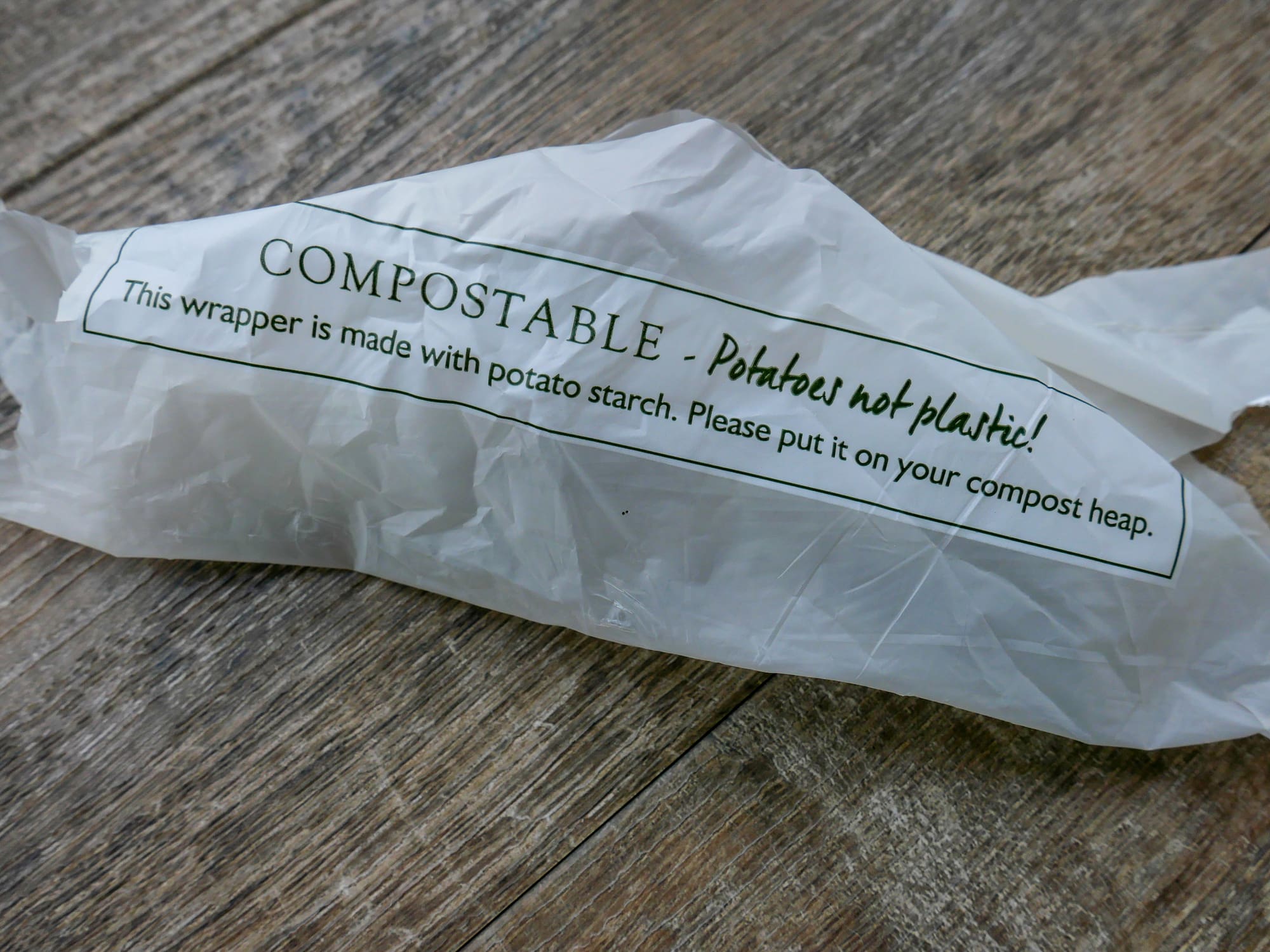
With bans on EPS foam containers, businesses must seek sustainable alternatives for packaging. This shift has led to the adoption of compostable or recyclable materials, such as paper-based packaging, reusable containers, and innovative eco-friendly materials.
Emphasis on Reusability:
The ban on single-use plastic bags and straws has placed a renewed emphasis on reusable packaging options. Restaurants and food establishments are increasingly offering reusable containers and encouraging customers to bring their own bags and containers.
Focus on Eco-Friendly Packaging Designs:
As businesses seek to comply with California’s regulations, they are investing in packaging designs that are both functional and environmentally responsible. This includes using materials that are easily recyclable or compostable and reducing excessive packaging.
Consumer Awareness and Preference:
California consumers are becoming more aware of environmental issues, leading to a preference for businesses that embrace sustainable packaging practices. Packaging choices that align with these preferences can be a competitive advantage.
If you are interested in packaging solutions in California, then partner with Brown Packaging today to get started.
A lower unit price doesn’t mean lower cost. In POP display programs, the biggest losses rarely show up on the quote—they show up in damage
A visually impressive POP display doesn’t guarantee performance. In fact, many of the best-looking displays underperform because they’re designed for approval—not for real retail conditions.
Digital printing is often positioned as a short-run solution for emerging brands. But advances in press technology, workflow automation, and material compatibility have expanded its
Most POP displays are designed for day-one appearance—not for what happens after the first few units sell. That’s a problem. Because in retail, performance is
Most POP display decisions eventually come down to a tradeoff:make it look better or make it perform better. The mistake is thinking you have to
Many packaging purchasing decisions are made by comparing price per box. While this metric is easy to evaluate, it often fails to capture the real
Home » California’s Push Against Single-Use Plastics: Impact on Packaging

In today’s market, the concept of ethical packaging has become increasingly important. Companies are recognizing the need to adopt packaging practices that are not only

The importance of packaging in our daily lives cannot be overstated. Packaging protects, preserves, and transports the products we use and consume every day, ensuring

Polypropylene, often referred to as PP plastic, is the second most widely used plastic globally, praised for its remarkable durability, strength, and resistance to various