
window.uetq = window.uetq || []; window.uetq.push(‘event’, ‘submit_lead_form’,{ event_label:‘SUBMIT MESSAGE’ }); window.lintrk('track', { conversion_id: 10271009 }); window.lintrk('track', { conversion_id: 10271017 });

Blogs

At Brown Packaging, we provide insightful content about the packaging industry to keep our clients, followers, and partners informed with the latest trends and accurate information. Our goal is to equip you with up-to-date knowledge that helps you stay ahead in the ever-evolving world of packaging.

Domestic vs. Overseas Packaging Production: Making the Right Choice
Packaging
brownpackaging
Domestic vs. Overseas Packaging Production

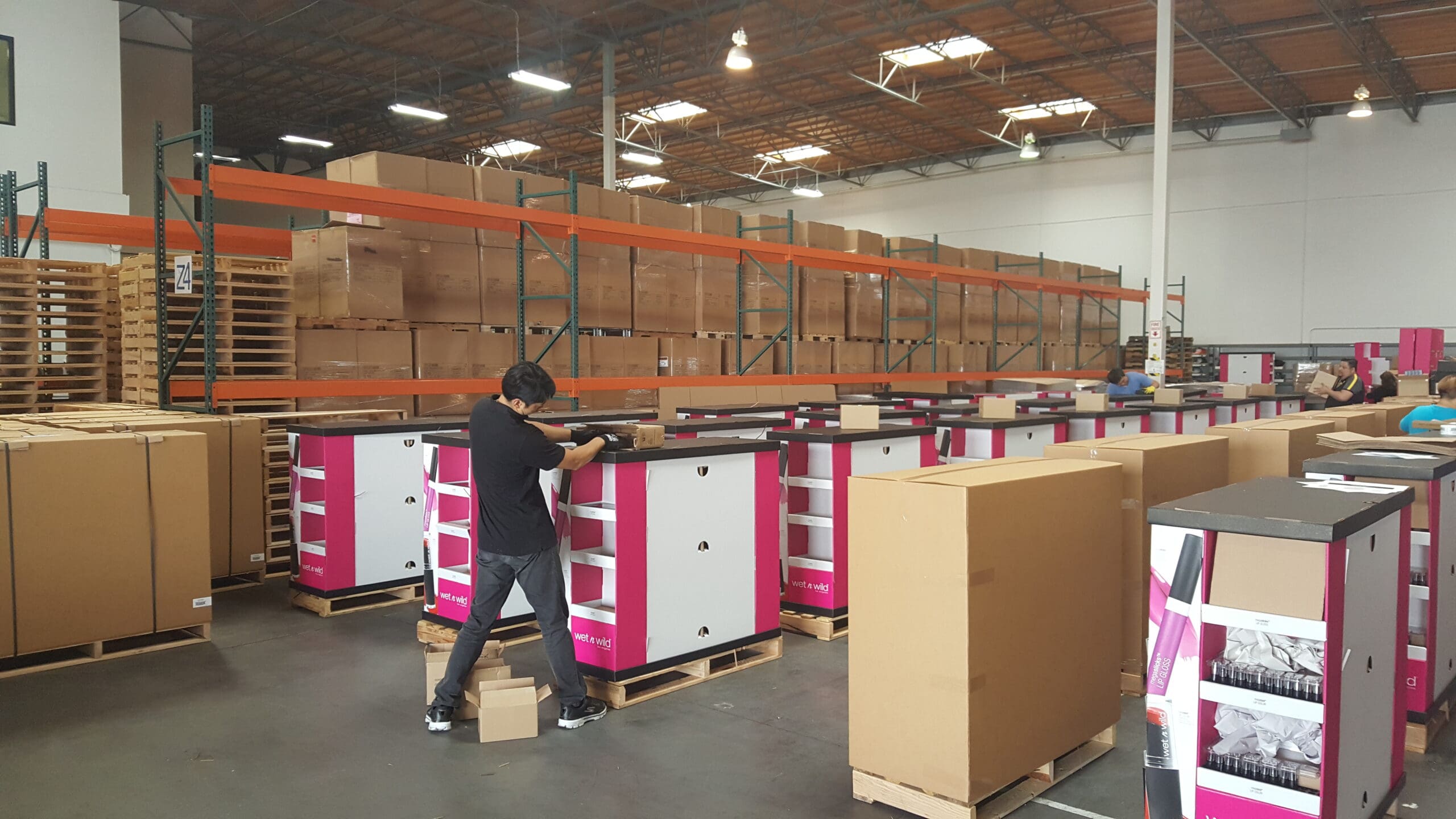
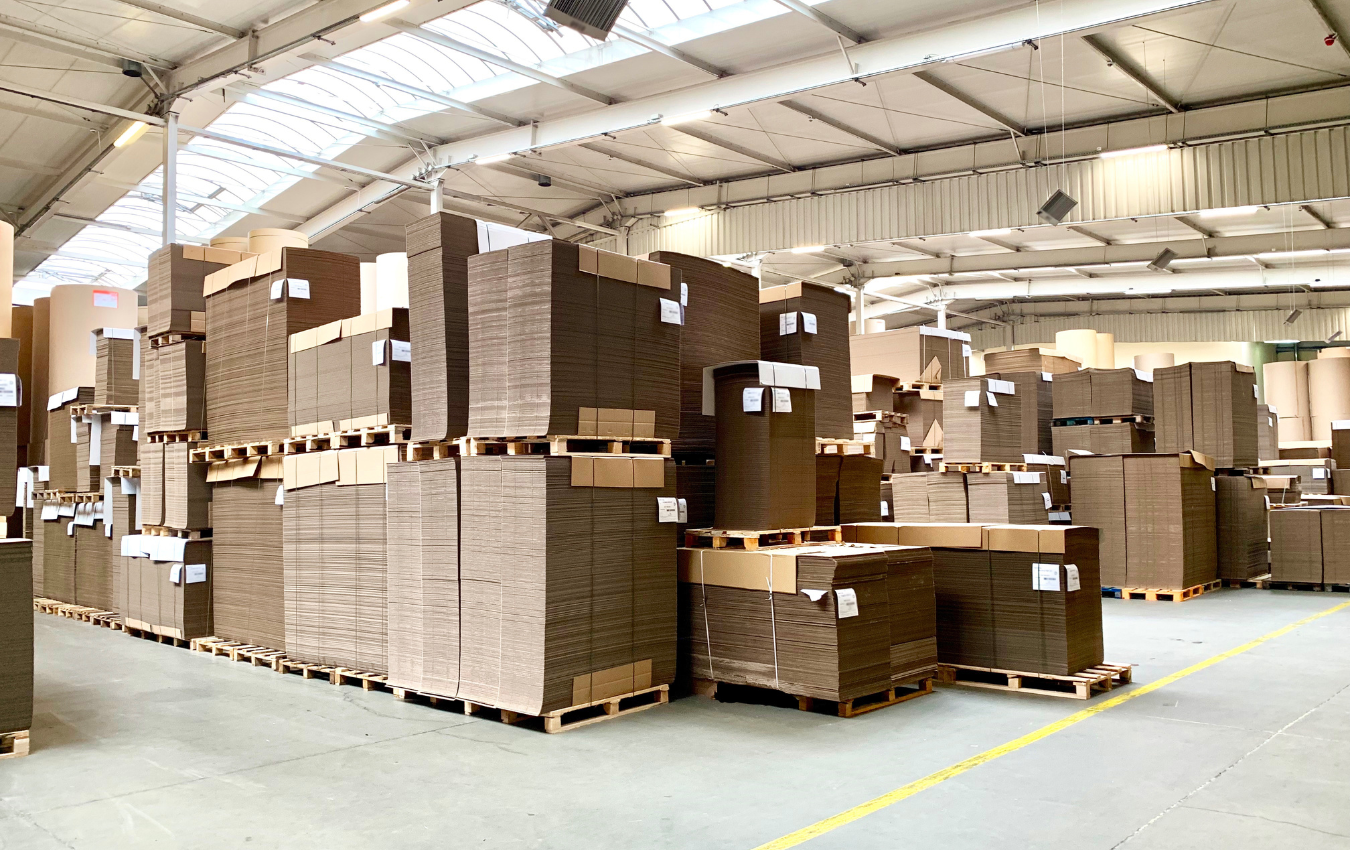
When deciding between domestic and overseas packaging production, businesses must weigh key factors like cost, quality, lead times, and logistical complexity. Both options offer distinct advantages and challenges, and your decision will depend on your priorities, such as budget constraints, turnaround needs, and quality expectations. This guide dives into the pros and cons of each option, helping you make an informed choice for your packaging needs. Domestic Packaging Production Advantages Faster Turnaround TimesDomestic manufacturers can deliver products quicker due to shorter shipping distances and streamlined logistics. Superior Quality ControlBeing closer to production facilities allows for easier monitoring and resolving of quality issues. Flexibility and CustomizationProximity enables quicker changes to designs or order specifications, offering greater flexibility for dynamic businesses. Improved CommunicationSharing time zones and language makes collaborating with domestic manufacturers more seamless. Supports Local EconomyChoosing domestic production contributes to job creation and economic growth within the country. Challenges Higher CostsLabor and materials are often more expensive domestically, impacting overall pricing. Limited Sourcing OptionsDepending on the region, local manufacturers may have fewer capabilities or specialized materials. Capacity ConstraintsSmaller manufacturers may struggle to handle large orders or high-volume production needs. Overseas Packaging Production Advantages Lower CostsAccess to cheaper labor and materials overseas often results in significant cost savings, especially for bulk production. Specialized ExpertiseCertain regions excel in specific packaging technologies or materials, offering unique capabilities. High Production CapacityOverseas facilities often have the ability to scale up production to meet large-volume demands. Access to New MarketsProducing overseas can simplify distribution in foreign markets, reducing shipping costs for international customers. Challenges Longer Lead TimesInternational shipping and customs procedures can significantly delay delivery. Quality Control IssuesManaging quality standards remotely is more challenging and requires third-party inspections or trusted partners. Communication BarriersLanguage differences and time zone disparities can complicate coordination. Logistical ComplexitiesCustoms processes, tariffs, and potential shipping delays add layers of complexity. Key Considerations When Choosing Factor Domestic Production Overseas Production Budget Higher costs, better quality. Lower costs, cost-efficient for bulk. Lead Times Shorter, ideal for tight deadlines. Longer, plan for extended shipping. Quality Control Easier to monitor directly. Requires additional oversight. Order Volume Best for small to medium runs. Suitable for large-scale production. Market Goals Supports local markets. May help penetrate foreign markets. *However, please note these oversea production advantages will possibly change with the affects of recent tariffs this year in 2025. When to Choose Domestic Production You need quick turnaround times for seasonal or time-sensitive projects. Quality control and the ability to oversee production are critical. You prioritize supporting the local economy or have a Made in USA branding strategy. When to Choose Overseas Production Cost savings are a top priority, especially for bulk orders. Your project requires specialized materials or technologies not available domestically. You’re looking to expand into new markets and reduce international shipping costs. Conclusion Choosing between domestic and overseas packaging production is about finding the right balance between cost, quality, and logistical considerations. Domestic production offers flexibility and reliability, while overseas production excels in cost efficiency and scalability. Assess your business needs, timeline, and budget to make the best choice for your packaging operations. Need help deciding? Contact us today for expert guidance on sourcing the perfect packaging solution for your business! (714)300-0650 request@brownpackaging.com Most Recent Posts: Categories: Corrugated Ecommerce ESD Design Display Flexible Packaging Foam Folding Carton Packaging Plastic Packaging Pouch Printing Protection Retail Rigid Box Thermoform Sustainability Subscribe To Our Newsletter By submitting your information, you agree to our terms and conditions and privacy policy. Custom Packaging Facebook Twitter LinkedIn Pinterest Relevant Posts

Read More »
Packaging Supplier
Packaging
brownpackaging
Why U.S. Companies Are Shifting to Domestic Packaging Suppliers

In 2025, more U.S. companies are ditching overseas packaging suppliers in favor of domestic manufacturers due to a mix of economic, logistical, and quality-driven factors. Rising global uncertainties, supply chain disruptions, tariffs, and lead time concerns have made sourcing packaging locally a smarter and more reliable option. Businesses across industries are recognizing the benefits of domestic packaging, including improved responsiveness, better quality control, and overall cost-effectiveness. Key Reasons U.S. Companies Are Going Domestic Supply Chain Stability and Shorter Lead Times Global shipping delays, port congestion, and raw material shortages have caused longer lead times and unpredictable delivery schedules for overseas packaging. Domestic suppliers eliminate international shipping risks, offering faster turnaround times, just-in-time inventory solutions, and better supply chain reliability. Rising Costs of Overseas Sourcing The once cost-effective model of sourcing packaging from China, India, and Southeast Asia is no longer as appealing. Higher tariffs, shipping fees, labor costs, and currency fluctuations have reduced the cost advantage, making domestic packaging more competitive in price while offering greater consistency and reliability. Improved Quality Control and Compliance Companies need packaging that meets strict regulatory standards, especially in industries like food, pharmaceuticals, and medical devices. With domestic suppliers, businesses have better oversight, easier factory audits, and higher quality assurance. This reduces risks associated with defective or non-compliant packaging that can lead to product recalls or regulatory issues. Customization and Faster Innovation Domestic packaging suppliers offer greater flexibility in customization, helping businesses respond to market trends and branding needs more efficiently. Whether it’s custom-sized boxes, unique print designs, or specialty coatings, local suppliers can adapt quickly to changing consumer demands and production adjustments. Strengthening U.S. Manufacturing and Sustainability Goals Many U.S. businesses are prioritizing local manufacturing to support the economy and improve their sustainability efforts. Domestic suppliers reduce carbon emissions from overseas shipping, align with Buy American initiatives, and help brands meet eco-conscious consumer expectations. Final Thoughts: The Future of Packaging Sourcing in the U.S. The shift toward domestic packaging suppliers in 2025 is driven by the need for more reliable supply chains, cost control, better quality, and customization. As businesses continue to optimize operations and reduce risks, domestic packaging is proving to be the smarter choice for U.S. companies. Looking to transition your packaging sourcing from overseas to domestic? Contact Brown Packaging today for high-quality, reliable, and customized packaging solutions that align with your business needs. (714)300-0650 request@brownpackaging.com Most Recent Posts: Categories: Corrugated Ecommerce ESD Design Display Flexible Packaging Foam Folding Carton Packaging Plastic Packaging Pouch Printing Protection Retail Rigid Box Thermoform Sustainability Subscribe To Our Newsletter By submitting your information, you agree to our terms and conditions and privacy policy. Custom Packaging Facebook Twitter LinkedIn Pinterest Relevant Posts

Read More »
How to Transition from an International to a Domestic U.S. Packaging Supplier
Packaging
brownpackaging
How to Transition from an International to a Domestic U.S. Packaging Supplier

With ongoing tariffs, supply chain disruptions, and rising overseas costs, many businesses are shifting from international packaging suppliers to domestic U.S. manufacturers. However, transitioning suppliers is not just about finding an alternative—it requires careful logistics planning, quality verification, and cost assessment to avoid operational disruptions. Key Steps to Transitioning to a U.S. Packaging Supplier Identify Pain Points in Your Current Supplier Relationship Before making a switch, pinpoint the challenges you’re facing with your international supplier. Some common pain points include: Inconsistent lead times and shipping delays Fluctuating costs due to tariffs and import fees Quality control concerns or defects Limited ability to scale or customize packaging Understanding these issues will help you prioritize what matters most when choosing a U.S. supplier. Define Your Packaging Requirements and Budget Transitioning requires a clear understanding of your needs to find a supplier that aligns with your business model. Consider: Packaging type & material: Corrugated boxes, folding cartons, flexible packaging, etc. Customization needs: Branding, printing, coatings, die cuts, and specialty features. Volume requirements: Minimum order quantities (MOQs) and scalability. Regulatory compliance: FDA, ISO, FSC, or industry-specific requirements. Budget & cost expectations: Factor in domestic pricing, but also compare the savings from reduced tariffs, import fees, and faster shipping. Research and Shortlist U.S. Packaging Suppliers Use trusted industry resources to find reliable U.S. suppliers that match your needs: Thomasnet.com – A directory of U.S. manufacturers. Packaging trade shows – Events like Pack Expo allow you to meet suppliers in person. Industry associations – Groups such as the Paperboard Packaging Council (PPC) provide vetted supplier contacts. Customer reviews & referrals – Ask other businesses in your industry for supplier recommendations. Verify Quality and Production Capabilities Once you’ve shortlisted potential suppliers, request samples and assess: Material strength and durability Print quality and branding capabilities Compliance with industry standards Lead times for production and delivery Consider visiting the supplier’s facility or conducting a virtual audit to ensure their production meets your expectations. Plan for a Gradual Transition Switching suppliers overnight can cause disruptions. Instead, transition gradually: Start with a trial order to test production quality and logistics. Phase in packaging production while maintaining a safety stock from your existing supplier. Work closely with your new supplier to adjust specifications and streamline the transition. Update Logistics and Inventory Management Domestic sourcing means adjusting your supply chain to reflect shorter lead times and different production schedules. Work with your logistics team to: Revise warehouse stocking strategies to accommodate new delivery schedules. Update procurement and inventory systems to reflect new supplier terms. Coordinate with fulfillment teams to ensure packaging integration with existing operations. Establish a Long-Term Supplier Relationship A successful transition is not just about switching suppliers—it’s about forming a reliable long-term partnership. Communicate regularly on: Production forecasts and demand planning Opportunities for cost savings and efficiency improvements New packaging innovations and custom solutions Final Thoughts: Making the Switch Smoothly Transitioning to a domestic U.S. packaging supplier requires strategic planning, but the benefits—including faster lead times, cost predictability, and improved quality control—make it a worthwhile move. By following these steps, businesses can ensure a seamless transition while securing a stronger, more cost-effective packaging supply chain. Looking to transition to a trusted U.S. packaging supplier? Contact Brown Packaging today to explore custom solutions tailored to your business needs. (714)300-0650 request@brownpackaging.com Most Recent Posts: Categories: Corrugated Ecommerce ESD Design Display Flexible Packaging Foam Folding Carton Packaging Plastic Packaging Pouch Printing Protection Retail Rigid Box Thermoform Sustainability Subscribe To Our Newsletter By submitting your information, you agree to our terms and conditions and privacy policy. Custom Packaging Facebook Twitter LinkedIn Pinterest Relevant Posts

Read More »
custom printed lay flat pouch multiple skus
Flexible Packaging
brownpackaging
Flexible Packaging: Shelf Life and Gas-Filled Considerations

When designing flexible packaging for perishables, customers often have initial ideas for graphics but lack clarity on functional aspects critical to product performance. Shelf life and gas-filled packaging are two essential considerations that significantly impact packaging design and material selection. Here’s what you need to know. Shelf Life Expectancy for Perishables The expected shelf life of a product determines the protective requirements of its packaging. For perishables, maintaining freshness, flavor, and safety over time is paramount. Key Packaging Features for Shelf Life: Barrier Protection Packaging should guard against oxygen, moisture, and light exposure, which can cause spoilage or degrade product quality. High-barrier films or laminated layers are commonly used to extend shelf life by minimizing exposure to external elements. Seal Integrity A strong, airtight seal prevents contamination and ensures freshness. Heat sealing is a common method for flexible packaging to create durable closures. Material Durability Packaging must withstand the storage environment, whether refrigerated, frozen, or at room temperature. For example: Refrigerated goods need materials resistant to condensation. Frozen products require films that remain flexible and crack-free at low temperatures. Labeling and Compliance Shelf life is often tied to regulatory requirements for perishables. Clear labeling and compliance with industry standards are essential. Gas-Filled Packaging for Freshness For products requiring extended shelf life or enhanced visual appeal, gas-filled packaging, also known as Modified Atmosphere Packaging (MAP), is a valuable solution. Benefits of Gas-Filled Packaging: Extended Freshness Replacing oxygen with nitrogen or carbon dioxide slows oxidation and microbial growth, keeping products fresh longer. Physical Protection The inflated appearance of gas-filled packages acts as a cushion, protecting fragile items like chips or baked goods from crushing. Enhanced Product Presentation The puffed look creates a clean, appealing appearance, boosting consumer confidence in the product’s quality. Packaging Requirements for Gas Filling: Specialized Films: Materials must retain the gas mixture without leaks or permeability. Precision Sealing: Ensures the modified atmosphere remains intact until the product is opened. Equipment Compatibility: MAP requires specialized machinery to inject and seal the gas mixture. Practical Applications Examples by Product Type: Snacks (Chips, Crackers): High-barrier films and nitrogen filling protect against staleness and physical damage. Fresh Produce: MAP with a blend of nitrogen and carbon dioxide slows ripening and spoilage. Meat and Dairy Products: Oxygen-free packaging prevents microbial growth and oxidation, extending shelf life. Why It Matters Incorporating the right flexible packaging solution for perishables ensures product integrity, reduces waste from spoilage, and meets consumer expectations for quality. Whether it’s a high-barrier film for extended shelf life or MAP for enhanced freshness and protection, choosing the right approach is critical to product success. Need expert advice on flexible packaging? Let us guide you through the design and selection process to ensure your product performs flawlessly in its packaging. (714)300-0650 request@brownpackaging.com Most Recent Posts: Categories: Corrugated Ecommerce ESD Design Display Flexible Packaging Foam Folding Carton Packaging Plastic Packaging Pouch Printing Protection Retail Rigid Box Thermoform Sustainability Subscribe To Our Newsletter By submitting your information, you agree to our terms and conditions and privacy policy. Flexible Packaging Facebook Twitter LinkedIn Pinterest Relevant Posts

Read More »
custom countertop displays and roll stock
Flexible Packaging
brownpackaging
Flexible Packaging: Display vs. Bulk Carton Packaging

When designing flexible packaging, one key consideration is how the product will be displayed: Will it be showcased individually on retail shelves or packed in bulk carton packaging for distribution? This decision impacts the design, materials, and functionality of the packaging, as well as its cost-effectiveness and visual appeal. Here’s what you need to know about aligning your packaging with your display or bulk requirements. Retail Display Packaging If your product will be displayed individually on retail shelves, the packaging must do more than just protect the product—it needs to sell it. Visual appeal, easy access, and branding play crucial roles in grabbing consumer attention. Key Features for Retail Display Packaging: Eye-Catching Design Use vibrant colors, bold graphics, and clear branding to stand out on crowded shelves. Include essential product information and marketing messages prominently on the front. Structural Integrity The packaging must hold its shape and stand upright, whether hung on a pegboard, stacked, or placed in a display box. Convenience for Consumers Easy-to-open features like tear notches or resealable closures enhance the user experience. Sustainability Retailers and consumers value eco-friendly packaging. Options like recyclable or biodegradable materials align with these preferences. Practical Examples: Snack Pouches: Designed with vibrant graphics and resealable zippers for easy access and freshness. Single-Serve Items: Packaging with perforations for hanging or stacking, ideal for point-of-sale displays. Bulk Carton Packaging For products distributed in bulk, the focus shifts from individual consumer appeal to efficient storage and transportation. Bulk carton packaging prioritizes cost-effectiveness, protection, and ease of handling. Key Features for Bulk Carton Packaging: Protective Design Durable materials like multi-layer flexible films or reinforced cartons ensure the product withstands stacking and shipping stresses. Incorporate cushioning elements if the products are fragile. Efficient Packing Optimize the size and shape of individual packages to maximize space utilization within the carton. Consider flat or nested packaging styles to reduce overall bulk. Clear Labeling Include external labels with product details, barcodes, and handling instructions to simplify logistics. Sustainability Bulk cartons often use corrugated materials or eco-friendly liners to minimize environmental impact. Practical Examples: Foodservice Packaging: Large pouches of sauces or ingredients packed in cartons for restaurants or caterers. Retail Restocking: Individually wrapped items packed in bulk for efficient replenishment of store shelves. Comparing Display vs. Bulk Carton Packaging Aspect Retail Display Bulk Carton Packaging Primary Goal Attract and engage consumers at point-of-sale. Protect and transport large quantities efficiently. Material Focus High-quality visuals and convenience features. Durability and space optimization. Sustainability Often requires consumer-friendly recyclable options. Focus on reducing overall material waste. Customization Tailored to enhance shelf presence. Standardized for easy stacking and shipping. Questions to Ask When Deciding Where Will the Product Be Sold? Retail shelves or wholesale distribution centers? What Is the End User’s Interaction? Will the packaging be visible to consumers, or will it only be seen by retailers or logistics teams? What Are the Transportation Requirements? Does the packaging need to be compact and durable for long-distance shipping? What Are the Storage Conditions? Will the product sit in warehouses or need to fit specific shelving configurations? Why This Decision Matters Choosing between retail display and bulk carton packaging affects every aspect of your product’s journey—from the first impression on customers to the efficiency of shipping and storage. Balancing these factors ensures your packaging meets both marketing and logistical needs. Need help designing packaging for your product’s unique requirements? Contact us to develop custom solutions tailored to your distribution strategy! (714)300-0650 request@brownpackaging.com Most Recent Posts: Categories: Corrugated Ecommerce ESD Design Display Flexible Packaging Foam Folding Carton Packaging Plastic Packaging Pouch Printing Protection Retail Rigid Box Thermoform Sustainability Subscribe To Our Newsletter By submitting your information, you agree to our terms and conditions and privacy policy. Flexible Packaging Facebook Twitter LinkedIn Pinterest Relevant Posts

Read More »
Printing
brownpackaging
Do Printed Boxes Lose Their Appeal After Shipping?

Printed boxes are an excellent choice for enhancing brand visibility and creating a memorable unboxing experience for customers. However, a common concern is whether they maintain their aesthetic appeal after enduring the shipping process, which often involves rough handling, exposure to dirt, and environmental factors. In this blog, we’ll explore the challenges of keeping printed boxes looking great during shipping and share actionable tips to ensure your packaging stays pristine and professional, no matter the journey. Why Do Printed Boxes Get Dirty or Damaged During Shipping? Shipping environments can be harsh on packaging, especially when boxes are subjected to: Rough Handling: Boxes are frequently tossed, stacked, and dragged, which can cause scuffs, tears, or dents. Environmental Exposure: Rain, humidity, or dusty conditions can leave marks or stains on your boxes. Extended Transit Times: Longer journeys increase the risk of damage due to repeated handling and exposure. These factors can affect the appearance of printed designs, potentially diminishing the customer experience. How to Keep Printed Boxes Looking Great During Shipping Choose Durable Materials The quality of your box material plays a key role in protecting its appearance. Use corrugated cardboard with a robust outer liner for extra durability. Opt for laminated or coated surfaces to resist dirt, water, and scratches. Consider using kraft exteriors for rugged protection, with printed branding on the interior for a surprise-and-delight unboxing moment. Protect Your Print Design with Finishes A protective finish can safeguard your printed design against smudges, scratches, and moisture. Popular options include: Gloss Lamination: Adds a shiny finish that repels dirt and fingerprints. Matte Lamination: Offers a sophisticated, non-reflective look while protecting the print. UV Coating: Provides extra durability and is ideal for vibrant colors. Use Protective Shipping Features Additional shipping precautions can help reduce wear and tear. Add shrink wrap or polybag covers to shield boxes from dirt and moisture. Use double-boxing for high-value shipments to protect printed boxes during transit. Include void fillers like packing paper or air pillows to minimize movement inside the box. Avoid Overly Dark Designs on High-Impact Areas Dark colors, especially on corners or edges, are more likely to show scuffs or scratches. Reserve darker hues for less exposed areas of the box. Use lighter, neutral tones or patterns that help conceal minor wear. Choose Strategic Placement for Printing Where you print on the box matters. Print your branding or designs on the top and sides, leaving the bottom unprinted to reduce visible wear. For a luxury feel, consider printing inside the box to protect your design while providing a clean unboxing experience. Why Maintaining Box Aesthetics Matters The appearance of your packaging has a direct impact on your brand perception: First Impressions: A box that looks professional upon arrival reassures customers about your product quality. Brand Visibility: Pristine printed boxes keep your logo and messaging clear, acting as mobile advertisements during transit. Customer Loyalty: Packaging that withstands shipping challenges shows customers you value their experience. Conclusion Printed boxes can maintain their beauty and functionality during shipping with the right materials, finishes, and protective strategies. By investing in durable designs and smart shipping practices, you can ensure your packaging arrives looking as great as when it left your facility. If you are interested in quality printed corrugated boxes, then partner with Brown Packaging today to get started. (714)300-0650 request@brownpackaging.com Most Recent Posts: Categories: Corrugated Ecommerce ESD Design Display Flexible Packaging Foam Folding Carton Packaging Plastic Packaging Pouch Printing Protection Retail Rigid Box Thermoform Sustainability Subscribe To Our Newsletter By submitting your information, you agree to our terms and conditions and privacy policy. Custom Packaging Facebook Twitter LinkedIn Pinterest Relevant Posts

Read More »
Packaging
brownpackaging
Custom Packaging Timeline: From Concept to Delivery

Creating custom packaging is a detailed process that requires careful planning and collaboration to ensure the final product meets your needs and expectations. Understanding the timeline for each phase—from design and sampling to delivery—helps manage expectations, streamline communication, and avoid delays. This guide outlines the key stages in the custom packaging process, providing an estimated timeline for each step to help you plan effectively. Phase 1: Design & Sampling Estimated Time: 1–3 Weeks This initial phase is where ideas are transformed into tangible concepts. It involves collaborating with a packaging design team to create a packaging solution that fits your product’s specifications, branding, and functional requirements. Key Steps: Concept Development Discuss your product, budget, branding, and functional needs with the design team. Develop initial concepts and sketches. Prototyping & Sampling Create physical or digital prototypes based on approved designs. Test samples to ensure they meet quality, durability, and aesthetic standards. Potential Delays: Changes in design direction. Delays in providing product dimensions or artwork files. Phase 2: Art Approvals Estimated Time: 1–2 Weeks Once the design is finalized, it moves to the artwork stage. This is where all visual elements, including logos, colors, and text, are finalized and approved for production. Key Steps: Artwork Preparation Designers prepare print-ready files based on your approved design. Mockups are reviewed to ensure all elements align with brand guidelines. Approval Process Review proofs and request any necessary changes. Provide final approval to move forward with production. Tips for Efficiency: Provide high-resolution logos and branding assets upfront. Assign a dedicated point of contact for approvals to avoid delays Phase 3: Tool Manufacturing Estimated Time: 2–4 Weeks For custom packaging, tooling may be required to create the unique shapes, cuts, and designs specified in your order. This involves producing molds, dies, or plates to prepare for production. Key Steps: Tool Design Engineers design custom tools based on approved specifications. Tool Production Manufacturing the tools required for cutting, printing, or shaping packaging materials. Potential Delays: Revisions to specifications after tooling has started. Complexity of tooling for intricate designs. Phase 4: Production Estimated Time: 3–6 Weeks With designs approved and tools ready, production begins. The timeline for this phase depends on the complexity of your packaging, the materials used, and the order quantity. Key Steps: Material Procurement Sourcing of materials like cardboard, plastics, or printing inks. Printing & Assembly Printing artwork onto materials. Assembling packaging components, such as folding cartons or rigid boxes. Quality Control Inspecting samples from the production line to ensure consistency and quality. Tips for Managing Production Time: Confirm order quantities and specifications before production begins. Choose materials that are readily available to avoid sourcing delays. Phase 5: Delivery Estimated Time: 1–3 Weeks Once production is complete, your packaging is packed and shipped to your designated location. Delivery times depend on shipping methods and distances. Key Steps: Packaging & Logistics Packaging your order for safe transit. Coordinating with logistics partners for shipping. Final Delivery Track shipments to ensure timely delivery. Receive and inspect the order for any damage or discrepancies. Potential Challenges: Shipping delays due to weather or logistical issues. Customs clearance for international deliveries. Estimated Total Timeline Phase Estimated Time Design & Sampling 1–3 weeks Art Approvals 1–2 weeks Tool Manufacturing 2–4 weeks Production 3–6 weeks Delivery 1–3 weeks Total Time 8–18 weeks Tips to Keep Your Project on Schedule Communicate Clearly Provide detailed specifications and feedback promptly at every stage. Plan Ahead Start the custom packaging process early to account for unexpected delays. Work with Trusted Partners Choose a reliable packaging supplier with a proven track record for meeting deadlines. Avoid Last-Minute Changes Finalize designs, quantities, and materials before production begins. Conclusion Creating custom packaging is a multi-step process that requires time and collaboration. By understanding the timeline and potential challenges at each phase, you can plan your project effectively and ensure a smooth transition from design to delivery. Ready to start your custom packaging project? Contact us today to discuss your needs and get started on a timeline tailored to your business! (714)300-0650 request@brownpackaging.com Most Recent Posts: Categories: Corrugated Ecommerce ESD Design Display Flexible Packaging Foam Folding Carton Packaging Plastic Packaging Pouch Printing Protection Retail Rigid Box Thermoform Sustainability Subscribe To Our Newsletter By submitting your information, you agree to our terms and conditions and privacy policy. Custom Packaging Facebook Twitter LinkedIn Pinterest Relevant Posts

Read More »
custom match rigid box
Packaging
brownpackaging
7 Proven Strategies to Elevate Your Packaging to Luxury Status

In today’s competitive market, luxury packaging isn’t just about presenting a product; it’s about crafting an experience. The most successful luxury brands understand that their packaging is an extension of their identity—an immersive, sensory journey that reflects exclusivity, sophistication, and quality. If you want your packaging to resonate with high-end appeal, these seven strategies will help you achieve that goal. Turn Packaging into a Journey Incorporate Sensory Elements Opt for Minimalist Elegance Prioritize Durability and Practicality Choose Premium Materials Add Interactive Features Be Selective with Color Turn Packaging into a Journey Luxury packaging is synonymous with exclusivity and anticipation. Instead of displaying the product outright, create layers of intrigue. Use elements like: Ribbon closures and magnetic flaps to heighten the unboxing experience. Custom inserts and tissue paper for an elegant reveal. Hidden compartments that encourage discovery. Pro Tip: Balance intrigue with ease of access. The process should feel rewarding, not frustrating. Incorporate Sensory Elements Luxury packaging is a multisensory experience. Beyond its appearance, consider how it feels, sounds, and even smells: Texture: Use premium materials like velvet-touch coatings, embossed patterns, or soft-touch finishes to evoke luxury. Sound: Choose materials that produce satisfying, low-pitched sounds—like the subtle creak of a rigid box or the soft rustle of tissue paper. Scent: Infuse your packaging with subtle, complementary fragrances to enhance the overall experience. For example, a hint of leather for luxury goods or floral notes for skincare products. Pro Tip: Align the sensory elements with your brand identity for a cohesive impression. Opt for Minimalist Elegance When it comes to luxury, less is often more. Avoid overwhelming designs and focus on clean, understated aesthetics: Use a single block color with subtle embellishments. Feature a small, elegant logo rather than a bold, oversized one. Experiment with metallic accents (gold, silver, or rose gold) for added sophistication. Pro Tip: Simplicity speaks volumes. Let the quality of your packaging materials do the talking. Prioritize Durability and Practicality Luxury packaging must balance beauty with function. It should: Protect the product during storage and transit. Resist environmental stressors like humidity or temperature changes. Be designed with precision, ensuring components like lids, flaps, and inserts work seamlessly. Pro Tip: Test your packaging under real-world conditions to ensure it maintains its integrity throughout the supply chain. Choose Premium Materials Material selection is critical for creating a high-end look and feel. Consider: Rigid boxes: Known for their durability and premium finish. Recycled kraft paper: A sustainable yet elegant choice. Specialty coatings: Add luxury finishes like gloss, matte, or velvet touch. Pro Tip: Don’t overlook sustainability. Eco-conscious luxury packaging is increasingly appealing to high-end consumers. Add Interactive Features Enhance customer engagement with interactive elements that elevate the unboxing experience: QR codes: Link to exclusive content or personalized thank-you messages. Augmented Reality (AR): Integrate AR features to tell your brand story or showcase product details. Personalized notes: Include hand-signed or printed messages to add a human touch. Pro Tip: Interactive features make customers feel valued, increasing loyalty and word-of-mouth referrals. Be Selective with Color Color conveys a strong emotional message. In luxury packaging, the right palette is crucial: Stick to neutral tones like black, white, or beige for timeless sophistication. Incorporate metallic accents sparingly to enhance the design. Avoid using too many bright colors, which can appear less refined. Pro Tip: Choose colors that align with your brand’s story and the emotions you want to evoke. Why Luxury Packaging Matters Luxury packaging isn’t just an expense—it’s a marketing tool that: Reinforces your brand’s premium positioning. Enhances the perceived value of your product. Creates memorable experiences that drive customer loyalty and advocacy. When done right, your packaging becomes a silent ambassador for your brand, leaving a lasting impression even before the product is used. Ready to elevate your packaging? Contact us today to design packaging that exudes luxury and aligns with your brand’s vision. (714)300-0650 request@brownpackaging.com Most Recent Posts: Categories: Corrugated Ecommerce ESD Design Display Flexible Packaging Foam Folding Carton Packaging Plastic Packaging Pouch Printing Protection Retail Rigid Box Thermoform Sustainability Subscribe To Our Newsletter By submitting your information, you agree to our terms and conditions and privacy policy. Custom Packaging Facebook Twitter LinkedIn Pinterest Relevant Posts

Read More »
Vector scheme, type of corrugated board or cardboard isolated on white. Cardboard flute typical and usual grades, sizes, or types. Single face, single wall, double wall, triple wall corrugated.
Corrugated
brownpackaging
Choosing the Right Corrugated Packaging Board

Selecting the right board option for your packaging needs is critical to ensuring product protection, cost efficiency, and customer satisfaction. However, with various materials and specifications available, it can be challenging to decide which is best suited for your products. This guide breaks down the key differences between board options, including thickness, weight, color (kraft vs. white vs. Kemi), and strength (stacking vs. bursting), to help you make informed choices. Key Factors to Consider When Choosing Board Options Thickness and Weight The thickness and weight of your board directly impact the durability and cost of your packaging. Single-Wall Corrugated: Ideal for lightweight products; cost-effective and space-saving. Double-Wall Corrugated: Provides additional durability for heavier or more fragile items. Triple-Wall Corrugated: Offers maximum strength for industrial or bulk shipments. Weight Classifications (measured in pounds per thousand square feet): 26 ECT (Edge Crush Test): Common for lightweight items. 32 ECT: Standard for shipping boxes. 44 ECT: Provides added strength for heavier goods. Pro Tip: Higher ECT ratings or thicker boards are better for products requiring long shipping routes or frequent handling. Kraft vs. White vs. Kemi The color and surface type of your board affect its appearance, branding potential, and environmental impact. Kraft Board: Natural, unbleached brown board. Eco-friendly and cost-effective. Popular for brands emphasizing sustainability. White Board: Provides a clean, polished look. Ideal for high-quality printing and branding. Slightly higher cost due to added processing. Kemi Board: A premium option with a clay-coated surface. Superior for high-quality graphics and moisture resistance. Often used in food packaging or high-end retail boxes. Pro Tip: Kraft is a great choice for eco-conscious brands, while white or Kemi boards work best for visually appealing, printed designs. Stacking Strength vs. Bursting Strength Board strength is measured in two key ways, and understanding the difference is crucial for selecting the right material for your needs. Stacking Strength (Edge Crush Test – ECT): Measures a box’s ability to withstand compression when stacked. Ideal for vertical storage or heavy stacking in transit. Bursting Strength (Mullen Test): Measures resistance to punctures or tears. Better for products that might face rough handling or impact during shipping. Pro Tip: If you’re shipping lightweight items in large quantities, prioritize stacking strength. For fragile or high-value items, bursting strength is more critical. Comparing Board Options Feature Single-Wall Corrugated Double-Wall Corrugated Triple-Wall Corrugated Thickness Light Medium Heavy Weight Capacity Up to 65 lbs 65–95 lbs 95–300 lbs Common Use Cases Apparel, lightweight items Electronics, fragile goods Industrial equipment, bulk items Cost Low Medium High Selecting the Right Board for Your Needs Product Protection Needs For lightweight products: Single-wall corrugated with 32 ECT. For heavy or fragile items: Double-wall corrugated or higher ECT. For high-value items: Triple-wall corrugated or Kemi board with enhanced burst strength. Branding and Visual Appeal For a natural look: Kraft board. For premium branding: White or Kemi boards with gloss or matte finishes. Environmental Considerations For eco-conscious brands: Kraft board with recycled content. For durability with sustainability: Boards with high post-consumer recycled content. FAQs About Board Options Stacking strength measures a box’s ability to withstand vertical pressure, while bursting strength evaluates its resistance to punctures or tears. When should I choose Kemi over white or kraft? Kemi board is ideal for applications requiring superior graphics and moisture resistance, such as food or luxury packaging. How do I balance cost and durability? Consider your product’s weight and shipping needs. Single-wall corrugated is cost-effective for lightweight items, while double-wall is better for heavier goods. Conclusion Choosing the right board option involves balancing your product’s protection needs, branding goals, and budget. Whether you’re deciding between kraft and white or evaluating strength requirements, understanding these factors will help you select the perfect packaging solution. Need expert advice on board materials? Contact us today for tailored recommendations that meet your durability, branding, and budget goals! (714)300-0650 request@brownpackaging.com Most Recent Posts: Categories: Corrugated Ecommerce ESD Design Display Flexible Packaging Foam Folding Carton Packaging Plastic Packaging Pouch Printing Protection Retail Rigid Box Thermoform Sustainability Subscribe To Our Newsletter By submitting your information, you agree to our terms and conditions and privacy policy. Custom Corrugated Boxes Facebook Twitter LinkedIn Pinterest Relevant Posts

Read More »
Packaging
brownpackaging
Testing the Market with Small Packaging Runs

Launching a product or redesigning packaging can be a significant investment. To minimize risk and gather actionable insights, small packaging runs are a smart way to test the market. This approach allows businesses to gauge consumer reactions, refine designs, and optimize functionality before committing to large-scale production. Here’s how small packaging runs can drive success and why digital production is often the ideal method for this purpose. Why Test with Small Packaging Runs? Minimized RiskBy starting with a small batch, businesses can test packaging concepts without a large financial commitment. This ensures that only well-received designs move forward to full-scale production. Market ValidationTesting in the real world—through focus groups, pop-up shops, or limited releases—provides valuable feedback on packaging design, labeling, and usability. This helps identify what resonates with your audience. Iterative DesignSmall runs allow for adjustments and multiple rounds of testing. Based on feedback, businesses can tweak designs, materials, or messaging to create a more polished final product. Cost-Effective ExperimentationCompared to mass production, small runs are significantly less expensive. This makes it possible to try out multiple designs or features without incurring substantial costs. Why Digital Production is Ideal for Small Runs No Setup CostsTraditional printing methods, like offset printing, require expensive setup processes such as plate creation. Digital printing eliminates these costs, making it cost-efficient for small batches. Faster TurnaroundDigital production enables quick printing and delivery, perfect for tight deadlines or rapid testing cycles. High-Quality OutputModern digital printing delivers sharp, vibrant results, ensuring test packaging looks professional and consistent with final production runs. Flexibility With digital production, you can easily modify designs between runs to test different elements like colors, layouts, or messaging. Key Considerations for Effective Testing Sample Size: Ensure your test batch is large enough to yield statistically significant results. Data Collection: Use multiple methods like online surveys, in-person interviews, or sales performance data to gather insights. Adaptability: Be prepared to adjust your design based on feedback to ensure your packaging aligns with customer expectations. Benefits of Testing with Small Runs Advantage Explanation Cost Savings Avoid overproduction and reduce the risk of investing in a design that doesn’t work. Customer Insights Direct feedback helps identify strengths and weaknesses in your packaging design. Agility Quickly implement changes without the delay or expense of large-scale production. Reduced Environmental Impact Produce only what you need, minimizing waste and resources. Real-World Application: Split Testing for Packaging Split testing, or A/B testing, is a powerful strategy for packaging design. By creating two or more versions of your packaging, you can compare their performance in the marketplace. Examples include: Testing different color schemes or logos. Comparing headline copy or product descriptions. Experimenting with eco-friendly materials versus traditional ones. This iterative process ensures your packaging is always optimized for customer appeal and performance. Conclusion Testing the market with small packaging runs is a low-risk, high-reward strategy for businesses looking to launch new products or redesign packaging. By leveraging digital production for these runs, you gain the flexibility to experiment, refine, and validate designs before committing to large-scale production. Ready to test your packaging? Contact us today to explore digital production solutions tailored to your small-run needs! (714)300-0650 request@brownpackaging.com Most Recent Posts: Categories: Corrugated Ecommerce ESD Design Display Flexible Packaging Foam Folding Carton Packaging Plastic Packaging Pouch Printing Protection Retail Rigid Box Thermoform Sustainability Subscribe To Our Newsletter By submitting your information, you agree to our terms and conditions and privacy policy. Custom Packaging Facebook Twitter LinkedIn Pinterest Relevant Posts

Read More »
Custom Gaylord Box
Corrugated
brownpackaging
Gaylord Containers: Single, Double, and Triple Wall Options

Gaylord containers are large, sturdy boxes used primarily for shipping, storing, and handling bulk materials. Often utilized in industries like manufacturing, agriculture, and retail, these versatile containers are designed to accommodate large volumes of products while providing robust protection. Depending on the specific application, Gaylord containers are available in single, double, and triple wall options, each offering varying degrees of strength and durability. In this blog, we will explore the differences between these options and their practical applications. What Are Gaylord Containers? Gaylord containers, also known as bulk bins or pallet boxes, are large corrugated boxes designed for storing and transporting bulk goods. They are typically mounted on pallets for easy handling with forklifts and other equipment. These containers are highly versatile, accommodating a wide range of materials, including powders, granules, parts, and even irregularly shaped items. Single Wall Gaylord Containers Construction: Single wall Gaylord containers consist of one layer of corrugated cardboard. This layer typically includes a fluted sheet sandwiched between two flat linerboards. Applications: Single wall containers are suitable for lighter materials or products that do not require extensive protection during shipping. They are commonly used for: Lightweight products like plastic parts or textiles Non-fragile items that are not prone to damage Short-distance shipping where minimal handling occurs Benefits: Cost-effective solution for bulk packaging Lightweight and easy to handle Efficient for low-risk, high-volume shipping Double Wall Gaylord Containers Construction: Double wall Gaylord containers feature two layers of corrugated cardboard, providing increased strength and durability compared to single wall options. Applications: Double wall containers are ideal for heavier or more delicate items that require extra protection. Common uses include: Metal parts, automotive components, or hardware Products requiring additional cushioning and support Moderate to long-distance shipping with multiple handling points Benefits: Enhanced strength and durability for heavier loads Better protection against impact and compression Suitable for stacking and efficient space utilization Triple Wall Gaylord Containers Construction: Triple wall Gaylord containers are constructed with three layers of corrugated cardboard, offering maximum strength and resistance to external pressures. Applications: These containers are best suited for the heaviest and most fragile items, providing superior protection during transit and storage. They are often used for: Heavy industrial components or machinery parts Fragile items like glassware or electronics Export shipping, where containers face prolonged handling and rough conditions Benefits: Maximum protection for heavy and fragile goods Optimal for international shipping and storage in harsh environments High resistance to punctures, compression, and impact Choosing the Right Gaylord Container Selecting the appropriate Gaylord container depends on several factors: Weight of Contents: Heavier items require double or triple wall containers for adequate support. Fragility: Fragile products benefit from the added protection of multiple wall layers. Distance and Handling: Longer shipping distances and frequent handling call for stronger container options. Budget Considerations: Single wall containers offer cost savings for less demanding applications, while double and triple wall containers are investments in product safety. Customization and Additional Features Gaylord containers can be customized to meet specific needs, including: Printing and branding for enhanced visibility Coating for moisture resistance Lids and liners for additional protection Dividers and inserts for organized storage Conclusion Gaylord containers are essential for industries requiring efficient and secure bulk packaging solutions. By understanding the differences between single, double, and triple wall options, businesses can choose the right container to protect their products, optimize shipping efficiency, and reduce costs. Whether you need basic packaging for lightweight items or robust protection for heavy machinery, Gaylord containers offer a versatile and reliable solution for all your bulk packaging needs. (714)300-0650 request@brownpackaging.com Most Recent Posts: Categories: Corrugated Ecommerce ESD Design Display Flexible Packaging Foam Folding Carton Packaging Plastic Packaging Pouch Printing Protection Retail Rigid Box Thermoform Sustainability Subscribe To Our Newsletter By submitting your information, you agree to our terms and conditions and privacy policy. Custom Gaylord Boxes Facebook Twitter LinkedIn Pinterest Relevant Posts

Read More »
Corrugated
brownpackaging
Corrugated Print Quality: ECT vs. Bursting (Mullen) Test Board

When choosing corrugated board for packaging, print quality is often a critical consideration. Two common board types—ECT (Edge Crush Test) board and Bursting Test board, also called Mullen Test board—have distinct surface characteristics that impact the final print results, especially when using flexographic (flexo) printing. While both boards serve their structural purposes, their composition affects ink absorption, print clarity, and overall aesthetics. Why Does ECT Board Struggle With Print Quality? ECT board is designed primarily for stacking strength rather than printing quality. It is rougher and more porous compared to Test board, which results in the following print challenges: Ink Absorption Issues: The more porous nature of ECT board allows ink to spread unevenly, leading to a muddy, less defined print. Uneven Surface Texture: Rough fibers on ECT board prevent fine details and crisp lines from transferring properly, resulting in a blurry or inconsistent appearance. Reduced Ink Holdout: Because the ink penetrates deeper into the material, colors may appear duller and less vibrant compared to smoother boards. Can You Improve Print Quality on ECT Board? For brands requiring higher-quality graphics on an ECT board, one option is to order virgin kraft liners instead of standard recycled liners. Virgin kraft liners: Have a smoother, more uniform surface, allowing for better ink adhesion and sharper details. Reduce ink absorption, leading to brighter, more vibrant prints. Are stronger and cleaner-looking, improving the overall aesthetic of the packaging. When to Use Bursting Test Board Instead Test board, made from a mix of virgin and recycled fibers, tends to be smoother than ECT board, allowing for better ink retention and detail clarity. If print quality is a priority, a Test board with a higher-quality white or coated liner can significantly improve the final result. Final Considerations If your primary concern is cost and stacking strength, ECT board is a solid choice, but expect compromises in print quality when using flexo. For higher-quality branding and graphics, consider upgrading to a Test board or requesting virgin kraft liners to enhance your print results. Need help selecting the right corrugated board for your packaging? Contact Brown Packaging today to find the best option for your needs! (714)300-0650 request@brownpackaging.com Most Recent Posts: Categories: Corrugated Ecommerce ESD Design Display Flexible Packaging Foam Folding Carton Packaging Plastic Packaging Pouch Printing Protection Retail Rigid Box Thermoform Sustainability Subscribe To Our Newsletter By submitting your information, you agree to our terms and conditions and privacy policy. Custom Corrugated Boxes Facebook Twitter LinkedIn Pinterest Relevant Posts

Read More »
Packaging
brownpackaging
Generic Vs. Tailored Packaging When To Choose Each

Why Packaging Strategy Matters Packaging is more than just a protective layer—it plays a vital role in branding, marketing, and customer experience. One of the most important decisions businesses face is whether to use generic packaging, designed for a broad audience, or tailored packaging, customized for a specific market. Each option has its advantages, and the choice depends on factors like cost, brand positioning, and target audience expectations. What is Generic Packaging? Generic packaging is designed to appeal to a wide range of consumers rather than targeting a specific niche. It typically features minimal branding, standardized sizes, and cost-effective materials, making it an ideal choice for businesses focused on mass production and affordability. When to Use Generic Packaging Mass-market products: Items with broad appeal, such as household goods or budget-friendly consumer products. Private label and contract manufacturing: Packaging that needs to work across multiple retailers or brands. Cost-sensitive products: Reduces expenses by minimizing custom design, printing, and material costs. eCommerce fulfillment: Standardized boxes or mailers that streamline warehouse efficiency and reduce shipping costs. ✅ Best for: Generic household goods, subscription boxes, warehouse distribution, and bulk packaging. 🚨 Limitations: Lacks unique branding, may not create a memorable customer experience. What is Tailored Packaging? Tailored packaging is designed to suit a specific audience, product, or industry, often featuring custom shapes, premium materials, or specialized printing to enhance brand recognition and consumer engagement. When to Use Tailored Packaging Luxury or premium products: High-end brands require custom finishes, embossing, and unique structural designs to reflect exclusivity. Niche markets: Products targeted at specific demographics, such as eco-conscious consumers or high-tech gadget buyers. Brand-building initiatives: Companies looking to create a strong visual identity and differentiate themselves from competitors. Unboxing experiences: Direct-to-consumer brands that rely on unique packaging to impress customers and encourage social sharing. Industry compliance needs: Certain industries, such as pharmaceuticals, food, and electronics, require detailed labeling, child-resistant features, or protective inserts. ✅ Best for: Luxury retail, cosmetics, premium electronics, craft food, and specialized medical packaging. 🚨 Limitations: Higher costs, longer production times, and potential inventory management challenges. How to Decide Between Generic and Tailored Packaging When choosing between generic and tailored packaging, consider the following: Factor Generic Packaging Tailored Packaging Cost Lower, mass-produced Higher due to customization Branding Minimal, neutral Strong, highly customized Customer Experience Standard Engaging, premium feel Production Time Faster Longer due to customization Target Audience Broad market Specific niche or luxury segment Logistics & Storage Easier to manage More complex inventory Final Thoughts: Choosing the Right Packaging Strategy The decision between generic and tailored packaging depends on your business goals, budget, and target market. Generic packaging is cost-effective and practical for mass-market products, while tailored packaging creates brand differentiation and enhances customer experience. Need help deciding on the right packaging approach? Contact Brown Packaging today to explore customized solutions that align with your business strategy. (714)300-0650 request@brownpackaging.com Most Recent Posts: Categories: Corrugated Ecommerce ESD Design Display Flexible Packaging Foam Folding Carton Packaging Plastic Packaging Pouch Printing Protection Retail Rigid Box Thermoform Sustainability Subscribe To Our Newsletter By submitting your information, you agree to our terms and conditions and privacy policy. Custom Packaging Facebook Twitter LinkedIn Pinterest Relevant Posts

Read More »
Polyethylene vs. Polyurethane Foam for Packaging
Foam
brownpackaging
Polyethylene vs. Polyurethane Foam for Packaging

When selecting foam materials for packaging, polyethylene foam (PE) and polyurethane foam (PU) are two popular choices. While both offer protection and cushioning, their properties, applications, and advantages differ significantly. Understanding these differences will help you make an informed decision for your specific packaging needs. What is Polyethylene Foam? Polyethylene foam, or PE foam, is a lightweight and cost-effective material known for its flexibility and good insulation properties. Commonly used in packaging, PE foam provides cushioning, void fill, and surface protection for delicate items. Common Applications: Cushioning fragile items: Electronics, glassware, and delicate goods during shipping. Surface protection: Preventing scratches on furniture or appliances during storage or transport. Void fill: Filling empty spaces in packages to secure products. Customizations: Flame retardants for fire resistance. UV stabilizers to prevent degradation from sunlight exposure. Anti-static agents to protect sensitive electronic components. What is Polyurethane Foam? Polyurethane foam, or PU foam, is a more durable and versatile material compared to polyethylene foam. It offers excellent insulation, water resistance, and chemical resistance, making it suitable for more demanding applications. Common Applications: Industrial packaging: Protecting heavy equipment, automotive parts, and machinery. Impact protection: Absorbing vibration and shock during transportation. Insulation: Used in construction for thermal and sound insulation. Customizations: Colorants for aesthetic purposes. Flame retardants for enhanced safety. UV stabilizers for durability under sun exposure. Key Advantages and Disadvantages Advantages of Polyethylene Foam: Cost-Effective: Lower cost compared to PU foam. Lightweight: Ideal for reducing shipping weight. Flexible: Easily cut or shaped for various packaging needs. Good Insulation: Protects against temperature changes. Disadvantages of Polyethylene Foam: Lower Durability: Less resistant to water, chemicals, and impact. UV Degradation: Can deteriorate over time with sunlight exposure. Advantages of Polyurethane Foam: Durability: Withstands repeated use and tough conditions. Resistance: Protects against water, chemicals, and impact. Versatility: Suitable for a wide range of applications. Shock Absorption: Superior protection for heavier items. Disadvantages of Polyurethane Foam: Higher Cost: More expensive than PE foam. Density: Heavier and less flexible, limiting its use in certain applications. Sustainability Considerations Neither polyethylene nor polyurethane foam is biodegradable. Both materials take hundreds of years to decompose and can contribute to environmental pollution if not properly disposed of. However, polyethylene foam is more commonly recycled due to its lower density and easier handling during the recycling process. How to Choose Between PE and PU Foam Selecting the right foam depends on your specific needs: Cost Sensitivity:Choose polyethylene foam if budget constraints are a primary concern. Durability Needs:Use polyurethane foam for applications requiring resistance to water, chemicals, or rough handling. Product Weight:For lightweight items, PE foam is ideal. For heavy or fragile items, PU foam provides superior protection. Environmental Exposure:Consider PE foam for indoor storage or applications with minimal exposure to moisture or chemicals. Opt for PU foam for outdoor or industrial use. Conclusion Both polyethylene and polyurethane foams have unique strengths, making them suitable for different packaging needs. By understanding the properties and applications of each material, you can choose the one that best meets your requirements. If you’re looking for customized foam solutions, contact Brown Packaging today to explore our range of PE and PU foam options tailored to your needs. (714)300-0650 request@brownpackaging.com Most Recent Posts: Categories: Corrugated Ecommerce ESD Design Display Flexible Packaging Foam Folding Carton Packaging Plastic Packaging Pouch Printing Protection Retail Rigid Box Thermoform Sustainability Subscribe To Our Newsletter By submitting your information, you agree to our terms and conditions and privacy policy. Custom Foam Packaging Facebook Twitter LinkedIn Pinterest Relevant Posts

Read More »
Case Study
brownpackaging
Case Study: NOCCO – Premium Rigid Box

When NOCCO needed a high-end packaging solution for their influencer and investor campaign, they faced a major challenge—tight deadlines, no initial design, and the need to eliminate foam while still protecting their product. Brown Packaging stepped in, designing and delivering a custom premium rigid  box with a sleek finish, innovative structural design, and secure product placement—all within just three weeks. Here’s how we made it happen. The Challenge/Problem NOCCO needed a premium packaging solution for a marketing campaign targeting social media influencers, investors, and high-value clients. However, several challenges had to be addressed: Tight Lead Time – The packaging had to be designed, tested, and produced within just three weeks. Redesign Request – The client previously had these boxes made in Europe but now needed a modified version that could hold 6 cans instead of 2—without the original basketball-themed design. Foam-Free Protection – The previous packaging relied on foam to secure the cans, but the client wanted a design that eliminated foam while still preventing damage. Impact on Their Operations Without an elevated packaging solution, the client risked missing a valuable marketing opportunity. Their standard packaging lacked the sophistication needed for this campaign, and achieving a high-end look within a short timeline was a challenge. *Images above show our clients original packaging from Europe with the foam* Solution: Brown Packaging’s Approach To meet NOCCO’s needs, Brown Packaging developed a premium custom box that improved presentation and product protection while eliminating foam inserts. The solution included:✅ Custom Structural Design – Created a two-layer shelf system that secured the cans in place while providing a tiered display.✅ Foam-Free Protection – Engineered an insert that held the cans securely, preventing movement and damage without using foam.✅ 3D Renderings & Prototypes – Provided visual concepts, plain structural samples for testing, and preliminary printed samples for approval.✅ Premium Materials & Finishes – Designed a high-end soft-touch box with Spot UV on a premium material beyond standard corrugated.✅ Custom Printed Inserts – Developed a printed insert card to enhance branding and the unboxing experience. Collaborative Process The customer sent reference samples and requested a design that held 6 cans instead of 2. Brown Packaging designed a first concept with 3D renderings, which the client approved. A structural prototype was produced and refined to eliminate foam while ensuring product protection. Artwork die lines were provided, and the client applied their graphics. Printed samples were created to verify accuracy before final production. All approvals were secured, and the final production run was completed within the three-week deadline. *Images above show a physical sample of NOCCO’s premium rigid box with a hinge and inserts* *Images above show a digital sample of NOCCO’s premium rigid box with a hinge and inserts* *Image above show NOCCO’s sent out card, which is attached to the top of the box* Implementation: Timeline & Execution Step 1: Backward planning ensured artwork deadlines aligned with production. Step 2: The Brown Packaging design team worked quickly to finalize the structure and provide die lines. Step 3: The client was highly responsive in providing artwork and approving designs, keeping the project on schedule. Challenges & Adjustments 🚧 Foam-Free Protection – The initial prototype allowed too much movement, so an additional shelf was incorporated to stabilize the cans.🚧 Box Closure Issues – Adjustments were made to ensure a clean and secure closure.🚧 Tight Timeline – Rapid approvals were required to meet the three-week deadline, but collaboration between Brown Packaging and NOCCO ensured success. Outcome: Results Premium Branding: A sleek, high-end design that enhanced NOCCO’s marketing campaign. Eliminated Foam: A sustainable and efficient structural solution without compromising product protection. On-Time Delivery: The custom packaging was designed, tested, and produced within the tight deadline. *Images above show a physical sample with print of NOCCO’s premium rigid box with a hinge and inserts* Sales Representative Contact Information Alex Vom SteegAccount Manager📧 Email: alex@brownpackaging.com📞 Phone: (714) 300-0650 Case Studies: Content Categories: Corrugated Ecommerce ESD Design Display Flexible Packaging Foam Folding Carton Packaging Plastic Packaging Pouch Printing Protection Retail Rigid Box Thermoform Sustainability Subscribe To Our Newsletter By submitting your information, you agree to our terms and conditions and privacy policy. Custom Packaging Facebook Twitter LinkedIn Pinterest Other Case Studies

Read More »
Benefits of Edge Protectors for Pallet Shipping
Protection
brownpackaging
Benefits of Edge Protectors for Pallet Shipping

In shipping large quantities of goods, ensuring the safety and stability of pallet loads is paramount. Edge protectors play a vital role in protecting palletized shipments from damage during transportation and handling. This blog explores how edge protectors enhance the security of pallet loads, their types, and the benefits they bring to logistics and supply chains. What Are Edge Protectors? Edge protectors, also known as corner protectors, are sturdy materials placed along the edges of palletized loads to provide reinforcement and protection. Typically made from plastic, corrugated, or foam materials, edge protectors prevent damage to packaging and products during strapping, stacking, and transit. They come in various sizes, thicknesses, and shapes, such as L-shaped or flat, to suit different load configurations. Types of Edge Protectors Plastic Edge Protectors Material: High-density polyethylene (HDPE). Uses: Ideal for securing heavy pallet loads. Benefits: Strong and durable, resistant to moisture and impact, and reusable. Corrugated Edge Protectors Material: Sturdy corrugated board. Uses: Suitable for eco-conscious businesses or lighter palletized goods. Benefits: Lightweight, recyclable, and customizable in length and thickness. Foam Edge Protectors Material: Shock-absorbing foam. Uses: Best for fragile or sensitive products on pallets. Benefits: Provides superior cushioning against impacts and vibrations during transport. Benefits of Edge Protectors for Pallet Loads Enhanced Stability Edge protectors help secure straps tightly around palletized loads, reducing the risk of movement or shifting during transportation. This stability minimizes the likelihood of toppled pallets and damaged products. Prevents Strap Damage Tensioned straps can dig into packaging, causing tears or deformation. Edge protectors distribute the pressure evenly across the load, safeguarding both the packaging and the products inside. Improved Load Integrity By reinforcing the corners and edges of a pallet load, edge protectors prevent crushing and damage, particularly for cartons stacked at the bottom of the pallet. Reduced Shipping Costs Minimizing damage to goods lowers the risk of returns and replacements, reducing overall shipping expenses and improving profit margins. Streamlined Stacking and Storage Edge protectors maintain the structural integrity of stacked pallets, allowing for safe and efficient storage in warehouses or during transit. Enhanced Sustainability Corrugated edge protectors are biodegradable and recyclable, making them an eco-friendly choice for businesses aiming to reduce their environmental impact. Protection Against Legal Liability Properly secured pallet loads with edge protectors demonstrate due diligence in product safety, reducing the risk of legal disputes over damaged goods during transportation. Customization for Pallet Loads Edge protectors can be customized to fit the unique requirements of palletized shipments: Length and Thickness: Tailor edge protectors to match pallet dimensions and load weight. Materials: Choose foam for fragile products or plastic for heavier loads. Branding: Add logos or company branding for enhanced visibility and professional presentation. Conclusion Edge protectors are indispensable for protecting palletized goods during shipping, ensuring stability, reducing damage, and lowering costs. They provide a cost-effective solution to safeguard products, maintain load integrity, and enhance overall operational efficiency. Interested in stock or custom edge protectors for palletized loads? Contact Brown Packaging today to explore options tailored to your business needs. (714)300-0650 request@brownpackaging.com Most Recent Posts: Categories: Corrugated Ecommerce ESD Design Display Flexible Packaging Foam Folding Carton Packaging Plastic Packaging Pouch Printing Protection Retail Rigid Box Thermoform Sustainability Subscribe To Our Newsletter By submitting your information, you agree to our terms and conditions and privacy policy. Custom Edge Protectors Facebook Twitter LinkedIn Pinterest Relevant Posts

Read More »
Chemicals in Food Packaging Linked to Health Risks
Food
brownpackaging
Chemicals in Food Packaging Linked to Health Risks

A study published in September 2024 in Frontiers in Toxicology has identified 189 chemicals present in food packaging materials that are potential or confirmed mammary carcinogens, with 76 of these detected in human populations worldwide. These chemicals, commonly found in plastics and paper used for food packaging, pose significant health risks, prompting calls for regulatory action to eliminate them from packaging materials. Study Overview Researchers from the Food Packaging Forum conducted a comprehensive review of chemicals used in food contact materials (FCMs). They cross-referenced a list of 921 chemicals associated with breast cancer with substances known to migrate from FCMs. The study revealed that 189 potential breast carcinogens are present in food packaging, including: Per- and Polyfluoroalkyl Substances (PFAS): Used for their grease-resistant properties in paper and cardboard packaging (source). Bisphenols (e.g., BPA): Found in plastic containers and linings of metal cans (source). Phthalates: Added to plastics to increase flexibility (source). The study also highlighted that 76 of these chemicals have been detected in human biomonitoring studies, indicating widespread exposure (study details). Implications for Packaging Buyers The presence of carcinogenic chemicals in food packaging materials has significant implications for packaging buyers: Regulatory Compliance: Anticipate stricter regulations limiting or banning the use of certain chemicals in food packaging. Consumer Safety: Growing consumer awareness of health risks associated with packaging materials may influence purchasing decisions. Supply Chain Adjustments: Sourcing safer alternative materials may require changes in suppliers and manufacturing processes. Recommendations for Packaging Buyers To mitigate health risks and align with potential regulatory changes, packaging buyers should consider the following actions: Evaluate Current Materials: Conduct a thorough assessment of the chemicals present in existing packaging materials. Source Safer Alternatives: Explore and adopt materials free from identified carcinogens, such as PFAS-free paper (more info) or BPA-free plastics (learn more). Collaborate with Suppliers: Work closely with suppliers to ensure compliance with safety standards and to develop innovative, safer packaging solutions. Stay Informed on Regulations: Monitor legislative developments related to food packaging materials to ensure ongoing compliance. Conclusion The identification of nearly 200 chemicals in food packaging linked to breast cancer underscores the urgent need for the packaging industry to prioritize consumer health. By proactively adopting safer materials and staying abreast of regulatory changes, packaging buyers can play a crucial role in reducing health risks and fostering consumer trust. For more information, consult the Frontiers in Toxicology study (full study) or reach out to industry resources like the Food Packaging Forum (resource center). If you are interested in safe food packaging and are looking to become compliant with current regulations, then partner with Brown Packaging today to get started. References Food Packaging Forum. (2024). Comprehensive review of chemicals in food contact materials associated with breast cancer. Retrieved from Food Packaging Forum Frontiers in Toxicology. (2024). Identification of mammary carcinogens in food packaging materials. Retrieved from Frontiers in Toxicology U.S. Food and Drug Administration (FDA). (n.d.). Bisphenol A (BPA): Use in food contact application. Retrieved from FDA World Health Organization (WHO). (n.d.). Per- and polyfluoroalkyl substances (PFAS): Key facts. Retrieved from WHO Centers for Disease Control and Prevention (CDC). (n.d.). Phthalates and human health. Retrieved from CDC (714)300-0650 request@brownpackaging.com Most Recent Posts: Categories: Corrugated Ecommerce ESD Design Display Flexible Packaging Foam Folding Carton Packaging Plastic Packaging Pouch Printing Protection Retail Rigid Box Thermoform Sustainability Subscribe To Our Newsletter By submitting your information, you agree to our terms and conditions and privacy policy. Food Packaging Facebook Twitter LinkedIn Pinterest Relevant Posts

Read More »
foam end cap structural design
Foam
brownpackaging
Understanding Concavity in Thick Foam Die-Cut Parts

When working with thick foam materials in the packaging industry, it’s important to be aware of the natural outcomes of the die-cutting process—one of the most common being concavity. This phenomenon occurs when thick foam is cut into specific shapes, resulting in the sides of the die-cut parts appearing concave rather than perfectly straight. Understanding why this happens and how it impacts the final product is essential for anyone involved in packaging design and production. What is Concavity in Die-Cut Foam? Concavity refers to the inward curvature of the sides of a thick foam part after it has been die-cut. During the cutting process, the knife penetrates the foam, applying pressure unevenly across the material’s thickness. The top layer of foam experiences minimal compression as the knife begins its cut, while the middle and bottom layers undergo greater compression as the knife moves downward. This difference in compression causes the sides of the foam part to curve inward, creating a concave effect. Why Does Concavity Occur? The occurrence of concavity is directly related to the mechanics of the die-cutting process, particularly when dealing with thicker foam materials. As the die-cutting knife enters the foam, the pressure applied is not uniform across the entire thickness of the material. The initial entry of the knife into the top layer results in less compression, while the subsequent layers experience increasing levels of compression as the knife cuts deeper. This uneven pressure distribution is what leads to the concave sides. It’s crucial to recognize that concavity is not a flaw but rather a natural characteristic of die-cutting thick foam. Understanding this aspect of the process allows for better planning and consideration when designing and producing packaging solutions that utilize thick foam materials. Considerations for Packaging Design When designing packaging that involves thick foam die-cut parts, it’s important to account for the potential concavity of the sides. This feature should be factored into the overall design to ensure that it does not interfere with the functionality or appearance of the packaging. In most cases, concavity does not impact the performance of the foam part, but it’s essential to be aware of its presence during the design phase. For applications where the appearance or specific fit of the foam is critical, additional measures may need to be taken to address or minimize concavity. However, for many packaging solutions, the concave sides of die-cut foam parts will not affect their ability to provide cushioning, protection, or support. Conclusion Concavity in thick foam die-cut parts is a natural and expected outcome of the die-cutting process. Understanding this phenomenon is key to making informed decisions during the packaging design and production process. By accounting for concavity in your designs and recognizing its impact—or lack thereof—on the final product, you can ensure that your packaging solutions are both effective and reliable. As with any aspect of packaging production, being informed and prepared is essential to achieving the best possible results. (714)300-0650 request@brownpackaging.com Most Recent Posts: Categories: Corrugated Ecommerce ESD Design Display Flexible Packaging Foam Folding Carton Packaging Plastic Packaging Pouch Printing Protection Retail Rigid Box Thermoform Sustainability Subscribe To Our Newsletter By submitting your information, you agree to our terms and conditions and privacy policy. Foam Packaging Facebook Twitter LinkedIn Pinterest Relevant Posts

Read More »
Custom Tubes
Ecommerce
brownpackaging
Exploring Alternative Packaging Options for Mailing Tubes

Mailing tubes have long been a popular choice for shipping and storing various items, from posters and blueprints to documents and delicate artworks. While they serve their purpose effectively, there are alternative packaging solutions that can offer unique advantages and benefits. In this comprehensive guide, we will explore alternative packaging options to mailing tubes, considering various materials, designs, and their suitability for different types of contents. The Limitations of Mailing Tubes Before delving into alternative packaging options, it’s essential to understand the limitations of mailing tubes: Limited Shape Compatibility: Mailing tubes are primarily designed for long, cylindrical items. They may not be suitable for irregularly shaped or flat objects. Lack of Padding: Mailing tubes typically provide minimal protection against impact and bending. Fragile or sensitive items may require additional padding. Storage Challenges: Mailing tubes can be difficult to store efficiently, especially when dealing with a large quantity of varying tube sizes. Now, let’s explore alternative packaging options: Corrugated Boxes Corrugated boxes come in various sizes and shapes, making them versatile for different types of items. They offer more robust protection than mailing tubes and can be customized with dividers, foam inserts, or partitions to secure fragile objects. Corrugated boxes are also easier to stack and store. Bubble Mailers Bubble mailers, or padded envelopes, are lightweight and provide cushioning for small to medium-sized items. They are an excellent choice for documents, books, clothing, and small electronics. Bubble mailers come in different sizes and offer a cost-effective alternative to mailing tubes. Flat Mailers Flat mailers are perfect for shipping flat or thin items such as photographs, artwork, or documents. They are designed to prevent bending or damage during transit. Flat mailers often have rigid or reinforced designs for added protection. Expandable Mailers Expandable mailers are ideal for items that may vary in thickness. They feature a gusseted design that allows the mailer to expand to accommodate thicker contents. This versatility makes them suitable for various products, including books and catalogs. Rigid Mailers Rigid mailers, also known as chipboard mailers or stay flat mailers, provide sturdy protection for delicate items like photographs and prints. They are constructed from rigid cardboard or paperboard and come in various sizes. Telescopic Boxes Telescopic boxes consist of two parts that slide into each other, providing adjustable length. They are a great alternative for items that require a secure and expandable packaging solution, such as posters or rolled documents. Poly Mailers Poly mailers are lightweight and water-resistant, making them suitable for shipping clothing, accessories, and non-fragile items. They come in various sizes and can be customized with branding or labeling. Custom Packaging Solutions Depending on your specific needs, you can explore custom packaging solutions tailored to your product requirements. Custom packaging allows you to design packaging that perfectly fits your items, ensuring maximum protection and brand presentation. Choosing the Right Alternative Selecting the right alternative packaging to mailing tubes depends on the nature of your products, shipping requirements, and budget considerations. Carefully assess the size, shape, and fragility of your items, as well as your branding and sustainability goals. By exploring these alternative packaging options, you can find a solution that not only protects your contents during transit but also aligns with your overall packaging strategy. If you are interested in alternative packaging to mailing tubes, then partner with Brown Packaging today to get started. (714)300-0650 request@brownpackaging.com Most Recent Posts: Categories: Corrugated Ecommerce ESD Design Display Flexible Packaging Foam Folding Carton Packaging Plastic Packaging Pouch Printing Protection Retail Rigid Box Thermoform Sustainability Subscribe To Our Newsletter By submitting your information, you agree to our terms and conditions and privacy policy. Custom Packaging Facebook Twitter LinkedIn Pinterest Relevant Posts

Read More »
Corrugated mailer with print
Corrugated
brownpackaging
11 Ways to Maximize the Presentation of Your RETT Boxes

In the world of packaging, the visual appeal of your product plays a significant role in catching the customer’s eye and leaving a lasting impression. Roll End Tuck Top (RETT) boxes, known for their durability and versatility, provide an excellent canvas to enhance the presentation of your products. In this detailed blog, we will explore 12 effective strategies and tips on how to maximize the presentation of your RETT boxes to create a memorable unboxing experience for your customers. Creative Branding Custom Printing Consistency Across Products Window Inserts Embossing and Debossing Custom Die-Cut Shapes Matte or Glossy Finish Branding Inside the Box Personalized Touch Seasonal or Limited-Edition Packaging Professional Photography Creative Branding Utilize the ample space on RETT boxes for creative branding. Include your company logo, eye-catching graphics, and product information. A well-designed box instantly communicates your brand identity and sets the tone for the unboxing experience. Custom Printing Invest in high-quality custom printing to ensure that your RETT boxes are visually striking. Vibrant colors and sharp imagery can make your packaging stand out and pique the customer’s interest. Consistency Across Products Maintain consistency in your packaging design across different products or product lines. A cohesive look reinforces your brand and makes your products easily recognizable. Window Inserts Consider adding window inserts to your RETT boxes. These transparent openings allow customers to preview the product inside, adding intrigue and enticing them to open the box. Embossing and Debossing Embossing and debossing techniques can add texture and depth to your packaging. Raised or recessed patterns or designs create a tactile experience that elevates the perceived value of your products. Custom Die-Cut Shapes Opt for custom die-cut shapes for your RETT boxes to make them unique and attention-grabbing. Unconventional shapes can make your packaging more memorable. Matte or Glossy Finish Choose between matte and glossy finishes to complement your brand’s aesthetics. Matte finishes exude sophistication, while glossy finishes provide a polished and vibrant look. Branding Inside the Box Don’t neglect the interior of your RETT boxes. Adding branding elements, messages, or design accents inside the box enhances the overall unboxing experience and surprises customers. Personalized Touch Consider adding a personalized touch, such as a handwritten thank-you note or a small promotional item, to show appreciation to your customers and leave a positive impression. Seasonal or Limited-Edition Packaging For special occasions or limited-edition products, create seasonal or unique packaging designs. These limited runs can generate excitement and encourage purchases. Professional Photography When showcasing your products online or in marketing materials, use professional photography to highlight the packaging’s visual appeal and its role in enhancing the product presentation. Conclusion Maximizing the presentation of your RETT boxes involves careful consideration of design, materials, and branding. These packaging strategies can significantly impact the customer’s perception of your products and brand. By investing in creative design, custom printing, and unique features, you can create a memorable unboxing experience that leaves a lasting impression on your customers, ultimately contributing to increased brand loyalty and customer satisfaction. If you are interested in roll end tuck top boxes, then partner with Brown Packaging today to get started. (714)300-0650 request@brownpackaging.com Most Recent Posts: Categories: Corrugated Ecommerce ESD Design Display Flexible Packaging Foam Folding Carton Packaging Plastic Packaging Pouch Printing Protection Retail Rigid Box Thermoform Sustainability Subscribe To Our Newsletter By submitting your information, you agree to our terms and conditions and privacy policy. Custom Packaging Facebook Twitter LinkedIn Pinterest Relevant Posts

Read More »
Custom wine boxes with label, corrugated box with custom insert
Corrugated
brownpackaging
Why Corrugated Boxes are Strong?

Corrugated boxes are strong because of their unique construction, which features a fluted corrugated sheet sandwiched between two flat linerboards. This design creates a robust structure that is both lightweight and capable of bearing significant weight and resisting impacts. The Science Behind Corrugation The strength of corrugated boxes comes from the principle of the arch, a design known for its ability to support weight and resist compression. The fluted sheet in corrugated boxes functions similarly, with each flute acting like a mini arch, providing resistance against crushing and impact from all directions. This corrugation not only adds rigidity and strength but also provides cushioning for the contents inside, absorbing shocks and vibrations during transport. Multiple Layers for Enhanced Durability Corrugated boxes typically consist of three layers: an inner liner, a medium (the corrugated or fluted layer), and an outer liner. This triple-layer construction distributes weight evenly and prevents punctures, tears, and other forms of damage. For items requiring additional protection, double-wall or even triple-wall corrugated boxes are available, adding more layers of fluting and linerboard, which significantly increases their strength and durability. Material Quality The strength of a corrugated box also depends on the quality of the materials used. High-grade paper provides a stronger foundation for the box, enhancing its load-bearing capacity and resistance to tearing. The type of adhesive used to bond the layers together also plays a critical role in the overall strength of the box. High-quality adhesives ensure that the layers remain firmly attached, maintaining the box’s structural integrity under stress. Customization for Specific Needs Another factor contributing to the strength of corrugated boxes is the ability to customize the flute size, paper grade, and wall construction based on specific requirements. For instance, larger flutes create more cushioning and resistance to compression, ideal for fragile items, while smaller flutes offer a smoother surface for printing and are better suited for lightweight products. This customization allows for the creation of boxes tailored to the weight, size, and vulnerability of the contents, ensuring maximum protection. Environmental Factors Corrugated boxes are designed to withstand a variety of environmental factors that can affect their strength. Many are treated with coatings or laminates to resist moisture, humidity, and temperature changes, which can weaken the paper fibers. By protecting against these external conditions, corrugated boxes maintain their structural integrity for longer periods, even in challenging shipping and storage environments. The Role of Recycled Content The incorporation of recycled materials in corrugated boxes has improved over the years, with advances in recycling technology ensuring that the strength of the boxes is not compromised. The use of recycled fibers, combined with virgin fibers, balances environmental sustainability with the need for durable packaging solutions. This blend ensures that corrugated boxes remain strong and reliable, even as they support recycling efforts and reduce the industry’s environmental impact. Conclusion The strength of corrugated boxes is the result of their unique construction, quality materials, and the science of corrugation. Their design maximizes strength while minimizing weight, making them an ideal choice for a wide range of packaging needs. From protecting fragile items during shipment to supporting heavy loads in storage, corrugated boxes offer a versatile, strong, and sustainable packaging solution. Whether for personal use or business logistics, the reliability of corrugated boxes stands unmatched in the packaging industry. If you are interested in corrugated boxes, then partner with Brown Packaging today to get started. (714)300-0650 request@brownpackaging.com Most Recent Posts: Categories: Corrugated Ecommerce ESD Design Display Flexible Packaging Foam Folding Carton Packaging Plastic Packaging Pouch Printing Protection Retail Rigid Box Thermoform Sustainability Subscribe To Our Newsletter By submitting your information, you agree to our terms and conditions and privacy policy. Custom Corrugated Boxes Facebook Twitter LinkedIn Pinterest Relevant Posts

Read More »
Categories:
Subscribe To Our Newsletter

By submitting your information, you agree to our terms and conditions and privacy policy.

Custom POP displays
Custom Packaging