
window.uetq = window.uetq || []; window.uetq.push(‘event’, ‘submit_lead_form’,{ event_label:‘SUBMIT MESSAGE’ }); window.lintrk('track', { conversion_id: 10271009 }); window.lintrk('track', { conversion_id: 10271017 });

Exploring Bundle Packaging Applications
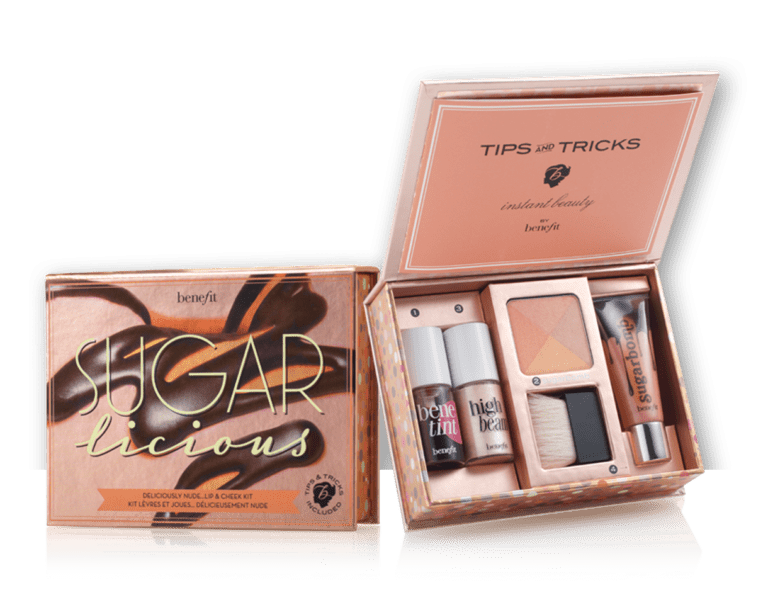
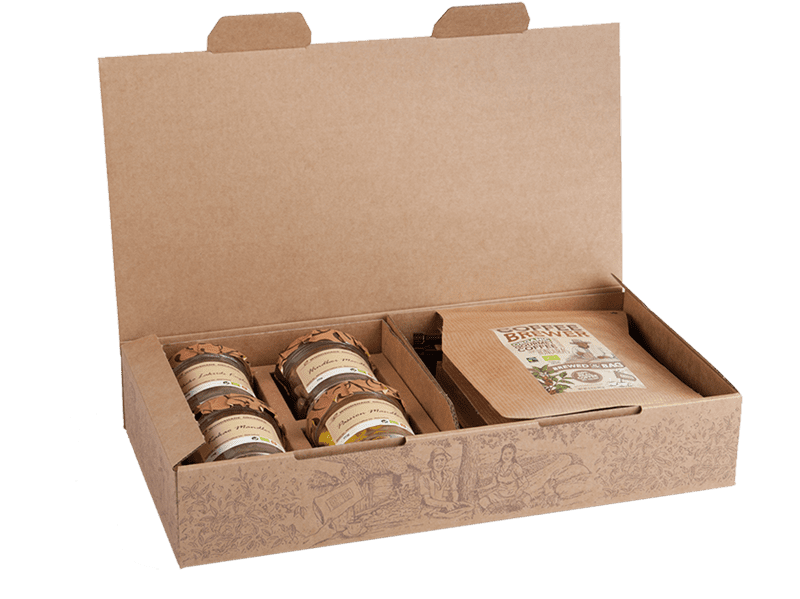
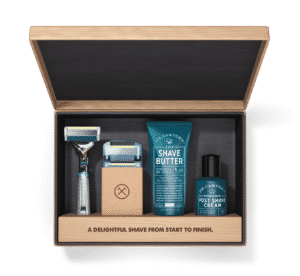
custom rigid box with insert

Bundle packaging is a versatile marketing strategy that can be applied in various ways to enhance product offerings and increase customer satisfaction. In this blog, we’ll explore different types of bundle packaging and the strategies behind each type. Whether you’re a retailer, e-commerce business, or a manufacturer, understanding these diverse approaches can help you make informed decisions about how to package and market your products effectively.

Product Bundles:

What it is: Product bundles involve grouping together related physical products into a single package for sale. These bundles can offer various combinations of products that cater to different customer needs.

Strategy: Product bundles are often used to increase the average transaction value. For example, a laptop retailer might offer a bundle consisting of a laptop, a laptop bag, and a wireless mouse at a discounted price compared to purchasing each item individually.

Accessory Bundles:

What it is: Accessory bundles focus on offering complementary accessories along with a primary product. These can enhance the user experience or provide added convenience.

Strategy: Accessory bundles aim to make the primary product more attractive and valuable. For instance, a smartphone manufacturer might bundle a phone with a screen protector, phone case, and wireless charger.

Subscription Bundles:

What it is: Subscription bundles involve offering multiple related services or products together as part of a subscription package. Customers pay a recurring fee to access these bundled services regularly.

Strategy: Subscription bundles can create recurring revenue streams and improve customer retention. Streaming platforms like Netflix bundle access to multiple movies and TV shows, while software companies may bundle services and updates under a single subscription fee.
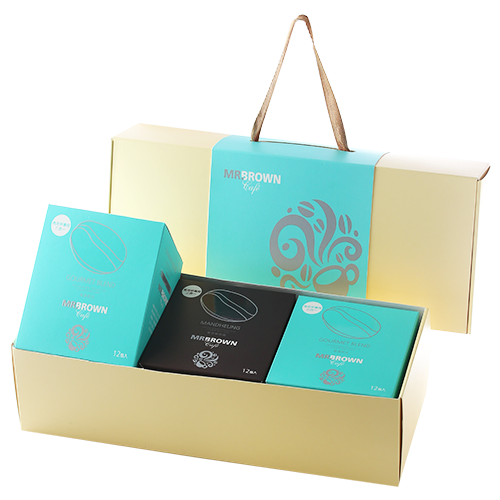
custom rigid two piece box with handle

Product Bundle

Mailer (Subscription Box)

Subscription Bundle

Tiered Bundles:

What it is: Tiered bundles offer customers a choice between different levels of bundled products or services, often at different price points.

Strategy: Tiered bundles cater to a wider range of customer preferences and budgets. For instance, a cable TV provider might offer basic, standard, and premium bundles with varying channel selections and features.

Time-Limited Bundles:

What it is: Time-limited bundles are available for a specific duration or within a limited time frame, creating a sense of urgency for customers to make a purchase.

Strategy: Time-limited bundles can stimulate immediate sales and encourage customers to act quickly. E-commerce websites often offer holiday-themed bundles or limited-time promotions, such as “Back-to-School Bundles” or “Summer Vacation Essentials.”

Customizable Bundles:

What it is: Customizable bundles allow customers to choose specific products or services from a list to create a personalized bundle tailored to their preferences.

Strategy: Customizable bundles provide flexibility and cater to individual customer needs. Meal kit delivery services, for example, allow customers to select their preferred recipes and ingredients for each delivery.
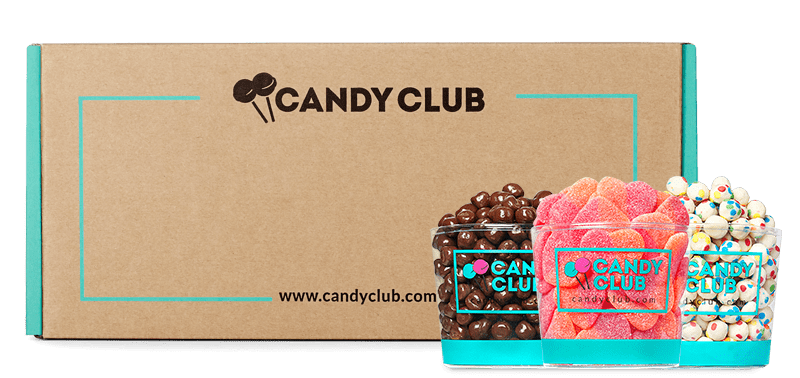
Mailer Subscription Box

Cross-Promotional Bundles:

What it is: Cross-promotional bundles involve collaborating with other businesses to package products or services from different brands into a single bundle.

Strategy: Cross-promotional bundles expand the customer base by tapping into the audience of partner brands. For instance, a cosmetics brand might partner with a fragrance brand to create a “Beauty and Fragrance Bundle.”

Educational Bundles:

What it is: Educational bundles combine products with educational content or resources to help customers learn and improve their skills.

Strategy: Educational bundles add value by providing knowledge and guidance along with products. An example is a photography equipment retailer offering a bundle with a camera and access to an online photography course.

Bulk Purchase Bundles:

What it is: Bulk purchase bundles encourage customers to buy products in larger quantities by offering discounts for buying in bulk.

Strategy: Bulk purchase bundles incentivize customers to stock up on products, helping businesses move excess inventory while offering cost savings to customers. Office supply stores, for example, may offer bulk bundles of printer paper or pens.
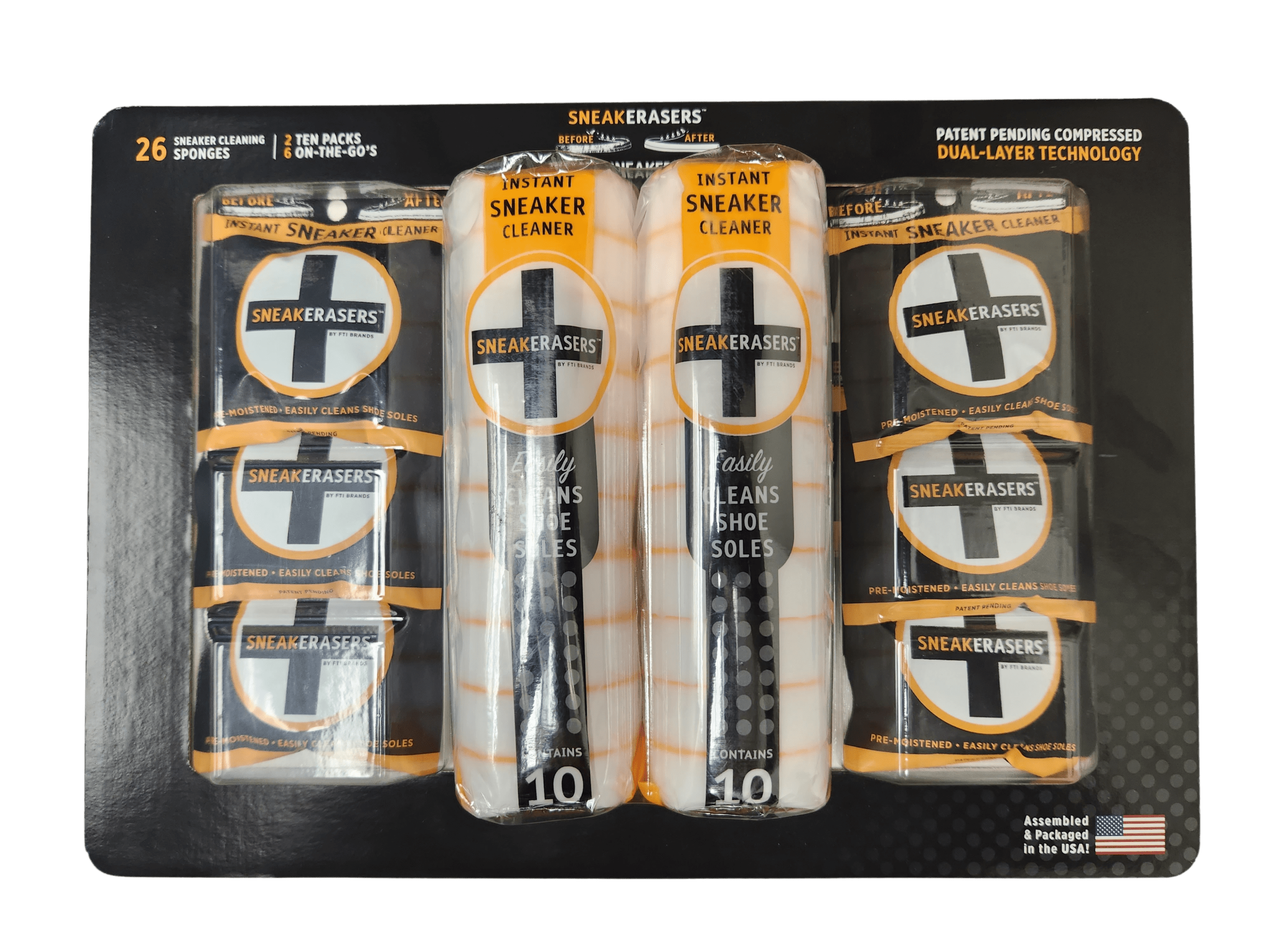
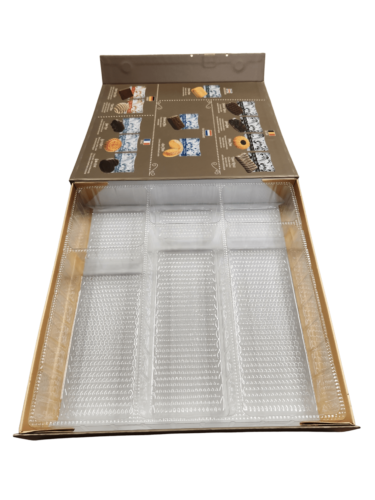
cold seal blister pack

In Conclusion

Bundle packaging is a dynamic strategy that can be tailored to your specific business goals and customer base. By understanding the various types of bundle packaging and their strategies, you can choose the approach that best aligns with your products and target audience. Whether you’re looking to boost sales, increase customer loyalty, or provide added value, bundle packaging offers a creative and effective solution to meet your objectives. So, explore these options, experiment, and watch your business thrive through the power of bundled offerings!

If you are interested in bundle packaging, then partner with Brown Packaging today to get started.

Most Recent Posts:
Comparing Single vs. Multi-Material Packaging

Choosing the right packaging material is one of the most important decisions buyers face. Single-material packaging offers simplicity and recyclability, while multi-material designs provide enhanced performance and protection. Understanding the

Read More »
Categories:
Subscribe To Our Newsletter

By submitting your information, you agree to our terms and conditions and privacy policy.
rigid subscription box
Custom Packaging
Facebook
Twitter
LinkedIn
Pinterest
Relevant Posts
Exploring Packaging Tradeoffs: Shelf-life vs. Costs
Packaging
brownpackaging
Exploring Packaging Tradeoffs: Shelf-life vs. Costs

In the world of packaging, there’s a constant tug-of-war between two critical factors: extending the shelf life of products and controlling costs. This delicate balancing act requires businesses to make strategic decisions that align with their objectives and market dynamics. In this exploration, we’ll delve into the intricate tradeoff between shelf life and costs, examining the interconnectedness of these factors and how businesses can navigate this complex landscape. Packaging Priorities When considering packaging options, companies must weigh the significance of extending shelf life against the imperative of controlling costs. These two aspects are closely intertwined, and understanding their interplay is essential: Extending Shelf Life Extending the shelf life of products carries multifaceted advantages: Enhanced Product Quality: A prolonged shelf life ensures that products maintain their quality, flavor, and efficacy, translating into higher customer satisfaction. Waste Reduction: By reducing spoilage and the deterioration of goods, companies can curtail waste, aligning with both environmental and economic sustainability. Broader Market Reach: Products with extended shelf lives can access wider markets, including regions with extended distribution chains or markets where products may sit on shelves for prolonged periods. Fortified Brand Reputation: Offering products with extended shelf life can bolster a brand’s reputation for delivering reliability and quality. Cost Control Effective cost control is crucial for profitability and competitiveness: Competitive Pricing: Cost-efficient operations enable businesses to offer competitive prices, attracting price-conscious consumers. Profit Margin Enhancement: Improved cost control directly impacts profit margins, contributing to the financial health of the business. Investment in Innovation: Redirecting cost savings towards research and development allows companies to innovate and stay ahead in the market. Market Expansion: Lower production costs may facilitate market expansion and investments in marketing and promotional activities. The Interplay Between Shelf Life and Costs The connection between extending shelf life and controlling costs becomes evident when considering the following scenarios: Enhanced Packaging Materials: Investing in high-quality packaging materials can extend shelf life by protecting products from external factors. While this may increase upfront costs, it can reduce long-term expenses related to product spoilage. Optimized Packaging Designs: Streamlining packaging designs, materials, and sizes can cut production and transportation costs while still preserving product quality. This optimization can strike a balance between shelf life extension and cost control. Temperature-Controlled Packaging: Employing temperature-controlled packaging is costlier but essential for certain temperature-sensitive products. It extends shelf life by preventing spoilage, ultimately reducing overall costs associated with product wastage. Regular Quality Control: Implementing stringent quality control measures may increase initial costs. Still, it ensures that products meet quality standards, reducing expenses tied to product recalls or customer complaints. Navigating the Packaging Tradeoff Striking the right equilibrium between extending shelf life and controlling costs is a nuanced endeavor, necessitating a holistic approach: Market Insight: Thorough market research helps businesses understand consumer preferences, demand patterns, and price sensitivity, guiding decision-making. Product Assessment: Recognize that different products have varying requirements. Prioritize shelf life extension for perishable goods, while focusing on cost control for less time-sensitive products. Continuous Optimization: Regularly assess processes, materials, and packaging to identify opportunities for cost savings without compromising product quality or shelf life. Adaptability: Be prepared to adapt strategies as market conditions, consumer preferences, and technological advancements evolve. If you are interested in maximizing your packaging extended shelf-life while limiting costs, then partner with Brown Packaging today to get started. (714)300-0650 request@brownpackaging.com Most Recent Posts: Categories: Corrugated Ecommerce ESD Design Display Flexible Packaging Foam Folding Carton Packaging Plastic Packaging Pouch Printing Protection Retail Rigid Box Thermoform Sustainability Subscribe To Our Newsletter By submitting your information, you agree to our terms and conditions and privacy policy. Custom Packaging Facebook Twitter LinkedIn Pinterest Relevant Posts

Read More »
Embracing Sustainability: The Importance of Sustainable Packaging for Businesses
Sustainability
brownpackaging
Embracing Sustainability: The Importance of Sustainable Packaging for Businesses

Sustainability has become a crucial issue in recent years, and more and more businesses are adopting sustainable practices to reduce their environmental impact. One area where companies can make a significant difference is in the packaging they use for their products. Environment friendly packaging is an important consideration for businesses that want to reduce their carbon footprint and minimize waste. Quick Overview: Sustainable Packaging In this blog post, we will explore why businesses should consider eco-friendly packaging for their products. What is Sustainable Packaging? Why is Sustainable Packaging Important? Examples of Sustainable Packaging Challenges of Sustainable Packaging What is Sustainable Packaging? Before we dive into why businesses should consider sustainable packaging, let’s define what it is. Sustainable packaging is packaging that is designed and produced using materials and processes that have a minimal impact on the environment. This means that sustainable packaging is made from renewable resources or recycled materials and can be recycled or composted at the end of its useful life. Sustainable packaging is also designed to minimize the amount of waste generated during the manufacturing and distribution process. Why is Sustainable Packaging Important? Reducing Environmental Impact One of the most important reasons why businesses should consider sustainable packaging is that it helps reduce their environmental impact. Traditional packaging materials like plastic and styrofoam can take hundreds of years to decompose, and they can release harmful chemicals into the environment. Sustainable packaging materials, on the other hand, are biodegradable, compostable, or recyclable, which means they can be safely disposed of and won’t harm the environment. Meeting Consumer Demand Consumers are increasingly aware of environmental issues and are looking for products that are produced eco-friendly. According to a study by Nielsen, 81% of global consumers feel strongly that companies should help improve the environment. By using sustainable packaging, businesses can meet this consumer demand and appeal to environmentally conscious shoppers. Improving Brand Image Using sustainable packaging can also improve a business’s brand image. Companies that are committed to sustainability are often seen as responsible and environmentally conscious, which can improve their reputation and attract new customers. Sustainable packaging can also help businesses differentiate themselves from their competitors and stand out in a crowded market. Saving Money Sustainable packaging can also help businesses save money in the long run. While sustainable packaging materials may be more expensive initially, they can often be reused or recycled, which reduces the need for new packaging. Sustainable packaging can also help businesses reduce their waste disposal costs, which can add up over time. Meeting Regulations Finally, businesses should consider environment friendly packaging to meet regulations. Many countries and regions have introduced regulations aimed at reducing the use of single-use plastics and promoting sustainable packaging. By adopting sustainable packaging practices, businesses can comply with these regulations and avoid fines or other penalties. Examples of Sustainable Packaging Now that we’ve discussed why businesses should consider sustainable packaging let’s look at some examples of sustainable packaging materials: Biodegradable Plastics Biodegradable plastics are made from natural materials that can break down quickly in the environment. These materials include cornstarch, sugarcane, and potato starch. Biodegradable plastics can be used for a range of products, including food packaging and shipping materials. Recyclable Plastics Recyclable plastics are plastics that can be recycled and used to make new products. These materials include PET and HDPE plastics, which are commonly used for water bottles and milk jugs. By using recyclable plastics, businesses can reduce the amount of plastic waste that ends up in landfills and oceans. Paper Packaging Paper packaging is made from renewable resources and is easily recyclable. This material is commonly used for food packaging, shipping boxes, and envelopes. By using paper packaging, businesses can reduce their reliance on non-renewable materials like plastic and styrofoam. Compostable Packaging Compostable packaging is made from natural materials that can break down in a composting environment. These materials include cornstarch, sugarcane, and bamboo. Compostable packaging can be used for a range of products, including food packaging and utensils. By using compostable packaging, businesses can reduce the amount of waste that ends up in landfills and promote the growth of healthy soils. Reusable Packaging Reusable packaging is designed to be used multiple times, reducing the need for new packaging materials. This can include materials like glass, metal, and cloth, which can be used for a range of products, including food and beverage containers. By using reusable packaging, businesses can reduce their waste and save money in the long run. Challenges of sustainable packaging While environment friendly packaging offers many benefits, there are also challenges associated with its adoption. One of the biggest challenges is the cost of eco-friendly packaging materials, which can be higher than traditional materials. This can be a barrier for small businesses that may not have the resources to invest in sustainable packaging. Another challenge is the lack of infrastructure to support the collection and recycling of sustainable packaging materials. In many areas, recycling programs are not equipped to handle compostable or biodegradable materials, which can end up in landfills or oceans. Finally, sustainable packaging may not always be as durable or effective as traditional packaging materials. This can be a concern for businesses that need to ensure that their products are protected during transportation and storage. If you are interested in environment friendly packaging solutions, then partner with Brown Packaging today to get started. (714)300-0650 request@brownpackaging.com Most Recent Posts: Categories: Corrugated Ecommerce ESD Design Display Flexible Packaging Foam Folding Carton Packaging Plastic Packaging Pouch Printing Protection Retail Rigid Box Thermoform Sustainability Subscribe To Our Newsletter By submitting your information, you agree to our terms and conditions and privacy policy. Custom Packaging Facebook Twitter LinkedIn Pinterest Relevant Posts

Read More »
Custom Endcap Display
Display
brownpackaging
The Psychology of Point of Purchase Displays

Understanding consumer psychology is paramount to creating effective point of purchase (POP) displays. These strategically placed displays can significantly influence a customer’s decision to make an impromptu purchase. This article will delve into the fascinating realm of consumer psychology and explore how it drives the efficacy of point of purchase displays. The Impulse Buying Phenomenon Impulse buying is a spontaneous, unplanned decision to buy a product made just before checking out. These decisions are driven by emotional triggers rather than logical reasoning, making them a ripe opportunity for retailers. Well-executed POP displays are instrumental in triggering these emotional responses and encouraging impulse buying. Psychological Principles Behind Effective POP Displays The Scarcity Principle Scarcity triggers a sense of urgency and fear of missing out (FOMO) among customers. POP displays that showcase limited-edition products or time-bound offers can effectively exploit this principle, encouraging customers to purchase immediately. The Principle of Reciprocity Humans are naturally inclined to return a favor. Offering free samples or demonstrations at POP displays can make customers feel a sense of indebtedness, making them more likely to purchase the product. The Power of Visual Appeal Aesthetically pleasing and visually stimulating POP displays can significantly influence purchase decisions. Bright colors, creative designs, and unique product arrangements can catch a customer’s eye and evoke a positive emotional response, increasing the likelihood of an impulse buy. The Rule of Three The human brain finds comfort in patterns and particularly favors the number three. Organizing your POP display with product groupings of three, or incorporating the rule of three in your messaging, can make the display more appealing and effective. Harnessing Psychology for Enhanced POP Displays Understanding the psychology behind consumer behavior enables retailers to create more effective POP displays. Here are some strategies that you can adopt: Target Emotions: Design your POP displays to evoke positive emotions. This can be achieved through visual elements, strategic product placement, and persuasive messaging. Use Social Proof: Incorporating customer testimonials or ratings in your POP displays can boost their credibility, encouraging more purchases. Leverage Novelty: The human brain is naturally attracted to new things. Regularly updating your POP displays with new products or designs keeps customers engaged and boosts the chances of impulse buying. Conclusion: The Science of Selling In conclusion, the psychology of point of purchase displays is an intricate science that intertwines consumer behavior, marketing strategies, and retail design. By understanding the psychological principles that influence customers’ buying decisions, retailers can design more effective POP displays and significantly boost their sales. If you’re interested in pop displays, then partner with Brown Packaging today to get started. (714)300-0650 request@brownpackaging.com Most Recent Posts: Categories: Corrugated Ecommerce ESD Design Display Flexible Packaging Foam Folding Carton Packaging Plastic Packaging Pouch Printing Protection Retail Rigid Box Thermoform Sustainability Subscribe To Our Newsletter By submitting your information, you agree to our terms and conditions and privacy policy. POP Displays Facebook Twitter LinkedIn Pinterest Relevant Posts

Read More »