


Home » Creating Competitive Packaging: A Small Business Guide
Creating Competitive Packaging: A Small Business Guide
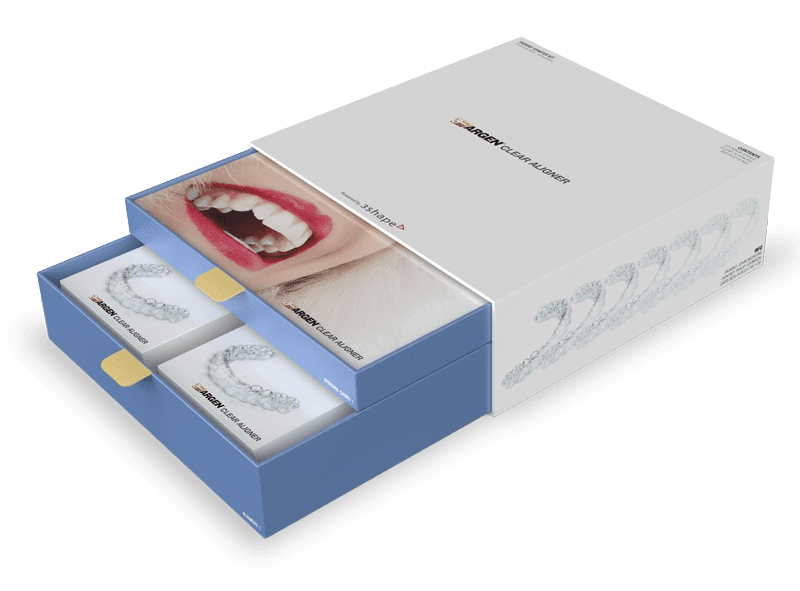
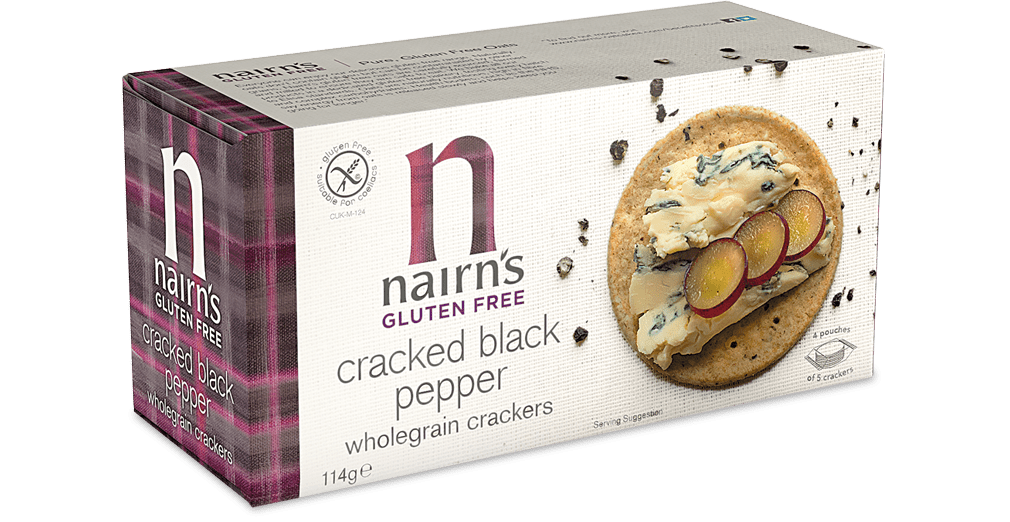
In today’s competitive business landscape, packaging plays a crucial role in attracting customers and setting your products apart from the competition. While larger corporations often have bigger budgets for packaging design and production, small businesses can still create packaging that is equally competitive and appealing. In this blog, we’ll explore strategies and tips for small businesses to create packaging that stands out and drives success.
Understand Your Target Audience
Before diving into packaging design, it’s essential to have a deep understanding of your target audience. What appeals to them? What are their preferences? Small businesses have the advantage of being able to connect on a personal level with their customers. Engage with your audience through surveys, social media, and customer feedback to gather insights into their expectations.
Unique Branding
Your packaging should reflect your brand’s personality and values. Create a unique and memorable brand identity that resonates with your target audience. This includes choosing distinct colors, fonts, and logos that set you apart from competitors. Consistency in branding across all packaging materials is key to building brand recognition.
Quality Matters
While small businesses may not have the budget for extravagant packaging, it’s crucial to invest in quality materials. Sturdy, well-made packaging not only protects your products but also conveys a sense of professionalism and reliability. Consider eco-friendly materials to appeal to environmentally-conscious consumers.
Tell a Story
Larger businesses often have elaborate marketing campaigns, but small businesses can compete by using packaging to tell their story. Include a brief narrative on the packaging that highlights the journey of your business, your commitment to quality, or your dedication to a particular cause. This personal touch can resonate deeply with customers.
Focus on Functionality
Packaging should not only look good but also serve its primary purpose effectively. Ensure that your packaging is practical, easy to open, and provides adequate protection for your products. Think about how customers will interact with it and make their experience as seamless as possible.
Differentiate Through Innovation
Small businesses can innovate and create packaging solutions that stand out. Consider unique packaging shapes, interactive elements, or even incorporating technology like QR codes for a more engaging experience. Innovations can capture customers’ attention and make your products more memorable.
Cost-Effective Design
While larger corporations may have more resources, small businesses can design cost-effective packaging by simplifying their designs. Focus on minimalist yet impactful design elements. Utilize affordable printing and labeling options that still create a visually appealing package.
Personalization
Personalization is a powerful tool in packaging. Consider adding personalized messages, thank-you notes, or even the customer’s name to create a sense of connection. Customized packaging shows that you value your customers individually.
Stay Updated
The world of packaging is constantly evolving. Stay updated on the latest trends and technologies in packaging design. Attend trade shows, read industry publications, and network with other small business owners to gather insights and inspiration.
Test and Iterate
Don’t be afraid to experiment with different packaging designs and gather feedback from your customers. Continuously improve and refine your packaging based on customer input and changing market trends.
Conclusion
Creating competitive packaging as a small business is not just about outspending your larger competitors; it’s about understanding your customers, building a unique brand identity, and delivering high-quality packaging that aligns with your brand’s values. By following these strategies and staying committed to excellence, small businesses can create packaging that competes on a level playing field with larger corporations. Your packaging can become a powerful tool in building customer loyalty and driving success.
If you are interested in competitive packaging for your small business, then partner with Brown Packaging today to get started.
In 2026, sustainability is no longer just a trend—it’s a buyer expectation. Forest Stewardship Council (FSC) certification has become a key benchmark for responsible packaging, signaling that materials are sourced
Sustainability is now a top priority for packaging buyers. Retailers, regulators, and consumers are all demanding packaging solutions that reduce environmental impact without sacrificing performance. In 2026, buyers must balance
Choosing the right packaging material is one of the most important decisions buyers face. Single-material packaging offers simplicity and recyclability, while multi-material designs provide enhanced performance and protection. Understanding the
One of the biggest challenges in sustainable packaging is balancing environmental responsibility with product protection. Buyers often worry that switching to eco-friendly materials means sacrificing durability or driving up costs.
Home » Creating Competitive Packaging: A Small Business Guide
The design and prototyping phase is a pivotal step in the creation of a Point of Purchase (POP) display. It’s where the conceptual groundwork laid in the initial stages comes to fruition, through creative design and practical execution. This blog explores the detailed process of designing and prototyping a POP display, ensuring it effectively resonates with your target audience while aligning with your brand’s identity. Creative Design: Crafting the Concept Collaborating with Designers Working closely with skilled designers is crucial to transforming your ideas into tangible designs. These professionals can offer creative solutions that blend aesthetic appeal with functional design, ensuring the display is both eye-catching and effective in a retail setting. Aligning Design with Brand Identity The design of your POP display should reflect your brand’s core values and visual identity. This includes using brand-specific colors, fonts, and imagery. Consistency in design reinforces brand recognition and enhances the overall impact of your display. Focusing on Target Audience Engagement Understanding your target audience is key to effective design. The display should cater to their preferences and behaviors, which were identified during the research phase. Elements like engaging graphics, dynamic shapes, and interactive components can draw in your audience and make the display more appealing. Effective Messaging The messaging used in your POP display should be clear, concise, and compelling. It’s not just about promoting a product; it’s about communicating value and evoking a response. Whether it’s a call to action or a promotional message, the text should be easily readable and positioned strategically to catch the viewer’s attention. Prototyping: Testing and Refining the Design Building the Prototype Once the design is finalized, the next step is to create a prototype. This is a critical stage where you can see your concept materialized into a physical form. Prototyping allows you to assess the design’s practical aspects and overall impact. Visualizing in Real Environment Prototyping offers the opportunity to visualize how the display will look in its intended environment. This is the time to examine the scale, color accuracy, and placement of messaging. Seeing the display in a physical format can often highlight necessary adjustments that aren’t apparent in digital designs. Making Necessary Adjustments Based on feedback from the prototyping phase, adjustments can be made to improve the design. This might involve tweaking the size to better fit retail spaces, adjusting colors for greater impact, or refining the messaging for clearer communication. Testing Functionality and Durability It’s also important to test the prototype for functionality and durability, especially if the display will be used in high-traffic areas. This ensures that the display will withstand regular use and maintain its visual appeal over time. Conclusion The design and prototyping stages are where creativity meets practicality. By focusing on strong collaboration with designers, aligning the design with brand identity, and rigorously testing the prototype, you can ensure that your POP display not only looks appealing but also effectively achieves its marketing objectives. This process not only enhances the potential success of the display but also minimizes risks and costs associated with making changes after mass production. If you are interested in POP displays, then partner with Brown Packaging today to get started. In Conclusion Bundle packaging is a powerful strategy that can benefit both businesses and customers. It offers convenience, value, and the potential for increased sales. By understanding your audience, choosing the right products, and effectively marketing your bundles, you can tap into the potential of bundle packaging to enhance your brand and drive revenue. So, get creative, bundle up, and watch your sales soar! If you are interested in bundle packaging, then partner with Brown Packaging today to get started. (714)300-0650 request@brownpackaging.com Most Recent Posts: Categories: Corrugated Ecommerce ESD Design Display Flexible Packaging Foam Folding Carton Packaging Plastic Packaging Pouch Printing Protection Retail Rigid Box Thermoform Sustainability Subscribe To Our Newsletter By submitting your information, you agree to our terms and conditions and privacy policy. POP Displays Facebook Twitter LinkedIn Pinterest Relevant Posts
Launching a product or redesigning packaging can be a significant investment. To minimize risk and gather actionable insights, small packaging runs are a smart way to test the market. This approach allows businesses to gauge consumer reactions, refine designs, and optimize functionality before committing to large-scale production. Here’s how small packaging runs can drive success and why digital production is often the ideal method for this purpose. Why Test with Small Packaging Runs? Minimized RiskBy starting with a small batch, businesses can test packaging concepts without a large financial commitment. This ensures that only well-received designs move forward to full-scale production. Market ValidationTesting in the real world—through focus groups, pop-up shops, or limited releases—provides valuable feedback on packaging design, labeling, and usability. This helps identify what resonates with your audience. Iterative DesignSmall runs allow for adjustments and multiple rounds of testing. Based on feedback, businesses can tweak designs, materials, or messaging to create a more polished final product. Cost-Effective ExperimentationCompared to mass production, small runs are significantly less expensive. This makes it possible to try out multiple designs or features without incurring substantial costs. Why Digital Production is Ideal for Small Runs No Setup CostsTraditional printing methods, like offset printing, require expensive setup processes such as plate creation. Digital printing eliminates these costs, making it cost-efficient for small batches. Faster TurnaroundDigital production enables quick printing and delivery, perfect for tight deadlines or rapid testing cycles. High-Quality OutputModern digital printing delivers sharp, vibrant results, ensuring test packaging looks professional and consistent with final production runs. Flexibility With digital production, you can easily modify designs between runs to test different elements like colors, layouts, or messaging. Key Considerations for Effective Testing Sample Size: Ensure your test batch is large enough to yield statistically significant results. Data Collection: Use multiple methods like online surveys, in-person interviews, or sales performance data to gather insights. Adaptability: Be prepared to adjust your design based on feedback to ensure your packaging aligns with customer expectations. Benefits of Testing with Small Runs Advantage Explanation Cost Savings Avoid overproduction and reduce the risk of investing in a design that doesn’t work. Customer Insights Direct feedback helps identify strengths and weaknesses in your packaging design. Agility Quickly implement changes without the delay or expense of large-scale production. Reduced Environmental Impact Produce only what you need, minimizing waste and resources. Real-World Application: Split Testing for Packaging Split testing, or A/B testing, is a powerful strategy for packaging design. By creating two or more versions of your packaging, you can compare their performance in the marketplace. Examples include: Testing different color schemes or logos. Comparing headline copy or product descriptions. Experimenting with eco-friendly materials versus traditional ones. This iterative process ensures your packaging is always optimized for customer appeal and performance. Conclusion Testing the market with small packaging runs is a low-risk, high-reward strategy for businesses looking to launch new products or redesign packaging. By leveraging digital production for these runs, you gain the flexibility to experiment, refine, and validate designs before committing to large-scale production. Ready to test your packaging? Contact us today to explore digital production solutions tailored to your small-run needs! (714)300-0650 request@brownpackaging.com Most Recent Posts: Categories: Corrugated Ecommerce ESD Design Display Flexible Packaging Foam Folding Carton Packaging Plastic Packaging Pouch Printing Protection Retail Rigid Box Thermoform Sustainability Subscribe To Our Newsletter By submitting your information, you agree to our terms and conditions and privacy policy. Custom Packaging Facebook Twitter LinkedIn Pinterest Relevant Posts
Corrugated boxes are an essential part of the shipping and storage process for businesses worldwide. They are made of corrugated paperboard, which comprises three layers: an inside liner, an outside liner, and a corrugated medium. The fluted medium provides cushioning and strength to the box, while the liners provide a surface for printing and labels. There are several types of corrugated boxes, with full overlap (FOL) being one of the most popular due to its superior strength and durability. What is Full Overlap (FOL) Corrugated Boxes? Full overlap (FOL) corrugated boxes are designed with flaps that completely overlap, providing extra protection to the contents inside. The flaps on both the top and bottom of the box extend all the way to the opposite side of the box, ensuring maximum protection and support. The FOL design provides a stronger and more secure seal than other types of corrugated boxes, making it ideal for shipping and storage of heavy or fragile items. Benefits of Full Overlap (FOL) Corrugated Boxes: Durability and Strength FOL corrugated boxes are known for their superior strength and durability, making them ideal for shipping and storing heavy and fragile items. The complete overlap of the flaps ensures that the box can withstand rough handling during transit without compromising the contents. Protection The complete overlap of the flaps provides an extra layer of protection to the contents inside the box, reducing the risk of damage during transit. The FOL design also prevents dust and dirt from entering the box, keeping the contents clean and protected. Customizable Full overlap corrugated boxes can be customized to fit the specific needs of the contents being shipped. The size and shape of the box can be tailored to fit the contents, and additional cushioning or inserts can be added to provide extra protection. Cost-Effective Despite their strength and durability, FOL corrugated boxes are cost-effective and affordable. They are also recyclable, making them an environmentally friendly choice for packaging. Security These corrugated boxes can be sealed tightly and securely with tape, ensuring that the contents remain inside the box during transit. The secure seal also helps prevent tampering and theft. Branding FOL boxes can be customized with a company logo or branding, providing an opportunity for businesses to promote their brand while also protecting their products. Sustainability Full overlap boxes are made from renewable materials and are recyclable, making them a sustainable packaging choice for businesses. Compliance Corrugated boxes can be designed to comply with various shipping regulations, ensuring that the contents arrive at their destination safely and securely. Full Overlap Box Customization FOL corrugated boxes can be customized to meet specific business needs. Customization options include: Size and shape The size and shape of the box can be tailored to fit the contents being shipped. Custom sizes and shapes can be created to ensure a perfect fit for the products. Printing FOL boxes can be printed with company logos, branding, and product information. This can enhance the customer experience and promote brand awareness. Inserts and Cushioning Additional inserts and cushioning can be added to FOL boxes to provide extra protection for fragile or delicate items. Closure Options FOL boxes can be customized with different closure options, including plastic or paper tape, Velcro, or staples. When to Use Full Overlap (FOL) Corrugated Boxes: FOL corrugated boxes are ideal for shipping and storing heavy or fragile items that require extra protection. They are commonly used in industries such as manufacturing, automotive, and aerospace, where heavy and delicate components are shipped. FOL boxes are also commonly used for packaging equipment, machinery, and electronic devices. In addition, FOL boxes are ideal for shipping and storing items that require long-term storage, as they provide excellent protection against dust, dirt, and moisture. FOL boxes can be used for a variety of products, including: Industrial Full overlap boxes are often used to ship and store large and heavy industrial equipment, such as generators, compressors, and pumps. The boxes can be customized to fit the specific dimensions of the equipment and can be reinforced with additional cushioning or inserts for added protection. Automotive Auto parts such as engines, transmissions, and axles are commonly shipped with full overlap boxes. The boxes can be customized to fit the specific dimensions of the parts and can be reinforced with additional cushioning or inserts for added protection. Electronics These boxes are ideal for shipping and storing electronic devices, such as computers, printers, and televisions. The boxes provide excellent protection against dust, dirt, and moisture, which can damage electronic components. FOL boxes can be customized with additional cushioning or inserts to provide extra protection for delicate electronic components. Medical FOL boxes are commonly used to transport medical supplies, such as surgical instruments, laboratory equipment, and diagnostic kits. The boxes can be customized to fit the specific needs of the contents and can be reinforced with additional cushioning or inserts for added protection. Food and Beverage Food and beverage products, such as canned goods and bottles are often packaged inside this type of box as it provides excellent protection against damage during transit and can be customized to fit the specific dimensions of the products. Retail These boxes can be used to package retail products, such as clothing, shoes, and accessories. The boxes can be customized with branding and logos to promote the brand and enhance the customer experience. E-commerce FOL boxes are commonly used for e-commerce shipments, as they provide a secure and durable packaging solution for products being shipped directly to consumers. Summary: Full Overlap Boxes Explained In summary, Full Overlap (FOL) corrugated boxes are an excellent choice for businesses that require a strong, durable, and protective packaging solution for their products. FOL boxes provide superior protection to heavy or fragile items during transit, and they can be customized to fit the specific needs of the contents being shipped. Customization options include size and shape, printing, inserts and cushioning, and closure options. Whether shipping industrial equipment, automotive parts, electronics, medical supplies, food and beverage