
window.uetq = window.uetq || []; window.uetq.push(‘event’, ‘submit_lead_form’,{ event_label:‘SUBMIT MESSAGE’ }); window.lintrk('track', { conversion_id: 10271009 }); window.lintrk('track', { conversion_id: 10271017 });

Balancing Strength and Design in POP Displays

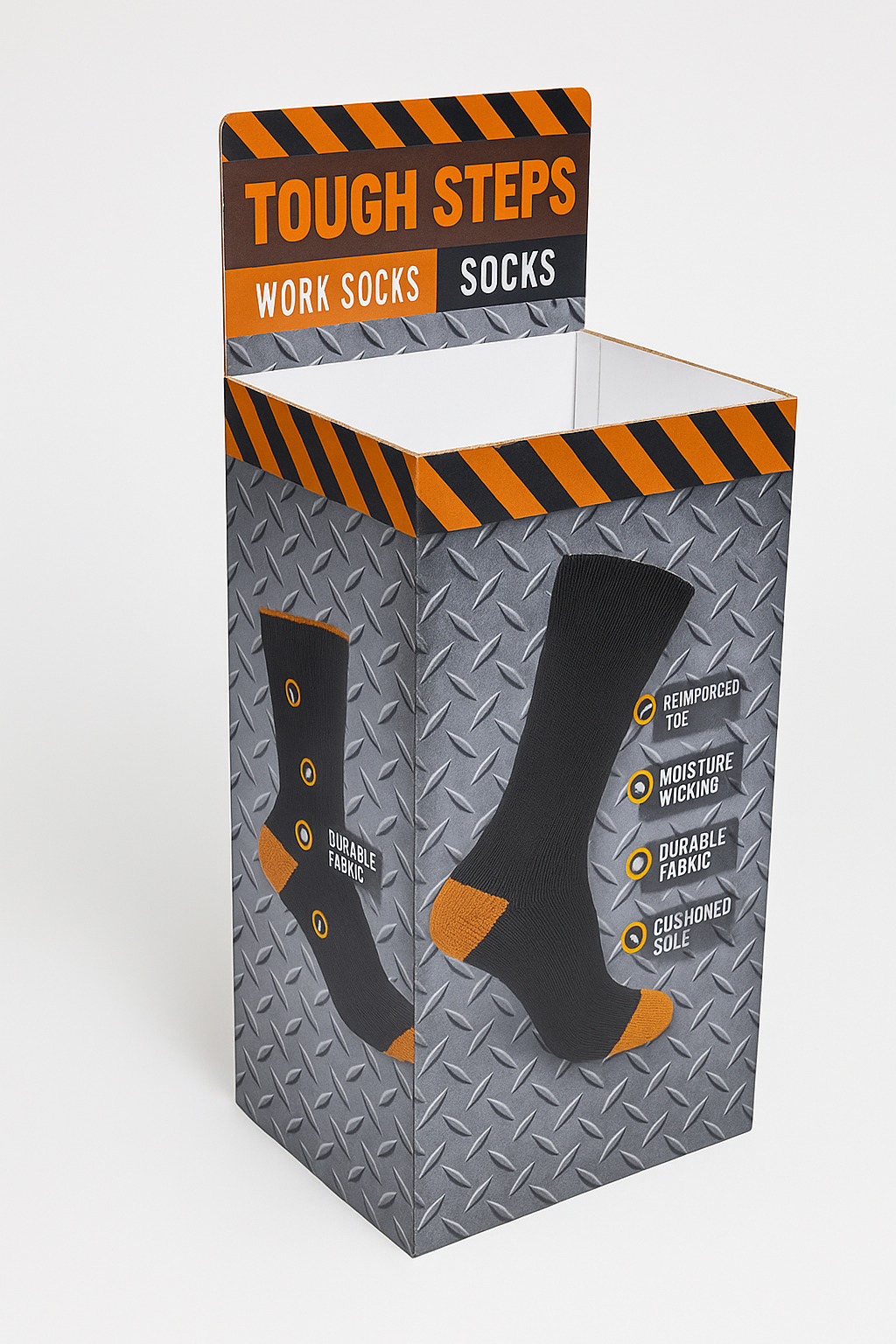
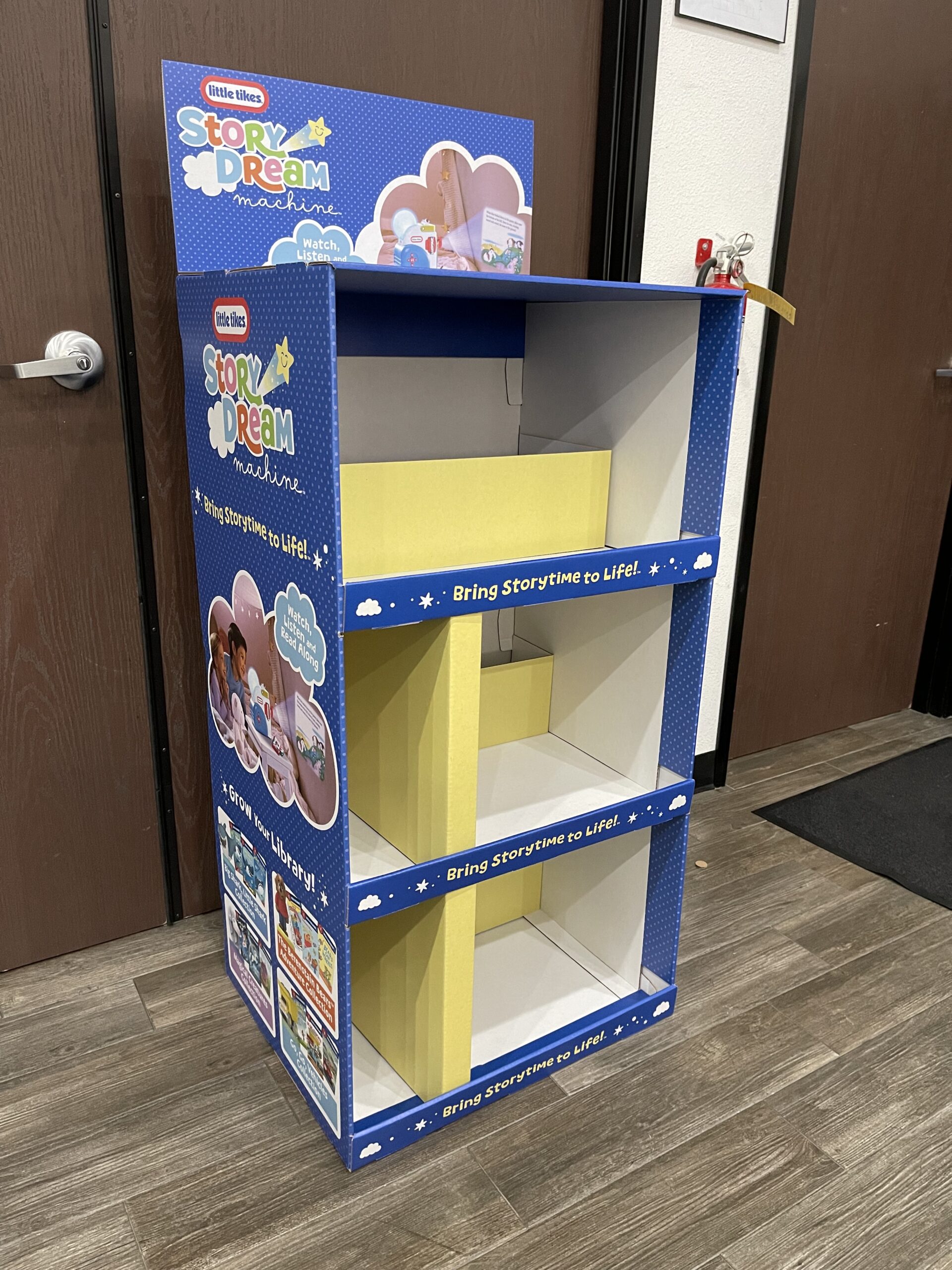
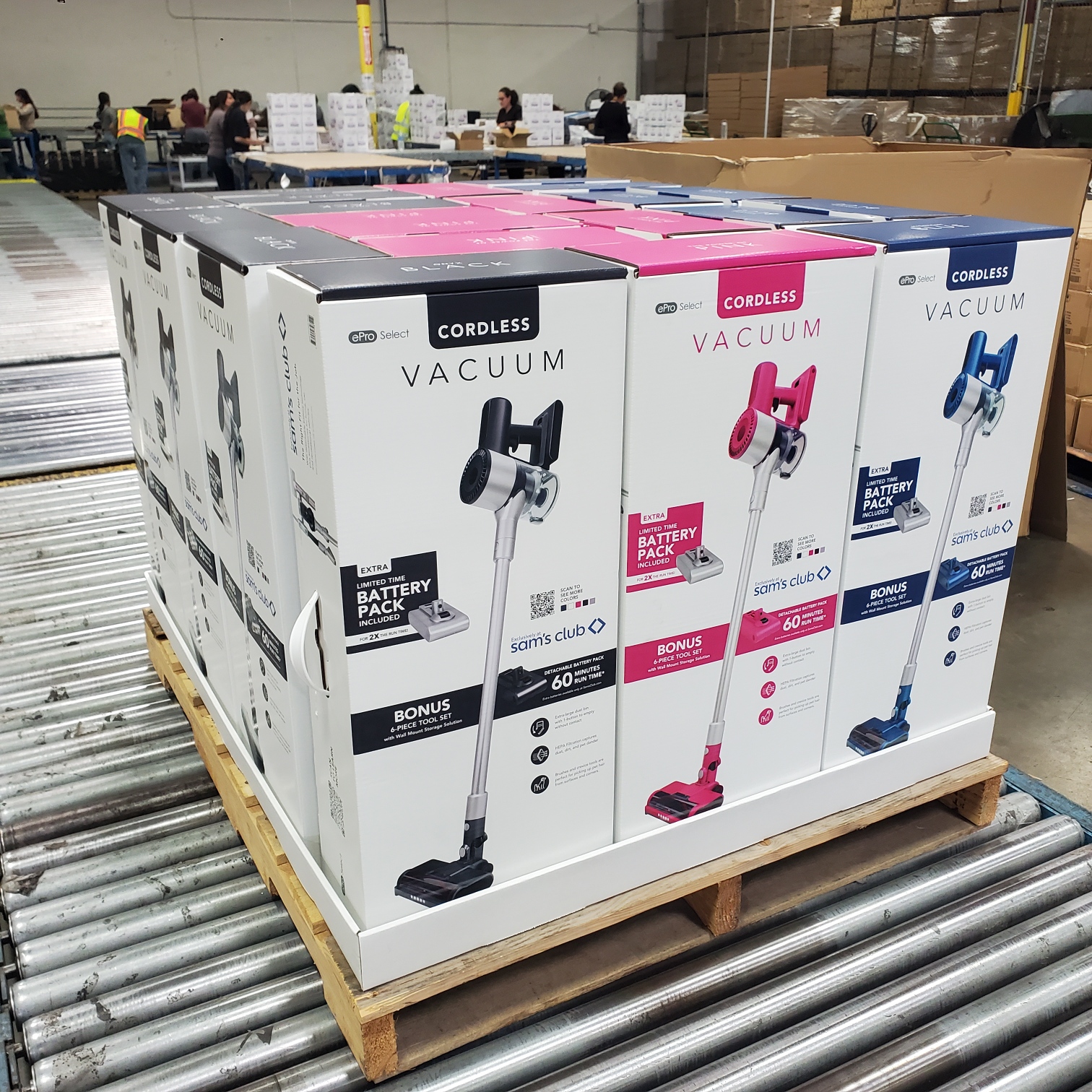
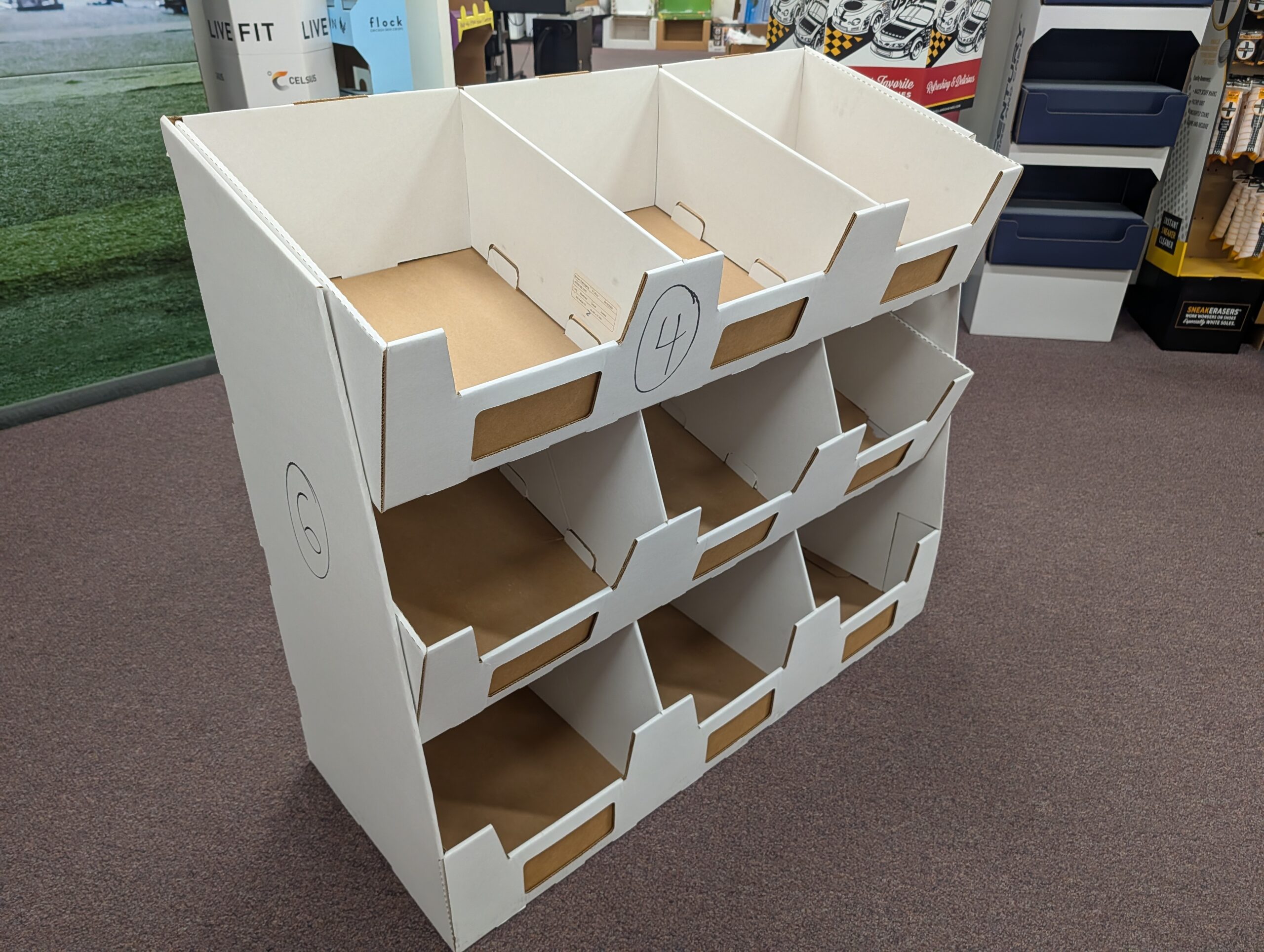
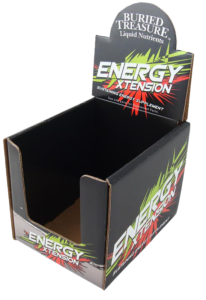
custom point of purchase (POP) display dump bin, retail packaging

Most POP display decisions eventually come down to a tradeoff:
make it look better or make it perform better.

The mistake is thinking you have to choose.

In reality, the best-performing displays are engineered to balance structural strength and visual presentation—because both directly impact sell-through.

Why Strength Gets Overlooked

Design is usually approved before engineering is fully validated.

That leads to:

  • Underestimated product weight
  • Weak load-bearing structures
  • Overuse of lighter board to cut cost

Everything looks fine—until the display hits the floor.

Then:

  • Shelves sag
  • Edges crush
  • Structure leans

And the display starts losing credibility fast.

Understanding Corrugated Strength (What Actually Matters)

Strength isn’t just “thicker board.”

Key factors include:

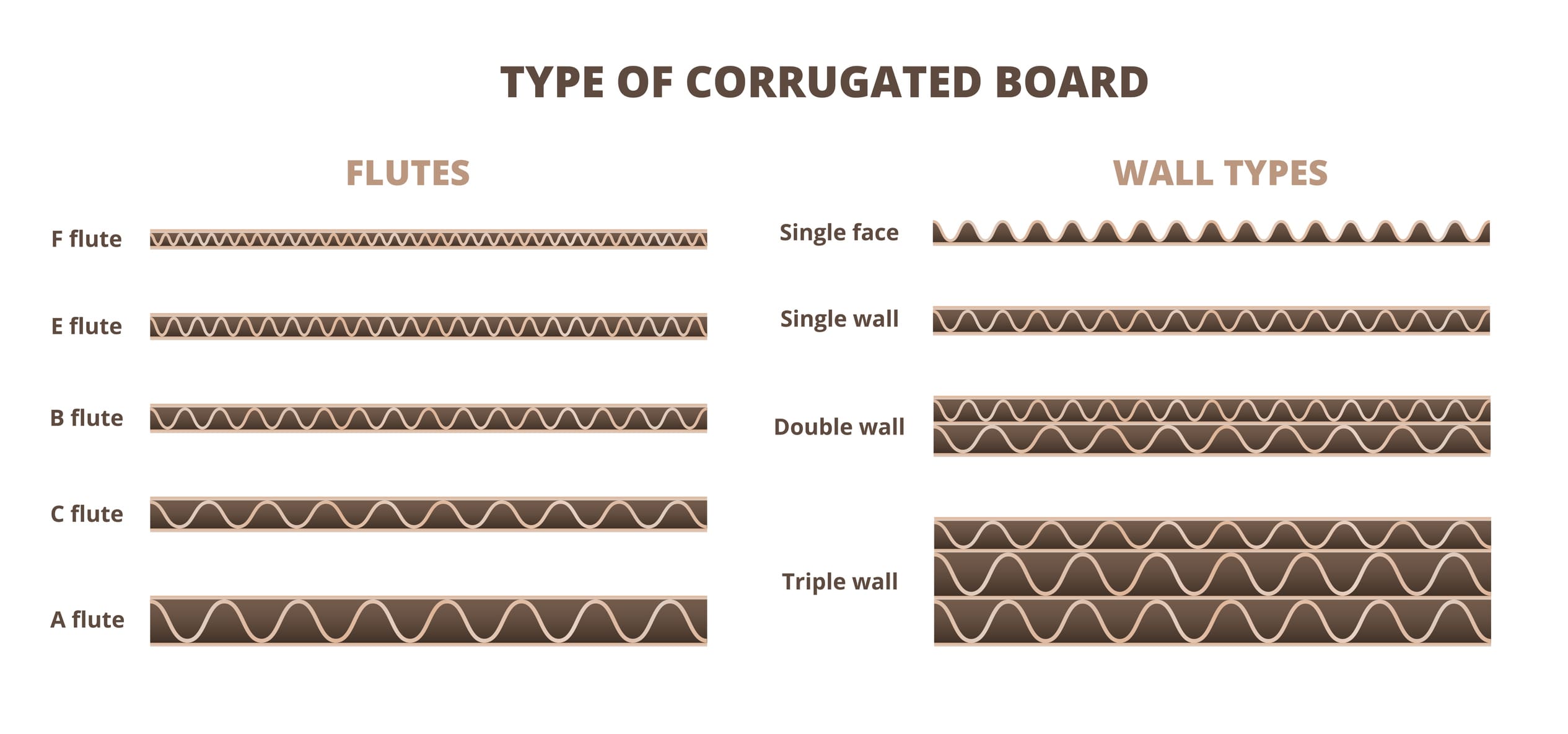
  • Flute type (B, C, E, double-wall)
  • ECT rating (Edge Crush Test)
  • Board composition (kraft vs recycled content)
  • Load distribution across panels and shelves

A display holding 40 lbs across multiple tiers behaves very differently than one holding 10 lbs on a single level.

If the structure isn’t engineered correctly, failure is guaranteed.

Vector scheme, type of corrugated board or cardboard isolated on white. Cardboard flute typical and usual grades, sizes, or types. Single face, single wall, double wall, triple wall corrugated.

Where Visual Appeal Conflicts with Strength

This is where problems start.

Common tradeoffs:

  • Using thinner board for cleaner folds
  • Large cutouts that weaken structure
  • Heavy graphics layered onto weak substrates
  • Minimalist structures that lack reinforcement

These decisions improve aesthetics—but reduce durability.

And once the structure fails, the visual appeal disappears anyway.

Print Methods Also Impact Performance

Printing isn’t just visual—it affects structure.

  • Litho-laminate → high-end graphics, added rigidity, higher cost
  • Flexo print → cost-efficient, direct print, slightly lower visual resolution
  • Digital print → strong for short runs, clean graphics, flexible production

Choosing the wrong print method can:

  • Add unnecessary cost
  • Reduce durability
  • Or fail to match the retail environment

The right choice depends on volume, placement, and lifespan.

Load Distribution Is the Hidden Factor

Even strong materials fail with poor design.

Issues include:

  • Uneven weight across shelves
  • Weak vertical supports
  • No reinforcement at stress points

Results:

  • Mid-cycle collapse
  • Leaning displays
  • Product shifting

Good design spreads weight evenly and reinforces where stress is highest.

Retail Reality: Appearance Degrades Fast

A display doesn’t need to fail completely to lose effectiveness.

Small issues matter:

  • Slight shelf sag
  • Softened edges
  • Warped panels

These signal low quality to shoppers—even subconsciously.

Perception drops → conversion drops.

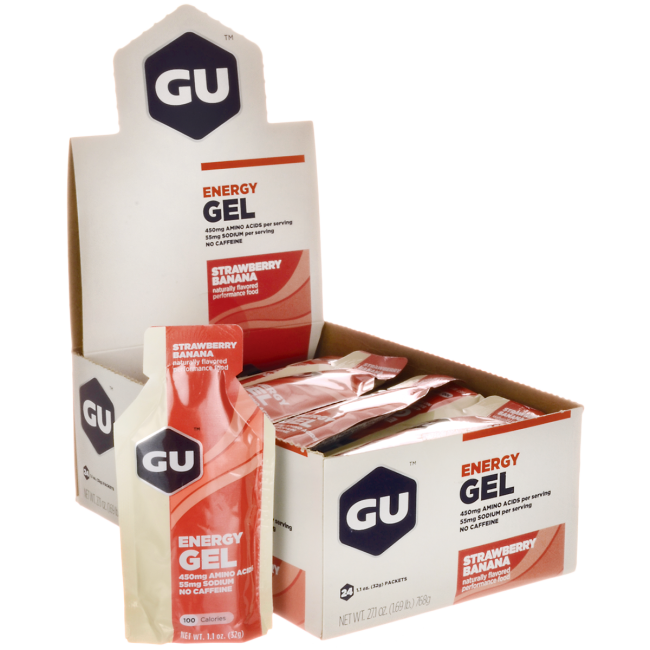
Custom Printed Sachet With Counter Top Display

Where Smart Brands Find the Balance

High-performing displays:

  • Use stronger board only where needed
  • Optimize structure before adding material
  • Align print method with program goals
  • Reinforce high-stress areas without overbuilding

This reduces cost while maintaining performance.

Cost vs Performance: The Right Way to Think About It

Cutting strength to save cost is one of the most expensive mistakes.

Because:

  • Structural failure reduces sell-through
  • Displays get removed early
  • Replacement costs increase

The better approach:
Engineer the structure correctly first—then optimize cost.

Where Brands Get It Wrong

  • Designing visually before validating structure
  • Choosing materials based on cost alone
  • Ignoring weight distribution
  • Overcomplicating design without reinforcement
  • Not testing under real load conditions

These issues don’t show up until rollout.

How Brown Packaging Balances Strength and Design

At Brown Packaging, POP displays are engineered to meet both structural demands and visual expectations.

We focus on:

  • Matching flute and board strength to product load
  • Designing structures that maintain integrity over time
  • Selecting print methods based on real retail conditions
  • Reducing material waste without sacrificing performance

Because a display that looks good but fails structurally isn’t just ineffective—it’s expensive.

References

Soroka, W. (2009). Fundamentals of Packaging Technology (4th ed.). IoPP.
ASTM International. (2022). Corrugated Board Performance Standards.
Freedonia Group. (2023). Corrugated Packaging Market Analysis.
Shop! Association. (2023). Retail Display Design Guidelines.
TAPPI. (2021). Corrugated Testing Methods and Standards.

Most Recent Posts:
Subscribe To Our Newsletter

By submitting your information, you agree to our terms and conditions and privacy policy.

POP Display
Facebook
Twitter
LinkedIn
Pinterest
Relevant Posts