window.uetq = window.uetq || []; window.uetq.push(‘event’, ‘submit_lead_form’,{ event_label:‘SUBMIT MESSAGE’ }); window.lintrk('track', { conversion_id: 10271009 }); window.lintrk('track', { conversion_id: 10271017 });

Blogs

At Brown Packaging, we provide insightful content about the packaging industry to keep our clients, followers, and partners informed with the latest trends and accurate information. Our goal is to equip you with up-to-date knowledge that helps you stay ahead in the ever-evolving world of packaging.

countertop display
Packaging
brownpackaging
Enhancing Repurchase Rates Through Strategic Packaging Design

In an increasingly competitive marketplace, the role of packaging extends beyond the first point of sale – it’s a vital tool in fostering customer loyalty and encouraging repeat purchases. Well-designed packaging can significantly influence a customer’s decision to return to the same product, reinforcing brand recognition and satisfaction. This blog post continues to explore the various ways in which packaging can be optimized to boost consumer repurchase rates. Consistency in Branding and Messaging Brand Recognition: Consistent use of colors, logos, and design elements across all packaging ensures that your products are easily recognizable. This familiarity can be comforting to consumers and can influence their repurchase decisions. Clear Communication: Packaging that effectively communicates the product’s value proposition and key benefits helps reinforce the reasons why a consumer chose the product in the first place, encouraging them to do so again. Sustainability: A Key Factor in Modern Packaging Eco-Friendly Design: Environmentally-conscious consumers are more likely to repurchase products with sustainable packaging. Using recyclable, biodegradable, or compostable materials can be a significant draw. Sustainability Messaging: Clearly highlighting your brand’s commitment to sustainability on your packaging can foster a deeper connection with your target audience and encourage brand loyalty. Personalization and Customization Creating a Personal Connection: Personalized packaging elements, such as including the customer’s name or tailored messages, can create a unique and memorable unboxing experience, enhancing the likelihood of repurchase. Customization for Different Segments: Tailoring packaging designs to different market segments or occasions can make consumers feel more understood and valued, thereby increasing brand affinity. Utilizing Technology and Innovation Interactive Packaging: Incorporating elements like QR codes or augmented reality can turn packaging into an interactive experience, offering more value than just the product itself. Smart Packaging Technologies: Technologies that improve product usability or provide additional information through packaging can enhance the overall user experience, making repurchase more likely. Feedback Loops and Consumer Insights Gathering Consumer Feedback: Use packaging as a medium to encourage feedback, such as directing consumers to online surveys or social media channels. This interaction can provide valuable insights for future improvements and make customers feel heard. Responsive Design Changes: Demonstrating that you value customer feedback by making tangible changes in your packaging design can build trust and loyalty, encouraging repeat purchases. Quality Assurance and Consistency Maintaining High Standards: Ensuring that every package that reaches the consumer is of high quality is crucial. Inconsistent quality in packaging can deter consumers from repurchasing. Investment in Quality Materials and Processes: Using durable materials and reliable packaging processes minimizes the risk of damage or deterioration, maintaining product integrity and customer satisfaction. Conclusion Effective packaging design is a powerful tool in the arsenal of strategies to increase repurchase rates. By focusing on aspects like memorable unboxing experiences, functional design, consistent branding, sustainability, personalization, technological integration, and quality assurance, brands can significantly enhance customer satisfaction and loyalty. In an era where consumers have endless choices, packaging that resonates with them on multiple levels can be the deciding factor in their decision to repurchase. If your interested in strategic packaging solutions, then partner with Brown Packaging today to get started. (714)300-0650 request@brownpackaging.com Most Recent Posts: Categories: Corrugated Ecommerce ESD Design Display Flexible Packaging Foam Folding Carton Packaging Plastic Packaging Pouch Printing Protection Retail Rigid Box Thermoform Sustainability Subscribe To Our Newsletter By submitting your information, you agree to our terms and conditions and privacy policy. Custom Packaging Facebook Twitter LinkedIn Pinterest Relevant Posts

Read More »
Quadrabloc Case study: rigid box
Packaging
brownpackaging
Creating Competitive Packaging: A Small Business Guide

In today’s competitive business landscape, packaging plays a crucial role in attracting customers and setting your products apart from the competition. While larger corporations often have bigger budgets for packaging design and production, small businesses can still create packaging that is equally competitive and appealing. In this blog, we’ll explore strategies and tips for small businesses to create packaging that stands out and drives success. Understand Your Target Audience Before diving into packaging design, it’s essential to have a deep understanding of your target audience. What appeals to them? What are their preferences? Small businesses have the advantage of being able to connect on a personal level with their customers. Engage with your audience through surveys, social media, and customer feedback to gather insights into their expectations. Unique Branding Your packaging should reflect your brand’s personality and values. Create a unique and memorable brand identity that resonates with your target audience. This includes choosing distinct colors, fonts, and logos that set you apart from competitors. Consistency in branding across all packaging materials is key to building brand recognition. Quality Matters While small businesses may not have the budget for extravagant packaging, it’s crucial to invest in quality materials. Sturdy, well-made packaging not only protects your products but also conveys a sense of professionalism and reliability. Consider eco-friendly materials to appeal to environmentally-conscious consumers. Tell a Story Larger businesses often have elaborate marketing campaigns, but small businesses can compete by using packaging to tell their story. Include a brief narrative on the packaging that highlights the journey of your business, your commitment to quality, or your dedication to a particular cause. This personal touch can resonate deeply with customers. Focus on Functionality Packaging should not only look good but also serve its primary purpose effectively. Ensure that your packaging is practical, easy to open, and provides adequate protection for your products. Think about how customers will interact with it and make their experience as seamless as possible. Differentiate Through Innovation Small businesses can innovate and create packaging solutions that stand out. Consider unique packaging shapes, interactive elements, or even incorporating technology like QR codes for a more engaging experience. Innovations can capture customers’ attention and make your products more memorable. Cost-Effective Design While larger corporations may have more resources, small businesses can design cost-effective packaging by simplifying their designs. Focus on minimalist yet impactful design elements. Utilize affordable printing and labeling options that still create a visually appealing package. Personalization Personalization is a powerful tool in packaging. Consider adding personalized messages, thank-you notes, or even the customer’s name to create a sense of connection. Customized packaging shows that you value your customers individually. Stay Updated The world of packaging is constantly evolving. Stay updated on the latest trends and technologies in packaging design. Attend trade shows, read industry publications, and network with other small business owners to gather insights and inspiration. Test and Iterate Don’t be afraid to experiment with different packaging designs and gather feedback from your customers. Continuously improve and refine your packaging based on customer input and changing market trends. Conclusion Creating competitive packaging as a small business is not just about outspending your larger competitors; it’s about understanding your customers, building a unique brand identity, and delivering high-quality packaging that aligns with your brand’s values. By following these strategies and staying committed to excellence, small businesses can create packaging that competes on a level playing field with larger corporations. Your packaging can become a powerful tool in building customer loyalty and driving success. If you are interested in competitive packaging for your small business, then partner with Brown Packaging today to get started. (714)300-0650 request@brownpackaging.com Most Recent Posts: Categories: Corrugated Ecommerce ESD Design Display Flexible Packaging Foam Folding Carton Packaging Plastic Packaging Pouch Printing Protection Retail Rigid Box Thermoform Sustainability Subscribe To Our Newsletter By submitting your information, you agree to our terms and conditions and privacy policy. Custom Packaging Facebook Twitter LinkedIn Pinterest Relevant Posts

Read More »
Custom Corrugated retail box with window cut out, sample packs and poly bags
Packaging
brownpackaging
Bundle Packaging: Everything You Need to Know

When it comes to marketing and selling products, presentation matters. Bundle packaging is a clever and effective strategy that many businesses use to enhance their products’ appeal and value. Whether you’re a retailer, e-commerce business, or a manufacturer, understanding the art of bundle packaging can make a significant difference in your sales and customer satisfaction. In this blog, we’ll delve into the world of bundle packaging, exploring what it is, its benefits, and how to create effective bundles that resonate with your target audience. What is Bundle Packaging? Bundle packaging, also known as product bundling, is the practice of grouping together multiple related products or services into a single package for sale. Instead of selling each item individually, businesses package them together as a bundle, often offering it at a discounted price or with added value. This packaging strategy aims to entice customers to purchase more and enhance their overall shopping experience. The Benefits of Bundle Packaging Bundle packaging offers a range of advantages for both businesses and consumers: Increased Sales: One of the primary benefits of bundle packaging is its potential to boost sales. Customers are more likely to purchase a bundle of related items if it offers them better value compared to buying each item separately. This can lead to an increase in the average transaction value. Clear Value Proposition: Bundles provide a clear value proposition to customers. They can see that by purchasing the bundle, they are getting a deal or receiving added value, which can be a powerful motivator for purchase. Enhanced Customer Experience: Customers appreciate convenience. Bundling complementary products together can save them time and effort in finding and purchasing individual items. This convenience can lead to improved customer satisfaction and loyalty. Inventory Management: For businesses, bundle packaging can help manage inventory effectively. It allows you to bundle slower-moving products with more popular ones, helping to clear out older stock and improve cash flow. Competitive Advantage: Creating unique and compelling bundles can set your business apart from competitors. It allows you to differentiate your offerings and attract customers seeking a comprehensive solution. How to Create Effective Bundles Creating successful bundle packages requires careful planning and consideration. Here are some steps to guide you: Understand Your Audience: Start by understanding your target audience’s needs and preferences. What products or services are they likely to buy together? What problems can your bundles solve for them? Choose Complementary Products: Select products that naturally complement each other. They should enhance the value of the bundle and make sense to the customer. For example, a camera bundle could include lenses, a tripod, and a camera bag. Pricing Strategy: Determine the pricing strategy for your bundles. Typically, bundles are priced lower than the total cost of purchasing each item separately, offering customers a discount. However, ensure that your pricing still allows for a reasonable profit margin. Packaging Design: Invest in attractive and informative packaging design. The packaging should clearly communicate what’s included in the bundle and its value proposition. High-quality packaging enhances the perceived value of the bundle. Marketing and Promotion: Promote your bundles through various marketing channels, both online and offline. Highlight the benefits of purchasing the bundle, such as cost savings or convenience. Use visuals and descriptions that resonate with your target audience. Monitor and Adjust: Track the performance of your bundles. Analyze sales data, customer feedback, and return on investment. Make adjustments as needed to optimize your bundle offerings. Examples of Successful Bundle Packaging Tech Gadgets Bundle: A bundle that includes a smartphone, wireless earbuds, and a phone case, all for a lower price than buying them individually. Cooking Essentials Bundle: A bundle of kitchen appliances like a blender, food processor, and a set of high-quality knives, perfect for aspiring chefs. Beauty and Skincare Set: A bundle containing skincare products, makeup, and a cosmetic bag, offering customers a complete beauty solution. Fitness Starter Pack: A bundle with workout equipment, a fitness tracker, and a subscription to a fitness app, targeting fitness enthusiasts. In Conclusion Bundle packaging is a powerful strategy that can benefit both businesses and customers. It offers convenience, value, and the potential for increased sales. By understanding your audience, choosing the right products, and effectively marketing your bundles, you can tap into the potential of bundle packaging to enhance your brand and drive revenue. So, get creative, bundle up, and watch your sales soar! If you are interested in bundle packaging, then partner with Brown Packaging today to get started. (714)300-0650 request@brownpackaging.com Most Recent Posts: Categories: Corrugated Ecommerce ESD Design Display Flexible Packaging Foam Folding Carton Packaging Plastic Packaging Pouch Printing Protection Retail Rigid Box Thermoform Sustainability Subscribe To Our Newsletter By submitting your information, you agree to our terms and conditions and privacy policy. Custom Packaging Facebook Twitter LinkedIn Pinterest Relevant Posts

Read More »
Tiered Packaging Explained
Packaging
brownpackaging
Tiered Packaging Explained

In the world of retail and e-commerce, packaging isn’t just about protecting products; it’s an essential part of the overall customer experience. One effective strategy to enhance this experience is tiered packaging. This approach involves offering premium packaging options for select products or customers, allowing you to cater to different preferences and elevate your brand’s image. In this detailed blog, we will explore the concept of tiered packaging and its benefits for businesses looking to provide a personalized and memorable unboxing experience. Understanding Tiered Packaging Tiered packaging is a strategic approach that involves creating multiple levels of packaging options, each catering to specific customer segments or product categories. These tiers typically include: Standard Packaging: The basic packaging option suitable for most products. It focuses on functionality and cost-efficiency. Premium Packaging: A higher-quality packaging option that adds a touch of luxury and sophistication to the unboxing experience. It often includes features like embossing, foiling, or special finishes. Custom Packaging: Tailored packaging solutions designed for specific products or occasions. Custom packaging can be highly personalized, reflecting the uniqueness of the product or event. Benefits of Tiered Packaging Tiered packaging offers numerous advantages for businesses looking to stand out in a competitive market: Personalization: By offering different packaging tiers, you can tailor the unboxing experience to the preferences and expectations of different customer segments. This personalization can create a stronger emotional connection with your brand. Brand Image: Premium and custom packaging options enhance your brand’s image, positioning it as upscale and attentive to detail. This can influence how customers perceive your products and brand. Customer Loyalty: Providing a premium unboxing experience can foster loyalty among your customers. They are more likely to return to a brand that consistently delivers a memorable and personalized experience. Increased Perceived Value: Premium packaging elevates the perceived value of your products. Customers are willing to pay more for items that come in high-quality packaging. Unboxing Excitement: Premium and custom packaging options create a sense of excitement during unboxing. This excitement can lead to positive unboxing videos and social media shares, providing free marketing and exposure. Versatility: Tiered packaging allows you to adapt to various occasions and product categories. You can offer different packaging options for regular product lines, seasonal promotions, limited-edition releases, and special events. Implementing Tiered Packaging Here are the key steps to implement tiered packaging effectively: Segment Your Audience: Identify distinct customer segments based on factors like purchasing behavior, demographics, or loyalty levels. Understand the unique preferences and expectations of each segment. Define Packaging Tiers: Create packaging tiers that align with your brand and the identified customer segments. Determine the features, materials, and finishes that differentiate each tier. Product Selection: Decide which products or product categories will be eligible for each packaging tier. Consider factors like product value, profit margin, and target audience. Pricing Strategy: Set pricing for each packaging tier. Ensure that the added cost of premium or custom packaging aligns with the perceived value it brings to the customer. Promotion and Communication: Promote your tiered packaging options through marketing channels and on your website. Clearly communicate the benefits of each tier and who it is designed for. Consistency: Maintain consistency in your packaging options and branding across all touchpoints, from the website to the unboxing experience. Consistency reinforces your brand identity. Conclusion Tiered packaging is a powerful strategy that allows businesses to offer a personalized and memorable unboxing experience while enhancing their brand image. By segmenting your audience, defining packaging tiers, selecting eligible products, setting pricing, and effectively promoting your options, you can create a packaging strategy that resonates with different customer segments and drives customer loyalty. Ultimately, tiered packaging is a valuable tool for businesses looking to stand out and create lasting impressions in today’s competitive market. If you are interested in tiered packaging solutions, then partner with Brown Packaging today to get started. (714)300-0650 request@brownpackaging.com Most Recent Posts: Categories: Corrugated Ecommerce ESD Design Display Flexible Packaging Foam Folding Carton Packaging Plastic Packaging Pouch Printing Protection Retail Rigid Box Thermoform Sustainability Subscribe To Our Newsletter By submitting your information, you agree to our terms and conditions and privacy policy. Custom Packaging Facebook Twitter LinkedIn Pinterest Relevant Posts

Read More »
Strategies to Protect Packaging Against Oxygen and Air Exposure
Protection
brownpackaging
Strategies to Protect Packaging against Oxygen and Air Exposure

Oxygen and air exposure can adversely affect the quality, shelf life, and safety of your products. To ensure the integrity of your products and packaging, it’s essential to implement effective measures to protect against oxygen and air infiltration. In this blog, we will explore various strategies and best practices to help you safeguard your packaging against these environmental factors effectively. Understanding the Threat Before we delve into protective measures, it’s crucial to understand the potential risks associated with oxygen and air exposure: Oxidation: Exposure to oxygen can lead to oxidation, which can cause changes in color, flavor, and texture of food products, as well as the degradation of certain chemicals and pharmaceuticals. Spoilage: Oxygen can promote the growth of spoilage organisms and pathogens in perishable products, leading to product spoilage and safety concerns. Product Degradation: In some cases, oxygen exposure can trigger chemical reactions in products, causing them to deteriorate or lose efficacy. Protective Measures To safeguard your packaging against oxygen and air exposure, consider implementing the following protective measures: Oxygen Barrier Packaging Materials: Choose packaging materials with oxygen barrier properties. These materials prevent oxygen from permeating the package and coming into contact with the product. Common oxygen barrier materials include metallized films, aluminum foil, and certain plastics. Vacuum-Sealed Packaging: Utilize vacuum-sealing methods to remove air from the package before sealing it. Vacuum-sealed packaging creates an airtight environment that minimizes oxygen exposure. Nitrogen Flushing: Implement nitrogen flushing or gas flushing during the packaging process. This involves replacing the air inside the package with nitrogen or an inert gas to displace oxygen. Modified Atmosphere Packaging (MAP): Consider modified atmosphere packaging, where the atmosphere inside the package is modified to contain lower oxygen levels. This is common in the packaging of fresh produce and meats. Seal Integrity: Ensure that packaging seals are strong and airtight. Regular quality control checks should verify that no gaps or defects exist in the sealing process, preventing oxygen infiltration. Desiccants and Oxygen Absorbers: Include desiccants or oxygen absorbers inside the packaging. Desiccants remove moisture, which can contribute to oxidation, while oxygen absorbers remove oxygen, extending shelf life. Quality Control Checks: Conduct quality control checks to verify the effectiveness of oxygen protection measures. Use oxygen permeability testing to assess packaging materials. Barrier Films and Coatings: Apply oxygen barrier films or coatings to packaging materials. These films and coatings create an additional layer of protection against oxygen infiltration. Regulatory Compliance: Adhere to industry-specific and regulatory standards for products that require protection against oxygen exposure. Compliance ensures that your products meet safety and quality requirements. Vigilance and Continuous Improvement Protecting your packaging against oxygen and air exposure is an ongoing effort. Continuously assess your packaging solutions and gather feedback from consumers, retailers, and quality control personnel to identify any weaknesses or areas for improvement. Stay vigilant and proactive in addressing potential risks related to oxygen and air exposure. By implementing these strategies and maintaining a proactive approach to packaging protection, you can significantly reduce the risk of oxygen-related damage to your products, enhance their overall quality and safety, and ensure that your packaging maintains the highest standards of protection against these environmental factors. If you are interested in protection against oxygen and air exposure for your packaging, then partner with Brown Packaging today to get started. (714)300-0650 request@brownpackaging.com Most Recent Posts: Categories: Corrugated Ecommerce ESD Design Display Flexible Packaging Foam Folding Carton Packaging Plastic Packaging Pouch Printing Protection Retail Rigid Box Thermoform Sustainability Subscribe To Our Newsletter By submitting your information, you agree to our terms and conditions and privacy policy. Custom Packaging Facebook Twitter LinkedIn Pinterest Relevant Posts

Read More »
Spout Pouches vs. Bottle Packaging
Beverage
brownpackaging
Spout Pouches vs Bottle Packaging

When it comes to packaging liquids and semi-liquids, two popular options are spout pouches and traditional bottle packaging. Both have their advantages and disadvantages, making them suitable for various applications. In this detailed blog, we will conduct a comprehensive comparison of spout pouches and bottle packaging, exploring their features, benefits, drawbacks, and common use cases. By the end, you’ll have a clear understanding of which option might be the best fit for your specific product and branding needs. Features and Benefits of Spout Pouches Flexibility and Portability: Spout pouches are lightweight and flexible, making them easy to store and transport. They take up less space than rigid bottles, making them an excellent choice for on-the-go consumers. Customizable Design: Spout pouches offer a wide range of design possibilities. They can be customized with vibrant graphics, various shapes, and transparent windows, enhancing product visibility and shelf appeal. Reduced Environmental Impact: Spout pouches are often more eco-friendly than bottles. They require less material for production and transportation, contributing to reduced carbon footprint. Cost-Efficiency: Spout pouches can be cost-effective, particularly for large-volume orders. They save on material costs, storage space, and transportation expenses. Easy Dispensing: Spout pouches come with a built-in spout and cap, providing controlled and mess-free dispensing of liquids. This feature is especially valuable for products like baby food, sauces, and beverages. Drawbacks of Spout Pouches Limited Durability: While spout pouches are suitable for many applications, they may not provide the same level of durability and impact resistance as bottles. This can be a concern for products that require robust protection. Shelf Stability: For certain products that require extended shelf life or resistance to external factors like light and oxygen, bottles may offer better protection and preservation. Features and Benefits of Bottle Packaging Durability: Bottles, especially those made from glass or thick plastics, offer high durability and impact resistance. They are less likely to puncture or tear compared to spout pouches. Variety of Shapes and Sizes: Bottles come in various shapes, sizes, and materials, providing flexibility for different product types and branding needs. Premium Image: Glass bottles, in particular, convey a premium and upscale image for products like wine, spirits, and gourmet sauces. They are often associated with higher quality. Excellent Shelf Stability: Bottles can offer superior protection against external factors like light, oxygen, and moisture, ensuring product quality and shelf stability. Drawbacks of Bottle Packaging Environmental Impact: Traditional bottles can have a more substantial environmental impact due to the higher amount of material used and increased transportation costs. Weight and Transportation Costs: Bottles, especially glass ones, are heavier and bulkier, leading to higher transportation costs and potential breakage during transit. Limited Dispensing: Some bottle designs may not offer as convenient and controlled dispensing as spout pouches. Pouring liquids from bottles can be less precise and more prone to spills. Common Use Cases Spout Pouches: Spout pouches are commonly used for products such as baby food, fruit purees, energy drinks, liquid detergents, sauces, salad dressings, and personal care products. Bottle Packaging: Bottles are often chosen for beverages (water, juice, soda, alcoholic beverages), condiments (ketchup, mustard, mayonnaise), cooking oils, pharmaceuticals, and chemical products. Conclusion Choosing between spout pouches and bottle packaging depends on several factors, including product type, branding, environmental considerations, and consumer preferences. Spout pouches excel in terms of flexibility, customization, and eco-friendliness, while bottles offer durability, premium image, and excellent shelf stability. Ultimately, the decision should align with your specific product needs and overall packaging strategy, aiming to deliver the best possible consumer experience while meeting your business objectives. If you are interested in packaging for your beverages, then partner with Brown Packaging today to get started. (714)300-0650 request@brownpackaging.com Most Recent Posts: Categories: Corrugated Ecommerce ESD Design Display Flexible Packaging Foam Folding Carton Packaging Plastic Packaging Pouch Printing Protection Retail Rigid Box Thermoform Sustainability Subscribe To Our Newsletter By submitting your information, you agree to our terms and conditions and privacy policy. Beverage Packaging Facebook Twitter LinkedIn Pinterest Relevant Posts

Read More »
Packaging in California vs. the Rest of the United States
Packaging
brownpackaging
Packaging in California vs. the Rest of the United States

Packaging plays a crucial role in product presentation, preservation, and sustainability. While packaging regulations across the United States generally adhere to federal guidelines, California stands out for its unique and stringent packaging laws. In this blog, we will explore the differences between packaging in California and the rest of the United States, examining regulations, sustainability initiatives, and their impact on businesses and consumers. California’s Packaging Regulations: A Unique Landscape California is known for its proactive approach to environmental protection, and its packaging regulations reflect this commitment. The primary difference between California and the rest of the U.S. lies in the state’s comprehensive and strict regulations aimed at reducing packaging waste and promoting recycling. California’s Rigid Container Law One of California’s standout packaging laws is the Rigid Plastic Packaging Container (RPPC) Act, which requires manufacturers to minimize packaging waste. This law mandates that RPPCs meet specific recycling criteria, such as using a minimum percentage of recycled content and being labeled with recycling symbols. Non-compliant products may face penalties. Extended Producer Responsibility (EPR) Programs California has been at the forefront of Extended Producer Responsibility (EPR) programs. Under EPR, manufacturers bear responsibility for the entire lifecycle of their packaging, from production to disposal. They must participate in recycling programs, fund collection systems, and meet specific recycling and recovery targets. Plastic Waste Reduction Laws California has implemented multiple laws aimed at reducing single-use plastics. Bans on single-use plastic bags, straws, and expanded polystyrene (Styrofoam) food containers are examples of such regulations. These measures have significant implications for packaging choices, particularly in the food and beverage industry. Packaging Regulations in the Rest of the U.S. While California leads in packaging regulations, the rest of the United States primarily follows federal guidelines established by agencies like the Environmental Protection Agency (EPA) and the Food and Drug Administration (FDA). These guidelines cover issues such as recycling labels, nutrition facts, and product safety. Federal Recycling Labeling Recycling labeling guidelines provided by the Federal Trade Commission (FTC) are used nationwide. These guidelines ensure consistency in recycling symbols and terminology. However, California may have additional requirements for products sold within the state. Variability in State Regulations Beyond federal guidelines, individual states may have their own packaging regulations, but they generally tend to be less stringent than California’s. States may focus on issues like bottle deposits or recycling programs but typically do not have laws as comprehensive as California’s RPPC Act or EPR programs. Implications for Businesses and Consumers Compliance Costs Businesses operating in California face higher compliance costs due to the state’s strict packaging regulations. They must invest in sustainable packaging materials, meet recycling targets, and navigate complex reporting requirements. These costs can affect pricing and profitability. Consumer Awareness Consumers in California tend to be more aware of packaging sustainability due to the state’s active promotion of recycling and reduction of single-use plastics. This can influence their purchasing decisions and product preferences. National Brands vs. Local Brands National brands often create standardized packaging to comply with various state regulations, including California’s. Local or smaller brands may find it challenging to navigate the patchwork of state-specific requirements. Sustainability Initiatives California’s stringent regulations have spurred innovation in sustainable packaging materials and practices. These initiatives have the potential to influence packaging trends and best practices across the nation. (714)300-0650 request@brownpackaging.com Most Recent Posts: Subscribe To Our Newsletter By submitting your information, you agree to our terms and conditions and privacy policy. Custom Packaging Facebook Twitter LinkedIn Pinterest Relevant Posts

Read More »
Polyethylene
Foam
brownpackaging
Polyethylene vs Laminated Polyethylene Packaging Foam

In the realm of packaging materials, the choice between polyethylene (PE) and laminated polyethylene foam can significantly impact the effectiveness and functionality of your packaging solutions. To make informed decisions about your packaging needs, it’s crucial to delve into the distinctions between these two foam materials. In this comprehensive comparison, we will explore the properties, applications, benefits, and drawbacks of polyethylene foam and laminated polyethylene foam specifically in the context of packaging. By the end, you’ll gain insights into which foam material best suits your unique packaging requirements. Polyethylene Foam: A Closer Look in Packaging Polyethylene foam, often referred to as PE foam, is a versatile packaging material known for its exceptional cushioning and protective qualities. Here are some key features of polyethylene foam when applied to packaging: Exceptional Cushioning: In packaging, polyethylene foam stands out for providing superior cushioning and shock absorption, making it an ideal choice for safeguarding fragile items during storage, transit, and handling. Insulation: PE foam serves as an excellent thermal insulator, which is advantageous when packaging temperature-sensitive goods, ensuring they maintain their intended conditions. Moisture Resistance: Packaging materials require protection from moisture, and PE foam delivers on this front. It is inherently resistant to moisture, preserving the integrity of packaged items even in damp environments. Customization: The flexibility of polyethylene foam allows for easy customization to accommodate the unique shapes and sizes of various products, ensuring a snug fit within the packaging. Cost-Efficiency: When it comes to packaging costs, polyethylene foam offers an economical solution, which is particularly appealing to businesses looking to balance performance and budget. Drawbacks of Polyethylene Foam in Packaging Limited Barrier Properties: While polyethylene foam excels in cushioning, it does not possess significant barrier properties against gases or liquids, which may be essential for certain packaged products. Compression Set: Over time, polyethylene foam can experience compression set, a phenomenon where it loses some of its cushioning properties if subjected to prolonged pressure. Laminated Polyethylene Foam: A Closer Look in Packaging Laminated polyethylene foam takes the versatility of polyethylene foam to another level by combining multiple layers with various materials, enhancing its performance for packaging applications. Here are some key features of laminated polyethylene foam in the context of packaging: Enhanced Strength and Durability: The lamination process reinforces the foam’s strength and durability, ensuring it can withstand the rigors of the packaging environment, protecting your products effectively. Moisture Barrier: Laminated polyethylene foam can incorporate moisture-resistant layers, an essential feature when packaging goods that must remain dry and free from water damage. Customized Properties: Laminated polyethylene foam offers versatility in packaging design. It can be tailored with added barrier films, adhesives, or additional foam layers to meet specific packaging requirements. Enhanced Insulation: In packaging applications, laminated polyethylene foam can provide superior thermal insulation properties, ensuring that temperature-sensitive items maintain their desired conditions throughout transportation and storage. Drawbacks of Laminated Polyethylene Foam in Packaging Cost Considerations: Laminated polyethylene foam typically incurs higher costs compared to standard polyethylene foam due to the additional materials and processing involved in its production. Environmental Impact: The recyclability of laminated polyethylene foam may be more challenging, depending on the specific composition of the laminate, which can impact sustainability efforts. Common Packaging Applications Polyethylene Foam (PE): PE foam is commonly used in packaging to protect fragile items, provide cushioning, and ensure product integrity during transit. It is also employed in sound insulation within packaging. Laminated Polyethylene Foam: Laminated polyethylene foam is often found in packaging solutions for delicate electronics, glassware, precision instruments, and products requiring superior insulation and moisture resistance. Conclusion In the realm of packaging materials, the choice between polyethylene foam and laminated polyethylene foam hinges on your specific packaging requirements and the nature of the products you’re packaging. While polyethylene foam excels in cushioning and cost-effectiveness, laminated polyethylene foam offers enhanced strength, durability, and customizable properties tailored to meet intricate packaging needs. When determining the ideal foam material for your packaging project, consider factors such as insulation, moisture resistance, budget constraints, and performance prerequisites. Both polyethylene foam and laminated polyethylene foam have their unique strengths, making them valuable solutions in the packaging industry, depending on the context and application. If you are interested in polyethylene or laminated polyethylene foam packaging, then partner with Brown Packaging today to get started. (714)300-0650 request@brownpackaging.com Most Recent Posts: Subscribe To Our Newsletter By submitting your information, you agree to our terms and conditions and privacy policy. Polyethylene Foam Facebook Twitter LinkedIn Pinterest Relevant Posts

Read More »
Modified Atmosphere Packaging (MAP)
Packaging
brownpackaging
Modified Atmosphere Packaging (MAP) Explained

In the world of packaging innovation, Modified Atmosphere Packaging (MAP) has emerged as a game-changer. This technology not only extends the shelf life of products but also ensures that they reach consumers in optimal condition. In this blog, we will delve into the intricacies of Modified Atmosphere Packaging, exploring its functions, features, benefits, and diverse applications across various industries. What is Modified Atmosphere Packaging (MAP)? Modified Atmosphere Packaging, often abbreviated as MAP, is a packaging technique designed to alter the atmosphere inside a package to enhance the shelf life and quality of products. Unlike traditional packaging methods, MAP doesn’t just isolate products from the external environment; it actively manages the gases surrounding them. Functions and Features of MAP: Gas Composition Control: MAP involves adjusting the levels of oxygen (O2), carbon dioxide (CO2), and nitrogen (N2) inside the package. These gases are chosen based on the specific requirements of the packaged product. Preservation of Freshness: By controlling the atmosphere, MAP can slow down the natural deterioration of products. This is especially beneficial for perishable goods such as fresh produce, meats, and dairy products. Inhibition of Microbial Growth: Lowering the oxygen content in the package can inhibit the growth of spoilage microorganisms and pathogens, reducing the risk of foodborne illnesses. Retention of Color and Flavor: For food products, MAP helps retain the natural color, flavor, and texture by minimizing oxidation and other chemical reactions that occur in the presence of oxygen. Enhanced Product Presentation: MAP often involves transparent packaging materials, allowing consumers to see the product while ensuring its freshness and quality. Customizable for Different Products: MAP is versatile and can be tailored to suit the specific needs of various products, making it suitable for a wide range of industries. Benefits of MAP: Extended Shelf Life: The primary benefit of MAP is the significant extension of the shelf life of products, reducing food waste and increasing product availability. Improved Product Safety: By controlling the atmosphere, MAP reduces the risk of microbial contamination, enhancing the safety of perishable goods. Enhanced Product Quality: Products packaged using MAP maintain their freshness, taste, and appearance, resulting in higher consumer satisfaction. Reduced Need for Preservatives: MAP can reduce or eliminate the need for artificial preservatives, aligning with consumer demands for cleaner labels. Increased Market Reach: Products with extended shelf lives can be distributed to more distant markets, expanding the reach of businesses. Applications of MAP: Modified Atmosphere Packaging finds applications across a wide spectrum of industries: Food Industry: MAP is extensively used for fresh produce, meats, seafood, bakery products, and dairy items. Pharmaceutical and Healthcare: MAP helps preserve the efficacy and stability of pharmaceuticals, medical devices, and diagnostic kits. Electronics: Delicate electronic components and devices benefit from MAP to protect against corrosion and moisture. Floral Industry: MAP keeps cut flowers fresh for longer periods, extending their vase life. Non-Food Products: MAP is also employed for non-food items such as medical equipment, industrial components, and sensitive instruments. Conclusion: Modified Atmosphere Packaging (MAP) represents a transformative approach to packaging that optimizes the internal environment to extend the shelf life, improve product quality, and enhance safety. Its adaptability and versatility make it a vital tool for industries ranging from food to healthcare and electronics. As consumers increasingly prioritize freshness, quality, and sustainability, MAP is poised to continue revolutionizing the way products are packaged and preserved, ensuring that they reach consumers in the best possible condition. If you are interested in modified atmosphere packaging, then partner with Brown Packaging today to get started. (714)300-0650 request@brownpackaging.com Most Recent Posts: Categories: Corrugated Ecommerce ESD Design Display Flexible Packaging Foam Folding Carton Packaging Plastic Packaging Pouch Printing Protection Retail Rigid Box Thermoform Sustainability Subscribe To Our Newsletter By submitting your information, you agree to our terms and conditions and privacy policy. Custom Packaging Facebook Twitter LinkedIn Pinterest Relevant Posts

Read More »
California's Rigid Plastic Packaging Container (RPPC) Act
Plastic Packaging
brownpackaging
California’s Rigid Plastic Packaging Container (RPPC) Act

California has long been a pioneer in environmental protection, and its stringent packaging laws are a testament to its commitment to sustainability. Among these regulations, the Rigid Plastic Packaging Container (RPPC) Act stands out as a game-changer. This law not only promotes eco-friendly packaging but also holds manufacturers accountable for reducing packaging waste. In this blog, we will delve into the RPPC Act, exploring its key provisions, impact, and implications for businesses and consumers. Understanding the RPPC Act The RPPC Act, enacted in 1991, places specific requirements on manufacturers of rigid plastic packaging containers sold in California. Its primary objective is to minimize packaging waste and promote recycling. Here are the key provisions of the RPPC Act: Minimum Recycled Content: One of the fundamental requirements of the RPPC Act is that manufacturers must use a minimum percentage of recycled content in the production of rigid plastic packaging containers. This provision encourages the use of post-consumer recycled materials in packaging, reducing the demand for virgin plastics. Recycling Symbols: To enhance recycling efforts and raise consumer awareness, the RPPC Act mandates that qualifying containers bear specific recycling symbols. These symbols provide valuable information to consumers about the recyclability of the packaging. Compliance and Penalties: Non-compliant products, those that do not meet the RPPC Act’s requirements, may face penalties. Manufacturers are obligated to ensure that their packaging adheres to the law’s provisions to avoid potential fines and legal repercussions. Impact on Packaging Sustainability The RPPC Act has had a profound impact on packaging sustainability in California and serves as a model for other states and regions. Here’s how this law has contributed to a greener and more sustainable packaging landscape: Encouraging the Use of Recycled Materials: By mandating a minimum percentage of recycled content in rigid plastic packaging containers, the RPPC Act incentivizes manufacturers to incorporate recycled materials into their products. This reduces the demand for new plastic production and conserves resources. Promoting Recycling Education: The requirement for specific recycling symbols on packaging helps educate consumers about proper recycling practices. When consumers see these symbols, they are more likely to participate in recycling programs, diverting more packaging waste from landfills. Reducing Packaging Waste: Perhaps the most significant impact of the RPPC Act is its role in reducing packaging waste. By setting recycling standards and encouraging the use of recycled materials, the law minimizes the environmental footprint of packaging. Implications for Businesses and Consumers Compliance Challenges for Manufacturers: Manufacturers operating in California must invest in research, development, and production processes that align with the RPPC Act’s requirements. This may involve sourcing recycled materials, redesigning packaging, and ensuring proper labeling. Competitive Advantage: Businesses that proactively comply with the RPPC Act gain a competitive advantage in California’s environmentally conscious market. They can market their products as eco-friendly and responsible choices. Consumer Empowerment: Consumers benefit from the RPPC Act through increased awareness of recycling symbols and access to more sustainable packaging options. They can make informed choices that align with their environmental values. If you are interested in California packaging compliant solutions, then partner with Brown Packaging today to get started. (714)300-0650 request@brownpackaging.com Most Recent Posts: Categories: Corrugated Ecommerce ESD Design Display Flexible Packaging Foam Folding Carton Packaging Plastic Packaging Pouch Printing Protection Retail Rigid Box Thermoform Sustainability Subscribe To Our Newsletter By submitting your information, you agree to our terms and conditions and privacy policy. Custom Packaging Facebook Twitter LinkedIn Pinterest Relevant Posts

Read More »
How To Prevent Packaging Labels and Graphics From Fading
Packaging
brownpackaging
How To Prevent Packaging Labels and Graphics From Fading

Packaging labels and graphics serve as the face of a product, making them an integral part of brand identity and consumer appeal. However, the longevity of these visual elements can be compromised by factors such as UV radiation, moisture, temperature fluctuations, and physical handling. In this blog, we’ll explore effective strategies to safeguard packaging labels and graphics, ensuring they retain their vibrancy and impact throughout the product’s lifecycle. Understanding the Challenge Before we delve into preventive measures, it’s important to understand why packaging labels and graphics fade: UV Radiation: Exposure to ultraviolet (UV) radiation, whether from sunlight or artificial light sources, can break down the pigments and dyes in inks, causing colors to fade over time. Oxygen and Moisture: Oxidation and moisture exposure can lead to chemical reactions that alter the properties of inks and substrates, resulting in fading and degradation. Temperature Fluctuations: Rapid temperature fluctuations can cause materials to expand and contract, potentially leading to cracks, tears, and peeling of labels and graphics. Abrasion and Physical Handling: Rough handling during transportation and storage can cause labels and graphics to rub against surfaces or other packaging materials, leading to wear and tear. Effective Strategies for Prevention To ensure that packaging labels and graphics remain visually appealing and informative, consider implementing the following preventive measures: UV-Resistant Inks: Choose UV-resistant inks designed to withstand exposure to UV radiation. These inks are formulated to be less susceptible to fading and degradation. Protective Coatings: Apply protective coatings, such as UV-resistant varnishes or laminates, over labels and graphics. These coatings create a barrier that shields against UV radiation, moisture, and abrasion. Thoughtful Material Selection: Opt for packaging materials that offer inherent UV protection. UV-resistant films and substrates can serve as a barrier to minimize the impact of UV radiation on labels and graphics. Controlled Storage and Display: Educate retailers and consumers on the importance of storing products away from direct sunlight and fluorescent lighting to minimize UV exposure. Proper storage conditions can significantly extend the life of labels and graphics. Quality Inks and Printing Processes: Invest in high-quality printing processes and inks that are less prone to fading. Options may include pigment-based inks and digital printing technologies known for their durability. Regular Quality Control: Implement regular quality control checks to ensure that printing and labeling processes meet industry standards and are resistant to fading. Consistent quality assurance is essential. Temperature and Humidity Control: Maintain controlled environmental conditions in storage and display areas to prevent extreme temperature fluctuations and humidity levels that can damage labels and graphics. Gentle Handling: Train employees and handlers to practice gentle and careful product handling to avoid physical damage to labels and graphics during transportation and storage. Ensuring Long-Lasting Impact Preventing packaging labels and graphics from fading is not just a matter of aesthetics; it’s an investment in preserving brand identity, consumer trust, and the overall appeal of a product. By implementing these proactive strategies, businesses can ensure that their packaging remains vibrant and impactful, reinforcing brand recognition and delivering a positive consumer experience throughout the product’s journey from production to purchase. If you are interested in labels and custom packaging, then partner with Brown Packaging today to get started. (714)300-0650 request@brownpackaging.com Most Recent Posts: Categories: Corrugated Ecommerce ESD Design Display Flexible Packaging Foam Folding Carton Packaging Plastic Packaging Pouch Printing Protection Retail Rigid Box Thermoform Sustainability Subscribe To Our Newsletter By submitting your information, you agree to our terms and conditions and privacy policy. Custom Packaging Facebook Twitter LinkedIn Pinterest Relevant Posts

Read More »
Dental Packaging Thermoform Tray
Thermoform
brownpackaging
Thermoform Inserts: Properties, Applications, and More

Thermoform inserts are a versatile and essential component in various industrial and consumer applications. They are produced through a process called thermoforming, where a plastic sheet is heated to a pliable forming temperature, formed to a specific shape in a mold, and trimmed to create a usable product. In this blog, we’ll delve into the properties, applications, and other relevant aspects of thermoform inserts. Properties of Thermoform Inserts Material Flexibility: Thermoform inserts can be made from a wide range of plastics, including like PVC, PET and HIPS. Each material offers different characteristics like rigidity, clarity, and resistance to impact and chemicals. Durability: These inserts are known for their strength and durability. They can withstand significant impact and are resistant to many chemicals, making them suitable for protective purposes. Lightweight: Despite their strength, thermoform inserts are relatively lightweight, which is beneficial for reducing shipping and handling costs. Customizability: The thermoforming process allows for high levels of customization. Inserts can be formed into virtually any shape and size, accommodating a wide range of products. Aesthetic Appeal: Thermoform inserts can have smooth or textured surfaces, and can be transparent or colored. This makes them visually appealing and suitable for display purposes. Applications of Thermoform Inserts Packaging Solutions: One of the most common uses of thermoform inserts is in product packaging. They are used to securely hold products in place, often seen in the packaging of electronics, cosmetics, and pharmaceuticals. Medical Industry: In the medical field, thermoform inserts are used for packaging sterile medical devices and equipment due to their ability to be sterilized and their contaminant-free nature. Automotive Industry: They are also used in the automotive industry for creating durable and lightweight parts, such as dashboards, door panels, and interior consoles. Food Industry: Thermoform inserts are used for food packaging, given their ability to be sealed for freshness and their compliance with food safety standards. Retail Display: Retail industries use these inserts for aesthetically pleasing product displays that protect the product while showcasing it effectively. Advantages and Considerations Cost-Effective: Thermoforming is a cost-effective production process, especially for medium to large runs, making thermoform inserts a budget-friendly option. Environmental Considerations: Many thermoform plastics are recyclable, which is a crucial consideration in today’s environmentally conscious market. However, the choice of material and recycling programs available can affect this aspect. Design and Prototyping: The flexibility in design makes thermoform inserts ideal for custom applications. Rapid prototyping is often possible, allowing for quick turnaround from design to production. Limitations: While versatile, there are limitations in terms of the depth and complexity of shapes that can be achieved compared to other forming processes like injection molding. Conclusion Thermoform inserts play a crucial role in various industries due to their unique properties like durability, lightweight nature, and customizability. Their applications range from packaging to automotive parts, showcasing their versatility. When considering thermoform inserts for a project, it’s essential to weigh factors like material properties, environmental impact, and design requirements to ensure they meet the specific needs of the application. With ongoing advancements in materials and thermoforming technology, the potential uses and benefits of thermoform inserts continue to expand. (714)300-0650 request@brownpackaging.com Most Recent Posts: Categories: Corrugated Ecommerce ESD Design Display Flexible Packaging Foam Folding Carton Packaging Plastic Packaging Pouch Printing Protection Retail Rigid Box Thermoform Sustainability Subscribe To Our Newsletter By submitting your information, you agree to our terms and conditions and privacy policy. Thermoform Insert Facebook Twitter LinkedIn Pinterest Relevant Posts

Read More »
California's EPR Programs: A Model for Sustainable Packaging
Packaging
brownpackaging
California’s EPR Programs: A Model for Sustainable Packaging

In the quest for a more sustainable future, California has emerged as a trailblazer with its visionary approach to Extended Producer Responsibility (EPR) programs. These initiatives represent a paradigm shift in the way packaging and waste are managed. Under California’s EPR framework, manufacturers are no longer mere producers of goods; they are stewards of their products’ entire lifecycle, from creation to disposal. In this blog, we will delve into California’s pioneering EPR programs, exploring their core principles, impact, and significance for the environment and businesses. Understanding Extended Producer Responsibility (EPR) Extended Producer Responsibility (EPR) is a progressive approach to waste management and sustainability. It places the onus on manufacturers to take responsibility for their products throughout their lifecycle. Key principles of EPR include: Responsibility for Packaging Lifecycle: Manufacturers are accountable for the environmental impact of their packaging materials from production to end-of-life management. This includes the design, production, collection, recycling, and disposal of packaging. Financial Responsibility: Manufacturers are required to fund and participate in recycling programs, collection systems, and waste reduction efforts. They are financially responsible for the recovery and recycling of their products. Meeting Recycling Targets: Manufacturers must meet specific recycling and recovery targets, ensuring that a certain percentage of their packaging is recycled and diverted from landfills. California’s Pioneering EPR Programs California has been a champion of EPR programs, particularly in the realm of packaging. The state’s approach to EPR has far-reaching implications for sustainability and waste reduction. The Beverage Container Recycling Program: California’s Beverage Container Recycling Program, initiated in 1987, is a shining example of EPR in action. Under this program, manufacturers are responsible for creating a system that ensures the recycling of beverage containers, including aluminum cans, glass bottles, and plastic containers. This program has significantly increased recycling rates and reduced litter. Upcoming EPR Legislation: California has proposed and passed legislation that expands EPR principles to various product categories, including packaging. These laws require manufacturers to develop and implement comprehensive EPR programs that address the entire lifecycle of their packaging materials. Implications for Plastic Waste Reduction: California’s EPR programs have played a pivotal role in reducing plastic waste. By holding manufacturers accountable for plastic packaging, the state encourages innovative solutions such as the use of recycled materials and the development of more sustainable packaging designs. Impact and Significance California’s commitment to EPR programs has had a profound impact on the environment, businesses, and consumers: Environmental Benefits: EPR programs significantly reduce the environmental footprint of packaging materials. They promote recycling, reduce waste sent to landfills, and encourage the use of eco-friendly materials, contributing to a cleaner and more sustainable environment. Business Accountability: Manufacturers operating in California must adapt to EPR regulations, which require investments in recycling infrastructure, sustainable packaging designs, and meeting recycling targets. This not only benefits the environment but also promotes corporate responsibility. Consumer Engagement: EPR programs empower consumers by offering convenient recycling options and promoting responsible consumption. Consumers can make more informed choices and actively participate in recycling efforts. If you are interested in California packaging solutions, then partner with Brown Packaging today to get started. (714)300-0650 request@brownpackaging.com Most Recent Posts: Categories: Corrugated Ecommerce ESD Design Display Flexible Packaging Foam Folding Carton Packaging Plastic Packaging Pouch Printing Protection Retail Rigid Box Thermoform Sustainability Subscribe To Our Newsletter By submitting your information, you agree to our terms and conditions and privacy policy. Custom Packaging Facebook Twitter LinkedIn Pinterest Relevant Posts

Read More »
Protection
brownpackaging
Shipping Protection 101: How to Use Corrugated Edge Protectors

When you ship items, you run the risk of damaging them during transit. Even with careful handling, packages can bump into each other and sustain damage. That’s why it’s crucial to take measures to protect your packages during shipping. One of the easiest and most effective ways to do this is by using corrugated edge protectors. Corrugated edge protectors add an extra layer of protection to the edges and corners of your packages, preventing them from getting damaged during shipping. In addition to using edge protectors, you can also choose to use stretch film to further secure your package and prevent damage. While stretch film is optional, it can be especially useful for packages with irregular shapes or multiple items. 7 Steps to Using Corrugated Edge Protectors In this guide, we’ll take you through the steps of using corrugated edge protectors, with the option of using stretch film, to protect your packages during shipping. Step 1: Determine the size of the edge protectors you need The first step in using corrugated edge protectors is to measure the item you’re shipping. Determine the length, width, and thickness of the packaging material you’ll be using. You’ll need to choose edge protectors that are slightly larger than the item to ensure adequate protection. Additionally, consider the weight and fragility of the item. Heavier items may require thicker edge protectors, while fragile items may need extra padding or cushioning. Step 2: Choose the right type of edge protector There are several types of edge protectors to choose from, including L-shaped, U-shaped, and C-shaped protectors. L-shaped protectors are best for protecting corners, while U-shaped protectors are designed to wrap around the edge of an item. C-shaped protectors are ideal for cylindrical items like pipes or tubes. You’ll also need to choose the right material for the edge protectors. Cardboard, plastic, and foam are common options. Each material has its own strengths and weaknesses, so choose the one that best suits your needs. Step 3: Cut the edge protectors to size Use a utility knife or box cutter to cut the edge protectors to the appropriate size. Cut them long enough to cover the entire edge or corner of the item, and wide enough to provide adequate protection. For L-shaped protectors, cut the corner at a 45-degree angle to ensure a snug fit. U-shaped protectors should be cut at a 90-degree angle. Step 4: Secure the edge protectors to the item Use tape or adhesive to secure the edge protectors to the cardboard or other packaging material. Apply the tape or adhesive to both the edge protector and the packaging material to ensure a secure hold. Make sure the edge protectors are properly aligned to provide adequate protection. Step 5: Add additional protection if needed For fragile items or those with irregular shapes, consider adding additional protection. Bubble wrap, packing peanuts, or other protective materials can help cushion the item and prevent damage during shipping. If you choose to use stretch film, wrap it tightly around the package, ensuring that it’s snug but not so tight that it damages the package or its contents. Choose the appropriate type of stretch film for your specific needs, as different types have varying levels of strength and stretchability. Step 6: Label and ship the package Label your package with any necessary shipping information, such as the destination address and tracking number. Add a “Fragile” or “Handle with Care” label if necessary. Use a permanent marker or label maker to create clear, legible labels and place them in a visible location on the package. Step 7: Monitor the shipment Keep track of the shipment by utilizing the tracking information provided by the carrier. Regularly check the status and location of your package to ensure its progressing smoothly towards its destination. If you encounter any delays or issues during the shipment, promptly contact the carrier to address the problem. In cases of damaged or lost items, you may need to file a claim with the carrier to seek compensation or resolution. Summary: Edge Protectors By following these steps, you can effectively protect your packages during shipping using corrugated edge protectors and optional stretch film. Start by measuring your item and selecting the appropriate size and type of edge protectors. Cut them to size and securely attach them to your package. If necessary, add extra protection such as bubble wrap. Optionally, wrap the package with stretch film for added security, particularly for irregularly shaped or multiple-item packages. Properly label the package and monitor the shipment using tracking information. Remember, taking the time to properly protect your packages will help minimize the risk of damage during shipping. Whether you’re sending fragile items or packages with irregular shapes, using corrugated edge protectors and optional stretch film will provide an extra layer of protection and peace of mind. Happy shipping! If you are interested in edge protectors or corner boards, then partner with Brown Packaging today to get started. (714)300-0650 request@brownpackaging.com Most Recent Posts: Categories: Corrugated Ecommerce ESD Design Display Flexible Packaging Foam Folding Carton Packaging Plastic Packaging Pouch Printing Protection Retail Rigid Box Thermoform Sustainability Subscribe To Our Newsletter By submitting your information, you agree to our terms and conditions and privacy policy. Custom Edge Protectors Facebook Twitter LinkedIn Pinterest Relevant Posts

Read More »
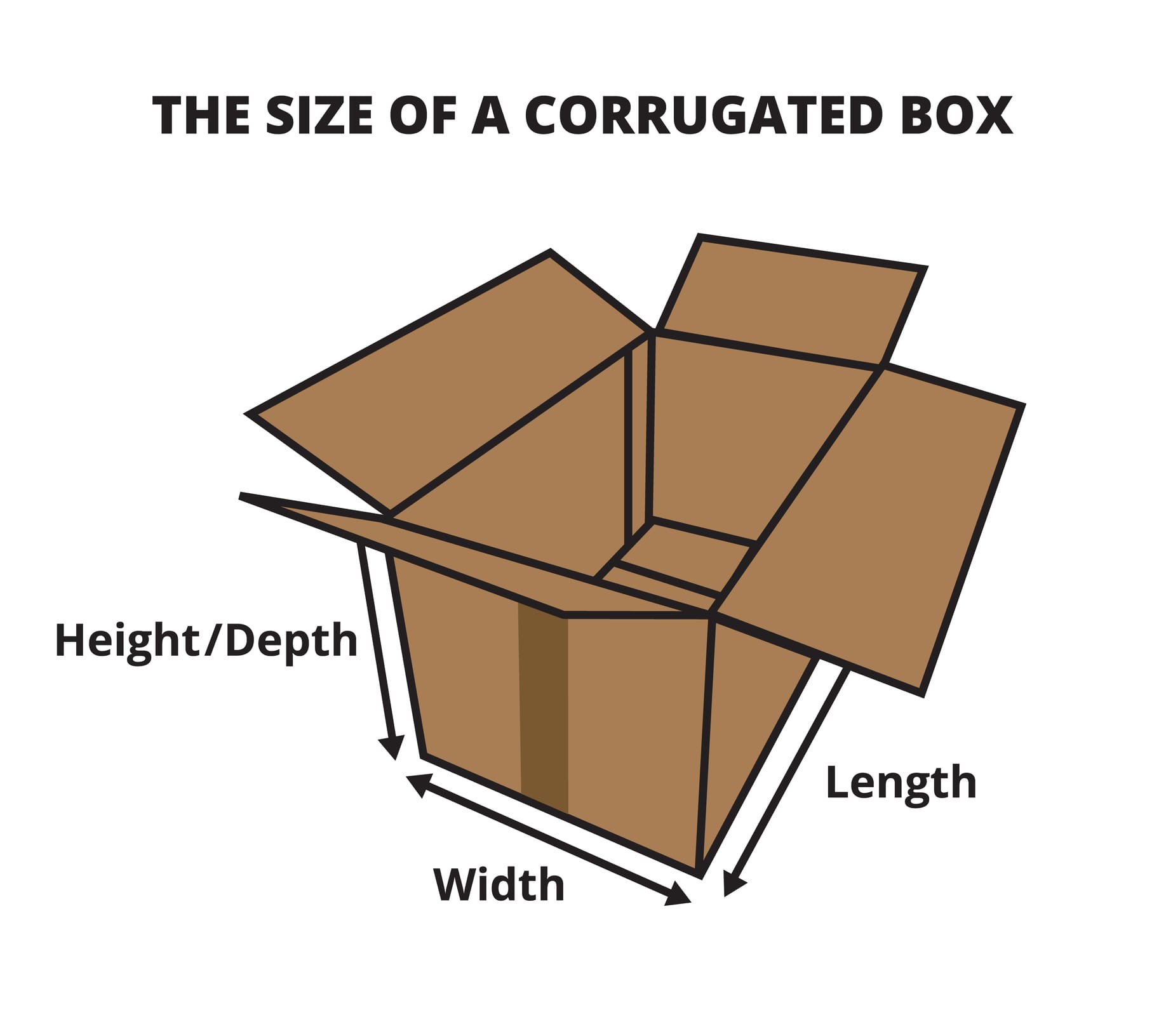
RSC Vs HSC Boxes: Compared and Contrast
Corrugated
brownpackaging
RSC Vs HSC Boxes: Compared and Contrast

Packaging is an essential component of product marketing, as it not only protects the products but also helps in promoting them. Boxes are the most common type of packaging material used by businesses of all sizes, and there are several types of boxes available in the market, including regular slotted containers (RSC) and half slotted containers (HSC). Quick Overview: RSC Vs HSC Boxes In this blog, we will compare and contrast RSC and HSC boxes in order to help you select the right one for your business needs. Definitions Customization Options Features Benefits Advantages Applications How to Select the Right Box for Your Business Needs We will also provide guidance on how a packaging buyer can select the appropriate type of box for their business needs. Definitions Regular slotted containers (RSC) are the most common type of box used in packaging. They are made from a single sheet of corrugated cardboard that is cut and scored to create four flaps at the top and bottom of the box. The flaps are then folded and sealed with tape to form the box. RSC boxes are versatile and can be used for a variety of products. Half slotted containers (HSC) are similar to RSC boxes but only have one set of flaps, which are located at the top of the box. The bottom of the box is left open, which makes it ideal for larger products or products that require loading from the top. HSC boxes are also versatile and can be used for a variety of products. Customization Options Both RSC and HSC boxes can be customized to meet specific business needs. Businesses can choose the size, shape, and thickness of the cardboard used to create the boxes. They can also choose to print logos, product information, and other graphics on the boxes to enhance their branding. Features RSC boxes are designed to be sturdy and secure, with four flaps that provide extra protection for the product inside. They can be stacked on top of each other without collapsing, which makes them ideal for shipping and storage. HSC boxes, on the other hand, are designed to be open at the bottom, which makes them easier to load and unload. They are also lighter than RSC boxes, which makes them more cost-effective to ship. Benefits RSC boxes are versatile and can be used for a variety of products. They are also strong and durable, which makes them ideal for shipping and storage. They are also cost-effective and can be easily stacked, which saves space and reduces transportation costs. HSC boxes are ideal for larger products or products that require loading from the top. They are also lightweight and cost-effective to ship. They are also easier to load and unload, which saves time and reduces labor costs. Disadvantages RSC boxes are not as easy to load and unload as HSC boxes, which can increase labor costs. They are also not suitable for products that require loading from the top. HSC boxes are not as secure as RSC boxes, as they only have one set of flaps at the top. This can make them less suitable for products that require extra protection during shipping and storage. Applications RSC boxes are ideal for a variety of products, including electronics, food and beverage products, and household items. They are also commonly used in the e-commerce industry, as they are cost-effective and easy to stack. HSC boxes are ideal for larger products, such as appliances, furniture, and industrial equipment. They are also commonly used in the agriculture industry, as they are lightweight and easy to load and unload. How to Select the Right Box for Your Business Needs When selecting the appropriate type of box for your business needs, there are several factors to consider. These include: Product Size and Weight: If you are shipping large or heavy products, an HSC box may be more suitable, as it provides easy access for loading and unloading. However, if your product is smaller and requires more protection, an RSC box may be the better option. Protection Needs: If your product requires extra protection during shipping and storage, an RSC box may be more suitable, as it has four flaps that provide extra protection. However, if your product is less fragile, an HSC box may be a more cost-effective option. Shipping and Storage Needs: If you are shipping or storing products in large quantities, an RSC box may be more suitable, as it is stackable and saves space. However, if you have limited storage space or are shipping smaller quantities, an HSC box may be more suitable. Budget: Both RSC and HSC boxes are cost-effective options for packaging, but the price may vary depending on the size and customization options chosen. Consider your budget when selecting the appropriate type of box for your business needs. Summary: RSC Vs HSC Boxes In conclusion, both regular slotted containers (RSC) and half slotted containers (HSC) have their own unique features, benefits, and disadvantages. When selecting the appropriate type of box for your business needs, consider factors such as product size and weight, protection needs, shipping and storage needs, and budget. If you are interested in corrugated boxes such as RSC, HSC or alternatives, then partner with Brown Packaging today to get started. (714)300-0650 request@brownpackaging.com Most Recent Posts: Categories: Corrugated Ecommerce ESD Design Display Flexible Packaging Foam Folding Carton Packaging Plastic Packaging Pouch Printing Protection Retail Rigid Box Thermoform Sustainability Subscribe To Our Newsletter By submitting your information, you agree to our terms and conditions and privacy policy. Custom Corrugated Boxes Facebook Twitter LinkedIn Pinterest Relevant Posts

Read More »
California's Push Against Single-Use Plastics: Impact on Packaging
Packaging
brownpackaging
California’s Push Against Single-Use Plastics: Impact on Packaging

In the ongoing battle against environmental degradation, California has emerged as a leader in the fight to reduce single-use plastics. With a series of comprehensive laws and regulations, the Golden State has taken bold steps to curb the use of these harmful materials. Bans on single-use plastic bags, straws, and expanded polystyrene (Styrofoam) food containers are just a few examples of California’s commitment to a greener future. In this blog, we’ll explore these regulations and their significant implications for packaging choices, particularly within the food and beverage industry. California’s Stringent Regulations on Single-Use Plastics California’s proactive stance on reducing single-use plastics has resulted in several impactful regulations: Ban on Single-Use Plastic Bags: In 2014, California became the first state in the U.S. to ban single-use plastic bags at most retail stores. This groundbreaking law aimed to reduce plastic pollution, encourage reusable bag usage, and promote sustainability. Straws on Request: Under the “Straws on Request” law that took effect in 2019, restaurants in California can only provide plastic straws upon customer request. This measure significantly reduces the distribution of single-use plastic straws, minimizing plastic waste. Ban on Expanded Polystyrene (Styrofoam) Food Containers: California implemented a ban on expanded polystyrene (EPS) foam food containers in 2020. The use of EPS for takeout containers, cups, and plates is now prohibited due to its environmental impact and persistence in the environment. The California Circular Economy and Plastic Pollution Reduction Act: Enacted in 2020, this law sets ambitious targets for reducing plastic waste and increasing recycling rates in California. It encourages manufacturers to use more recycled materials in their products and promotes a circular economy for plastics. Implications for Packaging Choices in the Food and Beverage Industry California’s stringent regulations on single-use plastics have far-reaching implications for businesses, particularly those in the food and beverage industry: Adoption of Sustainable Alternatives: With bans on EPS foam containers, businesses must seek sustainable alternatives for packaging. This shift has led to the adoption of compostable or recyclable materials, such as paper-based packaging, reusable containers, and innovative eco-friendly materials. Emphasis on Reusability: The ban on single-use plastic bags and straws has placed a renewed emphasis on reusable packaging options. Restaurants and food establishments are increasingly offering reusable containers and encouraging customers to bring their own bags and containers. Focus on Eco-Friendly Packaging Designs: As businesses seek to comply with California’s regulations, they are investing in packaging designs that are both functional and environmentally responsible. This includes using materials that are easily recyclable or compostable and reducing excessive packaging. Consumer Awareness and Preference: California consumers are becoming more aware of environmental issues, leading to a preference for businesses that embrace sustainable packaging practices. Packaging choices that align with these preferences can be a competitive advantage. If you are interested in packaging solutions in California, then partner with Brown Packaging today to get started. (714)300-0650 request@brownpackaging.com Most Recent Posts: Categories: Corrugated Ecommerce ESD Design Display Flexible Packaging Foam Folding Carton Packaging Plastic Packaging Pouch Printing Protection Retail Rigid Box Thermoform Sustainability Subscribe To Our Newsletter By submitting your information, you agree to our terms and conditions and privacy policy. Custom Packaging Facebook Twitter LinkedIn Pinterest Relevant Posts

Read More »
Bike Packaging
Corrugated
brownpackaging
Bike Packaging: Full-Overlap Corrugated Boxes

When it comes to packaging and transporting bicycles, one type of corrugated box stands out as the ideal choice: Full-Overlap (FOL) Corrugated Boxes. These specially designed boxes offer superior protection and structural integrity, ensuring that your valuable bikes reach their destination in perfect condition. In this detailed blog, we’ll explore why Full-Overlap Corrugated Boxes are the right choice for bikes, discussing their unique features, benefits, and why they outshine other packaging options. Understanding Full-Overlap Corrugated Boxes Full-Overlap Corrugated Boxes are a type of corrugated packaging specifically engineered for robustness and durability. They are characterized by their design, which involves flaps that fully overlap when the box is closed. This design provides exceptional strength and protection, making them ideal for safeguarding items like bicycles during transit. Why Full-Overlap Corrugated Boxes Are Ideal for Bikes Superior Protection: FOL Boxes provide a high level of protection due to their sturdy construction. They effectively shield bikes from impacts, vibrations, and external forces during shipping. Structural Integrity: The overlapping flaps of these boxes enhance their structural integrity, preventing crushing or deformation, which is crucial when shipping bicycles. Customizable Sizing: FOL Corrugated Boxes are available in various sizes, ensuring a snug fit for different bicycle types and sizes. Custom sizing minimizes excess space, reducing the risk of damage due to movement during transit. Shock Absorption: These boxes are designed to absorb shocks and vibrations, preventing potential damage to delicate bicycle components like gears, brakes, and frames. Secure Closure: Full-Overlap Corrugated Boxes typically feature secure closures, such as adhesive tape or strapping, ensuring that the box remains closed throughout the shipping process. Cost-Efficient: Despite their advanced protection capabilities, Full-Overlap Corrugated Boxes are cost-effective, providing a balance between safeguarding your bikes and managing shipping expenses. Eco-Friendly Options: Many Full-Overlap Corrugated Boxes are made from recyclable materials, aligning with eco-conscious packaging practices. Branding Opportunities: These boxes can be customized with your brand logo and information, enhancing your company’s visibility and professionalism. Other Considerations for Bike Packaging While FOL Corrugated Boxes are the ideal choice for bike packaging, it’s essential to consider a few additional factors: Padding and Cushioning: Use appropriate cushioning materials, such as foam and corrugated inserts or bubble wrap, to further protect delicate bike components. Customization: Consider customizing the interior of the box to accommodate specific bike models or accessories securely. Labeling and Documentation: Clearly label the boxes with shipping information and handling instructions. Include relevant documentation, such as assembly instructions or warranty information, if applicable. Shipping Method: Choose a reliable shipping method and carrier to ensure that your bikes are handled with care during transit.Top of Form If you are interested in bike packaging, then partner with Brown Packaging today to get started. (714)300-0650 request@brownpackaging.com Most Recent Posts: Categories: Corrugated ESD Design Foam Folding Carton Packaging Plastic Packaging Pouch Printing Protection Retail Sustainability Subscribe To Our Newsletter By submitting your information, you agree to our terms and conditions and privacy policy. Bike Boxes Facebook Twitter LinkedIn Pinterest Relevant Posts

Read More »
Mastering Your Ecommerce Packaging with Corrugated Mailers
Corrugated
brownpackaging
Dust Flaps and Cherry Locks for RETT Boxes Explained

In the ever-evolving world of packaging, finding the perfect combination of features that ensures both security and ease of use can be a challenging endeavor. Roll end tuck top (RETT) boxes have long been recognized for their durability and versatility, and when you introduce the dynamic duo of dust flaps and cherry locks, you take your packaging game to the next level. In this blog, we will delve into the intricacies of these two features and explore how their synergy enhances the functionality and appeal of RETT boxes. Understanding Dust Flaps Dust flaps are extensions from the top of the box that fold down when closed. Their primary function is to protect the contents from dust, dirt, and contaminants. However, when paired with cherry locks, they bring an additional layer of security and sophistication to the packaging: Security: Dust flaps provide an extra barrier against tampering and unauthorized access, ensuring the contents remain intact and untouched. Presentation: When opened, dust flaps add to the overall presentation, creating a polished and professional unboxing experience that can be especially beneficial for premium or luxury products. Understanding Cherry Locks Cherry locks, on the other hand, are locking mechanisms that securely close the top flaps of boxes without the need for additional adhesives or tape. Their unique design features include: Reusability: Unlike traditional adhesive closures, cherry locks are reusable, making them both cost-effective and eco-friendly. Easy Access: Cherry locks are user-friendly, allowing for quick and effortless opening, which is essential for products that need frequent access. The Perfect Pairing: Dust Flaps and Cherry Locks in RETT Boxes When dust flaps and cherry locks come together in RETT boxes, they create a packaging solution that excels in both form and function: Enhanced Security: Dust flaps provide an additional layer of protection against external contaminants and tampering, while cherry locks ensure a secure closure that keeps the contents safe. Presentation Excellence: The combination of dust flaps and cherry locks enhances the unboxing experience, leaving a lasting impression on customers and making it ideal for products that demand a touch of sophistication. User-Friendly Design: Cherry locks make it easy for customers to access the contents repeatedly without compromising the box’s integrity, making them an excellent choice for subscription boxes and retail products. Customization Opportunities: Dust flaps and cherry locks offer ample space for branding elements, product information, or decorative designs, allowing you to reinforce brand identity and connect with your customers. Applications of Dust Flaps and Cherry Locks in RETT Boxes These features find applications across various industries: Retail: In retail packaging, the combination of dust flaps and cherry locks offers secure, easy-to-access solutions for items like cosmetics, electronics, and clothing. E-commerce: For e-commerce businesses, this pairing enhances security during shipping while providing a memorable unboxing experience for customers. Subscription Boxes: Subscription box services benefit from dust flaps and cherry locks as they offer security, easy access, and a branded presentation. Luxury and Premium Products: High-end products often require packaging that exudes sophistication, making dust flaps and cherry locks an ideal choice. Conclusion Dust flaps and cherry locks are a powerful combination that elevates the functionality and appeal of RETT boxes. Understanding their features, benefits, and applications can help businesses make informed choices when selecting packaging solutions. Whether you prioritize security, presentation, or ease of access, the integration of dust flaps and cherry locks into your RETT boxes can enhance your packaging strategy, ensuring that your products are not only well-protected but also delivered in style. If you are interested in roll end tuck top boxes with dust flaps and cherry locks, then partner with Brown Packaging today to get started. (714)300-0650 request@brownpackaging.com Most Recent Posts: Categories: Corrugated Ecommerce ESD Design Display Flexible Packaging Foam Folding Carton Packaging Plastic Packaging Pouch Printing Protection Retail Rigid Box Thermoform Sustainability Subscribe To Our Newsletter By submitting your information, you agree to our terms and conditions and privacy policy. Roll End Tuck Top (RETT) Facebook Twitter LinkedIn Pinterest Relevant Posts

Read More »
Shock Absorption Properties in Foam Packaging
Foam
brownpackaging
Shock Absorption Properties in Foam Packaging

In the realm of packaging, the safe transport and protection of delicate and fragile items are paramount. Foam materials serve as the frontline defense in ensuring that products remain intact throughout the rigors of transportation and handling. This comprehensive guide delves into the pivotal role of shock absorption properties in foam packaging, their profound impact on product protection, and the key considerations when selecting the ideal foam for your packaging needs. Understanding Shock Absorption Properties Before delving into the importance of shock absorption properties, it’s vital to grasp their essence. Shock absorption properties in foam packaging are primarily concerned with the foam’s ability to dissipate and absorb energy when subjected to sudden impacts or shocks. These properties encompass two key aspects: Compression Deflection (Firmness): This metric gauges the force required to compress a foam material by a specified percentage of its original thickness. It dictates the foam’s firmness and its resistance to deformation under load. Compression Set: Compression set assesses the foam’s capacity to regain its initial shape after being compressed. It quantifies the foam’s ability to rebound to its original form once the external pressure is removed. The Role of Shock Absorption Properties Safeguarding Against Impact and Shock The primary role of foam in packaging is to act as a protective barrier, shielding products from the perils of impact and shock during transit and handling. The compression deflection of foam directly influences its aptitude for absorbing and dissipating the energy generated by these impacts. Foam with well-suited compression deflection properties significantly mitigates the risk of damage to packaged goods, ensuring their pristine condition upon arrival. Preserving Product Integrity For fragile and sensitive products, maintaining their structural integrity is of paramount importance. A foam with appropriate compression set properties guarantees that, even after experiencing compression during packaging or transit, the foam will faithfully revert to its original shape. This characteristic holds particular significance for products with intricate shapes or those that necessitate secure placement within the packaging. Uniform Distribution of Forces In certain instances, packaged items may endure prolonged periods of compression, whether due to stacking in storage or during transit. The shock absorption properties of foam become crucial in such scenarios. Foam materials that boast well-matched compression deflection and compression set characteristics serve to evenly distribute the load, averting uneven pressure points that could culminate in deformation or harm to the packaged items. Customization and Versatility Packaged items come in diverse forms and dimensions, necessitating adaptable packaging solutions. By selecting foam with the appropriate shock absorption properties, packaging designers can ensure that the foam seamlessly conforms to the unique contours and fragility of each item. This tailored approach to protection is a hallmark of effective foam packaging. Choosing the Optimal Foam Material The process of selecting the right foam material with fitting shock absorption properties involves a comprehensive evaluation of your packaging prerequisites and the fragility of the products in question. Key considerations encompass: Product Weight: Bulkier items may necessitate foam with a higher compression deflection to withstand the load without undergoing deformation. Product Fragility: Items susceptible to breakage or damage benefit significantly from foam with suitable compression deflection and compression set properties, effectively absorbing and recuperating from shocks. Packaging Configuration: The design and structure of your packaging play a pivotal role in determining the foam’s shock absorption requisites. Tailored foam inserts can be instrumental in optimizing protection. Environmental Conditions: Contemplate the environmental conditions to which the packaged items will be exposed. Some foam materials are better suited for extreme temperatures or conditions involving moisture. Budgetary Considerations: Strike a balance between your packaging needs and budget constraints. Different foam materials may come at varying costs, so select one that aligns with your requirements without exceeding your budget. If you are interested in foam packaging solutions, then partner with Brown Packaging today to get started. (714)300-0650 request@brownpackaging.com Most Recent Posts: Categories: Corrugated Ecommerce ESD Design Foam Folding Carton Packaging Printing Protection Retail Rigid Box Sustainability Subscribe To Our Newsletter By submitting your information, you agree to our terms and conditions and privacy policy. Custom Packaging Facebook Twitter LinkedIn Pinterest Relevant Posts

Read More »
2 piece box liner
Cold Chain
brownpackaging
Insulated Packaging Explained: What You Should Know

In a world where a wide range of products require special handling to maintain their quality, insulated packaging has emerged as a crucial solution for protecting temperature-sensitive items from both UV radiation and temperature fluctuations. Whether it’s perishable food items, pharmaceuticals, or sensitive electronics, maintaining the right temperature during storage and transportation is paramount. In this blog, we’ll explore insulated packaging, its functions, features, benefits, and applications in safeguarding temperature-sensitive products. Understanding Insulated Packaging Insulated packaging, also known as thermal packaging or temperature-controlled packaging, is designed to create a controlled environment within the package. It acts as a protective shield against external factors, including temperature fluctuations and UV radiation, to maintain the integrity and quality of the enclosed products. Functions and Features Temperature Stability: The primary function of insulated packaging is to maintain a stable temperature environment inside the package. It accomplishes this through the use of insulating materials that resist heat transfer, keeping the contents at the desired temperature. UV Radiation Blockage: Insulated packaging often includes materials that provide protection against UV radiation. These materials block harmful UV rays, preventing them from reaching and potentially damaging the enclosed products. Insulation Materials: Insulated packaging employs a variety of insulation materials such as foam, reflective films, and vacuum insulation panels. These materials help regulate temperature and prevent heat or cold from penetrating the package. Temperature Monitoring: Some insulated packaging solutions come equipped with temperature monitoring devices like data loggers or indicators. These devices allow for real-time monitoring of the internal temperature, ensuring that it remains within the desired range. Benefits of Insulated Packaging Product Quality Preservation: Insulated packaging ensures that temperature-sensitive products, including food, medications, and electronics, maintain their quality and efficacy throughout their journey from manufacturer to end-user. Extended Shelf Life: Products with shorter shelf lives can benefit from insulated packaging. It helps extend the time during which these products remain safe and viable for consumption or use. Reduced Waste: By preventing spoilage and product degradation, insulated packaging reduces the amount of wasted products, saving both resources and money. Enhanced Brand Reputation: Companies that prioritize the protection of temperature-sensitive products through insulated packaging can build trust with consumers and enhance their brand reputation. Applications of Insulated Packaging Insulated packaging finds application in various industries: Food and Beverage: Insulated packaging is widely used for shipping perishable food items, including fresh produce, dairy products, and frozen goods. It ensures that these products reach consumers in optimal condition. Pharmaceuticals: Pharmaceutical companies rely on insulated packaging to transport temperature-sensitive medications and vaccines, ensuring their safety and efficacy. Electronics: Sensitive electronic components and devices, such as microchips and batteries, benefit from insulated packaging to prevent damage caused by temperature fluctuations. Online Retail: E-commerce companies often use insulated packaging for shipping products that require temperature control, such as meal kits and specialty cosmetics. If you are interested in insulated packaging, then partner with Brown Packaging today to get started. (714)300-0650 request@brownpackaging.com Most Recent Posts: Categories: Corrugated Ecommerce ESD Design Display Flexible Packaging Foam Folding Carton Packaging Plastic Packaging Pouch Printing Protection Retail Rigid Box Thermoform Sustainability Subscribe To Our Newsletter By submitting your information, you agree to our terms and conditions and privacy policy. Cold Chain Packaging Facebook Twitter LinkedIn Pinterest Relevant Posts

Read More »
Choosing the Right Folding Carton: Straight Tuck End vs. Reverse Tuck
Folding Carton
brownpackaging
Straight Tuck End vs. Reverse Tuck: Which is the Right Choice?

Folding cartons are a staple in the packaging industry, known for their versatility and functionality. Among the various styles available, two popular choices are the straight tuck end (STE) and reverse tuck end (RTE) cartons. Each style offers unique features and advantages that cater to different packaging needs. In this blog, we will explore the functions, features, design considerations, benefits, and applications of both straight tuck end and reverse tuck end cartons to help you make an informed decision. Straight Tuck End (STE) Cartons Functions and Features: Opening and Closing Mechanism: Straight tuck end cartons feature tuck flaps on the same side at the top and bottom of the box. These flaps can be easily tucked into the carton for closure, providing a secure seal. Design Versatility: STE cartons offer ample design flexibility, with options for custom die-cut windows, embossing, foil stamping, and various printing techniques. This makes them ideal for branding and product visibility. Ease of Assembly: These cartons are user-friendly, as they can be quickly assembled by hand, reducing labor costs in packaging lines. Benefits: Secure Closure: The straight tuck design ensures that the contents remain securely enclosed within the carton, reducing the risk of tampering or damage during transit. Aesthetic Appeal: STE cartons can be designed with a premium look and feel, making them suitable for high-end products like cosmetics, pharmaceuticals, and luxury goods. Cost-Effective: They are often more cost-effective than other carton styles due to their straightforward design and ease of production. Inserts: STE cartons can be made with inserts that provide customizable support and protection, ideal for securing fragile items like electronics or glass during transit. They also enhance product presentation by being designed to fit the exact shape of the product, significantly improving the unboxing experience and making the carton especially appealing for gift items and luxury products where first impressions are key. Window Cutouts: Window cutouts in STE cartons offer product visibility, allowing consumers to view the product inside without opening the packaging, which is particularly advantageous for items where visual appeal influences purchasing decisions, such as food, toys, or beauty products. These cutouts not only enhance shelf appeal by showcasing the product and differentiating it on retail shelves but also provide customization options in terms of shape and size, aligning closely with marketing and branding strategies to create a distinctive visual identity. Applications: Straight tuck end cartons find wide application across various industries, including: Cosmetics and beauty products Pharmaceuticals and healthcare Electronics accessories Food and confectionery Apparel and clothing Reverse Tuck End (RTE) Cartons Functions and Features: Opposite Tuck Closure: Reverse tuck end cartons have tuck flaps on opposite sides of the carton. The top flap tucks into the rear panel, while the bottom flap tucks into the front panel. Product Accessibility: RTE cartons offer easy access to the product as both the top and bottom can be opened separately. This feature is particularly convenient for consumers. Design Space: These cartons provide ample space for product information, branding, and graphics on both the front and rear panels. Benefits: Convenient Access: The reverse tuck design allows consumers to access the product without fully opening the carton, making it user-friendly. Efficient Storage: RTE cartons stack efficiently, saving space during storage and transportation. Versatile Applications: They are versatile and suitable for various product sizes and industries, including electronics, hardware, pharmaceuticals, and consumer goods. Applications: Reverse tuck end cartons are commonly used in the following industries: Electronics and gadgets Hardware and tools Pharmaceuticals and vitamins Consumer goods and retail Office and stationery products Choosing the Right Carton Style: What to Include in Your Decision When deciding between straight tuck end and reverse tuck end cartons, consider the following factors: Product Type: Think about the nature of your product. If it requires easy access for consumers, reverse tuck end cartons may be more suitable. For products requiring a premium presentation, straight tuck end cartons may be preferable. Branding and Design: Assess your branding and design requirements. If you need a larger canvas for graphics and information, reverse tuck end cartons offer more space. However, if you want an elegant and secure packaging solution, straight tuck end cartons might be the better choice. Window and Insert: Consumer Experience: Consider the end-user experience. If convenience and ease of opening are paramount, reverse tuck end cartons are designed with consumers in mind. If you are interested in folding cartons and specific styles such as STE, RTE, auto bottom and more, then partner with Brown Packaging today to get started. (714)300-0650 request@brownpackaging.com Most Recent Posts: Categories: Corrugated Ecommerce ESD Design Display Flexible Packaging Foam Folding Carton Packaging Plastic Packaging Pouch Printing Protection Retail Rigid Box Thermoform Sustainability Subscribe To Our Newsletter By submitting your information, you agree to our terms and conditions and privacy policy. Custom Folding Cartons Facebook Twitter LinkedIn Pinterest Relevant Posts

Read More »
Categories:
Subscribe To Our Newsletter

By submitting your information, you agree to our terms and conditions and privacy policy.

Custom POP displays
Custom Packaging