Home » How to Design E-Commerce Packaging for Easy Returns
How to Design E-Commerce Packaging for Easy Returns

In e-commerce, the customer experience doesn’t end with the sale—it often continues through the returns process. With many customers expecting hassle-free returns, especially during the holiday season, businesses must design their packaging to simplify this step. Not only does this improve customer satisfaction, but it can also increase the likelihood of repeat purchases. Below is a guide to help you design e-commerce packaging that makes returns as seamless as possible.
Use Reusable Packaging for Returns
One of the most important factors in return-friendly packaging is ensuring the package can be reused for returns. Instead of expecting customers to find new boxes or envelopes, design your packaging to serve dual purposes—both for outbound shipping and return shipping.
How to Design Reusable Packaging:
- Tear-Open Strips: Incorporate tear-open strips that allow customers to open the package without damaging it. This keeps the original packaging intact and ready to be reused for the return process.
- Double-Seal Adhesive Strips: Include a second adhesive strip inside the box or mailer. This allows customers to reseal the package securely when returning the item.
- Durability for Multiple Uses: Ensure the packaging is durable enough to handle multiple shipments. Reinforced materials or boxes with extra strength will prevent damage during return shipping.
By designing reusable packaging, you not only make it easier for customers to return items but also minimize the environmental impact by reducing packaging waste.
Provide Clear Return Instructions Inside the Packaging
A major pain point for customers returning items is not understanding the return process. Eliminate confusion by providing clear, concise instructions inside the packaging. These instructions should be simple and easy to follow, guiding the customer through every step of the return.
Tips for Clear Return Instructions:
- Step-by-Step Guide: Include a step-by-step guide on how to repackage the item and ship it back. Make sure to mention whether customers need to attach any return labels, or if it’s already included.
- Visuals: Adding images or illustrations can make the process easier to understand, especially for customers who may be unfamiliar with the return process.
- Dedicated Customer Service Contact: Provide a direct phone number, email, or live chat option for customers who need help with returns. Clear communication can ease frustration and build trust in your brand.
Include Prepaid Return Labels
A prepaid return label takes the hassle out of the return process for the customer. If you can, provide a prepaid shipping label within the package. This convenience encourages customers to make returns quickly and easily without having to navigate the post office or pay for shipping costs.
Benefits of Prepaid Return Labels:
- Simplifies the Process: Customers can just peel off the return label and stick it on the box, making the process almost effortless.
- Boosts Customer Loyalty: Free or prepaid returns show that you value your customers’ time and experience, leading to increased loyalty and repeat purchases.
- Faster Returns: By streamlining the process, prepaid return labels encourage faster returns, helping you get items back in stock quickly.
If offering prepaid returns is too costly for your business, consider offering discounted return labels or partnering with a shipping service that offers reduced rates.
Design for Minimal Repackaging
Some customers find repackaging to be one of the most frustrating parts of the return process. To minimize this pain point, design packaging that requires minimal effort to repack. When a customer can easily slide an item back into the original box or pouch without the need for excess tape or bubble wrap, the returns process becomes less daunting.
Key Design Features for Minimal Repackaging:
- Fitted Inserts: Use fitted foam or cardboard inserts that hold the product securely but are easy to remove and replace.
- Simple Closures: Avoid packaging designs that require too many steps to reassemble, such as intricate folding or complex locks.
- Clear Layout: When customers receive the package, they should be able to easily understand how to return the item to its original place.
By focusing on user-friendly designs, you simplify the experience for customers and reduce frustration during returns.
Ensure the Packaging is Return-Label Friendly
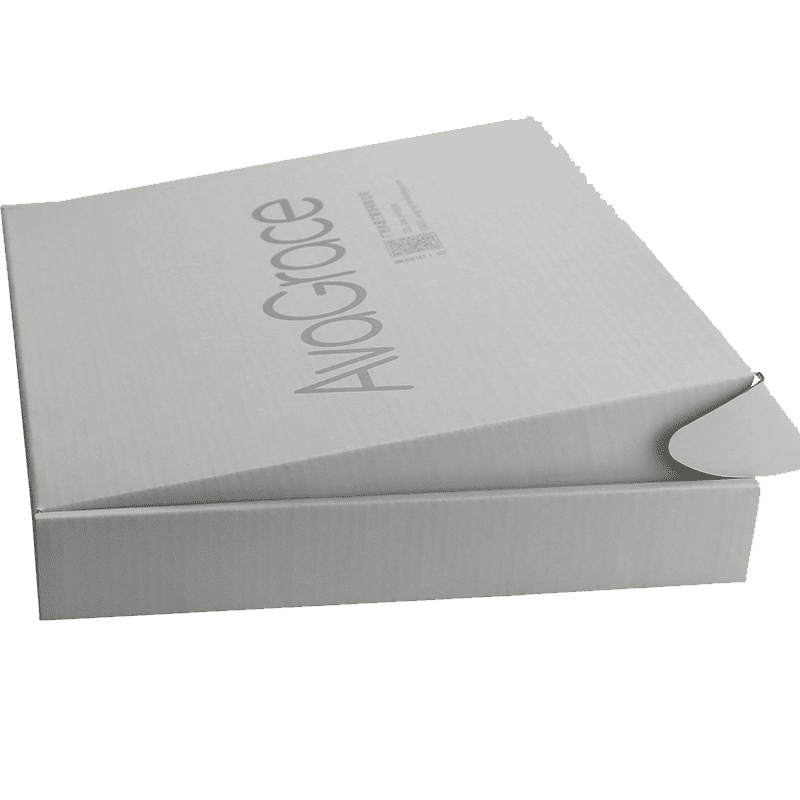
Make sure your packaging has a designated area for return labels. Often, customers need to affix a return label on top of the existing shipping label, which can lead to confusion if there’s no clear place to do so. Designing packaging with a specific area for return labels, whether it’s a flat section on a box or an easily accessible area on a mailer, streamlines the process.
Tips for Return-Label-Friendly Packaging:
- Smooth Surface: Ensure there is a smooth, flat surface for labels to be easily applied and visible for shipping carriers.
- Removable Shipping Labels: Consider designing packaging with removable shipping labels that can be peeled off or replaced with return labels. This reduces any risk of confusion during return shipping.
Make Sustainability a Priority
Customers today are more eco-conscious than ever. By offering sustainable packaging that can be reused for returns, your brand shows its commitment to the environment. Not only does this reflect positively on your business, but it also reduces waste associated with returns.
Sustainable Return Packaging Ideas:
- Recyclable and Compostable Materials: Use recyclable or compostable materials in your packaging design to ensure that even after returns, the packaging can be disposed of responsibly.
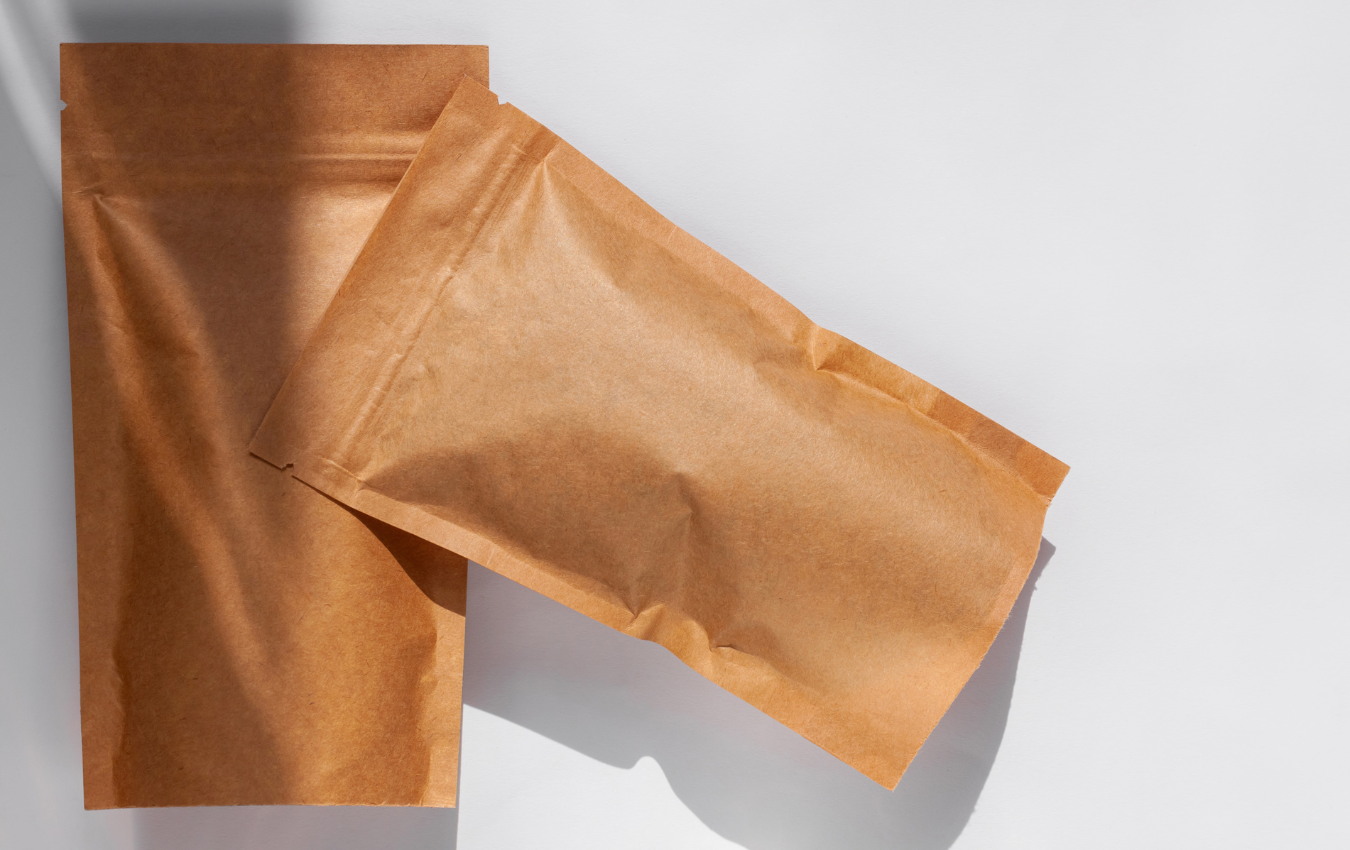
- Reusable Bags or Pouches: For apparel and accessories, consider using reusable bags that customers can send back with ease. These not only enhance sustainability but can also provide additional branding opportunities.
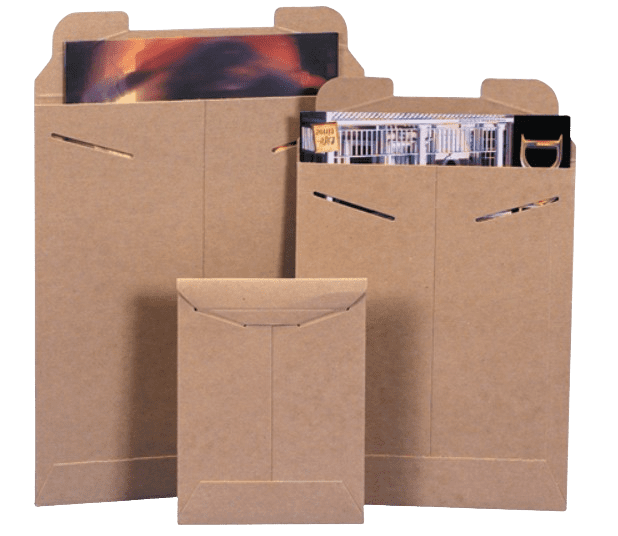
Branding During the Returns Process
The returns process is another opportunity to leave a lasting impression on your customers. Even though the customer is returning a product, branded packaging and thoughtful messaging can reinforce your commitment to customer satisfaction and encourage them to shop with you again in the future.
How to Leverage Branding During Returns:
- Thank-You Notes: Include a small thank-you note or a message that acknowledges the return but invites the customer to try again with a new product.
- Loyalty Promotions: Offering a discount code or loyalty points for a future purchase can turn the return into a positive experience, motivating customers to come back and shop with you again.
By incorporating branding into the returns experience, you can transform a potentially negative interaction into a positive one that strengthens your relationship with the customer.
Conclusion
Designing your e-commerce packaging for easy returns is essential to providing a seamless customer experience. By using reusable packaging, including prepaid return labels, providing clear instructions, and offering sustainable options, you can enhance customer satisfaction and build long-term loyalty. With the right return-friendly packaging design, your e-commerce brand can stand out and offer a truly customer-focused experience that encourages repeat business.
If you’re interested in ecommerce packaging, then partner with Brown Packaging today to get started.
In 2026, sustainability is no longer just a trend—it’s a buyer expectation. Forest Stewardship Council (FSC) certification has become a key benchmark for responsible packaging, signaling that materials are sourced
Sustainability is now a top priority for packaging buyers. Retailers, regulators, and consumers are all demanding packaging solutions that reduce environmental impact without sacrificing performance. In 2026, buyers must balance
Choosing the right packaging material is one of the most important decisions buyers face. Single-material packaging offers simplicity and recyclability, while multi-material designs provide enhanced performance and protection. Understanding the
One of the biggest challenges in sustainable packaging is balancing environmental responsibility with product protection. Buyers often worry that switching to eco-friendly materials means sacrificing durability or driving up costs.
Home » How to Design E-Commerce Packaging for Easy Returns

Fragile products like glassware, electronics, and specialty gifts are especially vulnerable during the holiday rush. With more handling points, packed trailers, and faster fulfillment, the risk of breakage increases significantly. For packaging buyers, protecting fragile items is essential to reduce returns, safeguard margins, and deliver a positive customer experience. Challenges of Shipping Fragile Holiday Gifts Multiple handling points: Packages change hands more frequently during peak season. Stacking pressure: Full trailers subject boxes to high compression. Environmental stress: Cold, moisture, and vibration affect packaging integrity. Customer expectations: Damaged gifts lead to frustration and lost loyalty. Best Packaging Practices for Fragile Products Reinforced corrugated boxes: Double wall board for heavy or breakable items. Protective inserts: Foam, molded pulp, or corrugated partitions prevent shifting. Right-sizing: Minimizes void space that increases damage risk. Edge and corner protection: Absorbs shock in high-impact zones. Dual-layer packaging: Secondary boxes add protection for premium gifts. Testing Packaging for Fragile SKUs Holiday conditions require validation before rollout: Drop testing: Confirms impact resistance at key failure points. Vibration testing: Ensures stability during long-haul shipping. Compression testing: Validates stacking strength under heavy loads. Balancing Protection with Cost Protecting fragile items often means higher packaging investment. Buyers can offset costs by: Applying premium protection only to vulnerable SKUs. Using sustainable inserts like molded pulp in place of foam. Designing modular partitions to fit multiple product types. Holiday Packaging Solutions with Brown Packaging Brown Packaging engineers protective solutions for fragile gifts. From custom inserts to reinforced corrugated boxes, our designs minimize breakage and maximize customer satisfaction. Contact us to strengthen your fragile product packaging. References ASTM International. (2023). ASTM D5276: Standard Test Method for Drop Testing of Loaded Containers.International Safe Transit Association (ISTA). (2022). Series 3A Testing for Packaged Products for Parcel Delivery.Soroka, W. (2009). Fundamentals of Packaging Technology (4th ed.). Institute of Packaging Professionals. (714)300-0650 request@brownpackaging.com Most Recent Posts: Categories: Corrugated Ecommerce ESD Design Display Flexible Packaging Foam Folding Carton Packaging Plastic Packaging Pouch Printing Protection Retail Rigid Box Thermoform Sustainability Subscribe To Our Newsletter By submitting your information, you agree to our terms and conditions and privacy policy. Ecommerce Packaging Facebook Twitter LinkedIn Pinterest Relevant Posts
In recent years, the world has seen a rapid growth in the e-commerce industry. With the convenience of online shopping and the ability to purchase goods and services from the comfort of our homes, e-commerce has become a popular choice for consumers all over the world. This surge in e-commerce has also brought about a significant change in the packaging industry. E-commerce has created new challenges and opportunities for the packaging industry, leading to new innovations and changes in the way products are packaged and delivered. The packaging of products plays a crucial role in the e-commerce industry. It must not only protect the product during transit but also provide a positive unboxing experience for the customer. The packaging of a product is often the first interaction a customer has with a brand, and it can make a lasting impression. With the rise of e-commerce, packaging has become more important than ever, as it must meet the demands of online shopping while still promoting the brand and creating a positive customer experience. Overview: The Impact of Ecommerce on Packaging In this blog, we will explore the challenges and opportunities that the e-commerce industry has brought to the world of packaging. We will examine how e-commerce packaging is changing the way products are packaged and delivered and what this means for the future of the packaging industry. By understanding the challenges and opportunities in e-commerce packaging, we can gain a better appreciation of the impact that e-commerce is having on the packaging industry and how it is shaping the future of online shopping. Challenges in E-commerce Packaging Protecting Products in Transit Minimizing Shipping Costs Reducing Waste Opportunities in E-commerce Packaging Personalizing Packaging Enhancing the Customer Experience Streamlining Delivery Processes Conclusion: The Future of E-commerce Packaging Challenges in E-commerce Packaging The growth of e-commerce has brought about a number of challenges for the packaging industry. Packaging for e-commerce must be able to protect products during transit, minimize shipping costs, and reduce waste, all while meeting the demands of customers and stakeholders. These challenges can be difficult to navigate, but they also provide an opportunity for companies to differentiate themselves and gain a competitive advantage. In this section, we will explore some of the challenges associated with e-commerce packaging and how companies are addressing these challenges to meet the demands of online shopping. Protecting Products in Transit One of the biggest challenges in e-commerce packaging is ensuring that products arrive at their destination in good condition. With packages being handled by multiple people and machines during transit, it can be difficult to protect fragile items from damage. This is particularly important for e-commerce companies, as damaged products can result in returns and negative reviews, which can harm the company’s reputation and bottom line. To address this challenge, e-commerce companies are investing in new materials and packaging methods that can better protect products during transit. Some companies are using stronger and more durable packaging materials, such as double-walled boxes and foam inserts, to absorb shock and protect fragile items. Others are using custom-fit packaging that is designed to fit the product perfectly, reducing the amount of movement and potential damage during transit. In addition to using stronger materials, e-commerce companies are also implementing new technologies to help protect products during transit. For example, some companies are using sensors and tracking devices to monitor the condition of packages during transit, allowing them to quickly address any issues that may arise. Others are using predictive analytics to predict which packages are at a higher risk of damage, allowing them to take extra precautions to protect these packages. Minimizing Shipping Costs In the e-commerce industry, shipping costs can make up a significant portion of a company’s expenses. With the rise of e-commerce, shipping volumes have increased dramatically, and companies are looking for ways to minimize their shipping costs. Fortunately, e-commerce packaging provides an opportunity for companies to reduce these costs. One of the ways that e-commerce companies can minimize shipping costs is by using lighter and more compact packaging materials. By using lighter materials, companies can reduce the weight of packages, which in turn reduces shipping costs. For example, companies can switch from using heavy corrugated boxes to using lighter poly mailers. This not only reduces the weight of packages but also takes up less space in shipping containers, allowing companies to ship more packages in a single shipment, further reducing costs. Another way that companies can minimize shipping costs is by using more efficient packaging methods. For example, some companies are using void fill materials, such as air cushions or biodegradable peanuts, to fill empty space in packages. By using these materials efficiently, companies can reduce the size of packages and minimize the amount of space that is taken up in shipping containers, reducing shipping costs. Finally, companies can minimize shipping costs by using sustainable packaging materials. By using eco-friendly packaging materials, such as recycled or biodegradable materials, companies can reduce their impact on the environment, as well as take advantage of discounts offered by some shipping carriers for using sustainable packaging. Reducing Waste The growth of e-commerce has also led to an increase in packaging waste, as more and more packages are being shipped to customers all over the world. With growing concerns about the environmental impact of packaging waste, e-commerce companies are looking for ways to reduce the waste associated with their packaging. Fortunately, e-commerce packaging provides an opportunity for companies to reduce waste and promote sustainability. One of the ways that e-commerce companies can reduce waste is by using more environmentally friendly packaging materials. For example, companies can switch from using single-use plastic packaging to using biodegradable or compostable packaging materials, such as paper, starch-based materials, or cellulose. By using these materials, companies can reduce the amount of waste that is generated and promote sustainability. Another way that companies can reduce waste is by using reusable or recyclable packaging materials. For example, companies can use reusable packaging materials, such as cloth or

In the realm of packaging solutions, roll end tuck top (RETT) boxes are hailed for their durability and versatile design. Yet, among their many attributes, the inclusion of dust flaps stands out as an essential feature. In this blog, we will delve into the intricacies of dust flaps within the context of RETT boxes, exploring their design, features, benefits, and when it is prudent to consider incorporating dust flaps into your packaging strategy. Understanding Dust Flaps Dust flaps are an ingenious addition to packaging, serving a dual purpose of protection and presentation. In the context of RETT boxes, these flaps are designed to extend from the top of the box when closed. Here’s a closer look at their design and features: Extended Protection: Dust flaps, as the name suggests, act as shields against dust, dirt, and contaminants, safeguarding the contents from external pollutants. This is especially critical for products that require pristine condition upon arrival. Enhanced Security: Beyond their protective role, dust flaps add an extra layer of security to the package, ensuring the contents remain untouched and undamaged during transit and storage. Aesthetic Appeal: When the box is opened, the dust flaps contribute to the overall visual appeal, lending a polished and professional appearance to the unpacking experience. This aspect is particularly valuable for products with a premium or luxury image. Benefits of Dust Flaps Dust flaps offer a multitude of advantages, making them a valuable addition to your RETT boxes: Maintaining Cleanliness: Dust flaps help maintain the cleanliness and integrity of the contents, ensuring they arrive in pristine condition, free from any external contaminants. Added Security: By preventing tampering and unauthorized access, dust flaps enhance the security of your products, providing peace of mind to both businesses and customers. Improved Presentation: The presence of dust flaps elevates the unboxing experience, making it more elegant and sophisticated, which can significantly impact customer perception. Customization Options: Dust flaps can be customized with branding elements, product information, or decorative designs, further enhancing the visual appeal and reinforcing brand identity. When to Consider Adding Dust Flaps to RETT Boxes Now, let’s explore when it’s advisable to include dust flaps in your RETT boxes: Fragile or Sensitive Products: If your products are delicate or sensitive to external factors like dust or humidity, incorporating dust flaps is a prudent choice to ensure their protection. Premium or Luxury Items: For businesses offering premium or luxury goods, dust flaps can elevate the packaging’s overall aesthetics and convey a sense of exclusivity. E-commerce Packaging: When shipping products through e-commerce channels, dust flaps add an extra layer of security and professionalism to the unboxing experience, enhancing customer satisfaction. Branding Emphasis: If branding and presentation are paramount to your marketing strategy, dust flaps provide a canvas to display your brand logo, messaging, and visuals. Conclusion Roll end tuck top boxes are renowned for their versatility and sturdiness, but it is the addition of dust flaps that truly sets them apart as an exceptional packaging solution. Understanding the design, features, benefits, and when to incorporate dust flaps into your RETT boxes can make a significant difference in how your products are perceived and protected. Whether you are safeguarding delicate items, emphasizing branding, or aiming to enhance the customer unboxing experience, dust flaps are a thoughtful consideration that can elevate your packaging strategy to new heights. If you are interested in roll end tuck top boxes with dust flaps, then partner with Brown Packaging today to get started. (714)300-0650 request@brownpackaging.com Most Recent Posts: Categories: Corrugated Ecommerce ESD Design Display Flexible Packaging Foam Folding Carton Packaging Plastic Packaging Pouch Printing Protection Retail Rigid Box Thermoform Sustainability Subscribe To Our Newsletter By submitting your information, you agree to our terms and conditions and privacy policy. Roll End Tuck Top (RETT) Facebook Twitter LinkedIn Pinterest Relevant Posts