The Art and Science of Point of Purchase Displays: Definition and Applications
In the bustling world of retail, where competition is fierce and every

In the bustling world of retail, where competition is fierce and every

In the ever-evolving landscape of retail marketing, the art of product presentation

In the fiercely competitive world of retail, brand recognition is the key

In the fast-paced world of retail, every moment counts when it comes

In the dynamic realm of retail, crafting the perfect display goes beyond

In the intricate world of retail, Point-of-Purchase (POP) displays play a critical

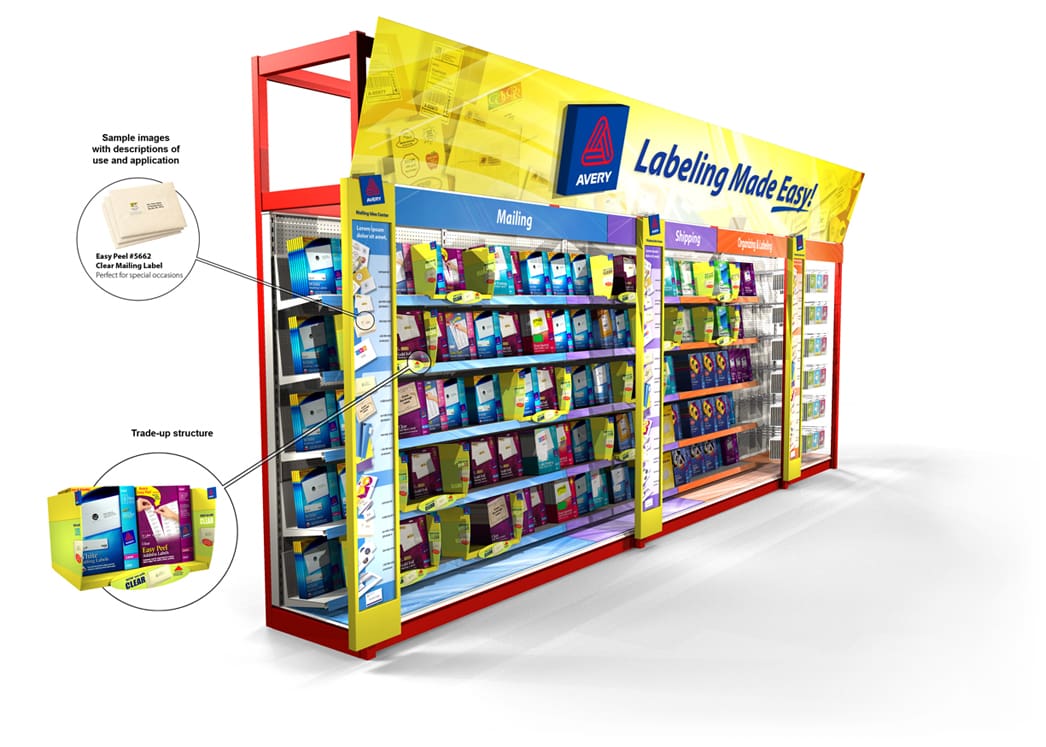
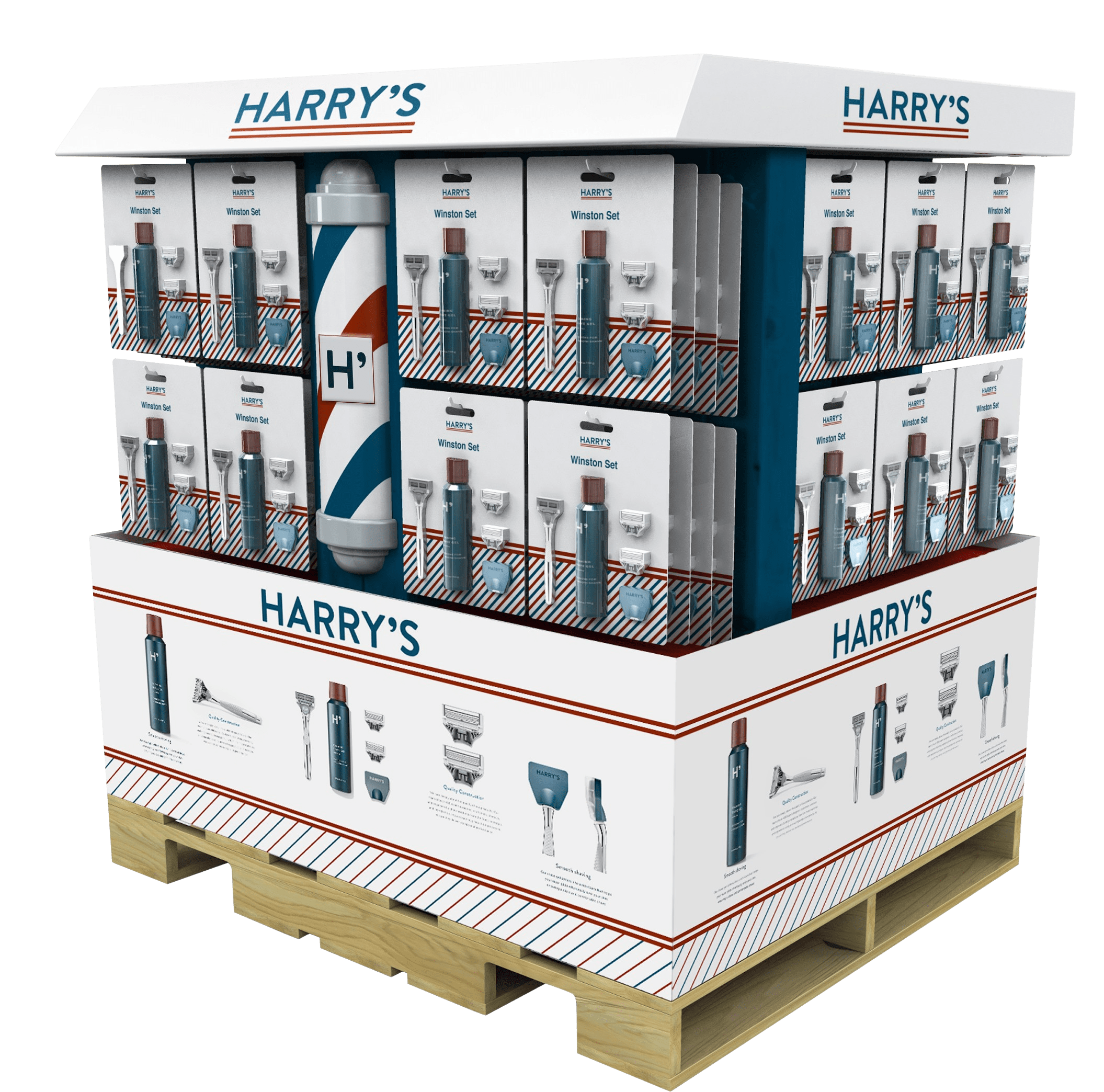
Point of purchase displays, also known as POP displays, are an essential

Displays play a key role in marketing and selling your product in

Point of Purchase (POP) displays are an effective way to promote products

Point-of-purchase (POP) displays are designed to capture shopper attention and influence buying
Most POP display decisions eventually come down to a tradeoff:make it look better or make it perform better. The mistake is thinking you have to
Many packaging purchasing decisions are made by comparing price per box. While this metric is easy to evaluate, it often fails to capture the real
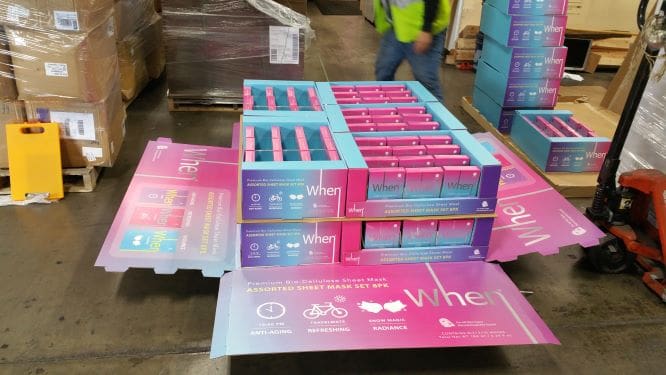
A POP display isn’t successful when it looks good leaving production—it’s successful when it arrives intact, gets placed correctly, and performs in-store. The problem is
Print is one of the biggest cost drivers in POP displays—and one of the most misunderstood. Most decisions are made based on how it looks,
There’s no universal “better” option—but there is a better fit depending on your program. Brands often default to flat-pack to save on freight or pre-assembled
Most packaging cost discussions focus on unit price. Very few quantify the financial impact of obsolete inventory. Yet for many brands and industrial programs, packaging