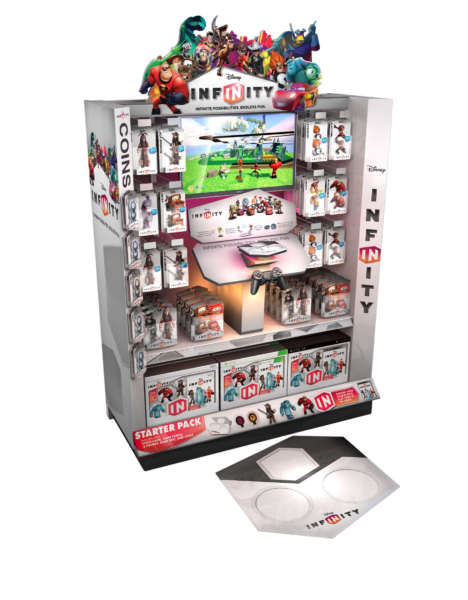
Display

POP Displays for Cross-Merchandising
Cross-merchandising is one of the most effective ways to increase basket size


Cross-merchandising is one of the most effective ways to increase basket size
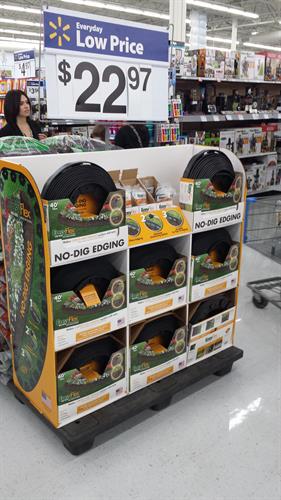
POP displays must balance eye-catching branding with structural integrity. Inadequate load-bearing design
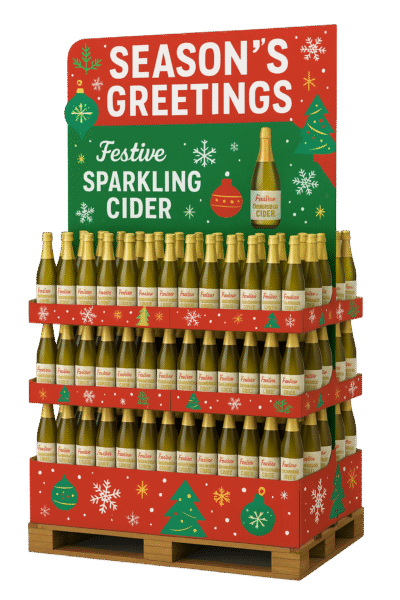
Seasonal promotions are among the most powerful opportunities for brands to capture
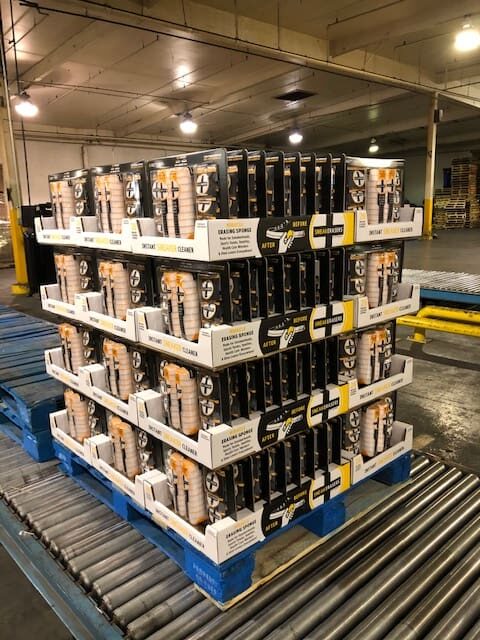
Freight is one of the largest cost drivers in retail packaging programs.
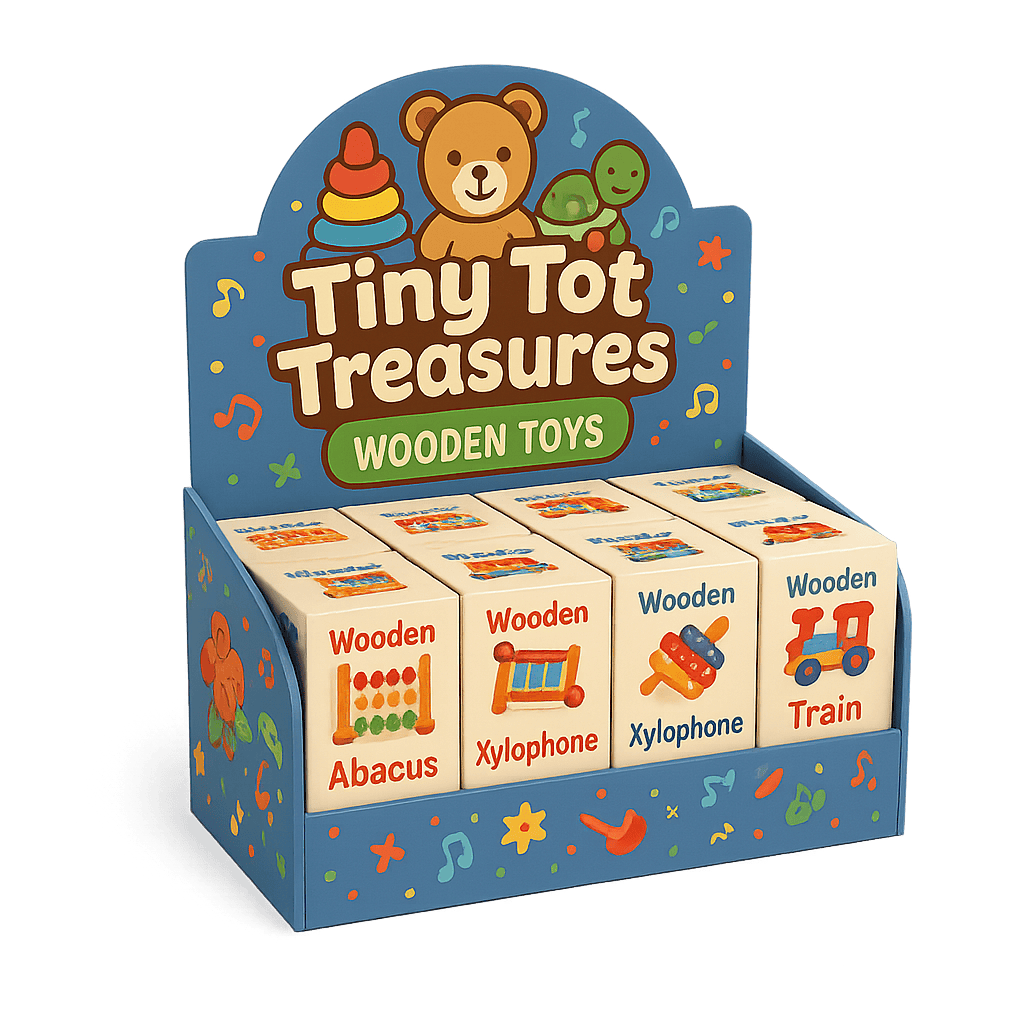
When it comes to maximizing shelf space and capturing buyer attention, few
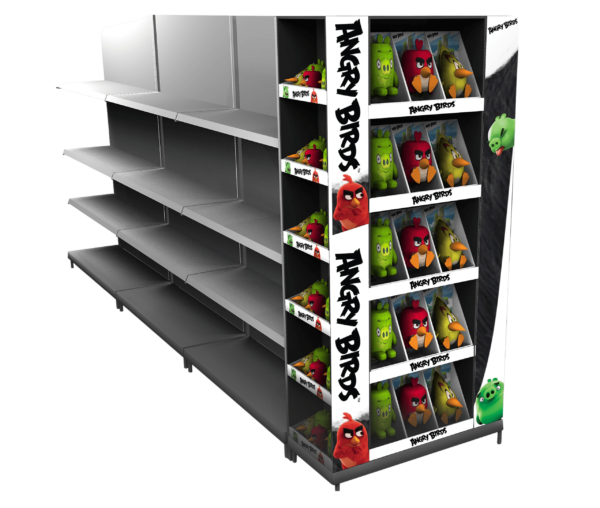
As the retail landscape continues to evolve, staying ahead of the latest
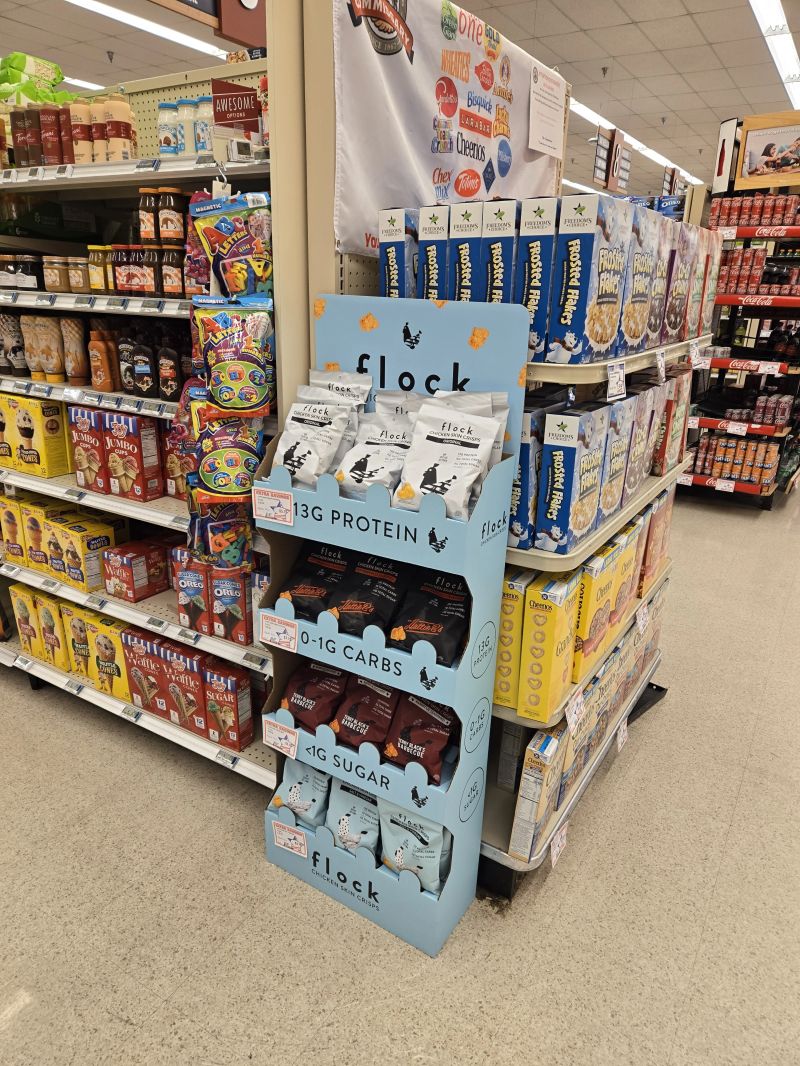
As the 2025 holiday season approaches, retailers are gearing up for what
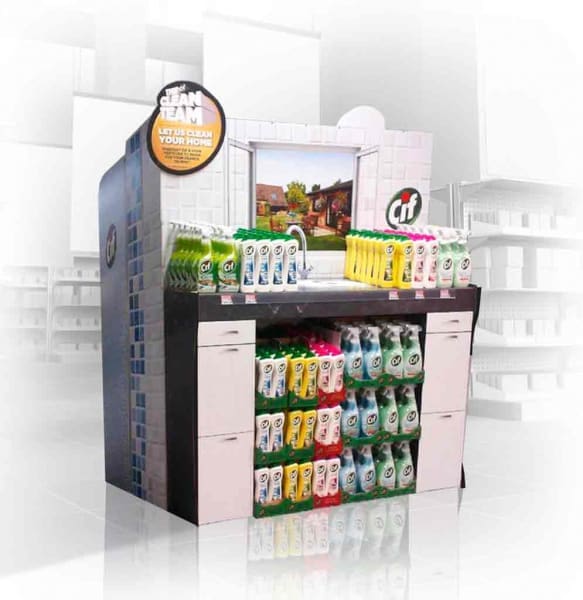
Point of Purchase (POP) displays are a dynamic marketing tool used to
A Point of Purchase (POP) display is a powerful marketing tool used
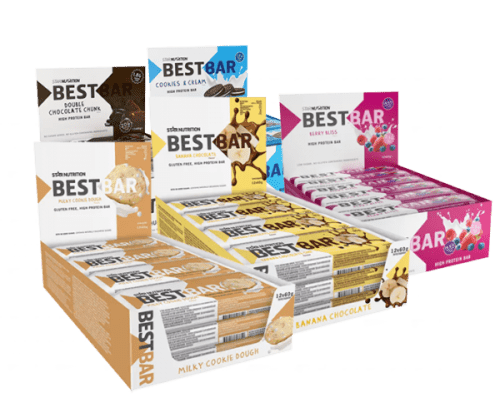
As retail environments evolve, Point of Purchase (POP) displays will continue to