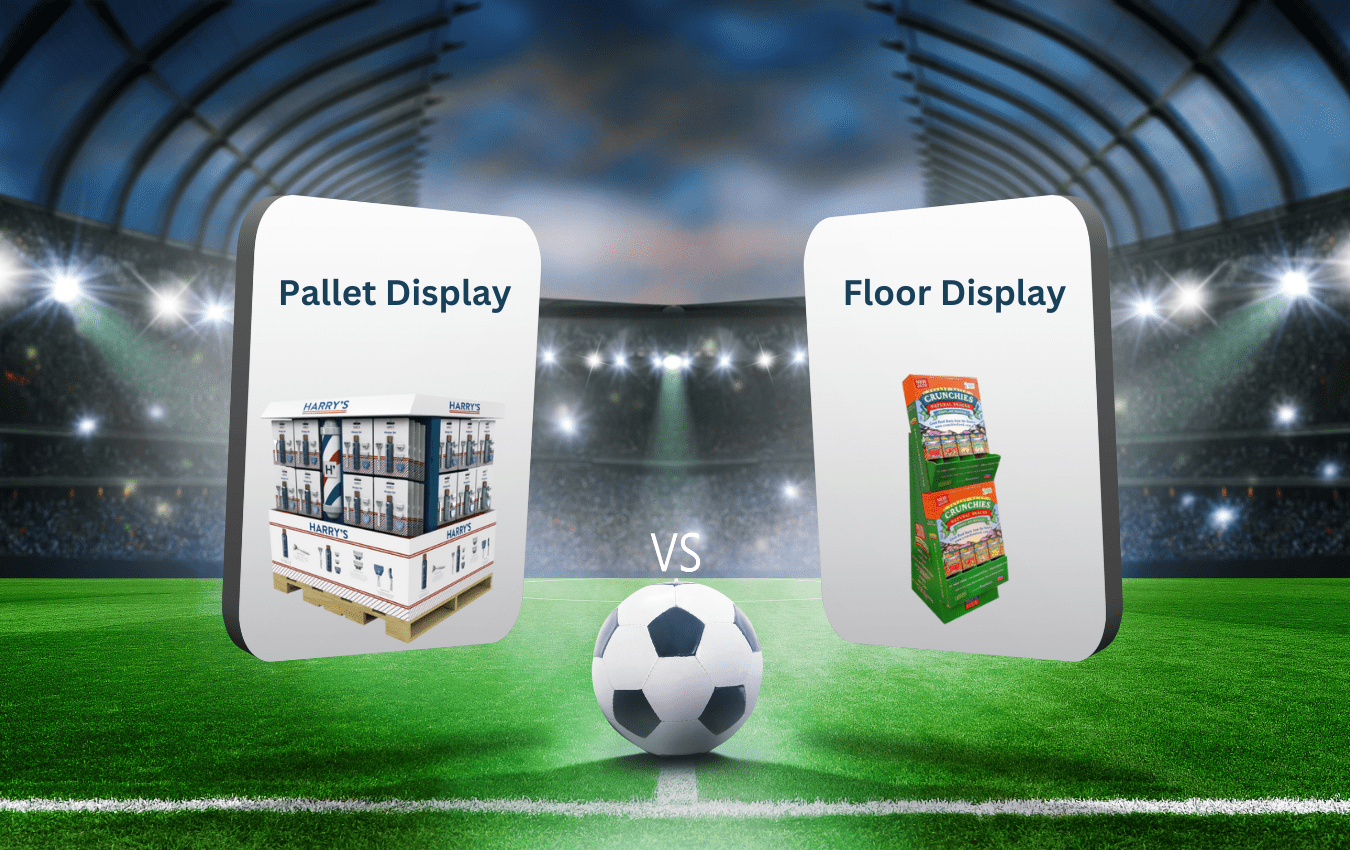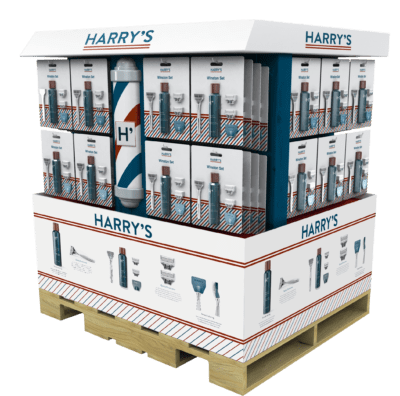
Pallet Display Vs Floor Display: What is the Difference?
In the ever-evolving landscape of retail marketing, the art of product presentation
In the ever-evolving landscape of retail marketing, the art of product presentation

In the fiercely competitive world of retail, brand recognition is the key
In the fast-paced world of retail, every moment counts when it comes
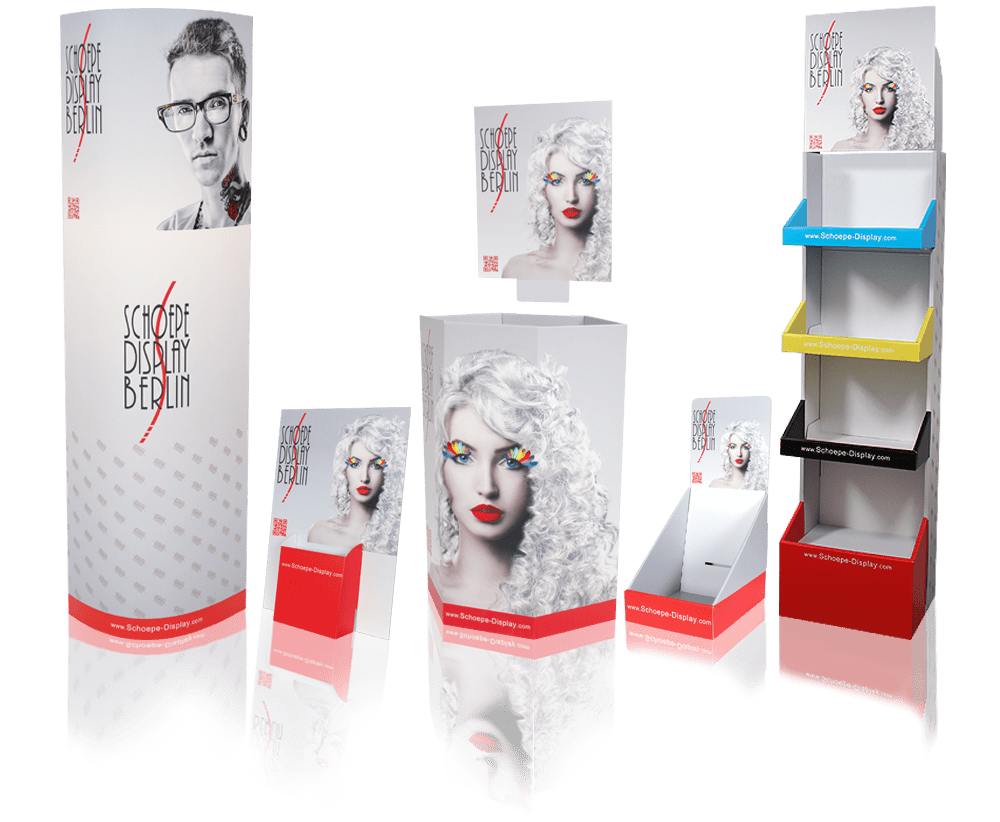
In the dynamic realm of retail, crafting the perfect display goes beyond
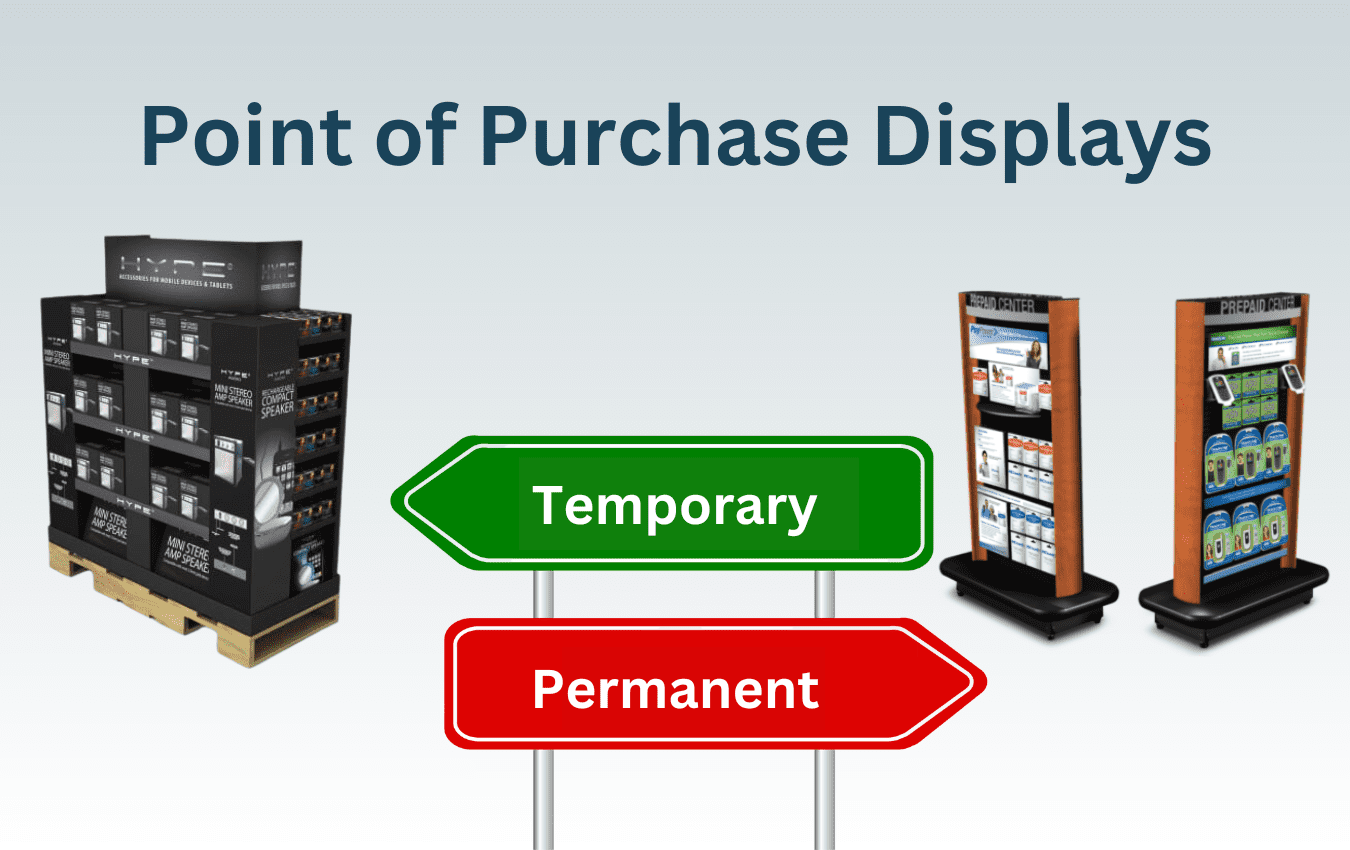
In the intricate world of retail, Point-of-Purchase (POP) displays play a critical

Point of purchase displays, also known as POP displays, are an essential

Displays play a key role in marketing and selling your product in

Point of Purchase (POP) displays are an effective way to promote products

Point-of-purchase (POP) displays are designed to capture shopper attention and influence buying

Retail point of purchase (POP) displays are essential tools for marketing products
Most cost savings in packaging come from:👉 Ordering more volume But increasing MOQ isn’t always possible. Storage is limited Cash flow is constrained Demand is
Minimum order quantities (MOQs) aren’t arbitrary. They exist because packaging production has fixed costs that don’t scale down—only up. When you order one unit, you
Most POP display programs don’t lose money on materials. They lose it in:👉 empty space Displays are often shipped with: Excess void space Poor stacking
Taller displays get attention. But they also get: Rejected by retailers Unstable under load More likely to fail in-store Height isn’t just a design choice—it’s
Cutouts sell the product. They improve: Visibility Brand presentation Shopper engagement But they also remove something critical:👉 Structure Every cutout or window reduces material—and with
Most POP displays are designed for full, balanced product loads. But that’s not how they perform in-store. Within days: One SKU sells faster than another