Blogs
At Brown Packaging, we provide insightful content about the packaging industry to keep our clients, followers, and partners informed with the latest trends and accurate information. Our goal is to equip you with up-to-date knowledge that helps you stay ahead in the ever-evolving world of packaging.

Before committing to a full production run, businesses often receive packaging samples to evaluate fit, functionality, print quality, and overall design. Whether it’s a digital sample (3D render) or a physical prototype, thoroughly assessing the sample ensures that the final packaging meets aesthetic, protective, and branding requirements. Evaluating a Digital Packaging Sample A digital sample, such as a 3D rendering or a dieline proof, is typically the first step in the approval process. It provides a visual representation of the packaging without producing a physical sample. What to Check in a Digital Sample: Structural Accuracy: Ensure the dieline dimensions match your specifications. Print & Branding Alignment: Confirm that logos, graphics, and text are correctly placed. Color Representation: Compare digital colors with your brand standards (note that digital colors may vary slightly from printed results). Typography & Readability: Check for font clarity, spacing, and legal text placement. Product Fit Estimation: Use the digital mockup to visualize how the product will fit inside the packaging. Next Steps for Digital Samples: Approve the design for a physical prototype if all elements look correct. Request modifications if there are misalignments, incorrect fonts, or sizing issues. Verify with a packaging expert to ensure compliance with industry regulations (especially for food, pharmaceuticals, or fragile products). Evaluating a Physical Packaging Sample Once the digital sample is approved, a physical prototype is produced. This allows for a hands-on review to confirm material quality, fit, and structural integrity. What to Check in a Physical Sample: Size & Fit: Ensure your product fits securely inside without excess movement. Material Durability: Assess the thickness, rigidity, and protective properties of the packaging. Printing & Finishing: Check for sharpness of logos, consistency of colors, and quality of coatings (matte, gloss, spot UV, etc.). Ease of Assembly: Verify that the packaging can be easily folded, sealed, or assembled as required. Structural Performance: Conduct drop tests, stacking tests, or compression tests if needed. Shipping & Storage Suitability: If your product requires long-distance shipping, assess whether additional protective inserts or reinforcements are needed. Next Steps for Physical Samples: Approve the sample for final production if all elements meet expectations. Request modifications if there are fit issues, material concerns, or branding inconsistencies. Test the sample in real-world conditions, such as placing it in a warehouse or shipping it to a test location. Making the Final Decision After evaluating the digital and physical samples, finalize your packaging decision by: Confirming with your team that the design meets branding, protection, and compliance requirements. Approving mass production once all issues are resolved. Coordinating with your supplier on lead times, material availability, and any final adjustments. Final Thoughts: Ensuring the Best Packaging for Your Product Receiving a packaging sample is a crucial step in avoiding costly mistakes and ensuring a seamless production process. By carefully evaluating both digital and physical samples, businesses can optimize product protection, branding impact, and customer experience. Need expert guidance in reviewing your packaging samples? Contact Brown Packaging today to ensure your final packaging is perfect before production! (714)300-0650 request@brownpackaging.com Most Recent Posts: Categories: Corrugated Ecommerce ESD Design Display Flexible Packaging Foam Folding Carton Packaging Plastic Packaging Pouch Printing Protection Retail Rigid Box Thermoform Sustainability Subscribe To Our Newsletter By submitting your information, you agree to our terms and conditions and privacy policy. Custom Packaging Facebook Twitter LinkedIn Pinterest Relevant Posts

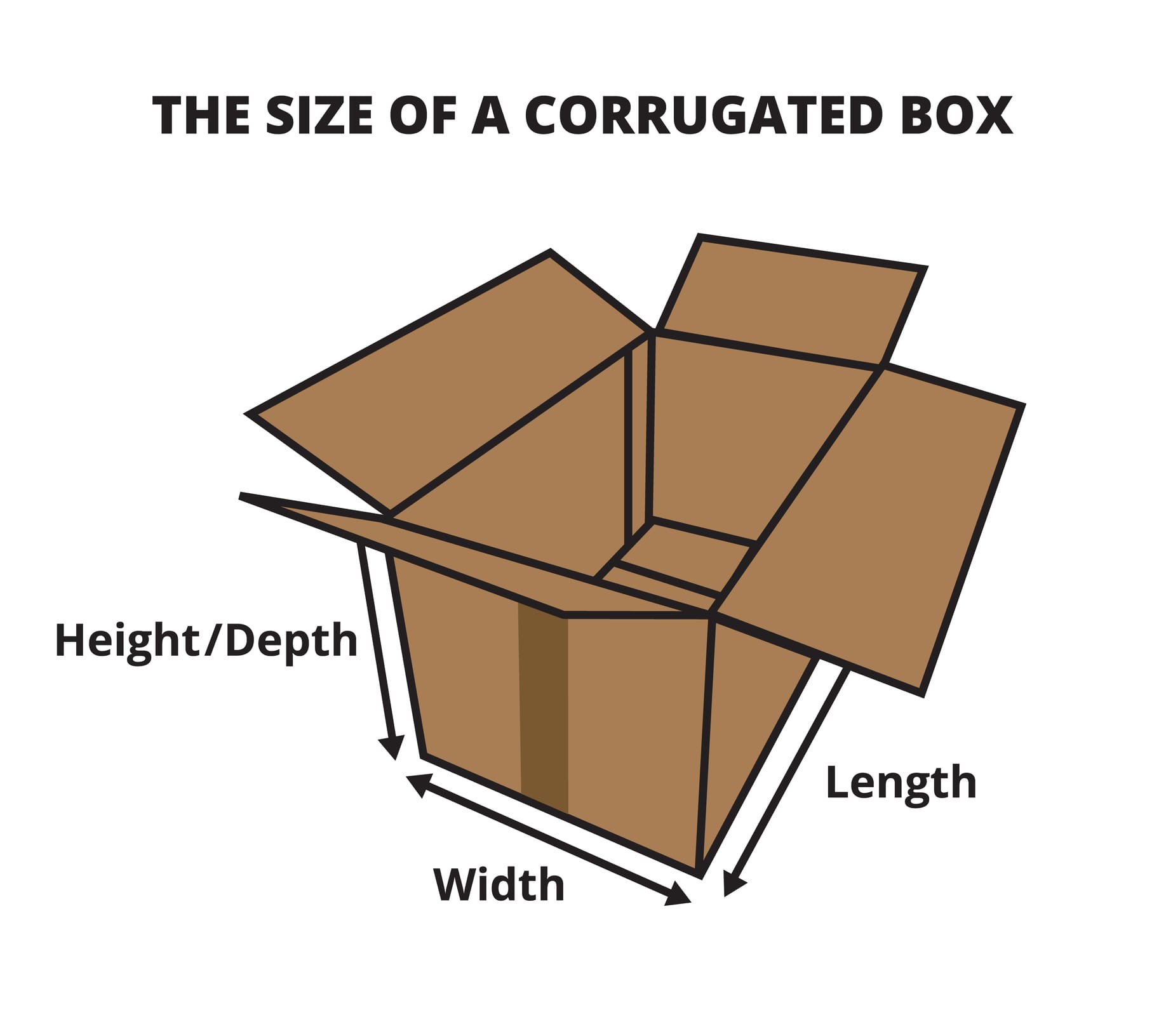
Choosing the right corrugated box size is crucial for product protection, shipping efficiency, and cost savings. Whether you’re packing a single item or multiple products, knowing how much space you need inside the box ensures that products remain secure, undamaged, and optimized for storage and transportation. Step 1: Measure the Dimensions of Your Product(s) To determine how much space is required inside a corrugated box, start by measuring your product’s length, width, and height: Length: The longest side of the product. Width: The shorter side when placed flat. Height (Depth): The vertical measurement. For multiple products, consider how they will be arranged inside the box—whether stacked, side-by-side, or separated with inserts. Step 2: Add Space for Protection and Cushioning Corrugated boxes often require extra space to accommodate protective packaging materials like bubble wrap, foam inserts, or dividers. To ensure adequate protection: Add at least 1-2 inches around the product for cushioning. If using dividers for multiple items, consider the thickness of the divider material. For fragile items, factor in reinforced corners or inserts that prevent movement. Step 3: Determine the Optimal Box Style Different box styles offer varying levels of internal space efficiency. Common options include: Regular Slotted Container (RSC): Standard box with flaps for easy packing. Full Overlap Box: Adds extra strength for heavier products. Die-Cut Box: Custom-fitted designs for exact product sizing. Mailer Boxes: Compact and stylish for eCommerce shipments. Selecting the right style ensures that space is maximized while minimizing excess voids. Step 4: Consider Stacking and Shipping Constraints If your product needs to be stacked or palletized, box dimensions should align with standard pallet sizes to maximize storage efficiency. Additionally, consider: Weight distribution to prevent box crushing. Dimensional weight pricing from carriers like UPS and FedEx, where oversized boxes cost more to ship. Warehouse storage limitations for bulk packaging. Step 5: Test with a Sample Box Before committing to a final box size, order a prototype or sample box and perform a test fit. This helps verify: The fit and protection level of your product. Whether additional cushioning materials are needed. How easy the packaging is to assemble and seal. Final Thoughts: Optimizing Space in Your Corrugated Box Finding the right amount of space inside a corrugated box is a balance between product fit, protection, and shipping efficiency. By measuring accurately, accounting for protective materials, and testing with samples, businesses can reduce shipping costs, minimize damage, and improve packaging efficiency. Need help designing the perfect corrugated box for your products? Contact Brown Packaging today to find the best packaging solution for your needs! (714)300-0650 request@brownpackaging.com Most Recent Posts: Categories: Corrugated Ecommerce ESD Design Display Flexible Packaging Foam Folding Carton Packaging Plastic Packaging Pouch Printing Protection Retail Rigid Box Thermoform Sustainability Subscribe To Our Newsletter By submitting your information, you agree to our terms and conditions and privacy policy. Custom Corrugated Boxes Facebook Twitter LinkedIn Pinterest Relevant Posts

Medical device packaging plays a crucial role in protecting products, ensuring sterility, and enhancing user confidence. Beyond just functionality, packaging influences customer perception, which can directly impact a company’s reputation, product adoption, and market success. When customers—including hospitals, healthcare providers, and patients—receive a medical device, the first interaction is with the packaging, making it a critical factor in trust and credibility. How Packaging Affects Customer Perception Trust and Brand Credibility In the medical field, trust is paramount. Packaging that looks clean, professional, and tamper-proof reassures customers that the device inside is safe and high quality. Poorly designed or damaged packaging, on the other hand, can raise concerns about contamination or product reliability, negatively affecting customer confidence. Compliance and Safety Assurance Customers expect medical devices to meet strict regulatory standards for safety and sterility. Packaging that clearly displays compliance certifications (FDA, ISO, CE), expiration dates, and handling instructions reassures end-users that the product is reliable and meets industry standards. Conversely, unclear or missing information can create hesitation or even rejection of the product. Ease of Use and Accessibility Medical professionals and patients often interact with packaging in high-pressure environments, where ease of access is essential. Packaging should be intuitive, easy to open, and designed for quick, safe product retrieval. If packaging is difficult to open or use, it can lead to frustration, delays in treatment, or even damage to the device before use. Tamper Evidence and Product Integrity Medical device packaging must incorporate tamper-evident features to ensure product integrity. Seals, RFID tracking, and authentication labels help customers feel secure that the product hasn’t been compromised. If packaging appears tampered with or unsecure, it can result in returns, complaints, or loss of trust in the brand. Optimizing Medical Device Packaging for Positive Customer Perception To ensure packaging creates a strong, positive impression, companies should consider: High-quality materials that ensure product protection and sterility. Clear and concise labeling to provide essential information without clutter. User-friendly design for accessibility in both clinical and home settings. Tamper-proof features to prevent unauthorized access and enhance security. Final Thoughts: Why Packaging Perception Matters Customer perception of medical device packaging is as important as the device itself. Trust, safety, ease of use, and branding all play a role in how a product is received. Investing in high-quality, well-designed packaging not only ensures compliance but also enhances user confidence and strengthens brand reputation. Looking to improve your medical device packaging solutions? Contact Brown Packaging today for expert insights and customized packaging solutions that align with industry standards and customer expectations. (714)300-0650 request@brownpackaging.com Most Recent Posts: Categories: Corrugated Ecommerce ESD Design Display Flexible Packaging Foam Folding Carton Packaging Plastic Packaging Pouch Printing Protection Retail Rigid Box Thermoform Sustainability Subscribe To Our Newsletter By submitting your information, you agree to our terms and conditions and privacy policy. Medical Packaging Facebook Twitter LinkedIn Pinterest Relevant Posts

In 2025, small businesses must be more strategic than ever when it comes to packaging. With rising eCommerce competition, increasing material costs, and evolving consumer expectations, packaging is no longer just about protection—it’s a branding tool, a cost-efficiency factor, and a sustainability consideration. This guide will help small businesses navigate the latest packaging trends, cost-saving strategies, and best practices to optimize their packaging for success. Key Packaging Trends for 2025 Customization & Brand Differentiation With an oversaturated market, packaging must do more than just house a product—it needs to tell a story. Small businesses should focus on: Custom-printed packaging with unique designs and logos. Branded inserts and thank-you cards to enhance the unboxing experience. Limited edition packaging for seasonal promotions and collaborations. Cost-Effective Solutions Without Sacrificing Quality Material and shipping costs are expected to rise in 2025, making cost-efficient packaging strategies essential. Small businesses can save money by: Right-sizing packaging to eliminate excess material and reduce dimensional weight fees. Exploring alternative materials like lightweight corrugated mailers instead of heavier boxes. Partnering with domestic suppliers to avoid tariffs and long international shipping delays. Protective Packaging for eCommerce & Shipping With the continued growth of online shopping, damaged products lead to costly returns and customer dissatisfaction. Key considerations include: Durable corrugated boxes with reinforced edges for fragile items. Protective inserts like molded pulp or foam cushioning to prevent movement in transit. Tamper-evident and resealable packaging for added security. Multi-Purpose & Functional Design Innovative packaging that enhances usability will set small businesses apart. Examples include: Convertible packaging that doubles as storage or display units. Easy-open tear strips and resealable features for convenience. Minimalist, space-saving designs to optimize storage and shipping. How Small Businesses Can Optimize Their Packaging Strategy Work with the Right Supplier Finding a reliable packaging supplier that understands your business needs can help ensure cost savings, flexibility, and customization options. Look for: Low minimum order quantities (MOQs) for scalability. Customization options for branding and printing. Domestic suppliers for faster turnaround times. Invest in Digital Printing for Short Runs Digital printing allows for smaller batch orders with high-quality graphics, perfect for businesses that frequently update their packaging design. Balance Aesthetics with Functionality While great design matters, packaging should also be easy to store, ship, and open. Ensuring a balance between brand presentation and practicality is key to maximizing customer satisfaction. Final Thoughts: Packaging as a Growth Strategy For small businesses in 2025, packaging is more than just a necessity—it’s a competitive advantage. By embracing cost-efficient materials, protective designs, customization, and the right supplier partnerships, businesses can create memorable unboxing experiences while optimizing their bottom line. Need custom packaging solutions tailored for small businesses? Contact Brown Packaging today to explore cost-effective, high-quality options for 2025! (714)300-0650 request@brownpackaging.com Most Recent Posts: Custom Packaging Categories: Corrugated Ecommerce ESD Design Display Flexible Packaging Foam Folding Carton Packaging Plastic Packaging Pouch Printing Protection Retail Rigid Box Thermoform Sustainability Subscribe To Our Newsletter By submitting your information, you agree to our terms and conditions and privacy policy. Facebook Twitter LinkedIn Pinterest Relevant Posts

For large businesses and corporations, packaging is more than just a protective shell—it’s an integral part of brand identity, supply chain efficiency, and consumer experience. With increasing competition, regulatory challenges, and rising costs, corporations must take a strategic approach to packaging in 2025. The right packaging strategy can enhance brand perception, reduce costs, and improve overall product performance in the market. Key Focus Areas for Corporate Packaging Scalable and Cost-Effective Production Large businesses require packaging solutions that can handle high-volume production while maintaining cost efficiency. This means: Standardizing packaging materials and sizes to streamline production. Optimizing material usage to reduce costs while maintaining structural integrity. Working with reliable suppliers to ensure stable pricing and on-time delivery. Supply Chain Optimization and Logistics Efficiency Efficient packaging design can lead to major savings in storage and transportation. Corporations should focus on: Right-sizing packaging to minimize shipping costs and dimensional weight charges. Stackable and space-efficient designs to reduce warehouse storage costs. Durability and protection to lower product damage rates and returns. Compliance and Industry Standards Regulatory compliance is a major concern for large corporations, especially in industries such as food, pharmaceuticals, and electronics. Businesses must ensure: Packaging meets FDA, ISO, FSC, and industry-specific certifications. Labels and warnings comply with legal and safety requirements. Tamper-evident and traceable packaging solutions for product security. Brand Consistency and Market Appeal For corporations with multiple product lines and global reach, consistent branding across all packaging is essential. This includes: Unified design elements across different regions and product categories. Premium printing and finishing options for high-end product lines. Localized packaging variations to meet international market preferences. Sustainable and Responsible Packaging While cost and efficiency are priorities, many corporations are also focusing on eco-friendly packaging solutions. Strategies include: Lightweight materials to reduce carbon footprint and shipping costs. Recyclable or biodegradable packaging to align with consumer demand. Supply chain transparency to meet sustainability reporting requirements. Automation and Packaging Technology Integration Corporate packaging strategies should leverage automation and smart packaging technology for efficiency and innovation. This includes: Automated packaging lines to reduce labor costs and increase production speed. RFID tags and QR codes for enhanced tracking and consumer engagement. Smart packaging materials that provide real-time data on freshness and handling. Final Thoughts: The Corporate Packaging Strategy for 2025 For large businesses, packaging is a strategic asset that affects branding, supply chain efficiency, and compliance. By focusing on cost-effective production, logistics efficiency, regulatory standards, and sustainability, corporations can stay ahead in 2025 and beyond. Looking for scalable and innovative packaging solutions for your business? Contact Brown Packaging today to optimize your corporate packaging strategy. It’s Not About Spending Less—It’s About Spending Right Your goal isn’t to cut corners—it’s to make sure your packaging spend matches your sales goals, brand perception, and market environment. In many cases, a simple structural or material tweak can reduce costs without affecting how the package performs or looks. Small changes might include: Switching from rigid box to folding carton Simplifying closures or removing magnetic flaps Moving from offset to digital print for short runs Using standard dielines instead of custom shapes (714)300-0650 request@brownpackaging.com Most Recent Posts: Categories: Corrugated Ecommerce ESD Design Display Flexible Packaging Foam Folding Carton Packaging Plastic Packaging Pouch Printing Protection Retail Rigid Box Thermoform Sustainability Subscribe To Our Newsletter By submitting your information, you agree to our terms and conditions and privacy policy. Custom Packaging Facebook Twitter LinkedIn Pinterest Relevant Posts

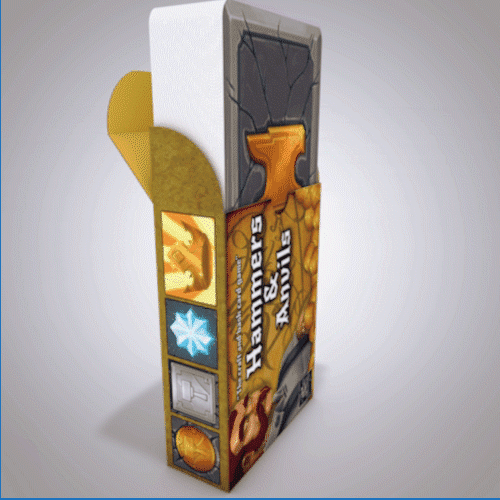
Folding cartons are a retail packaging staple—used across food, cosmetics, health, and consumer goods for their lightweight, customizable, and cost-effective structure. But not all folding cartons are created equal. If you want to stand out on shelf, pass compliance checks, and protect your product from production line to retail floor, optimization is key. This blog covers how to strategically optimize your folding cartons for retail performance, brand impact, and logistical efficiency. Nail the Structure First A carton that looks great but doesn’t hold up in transit or on display won’t do your product any favors. Optimizing the structure is step one. Tips: Choose a tuck-end style (straight or reverse) for easy assembly and closure Use auto bottom also called auto-lock for heavier items requiring more support Consider seal-end cartons for tamper-evident packaging in food or supplements Match the board grade to your product weight and retail environment ✅ Ensures product safety✅ Streamlines assembly✅ Keeps packaging intact through the supply chain Design for Fast, Impactful Shelf Appeal Retail shelves are crowded. Your folding carton should make your product recognizable and desirable within seconds. Best practices: Use bold front-facing branding and a visual hierarchy that leads the eye Ensure product name, benefits, and key claims are front and center Incorporate color-coding or design variation for multiple SKUs Think vertically—many cartons are displayed in tall stacks or hung face-forward ✅ Attracts attention quickly✅ Communicates benefits at a glance✅ Reinforces brand consistency across variants Don’t Waste the Side and Back Panels Retail optimization isn’t just about the front. Use the other panels for supporting details and retail requirements. Use this space for: Ingredient or nutritional panels Usage instructions Certifications (organic, cruelty-free, recyclable) QR codes that drive digital engagement or reviews Regulatory content (where required) ✅ Keeps the front panel clean✅ Ensures compliance with retail and FDA/FTC guidelines✅ Gives shoppers the extra info they need to buy Print with Efficiency in Mind You want eye-catching packaging—but it has to be cost-effective and print-ready for the real world. Optimization tips: Use standard dielines when possible to reduce tooling costs Leverage digital printing for short runs or multiple SKUs Use shared plates or universal layouts to simplify multi-product print runs Choose coatings and finishes based on product value and retail positioning (e.g., spot UV for premium, matte for lifestyle) ✅ Keeps costs in check✅ Supports quick design changes or promo packaging✅ Reduces waste and delays Think About Retailer Requirements Each retailer has their own standards for packaging display, strength, barcoding, and more. Optimizing folding cartons for retail means designing to those specs from the start. Consider: Shelf height and width restrictions Required barcode placement and sizing Tray or case pack configurations Sustainability goals or labeling preferences ✅ Prevents chargebacks or rejections✅ Speeds up retail approval✅ Enhances retailer confidence in your brand Maximize Inner Space and Inserts (If Needed) Retail cartons often need to do more than look good—they need to hold, separate, or protect the product inside. Options: Add a folded chipboard insert for glass bottles or fragile items Use slit-lock panels to hold vials or samples in place Opt for multi-panel or accordion folds to tell your story without increasing box size ✅ Adds structure and value✅ Reduces product movement or breakage✅ Keeps packaging slim and shelf-friendly Sustainability Is Retail Optimization Too Retailers and shoppers alike expect brands to make sustainable choices. Optimizing for retail means aligning your folding carton packaging with eco-conscious expectations. Ways to do this: Use recyclable paperboard (SBS, kraft, or post-consumer content) Minimize unnecessary coatings or lamination Print with soy- or water-based inks Add icons or QR codes to show recyclability and reduce confusion ✅ Enhances brand trust✅ Supports retailer sustainability initiatives✅ Improves shopper perception Final Thoughts Folding cartons play a major role in how your product performs in retail. By optimizing structure, print, compliance, and sustainability, you can ensure your packaging is retail-ready, brand-right, and cost-efficient—without sacrificing performance. Need help optimizing your folding cartons for retail?We’ll work with you to develop smart, strategic solutions that align with your product, audience, and retail goals. (714)300-0650 request@brownpackaging.com Most Recent Posts: Categories: Corrugated Ecommerce ESD Design Display Flexible Packaging Foam Folding Carton Packaging Plastic Packaging Pouch Printing Protection Retail Rigid Box Thermoform Sustainability Subscribe To Our Newsletter By submitting your information, you agree to our terms and conditions and privacy policy. Folding Carton Facebook Twitter LinkedIn Pinterest Relevant Posts

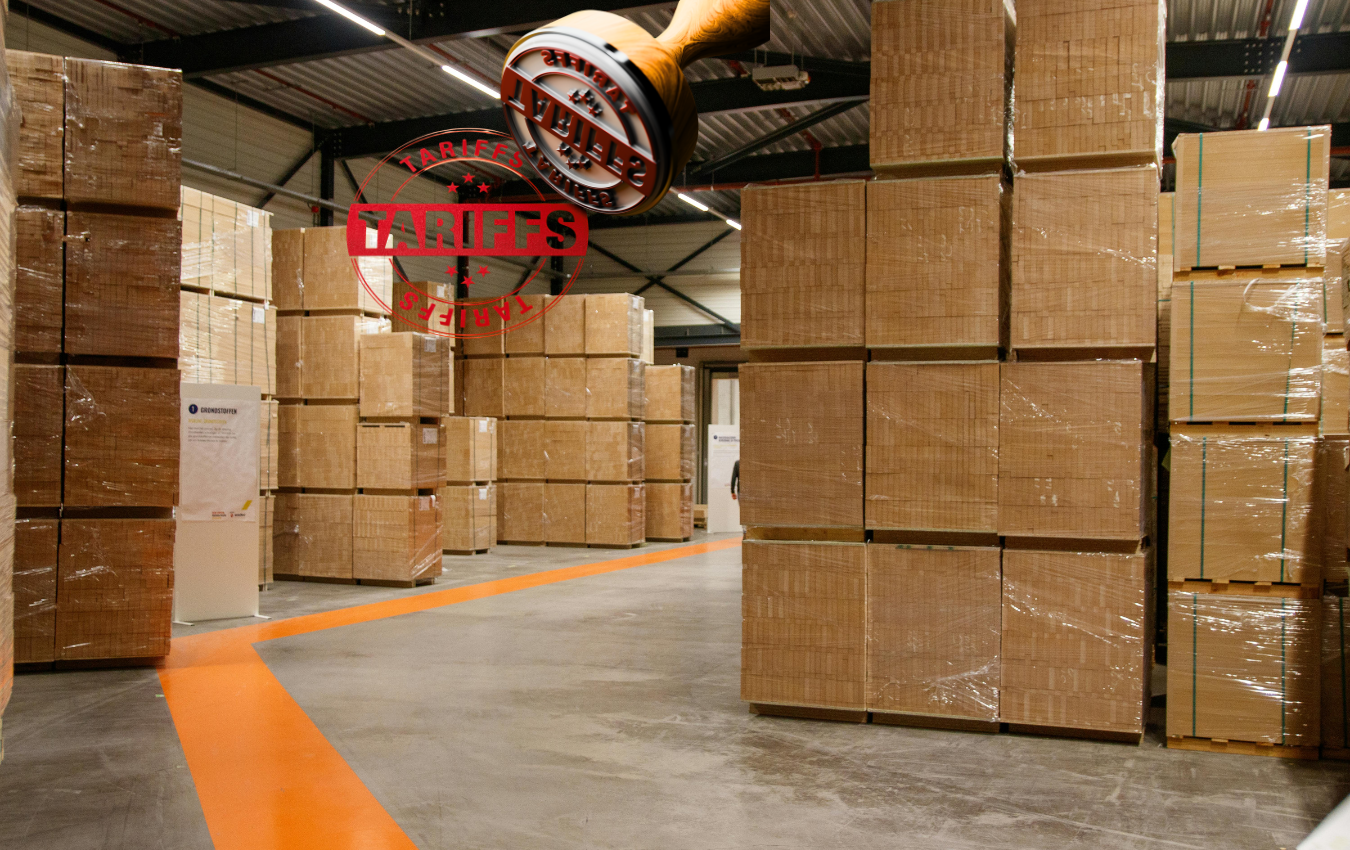
If you’re in the auto parts industry, you already know how critical packaging is—not just for protection during transit, but for branding, compliance, and supply chain efficiency. However, the growing complexity of tariffs on imported packaging materials and components is making sourcing decisions more difficult, especially for brands relying on overseas manufacturing. From corrugated shipping boxes and inserts to folding cartons and protective packaging, tariffs are directly impacting the cost, availability, and lead times of the packaging used to transport and present auto parts. Here’s how to stay ahead and make smarter packaging decisions in today’s evolving trade environment. Know What Packaging Is Affected by Tariffs Auto parts packaging often includes a mix of: Corrugated shippers and printed cartons Folding cartons or sleeves for retail-ready parts Foam inserts, chipboard dividers, or trays Protective wraps, bags, and films Labels, tags, and branded decals Many of these components—especially when sourced from China, India, or Southeast Asia—are now subject to high tariffs, depending on their classification and country of origin. These added fees can significantly increase your cost per unit, particularly for bulk orders or large-scale production runs. Fluctuating Freight Costs Compound the Issue On top of tariffs, the auto industry continues to deal with: Continuously changing ocean freight and container pricing Port congestion and customs delays Limited visibility into landed costs This makes it harder to plan packaging lead times or accurately forecast costs—especially when launching new SKUs or scaling a program. When Overseas Sourcing No Longer Saves Money In the past, sourcing packaging overseas often meant lower unit pricing—but with current tariffs, lead times, and logistics risks, the total landed cost is often higher than working with a domestic supplier. Once you add: Duty fees Shipping and handling costs Lost time due to delays or damage Communication and compliance issues …it becomes clear that a local packaging partner may offer a more cost-effective and stable long-term solution. Domestic Sourcing Offers Key Advantages Many auto parts brands are now working with U.S.-based packaging suppliers to gain: Faster turnaround times Tighter quality control Improved material sourcing transparency Support with packaging engineering and testing Especially for heavy or irregular-shaped components like rotors, pumps, or suspension parts, working with a packaging expert who understands structural performance can reduce breakage, returns, and excess material use—further offsetting cost. Reevaluate Your Packaging Design for Cost Efficiency One of the best ways to absorb tariff impacts is by optimizing your packaging design. A packaging engineer can help: Consolidate SKUs or standardize sizes Swap materials to avoid tariffed substrates Reduce waste with better fitting inserts or right-sized boxes Design for automated fulfillment or improved warehouse efficiency In many cases, these changes improve durability and lower overall packaging spend—without compromising performance or protection. Final Thoughts Tariffs may be out of your control—but how you respond to them isn’t. By understanding your true packaging supply chain, evaluating local alternatives, and working with a proactive partner, you can keep your auto parts protected and your packaging program profitable. Need help navigating tariffs or optimizing your auto parts packaging?We’ll help you design smarter, source more efficiently, and protect your products with confidence—wherever they’re going. (714)300-0650 request@brownpackaging.com Most Recent Posts: Categories: Corrugated Ecommerce ESD Design Display Flexible Packaging Foam Folding Carton Packaging Plastic Packaging Pouch Printing Protection Retail Rigid Box Thermoform Sustainability Subscribe To Our Newsletter By submitting your information, you agree to our terms and conditions and privacy policy. Auto Part & Accessory Packaging Facebook Twitter LinkedIn Pinterest Relevant Posts

The industrial sector depends heavily on efficient, scalable, and cost-effective packaging—whether it’s for machinery parts, building materials, electronics, or bulk components. But with ongoing tariff policies and global trade tensions, sourcing packaging materials or printed boxes from overseas is no longer as simple or cost-effective as it once was. From corrugated boxes and wood crates to edge protectors and pallets, tariffs are reshaping how industrial companies manage packaging procurement. Here’s what you need to know to stay ahead. Tariffs Are Driving Up the Cost of Key Materials Many industrial packaging products—particularly those sourced from China—are subject to very high tariffs. This includes: Corrugated sheets and printed corrugated boxes Paperboard and chipboard components Wood crates and pallet materials Specialty films, liners, or protective wraps Metal-based packaging parts like clips or hardware When you’re shipping large or heavy items, even a modest tariff adds up quickly—especially if you’re buying in high volumes or rely on custom packaging. International Sourcing Now Comes With Higher Risk It’s not just about cost. Tariffs are one of several issues disrupting international supply chains. Companies are now facing: Delays at ports Very fluctuating freight costs Communication breakdowns with overseas vendors Longer lead times impacting project delivery In an industry where timing, protection, and performance are critical, these delays can derail production timelines or damage your customer reputation. Reevaluate Domestic vs. International Costs In the past, sourcing packaging overseas often meant lower per-unit pricing. But today, once you factor in: Tariffs Freight volatility Port and customs delays Quality control issues Currency fluctuations …the total landed cost often matches or exceeds domestic pricing—especially when you add the risk of downtime, damaged goods, or missed delivery windows. Work With a Supplier That Understands Tariff Exposure Navigating tariffs isn’t just about sourcing differently—it’s about working with a supplier who actively helps you identify risks, reduce complexity, and design smarter packaging. Ask your supplier: Are there U.S.-based or nearshore manufacturing alternatives? Can the design be optimized to reduce material use or lower duty classifications? Are there non-tariffed substrates or board grades that meet your performance needs? Can we consolidate orders or inventory to offset new costs? A knowledgeable supplier should bring proactive solutions—not just pass along price increases. Consider Long-Term Strategy, Not Just Short-Term Cost Tariffs may rise, fall, or shift depending on trade policy, but global uncertainty isn’t going away. That’s why more industrial brands are building flexibility and local sourcing options into their long-term packaging strategy. Benefits include: Faster lead times Greater supply chain control Easier customization and on-demand runs Improved compliance and communication Especially for custom or high-value products, investing in local or tariff-proof sourcing may improve your bottom line and reduce risk. Final Thoughts For industrial companies, packaging isn’t optional—it’s critical to protection, transportation, and performance. And in today’s global environment, managing tariffs effectively is just as important as selecting the right materials. Need help adjusting your industrial packaging strategy around tariffs?We’ll work with you to explore domestic solutions, evaluate materials, and design packaging that meets both your protection and procurement goals. (714)300-0650 request@brownpackaging.com Most Recent Posts: Categories: Corrugated Ecommerce ESD Design Display Flexible Packaging Foam Folding Carton Packaging Plastic Packaging Pouch Printing Protection Retail Rigid Box Thermoform Sustainability Subscribe To Our Newsletter By submitting your information, you agree to our terms and conditions and privacy policy. Industrial Packaging Facebook Twitter LinkedIn Pinterest Relevant Posts

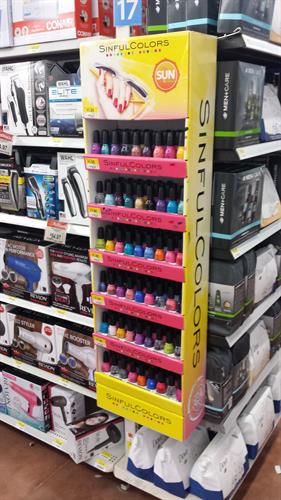
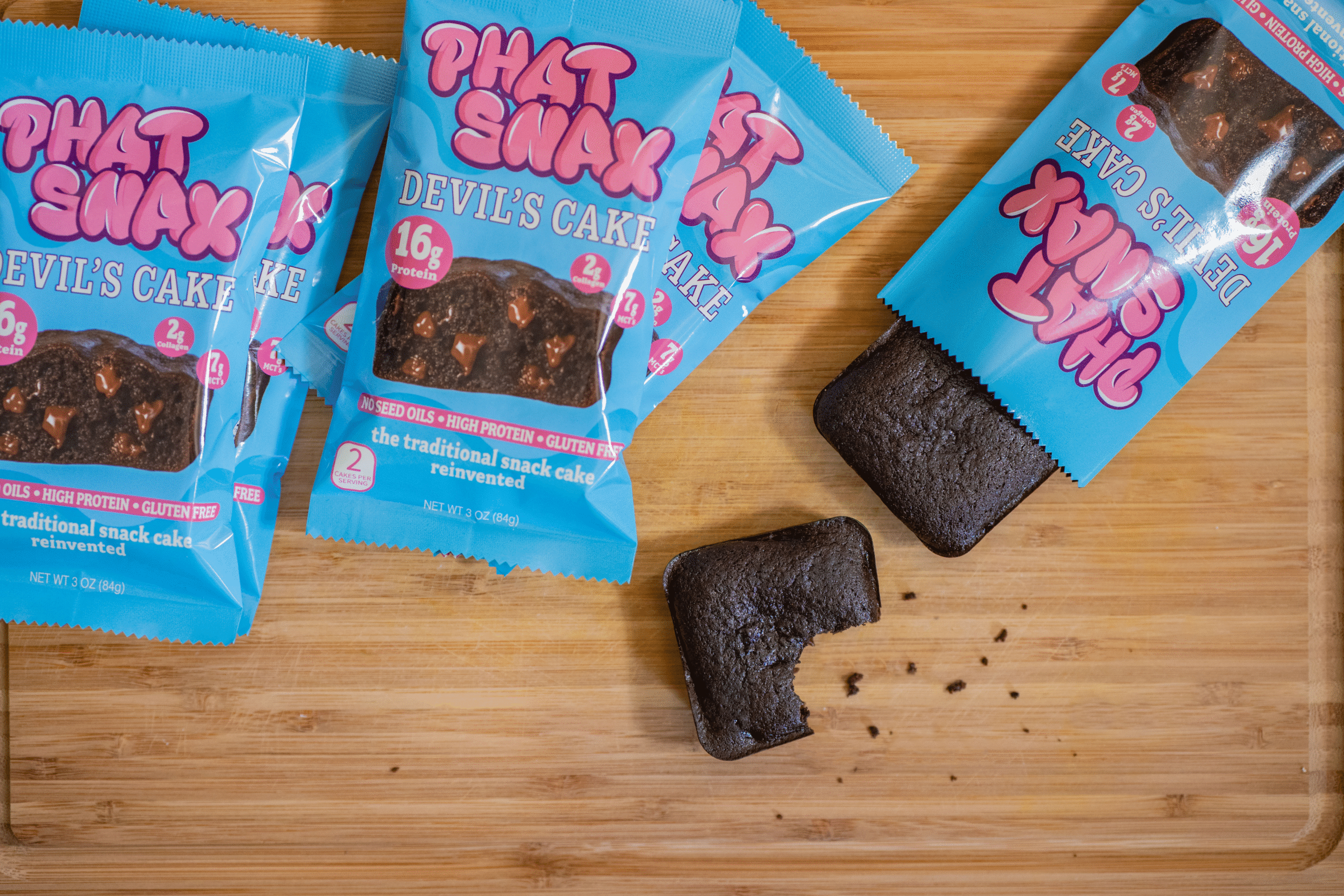
In today’s fast-paced market, packaging needs to be more than just protective—it needs to be agile, customizable, and visually compelling. That’s where digital printing steps in. Whether you’re working with corrugated boxes, POP displays, folding cartons, pouches, or roll stock, digital printing offers unmatched flexibility to bring your packaging to life—fast. This blog breaks down why digital printing is becoming the preferred solution for brands that want speed, precision, and the freedom to scale or switch designs with ease. What Is Digital Printing? Digital printing is a method that transfers artwork directly onto the packaging surface using inkjet or laser-based technology—no printing plates required. Unlike flexographic or lithographic printing, which need costly tooling and setup, digital allows brands to go from concept to press quickly with full-color, high-resolution results. Why Digital Printing Matters in Custom Packaging For businesses handling multiple SKUs, frequent promotions, or small-batch runs, digital printing solves many traditional production challenges: Fast turnarounds No plate or setup fees Easy design updates and personalization Lower minimums Reduced waste Whether you’re testing a new SKU or running a seasonal promotion, digital keeps you nimble without sacrificing quality. Packaging Types That Benefit from Digital Printing Corrugated Boxes Digital printing allows brands to produce full-color graphics on corrugated boxes without the high volume requirements of flexo or litho. Great for e-commerce packaging, subscription boxes, and branded shippers that require quick runs or custom versions per region, SKU, or campaign. POP Displays For retail displays, digital printing enables fast production of high-impact visuals, especially for short-term promotions or limited launches. Designs can be versioned per product, retailer, or store location without creating delays or extra costs. Folding Cartons Brands in food, beauty, and wellness use folding cartons with digital printing to achieve photo-quality results on small or medium runs. It’s ideal for startups or established brands that need design flexibility and fast turnaround. Pouches Digital printing is widely used on flexible packaging for products like snacks, supplements, and pet treats. You can quickly create multiple pouch designs in a single run, making it perfect for multi-SKU product lines, samples, or limited editions. Roll Stock For brands that form-fill-seal pouches in-house, digitally printed roll stock delivers speed and precision without large MOQs. This reduces inventory pressure and simplifies changeovers between product runs. Other Products Digital printing is also ideal for belly bands, labels, sleeves, and custom inserts—anywhere variable data, fast updates, or small runs are required. When Digital Printing Makes the Most Sense Digital printing is best when you need: Fast speed to market Multiple design versions Frequent content updates (ingredients, regulations, offers) Personalized or regionalized packaging Low-to-mid volume production with high visual quality Minimal risk when testing new designs or SKUs For growing brands, digital printing enables test-and-learn agility. For larger brands, it offers flexibility for campaigns, events, or seasonal promotions without tying up your main production line. Final Thoughts If your brand thrives on innovation, variety, or speed, digital printing is the tool that keeps your packaging agile and aligned with market demands. From boxes and pouches to displays and roll stock, this technology opens the door to more creativity and less complexity. Need help choosing the right digital print solution for your packaging?We’ll help you determine where digital makes sense, what volume fits, and how to build a packaging system that moves as fast as your business does. (714)300-0650 request@brownpackaging.com Most Recent Posts: Categories: Corrugated Ecommerce ESD Design Display Flexible Packaging Foam Folding Carton Packaging Plastic Packaging Pouch Printing Protection Retail Rigid Box Thermoform Sustainability Subscribe To Our Newsletter By submitting your information, you agree to our terms and conditions and privacy policy. Custom Packaging Facebook Twitter LinkedIn Pinterest Relevant Posts

Folding cartons are one of the most versatile forms of retail packaging—and how you print on them can make the difference between a product that blends in and one that commands attention. Strategic printing isn’t just about aesthetics; it’s about communicating value, increasing shelf appeal, and making your packaging work harder without adding cost. Here’s how to use print effectively to elevate your folding cartons—whether you’re working with skincare, supplements, food, electronics, or lifestyle products. Use Print to Create Visual Hierarchy Your folding carton only has a few seconds to make an impression on the shelf. Strategic printing helps guide the customer’s eye to what matters most. Tips: Use bold, contrasting colors or finishes (spot UV, foil) to highlight your brand name or logo Place key selling points (benefits, claims, features) front and center using larger font sizes Use typography and spacing to separate messaging and improve readability ✅ Helps the customer immediately understand what your product is and why it matters ✅ Improves visual impact without changing the structure ✅ Reduces reliance on costly redesigns by making the most of layout Match Print Quality to Product Value Your packaging should reflect the value of the product inside. Low-quality print on a premium item creates confusion—or worse, distrust. Use printing to reinforce brand perception. Recommendations: For high-end products, use offset or digital printing with high-resolution artwork Consider soft-touch coating, foil stamping, or embossed logos to enhance tactile appeal For entry-level products, clean flexo printing with sharp colors and simple messaging works well ✅ Aligns packaging with price point ✅ Builds customer trust and perceived quality ✅ Supports brand consistency across SKUs Make the Most of Every Panel Most folding cartons have six printable panels—front, back, two sides, top, and bottom. Don’t waste the real estate. Strategies: Use side panels for storytelling: sustainability efforts, brand values, QR codes Use bottom or inner flaps for certifications or required disclosures Add interactive elements (e.g., scan-to-learn codes) to drive post-purchase engagement ✅ Adds value without extra packaging ✅ Keeps primary panels clean and uncluttered ✅ Improves consumer education and brand connection Use Print to Simplify SKU Management For brands managing multiple SKUs or flavor/variant lines, digital printing or smart layout choices can reduce production complexity. Tactics: Create a shared dieline with only small design changes per SKU (e.g., color blocks, product names) Use black plate changes to keep core branding consistent while personalizing each version Leverage short-run digital printing for seasonal or promotional packaging ✅ Reduces setup and plate costs ✅ Increases flexibility for new launches ✅ Speeds up time to market for new variants Print for Retail Compliance Many retailers—especially in food, supplement, and cosmetic categories—have strict requirements around what’s displayed and where. Best practices: Print barcodes and expiration dates in scannable, clearly defined areas Use appropriate font sizes and spacing for ingredients, warnings, or supplement facts Leave space for lot coding or labeling if filled after printing ✅ Helps avoid costly chargebacks or relabeling ✅ Ensures legal compliance and customer clarity ✅ Streamlines vendor approvals Create a Memorable Unboxing Moment Folding cartons aren’t just for shelves—they also deliver an unboxing experience. The inside of the carton is an underutilized branding space. Ideas: Print a thank-you message or tagline inside the top flap Include hidden branding, illustrations, or QR codes inside the box Use the interior to reinforce key product benefits or cross-sell other products ✅ Turns packaging into a brand moment ✅ Encourages sharing and customer loyalty ✅ Adds value without structural changes Keep Production Methods in Mind Not every finish or design choice works with every printing method. Knowing the strengths of each helps you make the most cost-effective decision: Digital printing is perfect for small batches, personalized runs, or multiple SKUs Offset printing is ideal for high-quality retail packaging in larger volumes Flexographic printing is budget-friendly for basic folding cartons or larger quantities with simpler designs ✅ Ensures print decisions align with volume, speed, and budget ✅ Reduces production delays and unexpected costs Final Thoughts Your folding carton is more than just a box—it’s your on-shelf sales rep, brand ambassador, and customer touchpoint all in one. Strategic use of print can transform ordinary packaging into a powerful marketing tool, helping you communicate, connect, and convert. Need help making your folding carton print work harder? We’ll help you choose the right design, layout, and print method to bring out the best in your packaging—without overcomplicating your process or budget. (714)300-0650 request@brownpackaging.com Most Recent Posts: Categories: Corrugated Ecommerce ESD Design Display Flexible Packaging Foam Folding Carton Packaging Plastic Packaging Pouch Printing Protection Retail Rigid Box Thermoform Sustainability Subscribe To Our Newsletter By submitting your information, you agree to our terms and conditions and privacy policy. Folding Carton Facebook Twitter LinkedIn Pinterest Relevant Posts

Printed packaging plays a crucial role in brand perception, shelf appeal, and the overall customer experience—but the work doesn’t stop once the ink hits the surface. Without the right finish, that print is vulnerable to scuffs, fading, moisture, and friction during production, handling, or shipping. Whether you’re working with corrugated boxes, folding cartons, or rigid boxes, finishes do more than elevate appearance—they’re your first line of defense in protecting print. Here’s how the right finish keeps your packaging looking sharp from press to doorstep. Why Finishes Matter Your packaging travels through a lot—automated fulfillment, stacking, freight, climate changes, and customer handling. Finishes act as a protective shield, sealing the printed surface and improving the durability, longevity, and professional appearance of the box. Without a finish, print can: Rub off or smudge Fade under UV exposure Scuff or tear during shipping Absorb moisture or oils from hands A finish helps maintain the integrity of the design and branding under real-world conditions. Common Finishes That Add Protection Aqueous Coating A water-based coating that dries quickly and provides light protection against scuffing, fingerprints, and dirt. ✅ Ideal for folding cartons and corrugated boxes✅ Cost-effective, eco-friendly, and adds a subtle shine or matte finish✅ Can be applied inline during printing for fast turnaround UV Coating A high-gloss or matte coating cured with ultraviolet light, offering stronger protection than aqueous. ✅ Great for high-touch surfaces✅ Resists abrasion and moisture✅ Frequently used on folding cartons and rigid boxes Soft-Touch Coating A smooth, velvet-like matte finish that enhances tactile feel while offering surface protection. ✅ Popular in rigid boxes and premium folding cartons✅ Pairs well with foil stamping and embossing✅ Resists fingerprints and minor scuffs Lamination (Gloss or Matte) A plastic film applied to the printed surface, offering the highest level of protection against tearing, moisture, and surface wear. ✅ Common in litho-labeled corrugated and rigid boxes✅ Adds structure and premium feel✅ Excellent for high-end retail packaging or long shelf-life applications Spot UV A selective UV coating applied only to certain parts of the design (like logos or images). ✅ Protects key branding elements✅ Adds contrast and visual depth✅ Best used in combination with other finishes How Finishes Vary by Box Type Corrugated Boxes Corrugated boxes are often exposed to rough handling and shipping abuse. For printed corrugated: Aqueous coating protects basic graphics in litho-label or digital runs Laminated litho labels offer the best protection and visual appeal Inside print (protected by the box itself) is an option for minimal damage risk Folding Cartons Folding cartons are more likely to be handled in retail and must look good under bright lights. Gloss or matte coatings resist scuffing on shelves Soft-touch adds luxury while improving grip Spot UV can highlight key details while protecting them Rigid Boxes Often used for luxury goods, rigid boxes require both durability and a premium finish. Lamination protects litho labels from edge cracking or peeling Soft-touch and foil can be layered for both tactile appeal and surface protection Embossing with a finish ensures your raised designs stay clean and sharp Final Thoughts A finish isn’t just a design choice—it’s a functional upgrade that preserves the quality, readability, and impact of your printed packaging. Whether you’re shipping across the country or selling on a shelf, the right finish protects your investment and keeps your brand looking its best. Need help selecting the right finish for your boxes?We’ll guide you through coatings, lamination, and protective treatments tailored to your packaging type and brand goals. (714)300-0650 request@brownpackaging.com Most Recent Posts: Categories: Corrugated Ecommerce ESD Design Display Flexible Packaging Foam Folding Carton Packaging Plastic Packaging Pouch Printing Protection Retail Rigid Box Thermoform Sustainability Subscribe To Our Newsletter By submitting your information, you agree to our terms and conditions and privacy policy. Custom Packaging Facebook Twitter LinkedIn Pinterest Relevant Posts

Packaging is a critical part of how your product is presented, protected, and perceived—but are you spending the right amount on it? Many companies unintentionally over-budget for packaging, especially when trying to create visual impact or keep up with competitors. While quality packaging is essential, there’s a difference between investing smartly and overspending without return. In this blog, we’ll walk through how to evaluate your current packaging spend, what packaging should cost based on your product category, and how to make your packaging budget work harder without sacrificing performance. Packaging Cost Should Match Product Positioning Whether you’re selling online, in stores, or through distributors, your packaging should reflect your brand’s value and customer expectations. A luxury product may justify a premium box with high-end finishes—but a value-priced or high-volume item should aim for efficiency and simplicity. If your packaging is costing more than it’s contributing to brand perception, sales performance, or product protection, it may be time to rebalance. A Smart Packaging Budget by Product Tier There’s no one-size-fits-all pricing, but here’s a general guide to help align your packaging budget with your product type, keep in mind that product dimensions and quantity requirements may have an important effect on pricing: Everyday or Value-Priced Products These are products focused on accessibility, mass appeal, and cost efficiency—such as snacks, household goods, basic apparel, or affordable personal care. Recommended spend:3% to 6% of the product’s retail price Example: $10 product → packaging should cost around $0.30 to $0.60 Packaging priorities: Durability for shipping Simple branding Minimalist printing or stock packaging with labels Mid-Tier or Lifestyle Products These are products positioned for retail shelf appeal or direct-to-consumer sales with moderate branding expectations—like wellness items, electronics accessories, and skincare. Recommended spend:6% to 10% of the product’s retail price Example: $25 product → packaging should cost around $1.50 to $2.50 Packaging priorities: Custom structure or folding carton Clean, printed branding Cost-efficient enhancements (e.g., spot UV, soft-touch) Premium or Luxury Products High-end or giftable products where presentation plays a major role in perceived value—such as cosmetics, spirits, tech kits, or curated subscription boxes. Recommended spend:10% to 15% (or more) of the product’s retail price Example: $80 product → packaging can justify $8 to $12, especially if rigid box or detailed kit Packaging priorities: Magnetic closures, foil stamping, embossing Custom inserts and multi-component structures Premium unboxing experience When Overspending Sneaks In You might be overspending if: Packaging costs more than 10–15% of the product’s price and isn’t tied to perceived value You’re using premium finishes that the customer doesn’t see or value You’re designing for complexity, not efficiency You haven’t reviewed specs or sourcing in over a year These are easy traps to fall into—especially when your product team is focused on presentation, or when design decisions from years ago carry forward into current budgets. It’s Not About Spending Less—It’s About Spending Right Your goal isn’t to cut corners—it’s to make sure your packaging spend matches your sales goals, brand perception, and market environment. In many cases, a simple structural or material tweak can reduce costs without affecting how the package performs or looks. Small changes might include: Switching from rigid box to folding carton Simplifying closures or removing magnetic flaps Moving from offset to digital print for short runs Using standard dielines instead of custom shapes Final Thoughts You might not be overspending on packaging in a way that’s obvious—but if your costs don’t align with your product strategy, you could be missing opportunities to improve margins, speed, and efficiency. It’s worth taking a fresh look. Not sure if your packaging budget is where it should be?We can help you evaluate your current setup and explore smarter options tailored to your product and market. (714)300-0650 request@brownpackaging.com Most Recent Posts: Categories: Corrugated Ecommerce ESD Design Display Flexible Packaging Foam Folding Carton Packaging Plastic Packaging Pouch Printing Protection Retail Rigid Box Thermoform Sustainability Subscribe To Our Newsletter By submitting your information, you agree to our terms and conditions and privacy policy. Custom Packaging Facebook Twitter LinkedIn Pinterest Relevant Posts

Cost pressure is real—but downgrading your packaging isn’t the answer. Smart brands know that the real savings come from strategy, not shortcuts. The key is to identify areas where you’re overspending or overdesigning, and then apply targeted fixes that maintain product protection, streamline operations, and preserve your brand’s appearance. Here are six proven ways to lower packaging costs without compromising what matters. Rethink Your Materials, Not Your Message You don’t need premium substrates or specialty coatings for every box. Often, a switch in material spec delivers the same structural integrity at a better price. How to do it: Downgrade from double-wall to single-wall corrugated (if damage rates are low) Replace foam inserts with chipboard or corrugated partitions Use kraft instead of white board for internal packaging where branding isn’t visible Swap soft-touch coatings or laminates for matte aqueous or simpler finishes This preserves your customer experience while reducing waste and cost at the source. Right-Size Every SKU Oversized packaging isn’t just wasteful—it costs more in materials, freight, and void fill. Right-sizing your packaging is one of the fastest ways to cut cost across the board. How to do it: Audit your most frequently shipped SKUs and measure internal void space Consolidate sizes where possible to simplify inventory Switch to smaller mailers or die-cut cartons for low-weight products Use inserts or dividers to stabilize smaller products within tighter boxes This reduces dimensional weight and improves pallet or parcel density. Simplify Your Print Approach You can still brand your packaging without maxing out your budget. Print costs add up when you increase colors, coverage, or setup complexity. How to do it: Use 1-color or 2-color flexographic printing for basic branding Minimize print to one or two sides of the box Print inside the box instead of full exterior coverage for an affordable “wow” moment Skip unnecessary coatings, varnishes, or plate changes Simple, clean branding often looks more professional and is far more cost-effective. Reduce Labor Through Smarter Structures Packaging costs aren’t just in the materials—they’re in the assembly. If your packaging slows down fulfillment, you’re paying for it in time and wages. How to do it: Switch to auto bottom boxes, also called auto-lock, or pre-glued cartons Avoid tray-lid combinations that require excessive folding or taping Use adhesive peel-and-seal mailers to eliminate the need for tape Consider shelf-ready packaging that doubles as display This speeds up your operations and makes training packers easier—especially at scale. Increase Order Efficiency Ordering smarter often reduces cost more than ordering cheaper. How to do it: Increase volume to hit price breaks (especially on custom runs) Bundle packaging components (e.g., boxes + inserts + tape) Set up a stock-and-release program with your supplier Avoid rush jobs by forecasting further ahead A stable order flow lets suppliers optimize production—saving you money on every run. Redesign for Function First Many packaging programs are inherited, not designed. Revisiting your structure with fresh eyes can eliminate unnecessary features and uncover major savings. How to do it: Ask your packaging partner for a design review Remove features that add cost but don’t serve the product Test shipping protection levels—don’t overbuild Design for stackability, shelf fit, or automation to reduce damage and downtime Final Thoughts Lowering packaging costs doesn’t mean watering down your brand or risking product safety. It means being more intentional—about materials, size, structure, and operations. By refining your packaging setup, you can cut cost and improve performance at the same time. Need help lowering your packaging spend?We’ll help you identify where you’re overspending—and design a more efficient, better-performing solution that doesn’t cut corners. (714)300-0650 request@brownpackaging.com Most Recent Posts: Categories: Corrugated Ecommerce ESD Design Display Flexible Packaging Foam Folding Carton Packaging Plastic Packaging Pouch Printing Protection Retail Rigid Box Thermoform Sustainability Subscribe To Our Newsletter By submitting your information, you agree to our terms and conditions and privacy policy. Custom Packaging Facebook Twitter LinkedIn Pinterest Relevant Posts

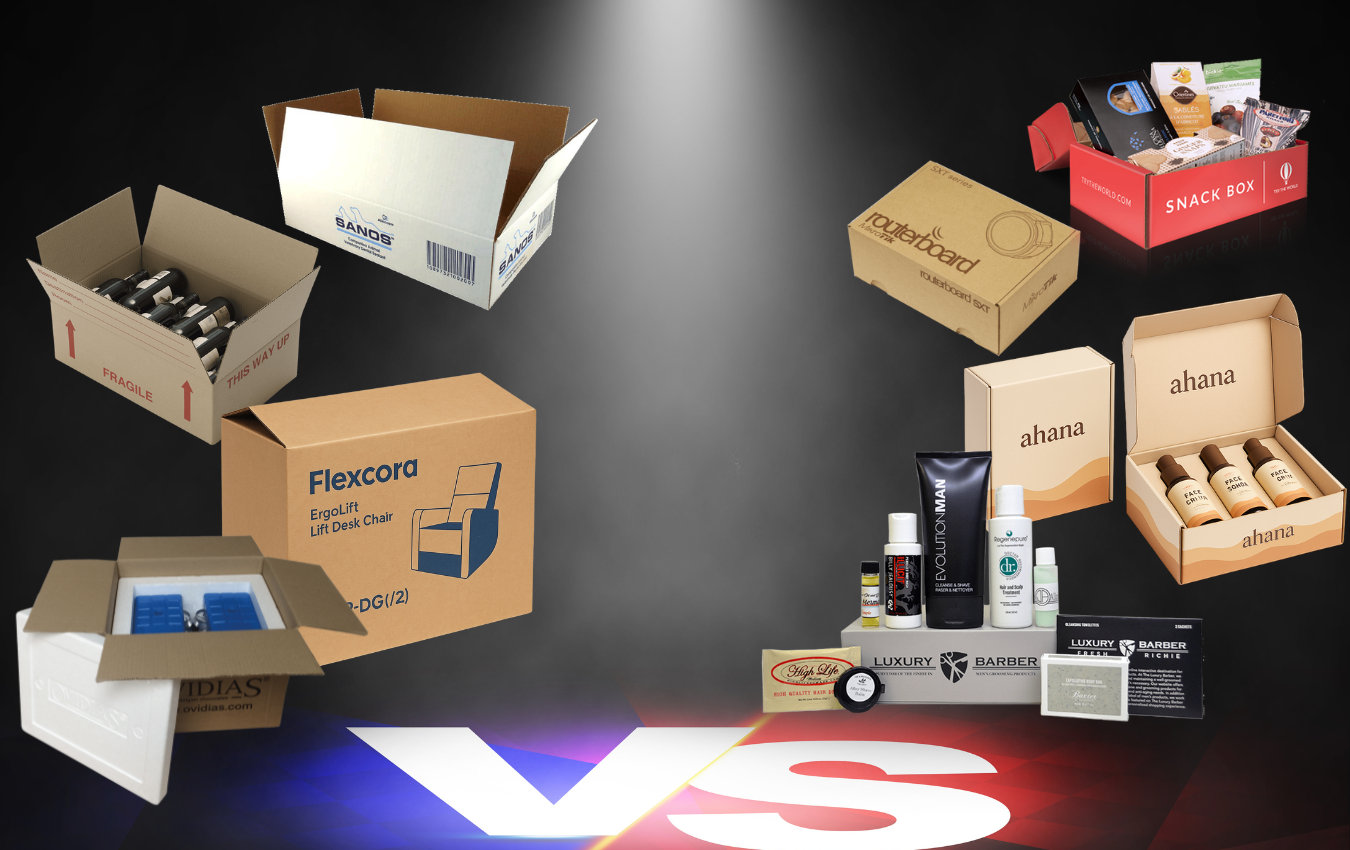
Packaging is more than just protection—it plays a critical role in branding, marketing, and customer perception. One of the key decisions businesses must make is whether to use generic packaging, designed for general use, or custom packaging, built for a specific product or market. Each option brings different strengths depending on your goals, budget, and buyer expectations. What is Generic Packaging? Generic packaging refers to standardized packaging formats with minimal customization. It’s typically unbranded or lightly branded, available in common sizes, and made with cost-effective materials. This makes it ideal for businesses prioritizing speed, scale, and affordability. When to Use Generic Packaging Mass-market products – Items with broad appeal like household goods or value-focused consumer products Private label and contract manufacturing – When packaging must suit multiple retailers or brand identities Cost-sensitive SKUs – Helps reduce packaging spend by avoiding custom printing, tooling, or structure eCommerce fulfillment – Generic mailers and boxes that streamline order processing and reduce shipping costs ✅ Best for: Bulk products, subscription boxes, third-party logistics, and high-volume distribution🚨 Limitations: Lacks strong branding and doesn’t enhance the customer experience What is Custom Packaging? Custom packaging is designed specifically for a product, brand, or audience. It often includes custom dimensions, structural features, branded print, premium finishes, or regulatory labeling. This approach strengthens visual identity and creates a more immersive customer experience. When to Use Custom Packaging Luxury or premium products – Elevate your brand with foil stamping, embossing, or rigid box designs Niche markets – Address the values or expectations of specific audiences (e.g., eco-conscious buyers, tech consumers) Brand-building initiatives – Create packaging that reinforces your position in the market and stands out Unboxing experiences – For direct-to-consumer brands, first impressions matter—custom packaging creates memorable moments Compliance and protection – Certain industries require labeling, tamper resistance, or special inserts to meet regulatory standards ✅ Best for: Luxury goods, health & beauty, electronics, small-batch foods, and medical packaging🚨 Limitations: Higher upfront costs, longer lead times, and greater inventory complexity How to Decide Between Generic and Custom Packaging Factor Generic Packaging Custom Packaging Cost Lower – ideal for scaling Higher – due to design, print, or tooling Branding Minimal or neutral Strong visual identity, high customization Customer Experience Functional, unremarkable Engaging and aligned with brand image Production Time Faster – uses standard templates Longer – requires design and setup Target Audience General market Specific niche or premium segment Logistics Easier storage, standardized SKUs More SKUs, variable dimensions, more planning Final Thoughts: Choosing the Right Packaging Strategy Your packaging strategy should align with your product positioning, customer expectations, and business goals. Generic packaging offers speed and cost-efficiency, while custom packaging supports differentiation, compliance, and brand value. Both can be effective—when applied strategically. Looking to create the right packaging solution for your business? Brown Packaging can help you design and source packaging that aligns with your product, brand, and market. (714)300-0650 request@brownpackaging.com Most Recent Posts: Categories: Corrugated Ecommerce ESD Design Display Flexible Packaging Foam Folding Carton Packaging Plastic Packaging Pouch Printing Protection Retail Rigid Box Thermoform Sustainability Subscribe To Our Newsletter By submitting your information, you agree to our terms and conditions and privacy policy. Custom Packaging Facebook Twitter LinkedIn Pinterest Relevant Posts

Solid Bleached Sulfate (SBS) is a premium paperboard material known for its high brightness, smooth surface, and superior printability. Made from bleached virgin wood pulp, SBS is widely used in folding carton packaging across industries such as cosmetics, pharmaceuticals, food, and luxury goods. Its clean, white appearance and structural integrity make it the preferred choice for brands that prioritize aesthetics, durability, and versatility. Key Advantages of SBS for Folding Carton Packaging Superior Print Quality and Brand Appeal SBS offers a smooth, bright white surface that enables high-quality printing, embossing, foil stamping, and other finishing effects. This makes it ideal for brands that require: Crisp graphics and sharp text for premium branding. Consistent color reproduction for high-end product packaging. Luxurious finishes that enhance shelf appeal, such as gloss, matte, and soft-touch coatings. Excellent Structural Integrity and Durability Despite being a lightweight material, SBS has excellent rigidity and strength, ensuring that cartons maintain their shape and protect products effectively. Its advantages include: Resistant to bending and tearing, making it suitable for intricate packaging designs. Ideal for die-cutting and creasing, allowing for precision in box construction. Can support various coatings and laminations for added protection. Food-Grade and FDA-Compliant SBS is widely used in food and beverage packaging due to its FDA approval for direct food contact. Its benefits for food-grade packaging include: Non-toxic and odor-free, ensuring product integrity. Compatible with moisture-resistant coatings for frozen and refrigerated products. Commonly used in bakery boxes, frozen food cartons, and beverage carriers. Versatile for Multiple Industries and Applications SBS is used across various industries due to its adaptability to different printing, finishing, and structural requirements. Common applications include: Cosmetic and personal care packaging (perfume boxes, skincare cartons). Pharmaceutical packaging (medicine cartons, blister pack sleeves). Luxury packaging (premium gift boxes, chocolate cartons). Retail and consumer goods packaging (electronics, toys, and apparel boxes). How SBS Compares to Other Paperboard Materials Feature SBS (Solid Bleached Sulfate) Coated Unbleached Kraft Coated Recycled Board Appearance Bright white, smooth surface Natural brown, rustic look Grayish tone, rougher texture Printability Excellent for high-end graphics Less vibrant than SBS Limited due to uneven surface Strength & Rigidity Strong, holds shape well More durable for heavier products Moderate strength, less rigid Sustainability Virgin pulp, recyclable Recyclable, higher sustainability Recycled content, eco-friendly Best For Cosmetics, pharmaceuticals, luxury goods Beverage carriers, durable boxes Budget-friendly, mass-market packaging When to Choose SBS for Folding Cartons SBS is the best choice when premium branding, structural integrity, and high-quality printing are essential. Consider SBS if: You require sharp graphics and high-end finishing options. Your product needs rigid, reliable protection. You’re in an industry where appearance and consumer perception are critical (luxury goods, cosmetics, pharmaceuticals, specialty food). Final Thoughts: SBS as the Top Folding Carton Material SBS is the preferred material for brands looking for premium printability, durability, and versatility in folding carton packaging. Its bright white appearance, superior printing capabilities, and adaptability make it the ideal solution for businesses prioritizing brand image and high-quality packaging. Need high-quality folding carton packaging? Contact Brown Packaging today to explore the best SBS solutions for your business! (714)300-0650 request@brownpackaging.com Most Recent Posts: Categories: Corrugated Ecommerce ESD Design Display Flexible Packaging Foam Folding Carton Packaging Plastic Packaging Pouch Printing Protection Retail Rigid Box Thermoform Sustainability Subscribe To Our Newsletter By submitting your information, you agree to our terms and conditions and privacy policy. Folding Carton Facebook Twitter LinkedIn Pinterest Relevant Posts

Whether you’re traveling with your bike, shipping it to a new location, or selling it, choosing the right bike shipping box is essential for safe transport and proper handling. Standard bike shipping boxes are designed to fit most bicycles while staying within common shipping size limits, preventing additional fees or complications. Understanding the size, weight, and cost of bike shipping boxes ensures that your bike remains protected and arrives safely at its destination. Standard Bike Shipping Box Sizes While bike shipping boxes come in a variety of sizes, most manufacturers and packaging suppliers follow common dimensions that fit different types of bicycles. Below are some standard stock sizes used for bike packaging: 43 x 11 x 32 inches (110 x 28 x 82 cm) – Common for road bikes, hybrid bikes, and BMX bikes. 47 x 11 x 32 inches (120 x 28 x 82 cm) – Slightly larger, used for mountain bikes and larger road bikes. 51 x 11 x 32 inches (130 x 28 x 82 cm) – Fits larger bike frames and some touring bikes. 53 x 29 x 9 inches (134 x 73 x 22 cm) – Designed for mountain bikes with larger wheels. 54 x 28 x 8 inches (137 x 71 x 20 cm) – Used for some e-bikes or oversized bikes. 55 x 11 x 32 inches (140 x 28 x 82 cm) – Ideal for extended frames or custom bike builds. Choosing the correct size reduces empty space, preventing movement and potential damage during transit. Custom bike shipping boxes can also be made to fit specific bike models and components. Weight of a Bike Shipping Box The weight of a bike shipping box depends on its material and thickness, but on average, an empty corrugated bike shipping box weighs about 4 to 6 lbs (1.8 to 2.7 kg). Once packed, the total weight will vary based on the type of bike: Bike Type Average Bike Weight Estimated Packed Weight Hybrid Bike 25 lbs (11.5 kg) ~32 lbs (14.5 kg) Recumbent Bike 32 lbs (14.5 kg) ~40 lbs (18 kg) Beach Cruiser 37 lbs (16 kg) ~45 lbs (20.5 kg) E-Bike 50 lbs (23 kg) ~60 lbs (27 kg) BMX Bike 24 lbs (11 kg) ~30 lbs (13.6 kg) Road Bike 20 lbs (9 kg) ~28 lbs (12.7 kg) Mountain Bike 29 lbs (13 kg) ~38 lbs (17.2 kg) Kids’ Bike 18–26 lbs (8–11 kg) ~25–33 lbs (11–15 kg) To calculate total shipping weight, use this formula: Box Weight + Packing Materials + Bike Weight = Total Packed Weight How Much Does a Bike Shipping Box Cost? The cost of a bike shipping box varies depending on size, material, and whether it includes extra features like inserts, reinforcements, or branded printing. Pricing generally falls within these ranges: Basic Cardboard Bike Shipping Box: $8 – $25 Heavy-Duty Corrugated Bike Shipping Box: $25 – $50 Custom-Sized or Reinforced Bike Shipping Box: $40 – $80 Local bike shops often provide boxes for free or at a low cost, while packaging suppliers offer specialized boxes with extra protection for long-distance shipping. Final Thoughts: Choosing the Right Bike Shipping Box Selecting the right bike shipping box size, weight, and materials is essential for safe shipping. Standard stock bike shipping boxes accommodate most models, but for high-value, electric, or custom bikes, reinforced or custom-fit solutions may be necessary. Always ensure proper packing techniques to protect your bike during transit. Need a custom bike shipping box or expert guidance on the best packaging for your needs? Contact Brown Packaging today to explore our high-quality bike shipping solutions! (714)300-0650 request@brownpackaging.com Most Recent Posts: Subscribe To Our Newsletter By submitting your information, you agree to our terms and conditions and privacy policy. Bike Packaging Facebook Twitter LinkedIn Pinterest Relevant Posts

Shipping glass products can be challenging due to their fragile nature. Whether you’re shipping glass jars, bottles, or other delicate items, the packaging you choose plays a critical role in ensuring their safe arrival. This guide provides practical strategies and materials to protect glass during transit, reducing the risk of damage. Tips for Protecting Glass During Transit Minimize Empty Space Empty space inside the package allows glass items to move around, increasing the likelihood of breakage.• Choose packaging that closely fits your product dimensions.• Fill any gaps with cushioning materials like foam, packing peanuts, or bubble wrap.Pro Tip: Use dividers or molded inserts to keep multiple items secure and separate. Use Durable Boxes Your choice of shipping box can make or break your packaging strategy—literally.• Sturdy cardboard or corrugated boxes provide better protection than thin or flimsy options.• Consider weather-resistant materials to protect against moisture during transit.Pro Tip: Double-boxing adds an extra layer of protection for particularly fragile or valuable glass items. Invest in Custom Packaging Custom packaging solutions are tailored to your product’s specific needs.• Custom-fitted boxes, foam or molded pulp inserts keep items secure and reduce movement.• These options often incorporate materials designed to absorb shock and protect against impacts.Pro Tip: Custom packaging may have a higher upfront cost but often saves money by reducing breakage and returns. Test Your Packaging Before Shipping Simulate real-world shipping conditions to identify potential weaknesses in your packaging.• Drop tests and vibration tests can help ensure your materials hold up under stress.• Make adjustments to address any vulnerabilities.Pro Tip: Testing your packaging can also help you optimize material usage, balancing protection with cost efficiency. Best Materials for Shipping Glass Bubble Wrap Lightweight and versatile, bubble wrap provides excellent cushioning.• Use it to wrap individual items tightly and secure with tape.• Place additional layers around the product if needed.Cons: Not eco-friendly and can be time-consuming to apply. Molded Pulp Inserts Custom-shaped from recycled materials, molded pulp provides a snug fit for glass items.• Protects against movement and shock.• Biodegradable and easy to recycle.Cons: Higher cost and requires a steady supply of recycled materials. Corrugated, Chipboard, Foam Inserts & Partitions These inserts help stabilize and protect individual items during transit.• Corrugated inserts offer strong structural support and can be customized to fit product shapes.• Chipboard inserts provide a thinner, eco-friendly option ideal for lighter products or presentation.• Foam inserts absorb shock and protect fragile items with precision cutouts.• Partitions keep multiple items separated to prevent internal impact.Cons: May require custom tooling or design, but provide significant value in protection and product organization. Wrapping Paper An affordable and eco-friendly option for additional cushioning.• Use in combination with other materials to fill gaps or wrap items.Cons: Thin and unable to absorb significant shock on its own. Packing Peanuts Lightweight and shock-absorbent, packing peanuts fill empty spaces effectively.• Ensure items are tightly surrounded to prevent shifting.Cons: Less environmentally friendly and can be messy to handle. How to Pack Glass Jars for Shipping Wrap Each Jar Securely: Use bubble wrap, molded pulp, or other protective materials. Insert Dividers: Keep jars separate to avoid collisions. Seal Liquids: Place liquid-filled jars in leak-proof bags before wrapping. Fill Empty Spaces: Use packing peanuts or crumpled paper to stabilize items. Reinforce the Box: Use sturdy tape to seal the box and reinforce the seams. Final Packing Steps Layer the Base: Place at least 3 inches of cushioning material at the bottom of the box. Position the Items: Place glass products in the center, away from edges. Top Layer: Add another layer of cushioning to protect the top. Seal and Label: Secure the box with packing tape and add “Fragile” labels to inform handlers. Why Proper Packaging Matters Shipping fragile items like glass is a challenge, but investing in the right packaging materials and techniques can significantly reduce breakage. Properly protected items not only ensure customer satisfaction but also save you money on replacements and returns. Need expert advice on packaging solutions?Contact us today to explore custom options for your shipping needs! (714)300-0650 request@brownpackaging.com Most Recent Posts: Categories: Corrugated Ecommerce ESD Design Display Flexible Packaging Foam Folding Carton Packaging Plastic Packaging Pouch Printing Protection Retail Rigid Box Thermoform Sustainability Subscribe To Our Newsletter By submitting your information, you agree to our terms and conditions and privacy policy. Custom Packaging Facebook Twitter LinkedIn Pinterest Relevant Posts

A Full Overlap (FOL) box is a type of corrugated shipping box where the flaps fully overlap each other when closed, providing additional strength and durability. Unlike regular slotted containers (RSCs), FOL boxes have double-layered protection on the top and bottom, making them ideal for heavy, bulky, or fragile items. This structural design enhances stacking strength, impact resistance, and overall box integrity, reducing the risk of damage during transit and storage. Why Full Overlap Boxes are Ideal for Bike Packaging Bikes require durable, impact-resistant packaging to ensure they arrive undamaged, whether shipped to retailers, distributors, or customers. A Full Overlap Box provides superior protection against crushing, punctures, and rough handling. Here’s why they are the preferred choice for bike packaging: Increased Strength & Durability – The overlapping flaps create a reinforced structure, preventing crushing and minimizing movement inside the box. Added Protection for Fragile Components – Bikes have delicate parts like gears, chains, and brake systems that require extra care during shipping. Enhanced Stacking Capability – FOL boxes handle vertical pressure better, making them ideal for warehouse storage and bulk shipments. Custom Fit & Inserts Available – These boxes can be designed with custom inserts and foam padding to keep bike parts securely in place and prevent shifting. Eco-Friendly & Sustainable – Many FOL boxes are made from recycled materials and can be fully recyclable, aligning with sustainability goals. Customizing Full Overlap Boxes for Bikes To provide maximum protection and branding, Full Overlap Boxes can be customized to fit specific bike models and shipping needs. Some key customization options include: Size & Structure Customization Designed to fit various bike sizes, from road bikes to mountain bikes. Can include double-wall or triple-wall corrugated material for added protection. Reinforced edges and custom cut-outs for better handling. Protective Inserts & Cushioning Foam padding and corrugated inserts to keep the bike frame and parts from moving. Dividers for accessories like pedals, seats, and handlebars. Shock-absorbing corner protectors to reduce impact damage. Branding & Printing Options Custom printing for logos, handling instructions, and product details. Lithographic, flexographic, or digital printing to match branding requirements. Matte or gloss finishes for a premium look. The Shipping & Storage Advantages of FOL Bike Boxes When shipping bikes, damage prevention and cost efficiency are top priorities. Full Overlap Boxes help optimize shipping in the following ways: Easier Palletization & Secure Stacking – Their rigid structure allows for safe stacking on pallets, reducing wasted space and ensuring safe transit. Reduced Shipping Damage – The extra layers of corrugated flaps absorb shock and pressure, lowering the chance of returns due to damage. Better Handling for Warehouses & Retailers – Reinforced hand holes or built-in grip areas can be added for easier transport. Flat-Pack Storage Efficiency – Unassembled boxes take up minimal space until needed, making inventory storage easier. Conclusion: Why Full Overlap Boxes Are the Best Choice for Bikes For businesses in the cycling industry, choosing the right packaging can make a significant difference in product safety, customer satisfaction, and shipping efficiency. Full Overlap Boxes provide maximum protection, superior stacking strength, and customizable features that cater specifically to bike packaging needs. Whether you’re shipping single bikes to customers or bulk orders to retailers, these boxes offer a reliable, cost-effective, and sustainable packaging solution. Need a custom Full Overlap Box for your bikes? Contact Brown Packaging today to discuss your packaging requirements and let our experts create the perfect solution for you! (714)300-0650 request@brownpackaging.com Most Recent Posts: Subscribe To Our Newsletter By submitting your information, you agree to our terms and conditions and privacy policy. Bike Packaging Facebook Twitter LinkedIn Pinterest Relevant Posts

Protein bars are a popular on-the-go snack, requiring durable, protective, and visually appealing packaging to ensure freshness and convenience. The right packaging helps extend shelf life, maintain texture, and protect against contamination, making it essential for both retail and eCommerce sales. Businesses must carefully select the best materials and formats for their protein bars to optimize product protection and brand visibility. Types of Packaging for Protein Bars Protein bars can be packaged in various materials and formats depending on brand preference, shelf life requirements, and distribution channels. The most common types include: Flexible Film Packaging (Flow Wraps & Roll Stock) Flow wrap packaging, often produced from roll stock, is the most widely used solution for protein bars due to its lightweight, cost-effectiveness, and superior protection. It consists of a plastic or foil-based flexible film, heat-sealed to create an air-tight package. Benefits: Provides moisture and oxygen barrier to extend shelf life. Offers high-speed packaging efficiency for mass production. Allows for vibrant branding and print customization. Stand-Up Pouches and Resealable Bags Ideal for multi-pack protein bars, stand-up pouches provide convenience and branding appeal while protecting bars from crushing and environmental factors. Benefits: Resealable options improve freshness and portion control. Provides a premium look for retail shelves and club store formats. Customizable with clear windows, matte or gloss finishes, and tear notches. Folding Cartons Many protein bars are sold in multi-bar packs housed in folding cartons. These secondary packaging solutions enhance shelf presence and provide additional protection. Benefits: Ideal for bulk packaging and organized retail display. Supports branding with high-quality printing and embossing options. Adds structural protection to prevent crushing. Corrugated Boxes for Shipping For wholesale distribution and eCommerce fulfillment, protein bars are often packed in corrugated shipping boxes to ensure safe transit and bulk handling. Benefits: Provides durability for long-distance shipping and warehouse storage. Can be designed with custom inserts for product security. Custom printing allows for branded unboxing experiences. POP and Countertop Displays Retailers often use point-of-purchase (POP) and countertop displays to showcase protein bars in high-traffic areas. These displays help drive impulse purchases and enhance brand visibility. Benefits: Designed for maximum visibility in checkout lanes and retail aisles. Can be customized for seasonal promotions or new product launches. Available in corrugated or folding carton formats for easy setup. Key Packaging Considerations for Protein Bars Choosing the right protein bar packaging requires evaluating several factors: Shelf Life Protection: Packaging must offer barrier properties against moisture, air, and light to prevent spoilage. Consumer Convenience: Features like resealable closures, easy-open tear notches, and portability enhance the user experience. Branding & Marketing Appeal: High-quality printing, embossing, or matte/gloss finishes make a product stand out on retail shelves. Shipping & Retail Optimization: Bulk packaging and display solutions improve storage, handling, and in-store presentation. Final Thoughts: Selecting the Best Protein Bar Packaging Protein bar packaging should be protective, convenient, and visually appealing while aligning with industry requirements. Whether using flow wraps and roll stock for single bars, folding cartons for multi-packs, corrugated boxes for shipping, or POP displays for retail, businesses should evaluate their packaging based on functionality, branding, and distribution needs. Looking for custom protein bar packaging solutions? Contact Brown Packaging today to explore innovative packaging options that meet your brand’s needs! (714)300-0650 request@brownpackaging.com Most Recent Posts: Categories: Corrugated Ecommerce ESD Design Display Flexible Packaging Foam Folding Carton Packaging Plastic Packaging Pouch Printing Protection Retail Rigid Box Thermoform Sustainability Subscribe To Our Newsletter By submitting your information, you agree to our terms and conditions and privacy policy. Protein Packaging Facebook Twitter LinkedIn Pinterest Relevant Posts

For mid-sized businesses, packaging is a crucial element that impacts brand identity, operational efficiency, and customer experience. Unlike small businesses, which focus on cost-effectiveness, and large corporations, which prioritize mass production, mid-sized companies need a balance of scalability, flexibility, and affordability. With growing competition and shifting market demands in 2025, a strong packaging strategy can help mid-sized businesses improve efficiency, maintain brand consistency, and optimize costs. Key Packaging Considerations for Mid-Sized Businesses Cost-Effective Scaling Without Overproduction Mid-sized businesses must carefully scale their packaging production without overspending. This requires: Right-sizing packaging to eliminate wasted materials and reduce shipping costs. Flexible minimum order quantities (MOQs) to avoid excessive inventory storage. Leveraging hybrid production models, combining stock packaging for standard products and custom packaging for premium lines. Streamlining Supply Chain and Inventory Management Efficient supply chain management ensures consistent packaging availability while preventing overstocking or shortages. Strategies include: Partnering with reliable domestic suppliers to minimize lead times and supply disruptions. Using just-in-time (JIT) inventory models to reduce storage costs. Implementing digital inventory tracking systems to monitor stock levels and order packaging efficiently. Balancing Customization with Production Efficiency Mid-sized businesses need packaging that reflects their brand identity while remaining cost-effective. Best practices include: Using digital printing for small batch orders and frequent design changes. Standardizing core packaging elements (box styles, materials) to reduce production costs. Exploring modular packaging designs that allow for brand differentiation without excessive SKU variations. Enhancing Brand Presentation and Consumer Experience Well-designed packaging helps mid-sized businesses stand out and build brand loyalty. Key considerations include: High-quality print finishes to enhance shelf appeal. Custom inserts and protective elements to improve product security and customer experience. Easy-to-open designs that simplify unboxing while reducing damage rates. Sustainability Without Excessive Costs Sustainable packaging is becoming increasingly important, but cost remains a concern for mid-sized companies. Practical solutions include: Choosing lightweight, recyclable materials to lower shipping costs and meet sustainability goals. Using minimalist packaging designs to reduce material waste. Exploring compostable or biodegradable options without drastically increasing production costs. Adapting to Omnichannel Distribution Needs Many mid-sized businesses sell both in-store and online, requiring packaging that works for multiple channels. Strategies include: Designing packaging for both eCommerce and retail to streamline production. Using protective yet lightweight packaging to reduce return rates and shipping fees. Incorporating QR codes and digital touchpoints for customer engagement across platforms. Final Thoughts: The Mid-Sized Business Packaging Strategy for 2025 For mid-sized businesses, packaging must strike a balance between cost-efficiency, brand appeal, and operational flexibility. By optimizing supply chains, leveraging smart printing methods, and focusing on scalable customization, companies can position themselves for growth in 2025. Looking for tailored packaging solutions for your mid-sized business? Contact Brown Packaging today to explore cost-effective and innovative options. (714)300-0650 request@brownpackaging.com Most Recent Posts: Categories: Corrugated Ecommerce ESD Design Display Flexible Packaging Foam Folding Carton Packaging Plastic Packaging Pouch Printing Protection Retail Rigid Box Thermoform Sustainability Subscribe To Our Newsletter By submitting your information, you agree to our terms and conditions and privacy policy. Custom Packaging Facebook Twitter LinkedIn Pinterest Relevant Posts

Custom packaging isn’t just an expense—it’s an investment that plays a pivotal role in brand identity, customer satisfaction, and even revenue growth. While many businesses shy away from custom packaging due to cost concerns, understanding its value and the factors influencing pricing can help you make informed decisions. In this blog, we’ll uncover the real cost of custom packaging, explore its benefits, and provide actionable tips to maximize your ROI. Why Custom Packaging Matters Custom packaging is more than a box or wrapper; it’s a brand statement and a customer experience enhancer. Brand Identity: High-quality custom packaging reinforces your brand’s image, making your product instantly recognizable. Customer Experience: A memorable unboxing experience can create lasting customer loyalty and boost word-of-mouth marketing. Perceived Value: Premium packaging elevates the perceived value of your product, making it stand out from competitors. Key Factors Influencing Custom Packaging Costs Material Choices The type of material used significantly affects cost and functionality. Corrugated Boxes: Durable and cost-effective, ideal for shipping. Rigid Boxes: Luxurious but pricier, often used for high-end products. Eco-Friendly Options: Sustainable materials like kraft paper or biodegradable plastics, which appeal to eco-conscious consumers, can increase initial costs but offer long-term brand value. Printing Techniques Digital Printing: Great for small orders; cost-effective but with limited precision. Offset Printing: Best for bulk orders; higher upfront costs but offers superior quality. Special Effects: Add-ons like embossing, foil stamping, or spot UV can enhance your design but also increase expenses. Design Complexity Intricate designs, custom shapes, and multi-component packaging raise production costs. Partnering with experienced designers can optimize the balance between creativity and cost. Order Quantity Bulk ordering reduces the per-unit cost due to economies of scale. Smaller orders may result in higher per-unit pricing. Features For Common Packaging Types Packaging Type Key Features Corrugated Boxes Durable, recyclable, cost-effective. Rigid Boxes Luxurious feel, used for premium products. Folding Cartons Lightweight, customizable for retail. Custom Mailer Boxes Branding-focused, ideal for e-commerce. Eco-Friendly Options Sustainable, aligns with green initiatives. How to Optimize Custom Packaging Costs Prioritize Materials WiselyChoose materials that balance quality and cost. For example, opt for kraft paper for eco-friendly yet affordable packaging or corrugated boxes for high durability. Leverage Bulk OrdersOrder in bulk to take advantage of volume discounts. This strategy significantly reduces per-unit costs. Simplify DesignA clean, minimalist design can be cost-effective and still make a bold statement. Complex designs often require more resources and time to produce. Use Technology for EfficiencyAutomation and advanced design software can streamline the production process, saving time and reducing errors. Enhancing the Unboxing Experience on a Budget You don’t need to overspend to impress your customers. Here’s how: Add personalized notes or custom stickers. Use branded tissue paper to add elegance without breaking the bank. Include QR codes linking to exclusive content or promotions. FAQs About Custom Packaging Costs How much does custom packaging design cost?Design services typically range from $300 to $5,000, depending on the complexity and expertise involved. What percentage of my product price should packaging cost?Aim to allocate 8-10% of your product’s retail price to packaging costs. Is custom packaging worth the investment?Yes. Custom packaging enhances brand recognition, improves customer satisfaction, and can even justify premium pricing for your products. Conclusion Custom packaging is an essential tool for businesses looking to elevate their brand and enhance customer loyalty. By understanding the factors that influence cost and employing smart strategies to optimize expenses, you can create packaging that delivers both aesthetic and functional value without overextending your budget. Ready to take your packaging to the next level? Partner with us to create customized solutions tailored to your brand and budget. Contact us today! (714)300-0650 request@brownpackaging.com Most Recent Posts: Categories: Corrugated Ecommerce ESD Design Display Flexible Packaging Foam Folding Carton Packaging Plastic Packaging Pouch Printing Protection Retail Rigid Box Thermoform Sustainability Subscribe To Our Newsletter By submitting your information, you agree to our terms and conditions and privacy policy. Custom Packaging Facebook Twitter LinkedIn Pinterest Relevant Posts