window.uetq = window.uetq || []; window.uetq.push(‘event’, ‘submit_lead_form’,{ event_label:‘SUBMIT MESSAGE’ }); window.lintrk('track', { conversion_id: 10271009 }); window.lintrk('track', { conversion_id: 10271017 });

Blogs

At Brown Packaging, we provide insightful content about the packaging industry to keep our clients, followers, and partners informed with the latest trends and accurate information. Our goal is to equip you with up-to-date knowledge that helps you stay ahead in the ever-evolving world of packaging.

Corrugated boxes
Corrugated
brownpackaging
Corrugated Product Manufacturing Methods

When you see packaging, you don’t see the process it went through, you just see the result. It is important to understand how each package is created, especially if you are looking for packaging for your business. The two most common manufacturing processes include flexo folder gluer and die cutting. Flexo folder gluer is best used for certain style boxes, mainly used for shipping. While die cut is best used for custom boxes, such as mailers and inserts. One of the main differences between these methods is the requirement for tooling. Flexo folder gluer can operate without a tool, whereas die cut products will require specific tooling depending on the style of the box. To make the best choice for your business needs, you must understand the differences between the machines. Machine Run: What is flexo folder gluer? The flexo folder gluer is a machine that produces boxes with a wide range of configurations available to suit any production level. It can produce boxes without requiring a tool. This system prints, scores and slots the boxes before folding and gluing them together. Although this machine is full-service, it can only make certain styles of boxes. Styles that can be made with this machine: RSC- Regular slotted container HSC- Half slotted container FOL- Full overlap POL- Partial overlap The main elements of flexo folder gluer: Feeder: stacks and squares the boards before moving into the machine at the required speed Flexographic print units: one for each color Creasing and slotting units: cut and score the boards, to create flaps and panels Folder gluer: apply adhesive to the glue tab and fold Counter ejector: stacks the boxes in the required quantities according to the thickness of the material. Die Cut: What is die cutting? Die cutting is a process that transforms material by cutting, forming, and shearing it into custom shapes and designs. This machine requires tools and uses rollers and cutting plates to put pressure on a die to push through and create a precise die cut. If you are ordering specific style boxes, then you will need to use a die cut machine. There is two important kinds of die cutting; flatbed and rotary. Flatbed die cutting- Flatbed die cutting cuts the desired shape out of material using a hydraulic flatbed press. This works well for low volume projects of consistent cut or larger sized products. Advantages: Lower tooling cost Max tonnage pressures Process thicker materials in larger and wider sizes Disadvantages: Slower Price per piece is more expensive Rotary die cutting- Rotary die cutting uses a cylindrical die to cut shapes out of material. These cylinders are fully covered in blades to cut out the desired shape as it moves around in a circular motion. This machine cuts a wide range of designs with the highest degree of precision and accuracy. Advantages: Consistent cutting speeds and precision Faster production High volume productions Disadvantages: Tooling is more expensive Stricter size constraints Summary Machine Run vs Die Cut: Selecting between machine run and die cut just comes down to what kind of packaging your business needs. The main determining factor between choosing machine run or die cut depends on the style and if a tool is required to cut the boxes. If it is a specific style or shaped box and a tool is needed to cut the boxes, then die cut would be the best option. If no tools are required, then machine run would be the best option. Machine run only makes certain style of boxes which are mainly used for shipping purposes, if any other style is needed then you must use a die cut machine. Each process has its advantages and disadvantages, it is just important to decide which will work best for your business packaging needs. If unsure of which process is needed for your business, contact Brown Packaging today to speak with one of our packaging specialists. (714)300-0650 request@brownpackaging.com Most Recent Posts: Categories: Corrugated Folding Carton Display Packaging Rigid Box Subscribe To Our Newsletter By submitting your information, you agree to our terms and conditions and privacy policy. Custom Corrugated Boxes Facebook Twitter LinkedIn Pinterest Relevant Posts

Read More »
How to Adapt Your Custom Packaging in a Recession
Packaging
brownpackaging
How to Adapt Your Custom Packaging in a Recession

In the past several years the world has faced economic challenges with the Covid-19 Pandemic, supply chain shortages, Russia-Ukraine conflict and other events which have impacted the global markets, potentially causing a new a recession to occur in the United States. Today, many brands and consumers are starting to cut back to adjust to slower economic growth, rising costs and inflation. Often, many businesses find themselves re-evaluating their packaging expenses as consumers are spending less, brands are charging less, and new potential projects are put on hold. Many buyers find themselves juggling between quality and cost for their custom packaging. Often, many brands will begin sacrificing quality to compensate for the increased cost, which can be damaging to a brand’s consistency, message, and product quality. Ultimately, packages still need to provide adequate protection for a product and in most cases, they need to make a product appear attractive on the sales floor and retain brand consistency. As a result, brands need to adapt their custom packaging to work best with a recession. 7 Ways to Adapt Your Custom Packaging in A Recession Consider Selling Economy Sized Products Re-evaluate Your Consumers Packaging Preferences Consider Alternative Packaging Products, Materials and Printing Methods Optimize the Size and Shape of Your Packaging Buy In Bulk Get Multiple Quotes Partner With the Right Packaging Supplier Consider Selling Economy Sized Products In a recession, buyers are much more rational with their purchases and are more likely to buy based on what they need. As a result, you should consider selling economy-sized products or more economical versions of your product. More economical products will help you retain loyal brand customers looking to save on cost or buying from a more rational perspective. Ultimately, by implementing an economy sized product it enables you to continue preserve branding on your packaging with consistency, while providing adequate protection to your product. Re-evaluate Your Consumers’ Packaging Preferences Conditions such as the economy affect your buyers’ buying preferences. Research and evaluate your consumers’ expectations and what they find valuable when it comes to your custom packaging. This can be done with surveys and study groups to analyze consumer behavior and feedback when interacting with your brand and product. Make sure that your audience is a random representative of your target audience to record the most accurate data. You may find that some packaging features, product information or design are just unessential or unneeded. They may even provide you with insight into what they are willing to pay more for. This can help you allocate your resources in the right place for your custom packaging. After evaluating your consumer’s preferences, adjust your packaging. Consider Alternative Packaging Products, Materials and Printing Methods It does not hurt to explore alternative packaging products, materials, and printing methods for your custom packaging, especially if you have received positive consumer feedback to do so. There are many different types of packaging products, material, and print options available that will vary based on your product and budget. Due to the complexity and versatility of custom packaging, we recommend you speak to a packaging expert for assistance in finding the right alternative packaging options for you. If you do not have a packaging expert, then partner with Brown Packaging today to explore options. Flexographic Print (Cheaper For Large Quantity Orders) Digital Print (Cheaper For low Quantity Orders) *Read “Digital vs. Flexo Print: Which Should You Choose?” for more information.* Optimize the Size and Shape of Your Packaging Often, many businesses do consider material costs when selecting the size and shape of their packaging. Typically, this is because they order packaging from an online company that does not provide you with the expertise and service of structural design. Structural design refers to how a packaging product or object is shaped and sized. If it is a box or display, then the design will include all the cuts and folds with measurements. Structural design can help you optimize the shape and size of your custom packaging, which will lead to lower material usage and costs. Overtime with a large enough volume, this can make a huge difference. Buy In Bulk We understand that not everyone can buy packaging in such large quantities as it affects cash flow and inventory levels. However, if you can do so, then we recommend it as the cost per unit decreases as quantity increases. Speak to your current or prospective supplier to explore cost and quantity incentives. Get Multiple Quotes Comparing prices from custom packaging companies helps protect you in getting a fair and competitive price. Be sure to request prototypes and samples from each supplier as quality and price will vary from vendor to vendor. Always factor in quality and other factors such as lead time and order minimums capabilities when reviewing a quote. Partner With the Right Packaging Supplier Often, selecting the right packaging supplier goes hand in hand with obtaining multiple quotes. Not every vendor is going to be the best fit for your packaging project. Essentially, you want to get a supplier that has the resources, capabilities, and drive to fulfill your project to your expectations. Typically, custom packaging projects are diverse, complex and require a lot of different resources and capabilities to fulfill. As a result, we recommend you partner with a packaging distributor or hybrid supplier that can accommodate all your packaging needs in one place. These packaging suppliers have an advantage over manufacturers by networking with hundreds of different vendors to get you the best value for your project. Partner With Brown Packaging At Brown Packaging, we assign a design package expert to each project to help our customers come up with solutions tailored to their needs. With over 30+ years of experience working with different industries and projects during a recession, we have developed solutions that can accommodate you. Contact us today to get started. (714)300-0650 request@brownpackaging.com Most Recent Posts: Categories: Corrugated Folding Carton Display Packaging Rigid Box Subscribe To Our Newsletter By submitting your information, you agree to

Read More »
Printing Color Options For Packaging
Design
brownpackaging
Printing Color Options For Packaging

When it comes to printing on packaging, color is one of the most important components in attracting a consumer. Most people aren’t aware that there is a variety of different color process options to choose from including; CMYK, PMS, and GCMI. Understanding the difference between them all, will help you make the best decision for your business needs. It is important to take into consideration accuracy, pricing, lead time, and cost. What is 4 color process: CMYK Four color printing utilizes Cyan, Magenta, Yellow, and Black (CMYK), to create the visual effect of a full-color image. The process is applied through adding tiny dots, overlapping in different concentrations to create a match as exact as possible to the desired colors. CMYK can be applied digitally or with other printing methods, and is best for full-color images. It is not 100% accurate when it comes to color matching, which means your image could look different run to run. If you need 10 colors for your print, this process will create the image as close as possible using only 4 colors. On traditional printing when a specific color cannot be produced by the 4 color process, you can choose to incorporate a specific PMS color into the CMYK colors. Although this adds on to the overall cost, it will give the ability to create more color variations. If you aren’t sure about your artwork and think there might be some changes, always stick to CMYK digital printing because there is no initial investment and it is easier to change. Ultimately this method is cheaper when deciding which color printing process to choose. Advantages of CMYK: Cheapest Fastest No startup cost Easy to change/edit image Prints images with wide range of color Disadvantages of CMYK: Not 100% accurate Not consistent run to run Shade variation What Are Specific Colors:  Pantone Matching System Pantone Matching Systems also known as (PMS) is created using a specific numbering system and is applied using a spot color method. This system is printed using flexographic printing, which has a numbering system that allows for exact color matching and consistency. There is currently over a thousand colors, each given a number and a name, which creates a universally recognized matching system. Although this system is overall more expensive, it is necessary when needing an exact color match. PMS color process is best for those who need their image, logo or design to be an exact color or have perfect attention to detail. Glass Containers Manufacturers Institute Glass Containers Manufacturers Institute also known as (GCMI) is a water-based ink used in flexographic printing. It is similar to PMS, in which they both ensure the perfect match to your prints. This coloring system has less than a hundred colors and is targeted to corrugated and paper board. PMS GCMI Advantages of Specific Colors: Exact coloring Consistent results run to run Has a universally recognized matching system Disadvantages of Specific Colors:  More expensive Limited applications GCMI can only be used on corrugated and paper board Summary 4 Color Process VS Specified Colors: Overall each color process has their own benefits. CMYK is best used for images and for an affordable and almost accurate color print. Both PMS and GCMI are best for exact color match printing, but are more expensive and have limited application. GCMI is accurate when it comes to color match but is only used for printing on corrugated boxes. It is best to weigh out your options to determine which color printing method would be best for your business needs. It is important to take into consideration cost, lead time, consistency, and accuracy. If you need help determining which color method to choose, please contact Brown Packaging today so one of our packaging experts can assist you. (714)300-0650 request@brownpackaging.com Most Recent Posts: Categories: Corrugated Folding Carton Display Packaging Rigid Box Subscribe To Our Newsletter By submitting your information, you agree to our terms and conditions and privacy policy. Custom Packaging Facebook Twitter LinkedIn Pinterest Relevant Posts

Read More »
rett box with dieline
Corrugated
brownpackaging
Roll End Tuck Top (RETT) Box Explained: Uses & Benefits

RETT boxes are a popular type of corrugated mailer used by the retail and ecommerce industry to ship and display products. These boxes are designed to open and close by tucking the top piece inside of the box, kind of like opening a treasure chest. Many businesses decide to package their products in RETT boxes because of its excellent unboxing experience, structural strength, branding and product protection. You will learn that roll end tuck top boxes are used in a variety of applications and can bring plenty of benefits and added value to your product. Roll End Tuck Top Applications Many retail and ecommerce businesses that sell medical, electronic, industrial, cosmetic and consumer good products tend to use RETT boxes. Even though these boxes are typically used for shipping, they can be used inside a store. To help you get a better understanding of RETT boxes here are a list of everyday applications: Subscription Boxes Sales Kits Containers Product Box Shipping Box Pastry Boxes Shelf Storage Containers These boxes are generally used to package small and medium sized products by themselves or together with other products/pieces. Depending on your product may warrant you to seek custom options such as the boxes’ shape and size. Inserts and trays can be used to hold objects in place to improve product protection and accessibility of the product for end users. Inserts available for RETT boxes include chipboard, corrugated, thermoform and foam materials. Roll End Tuck Top Customization and Options RETT boxes are highly customizable and versatile, which is why they are used to package many different products. For example, graphics and finishes can be added to your packaging to help enhance your branding, message, product information, images, and other content. In addition, there are many different print options for corrugated boxes such as flexo, litho and digital print that can be applied to both the inside and/or outside. Graphics and finishes can be added. RETT boxes can be customized with features such as: Dust Flaps: blocks dust from entering. Lift Tab: A tab cut on the edge of the box, which helps users access the boxes content. Catalog Lock: an insert tab that holds the box close. Tear Strip: prevents product tampering and helps users open the box. Adhesive Strip: double sided tape that is commonly used to seal the box. Thumb Notch: enables easier access and opening of the box. Other ways to customize your RETT box can be based on the strength required to support and protect your product effectively. Sustainable options are available depending on your package supplier, if you are interested in sustainable options, then contact Brown Packaging. Roll End Tuck Top Benefits There are many advantages to package your product in a roll end tuck top mailer such as: Made with strong and durable materials Easy for fulfilment (kitting) Easy for consumers to open Versatile in applications Flexibility in printing and customization options Material and cost efficient compared to alternative mailers such as roll end tuck top with dust flap (RETTDF) and roll end cherry lock (RECL), also known as roll end front tuck (REFT) Re-closable Two-sided print or single sided print available Sustainable – recyclable and reusable Roll End Tuck Top Variations & Alternatives RETT boxes may not always be the best option for you despite all these benefits. However, there are variations of RETT that you might be interested in if you are looking for additional packaging security. For example, you might want to consider RECL, RETTDF, roll end cherry locks and dust flaps (RECLDF) also known as REFT with dust flaps for extra security. RECLDF RETTDF Cheaper alternatives that may work with your application include pouches, folding cartons and poly mailers. For large products: you may want to consider regular slotted containers (RSC) or full overlap (FOL). If you want a more luxury approach, then we recommend rigid boxes. Gusseted Pouch Rigid Box Where Can You Purchase RETT Boxes? Not all packaging suppliers can provide you with custom RETT boxes. You may want to consider whether you want a custom or stock roll end tuck top box, as availability will vary from supplier to supplier. In addition, stock RETT boxes are not available in any size, as they are limited to the most common sizes. If you are interested in either custom or stock mailer boxes, then contact Brown Packaging today to get started. (714)300-0650 request@brownpackaging.com Most Recent Posts: Categories: Corrugated Folding Carton Display Packaging Rigid Box Subscribe To Our Newsletter By submitting your information, you agree to our terms and conditions and privacy policy. Custom Corrugated Boxes Facebook Twitter LinkedIn Pinterest Relevant Posts

Read More »
Cold Seal Machine with Cold Seal Blister pack medical
Packaging
brownpackaging
Heat Seal Vs Cold Seal Packaging: Which Should You Choose?

Choosing the right sealing method impacts product quality, cost, durability, and speed to market. The two most common options—heat seal and cold seal—each have distinct strengths and limitations. By understanding how these methods differ, buyers can select the most effective solution for food, medical, industrial, and consumer products. What is Heat Seal? Heat seal packaging uses heated surfaces to melt the sides of a film or a sealant coating together. This creates a tight, durable closure that resists outside elements. Because it supports multi-layered films with barrier properties, heat seal remains one of the most widely used sealing methods. Applications Heat seal is often used for snacks, dry goods, frozen foods, and pasta. In addition, medical devices, electronic components, and industrial items such as screws or fittings are frequently packaged this way. These products are typically sealed in pouches, sachets, plastic bags, or blister packs. Advantages Provides strong seals resistant to chemicals, moisture, and harsh environments. Creates a tamper-evident closure. Works without adhesives. Disadvantages However, high temperatures can damage products such as chocolate or ice cream. Production requires precise monitoring of time, temperature, and pressure. Sealing speed is up to 10 times slower than cold seal. Heated machinery increases the risk of burns and workplace injuries. What is Cold Seal? Cold seal packaging bonds film surfaces by applying a cohesive coating that sticks only to itself when pressure is added. Since heat is not required, this process is faster and well suited for products sensitive to high temperatures. Applications Cold seal is common for chocolates, ice cream, pharmaceuticals, baked goods, flammable items, and other temperature-sensitive products. Packaging formats include pouches, roll stock, chipboard cartons, clamshells, and blister packs. Advantages Much faster than heat seal because no warm-up is needed. Protects heat-sensitive products. Easier to open, enhancing consumer convenience. Disadvantages However, seal strength is lower than heat seal. Requires cohesive material, adding cost. Not chemical resistant, limiting use in some food and beverage applications. Which Method Should You Choose? Heat seal provides maximum strength, durability, and tamper resistance, making it ideal for applications that demand barrier protection. In contrast, cold seal offers higher production speed and protects heat-sensitive products, though with reduced strength. Ultimately, the choice depends on your product type, performance requirements, and fulfillment environment. Sealing Solutions with Brown Packaging Whether you need the superior durability of heat seal or the speed and temperature protection of cold seal, Brown Packaging delivers customized solutions to match your application. Contact us today to get started. References Soroka, W. (2009). Fundamentals of Packaging Technology (4th ed.). Institute of Packaging Professionals.FDA. (2023). Food Contact Substances and Packaging Materials Guidance. U.S. Food and Drug Administration.Fibre Box Association. (2022). Sealing and Packaging Methods Overview. Retrieved from https://www.fibrebox.org (714)300-0650 request@brownpackaging.com Most Recent Posts: Categories: Corrugated Folding Carton Display Packaging Rigid Box Subscribe To Our Newsletter By submitting your information, you agree to our terms and conditions and privacy policy. Custom Packaging Facebook Twitter LinkedIn Pinterest Relevant Posts

Read More »
Packaging Labels
Packaging
brownpackaging
Direct Thermal vs Thermal Transfer Printing: What is the Difference?

Direct Thermal Printing Direct thermal printing uses heat-sensitive media that darkens as it passes under a printhead. Because it does not require ink, toner, or ribbons, the process is both simple and low-maintenance. Advantages: Produces sharp, scannable barcodes and text. Easy to operate with no consumables. Offers sustainable options and low upkeep. In addition, it requires no setup time. Disadvantages: However, labels are sensitive to light, abrasion, and heat. They are not ideal for long-term use, often fading in 6–12 months. As a result, protective coatings are sometimes needed. Applications: Direct thermal is best for short- to medium-term labels. For example, it is often used for shipping labels, visitor passes, meat carton tags, and receipts. On the other hand, it is not recommended for product barcodes that must endure a complex supply chain. Direct Thermal Mobile Printer Direct Thermal Printed Label Thermal Transfer Printing Thermal transfer printing uses a ribbon heated by the printhead, transferring ink directly into the label substrate. This process delivers long-lasting and durable labels that resist environmental stress. Advantages: Crisp, high-definition prints, long shelf life, supports 1D/2D barcodes, withstands moisture, UV, chemicals, and sterilization. Disadvantages: Higher cost, requires ribbons and setup, less sustainable, potential ribbon wrinkles. Applications: Product identification, inventory management, certification labels, circuit boards, laboratory specimens, cold storage, outdoor labeling, and industrial hazard identification. Thermal transfer is ideal for long-term or critical labeling, where durability and resistance are essential. Thermal Transfer Labels Thermal Transfer Label Printer Choosing the Right Labeling Method Use direct thermal for simplicity, cost efficiency, and short-life labels. Use thermal transfer for durability, compliance, and high-performance labeling in demanding environments. Label Solutions with Brown Packaging From direct thermal shipping labels to long-lasting thermal transfer identification, Brown Packaging provides tailored labeling solutions for industrial, retail, and ecommerce operations. Contact us to find the right label system for your supply chain. References Soroka, W. (2009). Fundamentals of Packaging Technology (4th ed.). Institute of Packaging Professionals.GS1. (2023). Barcode Standards and Printing Guidelines. Retrieved from https://www.gs1.orgFSC. (2023). Responsible Labeling in Packaging. Forest Stewardship Council. Meta description: (714)300-0650 request@brownpackaging.com Most Recent Posts: Categories: Corrugated Folding Carton Display Packaging Rigid Box Subscribe To Our Newsletter By submitting your information, you agree to our terms and conditions and privacy policy. Custom Labels Facebook Twitter LinkedIn Pinterest Relevant Posts

Read More »
Regular slotted containers
Corrugated
brownpackaging
Regular Slotted Containers (RSC) Explained: Applications & Alternatives

Regular Slotted Containers (RSC) are the most widely used corrugated boxes in packaging. Their standardized design, strength options, and cost efficiency make them suitable for shipping, storage, and retail applications across industries. Design and Structure RSC boxes feature four flaps of equal length, with the two longest meeting at the center when closed. This simple structure provides efficient use of corrugated board while maintaining durability. Internal measurements follow the sequence: length (L) × width (W) × height (H). Applications of RSC Boxes Shipping and distribution: Lightweight, stackable, and cost-effective. Storage: Easy to seal and palletize for warehouse environments. Ecommerce: Provides reliable protection for direct-to-consumer shipments. Retail packaging: Can be printed with branding for shelf display. Material Strength Options Corrugated board is available in multiple flute profiles (e.g., B, C, E) and strength grades (single-wall, double-wall, triple-wall). This allows RSC boxes to handle a wide range of load requirements, from lightweight goods to heavy industrial parts. Advantages of RSC High versatility across industries. Efficient use of corrugated material. Compatible with automation for sealing and palletizing. Cost-effective compared to custom die-cut boxes. Limitations of RSC While versatile, RSC boxes may not be ideal for every application. For fragile, high-value, or irregularly shaped items, alternatives like die-cut cartons, full overlap containers (FOL), or five-panel wraps can provide better protection and presentation. Explore RSC Solutions Brown Packaging specializes in custom corrugated solutions, from standard RSC boxes to complex designs tailored to your supply chain. Contact us to learn how RSC can fit into your packaging strategy. References Soroka, W. (2009). Fundamentals of Packaging Technology (4th ed.). Institute of Packaging Professionals.Fiber Box Association. (2022). Corrugated Packaging 101. Retrieved from https://www.fibrebox.orgFSC. (2023). Chain of Custody Certification. Forest Stewardship Council. (714)300-0650 request@brownpackaging.com Most Recent Posts: Categories: Corrugated Folding Carton Display Packaging Rigid Box Subscribe To Our Newsletter By submitting your information, you agree to our terms and conditions and privacy policy. Regular Slotted Containers Facebook Twitter LinkedIn Pinterest Relevant Posts

Read More »
Holiday Packaging Ecommerce
Ecommerce
brownpackaging
Ecommerce: How to Plan for Holiday Packaging

The holiday season is the most profitable time of year for ecommerce. With increased competition, brands must create a memorable seasonal experience through custom holiday packaging. Strategic holiday packaging not only makes products more appealing but also positions them as ready-to-gift items, helping brands capture greater market share. Plan for the holidays early on Focus on seasonal products and gift bundles Incorporate seasonal designs Use quality materials Work with a packaging provider Plan for the Holidays Early Holiday packaging requires advanced planning to avoid missed deadlines. Suppliers, freight carriers, and logistics networks become congested, leaving little room for late adjustments. Ordering early allows time for: Structural and graphic design revisions Material sourcing and print lead times Coordination with freight providers to secure on-time delivery Focus on Seasonal Products and Gift Bundles Consumers look for seasonal SKUs and bundled offerings during the holidays. Seasonal SKUs drive urgency through limited availability and holiday themes. Gift Bundles provide convenience by combining products into a single package, saving buyers time and effort. Tracking purchase history helps allocate resources toward SKUs most likely to perform during peak shopping windows. Incorporate Seasonal Designs Holiday packaging is not just functional — it’s part of the customer experience. Seasonal graphics can create excitement, improve brand recall, and encourage social sharing. Ideas for seasonal design include: Bright and festive colors Nostalgic or traditional holiday patterns Sustainable materials and eco-conscious messaging Custom add-ons like stickers, ribbons, tags, or tissue paper Use Quality Materials During the holidays, packaging must balance presentation and protection. Premium materials (rigid boxes, corrugated mailers, luxury bags) enhance gift appeal. Finishing techniques such as embossing, foiling, and varnishes elevate perceived value. Stronger substrates protect products in transit during peak shipping volumes. Quality packaging enhances unboxing experiences, making gifts feel more special while protecting brand reputation. Work With a Packaging Provider Partnering with an experienced packaging supplier streamlines the process. A provider can: Recommend seasonal design approaches Manage lead times and supply chain coordination Ensure packaging aligns with ecommerce logistics and retail compliance This expertise saves time and reduces the risk of delays, helping brands stay competitive during the busiest season. Work With Brown Packaging At Brown Packaging, we help ecommerce brands prepare for the holiday rush with custom holiday packaging tailored to seasonal demand. From structural design to premium finishes, our team ensures your packaging communicates value, enhances customer experience, and arrives on time. Contact Brown Packaging today to get started. References National Retail Federation (NRF). (2023). Holiday Shopping Trends and Consumer Behavior. Retrieved from https://nrf.com Flexible Packaging Association. (2023). Holiday Packaging Trends in E-commerce. Retrieved from https://www.flexpack.org Robertson, G. L. (2016). Food Packaging: Principles and Practice (3rd ed.). CRC Press. (714)300-0650 request@brownpackaging.com Most Recent Posts: Categories: Corrugated Folding Carton Display Packaging Rigid Box Subscribe To Our Newsletter By submitting your information, you agree to our terms and conditions and privacy policy. Ecommerce Packaging Facebook Twitter LinkedIn Pinterest Relevant Posts

Read More »
3D rendering packaging prototypes
Packaging
brownpackaging
Packaging Prototypes: What You Need To Know

A packaging prototype is a sample or mockup of your packaging concept used to test function, design, and marketability before full production. Prototypes give buyers the opportunity to validate packaging performance, evaluate graphics, and make adjustments to avoid costly mistakes. Why Prototypes Matter Provide peace of mind before mass production Serve as a final sign-off for manufacturing Help buyers compare design variations and make informed decisions Reduce risk of wasted materials, inventory loss, and branding errors Concept Creation First Article Types of Packaging Prototypes Physical Prototypes Provide a tangible sample to inspect functionality, strength, and appearance. Typically produced with digital printing for cost efficiency. Concept Creation (3D Mockups): Early-stage samples that show shape and function. May lack accurate color or material properties. First Article: Pre-production sample created after an order is placed; ensures buyer approval before mass production. Production Sample: Most accurate version pulled from the actual production line; costly and time-intensive, but best for high-value packaging. Advantages: Hands-on inspection, true structural testing.Limitations: Higher cost, longer lead times. Virtual Prototypes Digital methods using 2D or 3D modeling software. 3D Renderings: Photorealistic models created with CAD, often shown in simulated retail or supply chain environments. 2D Dielines: Flat layouts showing measurements, folds, and graphics. Useful for design alignment before physical production. Advantages: Fast, low-cost, easily shared and modified.Limitations: Not physically testable. 3D Rendering 2D Rendering Key Considerations Supplier Capabilities: Not all suppliers offer both physical and virtual methods. Budget: Physical prototypes cost more; virtual is budget-friendly. Packaging Type & Materials: Complex structures (like POP displays) cost more to prototype than simple mailers. Lead Time: Virtual is faster; physical requires more resources and time. When to Use Prototypes Large Orders: To ensure packaging performs before scaling production. Retail Presentations: Many retailers require physical samples for approval. Supply Chain Testing: Validate structural integrity in shipping and handling. Marketing Alignment: Digital prototypes allow easy collaboration across teams. Ultimately, prototypes safeguard your investment by identifying issues early and ensuring your packaging meets both functional and branding goals. Work With Brown Packaging At Brown Packaging, we provide both physical and digital packaging prototypes to help businesses make confident decisions before production. Whether you need a structural sample, a 3D rendering, or a production-ready proof, our team ensures your packaging is tested, validated, and ready for market. Contact Brown Packaging today to get started. References Soroka, W. (2016). Fundamentals of Packaging Technology (5th ed.). Institute of Packaging Professionals. Institute of Packaging Professionals (IoPP). (2023). Prototyping in Packaging Development. Retrieved from https://www.iopp.org Robertson, G. L. (2016). Food Packaging: Principles and Practice (3rd ed.). CRC Press. (714)300-0650 request@brownpackaging.com Most Recent Posts: Categories: Corrugated Folding Carton Display Packaging Rigid Box Subscribe To Our Newsletter By submitting your information, you agree to our terms and conditions and privacy policy. Custom Packaging Facebook Twitter LinkedIn Pinterest Relevant Posts

Read More »
Plastic vs paper packaging tape
Packaging
brownpackaging
Plastic vs Paper Packaging Tape: Which to use?

Plastic and paper packaging tapes both serve the same core purpose — sealing, wrapping, and bundling packages — but their performance differs depending on application. Each has unique properties that affect strength, cost, recyclability, and security. Choosing the right tape ensures your packaging remains efficient, secure, and cost-effective. Plastic Packaging Tape Plastic tape, often called clear tape, is a pressure-sensitive tape designed for lightweight and general-purpose packaging. It is popular for being durable, dust-resistant, inexpensive, and easy to apply with hand or machine dispensers. Common Types Polypropylene (BOPP): Thin, cost-effective, customizable; best for light to medium-duty use. Polyvinyl Chloride (PVC): Thicker, quieter, and more durable; better for heavier packages but more expensive. Adhesives Used Acrylic: Performs in hot and cold environments; good for long-term storage. Hot Melt: Aggressive initial tack; best for shipping and storage but less reliable under temperature extremes. Rubber-Based: Premium adhesive with strong bonds in all conditions; higher cost. Advantages Readily available and inexpensive Easy to apply, even on the go Highly customizable for branding Disadvantages Less secure than paper tape Often requires multiple layers for strength Lower recyclability compared to paper tape Best Applications Plastic tape is best for lightweight, everyday shipping and situations where cost efficiency and branding flexibility matter. BOPP Tape PVC Tape Paper Packaging Tape Paper tape, often called Kraft tape, uses a starch-based adhesive and is valued for its strength, tamper resistance, and sustainability. It is ideal for heavy-duty or high-security packaging. Common Types Water Activated Tape (WAT): Creates a permanent bond when moistened. Available in reinforced (fiberglass strands) or non-reinforced grades. Flatback Tape: Pressure-sensitive version suitable for heavy packaging and weather-resistant sealing. Available in multiple colors. Advantages Strong and tamper-proof Requires less tape per seal Recyclable and eco-friendly Performs well in extreme environments Disadvantages Requires a dispenser (less portable) Slower to apply in fast-paced operations Best Applications Paper tape is best for heavier, high-value shipments where strength, security, and sustainability are priorities. Common in food, pharmaceuticals, healthcare, electronics, and e-commerce. Water Activated Tape Flatback Tape Plastic vs. Paper: Key Differences Feature Plastic Tape Paper Tape Material Polypropylene or PVC Kraft paper with starch adhesive Application Lightweight, general use Heavy-duty, tamper-proof Ease of Use Portable, quick to apply Requires dispenser Sustainability Less recyclable Fully recyclable Security Lower Higher (tamper evident) Cost Lower upfront cost Higher upfront, less used per seal Work With Brown Packaging At Brown Packaging, we help businesses select the right tape for their specific shipping and operational needs. Whether you need cost-effective plastic tape for high-volume shipments or secure paper tape for heavy-duty applications, our team can guide you toward the best choice. Contact Brown Packaging today to get started. References Pressure Sensitive Tape Council (PSTC). (2023). Packaging Tape Standards and Applications. Retrieved from https://www.pstc.org Flexible Packaging Association. (2023). Adhesives and Packaging Performance. Retrieved from https://www.flexpack.org Robertson, G. L. (2016). Food Packaging: Principles and Practice (3rd ed.). CRC Press. (714)300-0650 request@brownpackaging.com Most Recent Posts: Categories: Corrugated Folding Carton Display Packaging Rigid Box Subscribe To Our Newsletter By submitting your information, you agree to our terms and conditions and privacy policy. Custom Tape Facebook Twitter LinkedIn Pinterest Relevant Posts

Read More »
ISO 9000 Certification Logo
Packaging
brownpackaging
ISO 9001:2015 Certified Packaging Company: What Does This Mean For You?

SO 9001:2015 is a globally recognized certification for quality management systems (QMS). To earn certification, companies must demonstrate the ability to consistently provide products and services that meet customer and regulatory requirements. For packaging buyers, working with an ISO-certified supplier ensures higher quality, reliability, and reduced risk across the supply chain. What ISO Certification Means in Packaging An ISO 9001:2015 certified packaging company follows structured processes that guarantee consistent product performance and service quality. This standard is especially important in industries such as medical, electronics, and food, where compliance and reliability are critical. At Brown Packaging, our ISO certification reinforces our commitment to: Delivering consistent, high-quality packaging solutions. Ensuring a positive and repeatable customer experience. Driving continuous improvement in service, products, and operations. Why ISO Certification Matters for Customers Limiting Risk and Maximizing Opportunities ISO 9001:2015 requires a proactive approach to risk management. We identify risks in operations, projects, and vendor relationships, then implement structured controls. This reduces unexpected issues and allows for better planning, decision-making, and collaboration. Preventing Repeated Mistakes ISO standards require record-keeping and root-cause analysis of issues. Instead of recurring problems, corrective actions are communicated across the company to ensure solutions are lasting. This saves customers time, money, and frustration. Operational Effectiveness Certified companies must monitor, measure, and analyze their QMS for effectiveness. At Brown Packaging, this translates to: Improved transparency in projects Stronger communication between stakeholders Continuous performance improvements that directly benefit customers Work With Brown Packaging Choosing an ISO 9001:2015 certified packaging partner gives you confidence that your packaging will be produced under a proven quality framework. At Brown Packaging, we combine industry expertise with certified systems to deliver solutions you can rely on. Contact Brown Packaging today to learn how our certification benefits your packaging program. References International Organization for Standardization (ISO). (2015). ISO 9001:2015 Quality Management Systems. Retrieved from https://www.iso.org/standard/62085.html American Society for Quality (ASQ). (2023). ISO 9001 Quality Management Systems. Retrieved from https://asq.org/quality-resources/iso-9001 BSI Group. (2023). Benefits of ISO 9001 Certification. Retrieved from https://www.bsigroup.com (714)300-0650 request@brownpackaging.com Most Recent Posts: Categories: Corrugated Folding Carton Display Packaging Rigid Box Subscribe To Our Newsletter By submitting your information, you agree to our terms and conditions and privacy policy. Custom Packaging Facebook Twitter LinkedIn Pinterest Relevant Posts

Read More »
corrugated mailer
Corrugated
brownpackaging
It’s Not Cardboard, It’s Corrugated

The terms cardboard and corrugated are often used interchangeably, but in packaging, they mean very different things. Cardboard is a catch-all term used by consumers, while corrugated and chipboard each have specific material definitions and applications. Knowing the difference helps buyers choose the right packaging solution and avoid costly mistakes. Corrugated: Material and Products Corrugated material is built from at least three layers: an inside liner, an outside liner, and a fluted medium in between. Additional layers can be added to improve compression and stacking strength. This structure makes corrugated ideal for protective and high-strength packaging. Products Made with Corrugated Boxes (RSC, FOL, die-cut mailers, etc.) POP displays Dividers and partitions Edge protectors Sheets and inserts Corrugated is available in natural kraft brown or bleached white. The brown color often leads consumers to mistakenly call it “cardboard.” Chipboard: Material and Products Chipboard (sometimes called paperboard) is manufactured by pressing small wood particles with resin under heat and pressure to form a smooth, rigid sheet. While it is lightweight and inexpensive, it does not provide the same compression or stacking strength as corrugated. Products Made with Chipboard Folding cartons for small, lightweight goods Dividers and partitions Inserts and sleeves Chipboard is commonly used in retail-ready cartons for cereal, cosmetics, and lightweight consumer goods. Like corrugated, it typically appears in white or brown, reinforcing the consumer misuse of the word “cardboard.” Why the Difference Matters Using the wrong material for packaging can affect cost, product safety, and supply chain efficiency. For example: Corrugated is essential when structural strength and stacking are required (shipping boxes, displays, bulk distribution). Chipboard works when lightweight retail packaging is sufficient (folding cartons, retail sleeves). Referring to corrugated as “cardboard” may cause confusion when sourcing from suppliers who distinguish between the two. Selecting the right supplier also matters — not all packaging providers manufacture or stock both corrugated and chipboard. Working with one that does ensures consistent quality, efficiency, and fewer inventory issues. Corrugated Box Folding Carton (Chipboard) Work With Brown Packaging At Brown Packaging, we help businesses choose between corrugated, chipboard, and other packaging materials based on product needs, cost goals, and supply chain requirements. Whether you need protective shipping boxes or retail-ready cartons, our team can guide you through every step. Contact Brown Packaging today to get started. References Fibre Box Association. (2023). Corrugated Material Basics. Retrieved from https://www.fibrebox.org Paperboard Packaging Council. (2023). Chipboard and Folding Carton Applications. Retrieved from https://paperbox.org Soroka, W. (2016). Fundamentals of Packaging Technology (5th ed.). Institute of Packaging Professionals. (714)300-0650 request@brownpackaging.com Most Recent Posts: Categories: Corrugated Folding Carton Display Packaging Rigid Box Subscribe To Our Newsletter By submitting your information, you agree to our terms and conditions and privacy policy. Custom Corrugated Boxes Facebook Twitter LinkedIn Pinterest Relevant Posts

Read More »
Side Gusseted Bag Pouch
Flexible Packaging
brownpackaging
Gusseted Bags Explained: Types, Uses & Applications

Gusseted bags are designed with extra folds of material at the sides or bottom to increase capacity and structural support. This feature makes them ideal for products requiring more volume, weight capacity, or shelf stability. Available in both poly (plastic) and flexible pouch formats, gusseted bags are widely used across food, retail, and industrial markets. Side Gusset Bags Design Additional material on the sides allows expansion for greater volume. Slimmer profile takes up less shelf space compared to bottom gusset designs. Advantages Efficient storage and shipping due to compact shape. Strong capacity for heavier or bulkier products. Limitations Harder to stack neatly for retail displays. Less stable when standing upright compared to bottom gusset bags. Common Applications Coffee and tea Pet food Dry ingredients (flour, rice, grains) Frozen foods Snacks and confectionery Personal care items or textiles Bottom Gusset Bags Design Extra material at the bottom expands outward, allowing the package to stand upright. Offers greater display appeal with more visible front-facing branding. Advantages Excellent stability on shelves and counters. Versatile for liquid, powder, or irregularly shaped products. Limitations Occupies more shelf space compared to side gusset designs. May require stronger sealing for heavier or sharp-edged products. Common Applications Candy and baked goods Coffee and powdered beverages Sanitary and personal care products Pharmaceuticals Liquid products (soups, sauces, supplements) Choosing Between Side and Bottom Gussets The right gusset design depends on product needs, distribution, and retail goals: Side Gusset: Best for products needing compact storage and high-volume capacity with less emphasis on shelf display. Bottom Gusset: Best for stand-up presentation, premium branding, and consumer visibility. Consider whether you need packaging that will be stackable vs. stand-up, space-saving vs. display-ready, and how your graphics or branding will appear on the chosen format. Buyer Takeaway Choose side gusset bags when storage efficiency and capacity are key priorities. Choose bottom gusset bags when branding, display visibility, and consumer presentation matter most. Both styles can be fully customized with graphics, colors, and finishes to support your product and marketing strategy. References Flexible Packaging Association. (2023). Guide to Pouch Formats and Applications. Retrieved from https://www.flexpack.org Robertson, G. L. (2016). Food Packaging: Principles and Practice (3rd ed.). CRC Press. Plastics Industry Association. (2022). Trends in Flexible Packaging. Retrieved from https://www.plasticsindustry.org (714)300-0650 request@brownpackaging.com Most Recent Posts: Categories: Corrugated Folding Carton Display Packaging Rigid Box Subscribe To Our Newsletter By submitting your information, you agree to our terms and conditions and privacy policy. Custom Gusset Pouch Facebook Twitter LinkedIn Pinterest Relevant Posts

Read More »
Pallet Optimization
Packaging
brownpackaging
Pallet Optimization Explained: Packaging, Tips and Benefits

Pallet optimization is the process of maximizing efficiency in space utilization and handling while minimizing freight costs. It requires strategic use of surface area, stacking height, and protective measures such as corner boards, straps, and stretch film. Effective pallet optimization not only reduces costs but also improves safety, prevents product loss, and ensures compliance with retailer requirements. Why Pallet Optimization Matters Logistics Efficiency: Optimized pallets reduce wasted space in trucks, warehouses, and distribution centers. Cost Reduction: Better space utilization lowers freight expenses by reducing pallet count and dimensional charges. Retail Compliance: Many retailers enforce pallet standards to streamline storage and handling. Safety: Stable pallets minimize risk of shifting loads and workplace accidents. 9 Tips for Pallet Optimization Optimize Packaging Design Structure Select the Right Packaging Material Consider Supply Chain Conditions Place Heavier Objects at the Bottom Stack to the Edge, Not Beyond Use Pallet Optimization Software Keep Edges Straight and Uniform Apply the Correct Stretch Film Strap Down the Pallet if Needed Optimize Packaging Design Uniform, properly sized packaging stacks securely. Avoid oversized cartons, sharp edges, or unnecessary void space that weakens stability and wastes pallet capacity. Select the Right Packaging Material Corrugated strength impacts pallet load stability. Damaged cartons compromise entire stacks. Choose materials that withstand compression, vibration, and environmental stress. Consider Supply Chain Conditions Heat, humidity, cold, and shock affect packaging integrity. Use appropriate protective materials (foam, bubble wrap, anti-static additives) and pallet reinforcements. Place Heavier Items at the Bottom A stable foundation prevents crushing of lighter cartons and reduces shifting risk during transit. Stack to the Edge, Not Beyond Overhanging cartons weaken load stability and may incur additional carrier fees. Align cartons flush with pallet edges. Use Pallet Optimization Software Tools like CAPE, StackBuilder, and Best Pallet provide load simulations to maximize cube utilization and safety. Keep Edges Straight and Uniform Square, even loads distribute weight evenly. Avoid pyramid-style stacking, which destabilizes pallets and reduces efficiency. Apply the Correct Stretch Film Film strength and elasticity should match load weight and configuration. Specialty films with additives can improve performance in challenging conditions. Add Straps if Needed Polypropylene, steel, polyester, or cord straps provide additional stability. Combining strapping with corner boards and slip sheets further improves safety. Benefits of Pallet Optimization Improved Safety: Stable pallets reduce workplace injuries and accidents. Reduced Shipping Costs: Maximizing cartons per pallet lowers freight and fuel expenses. Faster Handling: Uniform stacks improve speed and accuracy during loading and unloading. Product Protection: Properly secured pallets prevent carton damage and inventory loss. Better Space Utilization: Optimized loads maximize warehouse and trailer capacity. Buyer Takeaway Pallet optimization is more than stacking boxes neatly—it’s a supply chain strategy. By optimizing packaging design, material strength, and pallet configurations, businesses can reduce costs, improve safety, and meet retailer requirements. The investment in software, stretch film, or strapping often pays for itself in fewer freight charges and reduced product damage. References International Safe Transit Association (ISTA). (2023). Distribution Testing Standards. Retrieved from https://ista.org Fibre Box Association. (2023). Palletization and Corrugated Packaging. Retrieved from https://www.fibrebox.org Soroka, W. (2016). Fundamentals of Packaging Technology (5th ed.). Institute of Packaging Professionals. (714)300-0650 request@brownpackaging.com Most Recent Posts: Categories: Corrugated Folding Carton Display Packaging Rigid Box Subscribe To Our Newsletter By submitting your information, you agree to our terms and conditions and privacy policy. Custom Packaging Facebook Twitter LinkedIn Pinterest Relevant Posts

Read More »
Health-Beauty-POP-floor Display
Display
brownpackaging
Corrugated POP Display Printing

Point-of-purchase (POP) displays are designed to capture shopper attention and influence buying decisions. Beyond structure and branding, the quality of print determines how well a display communicates from multiple viewing angles in a retail environment. Selecting the right printing method ensures your display performs both visually and functionally. Printing Methods for Corrugated POP Displays Not all printing methods are suited for corrugated displays. Each has its own strengths and trade-offs in cost, speed, quality, and run size. The three most common methods are: Flexographic Printing Digital Printing Lithographic (Offset) Printing Flexographic Printing Flexographic printing uses plates to apply ink as material passes through rollers. Advantages Cost-Efficient at Scale: Once plates are created, cost per unit is low for large or repeat orders. Pantone Accurate: Ensures precise color matching across production runs. Versatile: Works on uneven surfaces and a wide range of substrates. High Speed: Suited for mass production. Limitations High Startup Costs: Plates and tooling are expensive, making short runs less economical. Poor for Sampling: Costly and impractical to produce prototypes. Best Fit: Large-volume retail displays where consistency and color accuracy are priorities. Digital Printing Digital printing applies artwork directly from a file to the substrate, eliminating plates. Advantages Low Startup Cost: Cost-effective for short runs and prototypes. Fast Turnaround: Ideal for tight deadlines or seasonal campaigns. Flexible: Easily handles multiple SKUs or frequent artwork changes. High Quality: Produces sharp graphics suitable for branded displays. Limitations Less Economical at Scale: Higher cost per unit for large volumes. Color Variability: Approx. 95% accurate; not a perfect Pantone match. Slower Mass Output: Not as efficient as flexographic presses for high quantities. Best Fit: Small-batch retail displays, prototypes, or variable-data campaigns. Lithographic (Offset) Printing Lithographic printing transfers ink from a plate to a rubber blanket, then onto the substrate, with options for coatings or varnishes. Advantages Highest Quality: Sharp, detailed graphics with accurate color reproduction. Premium Finishes: Coatings and varnishes enhance durability and appearance. Scalable: Handles small to large format prints. Limitations High Setup Cost: Plates and setup make short runs expensive. Not Sample-Friendly: Prototypes are cost-prohibitive. Longer Lead Time: Setup and adjustments require planning. Best Fit: High-volume displays where premium image quality is essential for brand impact.` Designing Graphics for POP Displays Effective POP displays combine structure with clear, impactful graphics. Common elements include: Logos and Brand Colors Product Imagery Text (ingredients, instructions, contact info) Symbols and Icons Promotions or Pricing Call-to-Action Messaging Mascots or Characters Any artwork provided must be adjusted to fit dielines correctly. Designers ensure bleed, folds, and structural features align with graphics to avoid misprints. Choosing the Right Printing Method When selecting a printing process, consider: Quality: Lithographic offers the highest resolution; flexographic is durable but less detailed. Budget and Quantity: Flexographic suits large runs, digital works best for small runs, lithographic for high-volume premium graphics. Lead Time: Digital is fastest due to no plate requirements. Brand Goals: For premium retail impact, lithographic justifies higher cost; for efficiency, flexographic is the workhorse. Buyer Takeaway Use flexographic printing for large-scale runs that need durability and consistent Pantone colors. Choose digital printing for prototypes, short runs, or campaigns with multiple SKUs. Invest in lithographic printing for premium displays that require sharp, high-quality graphics. Selecting the right method ensures POP displays not only stand out visually but also align with budget and timeline requirements. References Association of Independent Corrugated Converters (AICC). (2024). Printing Methods in Corrugated Packaging. Retrieved from https://www.aiccbox.org Flexible Packaging Association. (2023). Digital vs. Flexographic Printing. Retrieved from https://www.flexpack.org Robertson, G. L. (2016). Food Packaging: Principles and Practice (3rd ed.). CRC Press. (714)300-0650 request@brownpackaging.com Most Recent Posts: Categories: Corrugated Folding Carton Display Packaging Rigid Box Subscribe To Our Newsletter By submitting your information, you agree to our terms and conditions and privacy policy. POP Displays Facebook Twitter LinkedIn Pinterest Relevant Posts

Read More »
Custom Poly Bags
Flexible Packaging
brownpackaging
Poly Bags: Polyethylene Vs Polypropylene

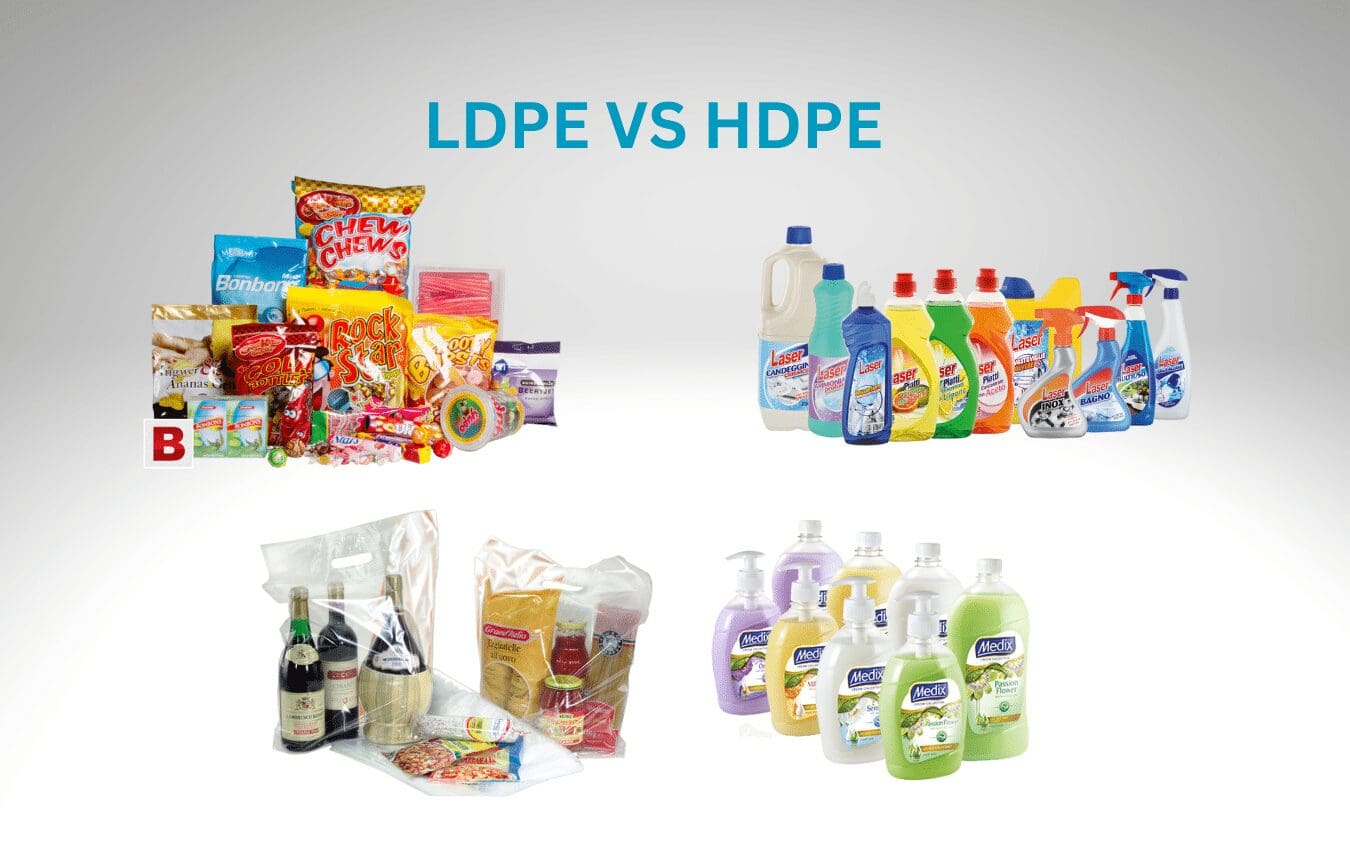
Poly bags are a staple in the packaging industry, offering a lightweight, cost-effective, and versatile solution for packaging various products, from food and consumer goods to medical supplies and industrial materials. The two most common materials used in poly bag manufacturing are polyethylene (PE) and polypropylene (PP), each with distinct properties that influence their performance, strength, and clarity. Understanding the differences between these materials is crucial for selecting the right bag for your application. Polyethylene (PE) Bags Polyethylene bags are made from the polymerization of ethylene gas, forming flexible plastic materials available in different densities—high-density (HDPE), low-density (LDPE), linear low-density (LLDPE), and medium-density (MDPE)—each with varying levels of strength, clarity, and durability. High-Density Polyethylene (HDPE): Known for its superior strength and puncture resistance, HDPE is ideal for heavy-duty applications, such as bulk food storage, industrial packaging, and carrying sharp or irregular-shaped items like fertilizers, sand, or mulch. These bags are rigid, moisture-resistant, and commonly used in shopping bags and take-out packaging. Low-Density Polyethylene (LDPE): More flexible and clearer than HDPE, LDPE bags are widely used for lightweight products like bread, candies, snacks, and small consumer goods. While they offer high clarity and softness, they lack the durability required for heavy or sharp-edged products. Linear Low-Density Polyethylene (LLDPE): Offering a balance between strength and flexibility, LLDPE is commonly used in food-grade packaging, grocery bags, and lawn care products due to its chemical resistance and contamination-free properties. Medium-Density Polyethylene (MDPE): Positioned between HDPE and LDPE in terms of flexibility and strength, MDPE bags provide a well-rounded option for cosmetics, food packaging, electronics, and retail applications. Polypropylene (PP) Bags Polypropylene bags are made from the polymerization of propylene, resulting in a rigid, high-clarity material that excels in moisture resistance, chemical protection, and heat resistance. These bags are widely used in applications where product visibility and contamination prevention are critical. Applications: PP bags are commonly used in medical, food, beauty, and electronics packaging, as they provide superior clarity for product display and ensure protection against moisture, debris, and bacteria. Their resistance to high temperatures also makes them ideal for outdoor packaging and sterilized environments. Advantages Over Polyethylene: PP bags do not absorb moisture, are more resistant to tearing, and have a crisper structure, making them suitable for premium product presentation. Which Poly Bag Should You Choose? The decision between polyethylene and polypropylene largely depends on your packaging requirements: For strength and durability → Choose HDPE or LLDPE for heavy, industrial, or bulk items. For flexibility and affordability → Choose LDPE or MDPE for lightweight products. For high clarity and contamination resistance → Choose Polypropylene (PP) for food, medical, or electronics packaging. Brown Packaging offers a wide selection of custom and stock poly bags to suit your needs. Contact us today to discuss the best solution for your packaging application! (714)300-0650 request@brownpackaging.com Most Recent Posts: Categories: Corrugated Folding Carton Display Packaging Rigid Box Subscribe To Our Newsletter By submitting your information, you agree to our terms and conditions and privacy policy. Poly Bags Facebook Twitter LinkedIn Pinterest Relevant Posts

Read More »
Antistatic foam with electrostatic discharge label and description
Electro-Static Discharge
brownpackaging
Anti-Static Packaging and Electrostatic Discharge Explained

What Is Anti-Static Packaging? Anti-static packaging is designed to control static discharge and protect sensitive electronics from electrostatic effects that can cause product failure or even ignition in flammable environments. Many businesses experience product loss, operational disruptions, and costly replacements due to improper packaging that fails to prevent electrostatic discharge (ESD). This type of packaging is made with specialized anti-static materials and additives that dissipate static buildup, ensuring electronics remain safe during storage, handling, and transit. Available in various forms—including poly bags, bubble wrap, foam inserts, and stretch film—anti-static packaging is a critical investment for businesses dealing with sensitive electronic components. Understanding Electrostatic Discharge (ESD) Electrostatic discharge (ESD) is the sudden transfer of static electricity between two objects, which can damage electronic circuits and ignite flammable materials. Studies estimate that between 8% to 33% of damaged electronics suffer from ESD-related failures, costing the electronics industry billions annually. Common sources of ESD include: Human Contact: A person’s body naturally generates and transfers electrostatic charges when touching sensitive components. Equipment & Machinery: Automated systems, conveyor belts, and trolleys generate static electricity during operation. Charged Insulators: Materials like plastic and polyethylene retain charges that can damage electronics through inductive discharge, even without direct contact. To mitigate these risks, anti-static packaging is essential in environments where static-sensitive components are handled. Products That Require Electrostatic Protection The ESD Association recommends electrostatic discharge protection for products rated at 100 volts or higher, as these are more susceptible to static-related failures. Common products that require ESD-safe packaging include: ✔ Semiconductors & Microcircuits✔ Computer Hardware & Components (CPUs, RAM, GPUs)✔ Medical Devices & Equipment✔ Flat-Screen Televisions & Monitors✔ Aerospace & Automotive Electronics Types of Anti-Static Packaging Anti-static packaging products are available in stock and custom configurations to meet varying protection levels. Most anti-static materials are pink for easy identification, while conductive versions (which provide additional protection) are black. ✔ Anti-Static Poly Bags – Used for lightweight electronic parts and circuit boards.✔ Anti-Static Bubble Bags & Rolls – Provides cushioning and static control for delicate electronics.✔ Anti-Static Ziplocks & Tubing – Ideal for small components and moisture-sensitive devices.✔ Anti-Static Foam – Custom-cut for impact protection and static prevention.✔ Pallet Covers & Stretch Wrap – Shields bulk shipments from static exposure.✔ Anti-Static Peanuts – Filler material that prevents static buildup inside packaging. For high-value electronics, custom ESD-safe packaging solutions—such as die-cut foam inserts, shielding bags, and conductive corrugated boxes—can provide enhanced protection. Benefits of Anti-Static Packaging Investing in anti-static packaging safeguards your products and business operations. Key benefits include: ✔ Prevents Inventory Loss: Reduces damage and failures caused by electrostatic effects.✔ Enhances Customer Satisfaction: Ensures product reliability, reducing complaints and returns.✔ Saves Money on Repairs & Replacements: Minimizes costly product failures before reaching customers.✔ Improves Product Shelf-Life & Durability: Prevents premature breakdown caused by static discharge.✔ Meets Industry & Retail Compliance Standards: Ensures compatibility with regulatory and retailer ESD requirements.✔ Reduces Safety Risks: Prevents fires, property damage, and injury in environments handling static-sensitive materials. Where to Purchase Anti-Static & ESD Packaging Not all packaging suppliers offer anti-static or conductive packaging. Many traditional packaging providers focus on standard solutions like corrugated boxes, foam, and poly bags without ESD protection. At Brown Packaging, we supply businesses with anti-static, static-dissipative, and conductive packaging solutions, including custom and stock options. Whether you need static-safe bags, foam inserts, or complete ESD packaging systems, we can provide the right materials to protect your sensitive products. 📞 Contact Brown Packaging today to discuss your anti-static packaging needs and explore our full range of ESD protection solutions. (714)300-0650 request@brownpackaging.com Most Recent Posts: Categories: Corrugated Folding Carton Display Packaging Rigid Box Subscribe To Our Newsletter By submitting your information, you agree to our terms and conditions and privacy policy. ESD Packaging Facebook Twitter LinkedIn Pinterest Relevant Posts

Read More »
Luxury Packaging
Packaging
brownpackaging
Luxury Packaging Explained: Applications, Benefits & More

What Is Luxury Packaging? Luxury packaging is designed to communicate exclusivity, premium quality, and sophistication. High-end brands rely on these packaging solutions to create a lasting impression, reinforcing their brand identity and elevating the perceived value of their products. Unlike standard packaging, luxury packaging is crafted with premium materials, intricate designs, and high-end finishes, making it an essential component for brands that cater to discerning consumers. From rigid boxes (set-up boxes) to high-quality corrugated packaging, luxury packaging is built for durability and aesthetic appeal. These materials not only offer superior product protection but also enhance the unboxing experience, a critical factor in high-end consumer markets. The attention to detail extends to custom inserts, specialty closures, and premium printing techniques, ensuring that every aspect of the packaging reflects the brand’s prestige. Why is Luxury Packaging Important? Luxury packaging is important because there is always a demand for it, research has shown consumers are willing to spend more on products if the packaging looks appealing and luxurious. These consumers are looking to purchase products that reflect their personality, lifestyle and desired lifestyle. Packaging companies that supply luxury packaging products are fulfilling the needs of companies that position themselves as high end and consumers that like expensive and exclusive items.. Competition is always a key driver on why luxury packaging is essential. Nowadays, consumers have access to millions of products at the tip of their fingers due to technology and the internet. As a result, many brands really have to make their products stand out from the competition, which means spending money in conveying their message, packaging design that appeals and acquires customers, reflects brand image and quality. Why Luxury Packaging Matters Luxury packaging plays a pivotal role in influencing purchasing decisions. Studies show that consumers are more likely to spend on products with high-end, visually appealing packaging, as it reflects quality, status, and exclusivity. For premium brands, the packaging is more than just protection—it’s a statement of value that strengthens customer loyalty and differentiates them in a crowded marketplace. In an era where online shopping dominates, luxury packaging becomes even more crucial. Consumers are flooded with choices, and brands must stand out through superior presentation. The unboxing experience, especially in e-commerce and retail, serves as an opportunity to leave a lasting impression, encourage social sharing, and enhance customer satisfaction. Luxury Packaging Materials & Finishes Luxury packaging is typically crafted from rigid boxes, high-quality corrugated materials, or specialty paperboard, ensuring a sturdy structure. However, the finishing touches define its premium look and feel. Some of the most common luxury packaging enhancements include: High-Quality Printing – Digital or lithographic printing for vibrant, detailed graphics. Embossing & Debossing – Raised or indented designs for tactile elegance. Foil Stamping – Metallic accents that enhance luxury appeal. Soft-Touch Matte & UV Coatings – Velvety finishes that add sophistication. Custom Inserts – High-end foam or paperboard inserts for protection and display. Premium Closures – Magnetic clasps, ribbon ties, or sliding drawers for a refined feel. Common Applications of Luxury Packaging Luxury packaging is widely used across multiple industries, where branding and presentation are paramount. Some of the most common sectors benefiting from high-end packaging include: Beverages: Fine wines, spirits, and specialty drinks require elegant display boxes for retail and gifting. Cosmetics & Beauty: Perfumes, skincare products, and premium makeup brands utilize luxury packaging to enhance their perceived value. Electronics: High-end tech products like smartphones, laptops, and watches demand premium packaging to reinforce their quality. Medical & Pharmaceuticals: Expensive medical devices and diagnostic kits benefit from secure and visually appealing packaging. Retail & Fashion: Designer apparel, luxury accessories, and jewelry often come in rigid boxes or custom-branded packaging for an upscale presentation. Benefits of Luxury Packaging Luxury packaging provides a range of advantages that go beyond aesthetics. Some key benefits include: ✔ Enhanced Customer Experience: A well-designed package creates a memorable unboxing experience. ✔ Higher Perceived Value: Luxury packaging allows brands to command premium pricing for their products. ✔ Brand Differentiation: Unique, well-crafted packaging sets brands apart from competitors. ✔ Product Protection: Rigid and corrugated materials provide superior protection during shipping and handling. ✔ Increased Sales & Customer Retention: Consumers are more likely to re-purchase and recommend products with high-quality packaging. Where to Source Luxury Packaging Not all packaging providers specialize in luxury packaging. Due to the complexity of structural design, material selection, and printing techniques, it’s essential to partner with an experienced supplier that can provide a seamless solution from concept to production. At Brown Packaging, we specialize in custom luxury packaging solutions, offering high-end materials, premium finishes, and tailored designs to fit your brand’s needs. Whether you require rigid boxes, custom inserts, or specialty coatings, our team ensures that your packaging reflects the exclusivity and quality your customers expect. Contact Brown Packaging today to discuss your luxury packaging project and explore the best solutions for your brand. (714)300-0650 request@brownpackaging.com Most Recent Posts: Categories: Corrugated Folding Carton Display Packaging Rigid Box Subscribe To Our Newsletter By submitting your information, you agree to our terms and conditions and privacy policy. Rigid Boxes Facebook Twitter LinkedIn Pinterest Relevant Posts

Read More »
Bubble vs foam rolls
Protection
brownpackaging
Bubble Vs Foam Rolls: Which Should You Use For Shipping?

We all want to protect our products during shipment, but are not quite sure on which product to use, often many of us find ourselves selecting either bubble or foam. Both are similar in purpose as they serve as a packaging protective solution, but they differ in application or in use. By understanding the difference between the two, you can better optimize your packaging efficiency and protection. What Is a Bubble Roll? Bubble Roll is a plastic sheet consisting of air bubbles that are designed to protect objects by restricting movement and absorbing damage. Bubble roll is available in a variety of sizes, thicknesses, applications, and additives. To apply a bubble roll, lay it out with the bubble side up and cover the product with wrap. When To Use Bubble Roll Fragile items: glass, dishes, lights, mirrors, TVs, artwork, figurines, and other items susceptible to damage. Sensitive electronic products: bubble roll can be made with anti=static agents used to protect electronic devices from electrostatic discharge in addition to cosmetic damage. Furniture: bulking, odd shaped, or fragile furniture such as table tops, glass doors, coffee tables and other furniture often require plenty of protection against vibration and shocks. Sentimental Items: products that are of high value emotionally to consumers are often wrapped in bubble material to ensure the utmost care when shipping products or while placing them in storage. For example, jewelry made with your loved ones’ fingerprints engraved into it. What You Should Know Before You Buy Bubble Roll A Bubble roll is not the ideal solution for every packaging application. If you are not careful, then you can limit your packaging potential and accrue more overhead than you anticipated. You should be also mindful of the thickness of the bubble rolls as they can vary in size and strength. Typically, when a product is wrapped in bubble material it becomes harder to stack that object. In addition, the air bubbles of the wrap take up a lot of free space that can be used to package more items. It can be quite costly to limit the amount of product you can send due to the drawbacks of bubble rolls. However, there are many applications where bubble rolls are needed. It is very adaptable, versatile and can be used more than once. Its lightweight design makes it easy to handle for the manufacturer and end user. If you are interested in bubble rolls, then contact Brown Packaging today to get supplied. What Is a Foam Roll? Foam rolls are made from expanded polyethylene with insulating and cushioning properties, which gives the wrap a dense, lightweight, thin and flexible design. It is manufactured into a roll that contains sheets of foam that can be cut into any size or shape. Like a bubble roll, foam can be designed with anti-static properties and other additives. When To Use Foam Roll? Kitchenware: knives, forks, glass cups, dishes and small, sensitive and fragile kitchen appliances. Consumer goods: decorative items made with glass, small mirrors, picture frames, and other items. Cosmetics and personal care products: lotions, creams, oils, makeup, and other small and fragile items. Other fragile and sensitive items: medical devices, electronics, furniture legs, glass, ceramic, and other items. What You Should Know Before You Buy Foam Roll Before you buy foam rolls you should select the right thickness for your product. This may require you to ask the packaging provider what thickness is recommended for your size product, as thickness can vary from one supplier to another. The benefit of foam rolls is that they are easier to stack and take up minimal space. However, it may be more expensive than using a bubble roll. Summary: Bubble Vs Foam Rolls Selecting between bubble and foam can be a difficult choice. They both have their uses and drawbacks. Ultimately, you want to package bulker, heavier, and extremely fragile products with bubble rolls. Foam can also be used for sensitive and fragile products, but can cost you more. You can offset these costs and be more efficient if you plan on stacking items on top or fitting a larger quantity within a shipment. However, be mindful of how you package and ship your products as they may become damaged. It may be best to seek the help of a packaging professional. If interested in bubble, foam, or cushioning packaging, then contact Brown Packaging today. (714)300-0650 request@brownpackaging.com Most Recent Posts: Categories: Corrugated Folding Carton Display Packaging Rigid Box Subscribe To Our Newsletter By submitting your information, you agree to our terms and conditions and privacy policy. Cushioning Facebook Twitter LinkedIn Pinterest Relevant Posts

Read More »
10 Essential Questions You Should Ask Your Packaging Supplier
Packaging
brownpackaging
10 Essential Questions You Should Ask Your Packaging Supplier

Finding the right packaging supplier for your company can be quite a challenging, time consuming, and frustrating process, since not all packaging companies are the same. Packaging companies can vary among quality standards and capabilities to products, services, who they serve and where. For your company’s success it is important for you to select the right packaging provider for your business as it can have a direct impact on your company’s operations. A good packaging supplier should be able to meet all of your packaging needs in one place and on time (within industry standard). A quality packaging supplier will improve your business operations with efficient packaging solutions, which will help your bottom line. Typically, a poor packaging supplier will not be able to fulfill your order to your specifications or requirements. Usually, a poor packaging supplier will provide a poor experience with delivery delays, quality issues, billing roadblocks, which will essentially cost you time and many lost opportunities for your business. Ultimately, your packaging provider’s products, services, capabilities, quality standards, who they serve and where, should align with your company’ needs. In order to find this information, you have to ask questions to potential suppliers you are considering working with. Overview: 10 Questions You Need To Ask Your Packaging Provider What Packaging Products Do You Offer? Do You Offer Any Services? Are You A Manufacturer or Distributor? What Is Your Expected Lead Time? Is There An Order Minimum? Can You Supply Me With Samples, If Needed? Can You Meet Retailer Requirements? Do You Have Any Recommendations Or Concerns For My Project? How Much Does It Cost For Delivery? Are You Experienced In Projects Similar To Mine? What Packaging Products Do You Offer? Not all packaging suppliers provide the same packaging products, as there are a large variety of packaging supplies in the market. Some suppliers focus on stock or standard products, others do custom packaging and some do both. Not every packaging supplier will sell the same product. For example, some packaging companies focus on POP displays, some will supply foam, others focus on corrugated or chipboard boxes. You will find that some packaging companies may only offer one product and specialize in that product, while others can offer you a wide selection of stock and custom packaging. Ultimately, depending on what packaging company you choose to question, their answer should vary from one another. It is important to keep in mind that you are looking for a packaging partner that can help you and fulfill your packaging needs. Do You Offer Any Services? Like products, services and capabilities of the packaging supplier can vary from one another. Services can be delivery, product and material sampling/testing, consulting, structural design, graphic design, fulfillment, and more. Some of these services can be offered in-house by the packaging supplier or it may be outsourced. Services are usually most required when you are purchasing a custom packaging product. Stock products generally do not require services as often. Delivery services are usually universally provided by packaging suppliers. Pick a packaging service provider that works best for you. If your supplier does not offer your desired services, then this may require you to involve another party or to find a supplier that does everything for you under them. Are You A Manufacturer or Distributor? Buying from a manufacturer versus a distributor can be completely different. Manufacturers tend to only provide only one or few products and services, while a distributor can provide you a wide variety of products and services. Purchasing from a manufacturer is best when you are buying in bulk and are only seeking one item. It is important to mention that some manufacturers only work distributors and may not supply products to you. Distributors are ideal when you are unsure about what packaging product you will need, as they can supply and recommend a variety of packaging products. If you need multiple packaging products, for example, packaging tape, boxes, edge protectors, stretch film and labels, then a distributor can help you get all that in one place. In addition, they work with a variety of manufacturers and vendors to help provide you a wide range of outsource services that you may need. Hybrid suppliers can provide some of these services in-house in addition to what a distributor can provide. What Is Your Expected Lead Time? It is important for you to meet your project deadlines, prevent shortages, and missed opportunities due to poor lead times. By asking your supplier when they expect your packaging order to be complete, should be a main focus on whether you choose that supplier. Lead times can tell you a lot about your packaging supplier such as their purchasing power in the market, relationship with other suppliers, and how attentive they are to your order. This does not mean you should create unrealistic deadlines, as packaging can be complex and take time to create, however you should see if it’s comparable to other vendors you are trying to get a quote from. In general, stock packaging products have a much lower lead time, while custom packaging products have a much longer lead time. Is There An Order Minimum? Manufacturers and distributors typically require order minimums when placing an order. This is because in order to remain profitable, competitive, and in business, they have to cover all costs of creating or supplying your packaging, while including a markup. Order minimums are subjective to suppliers, some are more efficient than others in small quantities, while others are better in medium or large quantities. This is based on machinery and company capabilities, networking (for distributors). In addition, order minimums will vary based on what materials you order. Depending on how much packaging product you will need will help influence which packaging provider will work best for you. Can You Supply Me With Samples, If Needed? Product and material sampling is key to a successful packaging transaction. Before placing such a large investment, it is recommended you sample your product

Read More »
What is a rigid box?
Rigid Box
brownpackaging
What is a Rigid Box?

A rigid box, often referred to as a setup box, stands out in the packaging world due to its robust and durable design. Made from dense paperboard that is considerably thicker than the material used in standard folding cartons, rigid boxes are not just packaging but a statement of quality and luxury. They are fully customizable, often involving complex construction processes and high-quality materials, making them synonymous with premium branding and product presentation. Comprehensive Overview of Rigid Box Styles Rigid boxes are celebrated for their versatility and elegance in design. Here’s a deeper look into the various styles and their functional aesthetics: Two-Piece Box The quintessential model in rigid box design, the two-piece consists of a base and a lid. Simple yet elegant, this style is highly favored for its classic appearance and ease of use. It’s widely used across various industries, from high-end electronics to gourmet foods. Collapsible (Foldable) Innovative and practical, collapsible rigid boxes are designed to lay flat for economical storage and shipping, yet they can be easily assembled into a sturdy, structured box. This design is particularly favored by businesses looking to reduce logistical costs without compromising on packaging quality. Match (Slide) The match style features a tray that slides into a sleeve, offering a dynamic unboxing experience that is both smooth and engaging. It’s perfect for products that require an extra touch of interaction, such as artisanal gifts or bespoke jewelry. Book Mimicking the opening of a book, this style adds a narrative element to the packaging, enhancing the unboxing experience. It is ideal for special editions, collector’s items, or high-value publications. Magnetic Incorporating magnets for a secure and satisfying closure, magnetic boxes offer an upscale feel, often used for premium products such as designer accessories and luxury cosmetics. The magnets add a level of sophistication and functionality, ensuring the contents are safely enclosed. Learn more about magnetic boxes.  Other Innovations Beyond these common types, rigid boxes can also be crafted with unique features like hinged/flip lids, shoulder/neck constructions, or even round shapes, tailored to specific product dimensions and brand aesthetics. Applications and Uses of Rigid Boxes Due to their sturdy construction and elegant appearance, rigid boxes are predominantly used for: High-End Electronics: Providing excellent protection and a premium unboxing experience for gadgets. Luxury Cosmetics: Enhancing the brand value and shelf presence of beauty products. Fine Jewelry: Offering a secure and attractive packaging solution that matches the item’s luxury. Gifts and Specialties: Making occasions more memorable through beautifully designed packaging. Advantages of Choosing Rigid Boxes Choosing a rigid box for your product packaging brings several benefits: Enhanced Product Protection: The sturdy construction ensures that contents are well-protected against impacts and compression. Elevated Brand Perception: The quality and elegance of rigid boxes enhance the perceived value of the contents, influencing customer satisfaction and loyalty. Customization Opportunities: From size and shape to finishes and printing techniques, every aspect can be tailored to create a unique packaging solution that reflects the brand’s identity. Sustainable Options: Many rigid boxes can be produced using recycled materials and can be recyclable themselves, aligning with eco-friendly brand values. Key Considerations for Rigid Box Packaging While rigid boxes offer unparalleled elegance and protection, they come with considerations that may impact their suitability: Cost: The premium materials and customized manufacturing processes can make rigid boxes more expensive than other types of packaging. Practicality: For some products, especially those that are low-cost or require frequent access, a rigid box may not be the most practical choice. Minimum Order Quantities: Custom rigid box manufacturers often require large minimum orders, which can be a barrier for smaller businesses or those requiring limited runs. Conclusion: The Strategic Value of Rigid Boxes Rigid boxes are not just packaging; they are a strategic tool for enhancing brand prestige and improving customer experience. They are best suited for products that require a high level of protection or brands aiming to make a strong impact on the market. With the ability to fully customize the design and features, rigid boxes offer a packaging solution that truly stands out. If you are considering this type of packaging, partnering with a specialized provider like Brown Packaging will ensure that your packaging not only meets your aesthetic and functional needs but also aligns with your strategic branding objectives. (714)300-0650 request@brownpackaging.com Most Recent Posts: Categories: Corrugated Folding Carton Display Packaging Rigid Box Subscribe To Our Newsletter By submitting your information, you agree to our terms and conditions and privacy policy. Rigid Boxes Facebook Twitter LinkedIn Pinterest Relevant Posts

Read More »
Categories:
Subscribe To Our Newsletter

By submitting your information, you agree to our terms and conditions and privacy policy.

Custom POP displays
Custom Packaging