

Home » Contract Packaging: Everything You Need to Know
Contract Packaging: Everything You Need to Know
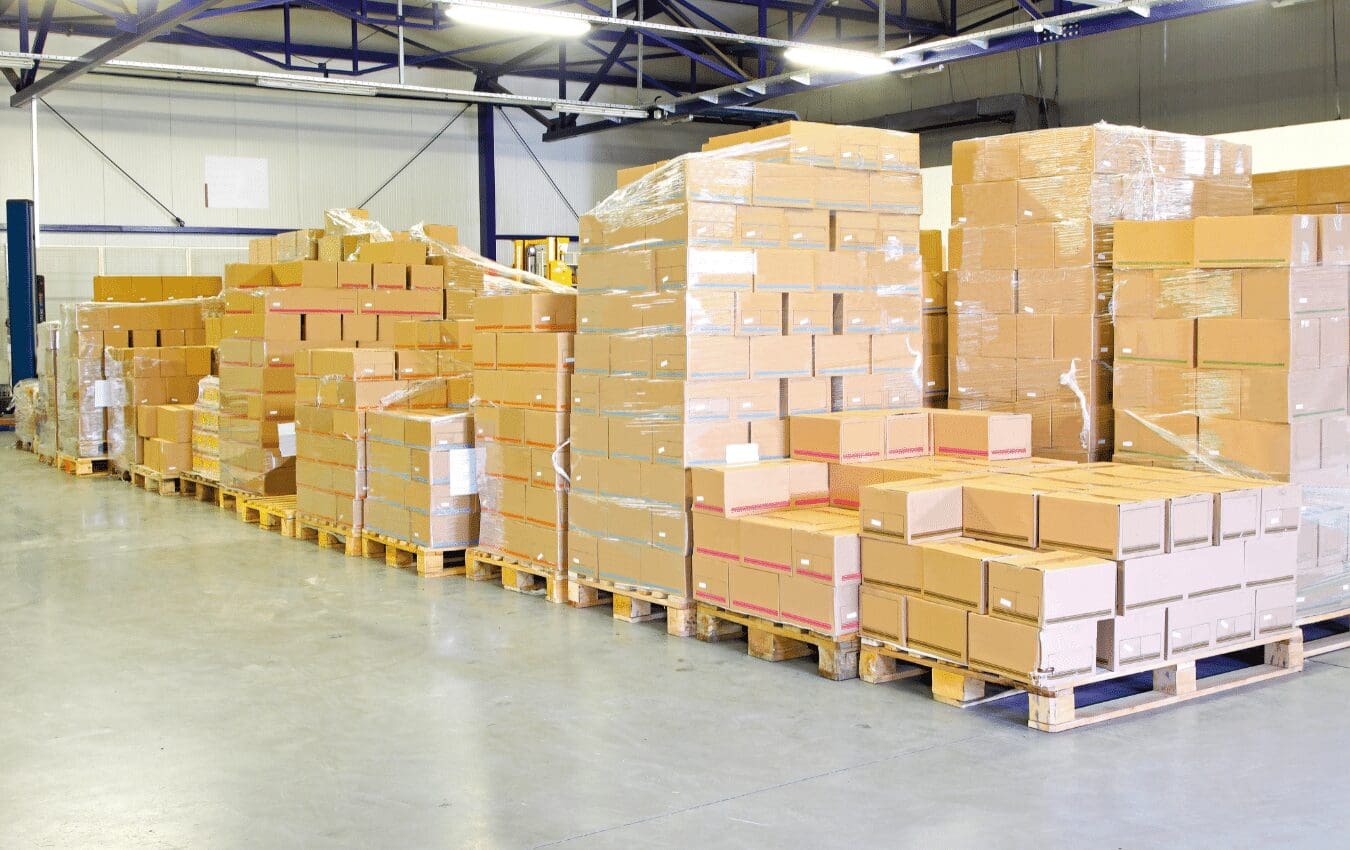
Contract packaging, also known as co-packing or third-party packaging, is a service where a company outsources the packaging of their products to a specialized provider. This provider, known as a contract packager, offers a wide range of packaging services, including assembly, filling, sealing, labeling, and packaging design.
Who Needs Contract Packaging?
Companies that need contract packaging services typically fall into one of several categories:
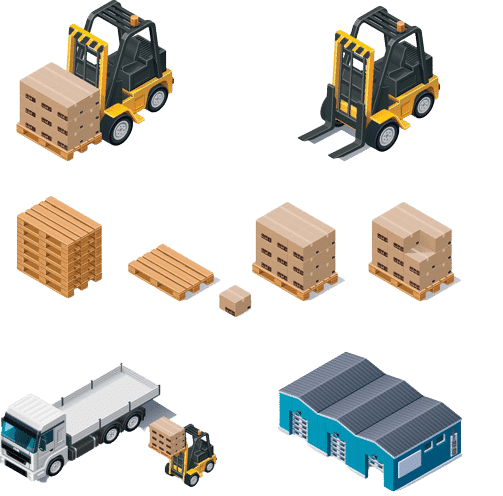
Manufacturers
Manufacturers of consumer goods, such as food, beverage, personal care, and household products, may outsource their packaging to a contract packager to increase efficiency and reduce costs. For example, a beverage manufacturer may outsource the bottling and labeling of their products to a contract packager.
Retailers
Retailers may use contract packaging services to package and distribute their own private label products, or to package and distribute products for other brands. For example, a retail chain may outsource the packaging of their own brand of cereal to a contract packager.
Pharmaceuticals and Medical Device Companies
These companies may outsource their packaging to a contract packager to ensure compliance with strict regulations and to meet the specific packaging needs of their products. For example, a pharmaceutical company may outsource the packaging of their tablets to a contract packager that specializes in child-resistant packaging.
Small Businesses
Small businesses may not have the resources or expertise to handle their own packaging and may choose to outsource to a contract packager to save time and money. For example, a small business owner may outsource the packaging of their handmade candles to a contract packager.
Start-ups
Start-ups may also outsource packaging to a contract packager to get their products to market quickly while they focus on growing their business. For example, a start-up company may outsource the packaging of their new line of skincare products to a contract packager.

E-commerce Companies
E-commerce companies may use contract packaging services to fulfill orders, package products for shipping, and handle returns. For example, an e-commerce company may outsource the packaging and shipping of their apparel products to a contract packager.
Logistics Companies
Logistics companies may outsource packaging services to a contract packager to handle packaging and shipping needs for their clients. For example, a logistics company may outsource the packaging of their clients’ products to a contract packager.
Benefits and Disadvantages of Contract Packaging
The Benefits of Contract Packaging
- Cost savings: By outsourcing packaging to a contract packager, companies can reduce their labor and equipment costs.
- Increased efficiency: Contract packagers often have the latest equipment and technology to handle a wide range of packaging needs, which can increase efficiency and speed up the packaging process.
- Flexibility: Companies can choose to outsource only certain aspects of their packaging process, such as assembly or filling, rather than handling the entire process in-house.
- Compliance: Contract packagers often have expertise in specific areas, such as child-resistant packaging or food packaging, which can help ensure compliance with regulations.
- Scalability: Companies can scale up or down their packaging needs depending on demand.
The Disadvantages of Contract Packaging
- Loss of control: Outsourcing packaging to a contract packager means giving up some control over the packaging process.
- Quality control: It can be difficult to ensure the same level of quality control as when packaging in-house.
- Communication: It can be difficult to ensure clear communication between the company and the contract packager, which can lead to mistakes or delays.
- Dependence: Companies may become dependent on the contract packager, which can be problematic
If you are interested in contract packaging or packaging products for your company, then reach out to Brown Packaging today to get started.
A folding carton may look simple once it reaches the shelf, but it goes through a controlled production process before it becomes a finished package.
Folding carton production is becoming more automated because buyers are asking for faster timelines, tighter consistency, and more flexibility across more SKUs. Shorter product lifecycles,
Folding carton style matters because structure affects more than appearance. The right carton can improve shelf presentation, packing speed, product access, closure security, storage efficiency,
Pouch packaging trends in 2027 will be shaped by convenience, shelf impact, sustainability pressure, sealing performance, automation, ecommerce growth, and total packaging cost. Buyers will
Corrugated box trends in 2027 will be driven by a practical mix of cost control, sustainability, ecommerce growth, automation, retail requirements, and supply chain performance.
Packaging trends in 2027 will be shaped by one major reality: buyers are no longer looking at packaging as just a box, carton, insert, pouch,
By submitting your information, you agree to our terms and conditions and privacy policy.

Home » Contract Packaging: Everything You Need to Know



Packaging is an essential aspect of any product, and it is vital for the success of small businesses. Effective packaging not only protects the product
In a supply chain, your packaging is subjected to various stresses, including being pushed, pulled, dropped, and compressed against other packages. Proper packaging techniques are
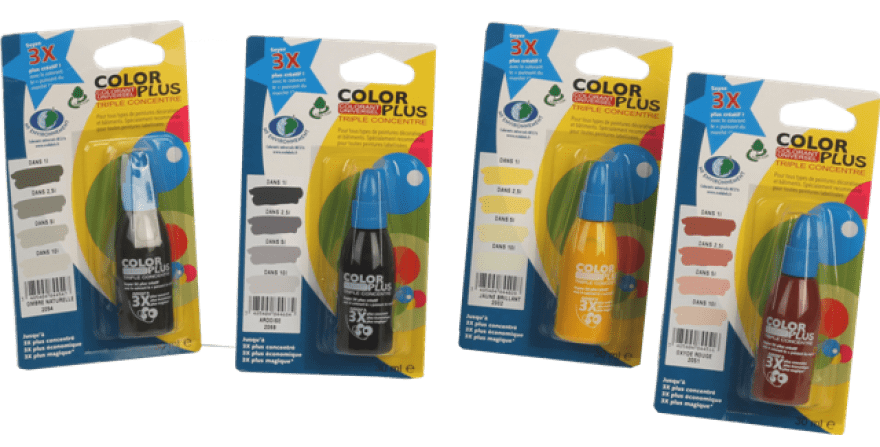
Effective packaging plays a crucial role in product presentation and protection across various industries. Among the many packaging options available, blister packaging stands out as