Blogs
At Brown Packaging, we provide insightful content about the packaging industry to keep our clients, followers, and partners informed with the latest trends and accurate information. Our goal is to equip you with up-to-date knowledge that helps you stay ahead in the ever-evolving world of packaging.

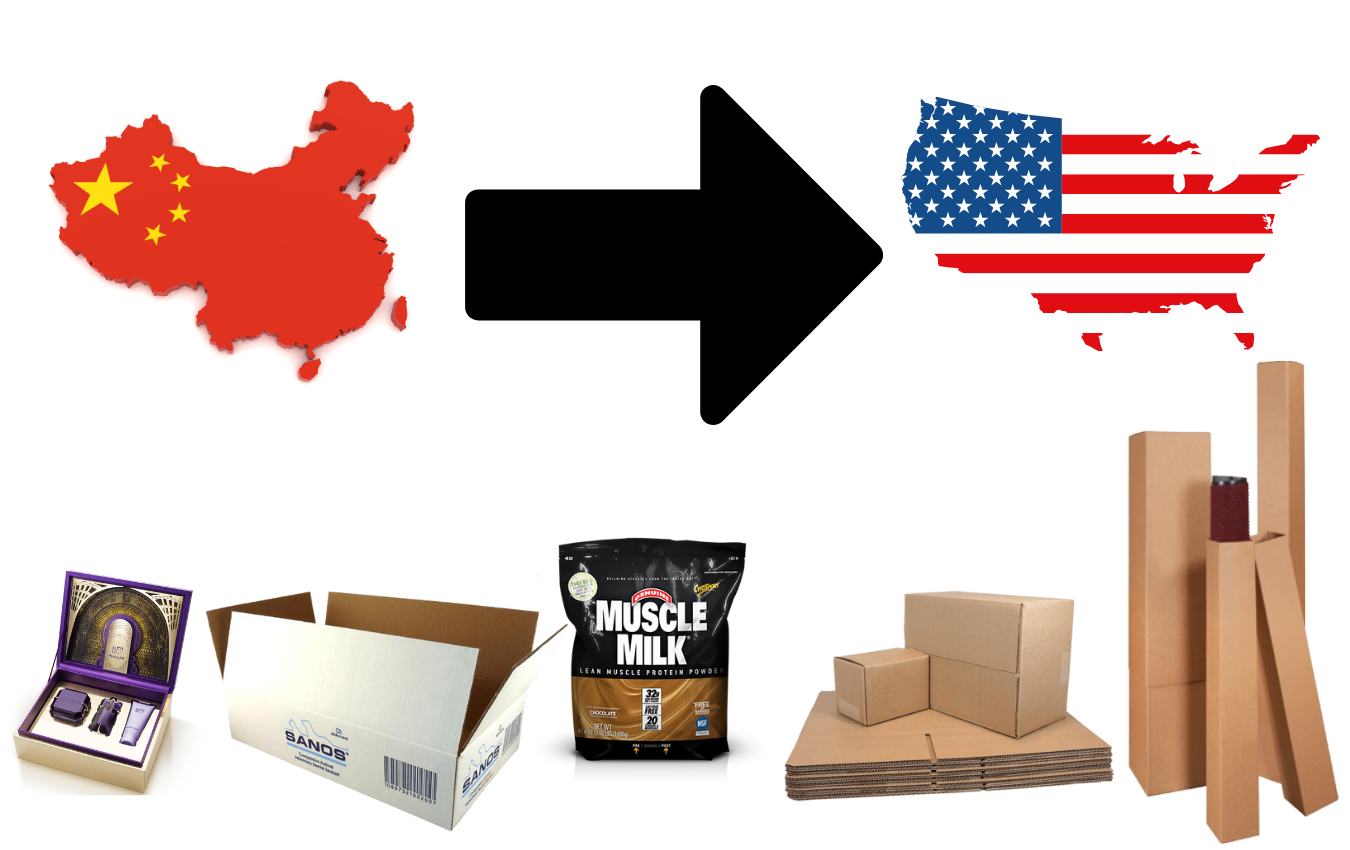
With rising tariffs, unpredictable freight costs, and ongoing supply chain delays, more companies are pulling away from overseas packaging and turning to U.S.-based corrugated box suppliers. While international sourcing once offered significant cost savings, the current landscape has shifted. Now, domestic packaging solutions offer more control, faster turnaround, and better long-term value. Here’s why this shift is happening—and what buyers need to consider. Tariffs Are Raising Costs The return of tariffs on oversea goods has significantly increased the true cost of sourcing corrugated boxes overseas. What used to be a budget-friendly option is now burdened by duties, customs fees, and higher overall import costs—often eliminating any price advantage. Global Shipping Is Still Unstable Ocean freight remains volatile, with container costs, port delays, and extended lead times continuing to disrupt planning. Brands relying on overseas box production often face 8–12 week lead times—while U.S. suppliers can typically deliver in 2–4 weeks or less. Faster Turnarounds for Retail and E-Commerce In today’s fast-moving market, speed matters. Whether you’re launching new products, fulfilling flash sales, or restocking inventory, long overseas timelines are a major risk. Domestic suppliers offer more responsive service, making it easier to adjust forecasts and scale with demand. Better Communication and Quality Control Working with local vendors means easier collaboration, fewer miscommunications, and the ability to address issues quickly. You’re in the same time zone, speaking the same language, and often dealing with someone who knows your business directly. Retailers Prefer “Made in USA” Packaging Many retailers are encouraging (or outright requiring) U.S.-sourced packaging to support local economies and simplify logistics. Having a U.S.-made corrugated box can be a selling point, especially in food, cosmetics, or wellness categories where transparency matters. Sustainability and Local Sourcing Go Hand in Hand Brands committed to sustainability are realizing that local packaging = lower carbon footprint. Domestic sourcing means less transportation, less fuel usage, and often better access to recyclable or responsibly sourced materials. Final Thoughts What once made sense from a cost standpoint may no longer hold up under today’s market pressure. Tariffs, delays, and uncertainty have led many brands to move their printed corrugated box sourcing back to the U.S.—gaining speed, control, and stability in return. Looking to bring your packaging supply chain closer to home?We can help you transition smoothly and build a custom corrugated box solution that works for your business. (714)300-0650 request@brownpackaging.com Most Recent Posts: Categories: Corrugated Ecommerce ESD Design Display Flexible Packaging Foam Folding Carton Packaging Plastic Packaging Pouch Printing Protection Retail Rigid Box Thermoform Sustainability Subscribe To Our Newsletter By submitting your information, you agree to our terms and conditions and privacy policy. Custom Packaging Facebook Twitter LinkedIn Pinterest Relevant Posts

Rigid boxes are known for their premium feel, durability, and high-end presentation, making them the go-to choice for luxury goods, cosmetics, electronics, and gift packaging. But what really sets a rigid box apart isn’t just its structure—it’s the printing and finishing. Whether you’re aiming for elegance, bold visuals, or a tactile unboxing experience, the right combination of print method and finishing technique is key to bringing your packaging to life. Here’s a breakdown of the most popular options and what you should know about each. Most Common Printing Methods for Rigid Boxes Lithographic (Offset) Printing This is the most popular method for rigid boxes, offering high-resolution, full-color prints with sharp detail and excellent consistency. Best For: Retail and luxury branding Cosmetics, electronics, and fashion Complex, photo-quality graphics Pros:✔ Sharp, clean visuals✔ Perfect for detailed or high-color designs✔ Supports all major finishes (emboss, foil, etc.) Digital Printing A growing option for short runs and fast turnarounds, digital printing allows direct-to-substrate printing without the need for plates. Best For: Personalized or versioned packaging Low to mid-quantity runs Limited editions or fast product launches Pros:✔ No plate/setup fees✔ Great for multi-SKU designs✔ Fast turnaround for samples and full runs Screen Printing Used selectively for rigid boxes, screen printing offers rich, opaque color—especially for specialty applications like matte white on dark backgrounds or bold, single-color graphics. Best For: Minimalist designs Bold spot colors Specialty textures Pros:✔ Vibrant, high-opacity ink✔ Good for metallics or spot finishes✔ Works well with textured materials Hot Stamping (Foil Stamping) Hot stamping uses heat and pressure to apply metallic or pigmented foil onto the box, creating eye-catching, reflective accents.Best For: Logos, monograms, premium accentsPros:✔ Adds visual and tactile impact✔ Available in metallics, holographics, and pigment foils✔ Often used with embossing for layered effects Popular Finishes for Rigid Boxes Printing sets the tone, but finishing brings the texture, shine, and impact. Here are the most common enhancements used to make rigid boxes stand out: Matte and Gloss Lamination These are protective film coatings added after printing that affect the look and feel of the box. Matte: Soft, elegant, non-reflective Gloss: Shiny, vibrant, enhances color contrast Application: Cosmetics, tech, fashion, lifestyle products Soft-Touch Coating This ultra-smooth finish adds a velvety, premium texture. Often paired with minimalistic designs or foil accents for a luxury effect. Application: High-end electronics, skincare, subscription boxes Foil Stamping Foil stamping uses heat and pressure to apply metallic foil (gold, silver, copper, holographic) to the box surface. Application: Logo treatments, luxury branding, gift sets Popular Foil Colors: Gold, silver, rose gold, holographic Embossing & Debossing Embossing raises elements of the design above the surface Debossing presses them into the surface for a recessed effect Often used with logos, borders, or typography to create tactile contrast and brand emphasis. Spot UV Coating This clear, glossy coating is applied only to specific areas—like logos, text, or imagery—to create visual contrast against a matte background. Application: Branding elements, accent graphics, bold visual focal points Linen, Leather, or Specialty Wraps Beyond printing, rigid boxes can be wrapped in textured papers, leather-like materials, or specialty stocks for a distinctive tactile experience. Application: Jewelry, spirits, promotional packaging What to Consider When Choosing Print & Finish Brand identity: Do you want luxurious, modern, bold, or minimal? Product category: Cosmetics, tech, and fashion all have different packaging cues. Volume and budget: Offset is great for large runs, while digital suits smaller ones. Timeline: Some finishes add production time—factor that into your launch. Retail vs. e-commerce: Will customers see the box on a shelf or open it at home? Final Thoughts Rigid boxes are already associated with premium quality—but pairing the right printing method with thoughtful finishes takes them to the next level. Whether you’re going for classic elegance or modern minimalism, the combination of design, texture, and detail will shape how customers perceive your product before they even open it. Need help selecting the right print and finish for your rigid box?We’ll help you build a packaging solution that reflects your brand and stands out with purpose. (714)300-0650 request@brownpackaging.com Most Recent Posts: Categories: Corrugated Ecommerce ESD Design Display Flexible Packaging Foam Folding Carton Packaging Plastic Packaging Pouch Printing Protection Retail Rigid Box Thermoform Sustainability Subscribe To Our Newsletter By submitting your information, you agree to our terms and conditions and privacy policy. Rigid Boxes Facebook Twitter LinkedIn Pinterest Relevant Posts

As the retail landscape continues to evolve, staying ahead of the latest trends is crucial, especially during the competitive holiday season. In 2025, Point of Purchase (POP) displays are not just about catching the eye—they are about creating immersive experiences that connect with consumers on a new level. This blog will explore the most exciting POP display trends for the 2025 holiday season, helping retailers harness these innovations to drive traffic and increase sales. Interactive and Digital Integration Augmented Reality Experiences Augmented reality (AR) is transforming POP displays into interactive experiences. Imagine customers pointing their smartphones at a display to view 3D models of products, interactive features, or even virtual try-ons. This technology not only entertains but also informs, providing a deeper connection between the customer and the product. Touchscreen Interfaces Incorporating touchscreens within displays allows for on-demand product information, tutorials, and even ordering capabilities directly at the point of purchase. This trend is about blending digital convenience with in-store shopping, enhancing the customer’s journey through technology. Sustainability in Design Eco-Friendly Materials Sustainability is a growing priority among consumers. Retailers are responding by constructing POP displays from recycled or biodegradable materials. This not only appeals to environmentally conscious shoppers but also promotes a brand’s commitment to sustainability. Reusable Displays More retailers are opting for modular and reusable displays that can be easily updated for different campaigns or seasons. This approach reduces waste and costs while maintaining a fresh and relevant presence in-store. Emotional and Thematic Storytelling Narrative-Driven Displays 2025 sees a surge in displays that tell a story. Whether it’s a winter wonderland scene or a narrative about holiday traditions, these displays create a deeper emotional connection by engaging customers with a compelling story. Cultural Inclusivity Reflecting cultural diversity within holiday displays can resonate with a broader audience. Displays that celebrate various holidays around the same time, such as Hanukkah, Christmas, and Kwanzaa, acknowledge and respect the diversity of consumers. Customization and Personalization Customizable Product Options Allowing customers to customize products directly from the display, whether through color options, designs, or add-ons, caters to the desire for personalized products. This trend not only boosts engagement but also increases the likelihood of purchase. Personalized Recommendations Using data-driven insights, displays can now offer personalized recommendations based on a customer’s shopping history or preferences. This level of customization enhances the shopping experience and makes product discovery more intuitive. Conclusion The 2025 holiday season presents an exciting opportunity for retailers to leverage the latest trends in POP displays. By integrating technology, prioritizing sustainability, focusing on emotional engagement, and embracing personalization, retailers can create more meaningful and effective customer interactions. As you prepare for the busiest shopping time of the year, consider how these trends can be incorporated into your POP strategies to stand out and succeed. If you are interested in POP displays for the holiday season, then partner with Brown Packaging today to get started. (714)300-0650 request@brownpackaging.com Most Recent Posts: Categories: Corrugated Ecommerce ESD Design Display Flexible Packaging Foam Folding Carton Packaging Plastic Packaging Pouch Printing Protection Retail Rigid Box Thermoform Sustainability Subscribe To Our Newsletter By submitting your information, you agree to our terms and conditions and privacy policy. POP Display Facebook Twitter LinkedIn Pinterest Relevant Posts

As the 2025 holiday season approaches, retailers are gearing up for what promises to be another bustling period of consumer activity. For brands looking to capitalize on this seasonal surge, Point of Purchase (POP) displays remain a crucial element in attracting customers and boosting sales. In this blog, we’ll explore effective strategies for retailers to prepare and utilize POP displays to maximize their impact during the holiday season. Understanding the Power of POP Displays POP displays are designed to catch the shopper’s eye and can be strategically placed to influence purchase decisions at critical points within the store. They are especially effective during the holiday season when competition for consumer attention is fierce. These displays can range from simple shelf talkers and countertop displays to elaborate floor stands and interactive kiosks. Benefits of POP Displays: Increased Visibility: Products featured in POP displays are more noticeable and more likely to be picked up. Enhanced Product Promotion: These displays can be used to promote special offers, new items, or holiday-specific products. Encourages Impulse Buys: Strategically placed displays can drive impulse purchases, significantly boosting sales. Brand Reinforcement: Well-designed displays reinforce brand messaging and create a memorable image in the consumer’s mind. Strategies for Effective POP Displays Start Planning Early Begin planning your POP display strategy well before the holiday season starts. Consider your sales data from previous years to identify which products sold well and how their placement influenced purchasing behavior. This data can guide your decisions on which products to promote and where to locate your displays. Design with the Holiday Spirit in Mind Design your displays to reflect the festive spirit of the holiday season. Use thematic elements like winter scenes, festive colors, and holiday motifs. Ensure that the design aligns with your brand’s image while also standing out in a crowded retail environment. Focus on High-Traffic Areas Place your POP displays in high-traffic areas of your store. Entrances, ends of aisles, and check-out counters are prime locations where displays can attract maximum shopper attention. Leverage Technology Integrate technology into your displays to create more engaging and interactive experiences. Digital screens can show product information, promotional videos, or interactive content that allows customers to engage directly with the display. Train Your Staff Ensure your staff is well-informed about the products featured in the POP displays and can effectively communicate their benefits to customers. Staff enthusiasm can complement the physical display, enhancing its overall impact. Monitor and Adapt Once your displays are in place, monitor their performance. Keep an eye on the products that are moving quickly and those that aren’t. Be prepared to make adjustments to your displays or the featured products based on real-time sales data and customer feedback. Conclusion POP displays are a powerful tool for retailers, especially during the holiday season. By planning effectively, designing with intent, placing displays strategically, incorporating technology, educating staff, and being adaptable, brands can maximize their impact and ensure a successful holiday sales period. As you prepare for the 2025 holidays, consider these strategies to make the most of your retail space and drive sales through effective use of POP displays. Happy holidays and happy selling! If you are interested in POP displays for the holiday season, then partner with Brown Packaging today to get started. (714)300-0650 request@brownpackaging.com Most Recent Posts: Categories: Corrugated Ecommerce ESD Design Display Flexible Packaging Foam Folding Carton Packaging Plastic Packaging Pouch Printing Protection Retail Rigid Box Thermoform Sustainability Subscribe To Our Newsletter By submitting your information, you agree to our terms and conditions and privacy policy. POP Display Facebook Twitter LinkedIn Pinterest Relevant Posts

For pharmaceutical companies, sourcing packaging has become more complex in recent years. Tariffs on imported materials and printed components are creating pricing pressure, disrupting long-term contracts, and forcing many buyers to rethink where and how they source their packaging. Whether you rely on overseas suppliers or work with a domestic partner who sources internationally, tariffs can affect the cost and availability of critical packaging components like folding cartons, blister packs, inserts, and corrugated shippers. Here’s how to understand the impact—and what you can do to stay ahead. Know What’s Being Taxed Not all pharmaceutical packaging is affected by tariffs in the same way. Many of the items commonly used in pharma packaging fall under categories that have been hit with tariffs in recent U.S.–China trade actions. These may include: Printed folding cartons and inserts Blister pack materials (including PVC and foil) Corrugated shipper boxes Labels and leaflets Some specialty coatings and substrates Tariff rates can vary, depending on the material, country of origin, and current trade policy. What seems like a small increase per unit can lead to massive cost increases at scale. Review Your Supplier’s Origin and Production Model Even if your supplier is based in the U.S., they may still source raw materials, substrates, or finished packaging components from tariff-impacted countries. It’s important to ask: Where is each component of my packaging produced? Does the supplier import printed materials or raw board? Are any secondary processes (like lamination or foil stamping) outsourced overseas? Understanding your true supply chain origin helps you identify where the tariff risks are—so you can plan ahead. Reevaluate Total Cost of Ownership Increased tariffs often eliminate the price advantage that used to come with overseas packaging. When you factor in: Tariffs Rising freight costs Port delays and longer lead times Quality control or communication issues You may find that domestic packaging suppliers are now more competitive on both cost and reliability. Talk to Your Packaging Supplier About Domestic Alternatives If you’re concerned about exposure to tariffs, a proactive supplier should be able to: Offer U.S.-made or NAFTA-friendly alternatives Suggest design or material changes to reduce cost impact Help consolidate SKUs or adjust specs to simplify sourcing Provide packaging that meets FDA labeling and compliance requirements domestically Shifting to U.S.-based production doesn’t always mean higher cost—it often brings improved supply chain visibility, faster lead times, and fewer surprises. Factor Tariffs Into Long-Term Strategy If you’re renegotiating contracts, launching new SKUs, or scaling production, factor tariff risk into your 12–24 month outlook. Ask your supplier: Can they lock in pricing or hold stock domestically? Do they have backup sourcing options if trade rules change again? Are they monitoring tariff changes and proactively communicating impacts? Being reactive to tariffs leads to missed margins and production delays. Building flexibility into your packaging strategy now can protect your product pipeline later. Final Thoughts Tariffs are no longer a temporary nuisance—they’re a permanent part of global sourcing. For pharmaceutical brands, that means understanding where your packaging is coming from, how trade policy affects it, and what options exist to reduce risk and cost. Looking for help minimizing tariff exposure on your pharmaceutical packaging?We can walk you through domestic solutions, supply chain planning, and structural design adjustments to keep your product protected and your packaging program compliant. (714)300-0650 request@brownpackaging.com Most Recent Posts: Categories: Corrugated Ecommerce ESD Design Display Flexible Packaging Foam Folding Carton Packaging Plastic Packaging Pouch Printing Protection Retail Rigid Box Thermoform Sustainability Subscribe To Our Newsletter By submitting your information, you agree to our terms and conditions and privacy policy. Medical Packaging Facebook Twitter LinkedIn Pinterest Relevant Posts

Your packaging budget isn’t just about cost—it’s about timing, opportunity, and alignment with your business goals. Sticking with the same spend year after year might feel safe, but it could be holding back your growth, hurting efficiency, or wasting resources. Whether you’re overspending or under-investing, here are the moments that should prompt you to revisit your packaging strategy and budget. You’re Launching a New Product or SKU A new product deserves more than a recycled box layout. New sizes, audiences, or channels often call for a different structure, material, or finish. Why it matters:New SKUs are an opportunity to streamline, improve presentation, and rethink how much you’re really spending—and what that packaging is saying about your brand. You’re Expanding Into Retail Retail-ready packaging often has very different requirements than e-commerce or wholesale. Club stores, chains, and boutique retailers all expect shelf presence, compliance, and clean branding. Why it matters:Retail packaging might require a higher initial investment, but it must deliver on visibility, protection, and speed of setup—making your budget worth every cent. You’re Experiencing Increased Damage or Returns If your return rate is creeping up due to shipping damage, broken seals, or crushed boxes, it’s not just a fulfillment problem—it’s a packaging problem. Why it matters:Investing in stronger board grades, better inserts, or improved closures can reduce product loss, customer complaints, and return shipping costs—saving more in the long run. Your Shipping and Fulfillment Costs Are Rising Higher freight bills or warehouse inefficiencies are often tied to inefficient packaging: oversized boxes, time-consuming assembly, or mismatched pallets. Why it matters:This is the moment to reallocate budget toward structural redesign or automation-friendly packaging that reduces labor, materials, and dimensional weight. You’re Rebranding or Updating Product Presentation Visual upgrades require packaging that reflects your new identity. Fonts, color palettes, finishes, and unboxing elements all play a role in reinforcing your new look. Why it matters:A rebrand without packaging alignment creates disconnect. It’s worth reevaluating spend to ensure your packaging amplifies—not undercuts—your brand’s direction. You’re Scaling Fast Rapid growth often exposes flaws in outdated packaging systems. What worked at 1,000 units a month might break down—or blow out your budget—at 50,000. Why it matters:Scale brings leverage. You may need to spend more upfront for better design and automation, but the unit cost savings and operational gains are well worth it. Your Customer Expectations Have Changed Today’s buyers care about sustainability, ease of use, and presentation. If you’re receiving feedback about excess packaging, hard-to-open boxes, or lackluster branding—listen. Why it matters:Updating your packaging to meet expectations may cost more or less—but it’s worth reevaluating where your current spend is going and if it’s achieving the right impact. Final Thoughts A packaging budget isn’t just about reducing costs—it’s about investing wisely based on where your business is going. When the moment is right, a budget shift can unlock better efficiency, stronger branding, and fewer downstream issues. Not sure if it’s time to revisit your budget?We’ll help you identify key triggers, analyze your packaging ROI, and guide you toward smarter, more strategic spend that supports your goals. Need help sourcing or designing your custom pouches?We’re here to walk you through every step—from material selection and printing to structural design and compliance. (714)300-0650 request@brownpackaging.com Most Recent Posts: Categories: Corrugated Ecommerce ESD Design Display Flexible Packaging Foam Folding Carton Packaging Plastic Packaging Pouch Printing Protection Retail Rigid Box Thermoform Sustainability Subscribe To Our Newsletter By submitting your information, you agree to our terms and conditions and privacy policy. Custom Packaging Facebook Twitter LinkedIn Pinterest Relevant Posts

Why Packaging Automation Compatibility Matters As more fulfillment centers, contract packagers, and manufacturers turn to automation, packaging that isn’t compatible with machinery becomes a costly bottleneck. From misfeeds on case erectors to jams in packing stations, poorly designed corrugated boxes slow down operations, increase error rates, and limit throughput. For high-volume brands and logistics operations, automation-compatible packaging isn’t optional—it’s a core part of the system. Common Points of Failure with Corrugated in Automation Systems Automation often fails not because the equipment is faulty, but because the packaging isn’t designed for machine handling. Common issues include: Poor dimensional tolerance: If the box flaps don’t align cleanly, case erectors and tapers will jam. Low board rigidity: Boxes made from lightweight corrugated collapse during suction or robotic pick-and-place. Inconsistent slotting and scoring: Uneven folds confuse sensors or result in skewed box geometry. Incompatible closure style: Designs like auto-lock bottoms or complex folds may not be machine-erectable. Structural Design Principles for Automation Compatibility ✔ Stick to Clean, Repeatable FormatsRSC and FOL boxes with precision scoring are ideal for case erectors and tapers. Avoid overly intricate die cuts or asymmetrical flaps unless they’re downstream of automation. ✔ Use Consistent Die-Lines and Slot DepthsMaintain tight tolerances on slot depth, flap width, and glue tabs. Variability in cutting leads to misfeeds on erectors or case packers. ✔ Right-Size the Box for ConsistencyBoxes should hold contents securely with minimal void fill. Automated packout systems are most efficient when the box requires no manual fitting or adjustment. ✔ Add Automation-Friendly FeaturesIf machine-packing is in use, design inserts or partitions that can be preloaded or nested without human intervention. Consistent entry points and fitment are key. Material Considerations ✔ Choose Higher Rigidity Board GradesBoards with better stiffness (e.g., 44 ECT or 275#) maintain shape during pick-and-place and resist deformation in automated erecting. ✔ Use Coatings Where NeededFor packaging that passes through friction belts or vacuum suction, a clay-coated or high-slip surface may improve feed reliability. ✔ Avoid WarpPoor storage conditions or low-quality material lead to box warp, which ruins automation compatibility. Store flat and dry, and use high-quality stock. Don’t Forget Print RegistrationAutomation often uses machine vision to scan barcodes or orientation markers. Digital or flexo-printed registration cues must be in consistent locations, with sharp contrast and no ink bleed. Variable data printing can also assist with lot tracking in automated pick-pack systems. Benefits of Automation-Compatible Corrugated Faster throughput with fewer jams or stoppages Lower labor costs due to minimal hand correction Better reliability in high-speed fulfillment environments Scalability when expanding SKUs or entering new distribution channels Final ThoughtsCorrugated packaging isn’t just a vessel—it’s a mechanical component in an automated system. Brands that optimize their box design, material spec, and print layout for automation reduce errors, increase efficiency, and lower cost per shipment. If you’re designing packaging for automation or reworking a manual process, Brown Packaging can help engineer corrugated solutions that perform in real-world fulfillment lines. (714)300-0650 request@brownpackaging.com Most Recent Posts: Categories: Corrugated Ecommerce ESD Design Display Flexible Packaging Foam Folding Carton Packaging Plastic Packaging Pouch Printing Protection Retail Rigid Box Thermoform Sustainability Subscribe To Our Newsletter By submitting your information, you agree to our terms and conditions and privacy policy. Custom Corrugated Boxes Facebook Twitter LinkedIn Pinterest Relevant Posts

Evolving Demands, Smarter Decisions As 2026 approaches, packaging decision-makers across sectors—from retail and ecommerce to industrial and medical—face a landscape shaped less by buzzwords and more by operational necessity. What’s ahead is not just about “going green” or “embracing automation,” but how these shifts are engineered into supply chains, cost structures, and compliance frameworks. Here’s what to actually expect—and plan for—if packaging is part of your bottom line. Operational Sustainability Becomes Performance-Driven Sustainability in 2026 will be measured less by marketing claims and more by performance thresholds. Expect rising demand for materials that balance recyclability, durability, and cost efficiency. Fiber-based packaging will continue to gain traction, but companies will increasingly analyze corrugated flute profiles, GSM ratings, and pallet optimization metrics to determine environmental impact through a logistics lens. For example: Retailers may transition to thinner B-flute or E-flute boards for secondary packaging to reduce shipping weight. Industrial buyers will seek modular box sizes that minimize void fill while maximizing trailer cube efficiency. Medical and electronics sectors will emphasize FSC-certified materials with traceable sourcing and validated barrier protection. Packaging that meets ISO 14001, APASS, and regional Extended Producer Responsibility (EPR) laws will be baseline expectations—not differentiators. Customization Is No Longer Optional—It’s Configured In 2026, off-the-shelf box sizing will no longer support the demands of fragmented product catalogs or diverse fulfillment strategies. Whether shipping a smart home device or a 60-lb appliance, businesses will rely on advanced structural design to reduce damages, dimensional weight costs, and consumer frustration. Expect growth in: Auto-boxing and just-in-time kitting for multi-SKU orders. ESD-safe modular inserts for high-value electronics. Seasonal display-ready solutions engineered for co-packing and fast retail deployment. Digital configurators will expand, allowing buyers to spec packaging with CAD-driven performance simulations, real-time quote modeling, and integrated sustainability scoring. Technical Considerations for Holiday Fulfillment Packaging To optimize fulfillment packaging during peak season, businesses should evaluate technical performance across multiple areas: Packout efficiency: Design kits and displays with fulfillment-friendly construction (e.g., quick-fold cartons, drop-in inserts, common dimensions) Structural compatibility: Ensure inner packs, cartons, and trays can be packed quickly and securely without secondary rework Barcode and label clarity: Use pre-applied or inline printed labels for traceability, GTIN compliance, and retailer scan accuracy Shipping durability: Account for stacking, vibration, and mixed-freight environments to avoid rework due to damage in transit Vendor-managed inventory (VMI) compatibility: If operating under VMI or JIT models, ensure real-time fulfillment visibility and flexibility The more technical precision built into the packaging, the less risk of costly repackaging, returns, or retail chargebacks during peak execution. Data-Backed Packaging Becomes the Standard Buyers will increasingly demand quantitative justification for packaging decisions. Compression strength, burst resistance, drop-test validation, and real-time shipping analytics will factor into every spec sheet. Companies will adopt packaging testing as a service, verifying that every structural design supports: Carrier-specific handling environments (e.g., FedEx vs. LTL freight). Product-level fragility indexes. Repetitive fulfillment automation requirements. In short, packaging in 2026 must prove itself in real-world supply chains—not just lab conditions. Labeling, Serialization, and Compliance Tighten Whether it’s Amazon SIOC requirements, GS1 labeling standards, or sector-specific tracking protocols (like in pharma or aerospace), compliance will grow more complex. Expect increased interest in: Pre-printed compliance panels. Machine-readable codes for fulfillment automation. Tamper-evident and traceability elements integrated into box design. In industries like medical and food, validation processes will link packaging directly with inventory traceability systems and chain-of-custody requirements Cold Chain, Humidity Resistance, and Long-Term Transit Long-haul, climate-sensitive shipping is no longer niche. Expect new packaging RFPs in 2026 to prioritize: Moisture-resistant corrugated grades. Thermal liners and phase change materials in ecommerce-ready kits. Double-walled or triple-walled protection for oversized or high-value industrial goods. For global fulfillment, buyers will need packaging that holds integrity over weeks in warehouse or transit environments that fluctuate in humidity, temperature, and stacking pressure. Looking Ahead Packaging in 2026 is less about trend-watching and more about aligning technical performance with real-world usage. Whether your business operates in ecommerce, electronics, furniture, or life sciences, the coming year will reward those who prioritize fit-for-purpose packaging that is backed by testing, scalable across channels, and cost-optimized without sacrificing protection or compliance. Need packaging that’s built for how your business actually operates? Brown Packaging delivers engineered solutions that balance protection, cost efficiency, branding, and sustainability—backed by real testing and practical expertise. (714)300-0650 request@brownpackaging.com Most Recent Posts: Categories: Corrugated Ecommerce ESD Design Display Flexible Packaging Foam Folding Carton Packaging Plastic Packaging Pouch Printing Protection Retail Rigid Box Thermoform Sustainability Subscribe To Our Newsletter By submitting your information, you agree to our terms and conditions and privacy policy. Custom Packaging Facebook Twitter LinkedIn Pinterest Relevant Posts

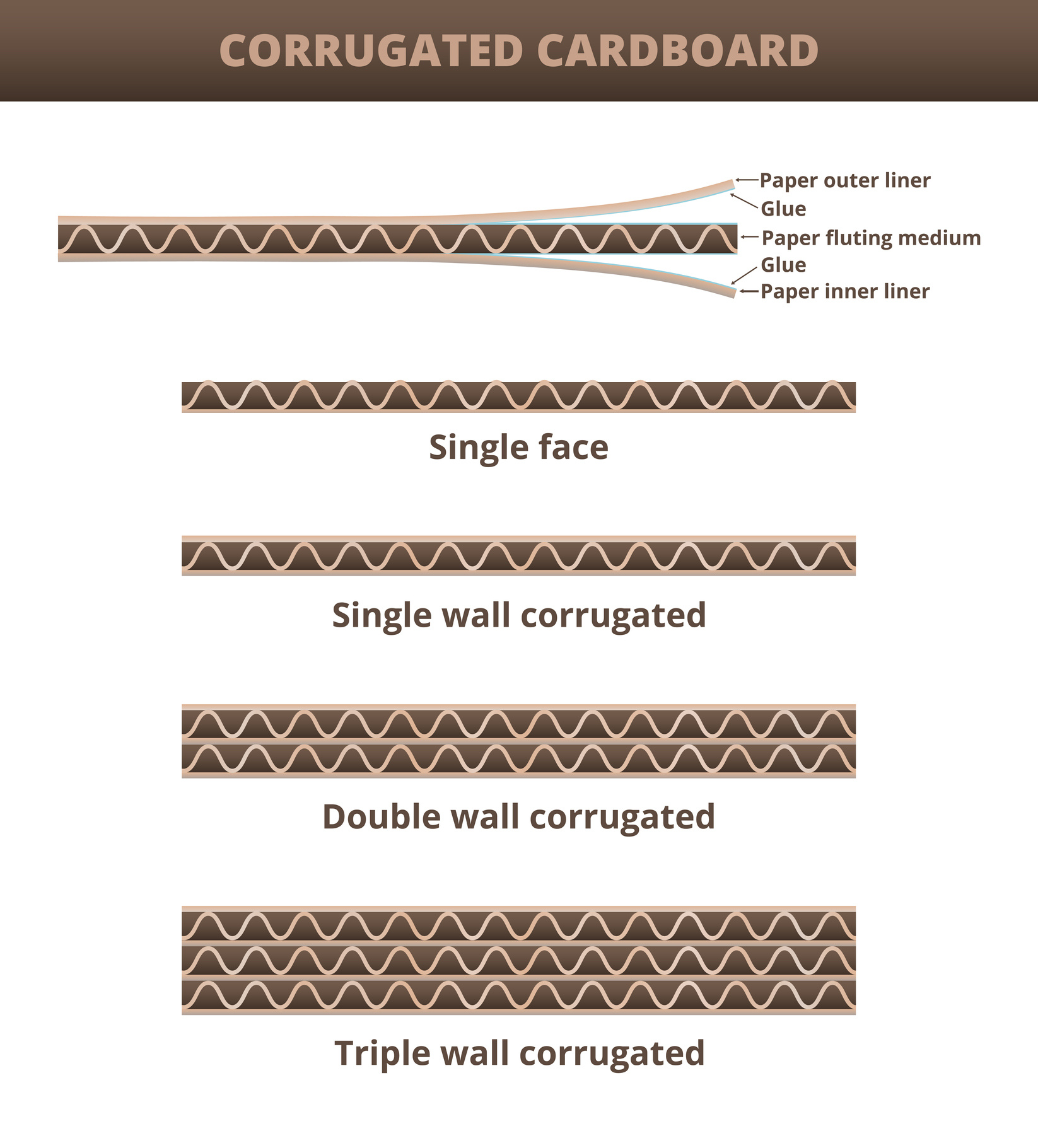
Why Board Grade Selection Matters In today’s volatile supply chain environment, packaging failures aren’t just a nuisance—they’re a liability. Damage in transit, product returns, and load instability all lead back to one foundational element: board grade. Whether you’re shipping across the country or staging products for long-term storage, the right corrugated board strength directly impacts product integrity, compliance, and bottom-line efficiency. Understanding Board Grade Classifications Corrugated board grade is defined by its burst strength (measured in pounds), edge crush test (ECT) rating, or basis weight in pounds per 1,000 square feet. The two most common standards: Mullen Test (Burst Strength): Measures resistance to puncture or rupture under pressure (e.g., 200#). Edge Crush Test (ECT): Measures stacking strength and compression resistance along the edge (e.g., 32 ECT). Higher board grades offer greater durability but come at a cost—so matching board performance to supply chain risk is key. How Board Grade Supports Supply Chain Resilience ✔ Reduces Transit DamageHeavier board grades (like 44 ECT or 275#) are essential for heavier items or mixed-pallet shipping. They prevent crushing under load and protect high-value products from collapse or impact. ✔ Improves Stacking StabilityIf your supply chain includes warehousing, transloading, or racking, poor stacking strength leads to bottom-box failures. ECT-rated boxes offer predictable stacking loads, enabling more reliable palletization strategies. ✔ Adapts to Environmental StressorsIn humid or high-temperature zones, lower-quality board can warp or delaminate. Upgrading to moisture-resistant coatings or wax-treated grades extends package integrity in unpredictable conditions. ✔ Meets Carrier and Retailer ComplianceMajor carriers and retailers (e.g., Amazon, Walmart) often require packaging that meets minimum board grade thresholds for specific product categories. Failing to comply can result in chargebacks or denied loads. Matching Board Grade to Application Lightweight Goods (<30 lbs): 32 ECT or 200# is often sufficient for controlled distribution. Midweight/Stacked Goods (30–65 lbs): 44 ECT or 275# single-wall offers better stability. Heavy or Fragile Items: 48 ECT+, 350# double-wall, or even triple-wall is standard for machinery, appliances, or multi-SKU master packs. Export Shipments: Double-wall with moisture resistance is critical for sea containers and extended transit. Why Resilience Now Means Cost Efficiency Later Skimping on board grade may reduce material costs short-term, but it increases risks throughout the supply chain: Higher damage rates Increased return logistics More manual rework at DCs Lower pallet efficiency By engineering packaging with the right board spec, brands can build flexibility into distribution—whether absorbing shock during LTL shipping or maintaining load stability during storage. Final Thoughts Your corrugated board grade isn’t just a spec—it’s a strategic decision that drives supply chain resilience. From minimizing product loss to meeting compliance and stacking standards, choosing the right board means fewer disruptions and greater operational continuity. At Brown Packaging, we help businesses select, test, and implement the right corrugated materials based on real-world demands. (714)300-0650 request@brownpackaging.com Most Recent Posts: Categories: Corrugated Ecommerce ESD Design Display Flexible Packaging Foam Folding Carton Packaging Plastic Packaging Pouch Printing Protection Retail Rigid Box Thermoform Sustainability Subscribe To Our Newsletter By submitting your information, you agree to our terms and conditions and privacy policy. Custom Corrugated Boxes Facebook Twitter LinkedIn Pinterest Relevant Posts

Why Holiday Fulfillment Demands Precision The holiday season introduces a unique set of pressures across the packaging and supply chain landscape—especially for businesses managing kitting, packouts, display builds, or co-packing services. Between condensed retail calendars, last-minute promotional pushes, and compressed logistics windows, fulfillment must shift from a support function to a strategic asset. For manufacturers, brand owners, and retailers, the ability to deliver complete, shelf-ready packaging at scale is the difference between capturing seasonal revenue or missing key market opportunities. What makes this time so complex isn’t just volume—it’s configuration. Packaging fulfillment during the holidays often involves: Multi-SKU kitting (e.g., bundling accessories with electronics) Retail display assembly (quarter pallets, PDQs, club store displays) Gift pack co-packaging (personal care sets, food samplers) Custom print alignment across SKUs and inserts Retailer-specific compliance (labeling, orientation, EDI, GTIN/UPC) These tasks require a fulfillment partner that understands not just packaging mechanics, but retail logistics, promotional timing, and downstream handling constraints. Lead Time Compression and Q4 Logistics Constraints Planning for Q4 fulfillment can’t begin in Q4. By late September, most contract packagers and display fulfillment centers are already operating at or near capacity. Display board lead times stretch, labor is reallocated to high-volume clients, and transportation bottlenecks can ripple back through the supply chain. Businesses that haven’t secured fulfillment commitments by then risk: Extended production turnarounds Higher expedited freight costs Noncompliance with delivery windows Disruption to promotions tied to specific dates Early planning ensures access to labor, materials, and floor space—especially critical for labor-intensive programs that involve manual assembly, complex sequencing, or rigid retailer routing guides. Technical Considerations for Holiday Fulfillment Packaging To optimize fulfillment packaging during peak season, businesses should evaluate technical performance across multiple areas: Packout efficiency: Design kits and displays with fulfillment-friendly construction (e.g., quick-fold cartons, drop-in inserts, common dimensions) Structural compatibility: Ensure inner packs, cartons, and trays can be packed quickly and securely without secondary rework Barcode and label clarity: Use pre-applied or inline printed labels for traceability, GTIN compliance, and retailer scan accuracy Shipping durability: Account for stacking, vibration, and mixed-freight environments to avoid rework due to damage in transit Vendor-managed inventory (VMI) compatibility: If operating under VMI or JIT models, ensure real-time fulfillment visibility and flexibility The more technical precision built into the packaging, the less risk of costly repackaging, returns, or retail chargebacks during peak execution. The Value of Full-Service Fulfillment Partners Choosing a fulfillment partner who understands packaging, logistics, and compliance is essential. Brown Packaging offers integrated services that support holiday programs from structural design to floor-ready delivery, including: Custom corrugated and display builds Kitting and assembly Retail-ready palletization Labeling and barcoding Inventory staging and JIT release Retailer routing and compliance By coordinating packaging execution with fulfillment from the start, brands can reduce lead times, avoid redundancies, and streamline promotional success. Final Takeaway Peak-season success isn’t about last-minute volume—it’s about early-stage precision. For any brand planning kitting, co-packing, or holiday display builds, the time to secure capacity, align specifications, and test packaging formats is now. By partnering with a fulfillment expert who understands the entire packaging lifecycle, you position your business to deliver seamlessly under pressure—while your competitors scramble to catch up. Need holiday fulfillment support? Brown Packaging provides technical design, fulfillment coordination, and logistics solutions that scale. Let’s plan early and deliver with confidence. (714)300-0650 request@brownpackaging.com Most Recent Posts: Categories: Corrugated Ecommerce ESD Design Display Flexible Packaging Foam Folding Carton Packaging Plastic Packaging Pouch Printing Protection Retail Rigid Box Thermoform Sustainability Subscribe To Our Newsletter By submitting your information, you agree to our terms and conditions and privacy policy. Custom Packaging Facebook Twitter LinkedIn Pinterest Relevant Posts

Why Custom Corrugated Boxes Remain a 2026 Essential Custom corrugated boxes continue to be the most relied-on packaging solution for industries ranging from industrial manufacturing to ecommerce. But in 2026, the focus is shifting from basic box customization to engineered performance, material precision, and automation-ready design. Buyers are no longer just sourcing packaging—they’re optimizing it for speed, cost, and product protection. Whether you’re buying corrugated boxes for shipping, retail display, or product kitting, here’s what to expect this year. Structural Design Is Driving the New Definition of Custom In 2026, “custom corrugated packaging” means more than just size and print—it’s about functional structure. Businesses are prioritizing right-size engineering to cut down on void fill, improve stacking, and reduce damage Popular designs like multi-depth RSCs, auto-lock bottoms, and dual-SKU shipper trays are growing Custom inserts and internal supports are being integrated into the box structure itself—not as separate packaging steps If you’re shipping high-value or odd-shaped products, expect 2026 solutions to emphasize built-in protection and packaging efficiency. Corrugated Material Selection Is More Technical Than Ever Rising board costs and stricter sustainability requirements are reshaping how materials are specified. Clients are now choosing corrugated by ECT, puncture rating, and flute profile, not just by thickness Recycled and virgin content blends are being optimized based on weight, moisture exposure, and destination Lighter-weight corrugated is being reinforced through design (edge wraps, folded ribs, etc.), not just thicker walls This year, your corrugated box’s performance will come more from material science + structure than brute strength. Automation Compatibility Is a Procurement Priority Packaging that doesn’t run smoothly on automated lines is a liability. In 2026: Buyers are demanding machine-compatible corrugated formats, with tolerances that support automated erecting, loading, and sealing Expect growth in auto-bottom boxes, precise glue flap alignment, and barcode-friendly panel design Custom boxes are being designed in tandem with fulfillment processes—not retrofitted afterward For high-volume shippers, compatibility with WMS and automation systems is now a core spec—not an afterthought. Custom Corrugated Boxes Are Becoming Data-Driven Sustainability Tools 2026 sustainability goals are technical, not theoretical. Corrugated boxes are being selected for FSC or SFI certification, recyclability scores, and regional sourcing proximity Life cycle assessment (LCA) data is being requested by major retailers and procurement teams Minimalist branding, lighter flutes, and efficient structural design are all being used to cut carbon, not just cost Sustainability is part of how your box is measured—so make sure it’s part of how it’s designed. Built-In Branding, Not Just Printed Logos While most custom corrugated boxes—especially RSC formats—still use single-color flexo print, more are evolving to support multi-SKU visibility, inventory control, and regulated handling. Expect wider use of label panels, QR codes, and internal printing for ease of returns and fulfillment High-end retail corrugated (especially for appliances or electronics) will see more use of digital or lithographic labels Structural design now plays a role in branding—form, function, and fit are part of how buyers perceive value Your corrugated box is part of the product experience, even if it’s headed for a warehouse—not a retail shelf. Conclusion: Corrugated in 2026 Is a Strategic Advantage If you’re still buying boxes by the spec sheet, you’re missing opportunities to improve speed, reduce damage, and increase operational efficiency. In 2026, custom corrugated boxes are no longer just a container—they’re part of your business infrastructure. Whether you’re focused on industrial logistics, subscription fulfillment, or protecting high-value goods, now is the time to reassess your packaging. Brown Packaging helps brands design fully customized corrugated solutions that align with your cost targets, sustainability goals, and logistics requirements. (714)300-0650 request@brownpackaging.com Most Recent Posts: Categories: Corrugated Ecommerce ESD Design Display Flexible Packaging Foam Folding Carton Packaging Plastic Packaging Pouch Printing Protection Retail Rigid Box Thermoform Sustainability Subscribe To Our Newsletter By submitting your information, you agree to our terms and conditions and privacy policy. Custom Corrugated Boxes Facebook Twitter LinkedIn Pinterest Relevant Posts

Why Co-Packaging Becomes Critical During the Holidays As the holiday season approaches, packaging teams are under pressure to deliver high volumes of promotional sets, combo packs, seasonal SKUs, and display-ready units—all with strict deadlines and compliance requirements. Co-packaging is the behind-the-scenes process that brings these programs together. It involves the final assembly, labeling, and packing of finished products into retail or shipping units, often across multiple components or brands. During Q4, co-packaging isn’t just a convenience—it’s a strategic necessity. With limited time, increased SKU complexity, and fluctuating demand, outsourcing to a co-packer helps brands stay agile, reduce bottlenecks, and scale without sacrificing quality. It’s especially useful for: Gift-ready promotional kits Seasonal value packs or multipacks Retail displays pre-packed by store or region Assortments containing items from different suppliers Key Benefits of Holiday Co-Packaging Speed and Flexibility Co-packaging facilities are built for speed—capable of packing thousands of units per shift with rapid line changeovers. This allows you to adapt to late-breaking promos, changes in retailer demand, or packaging redesigns without derailing timelines. Scalable Labor & Equipment Rather than trying to stretch internal resources, you gain access to skilled labor, specialized automation (e.g., shrink tunnels, labeling machines), and the space to stage components and manage multi-SKU builds. Custom Assembly with Quality Control Whether assembling mixed bundles, adding branded sleeves, or applying tamper-evident features, trained teams ensure every unit meets specifications. This reduces repacks, chargebacks, and inconsistent customer experiences. Retail & E-Commerce Compliance From shelf-ready trays to e-commerce unboxing kits, co-packers handle labeling, bundling, and pallet configuration to meet strict retailer requirements—critical for holiday compliance. What to Plan Ahead for Holiday Co-Packing To avoid missed windows, brands should lock in co-packing programs by late summer. Lead times can shrink rapidly as more brands compete for space. When planning holiday co-packing: Forecast volumes and timelines clearly Co-packers need visibility into SKU counts, component arrival dates, and packout quantities. Define packaging specifications early Finalize custom cartons, sleeves, and inserts with enough buffer to accommodate production and delivery. Group projects by fulfillment destination Packaging specs may vary depending on whether goods go to retailers, distributors, or DTC fulfillment centers. Coordinate inbound shipments tightly Co-pack success depends on having all components—packaging, product, inserts—arrive on time. How Brown Packaging Helps Brands Execute Holiday Co-Packing Brown Packaging offers end-to-end co-packaging support, including: Sourcing and supplying structural packaging components (RSC boxes, cartons, inserts, trays) Custom kitting, labeling, and multi-SKU packout Display assembly and palletization for retail-ready programs Compliance checks for shipping, handling, and storage Integrated supply chain coordination with your vendors and 3PLs Whether you’re packaging 10,000 units for a national retail promotion or 2,500 custom e-commerce bundles, we help streamline every touchpoint from box design to packed pallet. Final Takeaway The holiday season is no time to gamble with last-minute fulfillment or overloaded internal teams. Co-packaging enables scale, speed, and brand consistency—all while letting your core team stay focused on strategy and growth. But capacity fills fast—start now to ensure your holiday campaigns stay on track. Need co-packing support for the holidays? Let’s build your program together—contact Brown Packaging today. (714)300-0650 request@brownpackaging.com Most Recent Posts: Categories: Corrugated Ecommerce ESD Design Display Flexible Packaging Foam Folding Carton Packaging Plastic Packaging Pouch Printing Protection Retail Rigid Box Thermoform Sustainability Subscribe To Our Newsletter By submitting your information, you agree to our terms and conditions and privacy policy. Custom Packaging Facebook Twitter LinkedIn Pinterest Relevant Posts

Holiday demand starts long before December. So should your packaging. For B2B and D2C brands alike, Q4 is the most critical—and most chaotic—shipping window of the year. Lead times stretch. Material availability tightens. Freight costs spike. And late packaging decisions almost always translate to missed revenue. The summer months are your opportunity to lock in inventory, fine-tune designs, and ensure packaging won’t be the reason you fall behind when holiday orders start flooding in. Production and Lead Times Are Already Under Pressure Holiday packaging needs to be ordered, produced, and delivered well before peak season begins. But many businesses underestimate just how early they need to act. Custom corrugated orders can carry lead times of 6–8 weeks by late summer, with delays compounding as demand surges across print vendors, die cutters, and fulfillment partners. Waiting until September or October often means settling for compromises in design, quality, or cost. Early preparation lets you finalize specs while lead times are shorter and production capacity is still available. Whether you’re running custom-printed RSCs, branded folding cartons, or seasonal POP displays, June–August is the window for stress-free production. Design Revisions Take Time—Don’t Rush Them Holiday campaigns usually require refreshed branding, new inserts, or modified packaging configurations to accommodate limited-time products or bundles. But packaging design is a technical process. Structural testing, prototyping, dieline creation, and regulatory compliance all require coordination—and last-minute updates can introduce unnecessary risks. Summer is the time to work through revisions carefully. It ensures you don’t rush through decisions that impact protection, retail appeal, or brand perception when it matters most. Lock in Materials Before Seasonal Shortages Hit Packaging material supply is cyclical. By fall, board mills and film suppliers prioritize large Q4 contracts, often pushing out smaller runs or limiting availability of specific substrates and coatings. In 2023, certain grades of white corrugated and foil-lined board were backordered for weeks by early October. When you plan in summer, you avoid price hikes and limited availability. You also give your packaging partner time to source cost-effective materials with enough buffer to meet demand. Peak Shipping Costs Can Be Reduced with Smart Packaging Smart packaging design finalized early can help you avoid excess freight charges later. Optimizing box dimensions, reducing cube size, and minimizing overpackaging helps reduce parcel volume and weight—which directly translates to savings during the holiday shipping crunch. Start those conversations in summer, and you’ll have time to test structural changes and confirm compatibility with carriers before rates spike in Q4. Final Takeaway: Summer Planning Is a Competitive Advantage If you want to avoid rush fees, stockouts, design errors, and missed retail windows, start your packaging preparation now. Whether you need custom printed corrugated boxes, retail-ready displays, or e-commerce inserts, the businesses that act in Q3 are the ones best positioned to capitalize in Q4. Need help getting ahead of the holiday packaging curve? Contact Brown Packaging to start planning your seasonal packaging strategy today. (714)300-0650 request@brownpackaging.com Most Recent Posts: Categories: Corrugated Ecommerce ESD Design Display Flexible Packaging Foam Folding Carton Packaging Plastic Packaging Pouch Printing Protection Retail Rigid Box Thermoform Sustainability Subscribe To Our Newsletter By submitting your information, you agree to our terms and conditions and privacy policy. Custom Packaging Facebook Twitter LinkedIn Pinterest Relevant Posts

The Challenge of Multi-SKU Holiday Programs During the holiday season, brands often shift from selling single products to curated sets, bundled assortments, and promotional kits—each combining multiple SKUs into one sellable unit. This strategy boosts perceived value, enables cross-selling, and aligns with gift-buying behaviors across retail and e-commerce. But while multi-SKU kits may look polished on shelves or in unboxing videos, behind the scenes they demand precision planning and execution. For packaging managers, the holiday period brings tighter timelines and higher volumes—but also greater SKU complexity. That means more: Coordinated inventory requirements Custom inserts and structural builds Labeling and tracking of subcomponents Retail compliance across kit formats Without an experienced kitting strategy in place, small errors can ripple across thousands of units—leading to delays, rework, or even chargebacks. Key Elements of Successful Holiday Multi-SKU Kitting Whether you’re packaging electronics with accessories, pairing skincare SKUs into gift sets, or bundling tools and manuals for a new product launch, each element of the kit must be accounted for both functionally and visually. Successful multi-SKU holiday kitting requires: Structural Design for Multi-Component Fit Die-cut corrugated inserts, folding cartons, and rigid partitions help hold items in place and prevent shifting. Components must remain secure in transit, but also present well when opened. Accurate SKU Mapping and Inventory Coordination Kits should be mapped with exact SKU usage to avoid over/understocking individual items. Version control is also key—especially for products with seasonal variants. Efficient Line Setup for Packout The kitting process should minimize touchpoints. That means smart workstation layout, batching logic, and easy identification of each component using barcodes or pre-sorted totes. Retail & E-Commerce Compliance Holiday kits often go to big-box, online, and regional retailers—each with different compliance rules for outer labeling, pallet configuration, and product orientation. Why Early Planning for Multi-SKU Kitting Matters Lead time compression is the biggest enemy of multi-SKU kitting during the holidays. The more SKUs in a kit, the more touchpoints and chances for delay—especially if custom components like printed cartons or foam inserts are involved. Waiting until Q4 to finalize packaging or book kitting services leads to: Backordered components Limited fulfillment labor Higher expedited costs Reduced flexibility for promotional changes Brands that succeed in holiday kitting begin planning by mid-to-late summer, allowing time for design revisions, sample approvals, and fulfillment reservations. How Brown Packaging Supports Multi-SKU Kitting We support clients through every stage of holiday kitting, offering: Packaging design for organized, protective multi-item kits Sourcing and production of custom inserts, trays, folding cartons, and RSC boxes In-house or partnered kitting, co-packing, and display assembly Inventory tracking and labeling per SKU, batch, and destination Retail and e-commerce fulfillment with routing compliance Whether it’s 500 units or 50,000+, our kitting process is built to handle high volume without compromising on quality, speed, or accuracy. Final Takeaway Multi-SKU kits are one of the most powerful tools for driving holiday sales—but they’re also among the most operationally demanding. From packaging configuration to inventory planning and fulfillment, every element needs to work in sync. The earlier you begin, the smoother your holiday programs will run. Let’s get your holiday kits right—start the conversation with Brown Packaging today. (714)300-0650 request@brownpackaging.com Most Recent Posts: Categories: Corrugated Ecommerce ESD Design Display Flexible Packaging Foam Folding Carton Packaging Plastic Packaging Pouch Printing Protection Retail Rigid Box Thermoform Sustainability Subscribe To Our Newsletter By submitting your information, you agree to our terms and conditions and privacy policy. Custom Packaging Facebook Twitter LinkedIn Pinterest Relevant Posts

Rigid boxes are the gold standard of premium packaging. Whether used for cosmetics, electronics, fashion, or high-end subscription kits, rigid boxes do more than protect your product—they create a lasting brand experience from the moment they’re opened. Here are the 9 most popular luxury features that elevate rigid box packaging and help brands stand out. Magnetic Closures A magnetic flap provides a smooth, satisfying opening experience and a sleek finish. It reinforces quality while offering functional security, commonly seen in beauty kits, tech packaging, and luxury gift sets. ✔ Clean, modern aesthetic ✔ Adds perceived value ✔ Easy for repeated opening and closing Custom Inserts Custom-cut inserts made from foam, chipboard, or thermoform plastic keep products secure, organized, and beautifully presented. They protect during shipping and add structure inside the box. ✔ Product protection with precision ✔ Enhances unboxing experience ✔ Reinforces product value and care Soft-Touch Finishes This premium matte coating adds a velvety, upscale texture to the surface of the box, often used in high-end minimalist packaging. ✔ Sophisticated feel ✔ Pairs well with foil or spot UV ✔ Encourages tactile engagement Embossing & Debossing Embossing raises elements like logos or patterns, while debossing presses them in. Both add texture, contrast, and elegance to your packaging. ✔ Elevates brand identity ✔ Adds depth and dimension ✔ Perfect for logo treatments or special accents Foil Stamping A favorite in luxury packaging, foil stamping applies metallic shine to logos, text, or design elements. Popular foil colors include gold, silver, copper, and rose gold. ✔ Instantly communicates premium quality ✔ Draws attention to key visuals ✔ Common in cosmetics, spirits, and premium retail Ribbon Pulls or Fabric Handles Add a layer of refinement with ribbon pulls or woven handles. They improve function while reinforcing a soft, giftable feel. ✔ Invites interaction ✔ Enhances presentation ✔ Adds softness and charm Hidden Compartments or Dual Layers Add intrigue and functionality with a multi-layer structure or secret compartment inside the box—great for curated sets or sample bundles. ✔ Creates discovery moments ✔ Encourages deeper engagement ✔ Boosts perceived value Full Interior Printing The inside of the box is a powerful branding space. Custom interior printing can feature messaging, design accents, or even surprise graphics. ✔ Extends branding beyond the exterior ✔ Adds polish and surprise ✔ Encourages unboxing shares on social media Unique Structural Designs Innovative formats like drawer boxes, book-style closures, or hinged lids make the box itself part of the product story. ✔ Distinctive and memorable ✔ Supports retail display appeal ✔ Perfect for high-end kits and influencer boxes Final Thoughts Luxury is in the details. These nine features take rigid box packaging from standard to unforgettable—delivering not just a product, but an experience. Whether you use one or combine several, these enhancements can elevate your packaging and strengthen your brand image. Need help building a rigid box that delivers luxury and functionality? We’ll help you bring together the right structure, materials, and finishes to match your product and market goals. (714)300-0650 request@brownpackaging.com Most Recent Posts: Categories: Corrugated Ecommerce ESD Design Display Flexible Packaging Foam Folding Carton Packaging Plastic Packaging Pouch Printing Protection Retail Rigid Box Thermoform Sustainability Subscribe To Our Newsletter By submitting your information, you agree to our terms and conditions and privacy policy. Rigid Boxes Facebook Twitter LinkedIn Pinterest Relevant Posts

Understanding One-Piece FOL and Three-Piece Bike Shipping Boxes Choosing the right box style is essential when shipping bicycles—especially for brands, manufacturers, and distributors focused on protection, cost efficiency, and streamlined logistics. Two commonly used formats are the Full Overlap (FOL) one-piece box and the three-piece bike box. Each has distinct structural advantages depending on the bike type, destination, and handling environment. What Is a Full Overlap (FOL) Bike Shipping Box? A Full Overlap (FOL) box is a one-piece corrugated shipping box where the top and bottom flaps fully overlap each other when closed. This design is especially valuable for long or narrow products like bikes. Benefits include: Strong Compression Resistance – The full overlapping flaps provide double-layered protection on the top and bottom panels. Simplified Handling and Assembly – Arrives as a single piece and requires only folding and taping, making it efficient for production lines. Cost-Effective for Standard Shipments – Fewer components and straightforward manufacturing keep material and labor costs low. Ideal for Flat-Pack or Dismantled Bikes – Works well for partially disassembled bikes with adequate internal protection. What Is a Three-Piece Bike Shipping Box? A three-piece box includes a base, a lid, and a center sleeve that wraps vertically around the bike. This structure is often used for premium or specialty bikes that require enhanced protection. Key advantages: Superior Durability and Protection – Multiple corrugated layers absorb impact, stacking pressure, and long-haul wear. Height Flexibility – The sleeve allows the box height to adjust to fit different bike sizes or accessory configurations. Excellent for Fragile or High-Value Bikes – Ideal for electric bikes, luxury models, or international shipments where added security is crucial. Enhanced Brand Presentation – The modular design offers more surface area and structural options for branded unboxing experiences. FOL vs. Three-Piece: Key Differences Feature FOL (One-Piece) Box Three-Piece Box Components Single box with overlapping flaps Base + Lid + Sleeve Protection Level Moderate – suitable for standard use High – layered protection for fragile items Assembly Fast, efficient Requires more steps and alignment Material Usage Less – more cost-efficient More – adds reinforcement and dimensional control Best For Flat-packed bikes, short-distance High-end bikes, eBikes, or global distribution Which Bike Shipping Box Is Right for Your Business? The decision depends on your bike model, packaging workflow, and shipping conditions: Use an FOL box when speed, simplicity, and cost efficiency are priorities—especially for standard bikes with proper internal bracing. Choose a three-piece box when your product demands premium protection, flexible sizing, or is headed to distant or high-risk destinations. Custom Structural Packaging for Bikes Both FOL and three-piece bike boxes can be optimized with: Die-cut inserts or partitions for immobilizing frames and wheels Branded folding cartons for manuals, tools, or accessories Foam, corrugated, or molded trays for secure internal protection Print-ready panels for logos, instructions, or compliance labels Looking for a purpose-built solution? Brown Packaging can help you engineer a custom structure that ensures protection, efficiency, and brand value. (714)300-0650 request@brownpackaging.com Most Recent Posts: Categories: Corrugated Ecommerce ESD Design Display Flexible Packaging Foam Folding Carton Packaging Plastic Packaging Pouch Printing Protection Retail Rigid Box Thermoform Sustainability Subscribe To Our Newsletter By submitting your information, you agree to our terms and conditions and privacy policy. Bike Packaging Facebook Twitter LinkedIn Pinterest Relevant Posts

Corrugated boxes are essential to shipping, retail, and e-commerce—but when you introduce custom printing, the stakes (and the opportunities) rise. Print isn’t just about looks—it’s about communication, branding, compliance, and customer experience. Whether you’re designing a basic shipper or a bold, shelf-ready display, printing smart can save money and elevate your packaging. Here are 12 essential print tips to help buyers make informed decisions when sourcing printed corrugated boxes. Start With Purpose Before Design Are you trying to impress in-store, create a branded unboxing experience, or simply add a logo to a shipper? Your goal will determine how much print you need—and which method is best. Know the Three Main Print Methods Flexographic (Flexo): Cost-effective for simple graphics and large runs Digital: Great for short runs, versioning, or quick turnarounds Litho (Litho-Label): High-end graphics mounted to the box for premium results Choose based on your volume, detail level, and budget. Understand Your Print Surface Corrugated comes in kraft (brown) and white surfaces. White gives better color accuracy Kraft offers an organic, eco-conscious look Your surface will affect how your design prints—especially with flexo. Keep Artwork Simple for Flexo Flexo printing uses plates and works best with limited colors, bold text, and clean logos. Avoid gradients, fine details, or small fonts unless you’re going digital or litho. Use Vector Files and High-Res Assets Always supply artwork in vector format (AI, EPS, or PDF) for scalability and sharp print. Images should be 300 DPI or higher. Low-res files can distort or blur during printing. Design Around the Dieline Your design should be laid out directly on the box dieline. This ensures correct placement of logos, cut lines, folds, and glue areas—so nothing important gets trimmed or hidden. Limit Ink Coverage to Reduce Cost Full-coverage ink areas (flood coats) require more material and setup. Consider printing only on key panels or using the box’s natural color to create contrast and cut costs. Test Color on Corrugated First Colors will appear differently on kraft vs. white corrugated and on different print methods. Always ask for a sample or press proof to verify color before production. Use Pantone Colors (When Needed) For brand consistency, especially with logos or specific brand colors, use Pantone Matching System (PMS) inks instead of CMYK—especially in flexo. Balance Design with Function Your print layout should enhance the box, not interfere with it. Avoid placing fine graphics near flaps, folds, or high-stress areas where cracking or misalignment can occur. Consider Print Inside the Box Want to wow customers or reinforce your brand? Add inside print for messaging, graphics, or product instructions. It adds impact—especially for e-commerce or subscription boxes. Always Review a Physical Proof (If Possible) Before full production, ask for a printed sample or digital proof to catch any errors in layout, registration, or color. This step can save time, cost, and frustration down the line. Final Thoughts Printing on corrugated boxes adds incredible value—but only if it’s done right. From selecting the right method to preparing artwork properly, these print tips help ensure your packaging performs as well as it looks. Need guidance on printed corrugated boxes? We’ll help you choose the best structure, material, and print approach to match your goals and your brand. (714)300-0650 request@brownpackaging.com Most Recent Posts: Categories: Corrugated Ecommerce ESD Design Display Flexible Packaging Foam Folding Carton Packaging Plastic Packaging Pouch Printing Protection Retail Rigid Box Thermoform Sustainability Subscribe To Our Newsletter By submitting your information, you agree to our terms and conditions and privacy policy. Custom Packaging Facebook Twitter LinkedIn Pinterest Relevant Posts

When it comes to shipping bikes, selecting the right type of corrugated box is essential to ensure product protection, ease of handling, and cost efficiency. Two of the most common packaging styles for bicycles are two-piece and three-piece bike boxes, each offering unique benefits depending on shipping requirements and handling preferences. Below, we compare the differences to help determine which option is best suited for your needs. What is a Two-Piece Bike Shipping Box? A two-piece bike box consists of a base and a lid, designed to securely enclose the bike with a snug fit. This structure provides: Easy Access & Assembly – The bike can be placed in the bottom half of the box, and the top half easily covers it, making packaging and unpackaging simple. Strong Structural Support – With a well-designed fit, these boxes reduce movement inside, offering better stability during transit. More Compact & Efficient – Since it consists of only two parts, it requires fewer materials, making it a cost-effective solution for standard bike shipping. Best for Pre-Assembled or Partially Assembled Bikes – Ideal for retail-ready shipments, allowing bikes to be securely packed and ready for quick assembly by the end user. What is a Three-Piece Bike Shipping Box? A three-piece bike box includes a base, lid, and an additional sleeve that wraps around the bike, offering enhanced adjustability and protection. This design provides: Enhanced Protection & Customization – The sleeve allows for better compression resistance and added durability, reducing the risk of damage. Adjustable Height for Different Bike Sizes – The sleeve can expand or contract, accommodating various bike dimensions without needing separate box sizes. Increased Stability for Long-Distance Shipping – Extra layers of corrugated board help protect the bike from external impacts, stacking pressure, and handling wear. Ideal for High-End or Specialty Bikes – Often used for luxury, electric, or performance bikes, where additional reinforcement is necessary. Key Differences Between Two-Piece and Three-Piece Bike Boxes Feature Two-Piece Box Three-Piece Box Components Base + Lid Base + Lid + Sleeve Protection Level Standard – Good for general shipping High – Ideal for fragile or premium bikes Assembly Quick and simple Requires extra steps but offers better adjustability Material Usage Less material – more cost-effective More material – extra durability and protection Best For Standard bikes, eCommerce, retail shipments High-end, electric, or international bike shipments Which Bike Shipping Box is Right for You? The choice between a two-piece and three-piece bike box depends on your shipping conditions, bike type, and budget: Choose a Two-Piece Box if you need a cost-effective, easy-to-assemble solution for standard bike shipping. Opt for a Three-Piece Box if you require added protection, flexibility in sizing, and superior durability for long-haul or high-value shipments. Custom Solutions for Bike Packaging Both two-piece and three-piece bike boxes can be customized with reinforced inserts, foam padding, printed branding, and special coatings to enhance protection and brand visibility. If you’re unsure which option suits your needs, our team can help design a custom packaging solution tailored to your specific bike shipping requirements. Contact Brown Packaging today to find the perfect bike shipping box for your business! (714)300-0650 request@brownpackaging.com Most Recent Posts: Categories: Corrugated Ecommerce ESD Design Display Flexible Packaging Foam Folding Carton Packaging Plastic Packaging Pouch Printing Protection Retail Rigid Box Thermoform Sustainability Subscribe To Our Newsletter By submitting your information, you agree to our terms and conditions and privacy policy. Bike Packaging Facebook Twitter LinkedIn Pinterest Relevant Posts

Before committing to a full production run, businesses often receive packaging samples to evaluate fit, functionality, print quality, and overall design. Whether it’s a digital sample (3D render) or a physical prototype, thoroughly assessing the sample ensures that the final packaging meets aesthetic, protective, and branding requirements. Evaluating a Digital Packaging Sample A digital sample, such as a 3D rendering or a dieline proof, is typically the first step in the approval process. It provides a visual representation of the packaging without producing a physical sample. What to Check in a Digital Sample: Structural Accuracy: Ensure the dieline dimensions match your specifications. Print & Branding Alignment: Confirm that logos, graphics, and text are correctly placed. Color Representation: Compare digital colors with your brand standards (note that digital colors may vary slightly from printed results). Typography & Readability: Check for font clarity, spacing, and legal text placement. Product Fit Estimation: Use the digital mockup to visualize how the product will fit inside the packaging. Next Steps for Digital Samples: Approve the design for a physical prototype if all elements look correct. Request modifications if there are misalignments, incorrect fonts, or sizing issues. Verify with a packaging expert to ensure compliance with industry regulations (especially for food, pharmaceuticals, or fragile products). Evaluating a Physical Packaging Sample Once the digital sample is approved, a physical prototype is produced. This allows for a hands-on review to confirm material quality, fit, and structural integrity. What to Check in a Physical Sample: Size & Fit: Ensure your product fits securely inside without excess movement. Material Durability: Assess the thickness, rigidity, and protective properties of the packaging. Printing & Finishing: Check for sharpness of logos, consistency of colors, and quality of coatings (matte, gloss, spot UV, etc.). Ease of Assembly: Verify that the packaging can be easily folded, sealed, or assembled as required. Structural Performance: Conduct drop tests, stacking tests, or compression tests if needed. Shipping & Storage Suitability: If your product requires long-distance shipping, assess whether additional protective inserts or reinforcements are needed. Next Steps for Physical Samples: Approve the sample for final production if all elements meet expectations. Request modifications if there are fit issues, material concerns, or branding inconsistencies. Test the sample in real-world conditions, such as placing it in a warehouse or shipping it to a test location. Making the Final Decision After evaluating the digital and physical samples, finalize your packaging decision by: Confirming with your team that the design meets branding, protection, and compliance requirements. Approving mass production once all issues are resolved. Coordinating with your supplier on lead times, material availability, and any final adjustments. Final Thoughts: Ensuring the Best Packaging for Your Product Receiving a packaging sample is a crucial step in avoiding costly mistakes and ensuring a seamless production process. By carefully evaluating both digital and physical samples, businesses can optimize product protection, branding impact, and customer experience. Need expert guidance in reviewing your packaging samples? Contact Brown Packaging today to ensure your final packaging is perfect before production! (714)300-0650 request@brownpackaging.com Most Recent Posts: Categories: Corrugated Ecommerce ESD Design Display Flexible Packaging Foam Folding Carton Packaging Plastic Packaging Pouch Printing Protection Retail Rigid Box Thermoform Sustainability Subscribe To Our Newsletter By submitting your information, you agree to our terms and conditions and privacy policy. Custom Packaging Facebook Twitter LinkedIn Pinterest Relevant Posts

Choosing the right corrugated box size is crucial for product protection, shipping efficiency, and cost savings. Whether you’re packing a single item or multiple products, knowing how much space you need inside the box ensures that products remain secure, undamaged, and optimized for storage and transportation. Step 1: Measure the Dimensions of Your Product(s) To determine how much space is required inside a corrugated box, start by measuring your product’s length, width, and height: Length: The longest side of the product. Width: The shorter side when placed flat. Height (Depth): The vertical measurement. For multiple products, consider how they will be arranged inside the box—whether stacked, side-by-side, or separated with inserts. Step 2: Add Space for Protection and Cushioning Corrugated boxes often require extra space to accommodate protective packaging materials like bubble wrap, foam inserts, or dividers. To ensure adequate protection: Add at least 1-2 inches around the product for cushioning. If using dividers for multiple items, consider the thickness of the divider material. For fragile items, factor in reinforced corners or inserts that prevent movement. Step 3: Determine the Optimal Box Style Different box styles offer varying levels of internal space efficiency. Common options include: Regular Slotted Container (RSC): Standard box with flaps for easy packing. Full Overlap Box: Adds extra strength for heavier products. Die-Cut Box: Custom-fitted designs for exact product sizing. Mailer Boxes: Compact and stylish for eCommerce shipments. Selecting the right style ensures that space is maximized while minimizing excess voids. Step 4: Consider Stacking and Shipping Constraints If your product needs to be stacked or palletized, box dimensions should align with standard pallet sizes to maximize storage efficiency. Additionally, consider: Weight distribution to prevent box crushing. Dimensional weight pricing from carriers like UPS and FedEx, where oversized boxes cost more to ship. Warehouse storage limitations for bulk packaging. Step 5: Test with a Sample Box Before committing to a final box size, order a prototype or sample box and perform a test fit. This helps verify: The fit and protection level of your product. Whether additional cushioning materials are needed. How easy the packaging is to assemble and seal. Final Thoughts: Optimizing Space in Your Corrugated Box Finding the right amount of space inside a corrugated box is a balance between product fit, protection, and shipping efficiency. By measuring accurately, accounting for protective materials, and testing with samples, businesses can reduce shipping costs, minimize damage, and improve packaging efficiency. Need help designing the perfect corrugated box for your products? Contact Brown Packaging today to find the best packaging solution for your needs! (714)300-0650 request@brownpackaging.com Most Recent Posts: Categories: Corrugated Ecommerce ESD Design Display Flexible Packaging Foam Folding Carton Packaging Plastic Packaging Pouch Printing Protection Retail Rigid Box Thermoform Sustainability Subscribe To Our Newsletter By submitting your information, you agree to our terms and conditions and privacy policy. Custom Corrugated Boxes Facebook Twitter LinkedIn Pinterest Relevant Posts

Medical device packaging plays a crucial role in protecting products, ensuring sterility, and enhancing user confidence. Beyond just functionality, packaging influences customer perception, which can directly impact a company’s reputation, product adoption, and market success. When customers—including hospitals, healthcare providers, and patients—receive a medical device, the first interaction is with the packaging, making it a critical factor in trust and credibility. How Packaging Affects Customer Perception Trust and Brand Credibility In the medical field, trust is paramount. Packaging that looks clean, professional, and tamper-proof reassures customers that the device inside is safe and high quality. Poorly designed or damaged packaging, on the other hand, can raise concerns about contamination or product reliability, negatively affecting customer confidence. Compliance and Safety Assurance Customers expect medical devices to meet strict regulatory standards for safety and sterility. Packaging that clearly displays compliance certifications (FDA, ISO, CE), expiration dates, and handling instructions reassures end-users that the product is reliable and meets industry standards. Conversely, unclear or missing information can create hesitation or even rejection of the product. Ease of Use and Accessibility Medical professionals and patients often interact with packaging in high-pressure environments, where ease of access is essential. Packaging should be intuitive, easy to open, and designed for quick, safe product retrieval. If packaging is difficult to open or use, it can lead to frustration, delays in treatment, or even damage to the device before use. Tamper Evidence and Product Integrity Medical device packaging must incorporate tamper-evident features to ensure product integrity. Seals, RFID tracking, and authentication labels help customers feel secure that the product hasn’t been compromised. If packaging appears tampered with or unsecure, it can result in returns, complaints, or loss of trust in the brand. Optimizing Medical Device Packaging for Positive Customer Perception To ensure packaging creates a strong, positive impression, companies should consider: High-quality materials that ensure product protection and sterility. Clear and concise labeling to provide essential information without clutter. User-friendly design for accessibility in both clinical and home settings. Tamper-proof features to prevent unauthorized access and enhance security. Final Thoughts: Why Packaging Perception Matters Customer perception of medical device packaging is as important as the device itself. Trust, safety, ease of use, and branding all play a role in how a product is received. Investing in high-quality, well-designed packaging not only ensures compliance but also enhances user confidence and strengthens brand reputation. Looking to improve your medical device packaging solutions? Contact Brown Packaging today for expert insights and customized packaging solutions that align with industry standards and customer expectations. (714)300-0650 request@brownpackaging.com Most Recent Posts: Categories: Corrugated Ecommerce ESD Design Display Flexible Packaging Foam Folding Carton Packaging Plastic Packaging Pouch Printing Protection Retail Rigid Box Thermoform Sustainability Subscribe To Our Newsletter By submitting your information, you agree to our terms and conditions and privacy policy. Medical Packaging Facebook Twitter LinkedIn Pinterest Relevant Posts