
window.uetq = window.uetq || []; window.uetq.push(‘event’, ‘submit_lead_form’,{ event_label:‘SUBMIT MESSAGE’ }); window.lintrk('track', { conversion_id: 10271009 }); window.lintrk('track', { conversion_id: 10271017 });

Creating a Sense of Urgency with POP Displays
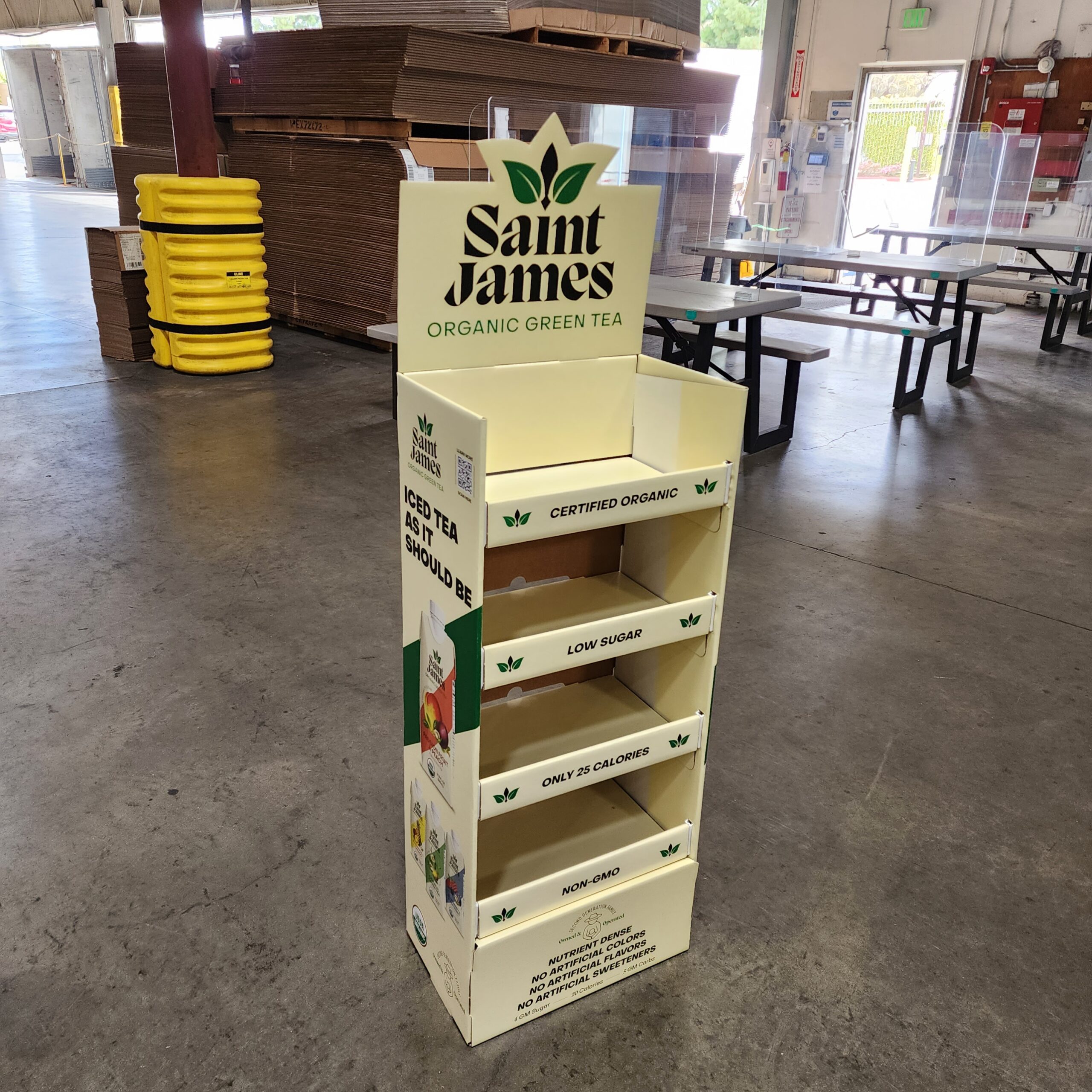
Custom Point of Purchase Displays

In the competitive retail landscape, creating a sense of urgency through Point of Purchase (POP) displays can significantly boost impulse buying and drive quick sales decisions. This blog explores effective strategies to harness the power of urgency in POP displays, helping retailers turn casual browsers into committed buyers.

Understanding the Psychology of Urgency

Urgency compels action. It taps into a consumer’s fear of missing out (FOMO) on a good deal, a new product, or a limited-time offer. The right use of urgency in a POP display can make the difference between a shopper walking by and one stopping to make a purchase. It’s about creating an irresistible offer that feels too good to pass up.

Key Strategies to Create Urgency

Limited-Time Offers

Highlighting that a special offer is available for a limited time is a classic and effective way to create urgency. Use countdown timers or dates clearly stating when the promotion ends. This can be particularly effective during holiday sales, back-to-school seasons, or any other time-sensitive shopping periods.

Limited Quantities Available

Displaying messages like “While Supplies Last” or “Limited Stock” can drive home the urgency of purchasing before it’s too late. This strategy works well for products known to be popular or for newly released items that are expected to sell out quickly.

Exclusive Products

Featuring products that are exclusive to your store or available only for a limited period can also create urgency. Shoppers are more likely to make on-the-spot purchases if they believe they’re getting something unique or hard to find elsewhere.

Flash Sales

Utilize POP displays to promote flash sales, where products are available at a discount for a short period. This not only creates urgency but also adds an element of excitement to the shopping experience.

Seasonal and Event-Driven Promotions

Aligning POP displays with ongoing events or seasons can leverage existing consumer excitement and a natural sense of urgency. For example, a POP display with a “Back to School Sale Ends Soon!” message during the late summer effectively targets parents and students looking to complete their shopping in time.

Design Elements That Enhance Urgency

Bold and Clear Messaging

Your urgency message should be the most prominent part of the display. Use large fonts, bold colors, and direct language to ensure the message is easily seen and understood from a distance.

Visual Cues

Use visual cues such as arrows or borders to draw attention directly to the urgency message. Bright colors like red or orange are often associated with urgency and can be very effective.

Strategic Placement

Place urgent POP displays at high-traffic areas or decision points within the store, such as near the checkout lanes or at the end of aisles. The more eyes on your urgent message, the better.

Use of Technology

Incorporating digital elements into your POP displays can make updating urgency messages more dynamic and timely. Digital screens can show changing countdowns, flash sale times, or instantly update stock levels to reflect scarcity.

How to Create Effective Bundles

Creating successful bundle packages requires careful planning and consideration. Here are some steps to guide you:

Understand Your Audience:

Start by understanding your target audience’s needs and preferences. What products or services are they likely to buy together? What problems can your bundles solve for them?

Choose Complementary Products:

Select products that naturally complement each other. They should enhance the value of the bundle and make sense to the customer. For example, a camera bundle could include lenses, a tripod, and a camera bag.

Pricing Strategy:

Determine the pricing strategy for your bundles. Typically, bundles are priced lower than the total cost of purchasing each item separately, offering customers a discount. However, ensure that your pricing still allows for a reasonable profit margin.

Packaging Design:

Invest in attractive and informative packaging design. The packaging should clearly communicate what’s included in the bundle and its value proposition. High-quality packaging enhances the perceived value of the bundle.

Marketing and Promotion:

Promote your bundles through various marketing channels, both online and offline. Highlight the benefits of purchasing the bundle, such as cost savings or convenience. Use visuals and descriptions that resonate with your target audience.

Monitor and Adjust:

Track the performance of your bundles. Analyze sales data, customer feedback, and return on investment. Make adjustments as needed to optimize your bundle offerings.

Conclusion

Creating a sense of urgency with POP displays is a potent strategy to accelerate decision-making and increase sales. By combining psychological triggers with strategic design and placement, retailers can effectively motivate customers to act quickly, increasing both customer engagement and profitability. Effective urgency strategies make the shopping experience exciting and rewarding, encouraging customers to make immediate purchases and potentially return for more.

If you are interested in POP displays, then partner with Brown Packaging today to get started.

Most Recent Posts:
Comparing Single vs. Multi-Material Packaging

Choosing the right packaging material is one of the most important decisions buyers face. Single-material packaging offers simplicity and recyclability, while multi-material designs provide enhanced performance and protection. Understanding the

Read More »
Categories:
Subscribe To Our Newsletter

By submitting your information, you agree to our terms and conditions and privacy policy.
Custom Printed Sachet With Counter Top Display
POP Display
Facebook
Twitter
LinkedIn
Pinterest
Relevant Posts
POP Display
Display
brownpackaging
Creating a POP Display: The Do’s and Dont’s for Success

A Point of Purchase (POP) display is a powerful marketing tool used by retailers and brands to attract customers’ attention, showcase products, and boost sales at the moment of decision-making. However, designing an effective POP display requires careful consideration and adherence to certain principles. In this comprehensive guide, we’ll explore the essential do’s and dont’s of creating a successful POP display. The Do’s of Creating a POP Display 1. Know Your Target Audience:Understand the preferences, interests, and buying behaviors of your target customers. Tailor your POP display to resonate with your audience. 2. Highlight Key Products:Focus on promoting a select few products rather than overwhelming customers with too many options. Highlighting specific items can lead to higher sales. 3. Eye-Catching Design:Invest in an attractive and visually appealing design. Use colors, graphics, and branding elements that align with your brand identity. 4. Simplicity:Keep the design simple and uncluttered. A cluttered display can confuse customers and discourage them from making a purchase. 5. Effective Signage:Use clear and concise signage to convey product information, benefits, and pricing. Ensure that signage is easy to read from a distance. 6. Product Accessibility:Arrange products in a way that encourages customers to interact with them. Allow for easy product access and handling. 7. Incorporate Branding:Reinforce your brand identity through consistent logo placement, color schemes, and messaging on the display. 8. Lighting:Consider using lighting to draw attention to your display. Well-placed lights can make products stand out and create a more inviting atmosphere. 9. Durability:Choose durable materials and construction for your POP display, especially if it will be placed in high-traffic areas. 10. Regular Maintenance:Ensure that your POP display is regularly maintained and refreshed. Replace damaged or worn-out elements promptly. Supplier Negotiation and Comparison Establishing a good relationship with suppliers can open the door to discounts, especially if your business is a repeat customer. Don’t hesitate to negotiate prices or ask for special deals. Additionally, regularly comparing prices from different suppliers can uncover more competitive rates or better terms. Keep in mind that the cheapest option is not always the best choice if it compromises box quality, which can lead to product damage and higher costs in the long run. The Don’ts of Creating a POP Display 1. Overcrowding:Avoid overcrowding the display with too many products or excessive signage. Clutter can deter customers. 2. Complex Messaging:Keep your messaging simple and straightforward. Avoid using technical jargon or overly complicated language. 3. Ignoring Placement:Consider the location of your POP display within the store. Don’t place it in an area with poor visibility or low foot traffic. 4. Lack of Clarity:Don’t leave customers guessing about product details or pricing. Make sure all essential information is clearly displayed. 5. Inconsistent Branding:Maintain consistency in branding elements. Avoid using conflicting colors, fonts, or logos that can confuse customers. 6. Neglecting Maintenance:Neglecting the maintenance of your display can lead to a negative impression. Regularly check for damage or wear and tear. 7. Disregarding Feedback:Don’t ignore customer feedback or sales data. Use insights to make improvements to your POP display strategy. 8. Not Testing:Don’t skip the testing phase. Before deploying your display, conduct test runs to ensure it’s visually appealing and functional. 9. Ignoring Trends:Stay updated with current design and retail trends. An outdated or out-of-touch display can deter customers. 10. Lack of Flexibility:Ensure that your POP display can be adapted to changing needs or promotions. A rigid design can limit its effectiveness. Conclusion Creating a successful POP display requires careful planning and adherence to best practices. By knowing your audience, highlighting key products, focusing on design and simplicity, using effective signage, ensuring product accessibility, incorporating branding, considering lighting and durability, maintaining the display, and avoiding common pitfalls such as overcrowding and complex messaging, you can create a compelling and effective POP display that captures customers’ attention and drives sales. Keep in mind that a well-executed POP display can be a valuable asset in your marketing toolkit, enhancing your brand’s visibility and increasing product sales. If you are interested in point of purchase displays, then partner with Brown Packaging today to get started. (714)300-0650 request@brownpackaging.com Most Recent Posts: Categories: Corrugated Ecommerce ESD Design Display Flexible Packaging Foam Folding Carton Packaging Plastic Packaging Pouch Printing Protection Retail Rigid Box Thermoform Sustainability Subscribe To Our Newsletter By submitting your information, you agree to our terms and conditions and privacy policy. Custom POP Displays Facebook Twitter LinkedIn Pinterest Relevant Posts

Read More »
Types of Cardboard wall
Corrugated
brownpackaging
Understanding Corrugated Board: Single Wall, Double Wall, and Triple Wall Packaging

When it comes to packaging, boxes made from a material called corrugated board are among the most commonly used types today. Corrugated board consists of a fluted sheet sandwiched between two flat sheets of paperboard. This type of board is available in different grades and thicknesses, and is classified into three types: single wall, double wall, and triple wall. Single Wall Board Single wall board is the most basic type of corrugated board, consisting of a single layer of fluted paperboard sandwiched between two flat sheets of paperboard. Single wall board is available in different grades and thicknesses, and is ideal for packaging applications that require a lightweight and cost-effective solution. It is often used for shipping and storing small items such as books, clothing, and electronics, as well as for product displays, storage bins, and mailers. Double Wall Board Double wall board is made by combining two layers of fluted paperboard with three flat sheets of paperboard. This type of board is thicker and more durable than single wall board, and is ideal for packaging applications that require extra protection and strength. It is often used for shipping and storing heavier items such as appliances, furniture, and automotive parts, as well as for industrial packaging, retail displays, and point-of-purchase displays. Triple Wall Board Triple wall board is the thickest and strongest type of corrugated board, made by combining three layers of fluted paperboard with four flat sheets of paperboard. This type of board is ideal for packaging applications that require maximum protection and strength. It is often used for shipping and storing extremely heavy items such as machinery, equipment, and bulk products, as well as for pallet boxes, crates, and reusable containers. Choosing the Right Type of Board When choosing the type of board for packaging, factors such as the weight and size of the product being shipped or stored, the shipping and handling conditions, and the intended use of the packaging should be considered. Single wall board is suitable for smaller and lighter items, while double wall or triple wall board is necessary for heavier and larger items that require extra protection and strength. For products that require maximum protection against shock, vibration, and impact, triple wall board is the best choice. Summary: Corrugated Boards Explained In conclusion, corrugated board is a versatile packaging material that offers various options for different packaging needs. By selecting the right type of board, businesses can ensure that their products are properly protected during transportation and storage. If you are interested in any stock or custom corrugated packaging, then partner with Brown Packaging today to get started. (714)300-0650 request@brownpackaging.com Most Recent Posts: Categories: Corrugated Ecommerce ESD Design Display Flexible Packaging Foam Folding Carton Packaging Plastic Packaging Pouch Printing Protection Retail Rigid Box Thermoform Sustainability Subscribe To Our Newsletter By submitting your information, you agree to our terms and conditions and privacy policy. Custom Corrugated Facebook Twitter LinkedIn Pinterest Relevant Posts

Read More »
RSC vs. Specialty Boxes
Corrugated
brownpackaging
RSC vs. Specialty Boxes

RSC boxes dominate corrugated packaging, but they aren’t always the best fit. Specialty box styles like Full Overlap (FOL), RETT mailers, and die-cut formats offer unique advantages for certain applications. Understanding when to stay with an RSC versus upgrading to a specialty style ensures buyers balance cost, performance, and presentation. When RSC Is Best Bulk Shipping: Strong compression strength makes RSC ideal for palletized loads. Low Cost: Efficient to manufacture with minimal board waste. Versatility: Works across industries from industrial to retail. Automation-Ready: Standardized design runs smoothly on case erectors and palletizers. When Specialty Boxes Are Better Full Overlap (FOL) Flaps overlap fully, reinforcing the top and bottom. Better for heavy products or shipments that need extra stacking strength. RETT Mailers Dust flaps and cherry locks eliminate tape, improving assembly speed. Ideal for e-commerce and branded unboxing experiences. Die-Cut Boxes Custom shapes and closures for product-specific fit. Useful when presentation and consumer experience are top priorities. Key Trade-Offs Feature RSC Box Specialty Box Styles Assembly Speed Slower (tape required) Faster (die-cut, self-locking) Stacking Strength High Variable (higher in FOL, lower in mailers) Branding Potential Basic Premium (better graphics and unboxing) Flexibility Universal Application-specific       Buyer Takeaway Stick with RSC when cost, strength, and scalability matter most. Upgrade to FOL for heavy-duty industrial shipments. Choose RETT or die-cut mailers for e-commerce and premium branding. By evaluating your priorities — strength, speed or presentation — you can decide whether RSC remains the best fit or if specialty box styles deliver added value. References Fibre Box Association. (2023). Corrugated Box Styles and Applications. https://www.fibrebox.org Association of Independent Corrugated Converters (AICC). (2024). Corrugated Design and Performance. https://www.aiccbox.org Soroka, W. (2016). Fundamentals of Packaging Technology (5th ed.). Institute of Packaging Professionals. (714)300-0650 request@brownpackaging.com Most Recent Posts: Categories: Corrugated Ecommerce Display Foam Printing Protection Retail Thermoform Sustainability Subscribe To Our Newsletter By submitting your information, you agree to our terms and conditions and privacy policy. Custom Corrugated Boxes Facebook Twitter LinkedIn Pinterest Relevant Posts

Read More »