Home » Defining Goals for Effective POP Displays
Defining Goals for Effective POP Displays
When planning a Point of Purchase (POP) display, the first and arguably most critical step is to clearly define your objectives. Setting specific, actionable goals early in the process sets the foundation for all subsequent decisions—from design to placement, and even the materials used. This blog explores how to effectively understand and set objectives for POP displays to ensure they meet your business needs and drive desired outcomes.
Importance of Clear Objectives
Understanding the purpose of your POP display is essential. Without clear goals, it’s difficult to measure success or make informed decisions during the design and implementation phases. Clear objectives help align your team, streamline the design process, and ensure that every element of the POP display works towards a common end.
Common Goals for POP Displays
Increasing Brand Awareness
For many businesses, POP displays are a tool to enhance brand visibility and recognition. If this is your goal, focus on designs that strongly feature your brand’s logos, colors, and themes. The display should be placed in high-traffic areas to maximize exposure to new and existing customers.
Promoting a New Product
Launching a new product with a POP display can dramatically affect its initial market performance. For new product promotions, the display should be designed to educate customers about the product features and benefits, encouraging trial and adoption. Interactive elements such as QR codes linking to product demonstrations or reviews can be highly effective.
Boosting Sales of an Existing Product
If the goal is to increase sales for an existing product, your POP display should focus on creating a sense of urgency or highlighting the value of the product. This might include time-limited offers, discounts, or bundling with other products. The messaging should be persuasive and direct, driving customers to make a purchase decision on the spot.
Steps to Define Your Goals
Analyze Your Market and Audience
Start by understanding who your customers are and what drives their purchasing decisions. Market research can provide insights into customer behaviors, preferences, and trends. This information is invaluable in tailoring your POP display to appeal directly to your target audience.
Identify Key Performance Indicators (KPIs)
Once you’ve defined your goals, establish KPIs to measure the effectiveness of your POP display. For brand awareness, metrics might include the number of customer interactions or social media mentions. For sales promotions, track the increase in sales volume or revenue generated from the products featured in the display.
Collaborate with Stakeholders
Engage with various stakeholders, including marketing teams, sales staff, and even customers, to gather insights and feedback. This collaborative approach can help refine your objectives and ensure they are realistic and achievable.
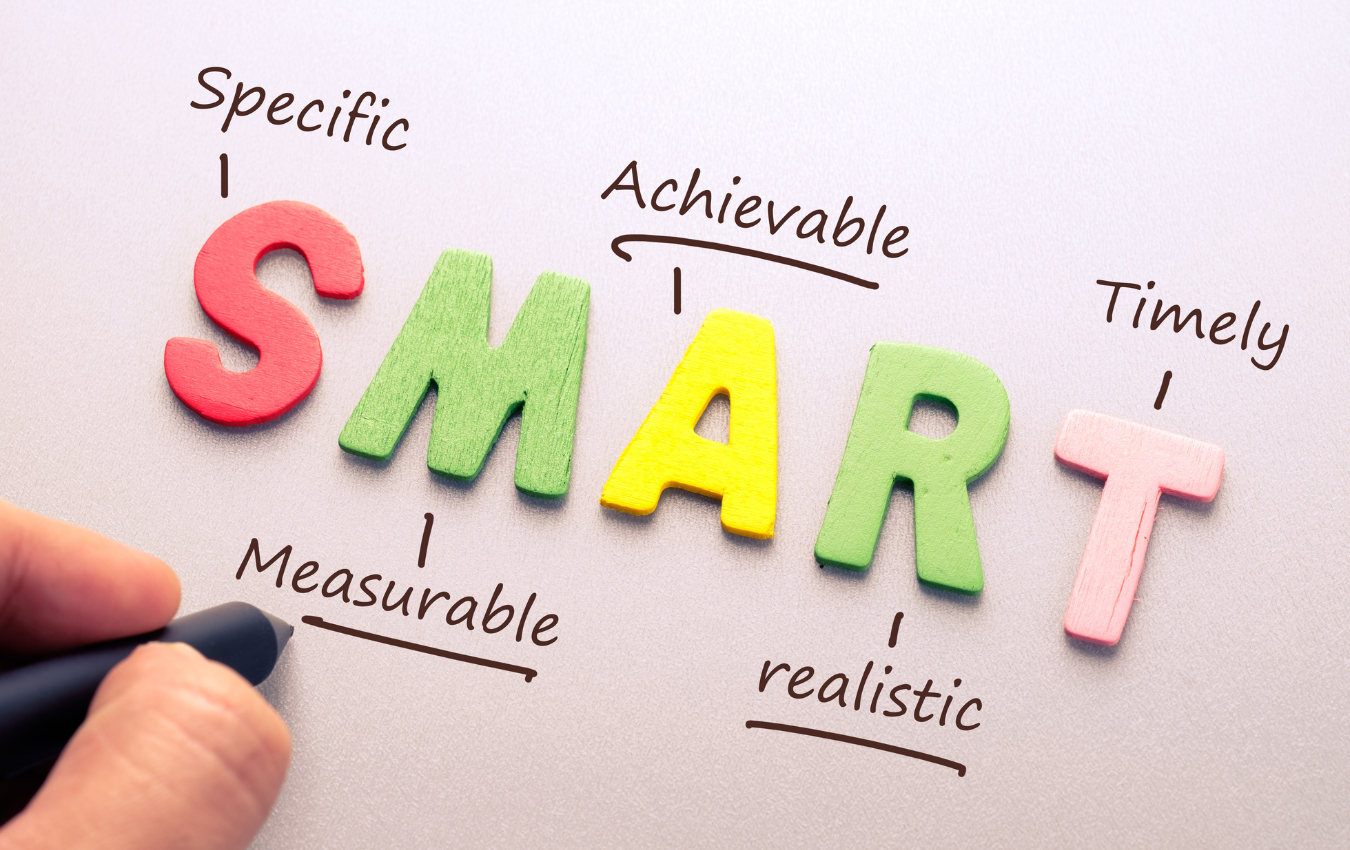
Be S.M.A.R.T
Ensure your goals are Specific, Measurable, Achievable, Relevant, and Time-bound. This S.M.A.R.T framework helps create objectives that are not only clear but also actionable and aligned with your overall business strategy.
Conclusion
Defining clear objectives for your POP displays is more than a preliminary step; it’s a strategic action that influences every aspect of your campaign. By setting well-defined goals, you can design POP displays that not only attract attention but also effectively convey your message and achieve desired outcomes. Whether increasing brand awareness, introducing new products, or boosting sales, the right objectives will guide your efforts towards success in the competitive retail landscape.
If you are interested in POP displays, then partner with Brown Packaging today to get started.
Most cost savings in packaging come from:👉 Ordering more volume But increasing MOQ isn’t always possible. Storage is limited Cash flow is constrained Demand is uncertain So the real question
Minimum order quantities (MOQs) aren’t arbitrary. They exist because packaging production has fixed costs that don’t scale down—only up. When you order one unit, you still pay for:👉 The entire
Most POP display programs don’t lose money on materials. They lose it in:👉 empty space Displays are often shipped with: Excess void space Poor stacking efficiency Low pallet utilization You’re
Taller displays get attention. But they also get: Rejected by retailers Unstable under load More likely to fail in-store Height isn’t just a design choice—it’s a tradeoff between visibility and
Home » Defining Goals for Effective POP Displays