Blogs
At Brown Packaging, we provide insightful content about the packaging industry to keep our clients, followers, and partners informed with the latest trends and accurate information. Our goal is to equip you with up-to-date knowledge that helps you stay ahead in the ever-evolving world of packaging.

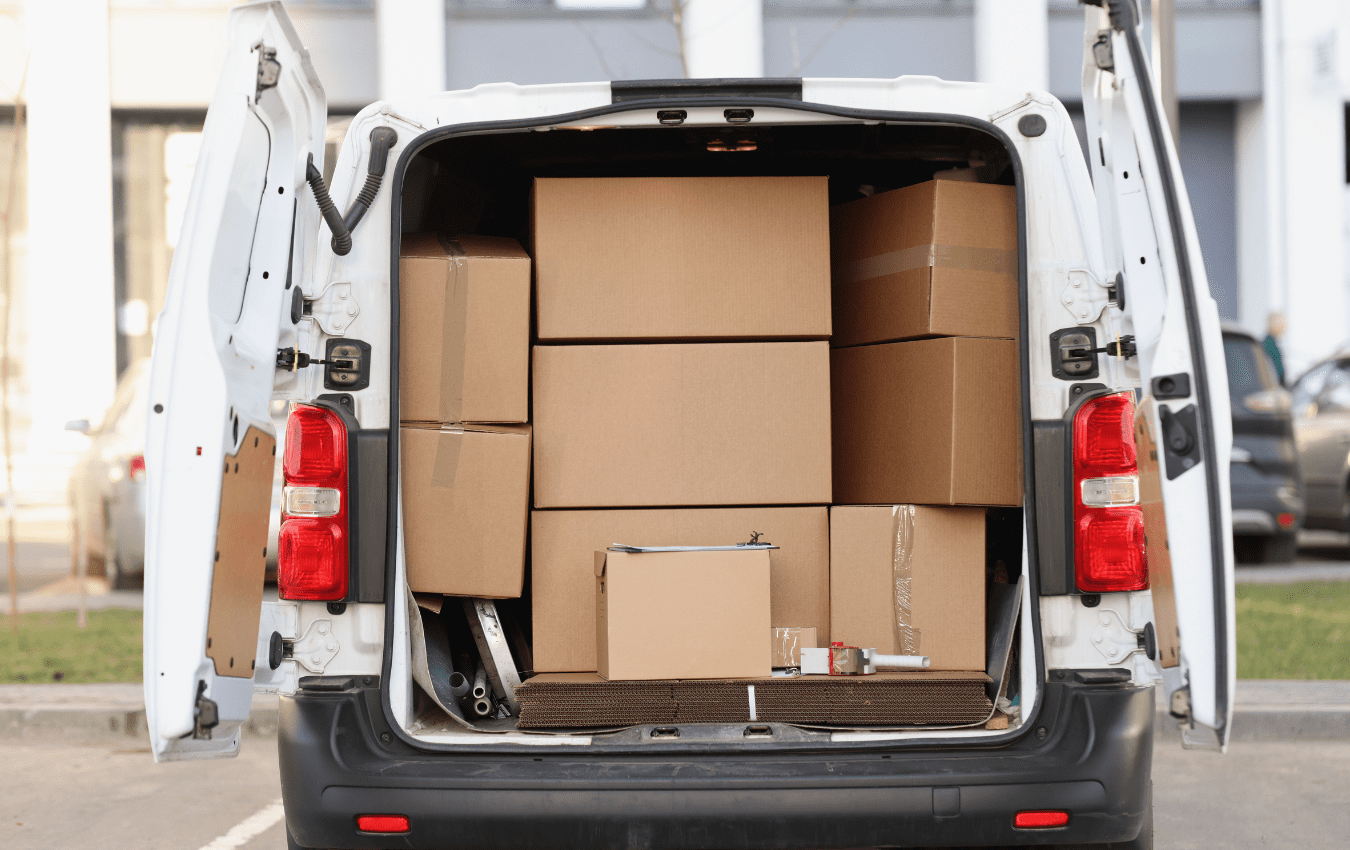
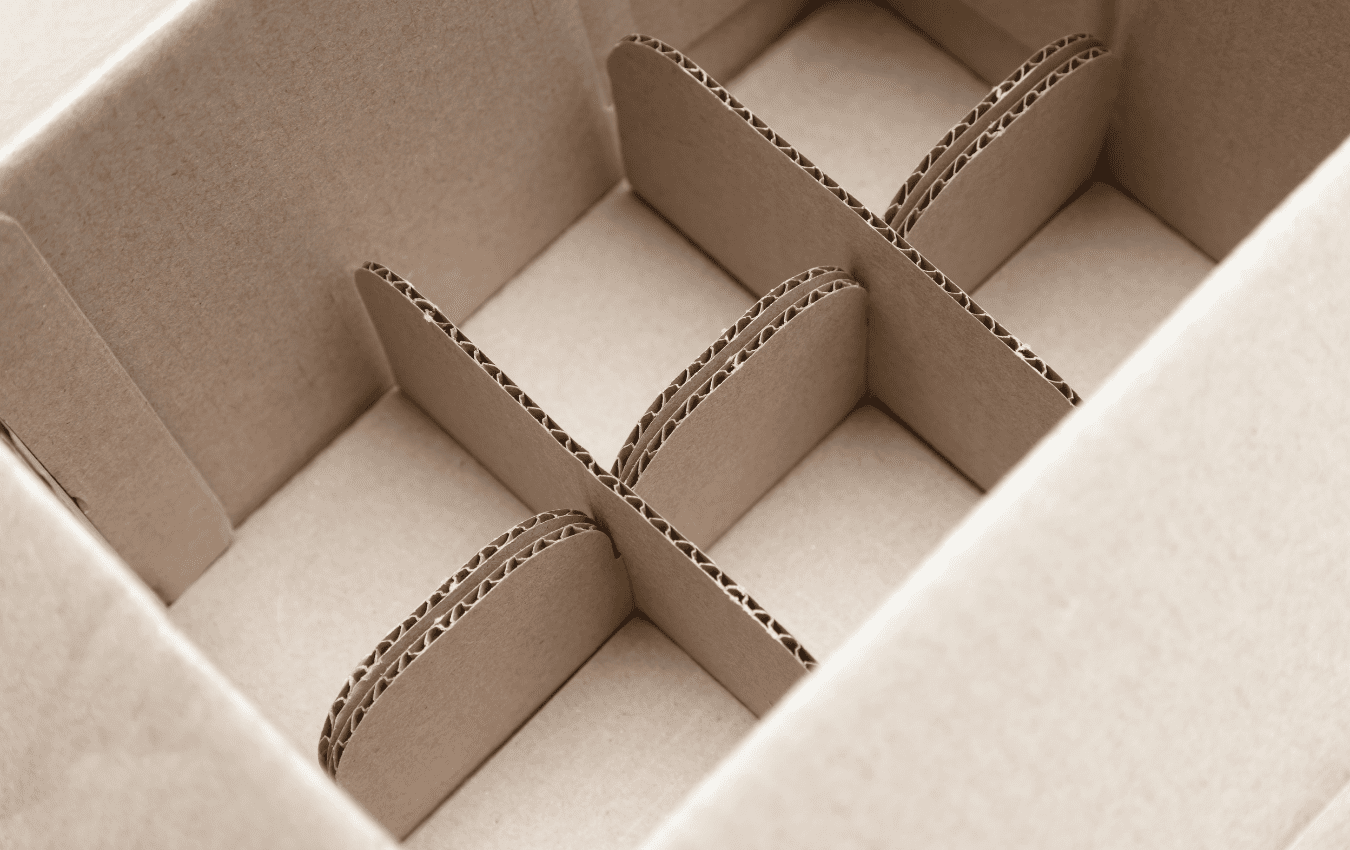
As international commerce continues to grow, optimizing custom packaging for international supply chains has become an essential aspect of any global business. In an increasingly connected world, businesses must ensure their goods are delivered to customers efficiently, safely, and in the most cost-effective manner. Here’s a detailed look into the importance of custom packaging and how to optimize it for international shipping and logistics. Understanding Custom Packaging Before delving into the intricacies of optimization, it’s essential to understand what custom packaging entails. Custom packaging is an all-encompassing term used to describe the bespoke packing materials designed specifically for a company’s product. This can include anything from branded boxes and tape to customized inserts and padding. The goal of custom packaging is two-fold. First, it ensures the product arrives at its destination safely and in optimal condition. Second, it serves as an extension of the company’s brand, providing a unique unboxing experience that aligns with the brand’s values and aesthetics. The Importance of Optimizing Custom Packaging for International Shipping Optimizing custom packaging for international shipping has several benefits, including: Cost Efficiency: Properly optimized packaging can save your company significantly in shipping costs. By minimizing the weight and dimensions of your packages, you can reduce the shipping charges, which often depend on these factors. Reduced Damage Rates: Custom packaging that is optimized for international shipping can significantly reduce product damage during transit. This leads to fewer returns, refunds, or replacements and enhances your brand’s reputation. Improved Customer Satisfaction: A well-packaged product enhances the unboxing experience, leading to increased customer satisfaction. This can enhance customer loyalty and lead to repeat purchases. Strategies for Optimizing Custom Packaging for International Shipping and Logistics Evaluate Your Current Packaging The first step towards optimizing your custom packaging is to evaluate your existing packaging. Consider aspects like size, weight, and the level of protection it offers your products. If your packaging is excessively large or heavy, it could be adding unnecessary costs to your shipping charges. Choose the Right Packaging Material The choice of material plays a vital role in optimizing custom packaging. Consider materials that are lightweight, sturdy, and environmentally friendly. Depending on the nature of your products, materials like corrugated cardboard, Kraft paper, or biodegradable plastic can be good options. Minimize Packaging Size and Weight One of the primary ways to reduce shipping costs is to minimize the size and weight of your packaging. This does not mean compromising on the safety of your products. Instead, you should design your packaging in a way that it snugly fits your product, offering adequate protection without wasting space or material. Use Protective Inserts Protective inserts like bubble wrap, foam inserts, or inflatable air pillows can provide additional protection for your products, reducing the risk of damage during transit. These can be customized to fit your products perfectly, providing an optimal balance between protection and space utilization. Standardize Your Packaging Standardizing your packaging sizes can simplify your logistics and potentially lower costs. By having a few standard box sizes, you can streamline your packing process and reduce the need for custom-sized boxes for each product. Consider Your Branding While optimization is primarily about reducing costs and protecting products, branding is equally important. Your packaging is often the first physical interaction a customer has with your brand, so it should reflect your company’s identity. Use colors, logos, and designs that align with your brand aesthetic. Work with Packaging Experts Working with packaging experts can help you optimize your custom packaging effectively. These professionals can provide insights into the latest trends and technologies in packaging, as well as provide practical solutions tailored to your specific product and business needs. Understand International Shipping Regulations When shipping internationally, it’s essential to understand the various regulations and requirements set by different countries. Some countries have specific restrictions on packaging materials, while others have stringent labeling requirements. Working with a knowledgeable logistics partner can help ensure your packaging is compliant with all international regulations. Leveraging Technology for Packaging Optimization In the modern era, technology plays a significant role in optimizing custom packaging. Here are a few ways you can leverage technology: Packaging Design Software Packaging design software allows businesses to create custom designs for their packaging materials. With these tools, you can visualize how your package will look and make adjustments to optimize size, shape, and branding. Automated Packaging Systems Automated packaging systems can help optimize your packing process by reducing manual labor and increasing efficiency. These systems can assemble boxes, fill them with products and packing material, and then seal and label them, all in a streamlined, automated process. Packaging Testing Advanced packaging testing methods can assess the durability and efficiency of your packaging. These tests can simulate various environmental conditions and stresses that your packages might encounter during shipping, helping you to optimize your packaging for real-world conditions. IoT and Smart Packaging The Internet of Things (IoT) and smart packaging technologies can provide valuable insights into your shipping process. For instance, you can use sensors to track the conditions your packages experience during transit, helping you to make data-driven decisions to optimize your packaging. If you are interested in optimizing your customizing packaging for international shipping and logistics, then partner with Brown Packaging today to get started. Computer-Aided Packaging Engineering (CAPE) Computer-Aided Packaging Engineering (CAPE) stands as a pivotal technology in modern packaging optimization. Leveraging specialized software, CAPE allows businesses to virtually model, simulate, and evaluate packaging designs and logistics strategies. Its predictive modeling capabilities enable the identification of potential weaknesses and inefficiencies in packaging designs before physical production, saving resources. CAPE facilitates material optimization, load arrangement within shipping containers, and assessment of environmental impact, helping to create sustainable and cost-effective packaging solutions. By integrating with IoT, real-time data on shipping conditions can enhance packaging design based on actual experiences. Collaborative design and compliance with international regulations are also streamlined through CAPE, offering businesses a competitive edge in the evolving global market. If you are interested in optimizing your custom packaging for

Flexible packaging is in the throes of a revolution, with several innovative materials surfacing that promise to change the landscape of the industry. Traditionally, flexible packaging has relied on materials such as plastic and paper. However, environmental considerations, as well as advancements in materials science, are ushering in a new era of flexible packaging options. Let’s delve into the cutting-edge materials that are steering the future of flexible packaging. Biodegradable and Compostable Films Consumer awareness and regulatory pressures are pushing the packaging industry towards environmentally friendly alternatives. One such innovative material is biodegradable and compostable films, made from bio-based polymers such as Polyactic Acid (PLA) and Polycaprolactone (PCL). These materials, derived from renewable sources like cornstarch, sugarcane, or potatoes, degrade naturally over time, significantly reducing their environmental footprint. The challenge lies in their production cost and durability, which scientists are tirelessly working to improve. Edible Packaging Materials The concept of edible packaging has piqued the interest of consumers and industry experts alike. It offers a zero-waste solution to packaging, where the packaging material itself can be consumed or composted. Innovations include films made from seaweed, proteins, lipids, and polysaccharides. One standout example is Notpla, a London-based start-up, which developed an edible packaging material from seaweed extract. These materials are safe for consumption and significantly lower the volume of waste generated. Nanotechnology in Packaging Nanotechnology is making substantial inroads into the packaging industry, thanks to its potential to improve material properties. Nanocomposites, made by incorporating nanoparticles into traditional polymers, can improve the barrier properties, strength, and heat resistance of packaging materials. Additionally, nano sensors embedded in the packaging material can detect food spoilage and alert consumers, adding an extra layer of safety to food packaging. However, regulations governing the use of nanomaterials in packaging are still under development, which can affect their widespread adoption. Smart Packaging Materials Smart packaging materials can interact with the product or the environment to extend the product’s shelf life, enhance safety, and improve consumer convenience. These materials include oxygen scavengers, moisture absorbers, and temperature indicators. Intelligent films that change color when exposed to microbial contamination or when the product is past its ‘use by’ date are already being used in food packaging. The field of smart packaging materials is rapidly expanding, driven by advancements in sensor technology and data analytics. Recycled and Recyclable Materials The use of recycled and recyclable materials in flexible packaging is gaining momentum. Recyclable mono-materials, which are made from a single type of polymer, are easier to recycle compared to multi-layered materials. These mono-materials can maintain the same performance characteristics as traditional packaging materials while reducing the environmental impact. Initiatives like the Circular Economy for Flexible Packaging (CEFLEX) are working towards advancing the circular economy model for flexible packaging, emphasizing the use of recycled and recyclable materials. Final Thoughts: Flexible Packaging Innovations The flexible packaging industry is poised for a significant transformation. Driven by environmental concerns, technological advancements, and consumer demand, these innovative materials are rapidly reshaping the industry. However, many of these materials are still in their developmental stages or facing regulatory hurdles. The challenge lies in finding a balance between performance, cost, sustainability, and consumer acceptance. Despite these hurdles, the future of flexible packaging looks brighter and more sustainable than ever before. (714)300-0650 request@brownpackaging.com Most Recent Posts: Categories: Corrugated Ecommerce ESD Design Display Flexible Packaging Foam Folding Carton Packaging Plastic Packaging Pouch Printing Protection Retail Rigid Box Thermoform Sustainability Subscribe To Our Newsletter By submitting your information, you agree to our terms and conditions and privacy policy. Custom Packaging Facebook Twitter LinkedIn Pinterest Relevant Posts

In the ever-evolving world of marketing and branding, it’s crucial to design your products and their packaging with a clear understanding of your target audience. Understanding different generations and their unique preferences can significantly influence your packaging design process. This article aims to provide an in-depth guide on how to tailor your custom packaging design to diverse demographics, primarily focusing on Baby Boomers, Generation X, Millennials, and Generation Z. Baby Boomers (Born 1946-1964) Baby Boomers are a generation known for their hard work and brand loyalty. When designing packaging for them, it’s important to prioritize legibility, simplicity, and clarity. Clarity and Legibility With age, vision tends to decline. Use larger fonts and high contrast colors in your packaging design to enhance readability. Additionally, ensuring clarity in the information on the package, such as instructions, warnings, and benefits, can make a significant difference. Brand Loyalty Baby Boomers value brands they can trust. Highlight your brand’s heritage and reliability on the package design. Also, consider using traditional packaging materials like glass, paper, and metal, which this generation perceives as high-quality and reliable. Generation X (Born 1965-1980) Generation X, often overlooked, is a significant demographic to consider. They appreciate convenience, quality, and value for money. Convenience Gen X is a busy generation, juggling between work, family, and their social lives. They appreciate packaging that is easy to open, reseal, and store. Consider innovative packaging designs that enhance user convenience. Quality Gen X tends to be more skeptical about marketing claims, valuing quality over hype. Reflect this in your packaging through a clean, professional design. Use high-quality materials and clearly communicate the benefits of the product. Millennials (Born 1981-1996) Millennials have transformed the way businesses approach marketing and packaging designs. They value authenticity, sustainability, and digital interaction. Authenticity Millennials prefer brands that are authentic and transparent. Reflect this in your packaging by using minimal designs and highlighting the product’s ‘realness.’ Show what’s inside the package, use simple language, and avoid exaggerated claims. Sustainability More than any other generation before, Millennials are environmentally conscious. They prefer brands that share the same values. Incorporating sustainable materials and designs into your packaging, and clearly communicating this on the package, can strongly appeal to this demographic. Digital Interaction Millennials are digital natives. QR codes, AR markers, or other digital interactive elements on your packaging can engage this generation and enhance their unboxing experience. Generation Z (Born 1997-2012) Gen Z, the digital-first generation, values individuality, social issues, and internet culture. Individuality Gen Z loves to express their individuality. Consider packaging designs that are customizable or have multiple variants. Limited editions and exclusive packages can also resonate well with this demographic. Social Issues Gen Z is socially conscious and appreciates brands that stand for a cause. Highlight any charitable causes or social missions your brand is associated with on your packaging. Internet Culture Memes, emojis, and internet lingo are part of Gen Z’s daily communication. Incorporating elements of internet culture into your packaging can make your brand relatable and attractive to this demographic. Summary: Packaging For Different Generations Remember, the key to successful packaging design is understanding your target audience. Custom packaging designs tailored to the unique preferences of different generations can help your brand stand out, enhance user experience, and ultimately drive more sales. It’s important, however, to stay authentic and true to your brand identity while catering to these diverse demographics. If you are interested in custom packaging solutions targeting different generations or a specific generation, then partner with Brown Packaging today to get started. (714)300-0650 request@brownpackaging.com Most Recent Posts: Categories: Corrugated Ecommerce ESD Design Display Flexible Packaging Foam Folding Carton Packaging Plastic Packaging Pouch Printing Protection Retail Rigid Box Thermoform Sustainability Subscribe To Our Newsletter By submitting your information, you agree to our terms and conditions and privacy policy. Custom Packaging Facebook Twitter LinkedIn Pinterest Relevant Posts

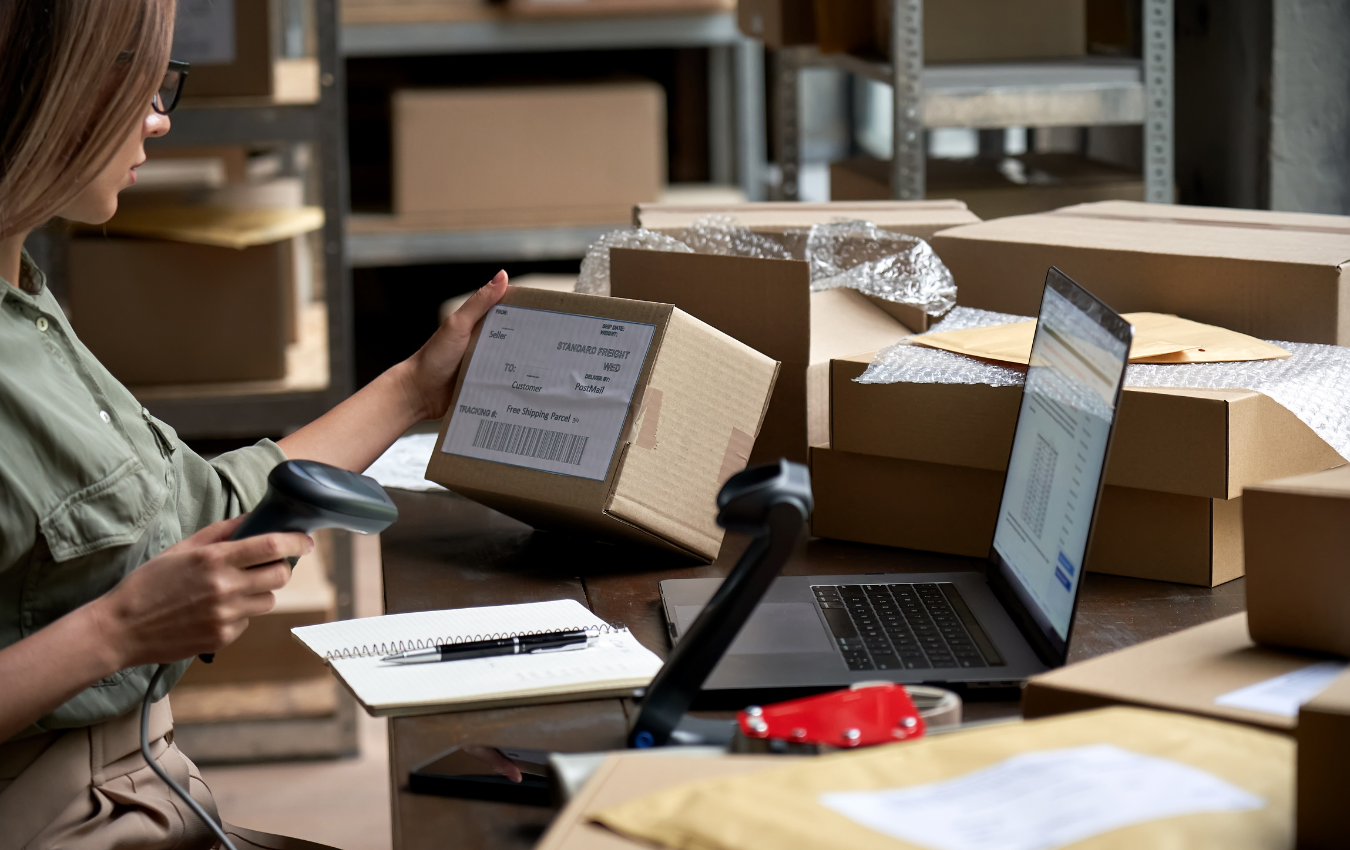
In the dynamic world of retail, success is determined not only by the quality of products but also by the efficiency of their presentation and delivery. This is where the critical processes of pack out and fulfillment come into play. In this comprehensive blog, we’ll explore why pack out and fulfillment are vital to achieving success in the retail industry, particularly in the context of Point of Purchase (POP) displays. The Foundations of First Impressions Imagine walking into a store and encountering a meticulously organized display that perfectly showcases a product. Now, envision the opposite – cluttered shelves, damaged items, and disarray. The first scenario is the result of effective pack out and fulfillment processes. These processes involve the careful arrangement, packaging, and arrangement of products for display and delivery. When done right, they set the stage for positive first impressions that draw customers in and reflect your brand’s professionalism. Seamless Shopping Experiences Today’s consumers expect seamless and hassle-free shopping experiences. This includes the ease of finding products, accurate inventory, and quick delivery. Proper pack out and fulfillment ensure that products are readily available for display and purchase. Whether it’s an in-store display or an online order, a well-executed process ensures that products are accessible, organized, and in pristine condition. Optimized Inventory Management Effective pack out and fulfillment go beyond surface-level aesthetics. They involve a deep understanding of inventory management and supply chain logistics. Retailers need to ensure that products are efficiently replenished, and inventory levels are accurately tracked. This not only prevents stockouts and overstock situations but also contributes to cost savings and improved operational efficiency. Efficient Fulfillment for Online Orders With the rise of e-commerce, efficient fulfillment processes have become even more crucial. Online shoppers expect timely deliveries and packaging that safeguards products during transit. Companies need to ensure that products are packed securely to prevent damage during shipping. Additionally, accurate labeling and documentation are essential to prevent shipping errors and customer dissatisfaction. Enhanced Customer Satisfaction The link between effective pack out and fulfillment and customer satisfaction is undeniable. Customers appreciate receiving orders on time and in pristine condition. When products are well-packaged, accurately labeled, and thoughtfully organized, it reflects a commitment to delivering a positive customer experience. Satisfied customers are more likely to become repeat buyers and brand advocates. Reduced Costs and Waste Inefficient pack out and fulfillment processes can lead to unnecessary costs and waste. Poorly organized displays can result in lost sales opportunities, while incorrect packaging materials can lead to damage and returns. By optimizing these processes, companies can reduce costs associated with rework, returns, and inefficient inventory management. Data-Driven Decision-Making Pack out and fulfillment processes generate valuable data that can inform strategic decisions. By tracking inventory levels, product movement, and fulfillment metrics, retailers can identify trends and make informed choices about restocking, product placement, and supply chain optimization. This data-driven approach enhances overall operational efficiency. Consistency and Brand Image Consistency is key in retail, especially when it comes to branding. Proper pack out and fulfillment processes ensure that products are consistently presented, regardless of the sales channel. Whether a customer encounters your product in-store or online, they should have a cohesive and positive experience that aligns with your brand image. Meeting the Demands of POP Displays POP displays demand a heightened level of attention to detail. From assembling the display to placing products in an attractive and organized manner, the pack out process directly impacts the effectiveness of the display. Fulfillment, on the other hand, ensures that products are readily available for replenishment, maintaining the visual appeal throughout its lifecycle. If you are interested in pack out and fulfillment for your retail POP displays, then partner with Brown Packaging today to get started. (714)300-0650 request@brownpackaging.com Most Recent Posts: Categories: Corrugated Display Foam Folding Carton Packaging Plastic Packaging Pouch Retail Rigid Box Sustainability Subscribe To Our Newsletter By submitting your information, you agree to our terms and conditions and privacy policy. POP Displays Facebook Twitter LinkedIn Pinterest Relevant Posts

In the dynamic world of retail, the collaboration between POP Displays and Trap Blister Packs holds immense potential. These two elements – POP Displays and Trap Blister Packs – play crucial roles in enhancing product visibility and transforming the shopping experience. In this exploration, we’ll explore into how these components work together and the significant impact they have on the retail landscape. The Power of POP Displays At its core, a POP Display is a strategic tool that transforms products into captivating visual statements. From countertop arrangements to floor displays, POP Displays are expertly designed to capture attention and drive impulse purchases. Unveiling the Magic of Trap Blister Packs Trap blisters are a packaging solution that effortlessly combines transparency with protection. This packaging innovation securely encases products within a clear plastic blister, offering both a view of the product and a secure enclosure. A Dynamic Partnership The interaction between POP Displays and Trap Blister Packs creates a powerful synergy. While POP Displays attract attention, Trap Blister Packs provide a clear view of the product, enticing customers to explore further. Enhancing the Customer Journey The synergy between these elements goes beyond aesthetics, enriching the customer journey. The eye-catching display draws shoppers in, and the transparent packaging allows for an up-close interaction with the product, enhancing the overall shopping experience. The Role of Trap Blister Packs in the World of POP Displays Balancing Visibility and Security: Trap Blister Packs strike a balance between visibility and security, offering customers a tantalizing look at the product while keeping it protected. Visual Consistency: The uniform, crystal-clear appearance of Trap Blister Packs complements the aesthetics of POP Displays, ensuring a seamless and immersive presentation. Protection: Trap Blister Packs shield products from dust, moisture, and physical damage, preserving their pristine condition. Effective Strategies Unified Presentation: Coordinate the design of Trap Blister Packs with the POP Display to create a captivating, cohesive shopping atmosphere. Informative Design: Utilize the available space on Trap Blister Packs to convey vital information, enticing customers with features and benefits. Ease of Interaction: Prioritize user-friendly packaging that enables customers to engage effortlessly with the product. Extending to the Digital Realm The impact of Trap Blister Packs extend beyond physical stores. In the digital realm, these elements seamlessly adapt to e-commerce, providing clear visuals and product details that mirror the in-person experience. If you are interested in pop displays or trap blister packs, then partner with Brown Packaging today. (714)300-0650 request@brownpackaging.com Most Recent Posts: Categories: Corrugated Display Foam Folding Carton Packaging Plastic Packaging Pouch Retail Rigid Box Sustainability Subscribe To Our Newsletter By submitting your information, you agree to our terms and conditions and privacy policy. POP Displays Facebook Twitter LinkedIn Pinterest Relevant Posts

The packaging industry has been subjected to vast shifts in focus over the past few years. With the growing awareness of sustainability issues and the pressing concern of environmental conservation, businesses have been prioritizing ‘green’ packaging strategies. In this context, sustainable thermoform packaging has emerged as an innovative solution. This blog post delves into the current practices in this domain and the future opportunities it presents. Understanding Thermoform Packaging What is Thermoform Packaging? Thermoforming is a method of packaging that involves heating a plastic sheet to a pliable forming temperature, shaping it to a specific mold, and then trimming it to create a usable product. The resultant packaging is light, strong, and protective. Thermoform packaging is widely used in numerous sectors including food, pharmaceuticals, electronics, and personal care products. Sustainable Thermoform Packaging Explained Why Sustainable Thermoform Packaging? As businesses continue to face increasing regulatory pressures and consumer demand for eco-friendly products, sustainable thermoform packaging has become a viable and attractive alternative. It addresses the core need of durability and product protection, while also reducing the ecological footprint. Materials in Sustainable Thermoform Packaging The heart of sustainable thermoform packaging lies in the materials used. These range from bio-based plastics, recycled post-consumer plastic, to other eco-friendly materials. Bio-based plastics: These are derived from renewable sources such as corn starch, sugar cane, and other plant-based materials. These bioplastics are designed to biodegrade under specific conditions and are often used in food and beverage packaging. Recycled post-consumer plastic: These materials, recovered from consumer waste streams, are cleaned, processed, and recycled into new packaging materials. The use of post-consumer recycled (PCR) plastic can significantly reduce the need for virgin plastic production. Innovations in Sustainable Thermoform Packaging Design Innovations Advancements in design have led to more efficient and sustainable thermoform packaging options. For example, packaging designs are becoming more minimalistic, reducing material usage while maintaining product protection. Innovation also extends to the use of mold technologies that can accurately form complex shapes, improving material efficiency. Technology Innovations New technologies are also playing a vital role in enhancing the sustainability of thermoform packaging. Advanced thermoforming machines are more energy-efficient, reducing the overall carbon footprint of the packaging process. In addition, techniques like vacuum thermoforming and pressure forming are enabling the creation of lighter, yet durable, packaging solutions. The Future of Sustainable Thermoform Packaging Opportunities and Challenges The future holds great promise for sustainable thermoform packaging, but also poses significant challenges. The main opportunity lies in innovation, particularly in the areas of material science, design, and technology. However, one of the significant challenges will be to scale up the use of these innovations while managing costs. Furthermore, while bio-based plastics and recycled materials offer great promise, issues surrounding their compostability and recyclability need further exploration and solutions. Potential Areas for Growth Sectors like food, personal care products, and pharmaceuticals already heavily use thermoform packaging. However, sectors like electronics and automotive components present a vast untapped market, as these industries strive to reduce their environmental impact. Policy and Regulation With governments globally increasingly focusing on sustainability, future policy and regulations are expected to be more favorable towards sustainable packaging. Tax benefits, subsidies, or other incentives could further drive the adoption of sustainable thermoform packaging. Consumer Awareness and Demand Consumer awareness and demand for sustainable products will continue to be a major driver for the growth of sustainable thermoform packaging. As more consumers understand the benefits of sustainable packaging, businesses will be incentivized to adopt these practices. If you are interested in thermoform packaging, then partner with Brown Packaging today. (714)300-0650 request@brownpackaging.com Most Recent Posts: Categories: Corrugated Ecommerce ESD Design Display Flexible Packaging Foam Folding Carton Packaging Plastic Packaging Pouch Printing Protection Retail Rigid Box Thermoform Sustainability Subscribe To Our Newsletter By submitting your information, you agree to our terms and conditions and privacy policy. Thermoform Packaging Facebook Twitter LinkedIn Pinterest Relevant Posts

Packaging plays a critical role in the medical industry. It ensures the safe transport and delivery of medical products and devices, protecting them from damage and contamination. As the industry continues to evolve, packaging trends have emerged to meet the changing needs of consumers and the market. Here are the top packaging trends for the medical industry in 2023. Sustainable Packaging The push for sustainable packaging has been gaining traction in recent years, and it is set to become even more prevalent in 2023. Medical companies are looking for eco-friendly packaging solutions that use biodegradable plastics, paper-based materials, and compostable packaging. Using sustainable materials not only protects the environment, but it also helps to reduce waste and carbon emissions. Smart Packaging Smart packaging technology is becoming more advanced and play an even more significant role in the medical industry in 2023. Using sensors and other advanced technologies, smart packaging provides essential information about the product inside, such as its temperature, moisture levels, and expiration dates. It helps to ensure that medical products are stored and transported under the correct conditions, and also helps track and trace products throughout the supply chain. Tamper-Evident Packaging Tamper-evident packaging has been an essential aspect of the medical industry for many years. In 2023, it has become even more important. Advanced tamper-evident packaging solutions using technologies such as holograms, seals, and other authentication methods helps to prevent tampering and ensure the safety of patients and medical professionals. Personalized Packaging Personalized packaging is becoming increasingly popular in many industries, including the medical industry. In 2023, more medical companies are offering personalized packaging options to their customers. Personalized packaging can include the patient’s name, specific dosage instructions, and other personalized information that helps to improve patient adherence and reduce the risk of medication errors. Interactive Packaging Interactive packaging is a growing trend that uses technology to create a more engaging and interactive experience for the consumer. Medical companies are incorporating interactive packaging in 2023 to provide patients with more information about their medication or medical device. Interactive packaging can also help to collect data on patient behavior and provide healthcare professionals with valuable insights into patient care. Child-Resistant Packaging Child-resistant packaging has been a requirement for some types of medication for many years, and it is becoming more prevalent in the medical industry as a whole. Medical products are packaged in child-resistant packaging to reduce the risk of accidental ingestion by children. Child-resistant packaging features safety caps, tamper-evident seals, and difficult-to-open packaging. Personalized Design Personalized design is a trend that involves tailoring the packaging design to the specific needs of the product or customer. In the medical industry, personalized design can create packaging that is more user-friendly, with larger fonts and clearer instructions for patients and medical professionals. Personalized design can also create packaging that reflects the branding and values of the medical company, creating a more cohesive and memorable brand experience for customers. Multi-Functional Packaging Multi-functional packaging is a trend that involves creating packaging that can serve multiple purposes beyond just protecting the product. In the medical industry, multi-functional packaging can be used to create packaging that doubles as a measuring cup or a mixing container, reducing the need for additional tools or supplies. Multi-functional packaging can also create packaging that can be repurposed or recycled after use, reducing waste and promoting sustainability. Advanced Security Features Counterfeiting and fraud are growing concerns in the medical industry, making advanced security features increasingly important. In 2023, medical products are packaged with advanced security features, such as QR codes, holograms, and other authentication methods that are difficult to replicate. These features help in tracking and tracing medical products throughout the supply chain, ensuring that they are delivered to the correct location at the right time and minimizing the risk of counterfeit products. Augmented Reality Packaging Augmented reality (AR) is an emerging trend that can transform the way medical products are marketed and consumed. AR packaging uses technology to provide an interactive and immersive experience for the consumer. Medical companies can use AR packaging to provide patients with more information about their medication, demonstrate how to use a medical device, and create engaging marketing campaigns. Temperature-Controlled Packaging Temperature-sensitive medical products, such as vaccines and biologics, require temperature-controlled packaging to maintain their efficacy. In 2023, we can expect to see more advanced temperature-controlled packaging solutions that use phase change materials and other technologies to keep products within their required temperature range during transport and storage. If you are interested in medical packaging solutions, then partner with Brown Packaging today. (714)300-0650 request@brownpackaging.com Most Recent Posts: Categories: Corrugated Ecommerce ESD Design Display Flexible Packaging Foam Folding Carton Packaging Plastic Packaging Pouch Printing Protection Retail Rigid Box Thermoform Sustainability Subscribe To Our Newsletter By submitting your information, you agree to our terms and conditions and privacy policy. Medical Packaging Facebook Twitter LinkedIn Pinterest Relevant Posts

Limited edition and special collection items provide a unique customer experience that can significantly elevate a brand’s appeal. One way to make these products stand out is through innovative custom packaging. It’s an important aspect that, when executed thoughtfully, can transform an ordinary item into an unforgettable, must-have product. This article explores a series of innovative custom packaging ideas that will make your limited edition or special collection products genuinely special. Creative Unboxing Experiences The unboxing experience is an exciting moment for customers. It’s a chance for brands to impress and surprise, heightening the sense of exclusivity. Consider designing a package that unfolds, slides open, or otherwise transforms during unboxing. You could also include unique, reusable packaging materials, such as branded tissue paper or decorative ribbons. Sustainability-Focused Packaging With consumers increasingly concerned about the environment, sustainable packaging is more than just a trend; it’s an expectation. Consider using biodegradable or recyclable materials for your packaging. Additionally, reusable packaging that serves a secondary purpose, like storage containers or tote bags, can add an extra level of appeal. Packaging made from plantable seed paper, for example, can transform into a beautiful array of flowers, herbs, or vegetables. Handcrafted Wooden Boxes Wooden boxes add a premium feel to any product, and they can be especially effective for limited edition items. They can be custom carved, painted, or engraved to match the product or the brand’s aesthetic. Plus, they’re reusable and often kept by customers as keepsakes. Augmented Reality Packaging Technology has opened up exciting new opportunities for custom packaging. Augmented reality (AR) is one such innovation that brands can leverage. With an AR app, customers can point their smartphones at the packaging to bring up additional content, such as videos, 3D models, or interactive experiences. This feature can make the unboxing experience feel even more exclusive and personalized. Custom Illustrations and Artwork Another way to create an exclusive feeling with your packaging is to incorporate custom illustrations or artwork. You could commission a local artist or run a competition among your customers for the design. This not only makes the package unique; it also creates a stronger connection with the community around your brand. Hidden Messages or Surprises Including hidden messages or surprises in your packaging can create a memorable unboxing experience. This could be anything from a hidden compartment with a bonus item, a message printed on the inside of the box, or a puzzle or game incorporated into the package design. Personalized Packaging Personalization can take various forms, from printing the customer’s name on the box to including custom items based on their preferences. This requires more effort on the brand’s part, but the increased customer satisfaction and word-of-mouth marketing can make it worthwhile. Limited Edition Labels or Badges Include unique labels or badges on your packaging to highlight the exclusivity of limited edition products. This could be a serialized label indicating which number of the product the customer has received (e.g., “No. 1 of 500”) or a unique badge that isn’t included with the standard edition of the product. Storytelling Through Packaging Incorporate elements of storytelling into your packaging. This could be the story of how the product was made, the inspiration behind the collection, or information about the people who made it. This not only makes the packaging more interesting; it also helps create a deeper connection between the customer and the product. Thematic Packaging Finally, consider thematic packaging that ties into the specific collection or season. This could involve specific colors, designs, or materials related to the theme. For instance, a winter collection might use snowy motifs, metallic accents, and cool-toned colors, while a spring collection could incorporate floral patterns, pastel colors, and sustainable materials. Similarly, a limited-edition product released in conjunction with a special event, like a movie premiere or a sports championship, could feature design elements related to that event. If you are interested in custom packaging, then partner with Brown Packaging today. (714)300-0650 request@brownpackaging.com Most Recent Posts: Categories: Corrugated Ecommerce ESD Design Display Flexible Packaging Foam Folding Carton Packaging Plastic Packaging Pouch Printing Protection Retail Rigid Box Thermoform Sustainability Subscribe To Our Newsletter By submitting your information, you agree to our terms and conditions and privacy policy. Custom Packaging Facebook Twitter LinkedIn Pinterest Relevant Posts

The retail landscape is in a constant state of evolution, shaped by dynamic consumer behaviors and emerging trends. As consumer preferences continue to shift, retailers are tasked with the challenge of staying relevant and engaging. This blog delves into the critical role of adapting point-of-purchase (POP) displays and pack-out processes to meet changing consumer behavior. By embracing this evolution, retailers can create impactful shopping experiences, drive sales, and forge stronger connections with their audience. The Changing Face of Consumer Behavior Consumer behavior is not static; it’s a fluid phenomenon influenced by various factors like technology, socio-economic shifts, and cultural changes. In the digital age, consumers are more informed and discerning than ever before. They demand convenience, personalization, and authentic interactions with brands. Retailers must closely observe these shifts to design strategies that resonate with modern shoppers. Personalization as a Key Driver Gone are the days of generic displays and packaging. The rise of e-commerce and data-driven insights has ushered in the era of personalization. Retailers are leveraging consumer data to craft tailored shopping experiences. Personalized POP displays, backed by analytics, present consumers with products that align with their preferences and browsing history. This customized approach not only captures attention but also drives conversion rates. Elevating In-Store Experiences Physical retail spaces remain essential, albeit with a twist. Consumers now seek memorable in-store experiences that go beyond transactional interactions. Retailers are turning to experiential POP displays that engage the senses, educate, and entertain shoppers. From interactive product demonstrations to immersive storytelling, these displays create lasting impressions and transform shopping into an event. Seamless Online-Offline Integration The lines between online and offline shopping are blurring. Consumers often research products online before making in-store purchases, or vice versa. Retailers that seamlessly integrate their online presence with physical displays create a unified brand experience. QR codes, augmented reality, and digital touchpoints bridge the gap, enabling consumers to access additional product information and reviews on their smartphones while in-store. Pack-out Optimization for Modern Demands Pack-out, the process of organizing and shipping products, is undergoing a transformation to meet the demands of today’s consumers. Fast shipping, sustainability, and minimal waste are now paramount. Retailers are adopting eco-friendly packaging materials, optimizing box sizes for efficiency, and ensuring products arrive intact and in pristine condition. This not only reduces environmental impact but also enhances customer satisfaction. Responsive to Seasonal and Trend Changes Retailers must remain agile to adapt POP displays and pack-out processes to seasonal trends and emerging consumer preferences. With data analytics, retailers can identify patterns and anticipate shifts in demand. This foresight enables timely adjustments to display layouts, product assortments, and packaging, ensuring that consumers find what they need when they need it. Innovation and Technology Integration Innovative technologies are reshaping retail, and POP displays are no exception. Retailers are exploring digital signage, touchscreens, and interactive displays to engage shoppers and provide real-time product information. This integration of technology enhances the shopping journey, fosters brand loyalty, and offers a competitive edge in an ever-evolving market. Real-world Case Studies Across industries, retailers are embracing the evolution of consumer behavior by adapting their POP displays and pack-out strategies. From a beauty brand that used AR-powered displays to allow customers to virtually try on makeup products to a tech retailer that optimized its pack-out process for quick deliveries, real-world case studies highlight the tangible impact of staying attuned to consumer shifts. Embracing Retail Evolution In an era defined by change, the evolution of retail is an ongoing process. Adapting POP displays and pack-out processes to changing consumer behavior is not just a strategy—it’s a necessity. Companies that embrace this evolution are poised to create engaging experiences that resonate with modern shoppers, build brand loyalty, and thrive in an increasingly competitive landscape. By understanding consumer behavior, harnessing data, and infusing creativity, brands can navigate the ever-changing retail world with confidence and success. If you are interested pack-out and fulfilment in retail and pop display applications, then partner with Brown Packaging today to get started. (714)300-0650 request@brownpackaging.com Most Recent Posts: Categories: Corrugated Ecommerce ESD Design Display Flexible Packaging Foam Folding Carton Packaging Plastic Packaging Pouch Printing Protection Retail Rigid Box Thermoform Sustainability Subscribe To Our Newsletter By submitting your information, you agree to our terms and conditions and privacy policy. POP Displays Facebook Twitter LinkedIn Pinterest Relevant Posts

In the intricate world of retail, where sales are the ultimate goal, having an exceptional product is just the beginning. To truly succeed, retailers need to guide customers through the decision-making process effectively. This is where point-of-purchase (POP) displays emerge as a game-changing strategy, capable of influencing purchasing decisions at the critical moment. By mastering the art of POP displays, retailers can tap into increased sales and create lasting brand impressions. What Are Point of Purchase Displays? Point of purchase displays serve as strategic marketing tools within retail environments, aiming to highlight products and guide customers toward making informed purchase decisions. Designed to capture attention and spark curiosity, these displays play a pivotal role in driving sales by influencing last-minute choices. Point of Purchase vs. Point of Sale Distinguishing between point of purchase and point of sale is crucial, as they serve distinct purposes. While both contribute to the shopping experience, point of purchase refers to the area where products are showcased, visually guiding customers, while point of sale is the actual transaction point. Exploring Different Types of Point-of-Purchase Displays POP displays come in various forms, catering to diverse needs. Temporary displays are ideal for seasonal promotions, while semi-permanent and permanent displays offer durability and adaptability. Additionally, digital and robotic POP displays introduce an interactive dimension to product presentation. End Cap Display Pallet Display Countertop Display The Essence of Point-of-Purchase Marketing Point-of-purchase marketing strategically targets customers precisely when they’re ready to make a purchase. In-store POP displays encompass a range of tools, from attention-grabbing banners to central aisle displays, all aimed at enhancing product understanding and driving decision-making. The Multi-Faceted Benefits of POP Displays Cost-Efficiency: Temporary POP displays offer flexibility at an affordable cost, enabling frequent updates. Targeted Impact: POP displays focus on specific products, catering to niche audiences and building brand recognition. Highlighting Promotions: These displays effectively showcase special offers, enticing customers to explore and purchase. Enhanced Visibility: By rotating products on display, retailers ensure continuous product discovery and engagement. Boosting Sales: The culmination of benefits leads to increased sales, making POP displays a crucial revenue driver. Crafting Effective Point-of-Purchase Displays: Expert Tips Strategic Placement: Choose locations that maximize visibility and engagement. Clear Messaging: Communicate product benefits concisely for easy customer understanding. Engaging Visuals: Utilize captivating designs, imagery, and colors to capture attention. Interactive Elements: Incorporate interactivity, such as product demos or videos, for enhanced engagement. Testing Ground: Experiment with various displays to identify what resonates best with your audience. Strategically Deploying POP Displays for Maximum Impact Beyond the checkout counter, creativity thrives. POP displays can thrive throughout the store, leading customers through paths and sections that encourage additional purchases. This strategic approach extends the shopping experience and encourages exploration. Mastering the art of point-of-purchase displays is pivotal in the evolving landscape of retail. By strategically deploying and creatively designing POP displays, retailers can influence decisions, create captivating shopping journeys, and foster brand loyalty. If you are interested in point of purchase displays, then partner with Brown Packaging today. (714)300-0650 request@brownpackaging.com Most Recent Posts: Categories: Corrugated Ecommerce ESD Design Display Flexible Packaging Foam Folding Carton Packaging Plastic Packaging Pouch Printing Protection Retail Rigid Box Thermoform Sustainability Subscribe To Our Newsletter By submitting your information, you agree to our terms and conditions and privacy policy. POP Displays Facebook Twitter LinkedIn Pinterest Relevant Posts

The journey of creating a compelling flexible packaging design starts with gaining insight into your target demographic. Thoroughly understand their needs, preferences, and factors that influence their purchasing behavior. Furthermore, identify their aesthetic inclinations to ensure your design appeals to them directly. The Power of Branding in Packaging When it comes to packaging design, each element should echo your brand’s essence. This includes your color palette, logo, font choices, and even the packaging’s shape and structure. Consistent brand representation across every platform and product strengthens your brand recognition and promotes customer loyalty. It’s worth remembering that your product’s packaging serves as a silent salesperson in a retail environment. Sustainability: A Crucial Design Element As we progress into an increasingly eco-conscious world, integrating sustainability into your flexible packaging design becomes not only desirable but also necessary. This can range from using recyclable materials to minimizing waste or creating designs that promote reuse or are biodegradable. Incorporating these elements will not only win over eco-conscious consumers but also support your brand’s broader corporate social responsibility initiatives. Balancing Aesthetics and Functionality While eye-catching design is important, it is equally essential to ensure that your packaging is functional and user-friendly. The packaging should be simple to open, close, transport, store, and discard. If your product is intended for multiple uses, consider a design that can be easily resealed to preserve the freshness of the product. Maximizing Shelf Impact In a market where your product is positioned amidst a sea of competitors, it is vital that your packaging design stands out. Leveraging bold colors, distinctive shapes, clear and concise product information, and high-quality imagery can all draw consumer attention. One effective approach is ‘billboarding,’ where placing multiple packages together creates a larger image or message, enhancing visual impact. Incorporating Technology for Enhanced Engagement In today’s digital world, your flexible packaging design can be elevated by the inclusion of elements such as QR codes, augmented reality (AR), or radio-frequency identification (RFID) tags. These technological features can offer consumers additional product details, interactive experiences, or tracking capabilities. This deepens the level of engagement with your brand, fostering a strong customer-brand relationship. Crafting an Informative Yet Simple Design Striking the right balance between providing necessary information and maintaining a clean, uncluttered design is key to successful packaging. It’s important to include details about your product – its uses, ingredients, and benefits. However, these should be conveyed in a clear, concise manner to prevent overwhelming the consumer. Make use of easy-to-read fonts and an intuitive layout to enhance readability. Considering the Production Process While you might have a plethora of creative ideas for your packaging, it’s crucial to consider the technical aspects as well. Think about how your design will translate during the printing and production process. Some colors and designs might look great digitally but may not come out as expected in print. Consult with your packaging manufacturer to ensure your design is feasible and cost-effective to produce. Using Design to Tell a Story Your packaging can serve as a canvas to tell your brand’s story. Is your brand all about being organic and sustainable? Then, perhaps, a minimalist, earthy design would convey this message best. Or, if your brand stands for luxury and sophistication, you might opt for a sleek, premium-looking design. The key is to ensure that the packaging design aligns with your brand narrative, creating a meaningful connection with your audience. Testing and Iterating the Design Lastly, never underestimate the value of testing your packaging design. This can involve creating multiple design prototypes and gathering consumer feedback through focus groups or surveys. Based on the results, you can refine your design to better meet your customers’ expectations. Remember, the design process is iterative, and it’s okay to go back to the drawing board to make improvements. If you are interested in flexible packaging, then partner with Brown Packaging today to get started. (714)300-0650 request@brownpackaging.com Most Recent Posts: Categories: Corrugated Ecommerce ESD Design Display Flexible Packaging Foam Folding Carton Packaging Plastic Packaging Pouch Printing Protection Retail Rigid Box Thermoform Sustainability Subscribe To Our Newsletter By submitting your information, you agree to our terms and conditions and privacy policy. Custom Packaging Facebook Twitter LinkedIn Pinterest Relevant Posts

In the highly competitive world of physical retail, every tiny detail counts when it comes to attracting customers and encouraging them to purchase your products. One such crucial aspect that retailers can’t afford to overlook is custom packaging. Packaging is not just a protective measure, but also a powerful marketing tool that speaks volumes about your brand. This blog will focus on how to maximize the impact of custom packaging in physical retail spaces. Understanding the Power of Packaging Before we delve into strategies to enhance your custom packaging, it is vital to comprehend why packaging holds such importance in the retail environment. Communicates Brand Values Your packaging is the first physical interaction a potential buyer has with your product. It should clearly communicate your brand values, from quality and reliability to sustainability and creativity. Creates a Lasting Impression An attractive, well-thought-out package design can leave a lasting impression, stimulating repeat purchases and cultivating brand loyalty. Influences Buying Decisions Research indicates that approximately 70% of in-store purchases are impulsive. Effective packaging can stimulate these impulse buys by attracting and captivating shoppers’ attention. With the significance of packaging well understood, let’s move on to how to maximize its impact. Strategies for Maximizing the Impact of Custom Packaging The following are some strategic approaches to make your custom packaging more impactful in a physical retail space: Reflect Your Brand Identity Your packaging should be a mirror image of your brand identity. It must reflect the ethos and aesthetics of your brand, using the right combination of colors, shapes, sizes, and materials. Stand Out on the Shelves In a physical store, your product is usually surrounded by competitors. Your packaging must stand out to attract customers. Innovate with Shapes and Structures: Try using innovative shapes and structures that differ from the norm. These can pique curiosity and draw attention. Use Bold Colors and Patterns: Bright, bold colors and patterns can make your packaging pop on the shelves. However, it’s essential to maintain consistency with your brand colors. Leverage Sensory Appeal Texture and material can enhance the tactile experience of your packaging, making it more memorable. Soft-touch Coatings and Embossing: These can give a more luxurious feel, while corrugated or craft paper can communicate eco-friendliness. Opt for Sustainable Packaging Sustainability is no longer an optional selling point; it’s a requirement. Many consumers are willing to pay more for products with eco-friendly packaging. Materials Matter: Opt for recycled or biodegradable materials. Not only are they better for the environment, but they also show your commitment to sustainability. Make it Functional and Convenient While aesthetics are important, functionality and convenience shouldn’t be compromised. A well-designed, functional package can enhance the user experience, increasing the chances of repurchase. Easy to Open: No one enjoys struggling with overly complex packaging. Make sure your packaging is easy to open. Reusability: Consider if your packaging can be reused in some way. This not only adds value for the customer but also contributes to sustainability. Summary: Custom Packaging in Retail Space Custom packaging offers a significant opportunity to make a lasting impression and motivate purchase decisions in physical retail spaces. By understanding the power of packaging and applying the above strategies, you can create impactful, appealing, and memorable packaging that resonates with your customers and stands out on the shelves. If you’re interested in custom packaging, then partner with Brown Packaging today to get started. (714)300-0650 request@brownpackaging.com Most Recent Posts: Categories: Corrugated Ecommerce ESD Design Display Flexible Packaging Foam Folding Carton Packaging Plastic Packaging Pouch Printing Protection Retail Rigid Box Thermoform Sustainability Subscribe To Our Newsletter By submitting your information, you agree to our terms and conditions and privacy policy. Custom Packaging Facebook Twitter LinkedIn Pinterest Relevant Posts

Understanding consumer psychology is paramount to creating effective point of purchase (POP) displays. These strategically placed displays can significantly influence a customer’s decision to make an impromptu purchase. This article will delve into the fascinating realm of consumer psychology and explore how it drives the efficacy of point of purchase displays. The Impulse Buying Phenomenon Impulse buying is a spontaneous, unplanned decision to buy a product made just before checking out. These decisions are driven by emotional triggers rather than logical reasoning, making them a ripe opportunity for retailers. Well-executed POP displays are instrumental in triggering these emotional responses and encouraging impulse buying. Psychological Principles Behind Effective POP Displays The Scarcity Principle Scarcity triggers a sense of urgency and fear of missing out (FOMO) among customers. POP displays that showcase limited-edition products or time-bound offers can effectively exploit this principle, encouraging customers to purchase immediately. The Principle of Reciprocity Humans are naturally inclined to return a favor. Offering free samples or demonstrations at POP displays can make customers feel a sense of indebtedness, making them more likely to purchase the product. The Power of Visual Appeal Aesthetically pleasing and visually stimulating POP displays can significantly influence purchase decisions. Bright colors, creative designs, and unique product arrangements can catch a customer’s eye and evoke a positive emotional response, increasing the likelihood of an impulse buy. The Rule of Three The human brain finds comfort in patterns and particularly favors the number three. Organizing your POP display with product groupings of three, or incorporating the rule of three in your messaging, can make the display more appealing and effective. Harnessing Psychology for Enhanced POP Displays Understanding the psychology behind consumer behavior enables retailers to create more effective POP displays. Here are some strategies that you can adopt: Target Emotions: Design your POP displays to evoke positive emotions. This can be achieved through visual elements, strategic product placement, and persuasive messaging. Use Social Proof: Incorporating customer testimonials or ratings in your POP displays can boost their credibility, encouraging more purchases. Leverage Novelty: The human brain is naturally attracted to new things. Regularly updating your POP displays with new products or designs keeps customers engaged and boosts the chances of impulse buying. Conclusion: The Science of Selling In conclusion, the psychology of point of purchase displays is an intricate science that intertwines consumer behavior, marketing strategies, and retail design. By understanding the psychological principles that influence customers’ buying decisions, retailers can design more effective POP displays and significantly boost their sales. If you’re interested in pop displays, then partner with Brown Packaging today to get started. (714)300-0650 request@brownpackaging.com Most Recent Posts: Categories: Corrugated Ecommerce ESD Design Display Flexible Packaging Foam Folding Carton Packaging Plastic Packaging Pouch Printing Protection Retail Rigid Box Thermoform Sustainability Subscribe To Our Newsletter By submitting your information, you agree to our terms and conditions and privacy policy. POP Displays Facebook Twitter LinkedIn Pinterest Relevant Posts

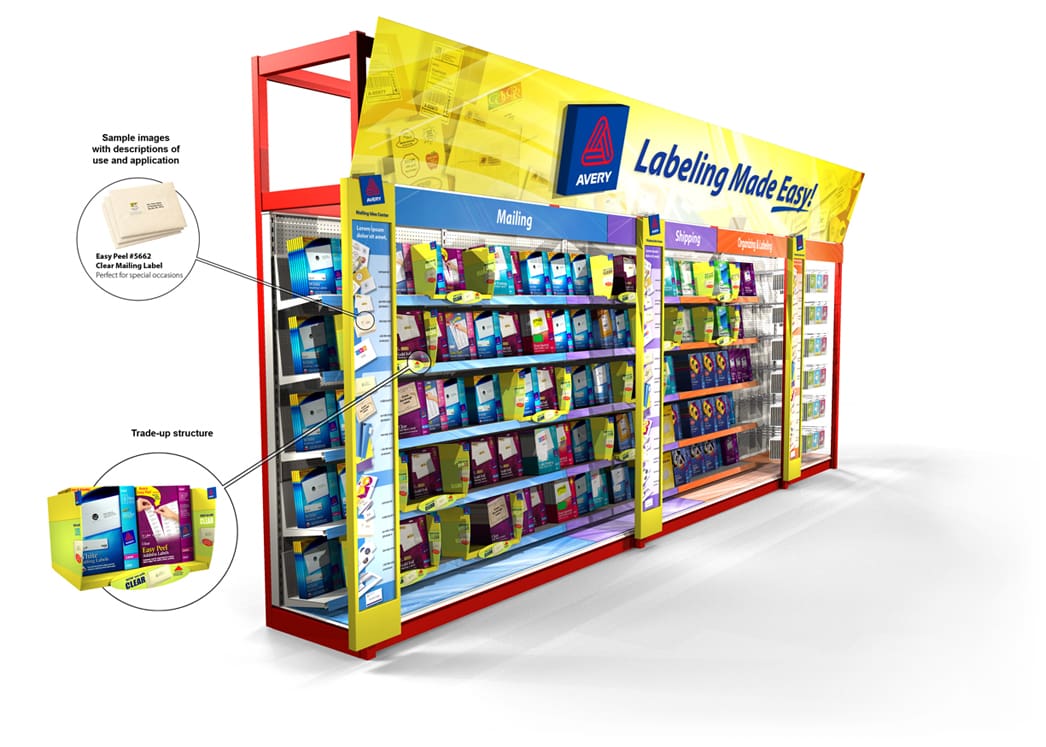
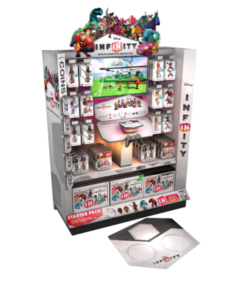
In the bustling world of retail, where competition is fierce and every inch of shelf space matters, staying ahead requires innovation. You’ve cultivated an exceptional business, a skilled team, and a compelling product lineup. However, you’ve noticed that certain competitors seem to be outselling you. Naturally, you’re intrigued and want to explore avenues that can give you a competitive edge. This is where Point of Purchase (POP) displays come into play. Demystifying Point of Purchase Displays Picture yourself navigating the aisles of your local supermarket. Amidst the array of neatly organized products on the shelves, your attention is irresistibly drawn to a strategically positioned display that showcases a selection of items. This strategic arrangement is what’s known as a Point of Purchase (POP) display – a dynamic solution that has the potential to transform your products from ordinary to attention-grabbing. Unveiling the Influence of POP Displays The essence of a POP display is simple yet remarkably effective. It’s a custom-made display set apart from its usual shelf location, demanding attention in the store. Unlike typical shelf arrangements, POP displays are often situated at the heart of aisles or at aisle ends, ensuring maximum visibility. This placement empowers your products with heightened prominence and branding opportunities, allowing them to shine amidst the retail landscape. The Artistry of Presentation A standard POP display takes physical form with one to four sides, frequently crafted from corrugated cardboard – as depicted in the accompanying image. Imagine the ingenuity employed for canned beverages, where soda or alcohol cases are stacked in creative patterns to create an enticing shape. Each structure houses a curated selection of products, adorned with a strategic interplay of design elements such as color palettes, typography, pricing details, logos, visuals, and product imagery. This symphony of visuals ensures your products seize attention in the bustling retail environment. Captivating Attention, Driving Sales The allure of POP displays lies in their ability to capture attention and drive sales. Recall your recent visit to a retail giant like Walmart. Those thoughtfully positioned displays that commanded your gaze were POP displays. It’s likely you’ve even succumbed to their appeal and made a purchase based on their captivating presentation. By breaking away from conventional shelf placements, POP displays adeptly capture shopper interest, translating to higher conversions and amplified sales for the featured products. Versatility in Application The realm of POP displays isn’t confined; it spans diverse retail settings. In expansive retail spaces like Walmart, you’ll encounter four-sided POP displays gracing main aisles – known as “action alleys.” These displays, strategically positioned every 10-20 feet, proudly exhibit an array of products encompassing, video games, books, beverages, and packaged foods. Smaller, one or two-sided POP displays mark the end of each aisle, seamlessly connecting to the larger shopping thoroughfares. From Retail Titans to Local Treasures While major retailers prominently showcase these displays, smaller establishments also reap rewards. Gas stations, country stores, auto parts shops, and neighborhood boutiques effectively utilize one or two-sided POP displays to allure customers and heighten product visibility. These displays function as compelling marketing tools, effectively conveying your product’s value proposition and encouraging impulse purchases. Elevate Your Retail Strategy with POP Displays In the relentless world of retail competition, innovation is your formidable ally. Enhance your sales prowess by harnessing the potential of POP displays. Their strategic placement, captivating designs, and enhanced visibility can convert casual browsers into enthusiastic purchasers. Whether you’re an industry titan akin to Walmart or a local gem nestled in a community, integrating POP displays can serve as your enigmatic ingredient for retail triumph. If you are interested in point of purchase displays, then partner with Brown Packaging today to get started. (714)300-0650 request@brownpackaging.com Most Recent Posts: Categories: Corrugated Ecommerce ESD Design Display Flexible Packaging Foam Folding Carton Packaging Plastic Packaging Pouch Printing Protection Retail Rigid Box Thermoform Sustainability Subscribe To Our Newsletter By submitting your information, you agree to our terms and conditions and privacy policy. POP Displays Facebook Twitter LinkedIn Pinterest Relevant Posts

In the ever-evolving landscape of retail marketing, the art of product presentation plays a pivotal role in captivating consumers and driving sales. Two popular options that consistently grab attention are pallet displays and floor displays. While both serve the purpose of showcasing products in a retail environment, they possess distinct characteristics that cater to different strategies and objectives. In this comprehensive guide, we’ll unravel the differences between pallet displays and floor displays, helping you make informed decisions that align with your brand’s goals and consumer engagement tactics. Pallet Displays: The Power of Bulk Presentation Pallet displays, as the name suggests, involve arranging products on a pallet, often with the assistance of corrugated cardboard structures. These displays are designed to be placed directly on the floor of a retail space on a pallet, instantly drawing attention to a curated selection of products. Pallet displays offer several advantages that make them a preferred choice for many brands: Mass Exposure: Pallet displays allow brands to showcase a significant quantity of products in a single unit, making them ideal for promotions, new launches, or seasonal offerings. Ease of Stocking: Retailers can swiftly replenish products by replacing the entire pallet, ensuring a consistent display even during busy shopping periods. Strategic Placement: Placed at high-traffic areas within the store, pallet displays capitalize on consumer foot traffic, increasing the likelihood of impulse purchases. Visual Impact: With ample space for eye-catching branding and graphics, pallet displays create a compelling visual presence that resonates with consumers. Floor Displays: Elevating In-Store Engagement Floor displays encompass a broader category of displays that are positioned directly on the retail floor but aren’t limited to pallets. These displays can take various forms, such as standalone structures, shelving units, or modular arrangements. The versatility of floor displays offers unique benefits: Customization: Floor displays can be tailored to fit specific product dimensions, enabling a tailored presentation that showcases products at their best. Interaction: Some floor displays feature shelves, hooks, or compartments that encourage tactile interaction, allowing customers to explore products hands-on. Flexibility: Floor displays can be strategically placed throughout the store, guiding customers along specific pathways and encouraging exploration. Targeted Segmentation: Different types of floor displays can be used to cater to various customer segments or product categories within the same store. Pallet Display vs. Floor Display: Making the Right Choice When deciding between pallet displays and floor displays, consider the following factors: Product Type: The nature of your products will influence the type of display that best suits them. Pallet displays are excellent for bulkier items, while floor displays allow for a wider range of product shapes and sizes. Goals: Identify your goals—whether it’s to promote a new product, clear excess inventory, or create a branded experience. Your objectives will help determine the most suitable display type. Store Layout: Assess the layout of the retail space. Pallet displays may be more suitable for larger open areas, while floor displays can be strategically positioned to guide customer flow. Branding: Consider the amount of branding and messaging you want to incorporate into the display. Pallet displays offer more surface area for graphics, while floor displays can focus on showcasing the product itself. In Conclusion: Balancing Form and Function Pallet displays and floor displays each offer unique advantages that can significantly impact your brand’s in-store presence. The decision ultimately hinges on your products, branding strategy, and store layout. By understanding the differences between these two display types and aligning them with your objectives, you can create captivating in-store experiences that resonate with consumers, drive sales, and enhance your brand’s overall retail presence. If you are interested in pop displays, then partner with Brown Packaging today to get started. (714)300-0650 request@brownpackaging.com Most Recent Posts: Categories: Corrugated Ecommerce ESD Design Display Flexible Packaging Foam Folding Carton Packaging Plastic Packaging Pouch Printing Protection Retail Rigid Box Thermoform Sustainability Subscribe To Our Newsletter By submitting your information, you agree to our terms and conditions and privacy policy. POP Displays Facebook Twitter LinkedIn Pinterest Relevant Posts

Sustainability has become a crucial issue in recent years, and more and more businesses are adopting sustainable practices to reduce their environmental impact. One area where companies can make a significant difference is in the packaging they use for their products. Environment friendly packaging is an important consideration for businesses that want to reduce their carbon footprint and minimize waste. Quick Overview: Sustainable Packaging In this blog post, we will explore why businesses should consider eco-friendly packaging for their products. What is Sustainable Packaging? Why is Sustainable Packaging Important? Examples of Sustainable Packaging Challenges of Sustainable Packaging What is Sustainable Packaging? Before we dive into why businesses should consider sustainable packaging, let’s define what it is. Sustainable packaging is packaging that is designed and produced using materials and processes that have a minimal impact on the environment. This means that sustainable packaging is made from renewable resources or recycled materials and can be recycled or composted at the end of its useful life. Sustainable packaging is also designed to minimize the amount of waste generated during the manufacturing and distribution process. Why is Sustainable Packaging Important? Reducing Environmental Impact One of the most important reasons why businesses should consider sustainable packaging is that it helps reduce their environmental impact. Traditional packaging materials like plastic and styrofoam can take hundreds of years to decompose, and they can release harmful chemicals into the environment. Sustainable packaging materials, on the other hand, are biodegradable, compostable, or recyclable, which means they can be safely disposed of and won’t harm the environment. Meeting Consumer Demand Consumers are increasingly aware of environmental issues and are looking for products that are produced eco-friendly. According to a study by Nielsen, 81% of global consumers feel strongly that companies should help improve the environment. By using sustainable packaging, businesses can meet this consumer demand and appeal to environmentally conscious shoppers. Improving Brand Image Using sustainable packaging can also improve a business’s brand image. Companies that are committed to sustainability are often seen as responsible and environmentally conscious, which can improve their reputation and attract new customers. Sustainable packaging can also help businesses differentiate themselves from their competitors and stand out in a crowded market. Saving Money Sustainable packaging can also help businesses save money in the long run. While sustainable packaging materials may be more expensive initially, they can often be reused or recycled, which reduces the need for new packaging. Sustainable packaging can also help businesses reduce their waste disposal costs, which can add up over time. Meeting Regulations Finally, businesses should consider environment friendly packaging to meet regulations. Many countries and regions have introduced regulations aimed at reducing the use of single-use plastics and promoting sustainable packaging. By adopting sustainable packaging practices, businesses can comply with these regulations and avoid fines or other penalties. Examples of Sustainable Packaging Now that we’ve discussed why businesses should consider sustainable packaging let’s look at some examples of sustainable packaging materials: Biodegradable Plastics Biodegradable plastics are made from natural materials that can break down quickly in the environment. These materials include cornstarch, sugarcane, and potato starch. Biodegradable plastics can be used for a range of products, including food packaging and shipping materials. Recyclable Plastics Recyclable plastics are plastics that can be recycled and used to make new products. These materials include PET and HDPE plastics, which are commonly used for water bottles and milk jugs. By using recyclable plastics, businesses can reduce the amount of plastic waste that ends up in landfills and oceans. Paper Packaging Paper packaging is made from renewable resources and is easily recyclable. This material is commonly used for food packaging, shipping boxes, and envelopes. By using paper packaging, businesses can reduce their reliance on non-renewable materials like plastic and styrofoam. Compostable Packaging Compostable packaging is made from natural materials that can break down in a composting environment. These materials include cornstarch, sugarcane, and bamboo. Compostable packaging can be used for a range of products, including food packaging and utensils. By using compostable packaging, businesses can reduce the amount of waste that ends up in landfills and promote the growth of healthy soils. Reusable Packaging Reusable packaging is designed to be used multiple times, reducing the need for new packaging materials. This can include materials like glass, metal, and cloth, which can be used for a range of products, including food and beverage containers. By using reusable packaging, businesses can reduce their waste and save money in the long run. Challenges of sustainable packaging While environment friendly packaging offers many benefits, there are also challenges associated with its adoption. One of the biggest challenges is the cost of eco-friendly packaging materials, which can be higher than traditional materials. This can be a barrier for small businesses that may not have the resources to invest in sustainable packaging. Another challenge is the lack of infrastructure to support the collection and recycling of sustainable packaging materials. In many areas, recycling programs are not equipped to handle compostable or biodegradable materials, which can end up in landfills or oceans. Finally, sustainable packaging may not always be as durable or effective as traditional packaging materials. This can be a concern for businesses that need to ensure that their products are protected during transportation and storage. If you are interested in environment friendly packaging solutions, then partner with Brown Packaging today to get started. (714)300-0650 request@brownpackaging.com Most Recent Posts: Categories: Corrugated Ecommerce ESD Design Display Flexible Packaging Foam Folding Carton Packaging Plastic Packaging Pouch Printing Protection Retail Rigid Box Thermoform Sustainability Subscribe To Our Newsletter By submitting your information, you agree to our terms and conditions and privacy policy. Custom Packaging Facebook Twitter LinkedIn Pinterest Relevant Posts

Corrugated boxes, often seen as an ordinary tool for storage and transportation, possess versatility that goes beyond their humble reputation. From industries like e-commerce and logistics to home organization and DIY craft projects, the use of corrugated boxes has taken on a dynamic role in various fields. This article explores the multitudinous applications of these eco-friendly and resilient packages, proving why they are a mainstay in our everyday life. Unboxing the Corrugated Advantage Before diving into the various applications, let’s first unbox the inherent qualities that make corrugated boxes an excellent choice. Strength and Durability: Corrugated boxes are designed to be incredibly durable. Their fluted structure provides strength and stability, ensuring they can handle pressure and weight without compromising their shape. Eco-friendliness: As they are made primarily from recycled paper, corrugated boxes are environmentally friendly, both in terms of their production process and their recyclability. Cost-effectiveness: Corrugated boxes are a cost-effective packaging solution, given that their raw materials are readily available and they’re easy to manufacture. Customizability: With modern printing and manufacturing techniques, corrugated boxes can be tailored to any size, shape, or design, making them a flexible choice for various applications. Corrugated Boxes in E-commerce The explosion of e-commerce has seen corrugated boxes play a starring role in logistics and delivery systems. Whether shipping electronics, clothes, or food items, these boxes offer a robust, secure, and customizable solution. The customizable nature of corrugated boxes, combined with the possibilities of digital printing, has allowed brands to create unique and engaging unboxing experiences for their customers. The box is no longer just a transport vessel, but an extension of the brand’s identity and customer experience. Versatility in Logistics Corrugated boxes are widely used in warehousing and logistics due to their durability and stack-ability. They are capable of bearing heavy loads and protecting goods during transport, making them an excellent choice for storing and moving products. Plus, the ease of writing or printing on these boxes makes them ideal for tracking and inventory purposes. Markings, barcodes, or labels can be easily added to facilitate systematic storage and retrieval. Corrugated Boxes in Retail In the retail sector, corrugated boxes aren’t just hidden in stock rooms. They also make appearances as point-of-sale displays, shelf-ready packaging, and more. Their easy customizability allows retailers to tailor their size, shape, and print to suit various products and branding strategies, helping to catch consumers’ eyes and increase sales. Home Use and DIY Projects Beyond their commercial uses, corrugated boxes have also found their way into our homes as storage solutions, DIY projects, and even furniture. Their sturdy construction makes them great for organizing home spaces, while their customizability allows for creative reuse in crafting projects. From making customized gift boxes to crafting playhouses for kids, the possibilities are limited only by one’s imagination. Future of Corrugated Boxes While they’re already immensely versatile, the potential applications for corrugated boxes are far from exhausted. With ongoing innovations in material science and manufacturing techniques, expect to see these humble packages continue to evolve and adapt to our changing needs. In conclusion, the versatility of corrugated boxes stems not just from their physical properties but also from their ability to be customized, reused, and repurposed. This makes them an indispensable tool in various sectors, proving that there is indeed much more to these boxes than meets the eye. If you are interested in corrugated boxes, then partner with Brown Packaging today to get started. (714)300-0650 request@brownpackaging.com Most Recent Posts: Categories: Corrugated Ecommerce ESD Design Display Flexible Packaging Foam Folding Carton Packaging Plastic Packaging Pouch Printing Protection Retail Rigid Box Thermoform Sustainability Subscribe To Our Newsletter By submitting your information, you agree to our terms and conditions and privacy policy. Custom Corrugated Boxes Facebook Twitter LinkedIn Pinterest Relevant Posts

As the global food industry continues to expand and evolve, one factor remains constant: the importance of effective, efficient, and safe packaging. At the intersection of practicality and sustainability, we find an age-old player that has proven its worth over time—corrugated boxes. Today, we’ll explore why these seemingly ordinary boxes are, in fact, a safer choice for food packaging. Understanding Corrugated Boxes Before diving into the benefits of corrugated boxes in the food industry, let’s first define what these boxes are. Unlike traditional cardboard, corrugated boxes are made from three layers of paper: an inside liner, an outside liner, and a fluting that runs in between to provide extra strength and protection. This simple but effective design has rendered them a staple in various industries, including food packaging. The Benefits of Corrugated Boxes in Food Packaging Corrugated boxes bring multiple advantages to the table—literally and metaphorically—when it comes to food packaging. High Durability and Protection The construction of corrugated boxes lends itself to a significant degree of durability and protective capacity. The fluted middle layer acts as a cushion, guarding the food items inside from damage during transportation or storage. This feature is particularly useful for fragile food items like eggs or bakery goods. Customizable and Versatile Corrugated boxes offer excellent versatility. They can be custom made to any size or shape, catering to the specific needs of different food products. Moreover, they can be printed with food safety instructions, branding, or other information, which further enhances their functionality. Temperature Control Corrugated boxes offer the often-overlooked benefit of insulation due to their fluted design, creating air pockets that help maintain a stable temperature for the contents. To further enhance temperature control, additional insulated materials can be incorporated. One option is polystyrene foam, known as Styrofoam, which provides excellent thermal insulation and can be shaped to fit the box. Insulating liners or inserts made of materials like reflective foil or bubble wrap can create a barrier against temperature changes. Gel packs or dry ice can also be used to keep products cool during transit. Incorporating these insulated materials ensures that temperature-sensitive items, such as dairy or meat, remain at the desired temperature throughout storage and transportation. Corrugated Boxes and Food Safety While the aforementioned features make corrugated boxes an attractive choice for food packaging, their real value comes to light when we consider their impact on food safety. Hygienic and Contaminant-Free Corrugated boxes are often used only once and then recycled, minimizing the risk of cross-contamination. Plus, the high heat used in the manufacturing process ensures that they are free from bacteria and other contaminants. They provide a clean, safe environment for food items during transit, storage, and delivery. Approved for Direct Food Contact Another point that emphasizes the safety of corrugated boxes is that they are generally approved for direct contact with food. To further enhance their suitability for food packaging, corrugated boxes can be coated with a food-safe material. One common option for a food-safe coating is a water-based or vegetable-based coating that complies with regulatory standards for direct food contact. This coating acts as a protective layer, preventing any potential migration of substances from the box to the food. It is designed to be non-toxic and resistant to moisture, ensuring that the packaging remains intact and safe for food items. The food-safe coating provides an additional level of assurance when using corrugated boxes for packaging perishable goods. By choosing boxes with a food-safe coating, businesses can adhere to regulatory requirements and demonstrate their commitment to food safety. This coating further ensures that the packaging material does not compromise the quality or safety of the food products being transported or stored. A Sustainable Choice In today’s world, sustainability plays a crucial role in all sectors, including food packaging. Corrugated boxes score highly in this regard. They are made from renewable resources, and most of them are manufactured from recycled materials. After use, they can be easily recycled again, reducing their environmental footprint and supporting circular economies. Conclusion: An Ideal Food Packaging Solution Corrugated boxes, with their sturdy construction, versatility, and safe properties, have secured their place as a preferred choice in food packaging. They not only protect and preserve the food products inside but also ensure their safe transport to consumers. Coupled with their sustainable nature, corrugated boxes are a true win-win solution, benefiting the food industry, consumers, and our planet alike. If you are interested in corrugated boxes for food packaging applications, then partner with Brown Packaging today to get started. (714)300-0650 request@brownpackaging.com Most Recent Posts: Categories: Corrugated Ecommerce ESD Design Display Flexible Packaging Foam Folding Carton Packaging Plastic Packaging Pouch Printing Protection Retail Rigid Box Thermoform Sustainability Subscribe To Our Newsletter By submitting your information, you agree to our terms and conditions and privacy policy. Food Packaging Facebook Twitter LinkedIn Pinterest Relevant Posts

In the fiercely competitive world of retail, brand recognition is the key to success. Standing out amidst a sea of choices requires a strategic approach, and one effective method to achieve this is through the art of consistent Point-of-Purchase (POP) displays. These displays are more than just functional; they are an opportunity to reinforce your brand identity and leave a lasting imprint on your customers’ minds. The Role of Brand Recognition in Retail Brand recognition is the ability of consumers to identify and associate a brand with specific attributes, values, and emotions. It’s not just about recalling a company’s name; it’s about forging a strong connection that leads to trust, loyalty, and increased sales. The Power of Consistency in Branding Consistency is the cornerstone of effective branding. It entails presenting a unified and harmonious image across all touchpoints, whether online, on packaging, or in-store displays. Consistency builds familiarity, making it easier for customers to connect with your brand on a profound level. Leveraging POP Displays for Cohesive Branding POP displays, strategically placed within a retail environment, offer a golden opportunity to reinforce consistent branding. These displays serve as visual ambassadors, conveying your brand’s essence in a matter of seconds. When executed seamlessly, they bridge the gap between online and offline experiences. Key Elements of Consistent POP Displays Color Palette and Typography Consistency in color and typography is a visual hallmark of your brand. Opt for a color palette that aligns with your brand’s personality and resonates with your audience. Whether bold and vibrant or minimalistic and subdued, the colors you choose should reflect your brand’s identity. The same holds true for typography—choose fonts that are not only readable but also reflective of your brand’s tone. Logo Placement and Sizing Your logo is your brand’s visual signature. Ensure it’s prominently placed on all your POP displays. Maintain a consistent logo size, regardless of the display’s dimensions. This consistency reinforces brand recognition and fosters a cohesive appearance. Messaging and Tone Craft a clear and succinct brand message that effectively communicates your value proposition. Keep a consistent tone across your messaging—whether it’s light-hearted, professional, or inspirational. A unified tone helps customers identify and resonate with your brand’s voice. Visual Style and Imagery Select a visual style that aligns with your brand’s essence. Whether through photography, illustrations, or graphics, make sure your chosen style remains consistent across all displays. A cohesive visual approach enhances brand recognition and makes your displays instantly recognizable. Creating a Unified In-Store Experience Consistent POP displays contribute to a unified in-store experience. When customers encounter consistent visual elements across various products and displays, it reinforces a sense of familiarity and trust. This experience plays a vital role in cultivating long-lasting customer relationships. Benefits of Consistent Branding in POP Displays Instant Recognition: Customers can quickly identify your brand. Professionalism: Consistency conveys professionalism and dependability. Trust and Loyalty: Familiarity fosters trust, leading to customer loyalty. Unified Brand Identity: Consistency maintains a unified brand image across touchpoints. Tips for Implementing Consistent Branding in POP Displays Conduct a brand audit to identify key visual elements. Establish clear brand guidelines for your POP displays. Educate your staff on the significance of consistent branding. Regularly review and update displays to ensure alignment with your brand. Measuring the Impact of Brand-Centric POP Displays Monitor metrics such as customer engagement, sales lift, and customer feedback to gauge the impact of consistent POP displays on brand recognition and overall performance. Future Trends in Brand-Focused POP Displays Explore emerging trends like interactive displays, personalized experiences, and the integration of technology. Discuss how brands can incorporate these trends while maintaining consistency. By harnessing the potential of consistent POP displays, retailers can forge a commanding brand presence that resonates with customers, nurtures loyalty, and propels long-term success in today’s dynamic retail landscape. If you are interested in Point of purchase displays, then partner with Brown Packaging today to get started. (714)300-0650 request@brownpackaging.com Most Recent Posts: Categories: Corrugated Ecommerce ESD Design Display Flexible Packaging Foam Folding Carton Packaging Plastic Packaging Pouch Printing Protection Retail Rigid Box Thermoform Sustainability Subscribe To Our Newsletter By submitting your information, you agree to our terms and conditions and privacy policy. POP Displays Facebook Twitter LinkedIn Pinterest Relevant Posts

In the fast-paced world of retail, every moment counts when it comes to capturing the attention of customers and driving sales. This is where Point of Purchase (POP) displays come into play as invaluable tools that can make or break a retailer’s success. In this comprehensive guide, we’ll dive deep into the reasons why retail POP displays matter and how they can significantly impact your business. The Power of First Impressions Imagine a shopper walking into a store. Their eyes scan the surroundings, looking for something that catches their interest. This is the moment when the power of a well-designed POP display comes into play. These displays are strategically placed to attract attention and create an immediate connection with your products. The first impression can be the deciding factor in whether a customer explores further or simply walks by. Visual Appeal and Branding Effective POP displays go beyond just showcasing products – they also convey your brand’s identity and values. The design, colors, and overall aesthetics of your displays should align with your brand image. Consistency in branding across all displays creates a cohesive and memorable shopping experience for customers. When done right, POP displays not only attract attention but also help build brand recognition and loyalty. Influence on Purchasing Decisions The primary goal of any retail business is to convert browsers into buyers. POP displays play a critical role in influencing purchasing decisions at the point of sale. By strategically placing products and using eye-catching visuals, you can guide customers towards specific items or promotions. Whether it’s a limited-time offer or a new product launch, a well-executed POP display can create a sense of urgency and encourage impulse buys. Enhanced Product Visibility With the vast array of products available in a store, it’s easy for certain items to get lost in the shuffle. POP displays solve this problem by giving your products a dedicated space to shine. By elevating products to eye level and using creative design elements, you ensure that they’re noticed by customers who might have otherwise overlooked them. Improved visibility can lead to increased sales and customer satisfaction. Creating Engaging Shopping Experiences Shopping is not just about transactions; it’s an experience. POP displays can transform a mundane trip to the store into an exciting and interactive journey. Incorporating elements like product demonstrations, interactive screens, or QR codes can engage customers on a deeper level. These experiences not only provide valuable information but also create a memorable visit that customers are likely to share with others. Flexibility and Versatility POP displays come in various shapes, sizes, and types, offering flexibility to suit different products and promotions. Whether it’s a temporary display for a seasonal campaign or a permanent fixture, these displays can adapt to your evolving needs. This versatility allows retailers to tailor their displays to specific goals, ensuring maximum impact. Targeted Marketing POP displays offer a targeted approach to marketing. Instead of trying to reach a broad audience, you can focus on specific segments by placing displays in relevant sections of your store. For example, if you’re promoting fitness products, you can position displays near the athletic wear or gym equipment section. This precision in targeting enhances the effectiveness of your marketing efforts. Measurable Results One of the significant advantages of POP displays is their measurability. Retailers can track the success of each display by monitoring sales data before and after implementation. This data-driven approach allows you to fine-tune your strategies and make informed decisions about future displays. By analyzing which displays resonate most with your customers, you can continually optimize your approach. Competitive Edge In today’s competitive retail landscape, standing out is essential. A well-designed POP display can give you a competitive edge by showcasing your products in a unique and memorable way. It’s a chance to differentiate yourself from competitors and create a lasting impression on customers. Investing in innovative displays can help position your brand as a leader in the industry. Building Customer Relationships Beyond the transactional aspect, successful retailers aim to build lasting relationships with their customers. Effective POP displays can contribute to this by creating positive experiences. When customers feel excited and engaged during their shopping journey, they’re more likely to associate those emotions with your brand. This emotional connection can lead to repeat business and word-of-mouth recommendations. If you are interested in pop displays, then partner with Brown Packaging today to get started. (714)300-0650 request@brownpackaging.com Most Recent Posts: Categories: Corrugated Ecommerce ESD Design Display Flexible Packaging Foam Folding Carton Packaging Plastic Packaging Pouch Printing Protection Retail Rigid Box Thermoform Sustainability Subscribe To Our Newsletter By submitting your information, you agree to our terms and conditions and privacy policy. POP Displays Facebook Twitter LinkedIn Pinterest Relevant Posts

In our increasingly eco-conscious society, it is becoming crucial for businesses to strive for sustainability in every possible area. One often-overlooked sector with considerable potential for environmental impact is packaging. Specifically, protective packaging, which is critical in ensuring the safe transit of goods, has traditionally been produced using non-biodegradable materials. But is a switch to biodegradable protective packaging possible? Let’s explore. The Need for a Sustainable Shift Every year, millions of tons of packaging waste end up in landfills, much of which could take hundreds or even thousands of years to break down. As e-commerce continues to rise, the packaging industry faces increased pressure to reduce its environmental footprint. Fortunately, biodegradable materials have emerged as an attractive alternative to conventional plastic-based packaging, offering a promising solution to this urgent issue. What Does Biodegradable Mean? Before we delve deeper into the subject, it’s important to clarify what “biodegradable” means. A material is considered biodegradable if it can be broken down by microorganisms, such as bacteria or fungi, into natural substances like water, carbon dioxide, and compost over time. This process should occur without producing toxic residues and ideally in a reasonable timeframe. Types of Biodegradable Protective Packaging Let’s now explore the types of biodegradable protective packaging currently available on the market. Biodegradable Air Pillows Air pillows made from biodegradable film are a great eco-friendly substitute for bubble wrap. They provide excellent protection for fragile items during shipment and can decompose under the right conditions. Cornstarch Packaging Peanuts Cornstarch packaging peanuts have similar cushioning properties as their traditional Styrofoam counterparts but break down easily in water, making them a much more sustainable option. Molded Pulp Packaging This type of packaging is made from recycled materials such as paper or corrugated and water. The mixture is formed into a desired shape and then dried. This eco-friendly packaging option is commonly used for consumer electronics, wine bottles, and egg cartons. Plant-Based Packaging based materials mixed with agricultural waste, forms a strong and compostable material. It can be molded into various shapes, providing an excellent, earth-friendly alternative for Styrofoam. Challenges to Adoption Despite the promising potential of these alternatives, several challenges hinder their widespread adoption. First, cost remains a significant barrier, as biodegradable materials tend to be more expensive than conventional plastic counterparts. Second, there are logistical issues to consider. For instance, biodegradable materials are generally more sensitive to environmental conditions such as humidity and temperature, which could limit their application in certain scenarios. Lastly, there’s the issue of disposal. For biodegradable materials to break down effectively, they need to be composted under specific conditions, which may not always be available in typical waste management facilities. The Future of Biodegradable Protective Packaging Despite these challenges, the future for biodegradable protective packaging looks bright. Continued advancements in material science and biotechnology are expected to lead to new, cost-effective, and efficient biodegradable packaging solutions. Moreover, as consumers continue to demand environmentally friendly practices from businesses, companies may feel increased pressure to adopt these sustainable alternatives. It’s also worth noting the potential role of policy in this transition. Legislation aimed at reducing single-use plastics and encouraging sustainable practices can create a conducive environment for the growth of the biodegradable packaging sector. If you are interested in biodegradable protective packaging, then partner with Brown Packaging today to get started. (714)300-0650 request@brownpackaging.com Most Recent Posts: Categories: Corrugated Ecommerce ESD Design Display Flexible Packaging Foam Folding Carton Packaging Plastic Packaging Pouch Printing Protection Retail Rigid Box Thermoform Sustainability Subscribe To Our Newsletter Custom Packaging By submitting your information, you agree to our terms and conditions and privacy policy. Facebook Twitter LinkedIn Pinterest Relevant Posts