
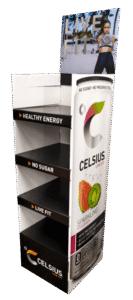
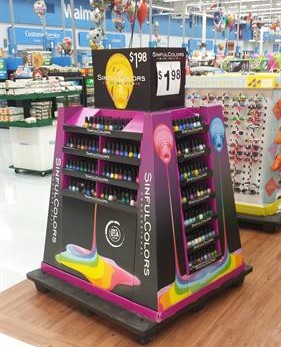
Home » Optimizing POP Display Placement for Retail Success
Optimizing POP Display Placement for Retail Success
In the retail environment, the placement of Point of Purchase (POP) displays is just as critical as their design and content. Strategic positioning can significantly influence consumer behavior, increase product visibility, and drive sales. This blog explores the importance of strategic placement for POP displays and provides insights on how to maximize their effectiveness through optimal positioning.
Understanding Consumer Traffic Flow
The effectiveness of a POP display largely depends on its ability to catch the consumer’s eye. To achieve this, retailers must first understand the natural traffic flow within their store. This involves analyzing which areas receive the most foot traffic and where customers pause, browse, or make decisions. Placing POP displays in these high-traffic or high-engagement zones can increase the likelihood of interaction and purchase.
Prime Locations for POP Displays
Near the Entrance
Placing POP displays near the entrance captures the attention of customers as soon as they enter the store. This position can be used to promote new arrivals, seasonal items, or special offers, setting the tone for the shopping experience.
At the End of Aisles
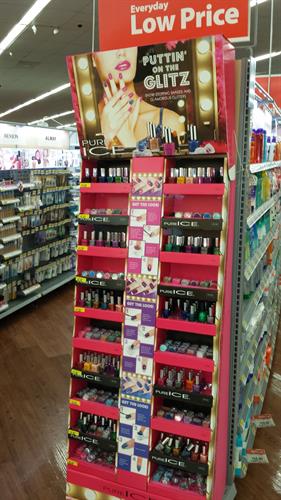
The end of an aisle, or endcap, is a premium spot for POP displays. As customers navigate the aisles, endcaps serve as focal points that draw their gaze. These locations are ideal for showcasing bestsellers, promotional items, or products that benefit from high visibility.
Checkout Areas
The checkout area is a hotspot for impulse buys. While customers wait in line, they are more likely to browse and pick up additional items. POP displays placed near or around the checkout can capitalize on this by featuring small, easy-to-decide-on products.
Transition Zones
Areas where customers transition from one part of the store to another, such as the entrance to a specialty section, are strategic for placement. These locations can be leveraged to introduce customers to products or deals that relate to their shopping journey.
Integrating Placement with Store Layout
Effective POP display placement should feel organic and integrate seamlessly with the overall store layout. Displays should not obstruct the flow of traffic or overwhelm customers but should enhance the shopping experience by being both informative and persuasive.
The Role of Visibility and Accessibility
Visibility is paramount in effective POP display placement. Displays should be positioned at eye level or in direct line of sight to ensure they are not overlooked. Additionally, products on the display should be easily accessible; customers should be able to interact with the products without any hindrance.
Using Data-Driven Insights for Placement Decisions
Leveraging sales data and customer behavior analytics can provide valuable insights into where POP displays would be most effective. A/B testing different placements can also help determine the most impactful locations based on actual customer interaction and sales conversion rates.
Conclusion
The strategic placement of POP displays is a critical component in maximizing their effectiveness. By understanding customer behavior, leveraging high-traffic locations, and ensuring visibility and accessibility, retailers can significantly enhance the impact of their POP displays. Thoughtful placement, combined with compelling design and relevant content, ensures that POP displays are not just seen but are also effective in driving purchases.
If you are interested in POP displays, then partner with Brown Packaging today to get started.
As tariff changes reshape global trade, packaging buyers moving production from China to the U.S. or nearshore regions face a new challenge: supplier qualification. Transitioning supply doesn’t end once a
With new tariff proposals and continued trade uncertainty, 2026 is shaping up to be another pivotal year for packaging sourcing strategy. Many companies that shifted production away from China in
Following multiple rounds of tariff changes and trade policy adjustments, 2026 marks a turning point for U.S. packaging buyers. Many who previously transitioned from China to domestic or nearshore suppliers
Shifting packaging production from China to the U.S. can help stabilize costs, reduce tariff exposure, and shorten lead times. But the transition process requires careful planning. For packaging buyers, the
Home » Optimizing POP Display Placement for Retail Success