

Home » Packaging That Protects Margins and Consumers Alike
Packaging That Protects Margins and Consumers Alike
In today’s cost-sensitive market, brands face a double challenge: protecting margins without eroding consumer confidence. When packaging fails — whether through damage, overuse of materials, or inconsistency — both profitability and perception take a hit. True affordability doesn’t come from cutting quality; it comes from engineering packaging that works harder, smarter, and cleaner across the entire supply chain.
The Real Cost of Product Damage
Damaged goods don’t just cost replacements — they cost reputation. Every return, every broken seal, and every crushed box quietly eats into both profit and consumer trust. A packaging failure that saves five cents per unit can easily cost dollars in reverse logistics and negative brand perception.
That’s why affordability must start with performance reliability. A package that consistently protects its contents under real shipping conditions pays for itself — not through reduced material, but through reduced loss and improved consumer satisfaction.
Designing for Protection Without Excess
Protective design doesn’t have to mean overbuilding. Modern engineering allows brands to right-size corrugated walls, optimize flutes, and introduce internal supports that protect without waste.
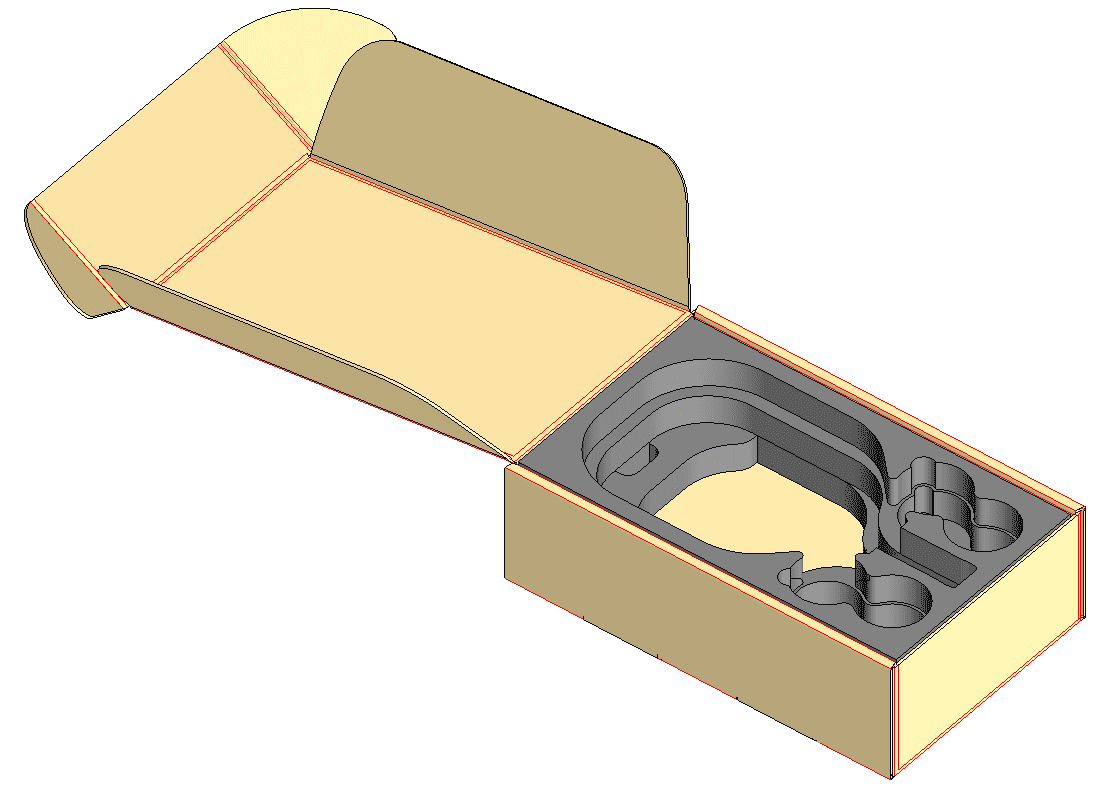
Using double-wall panels in high-pressure zones, adding die-cut stabilizers, or integrating lightweight inserts can drastically improve shock resistance without changing the overall footprint. The key is balance — enough structure to perform, not enough to overpay.
When done correctly, your box works like a tool: efficient, precise, and cost-justified.
Material Selection: Smarter, Not Heavier
Stronger doesn’t always mean thicker. By selecting materials with the right compression strength-to-weight ratio, brands can reduce cost and freight load without compromising protection.
- B-flute and E-flute corrugated can outperform heavier grades when properly structured.
- SBS or coated unbleached kraft (CUK) provides both visual appeal and barrier performance for retail.
- Hybrid substrates and liners offer controlled rigidity for automated filling and e-commerce use.
The right material ensures performance meets budget, not competes with it.
Protecting the Brand Experience
Consumers often equate packaging quality with product quality. A poorly designed, flimsy, or inconsistent package signals that something was compromised — even if the product itself is fine.
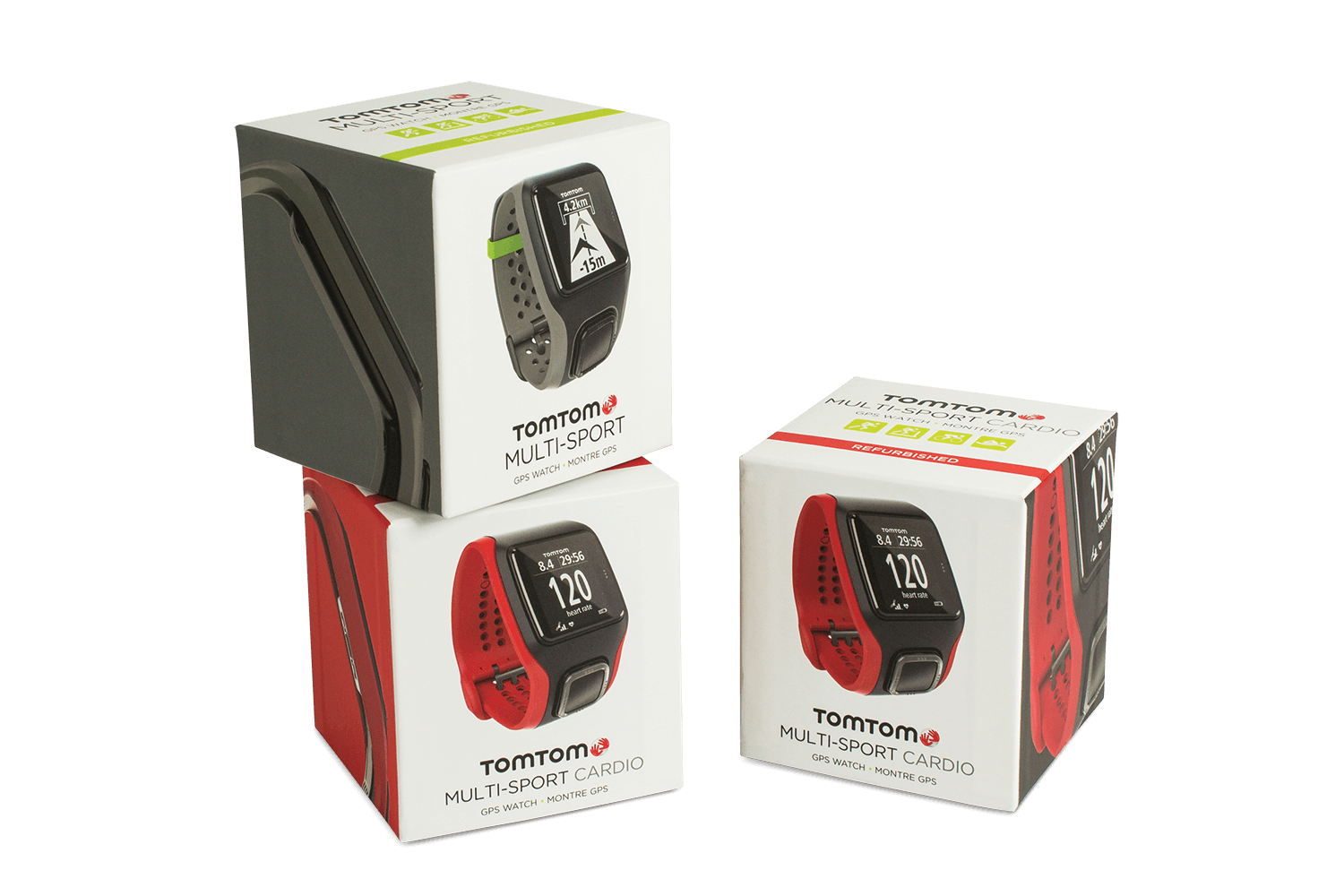
By maintaining consistent branding, tight fit, and durable finishes, brands reinforce reliability while keeping packaging affordable. In other words, your package should protect more than the product — it should protect your brand’s reputation for dependability.
Data-Driven Protection: Testing for Real Conditions
Laboratory testing and transit simulations aren’t just for large brands. Affordable packaging now leverages compression tests, drop simulations, and ECT ratings to validate real-world performance before production.
This data-driven approach helps determine the lightest, most cost-efficient material that can still meet impact and compression requirements. It’s not about overengineering — it’s about evidence-based protection that directly defends your margins.
Consumer Confidence Through Consistency
Affordable packaging succeeds when consumers never notice what you changed. Whether through improved seals, consistent branding, or sustainable upgrades, subtle design refinements can lower costs without changing perception.
That quiet consistency — delivering a product that looks, feels, and functions exactly as expected — is what keeps affordability invisible and consumer trust intact.
Partnering for Protection and Profitability
At Brown Packaging, we believe affordable packaging should protect both the product and the bottom line. Our team designs corrugated, folding carton, and rigid packaging engineered to reduce waste, resist impact, and reinforce brand value — all while staying cost-aligned.
We help brands find that equilibrium where cost efficiency and consumer experience meet — because protecting your product is only half the job; protecting your reputation is the rest.
References
- Soroka, W. (2009). Fundamentals of Packaging Technology (4th ed.). Institute of Packaging Professionals.
- PMMI. (2023). Protective Packaging Trends for E-Commerce and Retail.
- Packaging World. (2025). Balancing Packaging Performance and Cost Control.
- McKinsey & Company. (2024). Consumer Trust and Packaging Quality Perception.
Full Overlap (FOL) boxes are among the strongest corrugated packaging styles, with flaps that fully overlap to provide double-thickness protection. But the strength of the box also depends on how
Industrial supply chains demand packaging that can withstand heavy loads, long transit routes, and rugged handling environments. Full Overlap (FOL) boxes offer superior performance in these conditions by combining durability
Full Overlap (FOL) boxes provide superior strength by using overlapping flaps that double the thickness of the top and bottom panels. While this design reduces product damage and improves stacking
Packaging is rarely viewed as a capital allocation decision. Yet print method selection directly affects working capital, inventory exposure, and cash flow flexibility. In 2026, print strategy is increasingly a
Home » Packaging That Protects Margins and Consumers Alike