



Home » Meeting 2026 Packaging Compliance Standards
Meeting 2026 Packaging Compliance Standards
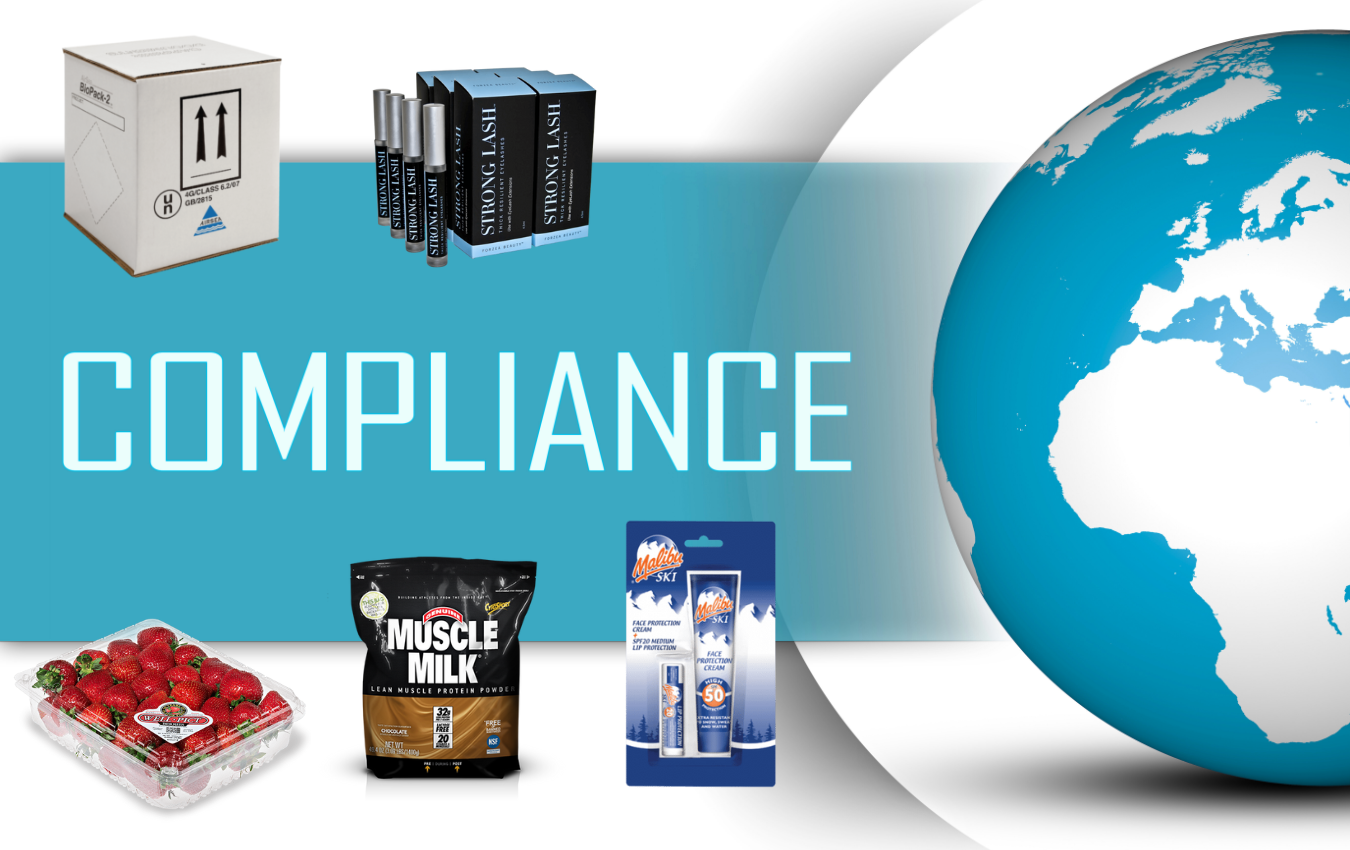
Packaging compliance is no longer optional—it’s a requirement for accessing retail shelves, shipping networks, and international markets. In 2026, buyers must navigate evolving regulations around sustainability, labeling, and testing to avoid costly fines, rejected shipments, or damaged customer relationships.
Why Compliance Matters in 2026
- Retail requirements: Major retailers demand FSC, ISTA, and sustainability certifications.
- E-commerce standards: Carriers enforce dimensional weight and package testing rules.
- Global trade: Export packaging must comply with ISPM 15, ASTM, and ISO guidelines.
- Consumer trust: Transparency in packaging claims impacts purchasing decisions.
Key Compliance Areas for Buyers
- Material sourcing: FSC-certified corrugated and board for sustainability.
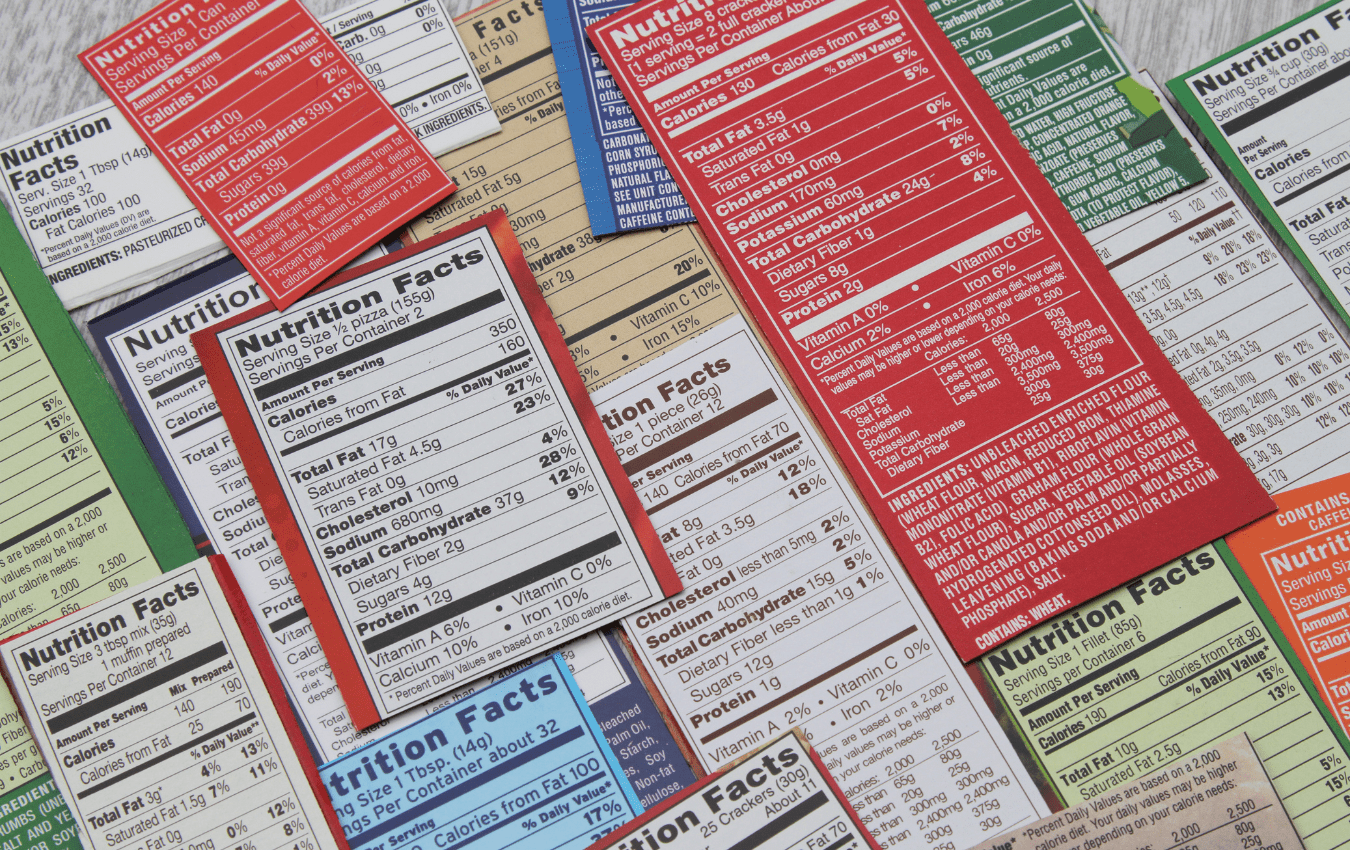
- Labeling standards: GS1-compliant barcodes and accurate product details.
- Durability testing: ISTA and ASTM protocols for drop, vibration, and compression.
- Sustainability regulations: Requirements for recyclable or compostable materials.
- Chemical restrictions: Compliance with FDA, EU, or state-specific standards.
Common Compliance Challenges
- Keeping up with frequent regulatory changes.
- Managing multiple certifications across suppliers.
- Balancing compliance with cost-efficiency.
- Verifying supplier claims for sustainability.
Best Practices for Staying Compliant
- Audit suppliers annually to confirm certification validity.
- Run internal packaging tests before scaling.
- Track regulatory updates for each region you ship to.
- Work with experienced partners who understand industry compliance.
Packaging Solutions with Brown Packaging
Brown Packaging helps buyers meet 2026 compliance standards with FSC-certified materials, ISTA-tested designs, and regulatory expertise. Our team ensures your packaging meets retailer, carrier, and sustainability requirements. Contact us to keep your program compliant.
References
Forest Stewardship Council (FSC). (2023). FSC Certification Guidelines for Packaging. Retrieved from https://fsc.org
International Safe Transit Association (ISTA). (2023). ISTA Testing Procedures for Transport Packaging. Retrieved from https://ista.org
GS1. (2024). Global Standards for Packaging and Labeling. Retrieved from https://www.gs1.org
Most POP displays are designed for day-one appearance—not for what happens after the first few units sell. That’s a problem. Because in retail, performance is determined by what happens during
Most POP display decisions eventually come down to a tradeoff:make it look better or make it perform better. The mistake is thinking you have to choose. In reality, the best-performing
Many packaging purchasing decisions are made by comparing price per box. While this metric is easy to evaluate, it often fails to capture the real economics of packaging systems. Packaging
A POP display isn’t successful when it looks good leaving production—it’s successful when it arrives intact, gets placed correctly, and performs in-store. The problem is most displays are designed for
Home » Meeting 2026 Packaging Compliance Standards