
window.uetq = window.uetq || []; window.uetq.push(‘event’, ‘submit_lead_form’,{ event_label:‘SUBMIT MESSAGE’ }); window.lintrk('track', { conversion_id: 10271009 }); window.lintrk('track', { conversion_id: 10271017 });

Custom Packaging Timeline: From Concept to Delivery

Creating custom packaging is a detailed process that requires careful planning and collaboration to ensure the final product meets your needs and expectations. Understanding the timeline for each phase—from design and sampling to delivery—helps manage expectations, streamline communication, and avoid delays.

This guide outlines the key stages in the custom packaging process, providing an estimated timeline for each step to help you plan effectively.

Phase 1: Design & Sampling

Estimated Time: 1–3 Weeks

This initial phase is where ideas are transformed into tangible concepts. It involves collaborating with a packaging design team to create a packaging solution that fits your product’s specifications, branding, and functional requirements.

Key Steps:

  1. Concept Development
    • Discuss your product, budget, branding, and functional needs with the design team.
    • Develop initial concepts and sketches.
  2. Prototyping & Sampling
    • Create physical or digital prototypes based on approved designs.
    • Test samples to ensure they meet quality, durability, and aesthetic standards.

Potential Delays:

  • Changes in design direction.
  • Delays in providing product dimensions or artwork files.
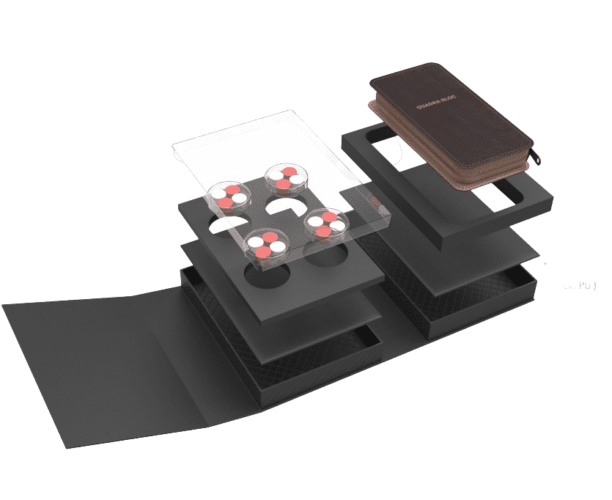
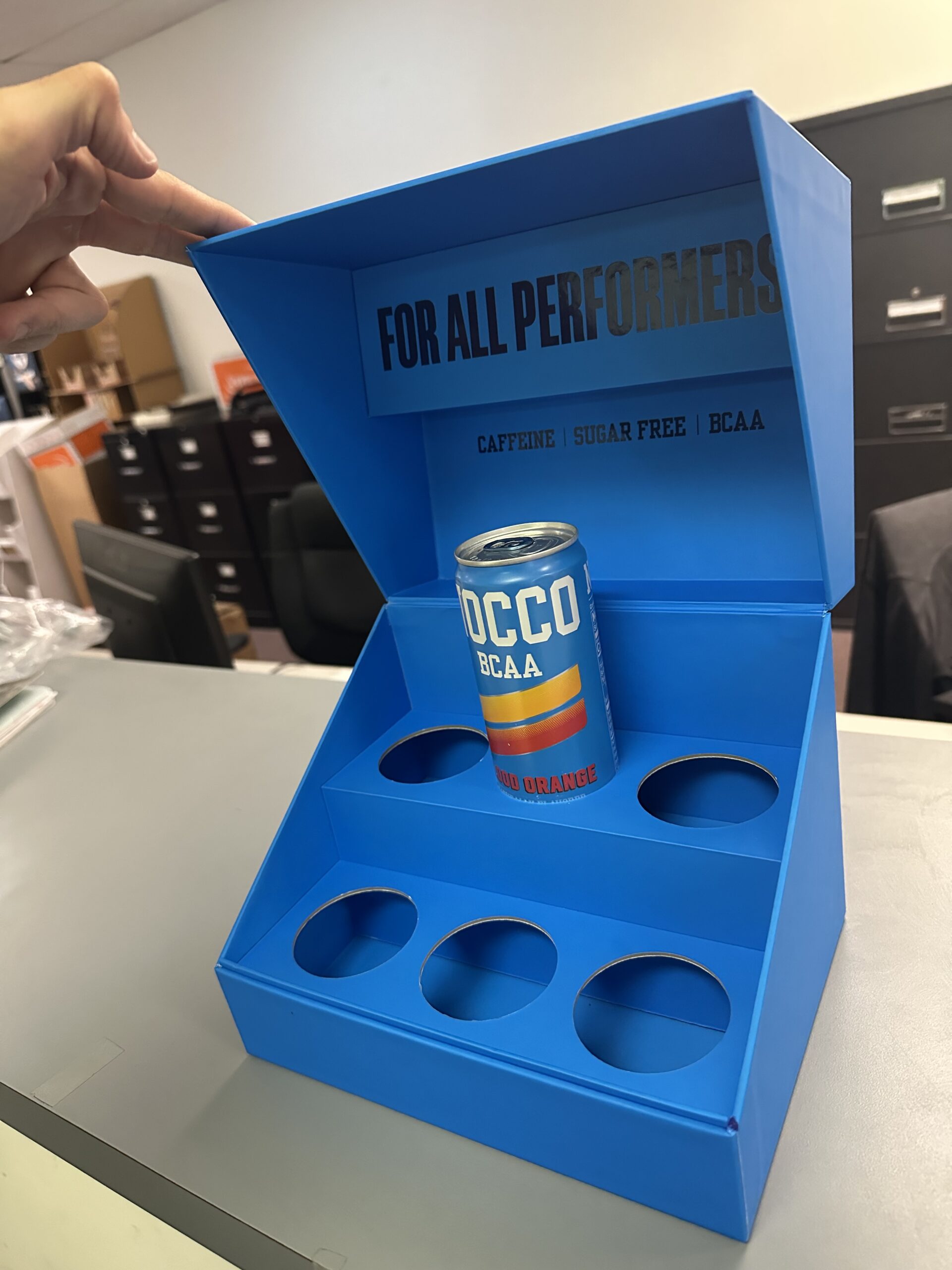
structural design concepts

Phase 2: Art Approvals

Estimated Time: 1–2 Weeks

Once the design is finalized, it moves to the artwork stage. This is where all visual elements, including logos, colors, and text, are finalized and approved for production.

Key Steps:

  1. Artwork Preparation
    • Designers prepare print-ready files based on your approved design.
    • Mockups are reviewed to ensure all elements align with brand guidelines.
  2. Approval Process
    • Review proofs and request any necessary changes.
    • Provide final approval to move forward with production.

Tips for Efficiency:

  • Provide high-resolution logos and branding assets upfront.

Assign a dedicated point of contact for approvals to avoid delays

Packaging Graphic Design Services

Phase 3: Tool Manufacturing

Estimated Time: 2–4 Weeks

For custom packaging, tooling may be required to create the unique shapes, cuts, and designs specified in your order. This involves producing molds, dies, or plates to prepare for production.

Key Steps:

  1. Tool Design
    • Engineers design custom tools based on approved specifications.
  2. Tool Production
    • Manufacturing the tools required for cutting, printing, or shaping packaging materials.

Potential Delays:

  • Revisions to specifications after tooling has started.
  • Complexity of tooling for intricate designs.

Phase 4: Production

Estimated Time: 3–6 Weeks

With designs approved and tools ready, production begins. The timeline for this phase depends on the complexity of your packaging, the materials used, and the order quantity.

Key Steps:

  1. Material Procurement
    • Sourcing of materials like cardboard, plastics, or printing inks.
  2. Printing & Assembly
    • Printing artwork onto materials.
    • Assembling packaging components, such as folding cartons or rigid boxes.
  3. Quality Control
    • Inspecting samples from the production line to ensure consistency and quality.

Tips for Managing Production Time:

  • Confirm order quantities and specifications before production begins.
  • Choose materials that are readily available to avoid sourcing delays.

Phase 5: Delivery

Estimated Time: 1–3 Weeks

Once production is complete, your packaging is packed and shipped to your designated location. Delivery times depend on shipping methods and distances.

Key Steps:

  1. Packaging & Logistics
    • Packaging your order for safe transit.
    • Coordinating with logistics partners for shipping.
  2. Final Delivery
    • Track shipments to ensure timely delivery.
    • Receive and inspect the order for any damage or discrepancies.

Potential Challenges:

  • Shipping delays due to weather or logistical issues.
  • Customs clearance for international deliveries.
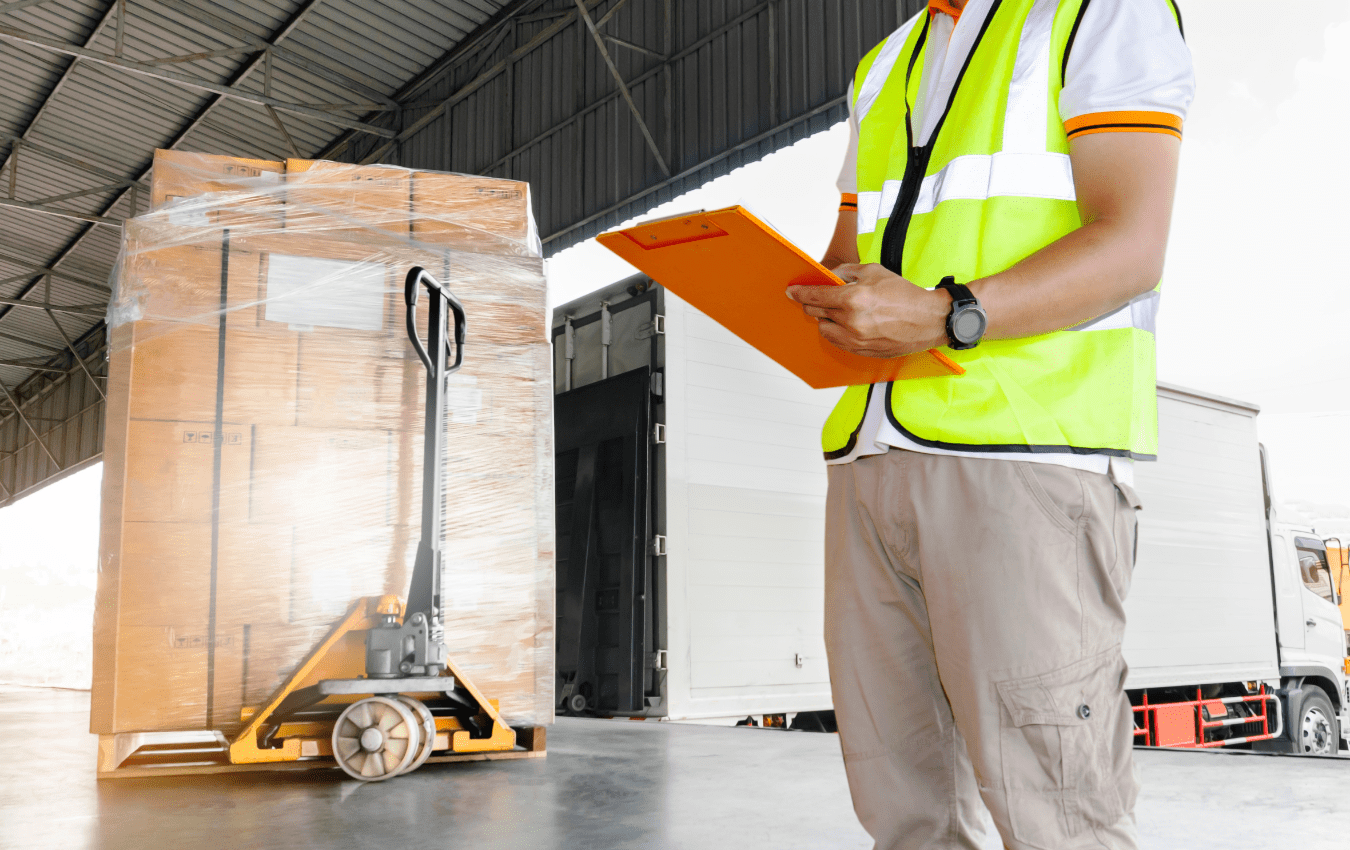
How to Optimize Your Packaging in Delivery Trucks Using CAPE Software

Estimated Total Timeline

Phase

Estimated Time

Design & Sampling

1–3 weeks

Art Approvals

1–2 weeks

Tool Manufacturing

2–4 weeks

Production

3–6 weeks

Delivery

1–3 weeks

Total Time

8–18 weeks

Tips to Keep Your Project on Schedule

  1. Communicate Clearly
    • Provide detailed specifications and feedback promptly at every stage.
  2. Plan Ahead
    • Start the custom packaging process early to account for unexpected delays.
  3. Work with Trusted Partners
    • Choose a reliable packaging supplier with a proven track record for meeting deadlines.
  4. Avoid Last-Minute Changes
    • Finalize designs, quantities, and materials before production begins.

Conclusion

Creating custom packaging is a multi-step process that requires time and collaboration. By understanding the timeline and potential challenges at each phase, you can plan your project effectively and ensure a smooth transition from design to delivery.

Ready to start your custom packaging project? Contact us today to discuss your needs and get started on a timeline tailored to your business!


Most Recent Posts:
Comparing Single vs. Multi-Material Packaging

Choosing the right packaging material is one of the most important decisions buyers face. Single-material packaging offers simplicity and recyclability, while multi-material designs provide enhanced performance and protection. Understanding the

Read More »
Categories:
Subscribe To Our Newsletter

By submitting your information, you agree to our terms and conditions and privacy policy.

custom printed pouch
Custom Packaging
Facebook
Twitter
LinkedIn
Pinterest
Relevant Posts
Custom Packaging: Understanding Customer Buying Behavior
Packaging
brownpackaging
Custom Packaging: Understanding Customer Buying Behavior

In the competitive business landscape of today, custom packaging has emerged as a powerful tool to not only protect products but also make a lasting impression on customers. However, creating custom packaging that resonates with your target audience requires a deep understanding of their buying behavior. Customer buying behavior can be categorized into three main aspects: emotional, habitual, and rational. In this blog, we will explore how a company looking for custom packaging should consider these factors to design packaging that captivates and engages customers effectively. Emotional Buying Behavior Emotional buying behavior is deeply rooted in the customer’s feelings and desires. It revolves around the emotional connection a customer forms with a product or brand. When designing custom packaging with emotional buying behavior in mind, consider the following: Brand Storytelling: Your packaging should tell a compelling story about your brand. Use colors, images, and text that evoke emotions associated with your product. For example, if your product is eco-friendly, use earthy tones and images of nature to connect with environmentally conscious customers emotionally. Aesthetic Appeal: Visual aesthetics play a crucial role in emotional buying behavior. Ensure that your packaging design is visually appealing and aligns with your brand’s personality. If your brand is playful, use vibrant colors and whimsical designs. For a luxury brand, opt for minimalist, sophisticated packaging. Personalization: Personalization can create a sense of exclusivity and connection. Consider adding personal touches like the customer’s name or a personalized thank-you note. This makes customers feel valued and appreciated. Habitual Buying Behavior Habitual buying behavior is characterized by routine purchases where customers buy the same products repeatedly. Packaging design can influence habitual buying behavior in several ways: Consistency: Maintain a consistent packaging design to make it easily recognizable. This consistency reinforces the habit of purchasing your product. Ensure that the color scheme, logo placement, and overall design remain the same over time. Packaging Practicality: Packaging should be practical and easy to open, ensuring a seamless experience for customers. If your packaging is too complicated, customers may switch to a more convenient option. Iconic Elements: Incorporate iconic elements into your packaging design that become synonymous with your brand. Think of the iconic Coca-Cola bottle or the distinctive shape of a Toblerone chocolate bar. These elements trigger habitual buying behavior. Rational Buying Behavior Rational buying behavior is based on logic, practicality, and the customer’s evaluation of product features. To cater to customers with rational buying behavior, consider the following: Information Clarity: Ensure that your packaging provides clear and concise information about the product. Include key details like ingredients, usage instructions, and benefits. Use easy-to-read fonts and organize information logically. Eco-Friendliness: Today’s consumers are increasingly environmentally conscious. Consider using eco-friendly materials and clearly highlighting this on your packaging. Rational buyers often appreciate brands that align with their values. Packaging Size and Functionality: Rational buyers assess packaging size and functionality. If your product is sold in various quantities or sizes, ensure the packaging accommodates these options efficiently. Avoid excessive waste in packaging materials. If you are interested in custom packaging, then partner with Brown Packaging today to get started. (714)300-0650 request@brownpackaging.com Most Recent Posts: Categories: Corrugated Ecommerce ESD Design Display Flexible Packaging Foam Folding Carton Packaging Plastic Packaging Pouch Printing Protection Retail Rigid Box Thermoform Sustainability Subscribe To Our Newsletter By submitting your information, you agree to our terms and conditions and privacy policy. Custom Packaging Facebook Twitter LinkedIn Pinterest Relevant Posts

Read More »
POP sidekick display
Display
brownpackaging
Balancing Shelf Presence and Shipping Efficiency in POP Displays

POP display design must serve two masters — maximizing visual impact in-store while minimizing logistics costs. Engineering the right balance between display footprint, assembly complexity, and shipping volume is critical to meeting retailer requirements and protecting margins. Knock-Down vs. Fully Assembled Designs Knock-Down (KDF) Displays: Pros: Reduced shipping volume, lower freight costs, easier warehousing. Cons: Requires assembly labor at store level, potential for setup errors. Fully Assembled Displays: Pros: Guaranteed presentation quality, faster deployment. Cons: Higher dimensional freight costs, risk of damage in transit. Freight Optimization Factors Cube Utilization: Designing displays to fit standard pallet footprints (40×48 inches) and trailer heights improves load efficiency. Dimensional Weight (DIM): Carriers charge based on the higher of actual or volumetric weight; bulky but light displays can be costly to ship. Palletization Patterns: Consistent stacking reduces shifting and improves load stability. Structural Engineering Considerations Flat-Pack Engineering: Modular components with interlocking tabs reduce the need for fasteners. Material Selection: Lighter substrates reduce freight weight but must still meet load-bearing requirements. Protective Packaging: Corner protectors and slip sheets prevent in-transit abrasion. Shelf Presence Strategies Without Bulk Tiered Merchandising: Maximizes SKU visibility without increasing footprint. Bold Header Cards: Achieves eye-level engagement without adding weight. Interchangeable Graphic Panels: Allows seasonal refresh without replacing the structural base. Testing and Compliance ISTA 3E: Simulates unitized load handling for large-format displays. Retailer Compliance Manuals: Many major retailers specify maximum dimensions, palletization methods, and setup time allowances. References International Safe Transit Association. (2018). ISTA 3E: Packaged-products for unitized loads. ISTA. https://ista.orgWalmart. (2024). Retail link supplier compliance guidelines. Walmart Inc. https://www.walmart.com/suppliersTarget. (2024). Target merchandising display guidelines. Target Brands, Inc. https://corporate.target.com (714)300-0650 request@brownpackaging.com Most Recent Posts: Categories: Corrugated Ecommerce ESD Design Display Flexible Packaging Foam Folding Carton Packaging Plastic Packaging Pouch Printing Protection Retail Rigid Box Thermoform Sustainability Subscribe To Our Newsletter By submitting your information, you agree to our terms and conditions and privacy policy. Custom POP Display Facebook Twitter LinkedIn Pinterest Relevant Posts

Read More »
Recycling and Upcycling Corrugated Boxes
Corrugated
brownpackaging
Recycling and Upcycling Corrugated Boxes

When you unwrap that eagerly awaited online order, or when the supermarket shipments arrive, corrugated boxes are almost always involved. With the increase in e-commerce and global shipments, the use of these boxes has surged. The question then arises: what do we do with all these boxes? The answer lies in the twin practices of recycling and upcycling. Let’s delve deep into the world of corrugated boxes, examining their environmental impact and how we can give them a second (or third) life. The Environmental Impact of Corrugated Boxes The Production Cost: The production of corrugated boxes requires vast amounts of energy and water. Trees are felled, processed, and transformed into paper pulp, which then becomes the corrugated cardboard we’re familiar with. While it’s true that many companies have started sourcing wood from sustainable forests, the process still consumes valuable resources. Landfills: When discarded improperly, these boxes contribute to the already mounting waste in landfills. Although corrugated cardboard decomposes faster than plastics, it still takes between 3 to 8 months for it to fully break down. This decomposition can produce methane, a greenhouse gas 25 times more potent than carbon dioxide. Carbon Footprint: From the transport of raw materials to the box’s final delivery, the entire lifecycle of a corrugated box adds to the carbon footprint. This doesn’t even account for the transportation of discarded boxes to landfills. Recycling Corrugated Boxes Recycling is the process of converting waste materials back into new products to prevent waste of potentially useful materials. The Recycling Process: Once the boxes reach the recycling facility, they’re sorted, cleaned, and broken down into paper pulp again. This pulp is then used to create new cardboard or paper products. The Benefits: Resource Conservation: Recycling corrugated boxes means fewer trees are cut down to produce new boxes. Energy Saving: Producing items from recycled materials consumes less energy compared to starting from scratch. Reduced Pollution: Fewer raw materials being processed means reduced air and water pollution. Upcycling Corrugated Boxes Upcycling, in contrast to recycling, involves creatively repurposing or redesigning waste materials into products of better quality or for better environmental value. Creative Uses for Old Boxes: Storage Bins: Decorate and reinforce old boxes to create stylish storage solutions for your home. Wall Art: Cut out patterns or shapes from boxes, paint them, and fix them onto walls for an eco-friendly décor solution. Garden Solutions: Use flattened cardboard as a weed barrier in gardens. It’s biodegradable and effective. Kids’ Playhouse: Combine several boxes to create playhouses, castles, or forts for kids. They can even join in, painting and decorating. Pet Toys: Shape the cardboard into toys or scratch pads for pets. Cats, for instance, love corrugated cardboard scratchers. Gift Tags: Cut out small pieces, paint or decorate them, and use them as tags for gifts. Organizers: Craft compartmentalized trays or organizers for drawers or desks. In conclusion, while corrugated boxes do pose an environmental challenge, through conscious efforts in recycling and upcycling, we can mitigate their impact. The journey of a box doesn’t have to end once its primary purpose is fulfilled. With a touch of creativity and environmental awareness, we can ensure that the story of every box is both inspiring and green. If you are interested in corrugated boxes, then partner with Brown Packaging today to get started. (714)300-0650 request@brownpackaging.com Most Recent Posts: Categories: Corrugated Ecommerce ESD Design Flexible Packaging Foam Folding Carton Packaging Printing Protection Retail Rigid Box Thermoform Sustainability Subscribe To Our Newsletter By submitting your information, you agree to our terms and conditions and privacy policy. Custom Corrugated Boxes Facebook Twitter LinkedIn Pinterest Relevant Posts

Read More »