

Home » The Hierarchy of Needs in Custom Packaging: From Functionality to Branding
The Hierarchy of Needs in Custom Packaging: From Functionality to Branding
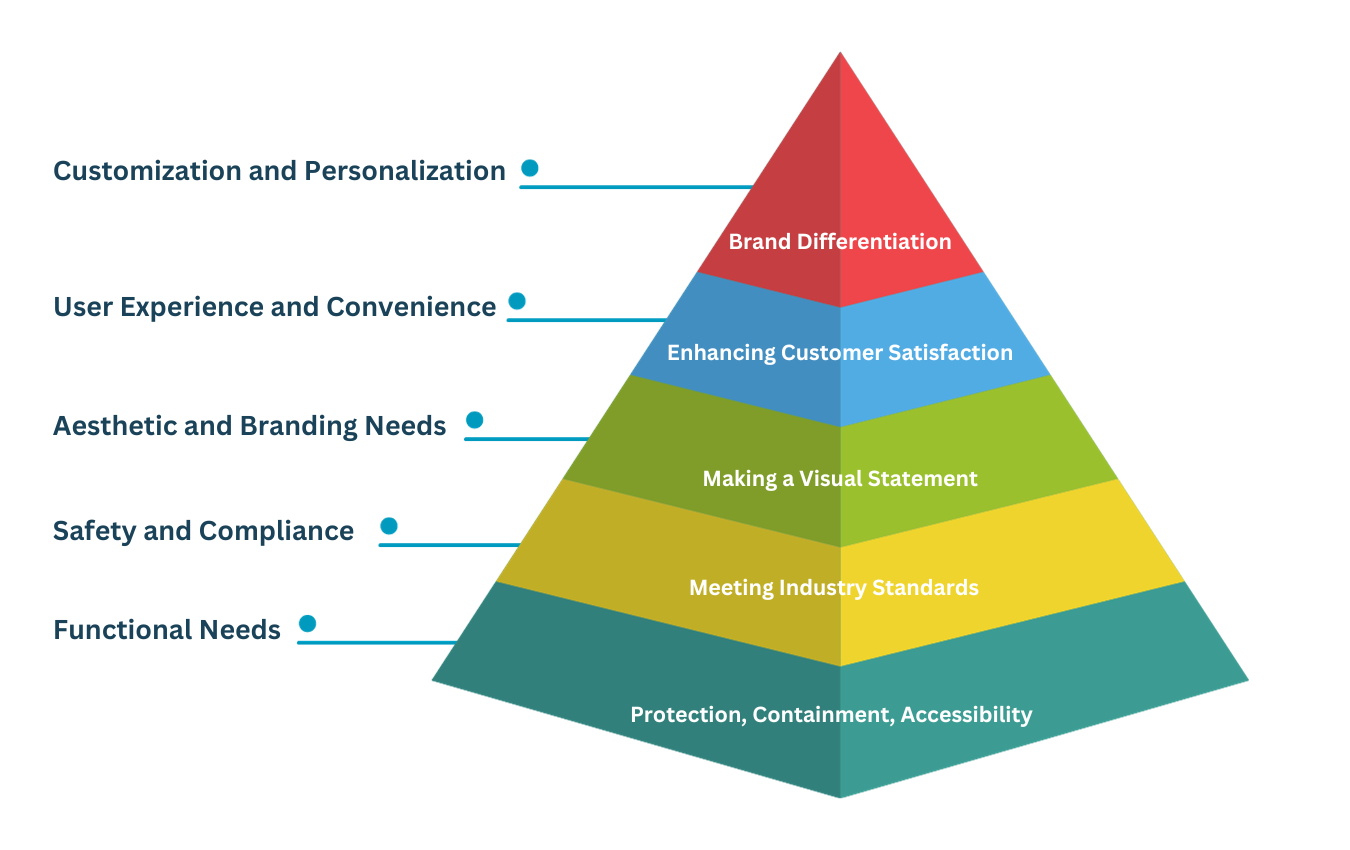
When it comes to packaging, it’s easy to dismiss it as merely a wrapper for the product. However, packaging serves a crucial role in not only protecting the product but also influencing consumer perception and purchase decisions. In the world of custom packaging, understanding the hierarchy of needs is essential to create packaging that not only satisfies basic requirements but also elevates your brand. Let’s dive into this packaging hierarchy and explore how it can impact your business.
Functional Needs: The Foundation of Packaging
At the base of the packaging hierarchy lie the functional needs. These are the fundamental requirements that packaging must meet to serve its primary purpose effectively. Without these basic functions, packaging would fail in its essential role.
Protection: Packaging should safeguard the product from damage during transportation, handling, and storage. It’s the first line of defense against the rigors of the supply chain.
Containment: A well-designed package securely holds the product, preventing spillage, breakage, or leakage. It ensures that the product reaches the customer intact.
Accessibility: Packaging should facilitate easy access to the product. Consumers shouldn’t struggle to open or close the package, ensuring a seamless user experience.
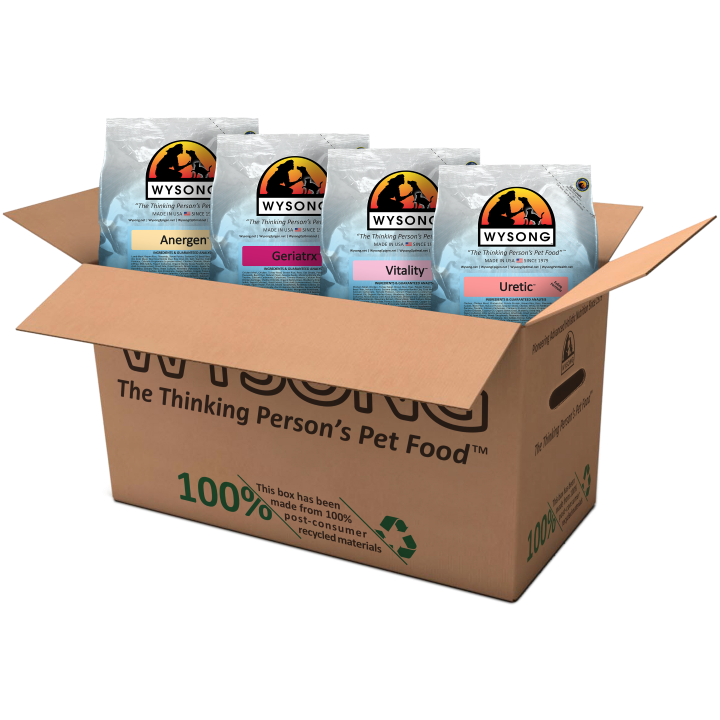
Safety and Compliance: Meeting Industry Standards
Once functional needs are met, safety and compliance considerations come into play. Adherence to regulations and safety standards is vital for both consumer safety and the brand’s reputation.
Regulatory Compliance: Packaging must conform to relevant laws and regulations, including labeling requirements and environmental standards. Non-compliance can lead to legal issues and damage your brand’s image.
Product Safety: Beyond legal requirements, the packaging materials themselves should not pose any safety risks to consumers. This includes considerations like avoiding toxic substances in packaging.
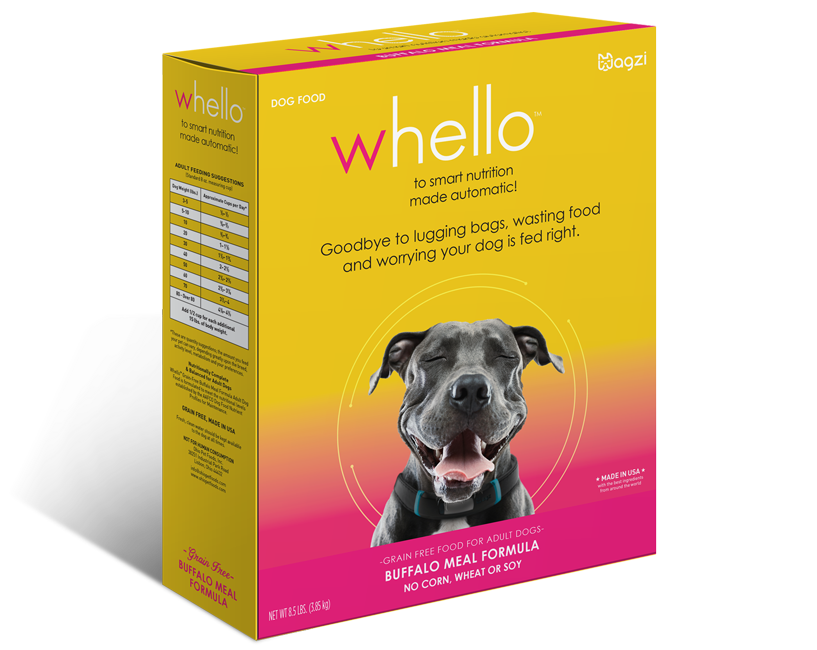
Aesthetic and Branding Needs: Making a Visual Statement
Moving up the hierarchy, we encounter the aesthetics and branding aspects of packaging. These elements contribute to the visual appeal of your product and its ability to communicate your brand identity.
Visual Appeal: Your packaging should be visually attractive. Colors, graphics, and design should align with your brand’s image and resonate with your target audience.
Information: Effective packaging communicates essential product information, usage instructions, and branding elements clearly. It helps consumers make informed choices and reinforces your brand.
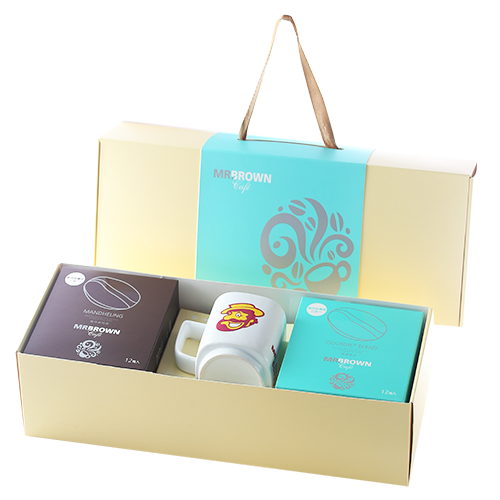
User Experience and Convenience: Enhancing Customer Satisfaction
Beyond aesthetics, the user experience and convenience are paramount. Packaging should enhance the overall customer experience and convenience in using the product.
Ease of Use: Packaging should be user-friendly, allowing customers to open and close it without frustration. A pleasant unboxing experience can leave a lasting positive impression.
Eco-Friendliness: In today’s environmentally conscious world, eco-friendly packaging is a priority. Sustainable materials and responsible design can appeal to eco-conscious consumers.
Customization and Personalization: Setting Your Brand Apart
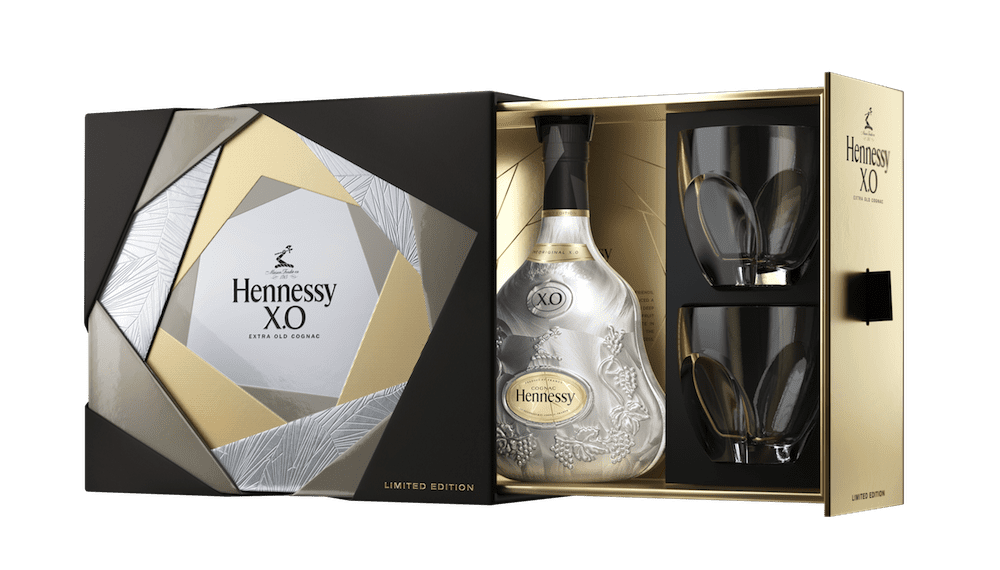
At the pinnacle of the packaging hierarchy is customization and personalization. Custom packaging solutions can set your brand apart and create a unique identity in the market.
Tailored Solutions: Custom packaging designs cater to specific products and consumer preferences. They can be tailored to fit various product shapes and sizes.
Brand Differentiation: In a crowded marketplace, custom packaging helps your brand stand out. It reinforces brand recognition and builds a loyal customer base.

In conclusion, the hierarchy of needs in custom packaging serves as a roadmap for designing packaging that not only meets basic requirements but also elevates your brand. By starting with the foundation of functionality and working your way up to aesthetics and customization, you can create packaging that not only protects your product but also enhances its appeal and strengthens your brand identity. Remember, in the world of packaging, meeting basic needs is just the beginning of a beautiful branding journey.
If you are interested in custom packaging, then partner with Brown Packaging today to get started.
A folding carton may look simple once it reaches the shelf, but it goes through a controlled production process before it becomes a finished package.
Folding carton production is becoming more automated because buyers are asking for faster timelines, tighter consistency, and more flexibility across more SKUs. Shorter product lifecycles,
Folding carton style matters because structure affects more than appearance. The right carton can improve shelf presentation, packing speed, product access, closure security, storage efficiency,
Pouch packaging trends in 2027 will be shaped by convenience, shelf impact, sustainability pressure, sealing performance, automation, ecommerce growth, and total packaging cost. Buyers will
Corrugated box trends in 2027 will be driven by a practical mix of cost control, sustainability, ecommerce growth, automation, retail requirements, and supply chain performance.
Packaging trends in 2027 will be shaped by one major reality: buyers are no longer looking at packaging as just a box, carton, insert, pouch,
By submitting your information, you agree to our terms and conditions and privacy policy.
Home » The Hierarchy of Needs in Custom Packaging: From Functionality to Branding



Packaging is not merely a practical aspect of shipping; it’s also a statement about your brand’s commitment to quality and protection. When it comes to
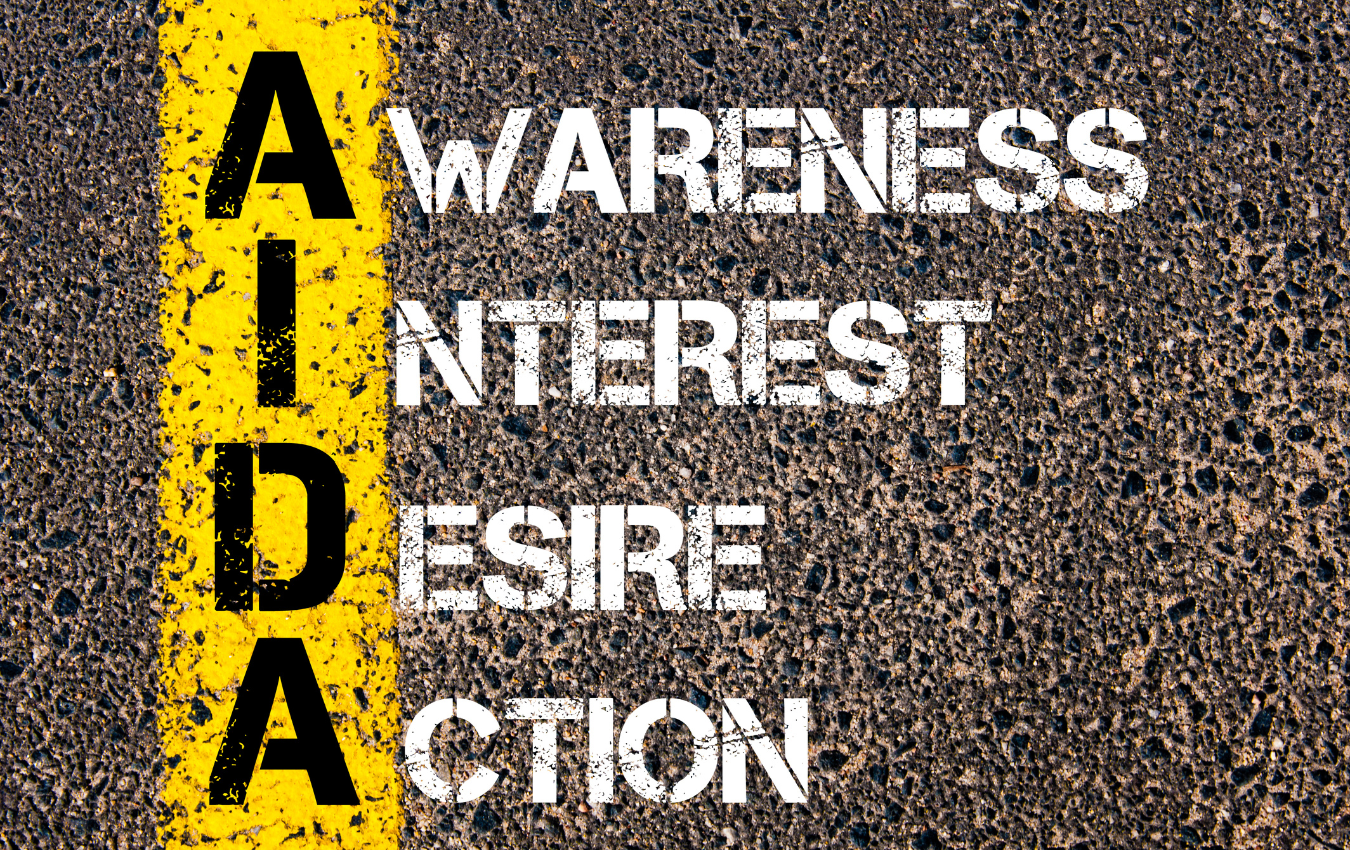
In the dynamic world of marketing, packaging isn’t just a protective shell for your product; it’s a powerful tool for capturing the hearts and minds
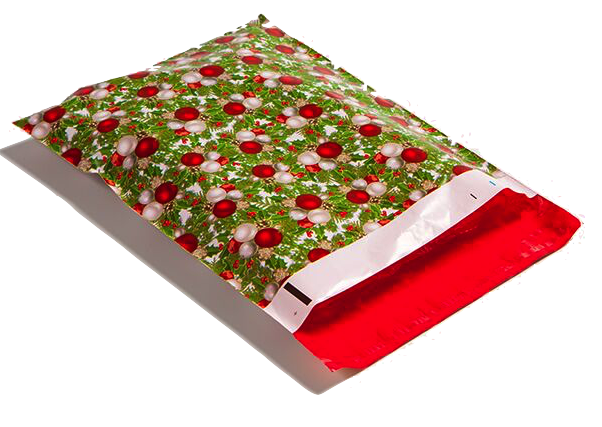
Holiday e-commerce volumes can overwhelm manual packing operations. Automation offers a scalable way to meet peak demand while maintaining accuracy, speed, and consistency. For packaging