Optimizing POP Display Placement for Retail Success
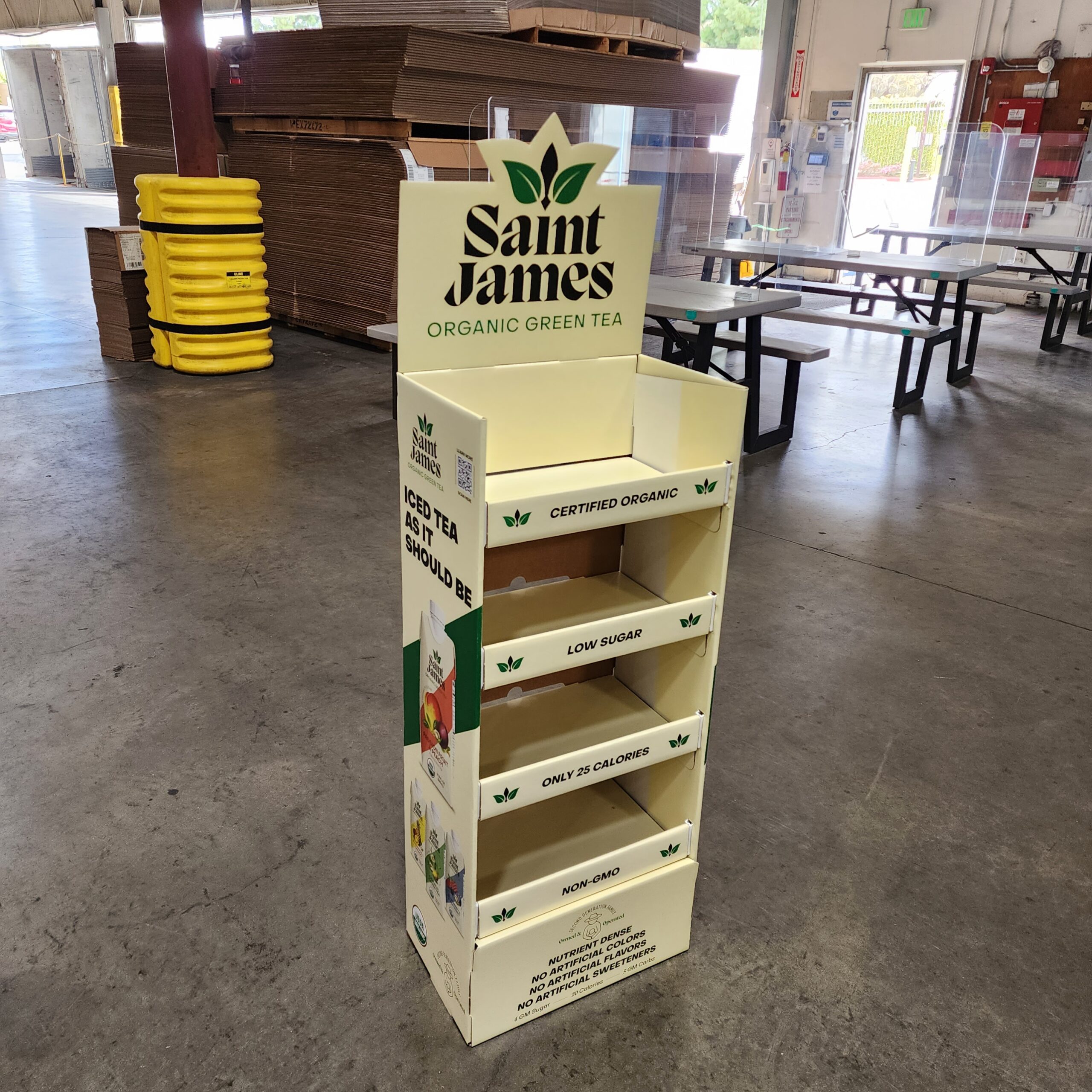
In the retail environment, the placement of Point of Purchase (POP) displays
Home » Display

In the retail environment, the placement of Point of Purchase (POP) displays

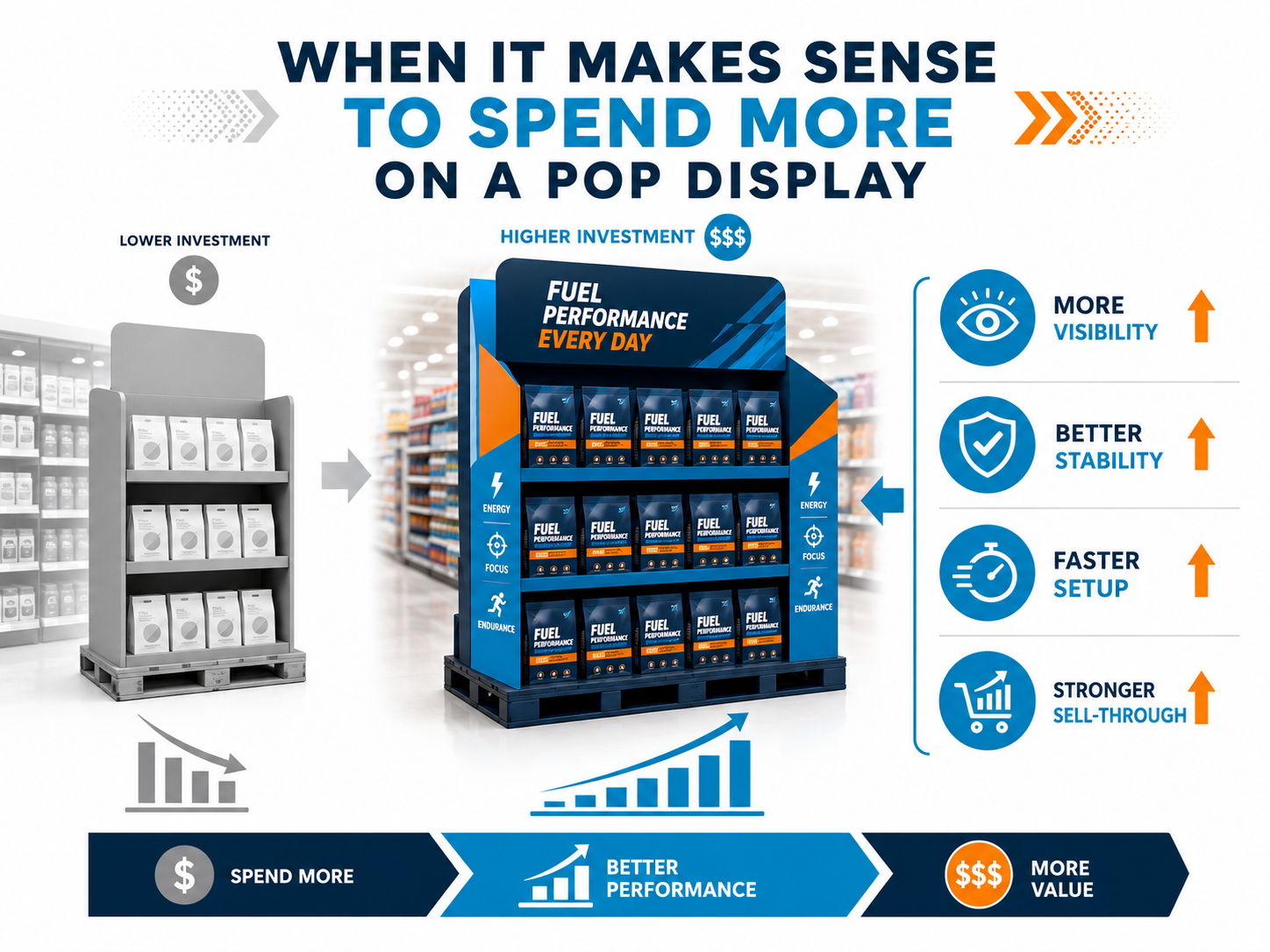
POP display design must serve two masters — maximizing visual impact in-store

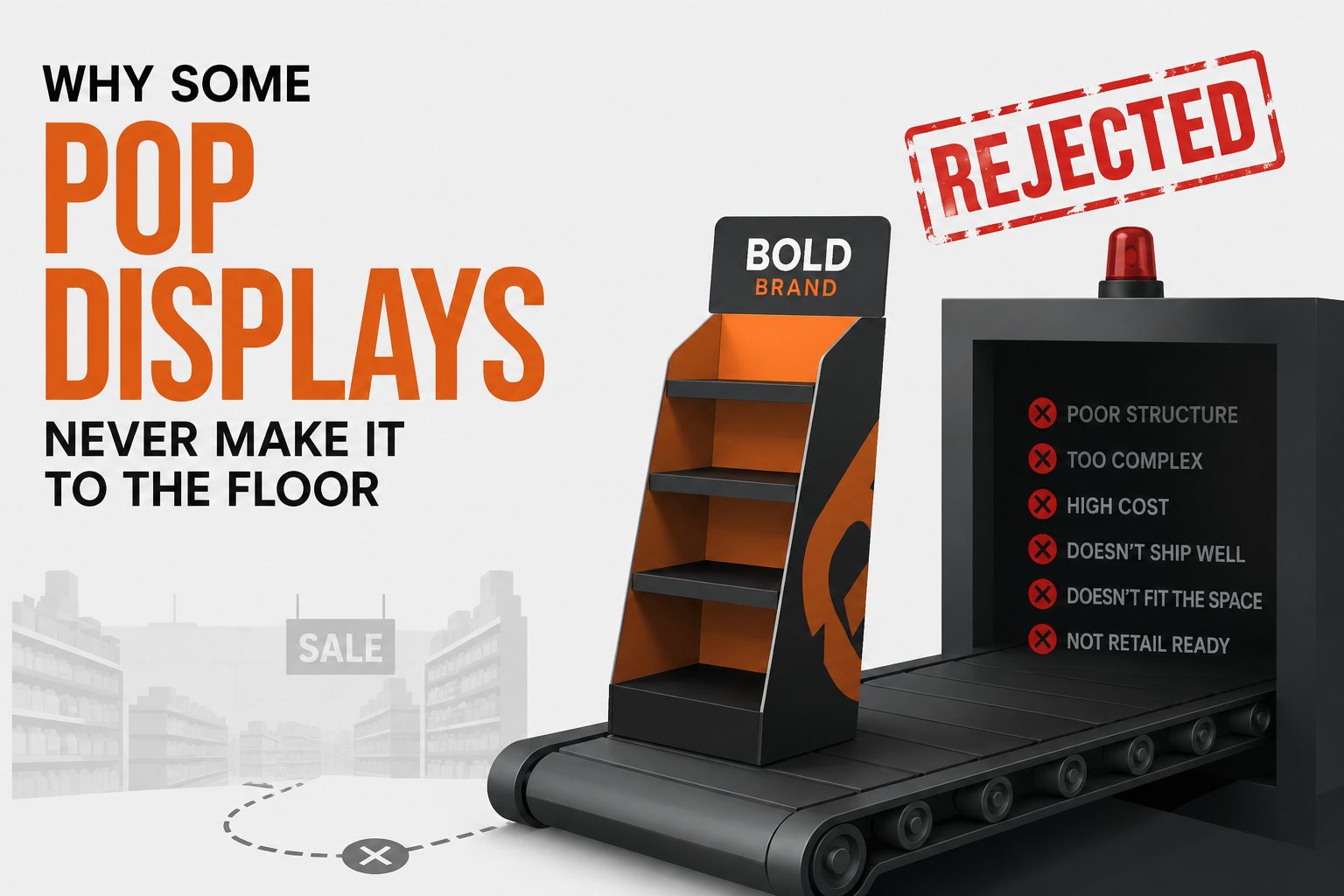
Point-of-purchase (POP) displays do more than attract shoppers—they must also survive the

Club stores such as Costco, Sam’s Club, and BJ’s Wholesale represent unique

Point-of-purchase (POP) displays play a dual role in retail environments: they must

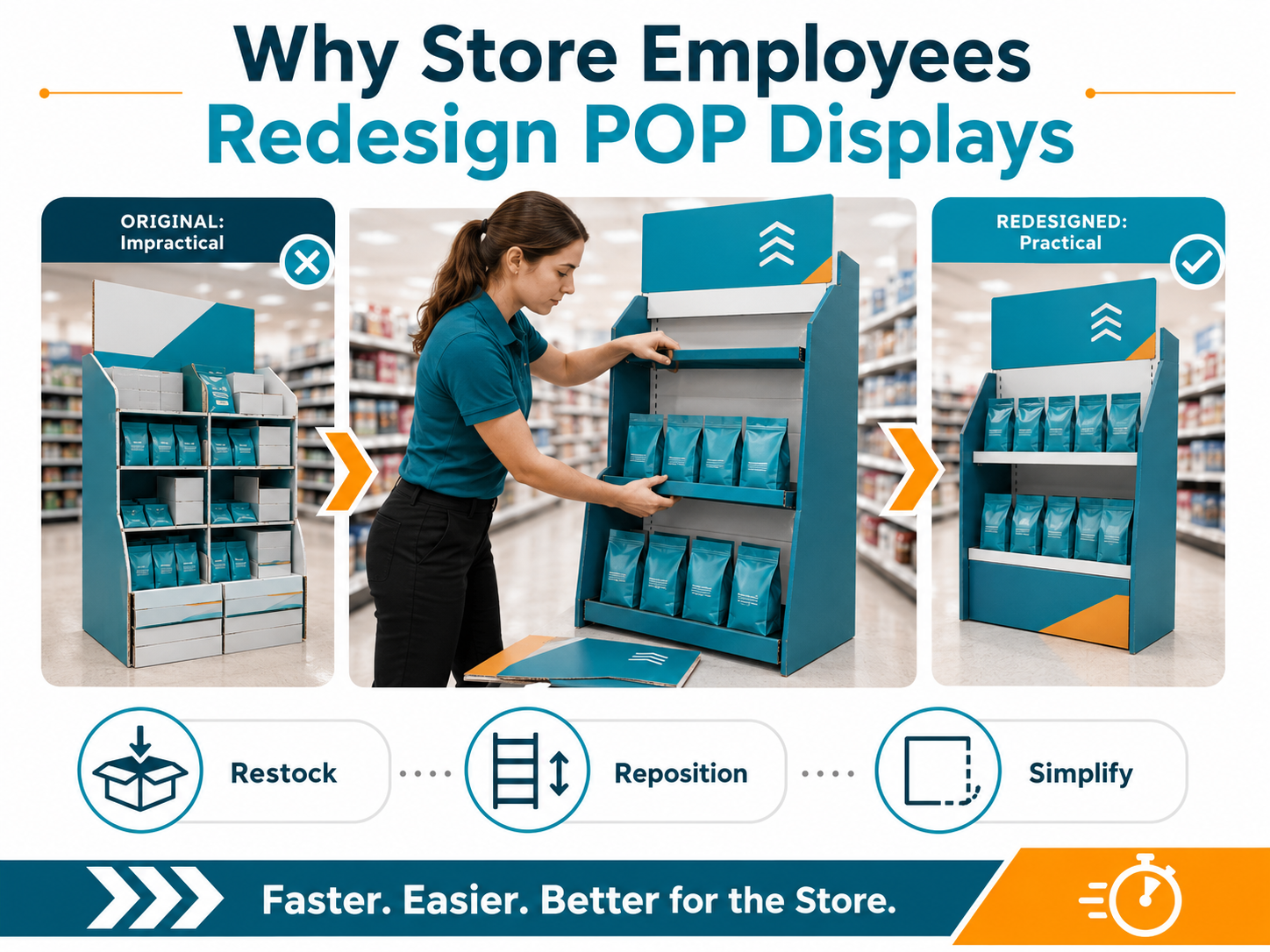
Point-of-purchase (POP) displays must catch a shopper’s eye while also moving efficiently

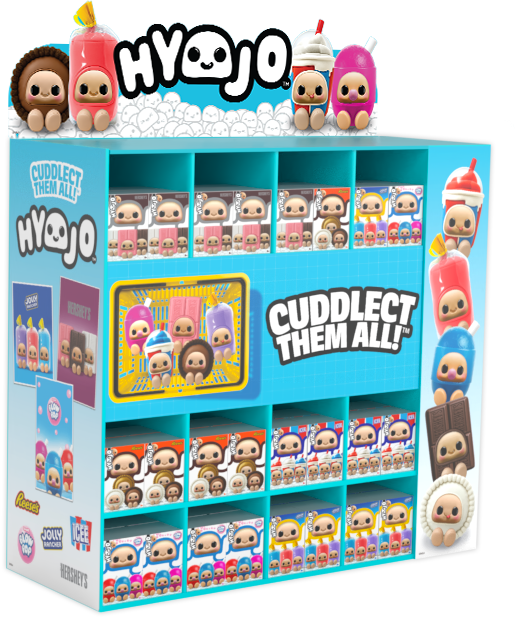
Cross-merchandising is one of the most effective ways to increase basket size

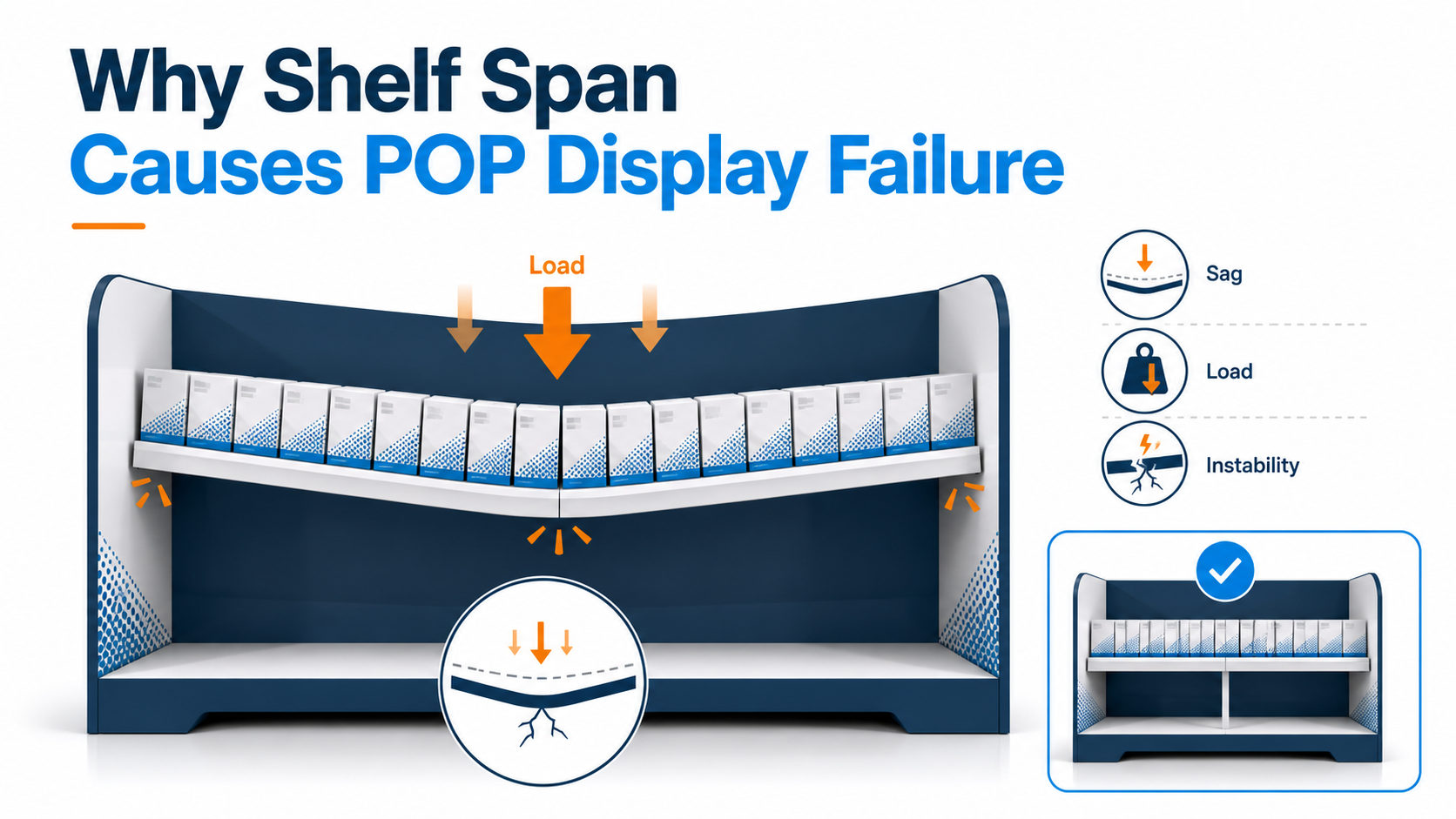
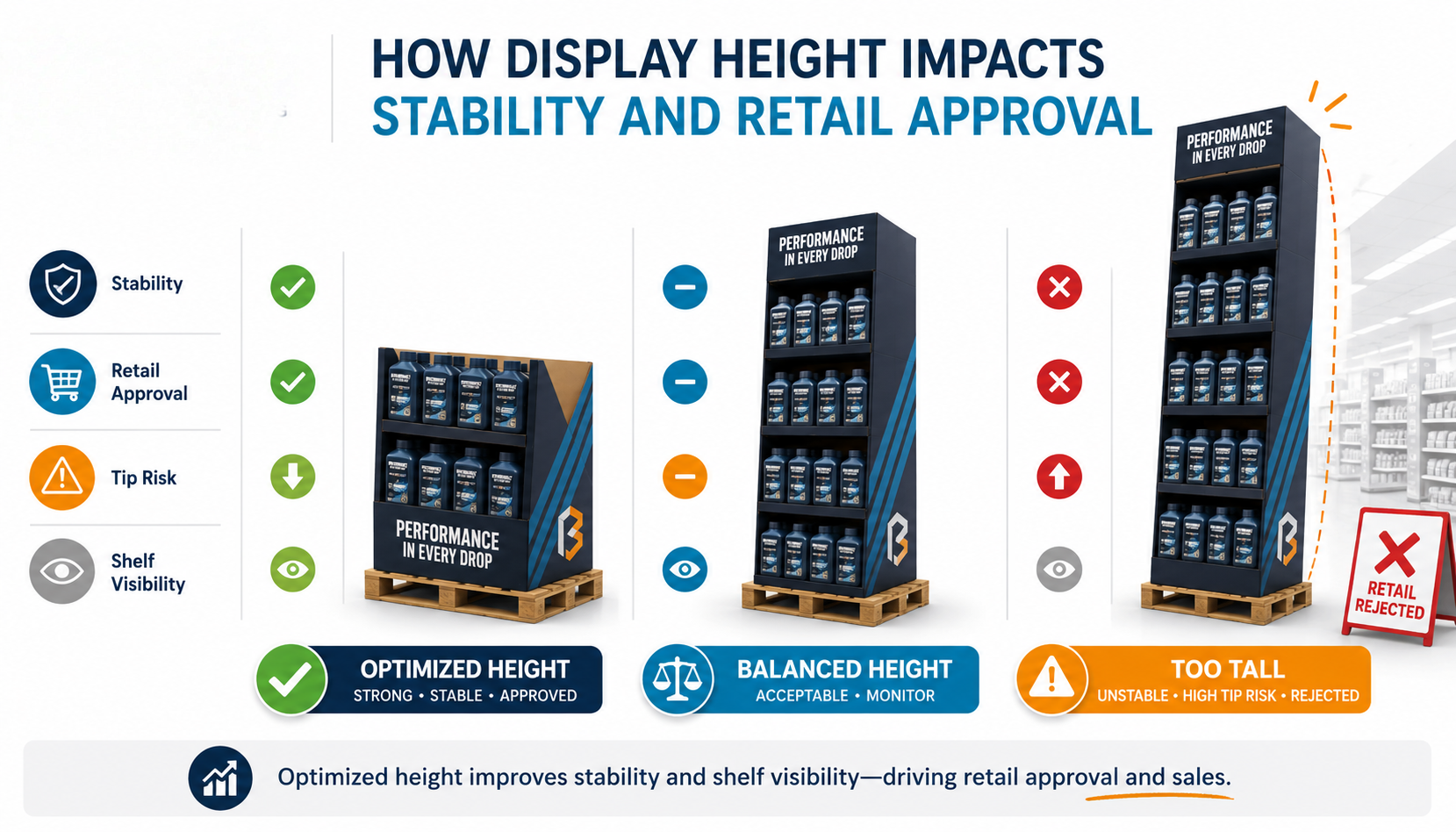
POP displays must balance eye-catching branding with structural integrity. Inadequate load-bearing design

Seasonal promotions are among the most powerful opportunities for brands to capture

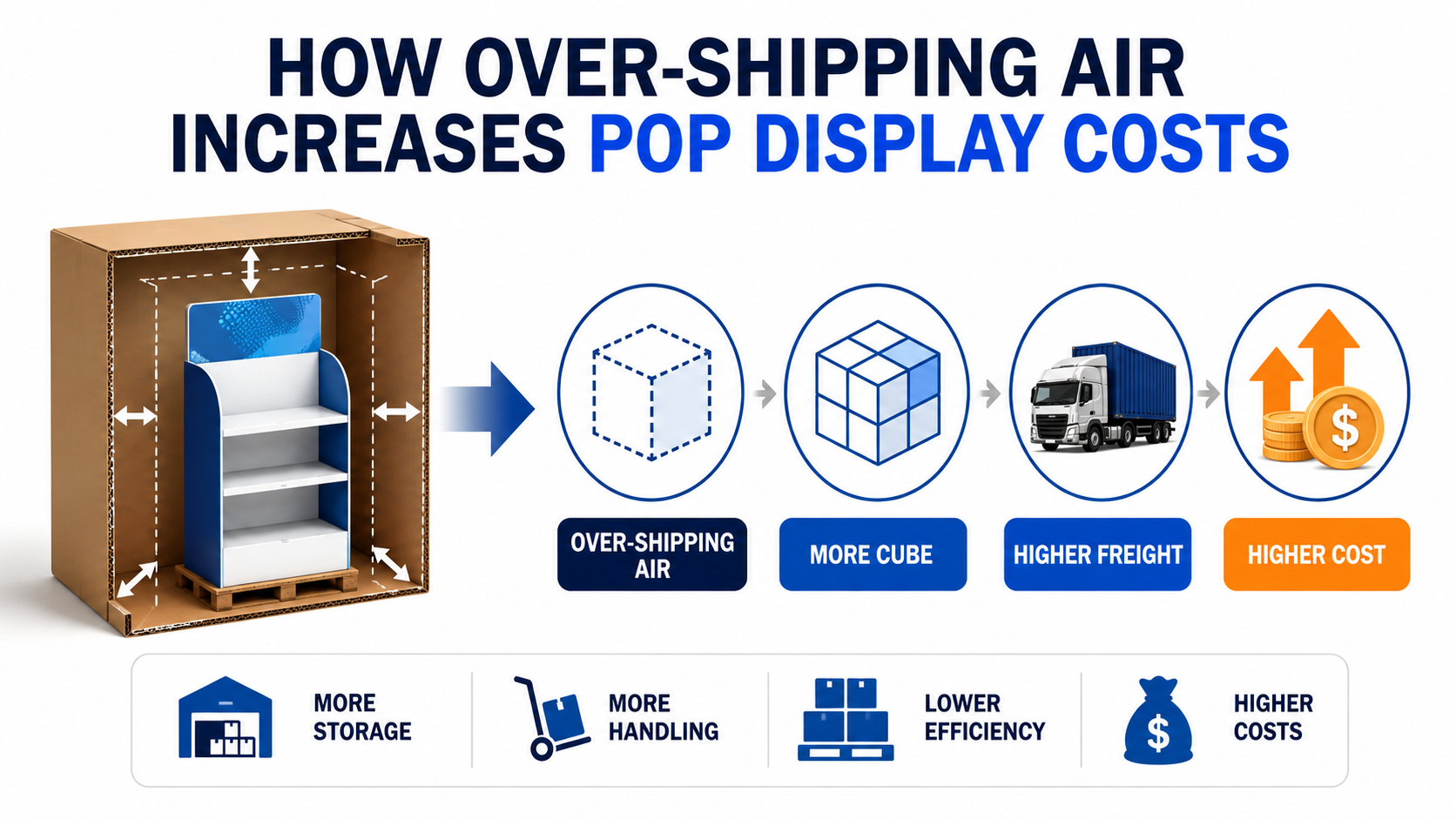
Freight is one of the largest cost drivers in retail packaging programs.
Dimensional (DIM) weight pricing has become a major driver of shipping costs in e-commerce and industrial supply chains. Carriers charge based on the greater of
The first quarter is a critical period for packaging buyers to reset supply levels after the holiday surge. Overstocking ties up capital, while understocking creates
Subscription packaging continues to expand across beauty, food, lifestyle, and specialty products. Buyers must balance branding, protection, and sustainability while keeping fulfillment efficient. This checklist
As budgets tighten in 2026, packaging buyers are under pressure to reduce costs without increasing damage rates. Cutting too aggressively can lead to product loss,
Product damage is one of the most expensive risks in packaging. Beyond replacement costs, damaged goods lead to lost sales, returns, and reputational harm. In
Retail packaging continues to evolve as brands balance sustainability, supply chain performance, and consumer experience. In 2026, buyers face new challenges shaped by material innovation,