Blogs
At Brown Packaging, we provide insightful content about the packaging industry to keep our clients, followers, and partners informed with the latest trends and accurate information. Our goal is to equip you with up-to-date knowledge that helps you stay ahead in the ever-evolving world of packaging.

The packaging industry has undergone significant changes in recent years, with new technologies such as digital print revolutionizing the way packaging materials are produced. Digital print technology offers a cost-effective and efficient way to create customized packaging materials with unique designs and graphics, while minimizing setup time and cost. In this comprehensive guide, we will explore what digital print is in packaging, how it works, its advantages and disadvantages, and its various applications. Whether you are a business owner looking to create customized packaging materials for your products or a consumer interested in the latest packaging trends, this guide provides valuable information on the benefits and limitations of digital print in packaging. Overview: Digital Print Explained This blog explores the topic of digital print in packaging, including what it is, how it works, its advantages and disadvantages, and its various applications. The guide will be explained: What is digital print in packaging? How Does Digital Printing in Packaging Work? Advantages of Digital Print Disadvantages of Digital Print Digital Print Packaging Applications What is Digital Print in Packaging? Digital print in packaging is a printing process that uses digital technology to print high-quality graphics, images, and text directly onto packaging materials. Unlike traditional printing methods, which require expensive setup costs and long lead times, digital print technology enables businesses to create customized packaging materials quickly and cost-effectively. Digital print technology works by using specialized software to create digital artwork or designs that are then printed directly onto the packaging material. The digital printer uses inkjet or laser technology to apply the design or image onto the surface of the material. One of the key advantages of digital print technology is its ability to create customized designs, graphics, and text on a wide range of packaging materials, including paper, cardboard, plastic, and metal. This allows businesses to differentiate their products from the competition by creating unique packaging materials that stand out on store shelves. Digital print technology also offers greater flexibility and speed than traditional printing methods. Because digital printers do not require the use of printing plates, setup time is significantly reduced, and changes to the design can be made quickly and easily. This makes digital print technology ideal for short runs and small batch orders, which can be produced in a matter of hours or days. How Does Digital Printing in Packaging Work? Digital print technology works by using specialized software to create digital artwork or designs that are then printed directly onto the packaging material. The process involves several steps: design creation, file preparation, printing and finishing. Design Creation The first step in the digital print process is to create the design or artwork that will be printed onto the packaging material. This is done using specialized software such as Adobe Illustrator, Photoshop or special programs created by the machine manufacturer. The design can include images, text, and graphics, and can be customized to meet the specific needs of the packaging project. File Preparation Once the design is complete, it is saved in a digital format that can be read by the digital printer. The file is then prepared for printing by adjusting settings such as color and resolution to ensure that the final print is of high quality. Printing The next step is to print the design onto the packaging material. The digital printer uses inkjet or laser technology to apply the design or image onto the surface of the material. The printer can print a single design or multiple designs on the same sheet, depending on the size and shape of the packaging material. Finishing Once the printing is complete, the packaging material is finished according to the desired specifications. This can include cutting, folding, and gluing to create the final packaging product. Overall, digital print technology offers several advantages over traditional printing methods, such as offset printing. Unlike offset printing, which requires printing plates and complex setup processes, digital print technology does not require printing plates and has a much shorter setup time. This makes it ideal for short runs and small batch orders, which can be produced quickly and cost-effectively. Additionally, digital print technology allows for greater flexibility in design, as changes can be made quickly and easily without incurring additional setup costs. This allows businesses to create customized packaging materials with unique designs and graphics, which can help them stand out from their competitors on store shelves. Advantages of Digital Print in Packaging Digital print technology offers several advantages over traditional printing methods, such as offset printing, for producing customized packaging materials. Some of the advantages of digital print in packaging are: Customization Digital print technology enables businesses to create customized packaging materials with unique designs, graphics, and text. This allows companies to differentiate their products from the competition and create packaging that aligns with their brand image and values. Speed Digital print technology has a fast turnaround time, allowing businesses to produce customized packaging materials quickly and efficiently. This is particularly useful for businesses with time-sensitive promotions or seasonal products. Multi-SKU Printing It is quite ideal for companies to print digitally for multiple SKU products. This is because digital printing is much more flexible and efficient than alternative printing methods in adjusting to changing art work. Cost-Effective Digital print technology eliminates the need for expensive setup costs associated with traditional printing methods. This allows businesses to produce short runs or small batch orders cost-effectively. Sustainability Digital print technology produces less waste than traditional printing methods, making it a more sustainable option for packaging materials. Additionally, digital printing uses water-based inks that are more environmentally friendly than solvent-based inks used in traditional printing methods. High-Quality Digital print technology produces high-quality images and text, providing businesses with a way to create packaging materials that showcase their products in the best possible light. The technology uses advanced color management systems that ensure accurate color reproduction and sharp image quality. Flexibility Digital print technology allows for greater flexibility in design, as changes can be made quickly

The increasing demand for consumer goods and the resulting surge in packaging waste have prompted a growing concern for the impact of packaging on the environment. With the current linear model of packaging, where packaging is manufactured, used and then discarded, the amount of waste generated by packaging continues to rise. This has led to a growing demand for sustainable solutions, and that’s where circular packaging comes in. Circular packaging is a closed-loop system, where packaging is designed to be reused, recycled, or biodegraded after use, creating a closed loop of production, consumption, and recovery. This system not only reduces waste but also promotes resource efficiency, conserves resources, and minimizes the environmental impact of packaging. The goal of circular packaging is to create a sustainable packaging system that reduces the environmental impact of packaging and minimizes waste. This blog post will provide a comprehensive explanation of circular packaging, exploring its benefits, differences from traditional linear packaging, and real-world examples. It will provide a clear understanding of why circular packaging is the future of sustainable packaging, and the role it plays in reducing the impact of packaging on the environment. Linear vs Circular Packaging The traditional model of packaging, known as linear packaging, operates on a “take-make-waste” cycle. In this model, packaging is manufactured, used for its intended purpose, and then disposed of, resulting in a large amount of waste. This model has a significant impact on the environment, as waste generated by packaging contributes to landfills, ocean pollution, and greenhouse gas emissions. In contrast, circular packaging operates on a closed-loop system, where packaging is designed to be reused, recycled, or biodegraded after use. This model minimizes waste and conserves resources, through reuse and recycling. Circular packaging encourages the creation of a sustainable packaging system where packaging is used, recycled, and reused, reducing the amount of waste generated and the need for new resources. The main difference between linear and circular packaging lies in their approach to waste management. Linear packaging views waste as a problem to be disposed of, while circular packaging views waste as a resource to be utilized. This shift in perspective is crucial in reducing the impact of packaging on the environment and creating a sustainable packaging system. In conclusion, linear packaging operates on a “take-make-waste” model, while circular packaging operates on a closed-loop system where packaging is reused, recycled, or biodegraded after use. The shift from linear to circular packaging is crucial in reducing the environmental impact of packaging and promoting sustainability. Circular Packaging Benefits Circular packaging provides numerous benefits over traditional linear packaging, including: Reduced waste: One of the key benefits of circular packaging is that it reduces the amount of waste generated by packaging. By designing packaging to be reused, recycled, or biodegraded after use, waste is minimized, and the impact of packaging on the environment is reduced. Increased resource efficiency: Circular packaging promotes resource efficiency by conserving resources through reuse and recycling. This reduces the need for new resources, leading to more sustainable production and consumption patterns. Lower environmental impact: By reducing waste and conserving resources, circular packaging minimizes the environmental impact of packaging. This includes reducing greenhouse gas emissions, reducing the amount of waste in landfills and oceans, and preserving natural habitats and ecosystems. Cost savings: Implementing circular packaging can lead to cost savings, as the need for new packaging materials is reduced. This can result in lower production costs, as well as reduced waste management costs. Improved brand image: Companies that adopt circular packaging can benefit from improved brand image and customer loyalty. Consumers are becoming increasingly environmentally conscious, and companies that adopt sustainable packaging practices are seen as more responsible and environmentally friendly. In conclusion, the benefits of circular packaging are numerous, ranging from reduced waste and increased resource efficiency to lower environmental impact and cost savings. Implementing circular packaging is crucial in creating a sustainable packaging system and reducing the impact of packaging on the environment. Examples of Circular Packaging There are many real-world examples of circular packaging that demonstrate the potential of this approach to create a sustainable packaging system. Some of these include: Reusable packaging: Reusable packaging, such as refillable water bottles, food containers, and shopping bags, is one of the most straightforward examples of circular packaging. This type of packaging is designed to be used multiple times, reducing waste and conserving resources. Recyclable packaging: Recyclable packaging, such as paper and corrugated, is another example of circular packaging. This type of packaging can be recycled after use, reducing waste and conserving resources. Biodegradable packaging: Biodegradable packaging, such as biodegradable plastics and plant-based materials, is designed to break down into natural substances after use, reducing waste and minimizing the impact of packaging on the environment. Circular economy systems: Circular economy systems, such as closed-loop recycling programs and product-as-a-service models, are another example of circular packaging. These systems are designed to keep resources in use for as long as possible, reducing waste and conserving resources. Bioplastics: Bioplastics, such as starch-based plastics and plant-based materials, are a more sustainable alternative to traditional petroleum-based plastics. These materials are designed to be biodegradable, reducing waste and minimizing the impact of packaging on the environment. In conclusion, there are many real-world examples of circular packaging, including reusable packaging, recyclable packaging, biodegradable packaging, circular economy systems, and bioplastics. These examples demonstrate the potential of circular packaging to create a sustainable packaging system and reduce the impact of packaging on the environment. Summary: Circular Packaging In conclusion, circular packaging represents a significant shift from traditional linear packaging and is crucial in creating a sustainable packaging system. By designing packaging to be reused, recycled, or biodegraded after use, waste is minimized, and resources are conserved. The benefits of circular packaging are numerous, including reduced waste, increased resource efficiency, lower environmental impact, cost savings, and improved brand image. The shift towards circular packaging is already underway, with many companies and organizations adopting this approach to minimize the impact of packaging on the environment. However, there is

High density polyethylene (HDPE) and low-density polyethylene (LDPE) are both types of polyethylene, a thermoplastic polymer made from petroleum. The main difference between the two is the density of the material. HDPE has a higher density and a higher molecular weight, while LDPE has a lower density and a lower molecular weight. HDPE Packaging Applications In terms of packaging applications, HDPE is commonly used for making rigid containers like milk jugs, water bottles, and plastic drums. It is also used in the manufacturing of pipes and fittings for the transportation of gas and water. HDPE is known for its strength and durability, making it a popular choice for packaging products that need to withstand rough handling or transportation. It also has good chemical resistance, making it suitable for packaging products that may come into contact with chemicals. Benefits of HDPE Benefits of HDPE include: High strength, high stiffness, good chemical resistance, good impact resistance and good temperature resistance. Disadvantages of HDPE include: It is less flexible, difficult to print on and is more prone to cracking under stress. LDPE Packaging Applications On the other hand, LDPE is commonly used in packaging applications such as plastic wraps, food storage bags, and squeezable bottles. Its flexibility and versatility make it a good choice for packaging products that need to be flexible, such as bags and films. It is also used to make plastic films for packaging and in the electrical and electronic industries. LDPE’s flexibility is also an advantage for packaging products that need to be vacuum-sealed or shrink-wrapped. Benefits of LDPE Benefits of LDPE include: Its flexibility and versatility, good electrical insulation, good chemical resistance, and low cost. Disadvantages of LDPE include: it is less stiff, less strong and has lower temperature resistance, and is more likely to crack and wear over time. Which one should you choose? When deciding whether to use HDPE or LDPE for packaging, it is important to consider the properties of the product being packaged and the specific requirements of the packaging. For example, if the product requires a strong and durable container that can withstand rough handling or transportation, HDPE would be a good choice. On the other hand, if the product requires a flexible and versatile packaging that can be vacuum-sealed or shrink-wrapped, LDPE would be a better choice. Additionally, if you’re looking for a printing option on the packaging, HDPE may not be ideal as it can be difficult to print on. If you are interested in HDPE or LDPE material packaging products, then contact Brown Packaging today. We can offer our clients a wide selection of flexible packaging options and customization. (714)300-0650 request@brownpackaging.com Most Recent Posts: Categories: Corrugated Ecommerce ESD Design Display Flexible Packaging Foam Folding Carton Packaging Plastic Packaging Pouch Printing Protection Retail Rigid Box Thermoform Sustainability Subscribe To Our Newsletter By submitting your information, you agree to our terms and conditions and privacy policy. Custom Packaging Facebook Twitter LinkedIn Pinterest Relevant Posts

Corrugated Boxes are exposed to many different circumstances during packing, shipping and storage. Ensuring that your corrugated packaging is protecting your product fully is important. The two-test used to evaluate the strength of your packaging are Mullen Burst Test and Edge Crush Test. They both serve a similar purpose of testing the strength of the box, and they test it in different ways. It is important to understand the difference between the two tests, in order to ensure you pick the right strength quality test for your packaging needs. Mullen Burst: The Mullen Burst Test was the first standard box strength test to be used. It uses a pressurized diaphragm to measure how much pressure the side of a corrugated box can endure before it will burst. It is measured in pounds per square inch. This test is best for measuring the forces a box may be subject to during rough handling, as well as the total weight amount the box can hold. It doesn’t measure the amount of weight that can be stacked on top of a box that is when the Edge Crush Test becomes more effective. Edge Crush The Edge Crush Test (ECT) measures the vertical compression along the edge of a package and focuses on the compression and stacking strength of a corrugated box. It is measured by the force in pounds per lineal inch of load bearing edge that a box can take before failure. This test is often used when one is concerned about the max weight a box can handle during pallet shipments and warehouse stacking. More so this test measures how much weight a corrugated box can handle before it would crush. Which test should you use? Edge Crush test is best used when the items you are packaging will not move during shipment, won’t exert lateral force to the sides of the boxes, and won’t go through a variety of different shipment handlers. If you are stacking or palletizing your boxes, ECT can provide a better measure of how the box will hold up during that stacking process. In order to best protect your product from being crushed during shipment, use Edge Crush Test. Mullen Burst test is best if the items in the box will move during shipment, there will be pressure to the sides of the boxes, and the box will go through many different handlers during shipping. If you’re concerned about a package being punctured during shipment use Mullen Burst Test. BMC The Box Manufacturer Certification Stamp (BMC) is added to all corrugated boxes in order to show the boxes strength. Every BMC contains either the Mullen Burst Test Rating or the Edge Crush Test Rating information. This stamp shows that the box is compliant with the regulations set by the National Motor Freight Traffic Association (NMFTA). Although this is not legally required most carriers require it. What is located on a BMC? Box manufacturers name and location Mullen Burst Test Rating or Edge Crush Test Rating Max sum of outside dimensions Max allowed gross weight Board construction Both Mullen Burst Test and Edge Crush Test are useful in their own ways. Although they both serve a similar purpose of testing the strength of the box, these test are not equivalent as they measure completely different things. It is important to understand the difference between the two tests, in order to ensure you pick the right strength quality test for your packaging needs. If you need assistance understanding the difference between these two test and need help determining which one is best for your business packaging needs, then contact Brown Packaging and one of our packaging experts can assist you. (714)300-0650 request@brownpackaging.com Most Recent Posts: Categories: Corrugated Ecommerce ESD Design Display Flexible Packaging Foam Folding Carton Packaging Plastic Packaging Pouch Printing Protection Retail Rigid Box Thermoform Sustainability Subscribe To Our Newsletter By submitting your information, you agree to our terms and conditions and privacy policy. Custom Corrugated Facebook Twitter LinkedIn Pinterest Relevant Posts

Sustainability is growing momentum in 2023 for the packaging industry, as many businesses worldwide are looking to further limit their carbon footprint and maximize recyclability. As a result, many of these businesses are looking to adopt new methods and packaging material to address their packaging’s sustainability. Why is Sustainable Packaging Important in 2023? Sustainable packaging is more important than ever due to society’s growing interest in preserving the environment. As a result, there are increasing number of regulations being imposed on businesses to further their efforts on sustainability, packaging being one of the top concerns. Examples In California, Governor Gavin Newsom has passed a law that will being out single use plastics. In addition, California will require all packaging to be recyclable or compostable by the year 2032, cutting plastic packaging by 25 percent and requiring 65 percent of all single use plastics to be recycled. In 2022, New York had placed a ban on the use expanded polystyrene foam containers and packaging peanuts. Several states have banned the use of single use plastic bags and have also restricted or banned PFAs in food packaging. What To Expect from New Packaging Regulations Many businesses are being pushed to change the way they package their products. Usually, this is by optimizing the amount of material used to package their product. Other companies are being pushed to adopt more sustainable packaging material. Often, many businesses are finding themselves making the choice between sustainability and quality packaging. This is creating increasing pressure on packaging providers to develop innovative solutions to adopt cleaner and sustainable packaging methods and materials in producing products. Here are 9 ways businesses and suppliers are adjusting to sustainability in the packaging world. Lightweight Packaging Reusable Packaging Refillable Parent Packaging Sustainable Ink Bioplastics Carbon Labeling Plastic To Paper Packaging Downsizing Wash Off Labels Lightweight Packaging Today, companies are looking to become more efficient with their packaging by reducing materials required, manufacturing costs and becoming more sustainable. Luckily, with lightweight packaging, this has been a growing option by brands looking to create a lightweight product than previous versions. For example, pouches are typically made with 3 films, an outer layer which is printed on, middle layer acts as a barrier and inner layer is a sealant. Today, packaging suppliers are now looking to limit the number of films to 2 and possibly even 1 with innovative methods, material alternatives and advanced technology. Lightweight packaging reduces its environmental impacts by limiting potential waste in landfills in addition lowering transportation loads. Reusable Packaging Many brands are looking to ditch single use to multi-use packaging to cut down on material costs and environmental impact. Reusable packaging encourages end users from disposing of a package after use, as it can be returned or salvaged for additional use. Multi-use packages limit the burden on the environment by limiting waste, material production and pollution. For example, shipping bags are now manufactured to be used more than once. Refillable Parent Packaging Refillable packaging containers are a growing trend that helps support zero waste initiatives. This is done by having merchants provide product in bulk, while customers bring their empty refillable containers and have them filled with products. For example, cleaning supplies and personal products have become more available this way. Suppliers are selling raw materials by placing them into customers refillable containers. Refillable parent packaging is sustainable by limiting transportation and the manufacturing of excess material. Sustainable Ink Many companies have made efforts in creating their packaging with sustainable material. However, it does not always turn out that way, when you apply graphics and print to a package. Typically, graphics are made with petroleum-based inks, which contain a variety of volatile organic compounds (VOCs) that are hazardous to the environment. Today many companies are beginning to focus on more sustainable ink options by utilizing soya and vegetable-based inks, which are known to be biodegradable, easier to process during recycling and less likely to release harmful substances into the environment once disposed of. Companies do not have to fear on sacrificing on the quality of ink as these sustainable inks still can provide you with a high-quality print. Bioplastics Bioplastics are becoming a growing alternative for plastic packaging applications as technology advances and research for sustainable packaging. They are made from renewable resources such as sugar cane or cone, which are biobased. When disposed of, bioplastics break down naturally since they are biodegradable. As a result, these biodegradable plastics help reduce the amount of waste sent to landfills. Carbon Labeling Another popular trend is adding carbon labeling to packaging, which helps consumers identify carbon dioxide emissions created as a byproduct of manufacturing, transporting, or disposing of a product. Ultimately, it identifies the environmental consequences of the product, which can help consumers become more aware of their purchases for more sustainable products. Plastic To Paper Many businesses in the food, beverage, personal care, ecommerce and many other industries are ditching their flexible plastic packaging for paper packaging. Flexible paper packaging is a new innovative solution due to technological advances that enables manufactures to develop a more environmentally friendly alternative to plastic. It is a more cost effective and lightweight, as it requires less materials to produce. Flexible packaging paper can be made to provide products with desired strength, stiffness and sealing properties. Which makes it useful in preventing products from being spoiled or contaminated such as food, beverages and pharmaceuticals. Not only is flexible paper packaging more sustainable than plastic, it has been a great alternative to other packaging products such as rigid boxes, corrugated boxes and folding cartons. Downsizing Companies that sell perishable products with a short shelf life such as food, beverage, personal care products have been downsizing their product. Downsizing enables companies to provide smaller versions of original products. This enables them to cut down on material costs and product waste. Wash Off Labels Packaging materials can always be labeled as 100% recyclable and sustainable, however that does not always translate to the labels you attach

Point of Purchase (POP) displays are an effective way to promote products and increase sales in retail environments. The trends for POP displays in 2023 are likely to focus on the following areas: Sustainability Technology Integration Personalization In-Store Experience Data-Driven Multi-Functionality Experimentation Sustainability As more consumers are becoming environmentally conscious, retailers are looking for ways to reduce the environmental impact of their POP displays. This includes using eco-friendly materials such as recycled corrugated or biodegradable plastics, bamboo, or other sustainable materials. For example, a retailer can use biodegradable or compostable materials in their POP displays to reduce plastic waste. Additionally, retailers are designing displays that can be easily recycled or repurposed at the end of their life, reducing the amount of waste generated by the retail industry. Technology Integration POP displays are increasingly incorporating technology such as digital screens, QR codes, and augmented reality to create interactive and engaging experiences for consumers. This allows retailers to provide customers with additional information and product demonstrations, while also collecting data on customer interactions. For example, retailers can use digital screens to display product videos, or allow customers to scan QR codes to receive discounts or additional information. Another example is retailers using virtual reality headsets to give customers a virtual product demonstration, or using RFID tags for interactive experiences. Personalization With the rise of digital marketing, retailers have access to more consumer data than ever before. This enables them to personalize their POP displays to target specific demographics and increase their effectiveness. For example, retailers can use data to create displays that are tailored to the specific interests and needs of different customer segments. This can include personalized offers, product recommendations, and other incentives. In-Store Experience As e-commerce continues to grow, retailers are looking for ways to create a unique and engaging in-store experience to lure customers away from online shopping. POP displays can be used to create immersive environments and encourage customers to stay in the store longer. This can include displays that use lighting, sound, and other sensory elements to create a more engaging experience. An example of this is creating a themed environment in the store, with POP displays that complement the theme. Data-Driven Retailers are using data to drive their POP display strategy. This includes using data to track consumer behavior, analyze sales data, and optimize their POP display strategy accordingly. For example, retailers can use data to determine which products are selling well and which displays are most effective, and then adjust their strategy accordingly. Another example is using data-driven insights to create a dynamic POP display that changes based on the time of day, weather or foot traffic. Multi-Functionality Retailers are looking for ways to maximize the use of their POP displays, so they are looking for multi-functional displays that can be used for multiple products and purposes. This can include displays that are modular and can be reconfigured to accommodate different products, or displays that can be easily repurposed for different promotions. An example of this is using a POP display that can be easily modified to display different products, like a modular shelving system. Experimentation With the rise of e-commerce, retailers are experimenting with new POP display styles and designs, such as holographic displays, to create a more memorable and unique in-store experience. This allows retailers to stand out from their competitors and create a more engaging and memorable customer experience. An example of this is using holographic displays to showcase products in a more interactive and engaging way. If you are interested in POP displays, then contact Brown Packaging today to get started. (714)300-0650 request@brownpackaging.com Most Recent Posts: Categories: Corrugated Ecommerce ESD Design Display Flexible Packaging Foam Folding Carton Packaging Plastic Packaging Pouch Printing Protection Retail Rigid Box Thermoform Sustainability Subscribe To Our Newsletter By submitting your information, you agree to our terms and conditions and privacy policy. Custom Displays Facebook Twitter LinkedIn Pinterest Relevant Posts

Selecting the right packaging for your business is crucial to ensure the safety of your products during transportation and storage, improve your brand image, and increase customer satisfaction. In this guide we will help put you on the right path on selecting the right packaging for your business and how to research different packaging options and select the one that best meets your needs. What To Consider When Selecting Packaging for Your Business The process of selecting the right packaging for your business should be a comprehensive one, taking into account several key factors: Product Type The type of product you are packaging will play a major role in determining the type of packaging you need. For example, fragile items such as glass bottles or ceramic mugs will require different packaging than non-fragile items. Packaging solutions for fragile items include bubble wrap, foam inserts, corrugated boxes, and other cushioning packaging products. Bubble wrap will help to protect the item from any impact, foam inserts can be designed to fit the product snugly, and corrugated boxes will offer protection from all sides. There are many different types of cushioning packaging products, to learn more visit our product page. Product Size and Weight The size and weight of your product will also play a role in determining the type of packaging you need. Larger and heavier items will require different packaging than smaller and lighter items. Packaging solutions for large and heavy items may include wooden crates, pallets, and straps. Wooden crates offer protection from all sides and provide a secure fit for the product, pallets are useful for stacking and storing heavy products, and straps provide additional security. Shipping and Storage Consider the shipping and storage requirements for your product. Will the product be shipped long distances or stored for an extended period of time? If so, you may need packaging that can withstand the rigors of shipping and storage. Packaging solutions for shipping and storage include waterproof and tear-proof materials, adequate cushioning and shock absorption. Waterproof and tear-proof materials will ensure that the product remains in good condition during transit, while adequate cushioning and shock absorption can help to protect the product from damage. Branding and Marketing Your packaging should also be aligned with your brand and marketing strategy. Consider the design and colors of your packaging and how it will be perceived by your target audience. Packaging solutions for branding and marketing include custom printed packaging, unique design or shape, and high-quality materials. Custom printed packaging allows for branding and messaging, unique design or shape can make your product stand out, and high-quality materials can give a premium feel. Sustainability Many companies are looking to reduce their environmental impact by using more sustainable packaging materials. Consider the lifecycle of your packaging and how it can be recycled or reused. Packaging solutions for sustainability include biodegradable, compostable, and recycled materials, minimal packaging, and reusable packaging. Biodegradable, compostable, and recycled materials are good for the environment, minimal packaging reduces waste, and reusable packaging can be used multiple times. Cost Evaluate the cost of different packaging options and consider how it fits into your overall budget. Packaging solutions for cost include using minimal packaging, using standard sizes, and materials that are easily available in the market. Minimal packaging reduces cost, using standard sizes can help to reduce cost and make it easier to find packaging materials, and using materials that are easily available in the market can help to reduce cost. Government Regulations Be aware of any regulations that may impact the packaging of your product. For example, food and beverage packaging may be subject to additional regulations. Packaging solutions for regulations include using materials that are compliant with the regulations, including necessary labeling and certifications, which can help to avoid penalties and fines. How to Research Different Packaging Options and Select the one That Best Meets Your Needs. After considering all of these factors, you can begin to research different packaging options and select the one that best meets your needs. It is also important to test your packaging before implementing. Research Different Packaging Materials Research different materials that are suitable for your product, including paper, plastic, glass, metal, and wood. Consider the pros and cons of each material and how it will impact your product and packaging costs. Research Packaging Suppliers Look for packaging suppliers that specialize in your industry or product type. Research their reputation, quality of materials, and pricing. Consider if they have a minimum order requirement and if they offer customization options. Review Industry Standards Understand the industry standards for packaging, such as ASTM or ISO, and ensure that the packaging you select meets these standards. Test Packaging Options Once you have narrowed down your options, test the packaging to ensure that it meets your requirements. Test the packaging for durability, strength, and functionality. This will help you to identify any potential issues before making a final decision. Compare Costs Compare the costs of different packaging options and consider the long-term costs, not just the initial purchase price. Take into account the cost of materials, labor, and shipping when making your decision. Consider Sustainability Evaluate the environmental impact of the packaging options and choose one that is sustainable and eco-friendly. Get Feedback from Customers Ask your customers for feedback on the packaging and how it impacts their overall satisfaction with your product. This can help you to identify any areas that need improvement and make changes accordingly. Make a Final Decision After considering all of the above factors, make a final decision on the packaging that best meets your needs. Keep in mind that packaging is an ongoing process, so be prepared to make changes as needed. In summary, selecting the right packaging for your business requires a comprehensive approach, taking into account product type, size and weight, shipping and storage, branding and marketing, sustainability, cost, and government regulations. Researching different packaging options, testing them, comparing costs, getting feedback from customers and making a final decision

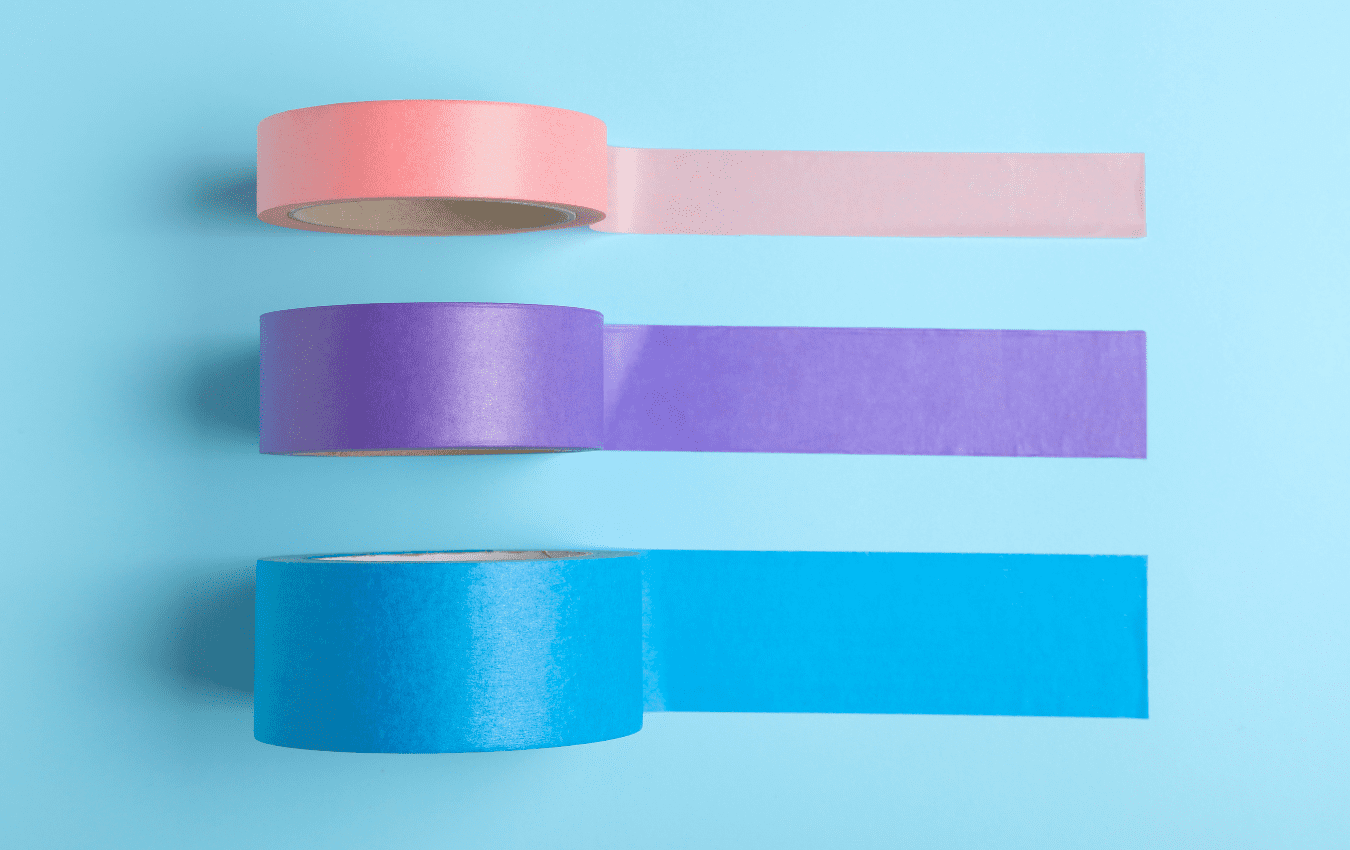
When it comes to packaging and shipping, having the right type of tape can make all the difference. Not only does it ensure that your packages stay secure during transit, but it also helps to protect the contents inside. But with so many different types of packaging tape available, it can be difficult to know which one to choose. In this blog post, we’ll take a closer look at the 7 most commonly used types of packaging tape and their unique properties, so you can make an informed decision when it comes to your packaging needs. 7 Most Commonly Used Packaging Tapes: Clear Brown Flatback Masking Duct Water Activated Film Double-Sided Clear Tape Clear tape, also known as transparent tape, is a pressure-sensitive tape that is made from polypropylene or polyester. It is a versatile tape that is suitable for a wide range of packaging applications, including sealing boxes, envelopes, and bags. Clear tape is a great option for packaging items that need to be visible, as it does not obstruct the view of the contents inside. Advantages Versatile, suitable for a wide range of packaging applications Transparent, does not obstruct the view of the contents inside Affordable Disadvantages Not as strong as other types of tape Not suitable for heavy duty applications Brown Flatback Tape Brown flatback tape, also known as paper packaging tape, is a type of pressure-sensitive tape that is made from strong paper. It is a strong and durable tape that is commonly used for sealing boxes and other packaging materials. Flatback tape is a great option for heavy duty packaging applications as it is strong, sustainable and durable. Advantages Strong and durable Suitable for heavy duty packaging applications Sustainable Disadvantages Not transparent, can obstruct the view of the contents inside Not suitable for applications where visibility is important Masking Tape Masking tape is a type of pressure-sensitive tape made from a thin and easy-to-tear paper. It is often used for light-duty packaging, sealing and bundling applications. The adhesive on masking tape is not very strong, making it easy to remove and reposition. It is available in a variety of widths and lengths, and colors. Examples: Packaging and sealing boxes, temporarily holding items together, labeling items. Advantages Easy to tear by hand Can be repositioned easily Easy to remove without leaving residue Available in a variety of widths and lengths Available in different colors Disadvantages Not suitable for heavy-duty applications Not water-resistant Duct Tape Duct tape is a heavy-duty, water-resistant tape made from a combination of cloth and plastic. It is often used for industrial and commercial packaging applications, as well as for home repairs and DIY projects. It is available in a variety of widths and lengths. Examples: Sealing boxes and bags, bundling items, reinforcing packaging Advantages Strong and durable Water-resistant Can be used for a variety of applications Available in a variety of widths and lengths Disadvantages Not as easy to tear by hand as other types of tape Can leave residue if removed Can be difficult to remove if left on for an extended period of time. Water-Activated Tape (WAT) WAT is a type of paper tape that is activated by water, making it an ideal option for sealing heavy-duty boxes and packages. The tape is made of a thick, kraft paper material and has a water-activated adhesive on one side. This type of tape is often used in industrial and commercial packaging applications and is known for its strength and durability. Customization options include printing company logos or branding on the tape. Advantages Water-activated adhesive provides a strong bond, making it suitable for heavy-duty packages Made of durable kraft paper material Reinforced version available Customizable with company branding or logos Disadvantages Requires a water-activated dispenser to apply the tape Not as versatile as other types of tape, as it can only be used for specific packaging applications Film Tape Film tape is a type of tape that is made of a thin, clear plastic material. It is often used in packaging applications where visibility of the package’s contents is important, such as with retail packaging. The tape has a strong adhesive that is suitable for a variety of packaging materials. Customization options include printing company logos or branding on the tape. Advantages Clear plastic material allows for visibility of package contents Strong adhesive suitable for a variety of packaging materials Customizable with company branding or logos Disadvantages Not as durable as other types of tape Can be easily torn or punctured Double-Sided Tape Double-sided tape is a type of tape that has adhesive on both sides, making it ideal for attaching items together without leaving a residue. This tape is often used in packaging applications where a clean and professional look is desired, such as with retail packaging. The tape can be made of a variety of materials, such as paper, plastic, or foam. Advantages Adhesive on both sides allows for attaching items together without leaving residue Can be made of a variety of materials Disadvantages Not suitable for heavy-duty packaging applications Can be difficult to remove without leaving residue Summary: Which Packaging Tape Should You Choose? In conclusion, there are many different types of packaging tape available, each with their own unique advantages and disadvantages. It’s important to choose the right type of tape for your specific packaging application, whether it be a light-duty package or a heavy-duty package, a clean and professional look or a durable and strong hold. With the right tape, you can ensure that your packages are secure and protected during transit and storage. And if you want to add your branding on the tape, it is a good way to make your brand more memorable to the customers. If you are interested in packaging tape, stock or custom, then contact Brown Packaging today for assistance. (714)300-0650 request@brownpackaging.com Most Recent Posts: Categories: Corrugated Ecommerce ESD Design Display Flexible Packaging Foam Folding Carton Packaging Plastic Packaging Pouch Printing Protection Retail Rigid Box Thermoform Sustainability Subscribe To Our

Contract packaging, also known as co-packing or third-party packaging, is a service where a company outsources the packaging of their products to a specialized provider. This provider, known as a contract packager, offers a wide range of packaging services, including assembly, filling, sealing, labeling, and packaging design. Who Needs Contract Packaging? Companies that need contract packaging services typically fall into one of several categories: Manufacturers Retailers Pharmaceutical and Medical Device Companies Small Businesses Start-ups Ecommerce Companies Logistics Companies Manufacturers Manufacturers of consumer goods, such as food, beverage, personal care, and household products, may outsource their packaging to a contract packager to increase efficiency and reduce costs. For example, a beverage manufacturer may outsource the bottling and labeling of their products to a contract packager. Retailers Retailers may use contract packaging services to package and distribute their own private label products, or to package and distribute products for other brands. For example, a retail chain may outsource the packaging of their own brand of cereal to a contract packager. Pharmaceuticals and Medical Device Companies These companies may outsource their packaging to a contract packager to ensure compliance with strict regulations and to meet the specific packaging needs of their products. For example, a pharmaceutical company may outsource the packaging of their tablets to a contract packager that specializes in child-resistant packaging. Small Businesses Small businesses may not have the resources or expertise to handle their own packaging and may choose to outsource to a contract packager to save time and money. For example, a small business owner may outsource the packaging of their handmade candles to a contract packager. Start-ups Start-ups may also outsource packaging to a contract packager to get their products to market quickly while they focus on growing their business. For example, a start-up company may outsource the packaging of their new line of skincare products to a contract packager. E-commerce Companies E-commerce companies may use contract packaging services to fulfill orders, package products for shipping, and handle returns. For example, an e-commerce company may outsource the packaging and shipping of their apparel products to a contract packager. Logistics Companies Logistics companies may outsource packaging services to a contract packager to handle packaging and shipping needs for their clients. For example, a logistics company may outsource the packaging of their clients’ products to a contract packager. Benefits and Disadvantages of Contract Packaging The Benefits of Contract Packaging Cost savings: By outsourcing packaging to a contract packager, companies can reduce their labor and equipment costs. Increased efficiency: Contract packagers often have the latest equipment and technology to handle a wide range of packaging needs, which can increase efficiency and speed up the packaging process. Flexibility: Companies can choose to outsource only certain aspects of their packaging process, such as assembly or filling, rather than handling the entire process in-house. Compliance: Contract packagers often have expertise in specific areas, such as child-resistant packaging or food packaging, which can help ensure compliance with regulations. Scalability: Companies can scale up or down their packaging needs depending on demand. The Disadvantages of Contract Packaging Loss of control: Outsourcing packaging to a contract packager means giving up some control over the packaging process. Quality control: It can be difficult to ensure the same level of quality control as when packaging in-house. Communication: It can be difficult to ensure clear communication between the company and the contract packager, which can lead to mistakes or delays. Dependence: Companies may become dependent on the contract packager, which can be problematic If you are interested in contract packaging or packaging products for your company, then reach out to Brown Packaging today to get started. (714)300-0650 request@brownpackaging.com Most Recent Posts: Categories: Corrugated Ecommerce ESD Design Display Flexible Packaging Foam Folding Carton Packaging Plastic Packaging Pouch Printing Protection Retail Rigid Box Thermoform Sustainability Subscribe To Our Newsletter By submitting your information, you agree to our terms and conditions and privacy policy. Custom Inserts Facebook Twitter LinkedIn Pinterest Relevant Posts

Corrugated packaging is a popular packaging option for a wide range of products due to its strength, durability, and cost-effectiveness. In 2023, several trends are expected to shape the corrugated packaging industry: Sustainability Digital Print Ecommerce Customization Automation Sustainability The growing awareness of the environmental impact of packaging has led to an increased demand for sustainable corrugated packaging. This includes using eco-friendly materials, such as recycled paper, and designing packaging that is recyclable or biodegradable. Companies are also looking to reduce the weight of their corrugated packaging to reduce their carbon footprint. According to a study by Smithers Pira, the global market for biodegradable packaging is expected to reach $5.4 billion by 2022, growing at a compound annual growth rate (CAGR) of 17.4% from 2016 to 2022. Digital Printing The advancement of digital printing technology has made it possible to produce high-quality, full-color graphics on corrugated packaging. This allows for more creative and visually appealing packaging designs, which can help to attract customers and boost sales. According to a report by Technavio, the corrugated packaging market is expected to grow by $70 billion between 2021 and 2025, driven by the increasing use of digital printing. E-commerce The rise of e-commerce has led to an increase in demand for corrugated packaging that is specifically designed for online orders. This includes smaller, more compact packaging that can be easily shipped and handled, as well as packaging that is designed to protect products during transit. According to a report by Mordor Intelligence, the global e-commerce packaging market is expected to grow at a CAGR of 7.5% from 2020 to 2025. Customization Consumers are increasingly seeking out personalized products, and packaging is no exception. Companies are using corrugated packaging to create custom designs and packaging that is tailored to specific products or customers. According to a report by MarketsandMarkets.com, the global custom packaging market is expected to reach $14.8 billion by 2022, growing at a CAGR of 6.4% from 2016 to 2022. Automation The use of automation in the corrugated packaging industry is increasing, which can help to improve efficiency, reduce costs, and minimize waste. This includes the use of robotic systems to handle and package products, as well as software that automates the design and production process. According to a report by ResearchAndMarkets.com, the global corrugated packaging automation market is expected to grow at a CAGR of 4.5% from 2020 to 2025. Examples of Companies that are Already Implementing These Trends Amazon uses a combination of automation, digital printing, and sustainable materials to produce its own corrugated packaging for its products. PepsiCo is using digital printing to produce customized corrugated packaging for its snack brands. Nestle is investing in sustainable corrugated packaging solutions, such as using 100% recycled paper and reducing the weight of its packaging. Summary: Corrugated Packaging Trends of 2023 Overall, the corrugated packaging industry is changing, and these trends are expected to shape the industry in 2023 and beyond. Companies that can adapt to these trends will be well positioned to succeed in the market. If you are interested in corrugated packaging, then contact Brown Packaging today to get started. (714)300-0650 request@brownpackaging.com Most Recent Posts: Categories: Corrugated Ecommerce ESD Design Display Flexible Packaging Foam Folding Carton Packaging Plastic Packaging Pouch Printing Protection Retail Rigid Box Thermoform Sustainability Subscribe To Our Newsletter By submitting your information, you agree to our terms and conditions and privacy policy. Custom Packaging Facebook Twitter LinkedIn Pinterest Relevant Posts

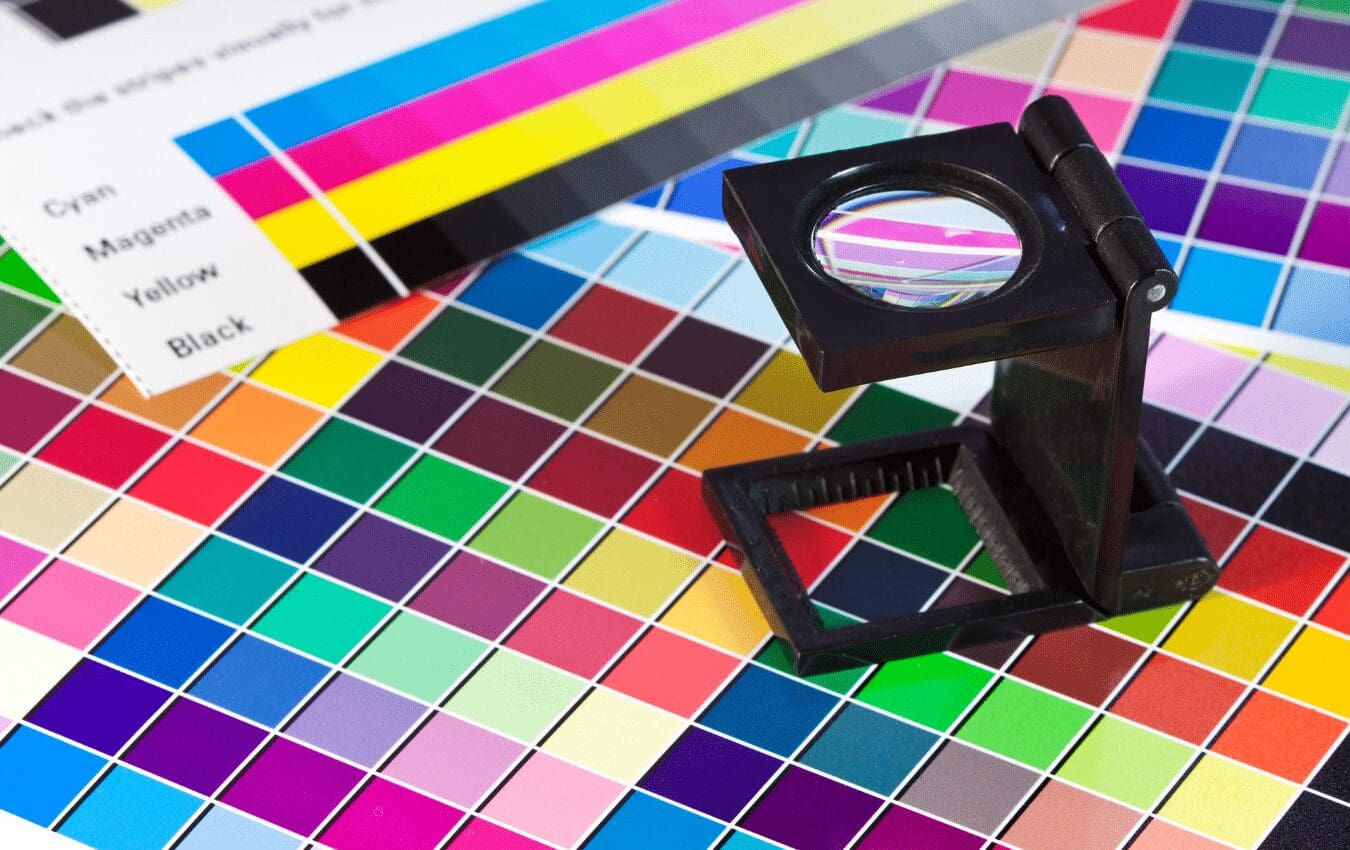
Choosing the right printing method for your packaging is very important. It is necessary to consider artwork, design, quantity, time frame and many more when weighing your decision. Having quality packaging design plays a role in your business success, which makes it important to pick which method of printing would be best for you. Digital Print Digital printing is one of the most versatile printing methods. It can be used to print on labels, pouches, folding cartons, corrugated boxes and much more. Since this printing is done digitally it has the fastest lead times compared to other printing methods. Digital printing uses CMYK (cyan, magenta, yellow, black) color when printing images. It is not 100% accurate when it comes to color matching, which means your image may have slight differences run to run. If you need a lot of colors for your print, this process will create the image as close as possible using only 4 colors. With the improvements on digital printing technology, newer machines can add in-between colors and can set much closer to actual colors using 6 to 8 ink cartridges. Digital printing is best for smaller quantities because once you have larger quantities some of the other methods start becoming cheaper. The aspect that makes this method appear cheaper is not needing tooling, which creates lower startup cost. Benefits of Digital Printing No tooling investment Fast lead times Can print on many different packaging types Disadvantages of Digital Printing Cost more for large volume prints Not fully accurate with color Flexographic Printing Flexographic is the process of flexible photopolymer printing plates wrapped around cylinders. These have raised images and rotate at high speeds to transfer the ink. This method uses water-based inks and oil based inks. Something to keep in mind about flexo is that each color requires a different printing plate so if your images have a lot of color this method could get expensive. This method is popular due to the faster lead times and the ability to print on many different surfaces. It also can be a cost-effective method because all steps are done with one single pass through the machine, lowering the price per unit. With a short set up time, this process can have your images printed at high speeds. Printing plates can be costly and changes to your image can be time consuming so it is important to have your images accurately done before creating the printing plates. Mostly this Rotogravure Printing Rotogravure is the most frequently used printing method for high volume printing. It is best used for stand-up pouches and on folding cartons. This method offers consistent high-quality printing. Although this method is highly expensive, when it comes to gravure cylinders used to print, they are extremely durable and will last several runs. Since the cylinders takes a while to create, the lead times are going to be long for this printing process. The artwork is etched onto the surface of the cylinders using acid and then they must be cooled for a while before production can begin. For this method both CMYK and PMS colors can be used in the print. This allows rotogravure to have excellent print quality. If your business is looking for large quantities and high-quality printing then this method would be the right fit. Benefits of Rotogravure Printing Premium print quality images Cylinders last a long time Can produce high volume printing with no decrease in image quality Disadvantages of Rotogravure Printing Expensive tooling Long lead times Silkscreen Printing Silkscreen is the process of pressing ink through treated silk or other synthetic material onto your packaging. Set up cost are relatively affordable and it is a great alternative for smaller quantity jobs. Since the ink is thicker than other methods, it will be harder to get high quality pictures. It is best for full color artwork with no gradients and usually does not have a super clean finish. If your company is needing high volumes and photo quality artwork done, this would not be the best fit. This method is commonly used on printing on bottles because of its scratch resistant inks, making it have a longer life span than paper labels. Benefits of Silkscreen Printing Does not require a flat surface to print Best used for small volumes Low start up tooling cost Disadvantages of Silkscreen Printing Slower than other printing methods Chance of human errors during production Will not have a clean finish Not able to reproduce photo quality images Which Printing Method is Best for Your Business Needs Deciding which printing method is best for your packaging needs is important. Each method has its advantages and disadvantages. It is best to weigh out all options and determine based off artwork, design, quantity, time frame and cost, which one would be best for your business needs. If you need help making that decision, contact Brown Packaging today and one of our packaging specialists will assist you. (714)300-0650 request@brownpackaging.com Most Recent Posts: Categories: Corrugated Ecommerce ESD Design Display Flexible Packaging Foam Folding Carton Packaging Plastic Packaging Pouch Printing Protection Retail Rigid Box Thermoform Sustainability Subscribe To Our Newsletter By submitting your information, you agree to our terms and conditions and privacy policy. Custom Packaging Facebook Twitter LinkedIn Pinterest Relevant Posts

Custom box inserts are used to ensure your products are secure inside your box throughout the supply chain. They are used to keep your product safe as well as organized, especially if you have many products in one box. Having packaging inserts will give an impressive presentation. When a customer opens a box and sees the products organized in an insert, they will overall have a better impression of your brand. Regular packaging inserts are used more for retail applications as they showcase the product, while partition inserts are usually used for shipping products. Regular inserts hold a product in place, usually just at the bottom of the product while still showcasing the product itself. As for partitions, they cover almost the whole product to ensure it stays protected. Although it is not as eye catching as regular inserts, it is necessary depending on the product you are packaging. Partition inserts are best for bottles and glass due to its protective qualities. Different Types of Packaging Inserts: Packaging inserts vary by material, which provides them with certain properties, which can make them ideal for certain packaging applications. By understanding the difference between these types of packaging inserts, you can make more informed decisions on how to package, display and protect your product: Chipboard Corrugated Molded Pulp Foam Thermoform Chipboard Corrugated Foam Thermoform What are Chipboard Inserts? Chipboard or commonly known as paperboard is made from an interlaced network of cellulose fibers and is best used for holding small and lightweight products. It is the thinner of custom box inserts, and is the cheapest option. It will not offer the best protection compared to other inserts, but depending on what your product is, it could be the perfect fit. These inserts are best for items such as cosmetics, office supplies, food, and other light weight products. Color and Design: Standard white Natural Kraft Customizable with color and design Packaging insert or partition What are Corrugated Inserts? Corrugated comes in a wide range of strengths, size, and support. It is made with two outside paper layers and an inner flute layer, creating a sandwiched design. Based on the needed support more layers can be added to corrugated material to help improve its strength. These inserts are cost effective and eco-friendly. This material is best to hold medium weight products that need protection or have a lot of items in one box. Color and Design: Standard white Natural Kraft Customizable with color and design Packaging insert or partition What are Molded Pulp Inserts? Molded pulp is made up of a variety of materials like recycled paper and natural fiber that are formed in molds. Molded pulp can be manufactured in a few different ways, which are dry press, wet press, and processed. It is not usually printed on due to the surface texture, but it can have coatings added on top to create a more luxury appearance. This insert can have a high startup cost due to the price of the tooling and molding. It is molded to the product making it durable for packaging items like beverage and cosmetics. Materials used: Molded Pulp: Made from recycled paper and natural fibers Bagasse: Made from remains after crushing sugarcane and sorghum stalks What are Foam Inserts? Foam inserts are made from polymer matrix that combines heat, pressure, and gas bubbles to create solid foam. It is meant for holding the heaviest items and protecting the most fragile. These inserts are super lightweight and the most resistant to wear and tear. This insert can be created in many shapes, sizes, and designs. It offers maximum cushioning, lightweight ability, durable material, and it is perfectly fitted to products. Polyethylene Materials Used: Polyurethane (Ethers/Esters): Is superior in durability and is used in construction, medical, electronic devices, and industrial applications. Polyethylene: Comes in a variety of colors and density and used to protect electronic devices such as computers, auto parts and hard drives. Expanded Polystyrene: Offers high compression and thermal properties and is used for inner package support, box liners and pads What are Thermoform Inserts? Thermoform inserts are sturdy, rigid, and can hold a variety of items. They are a low weight option made from plastic materials. In order to make a thermoform insert, a mold must be created to fit your product and packaging. Then using heat and pressure the plastic is shaped to fit the mold. Although one of the sturdier inserts, it is also more costly. Like the molded pulp, thermoform has an expensive startup cost for tooling and molding. These inserts are best for electronic, industrial and medical applications. Materials Used: PET: Strong and light weight clear thermoplastic HDPE: Durable and strong with matte finish PVC: Flexible and heat resistant PP: High strength plastic with food safe capabilities and can be made with recycled material PS/HIPS: Best for heavy products PETG: Durable and high resistance to chemicals, heat, and water PC: Heat resistant, good electrical insulation properties Summary: Selecting the Right Packaging Inserts Inserts are important when it comes to packaging your products. They will keep your products safe and organized from production to the end point. It will give strong protection to ensure there is no breakage or issues. It also gives the ability to ship multiple products together ensuring each product stays in its respective location for unboxing. Overall investing in inserts will enhance the customers experience when receiving your product. There are many types of packaging inserts, finding the one that fits your business needs is important. If you need assistance in choosing which insert would be best for your business needs, please contact Brown Packaging today and one of our packaging specialists will assist you. (714)300-0650 request@brownpackaging.com Most Recent Posts: Categories: Corrugated Ecommerce ESD Design Display Flexible Packaging Foam Folding Carton Packaging Plastic Packaging Pouch Printing Protection Retail Rigid Box Thermoform Sustainability Subscribe To Our Newsletter By submitting your information, you agree to our terms and conditions and privacy policy. Custom Inserts Facebook Twitter LinkedIn Pinterest Relevant Posts

What is Chipboard? Chipboard is made from small wood particles mixed with resin, binders and other additives, which is then pressed together under high temperature with high amounts of pressure. It is thicker than normal paper, but doesn’t have flutes like corrugated boxes. Chipboard normally comes in a single layer material, but it can come in a variety of thicknesses dependent on your packaging needs. This type of packaging is not meant for shipping purposes, it is best used for small consumer goods. For the purposes of this blog SBS, CCNB, CNK, SUS, and other similar products are included in this chipboard category. Advantages: Cost Efficient: Lower production and shipping cost. Better for Storage: Takes up less space when being stored compared to other packaging products. Printing: Ideal for design and customization and can be directly printed on. Flexible: Easier to cut, fold and shape due to thinner material. Protection: The density of the material gives strength and protection against possible damage. Environmental Factors: It is made from recycled material. The energy used to create this product is far less than other packaging options. Disadvantage: Chipboard cannot hold heavy or fragile Items and does not offer as much protection compared to other materials like corrugated. What are Common Chipboard Applications? Chipboard is best suited for retail and lightweight displays because this material can be cut and folded into different sizes and thicknesses. Since it is easily customized and printed directly on, it allows for pictures and high-quality designs to be printed directly on the chipboard surface, as opposed to needing secondary labels. It is best used for lightweight and less valuable products due to it not being as strong as corrugated material. Most packaging seen in retail is chipboard material. Examples of this include packaging food, beauty products, pharmaceuticals and other retail items. What are the Chipboard Packaging Products? Folding cartons: Thin flexible paperboard or chipboard cartons used in packaging lightweight products. There are several different folding carton styles some being; Straight Tuck End, Reverse Tuck End, Auto Bottom, Full Seal, Shelf Displays and many other styles. Setup Boxes: Premium two-piece boxes used to protect luxury items. Inserts: Protect items and prevent them shifting from fulfillment to completion. Pads: Used to provide products with extra protection and separate layers. Straight Tuck End (STE) Folding Carton with hanging tab Setup Box (Rigid Box) Inserts Pads Is Chipboard Right for your Packaging needs? Deciding which packaging material will work best for your business needs is an important decision. You must take many factors into consideration when weighing your options. If you are looking for a light weight, cost efficient, highly customizable, and ecofriendly packaging option, then chipboard might be the best option for your packaging needs. If you are needing help deciding if chipboard is the right packaging material for you, contact Brown Packaging today and one of our packaging specialists will assist you. (714)300-0650 request@brownpackaging.com Most Recent Posts: Categories: Corrugated Ecommerce ESD Design Display Flexible Packaging Foam Folding Carton Packaging Plastic Packaging Pouch Printing Protection Retail Rigid Box Thermoform Sustainability Subscribe To Our Newsletter By submitting your information, you agree to our terms and conditions and privacy policy. Custom Folding Cartons Facebook Twitter LinkedIn Pinterest Relevant Posts

Solid Bleached Sulfate (SBS), often used under the umbrella term “paperboard,” is a common packaging material used in North America to package everyday consumer good products such as personal care, pharmaceuticals, snacks, confectionery, electronics, and other items. Typically, SBS material is used to manufacture folding cartons in addition to pads and packaging inserts. What is Solid Bleached Sulfate? SBS material is manufactured from hardwood and chemically pulped fibers that are bleached, refined, and formed into one or multi-ply board on fourdrinier-type paperboard machines. Once processed, the material is produced in to double sided white plain sheets. They are coated 1 side or both sides. Coating helps to create a better surface for printing. It can be manufactured into a variety of densities to help manage material costs and strength required for product support. Solid Bleached Sulfate Properties SBS folding cartons have an ultra-smooth surface since the material is made with short hardwood fibers that are coated and polished, which makes a high level of quality offset lithography, flexography, and digital printing. SBS material is extremely versatile, high in quality and can be used for films, metalized foil laminations, embossing and other finishes, gluing and high-speed filling. In addition, this material can easily be manufactured in to a folding carton as it can be cleanly cut and printed with high speed. Solid bleached sulfate is typically more costly to produce than other folding carton materials such other paperboard substrates. The durability of SBS folding cartons is adequate to hold small and lightweight items for long periods of time. However, overtime the material is susceptible to yellowing if exposed to sunlight or UV rays. Despite have good stiffness and compression capabilities, SBS folding cartons are not the most prominent in being tear resistant. Solid Bleached Sulfate Folding Carton Applications SBS folding cartons are highly versatile and made with quality material which makes it popular in a wide variety of packaging applications. However, due to its durability and strength limitations, SBS folding cartons are primarily used to package non-expensive, nonfragile, lightweight, and small items. SBS folding cartons can come in many styles to help accommodate products. The most popular styles include straight tuck end (STE), reverse tuck end (RTE), auto bottom and full seal. See images below to compare the visual differences between the styles. Straight Tuck End (STE) Folding Carton with hanging tab Reverse Tuck End (RTE) Folding Carton with locking tab Auto Bottom Folding Carton Full Seal Folding Carton Many industries such as food, electronic, medical, cosmetic use these folding cartons to display, ship and protect their products, as SBS material provides an ultra-surface and high-quality print options. Common food packaging applications include: snacks, confectionary, cereal, bakery products and other items. For food applications, there are versions which are laminated with poly film for grease resistance. Electronics packaging applications consist of accessories, toys, devices and more. Medical applications include medicine, devices, and other consumer goods. Beauty and personal care products supply such as eyeshadow, lipstick, lotion, face cream, serums and oils are packaged into SBS folding cartons. Summary: Solid Bleached Sulfate Folding Cartons Ultimately, SBS folding cartons are extremely versatile in customization and are primarily used by different industries to package a wide variety of items in highly competitive retail environment with its high visual graphics and smooth quality surface. If you are interested in folding cartons, bringing your product to retail or improving an existing product’s packaging, then contact Brown Packaging today to get started. (714)300-0650 request@brownpackaging.com Most Recent Posts: Categories: Corrugated Folding Carton Display Packaging Rigid Box Subscribe To Our Newsletter By submitting your information, you agree to our terms and conditions and privacy policy. Custom Folding Cartons Facebook Twitter LinkedIn Pinterest Relevant Posts

Today, more and more brands are switching to sustainable packaging options to improve their social responsibility to the environment and to meet any regulation or requirements imposed on them. As a result, many buyers are now becoming more aware and concerned about how their packaging is made and whether or not it is recyclable. For the purpose of this blog, we will thoroughly explain what corrugated packaging is made of and why it is recyclable. Corrugated Material Explained Corrugated, often mistaken for cardboard, is compressed fiberboard consisting of multiple layers. Fiberboard material is made up of wood chips from a pine pulp tree that is quickly grown. The number of layers is determined by the desired thickness and strength of the material: 2 (single face), 3 (single wall), 5 (double wall) to 7 (triple wall). Single face consists of a fiberboard and flute layer. Flutes consist of air chambers that provide additional cushioning to the material. Single wall consists of an outside and inside layer of fiberboard with a middle flute. Double wall consists of 3 fiberboard layers and two flutes, and triple wall consists of 4 fiberboard layers and 3 flutes. Corrugated Recyclability Explained Corrugated packaging products such as boxes, displays, edge protectors, inserts, and others are often advertised and described as recyclable. This is true, since corrugated material is produced from natural materials it can be recycled or naturally decomposed back into the environment. How To Recycle Corrugated Materials Out of all packaging materials, corrugated is among the most successful and frequently recycled materials in the world, as it is quite simple to recycle. It can be recycled by having it placed in the recycling bin or by taking it to a recycling center where it will be reprocessed. Corrugated packaging must be prepared and broken down prior to recycling. This may involve removing any non recyclable materials from the cardboard such as foam, plastic, bubble wrap, wood, tapes and other materials. Corrugated packaging such as boxes or displays need to be broken down with all flaps extended and pressed flat. Once flattened, corrugated can now be recycled at the curbside recycling pickup. If you are taking your material to a recycling center, then make sure you are disposing it in the correct bin. If you are recycling in large quantities then it may be best to use a bale to flatten boxes, which can greatly improve your transportation efficiency. For more flexibility and hassle free recycling, many businesses with huge quantities of recycled corrugated materials use automatic compact and balers to streamline the process. When You Should Not Recycle Corrugated Materials In most cases you should be able to recycle your corrugated packaging, however there are few exceptions. For example, food and beverages can spoil corrugated material if it has made direct physical contact. Pizza boxes, take out containers, frozen containers and other food packaging is often not recycled due to food residue or damage to the corrugated material. Some inks used to print corrugated materials with graphics, logos and colors may not be recyclable. Tapes and adhesives on a box must be removed or cut out as the material will not be recycled nor is it compatible with the recycling process. Failure to follow these recycling guidelines can result in ruined recycling materials for entire batches. Interested in Sustainable Corrugated Packaging? At Brown Packaging, we supply businesses with stock and custom corrugated packaging for boxes, displays, edge protectors and more. We have over 30+ years of experience providing businesses with sustainable packaging solutions. Partner with us today to limit your carbon footprint on the environment. (714)300-0650 request@brownpackaging.com Most Recent Posts: Categories: Corrugated Folding Carton Display Packaging Rigid Box Subscribe To Our Newsletter By submitting your information, you agree to our terms and conditions and privacy policy. Custom Corrugated Boxes Facebook Twitter LinkedIn Pinterest Relevant Posts

When browsing a retail store many of us have probably noticed that most products are packaged in a box, whether they are on the shelf or on a retail display. These boxes are known as corrugated boxes and folding cartons. If you are looking to package your products in a box for retail, then you should know differences between the two and when you should use them. What is a Folding Carton and Why is it Used in Retail A folding carton is made with thin, lightweight, and inexpensive chipboard and paperboard materials. Folding cartons can be manufactured in a variety of different styles such as straight tuck end (STE), reverse tuck end (RTE), roll end tuck top (RETT), full seal end, auto bottom and other styles. In addition to style, these boxes can vary in strength and thickness in material and in customization, which makes it versatile in use. A folding carton’s versatility enables it to be used in retail for a wide variety of packaging applications for lightweight and inexpensive products such as snacks, face masks, trading cards, cosmetics, electronic accessories, and other products. Brands can customize the design of folding cartons with their logo, product information, colors and more, in addition to how the printing methods and finishes applied to the box. For extra protection, inserts may be added to a folding carton. Benefits of a Folding Carton from a Retail Perspective Many companies selling in retail prefer to package their products in folding cartons due to its customization, low cost, storage, and shelf friendly features. In addition, these boxes can be made with sustainable material which is a growing requirement from retailers. Customization of a folding carton enables brands to structurally design their package to their product, which is often required by many retailers to optimize space of the product on the shelf. Folding cartons require less material, which makes it much more cost effective and waste friendly than corrugated boxes. Generally, these boxes can be manufactured to lay flat or folded to optimize storage space. These boxes can also be customized to fit on most retail fixtures by being stacked or by being hung through a hanger hole. What is a Corrugated Box and Why is it Used in Retail These boxes are made with corrugated material, often called cardboard, which consists of at least three layers: outside and inside fiberboard layers and a middle flute. These boxes are much stronger, and durable compared to folding cartons. They are used in retail for shipping and product display applications. Like a folding carton, corrugated boxes are versatile and available in a variety of styles such as regular slotted container (RSC), half slotted container (HSC), full overlap (FOL), roll end tuck top (RETT), and other styles. Corrugated material is available in a variety of thicknesses and strengths. These boxes are highly customizable and can help a retail product stand out on the shelf with graphics, finishes and high-quality print options. Typically, corrugated boxes in retail are used to package bulk, fragile and medium to heavy weight products such as appliances, TVs, computers, bikes, toys, shoes, and other consumer goods. For extra protection inserts can be placed inside the box. Benefits of a Corrugated Box from a Retail Perspective Corrugated boxes offer superior protection and strength compared to folding cartons. Brands often used these types of boxes to package much more expensive products, as these boxes can be made to look higher end in design. Despite using more material than a folding carton, corrugated material can still be sustainable and recyclable. Which to Choose Folding Carton or Corrugated Box for Retail Packaging? Often a retailer will regulate or require you to package your product in a certain way, whether it is by a corrugated box, folding carton, poly bag or by another type of packaging. However, if you are given the choice to select either a folding carton or a corrugated box, then you should select it based on your product. You should choose a folding carton if you are packaging an invaluable, non-fragile, lightweight, or small product. This will give you the most cost-effective solution for your product while maintaining adequate structural integrity to support your product. You should select a corrugated box for your retail packaging if your product is moderate to heavy weight, fragile or bulky. This will give you more secure packaging for your product which will limit inventory loss. Both boxes are highly customizable and versatile in use. If you are interested in custom retail packaging, folding cartons or corrugated boxes, then contact Brown Packaging today to get started. We help companies launch new products into retail and optimize existing ones. (714)300-0650 request@brownpackaging.com Most Recent Posts: Categories: Corrugated Folding Carton Display Packaging Rigid Box Subscribe To Our Newsletter By submitting your information, you agree to our terms and conditions and privacy policy. Custom Corrugated Boxes Facebook Twitter LinkedIn Pinterest Relevant Posts

Finding the right packaging supplier for your business can be challenging, as there are many companies to choose from. Suppliers vary in quality of service and products in addition to lead time, expertise, cost, capabilities, and product selection. As a result, it is best to partner with a company that is the best fit for your project. To select the right packaging supplier for your company, you are going to have to invest time in understanding your project needs, screening potential prospects, and determining which company you feel most comfortable working with. To help guide you along the selection process, we have created 3 tips you should follow in selecting the right packaging provider. Understand Your Packaging Project Determine Whether You Need Custom or Stock Packaging Set A Packaging Budget Set Project Deadline Evaluate and Compare Prospective Packaging Suppliers Determine Whether You Need a Manufacturer or Distributor Learn About Prospective Packaging Companies Ask Questions Consider Their Location Examine Reviews Select The Packaging Company That Is the Best Fit Understand Your Packaging Project The first thing you want to do before looking for a packaging supplier is to understand your project. What are your goals and what are you trying to achieve in addition to what product or products are you looking to package. Brainstorm with your team and do research on products like yours. The better idea you have on your requirements can help you establish what you are looking for in a packaging supplier. To understand your project, you should at least know whether you need custom or stock packaging, the budget allocated for this project and have begun planning your logistics and warehousing for the final product packaging. Determine Whether You Need Custom or Stock Packaging Not all packaging is readily available on the shelf or even in the market. This is because a good portion of the packaging created is custom made, while the other is stock. Stock packaging is readily available for purchase. It is much cheaper than custom, but is only available in limited sizes, usually the most common. Most types of packaging are available in stock such as corrugated boxes, pouches, tapes, labels and more. Stock products often appear plain without any finishes, graphics, or print. Custom packaging is not readily available as it must be created through a process. Depending on the quantity custom products may be more expensive but are much more flexible in size, shape, features, and design. Many businesses utilize custom packaging to optimize their efficiency, produce sales and improve branding. Try to determine whether you need custom or stock packaging. If you are still unsure about what type of packaging you will need, then speak to multiple packaging companies about your solutions. Set A Packaging Budget Unless you are experienced or a routine customer of a packaging supplier, you will not know the market cost for your type of project. This doesn’t mean you cannot set a budget now and change it later, but it can serve as a guideline to what you are looking to spend. When developing your project’s budget, you should consider as many factors as you possibly can such as the type of packaging, volume, and freight. Your budget will dictate which packaging provider will work with you, as most suppliers tend to have order minimums to cover costs. If your budget is low, then the availability of packaging suppliers will be lower. If you have a decent to large budget for your project, then you can pretty much work with any packaging supplier on the market that can accommodate your demand. Usually, these businesses are business to business (B2B) packaging providers. For custom projects, products not being readily available may limit your selection of suppliers as large orders can overwhelm production of smaller manufacturers. In addition, some manufacturers may not even have adequate machinery to produce your packaging, which can lead to high costs and longer lead times. Set Project Deadlines Some packaging projects are time sensitive. Maybe you need to refill your inventory, give a presentation with product samples or you just do not want to wait forever to get your product. As a result, you should always establish a deadline for your project and hold your packaging supplier accountable for meeting those deadlines. Not every packaging provider has the same capabilities and resources to fulfill your orders within a desired timeline. You should keep this in mind when evaluating and comparing prospective packaging suppliers you want to work with. Evaluate and Compare Prospective Packaging Suppliers Packaging companies vary from one another by the services and products, quality and price, capabilities, experience, expertise, and other factors. To effectively know whether a packaging supplier is right for you, you must evaluate and compare them. First you want to determine whether you need a manufacturer or a distributor. This will help narrow down which packaging providers you will consider and learn about. Ask questions to learn more about what a company can offer you. Take into consideration their location as it may affect logistic costs and lead time. Lastly, you want to look over any company reviews or testimonials to develop a reliable perspective on what to expect working with this supplier. Determine Whether You Need a Manufacturer or Distributor A packaging manufacturer and a distributor are two different types of suppliers. Choosing the correct one will help eliminate any confusion and streamline your packaging process without creating unnecessary delays and expenses. Before you select one, learn the differences between the two. Manufacturers are limited to their machines, which only enables them to produce a very limited number of products. For example, if you were getting a corrugated box manufactured from them and need a foam insert, you will have to purchase the foam insert separately from another manufacturer. Manufacturers are also limited in print options and other custom design features, depending on their machinery. A distributor partners with a network of manufacturers to produce packaging. Distributors offer much more flexibility than manufacturers by

Taking your packaging’s design from concept to completion can seem rather complex and challenging for those that are new to the packaging design process. Everyone wants to design a packaging that enhances their product, conveys their brand message, converts sales, and improve brand reputation. However, packaging design does require a lot of planning, expertise, and creativity to fulfill your custom packaging goals. Successful packaging designs offer users additional value to their product by appealing to the packaging’s accessibility, functionality, attractiveness, protection, and other features. To help put you on the right path in achieving your business goals, you should always consider these 6 factors when looking to design a package: Your Unique Selling Proposition Sales Channel Material Structural Design Graphic Design Budget and Costs Your Unique Selling Proposition A unique selling proposition is how you position your brand as unique compared to competitors whether it’s by price, quality, convenience, or something else. Essentially, your packaging design should reflect your brand, as maintaining a consistent message to consumers is important for branding. Your unique selling proposition should be considered when selecting the type of packaging product, material, graphics, and structural design. For example, if your brand is known for selling budget friendly consumer products, then you may want to invest in more cost-efficient solutions. On the other hand, if you are looking for more luxury or quality, then your packaging design should emphasize quality. There are a wide range of packaging products, materials, print options, and more to address any unique selling proposition. Speak to a packaging specialist, to get the best packaging that reflects your brand. Sales Channel A sales channel refers to where you will be selling your packaging, as the place of sale has a lot to do with consumer standards and regulations. Ecommerce, retail, and club stores each have their own consumer expectations and industry standards for a packaging’s design. By knowing your sales channel, you can focus more on creating a better packaging design. For example, retailers tend to focus their packaging on being highly attractable to acquire consumers, while club stores are more focused on bulk and quantity packaging. Ecommerce packaging usually emphasizes the packaging experience for a customer, as they want to leave a great post purchase impression for a customer. By considering your sales channel at the start of your packaging’s design can help you bring your product to market quicker. Material Material plays a large role in the structural integrity, functionality, and presentation of your packaging. Choosing the correct material can be critical in the message you send to your customer as material can vary based on price, quality, durability, shelf-life, sustainability and more. Material options will vary among different packaging options such as: corrugated boxes, folding cartons, pouches, rigid boxes, blister packs, and others. It is best to consider your unique selling proposition, sales channel and product when selecting your packaging’s material. Structural Design Structural design refers to the dimension and shape of your packaging. If you are packaging a box or display, then it will impact how they will fold. It impacts the durability, material costs, structural integrity, and protection of your product. To limit damaged products, you should carefully consider your packaging structural design as it will limit products from shifting or falling and becoming damaged. In addition, it can affect how your packaging stands or is stored on a shelf. It may also affect how friendly your package is in storage and in shipping. Optimize your packaging by carefully considering its structural design. Graphic Design Graphic design or artwork helps you communicate with your audience with images, colors, product information, branding and more. Essentially, it plays in the marketability of your product. Depending on your sales channel, budget, and market may warrant you to heavily consider your graphic design. Additionally, you will want to look at alternative print options as they will affect your overall graphics. Finishes such as (gloss, foil, soft touch, etc.) can be added to your packaging to improve its visual and marketability. Budget and Costs Packaging can greatly vary in price depending on the material, structural design, graphic design, print options and other factors. As a result, you should develop a budget for your project. Budgets will help keep you from spending too much on your packaging as well as help you prioritize what matters most. One thing to consider is the cost of packaging versus the product price. Essentially, the product should be far more valuable and expensive than the packaging. If your packaging exceeds the price of your product or even comes close to it, then your product will not be attractive price wise to your customers. You may have to consider at your sales channel, unique selling and industry when developing your project’s budget. Remember that your packaging needs to be strong and durable enough to protect and support your product. It is best for you to compare multiple material and design options as it will affect your overall budget. How To Optimize Your Packaging’s Design To optimize your packaging’s design, you should partner with a packaging expert that is experienced in projects like yours. If you do not have a packaging expert currently, then partner with Brown Packaging today. We have over 30+ years of helping a wide range of industries optimizing their packaging’s design. (714)300-0650 request@brownpackaging.com Most Recent Posts: Categories: Corrugated Folding Carton Display Packaging Rigid Box Subscribe To Our Newsletter By submitting your information, you agree to our terms and conditions and privacy policy. Custom Packaging Facebook Twitter LinkedIn Pinterest Relevant Posts

When you see packaging, you don’t see the process it went through, you just see the result. It is important to understand how each package is created, especially if you are looking for packaging for your business. The two most common manufacturing processes include flexo folder gluer and die cutting. Flexo folder gluer is best used for certain style boxes, mainly used for shipping. While die cut is best used for custom boxes, such as mailers and inserts. One of the main differences between these methods is the requirement for tooling. Flexo folder gluer can operate without a tool, whereas die cut products will require specific tooling depending on the style of the box. To make the best choice for your business needs, you must understand the differences between the machines. Machine Run: What is flexo folder gluer? The flexo folder gluer is a machine that produces boxes with a wide range of configurations available to suit any production level. It can produce boxes without requiring a tool. This system prints, scores and slots the boxes before folding and gluing them together. Although this machine is full-service, it can only make certain styles of boxes. Styles that can be made with this machine: RSC- Regular slotted container HSC- Half slotted container FOL- Full overlap POL- Partial overlap The main elements of flexo folder gluer: Feeder: stacks and squares the boards before moving into the machine at the required speed Flexographic print units: one for each color Creasing and slotting units: cut and score the boards, to create flaps and panels Folder gluer: apply adhesive to the glue tab and fold Counter ejector: stacks the boxes in the required quantities according to the thickness of the material. Die Cut: What is die cutting? Die cutting is a process that transforms material by cutting, forming, and shearing it into custom shapes and designs. This machine requires tools and uses rollers and cutting plates to put pressure on a die to push through and create a precise die cut. If you are ordering specific style boxes, then you will need to use a die cut machine. There is two important kinds of die cutting; flatbed and rotary. Flatbed die cutting- Flatbed die cutting cuts the desired shape out of material using a hydraulic flatbed press. This works well for low volume projects of consistent cut or larger sized products. Advantages: Lower tooling cost Max tonnage pressures Process thicker materials in larger and wider sizes Disadvantages: Slower Price per piece is more expensive Rotary die cutting- Rotary die cutting uses a cylindrical die to cut shapes out of material. These cylinders are fully covered in blades to cut out the desired shape as it moves around in a circular motion. This machine cuts a wide range of designs with the highest degree of precision and accuracy. Advantages: Consistent cutting speeds and precision Faster production High volume productions Disadvantages: Tooling is more expensive Stricter size constraints Summary Machine Run vs Die Cut: Selecting between machine run and die cut just comes down to what kind of packaging your business needs. The main determining factor between choosing machine run or die cut depends on the style and if a tool is required to cut the boxes. If it is a specific style or shaped box and a tool is needed to cut the boxes, then die cut would be the best option. If no tools are required, then machine run would be the best option. Machine run only makes certain style of boxes which are mainly used for shipping purposes, if any other style is needed then you must use a die cut machine. Each process has its advantages and disadvantages, it is just important to decide which will work best for your business packaging needs. If unsure of which process is needed for your business, contact Brown Packaging today to speak with one of our packaging specialists. (714)300-0650 request@brownpackaging.com Most Recent Posts: Categories: Corrugated Folding Carton Display Packaging Rigid Box Subscribe To Our Newsletter By submitting your information, you agree to our terms and conditions and privacy policy. Custom Corrugated Boxes Facebook Twitter LinkedIn Pinterest Relevant Posts

In the past several years the world has faced economic challenges with the Covid-19 Pandemic, supply chain shortages, Russia-Ukraine conflict and other events which have impacted the global markets, potentially causing a new a recession to occur in the United States. Today, many brands and consumers are starting to cut back to adjust to slower economic growth, rising costs and inflation. Often, many businesses find themselves re-evaluating their packaging expenses as consumers are spending less, brands are charging less, and new potential projects are put on hold. Many buyers find themselves juggling between quality and cost for their custom packaging. Often, many brands will begin sacrificing quality to compensate for the increased cost, which can be damaging to a brand’s consistency, message, and product quality. Ultimately, packages still need to provide adequate protection for a product and in most cases, they need to make a product appear attractive on the sales floor and retain brand consistency. As a result, brands need to adapt their custom packaging to work best with a recession. 7 Ways to Adapt Your Custom Packaging in A Recession Consider Selling Economy Sized Products Re-evaluate Your Consumers Packaging Preferences Consider Alternative Packaging Products, Materials and Printing Methods Optimize the Size and Shape of Your Packaging Buy In Bulk Get Multiple Quotes Partner With the Right Packaging Supplier Consider Selling Economy Sized Products In a recession, buyers are much more rational with their purchases and are more likely to buy based on what they need. As a result, you should consider selling economy-sized products or more economical versions of your product. More economical products will help you retain loyal brand customers looking to save on cost or buying from a more rational perspective. Ultimately, by implementing an economy sized product it enables you to continue preserve branding on your packaging with consistency, while providing adequate protection to your product. Re-evaluate Your Consumers’ Packaging Preferences Conditions such as the economy affect your buyers’ buying preferences. Research and evaluate your consumers’ expectations and what they find valuable when it comes to your custom packaging. This can be done with surveys and study groups to analyze consumer behavior and feedback when interacting with your brand and product. Make sure that your audience is a random representative of your target audience to record the most accurate data. You may find that some packaging features, product information or design are just unessential or unneeded. They may even provide you with insight into what they are willing to pay more for. This can help you allocate your resources in the right place for your custom packaging. After evaluating your consumer’s preferences, adjust your packaging. Consider Alternative Packaging Products, Materials and Printing Methods It does not hurt to explore alternative packaging products, materials, and printing methods for your custom packaging, especially if you have received positive consumer feedback to do so. There are many different types of packaging products, material, and print options available that will vary based on your product and budget. Due to the complexity and versatility of custom packaging, we recommend you speak to a packaging expert for assistance in finding the right alternative packaging options for you. If you do not have a packaging expert, then partner with Brown Packaging today to explore options. Flexographic Print (Cheaper For Large Quantity Orders) Digital Print (Cheaper For low Quantity Orders) *Read “Digital vs. Flexo Print: Which Should You Choose?” for more information.* Optimize the Size and Shape of Your Packaging Often, many businesses do consider material costs when selecting the size and shape of their packaging. Typically, this is because they order packaging from an online company that does not provide you with the expertise and service of structural design. Structural design refers to how a packaging product or object is shaped and sized. If it is a box or display, then the design will include all the cuts and folds with measurements. Structural design can help you optimize the shape and size of your custom packaging, which will lead to lower material usage and costs. Overtime with a large enough volume, this can make a huge difference. Buy In Bulk We understand that not everyone can buy packaging in such large quantities as it affects cash flow and inventory levels. However, if you can do so, then we recommend it as the cost per unit decreases as quantity increases. Speak to your current or prospective supplier to explore cost and quantity incentives. Get Multiple Quotes Comparing prices from custom packaging companies helps protect you in getting a fair and competitive price. Be sure to request prototypes and samples from each supplier as quality and price will vary from vendor to vendor. Always factor in quality and other factors such as lead time and order minimums capabilities when reviewing a quote. Partner With the Right Packaging Supplier Often, selecting the right packaging supplier goes hand in hand with obtaining multiple quotes. Not every vendor is going to be the best fit for your packaging project. Essentially, you want to get a supplier that has the resources, capabilities, and drive to fulfill your project to your expectations. Typically, custom packaging projects are diverse, complex and require a lot of different resources and capabilities to fulfill. As a result, we recommend you partner with a packaging distributor or hybrid supplier that can accommodate all your packaging needs in one place. These packaging suppliers have an advantage over manufacturers by networking with hundreds of different vendors to get you the best value for your project. Partner With Brown Packaging At Brown Packaging, we assign a design package expert to each project to help our customers come up with solutions tailored to their needs. With over 30+ years of experience working with different industries and projects during a recession, we have developed solutions that can accommodate you. Contact us today to get started. (714)300-0650 request@brownpackaging.com Most Recent Posts: Categories: Corrugated Folding Carton Display Packaging Rigid Box Subscribe To Our Newsletter By submitting your information, you agree to

When it comes to printing on packaging, color is one of the most important components in attracting a consumer. Most people aren’t aware that there is a variety of different color process options to choose from including; CMYK, PMS, and GCMI. Understanding the difference between them all, will help you make the best decision for your business needs. It is important to take into consideration accuracy, pricing, lead time, and cost. What is 4 color process: CMYK Four color printing utilizes Cyan, Magenta, Yellow, and Black (CMYK), to create the visual effect of a full-color image. The process is applied through adding tiny dots, overlapping in different concentrations to create a match as exact as possible to the desired colors. CMYK can be applied digitally or with other printing methods, and is best for full-color images. It is not 100% accurate when it comes to color matching, which means your image could look different run to run. If you need 10 colors for your print, this process will create the image as close as possible using only 4 colors. On traditional printing when a specific color cannot be produced by the 4 color process, you can choose to incorporate a specific PMS color into the CMYK colors. Although this adds on to the overall cost, it will give the ability to create more color variations. If you aren’t sure about your artwork and think there might be some changes, always stick to CMYK digital printing because there is no initial investment and it is easier to change. Ultimately this method is cheaper when deciding which color printing process to choose. Advantages of CMYK: Cheapest Fastest No startup cost Easy to change/edit image Prints images with wide range of color Disadvantages of CMYK: Not 100% accurate Not consistent run to run Shade variation What Are Specific Colors: Pantone Matching System Pantone Matching Systems also known as (PMS) is created using a specific numbering system and is applied using a spot color method. This system is printed using flexographic printing, which has a numbering system that allows for exact color matching and consistency. There is currently over a thousand colors, each given a number and a name, which creates a universally recognized matching system. Although this system is overall more expensive, it is necessary when needing an exact color match. PMS color process is best for those who need their image, logo or design to be an exact color or have perfect attention to detail. Glass Containers Manufacturers Institute Glass Containers Manufacturers Institute also known as (GCMI) is a water-based ink used in flexographic printing. It is similar to PMS, in which they both ensure the perfect match to your prints. This coloring system has less than a hundred colors and is targeted to corrugated and paper board. PMS GCMI Advantages of Specific Colors: Exact coloring Consistent results run to run Has a universally recognized matching system Disadvantages of Specific Colors: More expensive Limited applications GCMI can only be used on corrugated and paper board Summary 4 Color Process VS Specified Colors: Overall each color process has their own benefits. CMYK is best used for images and for an affordable and almost accurate color print. Both PMS and GCMI are best for exact color match printing, but are more expensive and have limited application. GCMI is accurate when it comes to color match but is only used for printing on corrugated boxes. It is best to weigh out your options to determine which color printing method would be best for your business needs. It is important to take into consideration cost, lead time, consistency, and accuracy. If you need help determining which color method to choose, please contact Brown Packaging today so one of our packaging experts can assist you. (714)300-0650 request@brownpackaging.com Most Recent Posts: Categories: Corrugated Folding Carton Display Packaging Rigid Box Subscribe To Our Newsletter By submitting your information, you agree to our terms and conditions and privacy policy. Custom Packaging Facebook Twitter LinkedIn Pinterest Relevant Posts