

Home » When Do You Need ISTA Certification For Your Packaging?
When Do You Need ISTA Certification For Your Packaging?

ISTA (International Safe Transit Association) certification is an essential component of the packaging industry. It involves testing and certifying packaging materials and products to ensure that they meet specific standards for shipping and handling. The certification process helps to ensure that packaging materials are robust enough to withstand the rigors of transportation and protect the contents within.
In this blog post, we will discuss the circumstances under which someone would need an ISTA certification for their packaging.
Shipping Fragile and Delicate Items
When shipping fragile and delicate items, such as glassware, electronics, or medical devices, it’s essential to have packaging that can protect these items from damage during transit. An ISTA certification ensures that the packaging meets specific standards for drop testing, vibration testing, and compression testing to protect the contents within.
Shipping Hazardous Materials
Shipping hazardous materials requires specialized packaging to ensure the safe transport of these goods. An ISTA certification ensures that the packaging meets specific standards for handling hazardous materials and can withstand the conditions required for transportation.
Meeting Regulatory Requirements
Many industries have regulatory requirements for packaging materials. For example, the pharmaceutical industry has strict requirements for packaging materials to ensure the safety and efficacy of drugs during transportation. An ISTA certification ensures that the packaging meets these regulatory requirements and provides a standardized testing process for compliance.

Reducing Transportation Costs
Poorly designed or inadequate packaging can result in increased transportation costs due to damaged goods, lost items, and additional handling. An ISTA certification ensures that packaging materials are robust enough to withstand the rigors of transportation, reducing the likelihood of damage and decreasing overall transportation costs.
Increasing Customer Satisfaction
Customers expect their products to arrive in pristine condition, free from damage or defects. An ISTA certification ensures that packaging materials are tested to rigorous standards, providing peace of mind for both the shipper and the customer. This can lead to increased customer satisfaction and repeat business.

Retail Chains and Club Stores Require ISTA
Retail chains and club stores have specific packaging requirements that shippers must meet to sell their products in-store or online. These requirements are designed to ensure that products arrive at the store or warehouse in good condition and ready for display.
Most retail chains and club stores require that packaging materials meet specific ISTA standards before they can be sold in their stores. In many cases, these requirements exceed the minimum ISTA standards, meaning that shippers must invest in high-quality packaging materials that can withstand the rigors of transportation.
Working with an ISTA-certified packaging company can help shippers meet the packaging requirements of retail chains and club stores. These companies have experience in designing and testing packaging materials that meet the strictest ISTA standards, ensuring that your products arrive at the store or warehouse in good condition.
Moreover, using packaging materials that meet the packaging requirements of retail chains and club stores can also help to increase product visibility and sales. These stores are more likely to promote products that meet their packaging requirements, meaning that shippers who invest in high-quality packaging materials may see an increase in sales and brand recognition.
It’s worth noting that the packaging requirements of retail chains and club stores can vary depending on the type of product and the retailer. As such, it’s important to work with an ISTA-certified packaging company that has experience working with different types of retailers and can help you meet their specific packaging requirements.

Summary: Do you Need ISTA Certification for Your Packaging?
Ultimately, an ISTA certification is necessary for anyone shipping fragile, delicate, or hazardous materials, meeting regulatory requirements, reducing transportation costs, and increasing customer satisfaction. It provides a standardized testing process for packaging materials and ensures that they meet specific standards for drop testing, vibration testing, and compression testing. Retail chains and club stores often require that your product be packaged in an ISTA Certified package.
If you are interested in custom packaging that can meet your requirements for certification, then partner with Brown Packaging today to get started.
A folding carton may look simple once it reaches the shelf, but it goes through a controlled production process before it becomes a finished package.
Folding carton production is becoming more automated because buyers are asking for faster timelines, tighter consistency, and more flexibility across more SKUs. Shorter product lifecycles,
Folding carton style matters because structure affects more than appearance. The right carton can improve shelf presentation, packing speed, product access, closure security, storage efficiency,
Pouch packaging trends in 2027 will be shaped by convenience, shelf impact, sustainability pressure, sealing performance, automation, ecommerce growth, and total packaging cost. Buyers will
Corrugated box trends in 2027 will be driven by a practical mix of cost control, sustainability, ecommerce growth, automation, retail requirements, and supply chain performance.
Packaging trends in 2027 will be shaped by one major reality: buyers are no longer looking at packaging as just a box, carton, insert, pouch,
By submitting your information, you agree to our terms and conditions and privacy policy.

Home » When Do You Need ISTA Certification For Your Packaging?


Corrugated packaging is one of the most widely used and recycled materials in the world—but most buyers don’t fully understand how it’s made or what

Packaging labels and graphics serve as the face of a product, making them an integral part of brand identity and consumer appeal. However, the longevity
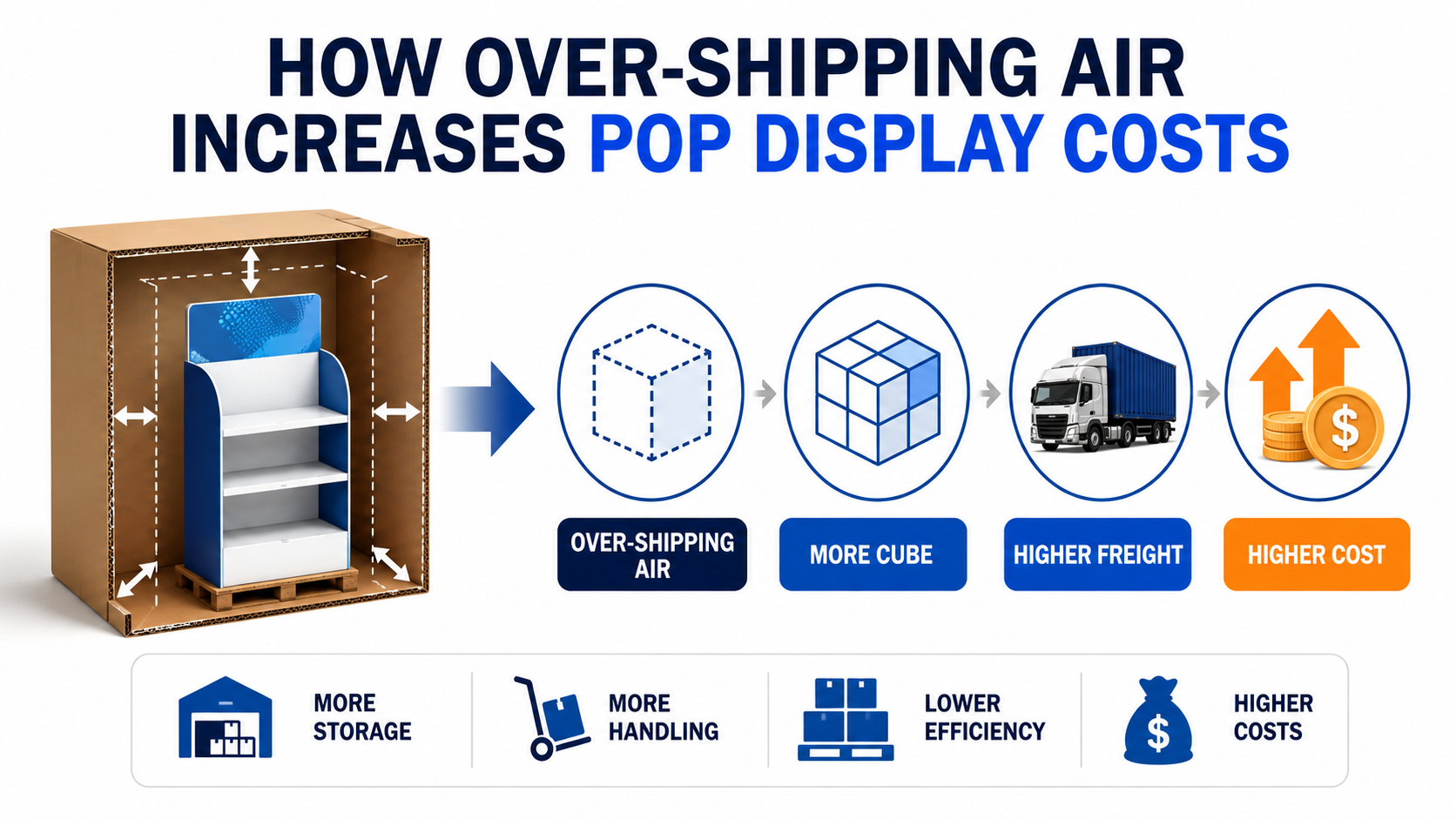
Most POP display programs don’t lose money on materials. They lose it in:👉 empty space Displays are often shipped with: Excess void space Poor stacking