Blogs
At Brown Packaging, we provide insightful content about the packaging industry to keep our clients, followers, and partners informed with the latest trends and accurate information. Our goal is to equip you with up-to-date knowledge that helps you stay ahead in the ever-evolving world of packaging.

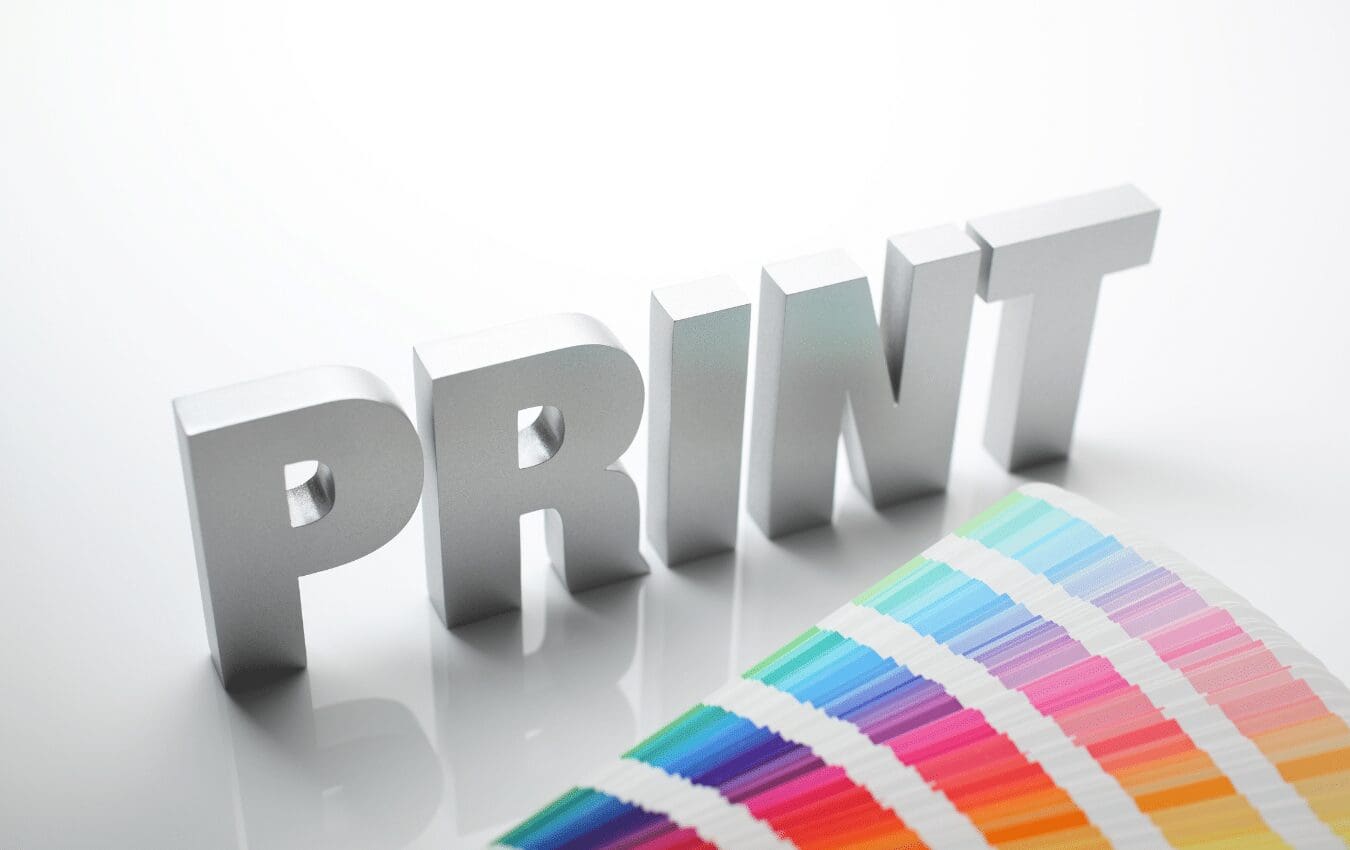
Color plays a vital role in brand recognition, and it is especially important when it comes to packaging materials. The color of your packaging can influence consumer purchase decisions and help create brand identity and recall. Therefore, it is crucial to ensure that the colors on your packaging material match your brand colors. In this blog, we will explore different packaging materials and color methods such as CMYK, GCMI, and PMS to achieve accurate and consistent color reproduction on your packaging. Step 1: Understand Your Brand Colors The first step in color matching your brand colors on your packaging material is to understand your brand colors. If you have not established brand colors, it is crucial to do so before selecting packaging materials. Brand colors are the colors that represent your brand and are typically used in your logo, website, and marketing materials. Understanding your brand colors involves identifying the exact color values and the color space used to represent them. Color values are a set of numerical codes that represent the color of your brand. The most common color spaces are RGB (Red, Green, Blue) and CMYK (Cyan, Magenta, Yellow, Black). RGB is used for digital applications, while CMYK is used for print applications. Therefore, if you are planning to print your packaging material, it is essential to use the CMYK color space. Step 2: Choose Packaging Materials Once you have established your brand colors, it is time to choose the packaging materials. Different packaging materials can have different effects on color, and it is essential to choose the right one to achieve the desired result. Some of the most common packaging materials are: Paper Paper is a versatile and cost-effective packaging material that can be used for a variety of products. It can be coated or uncoated, and the type of paper can affect color reproduction. For example, coated paper reflects more light than uncoated paper, resulting in more vibrant colors. Coated papers, such as glossy or silk finishes, provide excellent color vibrancy and sharpness because they do not absorb as much ink as uncoated papers. The smooth surface of coated papers allows for more accurate ink placement, which results in more precise color reproduction. However, the downside to using coated paper is that it can be more expensive than uncoated paper. On the other hand, uncoated papers, such as kraft or natural papers, can give a more organic or rustic feel to your packaging. However, because uncoated paper absorbs more ink, the colors may appear duller and less vibrant than coated paper. Plastic Plastic is another common packaging material that can be used for a wide range of products. The color reproduction on plastic can vary depending on the type of plastic and the printing method used. For example, transparent plastic allows light to pass through, resulting in a different color effect than opaque plastic. Polyethylene (PE) and Polypropylene (PP) are common types of plastic used for packaging. PE is a more flexible and transparent plastic, whereas PP is a more rigid and opaque plastic. PP can be produced in different colors, and the colors will remain consistent throughout the printing process. PE, on the other hand, may have color variations due to its transparency. Glass Glass is an excellent packaging material for products that require protection from light and air. The color of the glass can affect color reproduction, so it is essential to choose the right type of glass. For example, amber glass filters out blue light, resulting in a warmer color tone. Glass is available in a range of colors, such as clear, green, amber, and blue. The color of the glass can affect the color reproduction of the product inside. For example, clear glass allows the product color to show through, while green glass can give the product a greenish tint. When printing on glass, it is essential to use a high-quality ink that can withstand the high temperatures used in the printing process. Step 3: Select a Color Method Once you have selected your packaging material, it is time to select a color method. There are several color methods you can use to achieve the desired color on your packaging material. Three common color methods are: Cyan, Magenta, Yellow and Black CMYK stands for Cyan, Magenta, Yellow and Black, which are the four colors used in printing. CMYK is a popular color method used in digital printing and is ideal for small print runs. Digital printing is a cost-effective method of printing that allows for quick color changes and high-quality printing. Global Color Matching System GCMI stands for Global Color Matching System, which is a standardized color system used in printing. GCMI is ideal for larger print runs and ensures consistent color reproduction across different materials and printing methods. GCMI uses a set of predefined colors that are recognized by printers worldwide. It is important to mention that GCMI is only used for corrugated printing. Pantone Matching System PMS stands for Pantone Matching System, which is a standardized color system used in printing. PMS is ideal for achieving precise color matching and is often used for branding and marketing materials. PMS uses a set of predefined colors that are mixed to achieve the desired color. When selecting a color method, it is important to consider the type of packaging material you are using. For example, digital printing may not be suitable for all packaging materials, and offset printing may be a better option for materials such as paper or corrugated. It is also important to consider the color space used in the printing process. If you are using a digital printing method, it is important to use the CMYK color space to achieve accurate color reproduction. Step 4: Test and Adjust Once you have selected your color method, it is time to test and adjust. It is essential to print a test run of your packaging material to ensure that the colors are accurate and consistent. This step is crucial because

The packaging of your product is the first impression your customers will have of your brand. It needs to grab their attention, communicate your product’s unique features and benefits, and leave a lasting impression that will lead to repeat purchases. That’s why it’s crucial to work with a skilled packaging designer who can create packaging that both reflects your brand and appeals to your target audience. 10 Questions To Ask Your Packaging Designer In this article, we’ll discuss ten questions you should ask your packaging designer to ensure that you get the best results possible. Can you tell me about your experience in packaging design? Can you walk me through your design process? Can you show me examples of your past packaging design work? What is your approach to creating packaging that stands out on the shelf? How do you ensure that the packaging design reflects our brand? Can you explain your approach to typography and color? How do you take regulatory requirements into account when designing packaging? What is your process for creating mockups or prototypes? How do you handle revisions or changes to the design? What is your timeline for completing the packaging design? Can you tell me about your experience in packaging design? One of the first things you should ask your designer is about their experience and expertise in packaging design. Ask about the types of packaging they have worked on in the past, such as boxes, bottles, pouches, or tubes. You’ll want to know how long they’ve been in the industry and what types of brands they have worked with. You should also ask if they have any formal design education or certifications. Can you walk me through your design process? Understanding the design process will give you an idea of what to expect and how the project will unfold. Ask your designer about their approach to research, ideation, sketching, and prototyping. You’ll also want to know how many initial concepts they will provide you with and how many revisions they will allow before the final design is approved. Can you show me examples of your past packaging design work? Reviewing your designer’s portfolio will give you an idea of their design style and the quality of their work. Ask for examples of packaging designs they have created for products in your industry or that are similar to your product. Look for designs that are visually appealing, functional, and consistent with the brand’s identity. What is your approach to creating packaging that stands out on the shelf? Standing out on the shelf is critical in today’s competitive market. Ask your designer how they plan to make your product packaging visually appealing and distinct. Ask about their approach to typography, color, graphics, and imagery. A good designer should be able to explain how they plan to create a design that is eye-catching, communicates the product’s unique features and benefits, and aligns with the brand’s personality. How do you ensure that the packaging design reflects our brand? Your packaging should be consistent with your brand identity. Ask your designer about their process for researching your brand’s values, mission, and personality. They should also have a process in place for ensuring that your packaging aligns with your brand’s values, color palette, typography, and messaging. Can you explain your approach to typography and color? Typography and color are critical elements of packaging design. Ask your designer how they plan to use typography and color to create a design that is visually appealing and communicates the product’s unique features and benefits. They should be able to explain their approach to font selection, font pairing, font size, and color selection. You’ll also want to know if they plan to use any special printing techniques, such as metallic ink or embossing. How do you take regulatory requirements into account when designing packaging? Depending on your product, there may be regulatory requirements that must be met. For example, food packaging must meet specific requirements for nutrition labeling, allergen warnings, and ingredient lists. Your designer should be aware of these requirements and ensure that the packaging meets them. Ask them about their knowledge of these regulations and how they plan to incorporate them into the design. What is your process for creating mockups or prototypes? Seeing a mockup or prototype of your packaging will give you a better idea of how the finished product will look and feel. Ask your designer about their process for creating mockups or prototypes. Will they create a physical mockup or a digital one? How many iterations are included in the design process? What is the timeline for creating and reviewing these prototypes? These questions will help you understand how your designer plans to bring your packaging design to life and ensure that you’re happy with the final product. How do you handle revisions or changes to the design? It’s common for revisions or changes to be necessary during the design process. Ask your designer about their process for handling these changes in a timely and efficient manner. Will they provide a certain number of revisions before charging extra fees? How quickly will they respond to your requests for changes? What is the process for finalizing the design and approving it for production? Knowing this information upfront will help you manage your expectations and ensure that the project stays on track. What is your timeline for completing the packaging design? Finally, you’ll want to know when you can expect the final packaging design. Ask your designer for a timeline for completing the project, including milestones and deliverables. You’ll want to know how long each stage of the design process will take and what you can expect in terms of communication and updates. Make sure to discuss any deadlines or launch dates you have in mind so that your designer can plan accordingly. Summary: 10 Questions You Should Ask Your Packaging Designer Working with a packaging designer is a critical part of launching a successful product. By asking these

Packaging is an essential aspect of any product’s marketing strategy. It is often the first point of contact with the consumer and can greatly influence their decision to purchase. One crucial element of packaging is color. The use of color in packaging can affect a consumer’s perception of a product, and it is important to choose the right color scheme for your product packaging. In this blog, we will discuss the differences between single and multi-color print in packaging and the pros and cons of each. What is Single-Color Printing? Single-color printing is a printing method that uses only one color to create the design or image on packaging. It has several advantages and disadvantages. Advantages of Single-Color Printing Cost-effective: Single-color printing is more cost-effective than multi-color printing since it requires only one ink color and printing plate. This makes it a good option for brands that want to save money on their packaging design. Consistent: Since single-color printing uses only one ink color, it is easier to maintain consistency in color throughout the entire print run. This is important for brands that want their packaging to look the same across all their products. Vibrant: The ink used in single-color printing is typically opaquer, creating a bold and vibrant image. This makes it a great option for packaging that needs to stand out on the shelves. Disadvantages of Single-Color Printing Limited design options: Single-color printing is limited to using only one ink color, which can limit the design options available. This means that it may not be suitable for packaging designs that require a range of colors or complex images. Less detail: Single-color printing is not well suited for detailed designs or images. This is because it is difficult to create shading or gradation with just one color. Lack of contrast: With only one color, it can be challenging to create contrast between different elements of the design. This can make the packaging design look flat and uninteresting. Examples of Single-Color Printing Black and white printing: Black and white printing is a classic example of single-color printing. It is a great option for packaging designs that want to create a vintage or nostalgic feel. Metallic ink: Metallic ink is a single-color printing technique that uses metallic ink to create a shiny, reflective image. This is a great option for packaging designs that want to create a luxurious or premium feel. Fluorescent ink: Fluorescent ink is a single-color printing technique that uses bright, neon colors. This is a great option for packaging designs that want to create a bold and eye-catching design. What is Multi-Color Print? Multi-color printing, also known as process printing or CMYK printing, is a printing method that uses a combination of four colors – cyan, magenta, yellow, and black – to create the design or image on packaging. This technique has several advantages and disadvantages. Advantages of Multi-Color Printing Design flexibility: Multiple colors offers more design options and flexibility, allowing for a greater range of color options. This makes it a great option for brands that want to create a visually stunning packaging design. High detail: Multi-color printing is well suited for detailed designs or images since it can create a wide range of hues and shades. This makes it a great option for packaging designs that want to convey a lot of information or create an intricate design. Contrast: With multiple colors, it is easier to create contrast between different elements of the design. This can make the packaging design look more interesting and dynamic. Disadvantages of Multi-Color Printing Costly: Multi-color printing is more expensive than single-color printing since it requires four ink colors and printing plates, or it can be digital printed which is a more expensive method. This makes it a less cost-effective option for brands that have a tight budget. Inconsistent color: Maintaining consistency in color throughout the entire print run can be challenging with multi-color printing. This is because slight variations in ink density or printing conditions can affect the color of the final print, unless it is printed as PMS color, which will be costlier. Complex setup: The setup process for multi-color printing is more complex than single-color printing, requiring four separate printing plates. This can make the printing process more time-consuming and expensive. Examples of Multi-Color Printing Full-color printing: Full-color printing is a popular example of multi-color printing. It is a great option for packaging designs that want to create a vibrant and eye-catching design. Gradient printing: Gradient printing is a multi-color printing technique that uses a range of hues and shades to create a smooth transition between colors. This is a great option for packaging designs that want to create a subtle or sophisticated design. Spot color printing: Spot color printing is a multi-color printing technique that uses a few specific colors to create a design. This is a great option for packaging designs that want to create a specific color scheme or highlight certain elements of the design. Summary: Single-Color vs Multi-Color Print In conclusion, the choice between single-color and multi-color printing in packaging design depends on the design needs and budget of the project. Single-color printing is a cost-effective option that provides vibrant and consistent color, but it has limited design options. Multi-color printing offers more design flexibility and detail, but it can be more expensive and challenging to maintain consistency in color throughout the print run. Ultimately, it is up to the designer and the brand to determine which method is best suited for their packaging needs. If you are interested in custom printed packaging solutions, then contact Brown Packaging to get started. (714)300-0650 request@brownpackaging.com Most Recent Posts: Categories: Corrugated Ecommerce ESD Design Display Flexible Packaging Foam Folding Carton Packaging Plastic Packaging Pouch Printing Protection Retail Rigid Box Thermoform Sustainability Subscribe To Our Newsletter By submitting your information, you agree to our terms and conditions and privacy policy. Custom Packaging Facebook Twitter LinkedIn Pinterest Relevant Posts

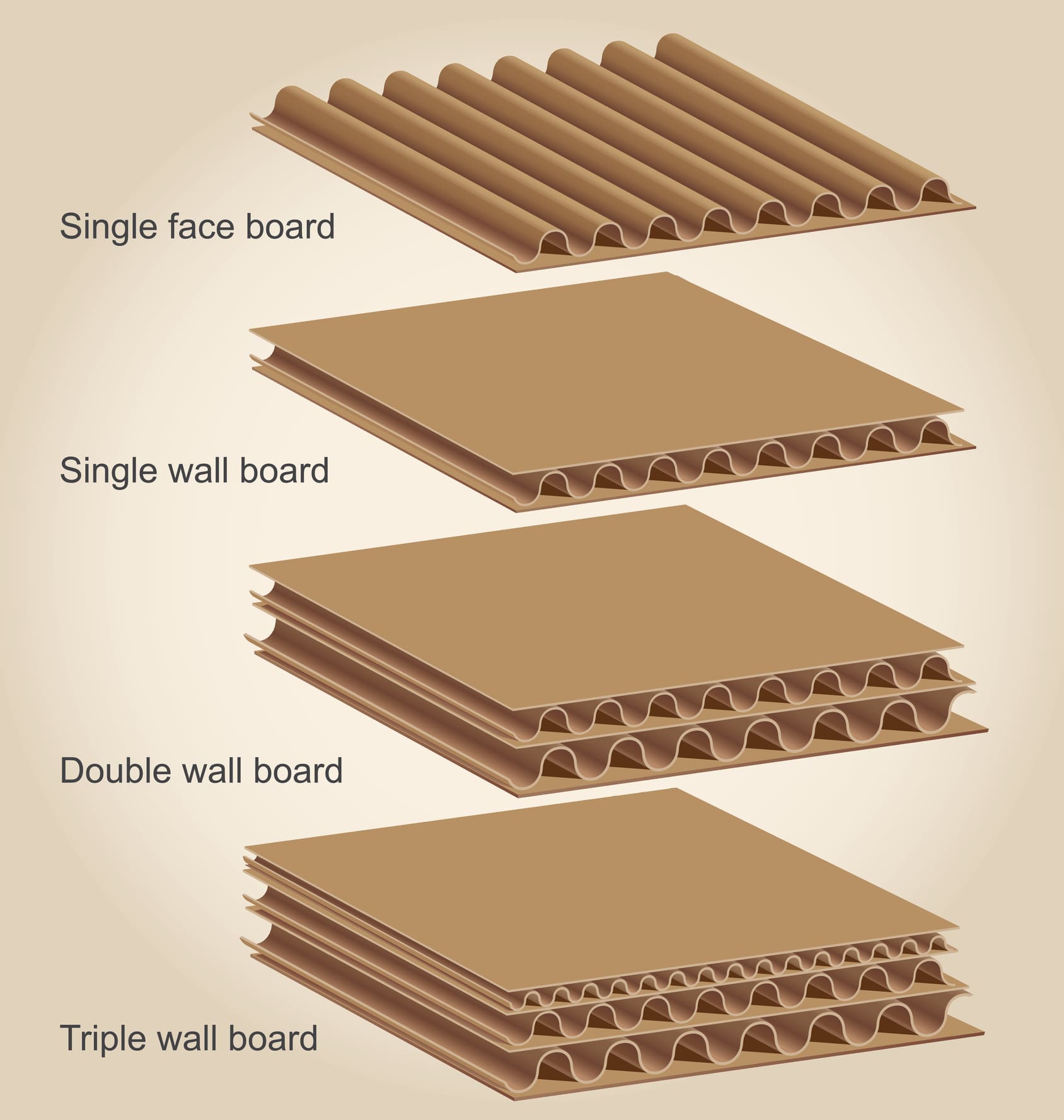
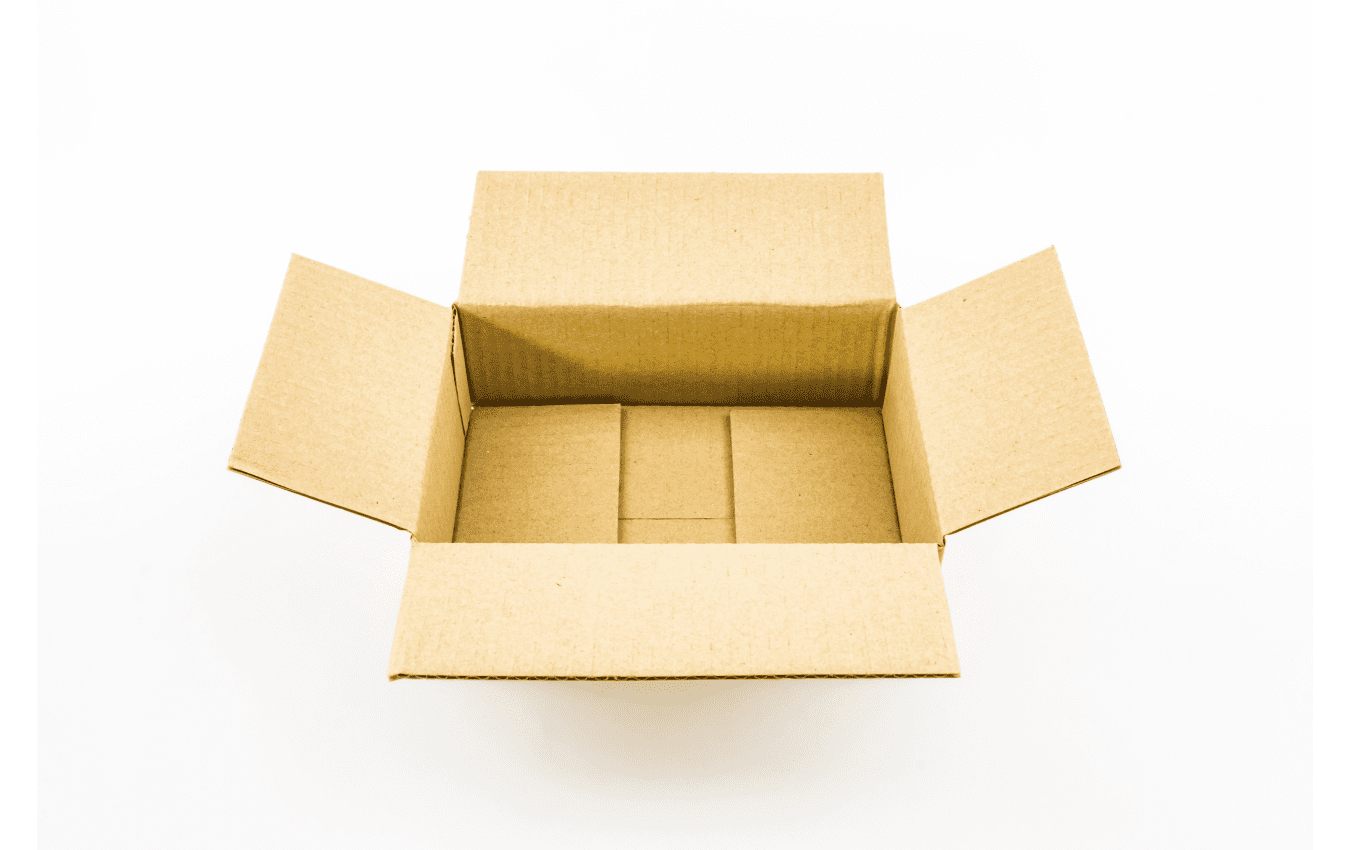
Corrugated boxes are an essential part of the shipping and storage process for businesses worldwide. They are made of corrugated paperboard, which comprises three layers: an inside liner, an outside liner, and a corrugated medium. The fluted medium provides cushioning and strength to the box, while the liners provide a surface for printing and labels. There are several types of corrugated boxes, with full overlap (FOL) being one of the most popular due to its superior strength and durability. What is Full Overlap (FOL) Corrugated Boxes? Full overlap (FOL) corrugated boxes are designed with flaps that completely overlap, providing extra protection to the contents inside. The flaps on both the top and bottom of the box extend all the way to the opposite side of the box, ensuring maximum protection and support. The FOL design provides a stronger and more secure seal than other types of corrugated boxes, making it ideal for shipping and storage of heavy or fragile items. Benefits of Full Overlap (FOL) Corrugated Boxes: Durability and Strength FOL corrugated boxes are known for their superior strength and durability, making them ideal for shipping and storing heavy and fragile items. The complete overlap of the flaps ensures that the box can withstand rough handling during transit without compromising the contents. Protection The complete overlap of the flaps provides an extra layer of protection to the contents inside the box, reducing the risk of damage during transit. The FOL design also prevents dust and dirt from entering the box, keeping the contents clean and protected. Customizable Full overlap corrugated boxes can be customized to fit the specific needs of the contents being shipped. The size and shape of the box can be tailored to fit the contents, and additional cushioning or inserts can be added to provide extra protection. Cost-Effective Despite their strength and durability, FOL corrugated boxes are cost-effective and affordable. They are also recyclable, making them an environmentally friendly choice for packaging. Security These corrugated boxes can be sealed tightly and securely with tape, ensuring that the contents remain inside the box during transit. The secure seal also helps prevent tampering and theft. Branding FOL boxes can be customized with a company logo or branding, providing an opportunity for businesses to promote their brand while also protecting their products. Sustainability Full overlap boxes are made from renewable materials and are recyclable, making them a sustainable packaging choice for businesses. Compliance Corrugated boxes can be designed to comply with various shipping regulations, ensuring that the contents arrive at their destination safely and securely. Full Overlap Box Customization FOL corrugated boxes can be customized to meet specific business needs. Customization options include: Size and shape The size and shape of the box can be tailored to fit the contents being shipped. Custom sizes and shapes can be created to ensure a perfect fit for the products. Printing FOL boxes can be printed with company logos, branding, and product information. This can enhance the customer experience and promote brand awareness. Inserts and Cushioning Additional inserts and cushioning can be added to FOL boxes to provide extra protection for fragile or delicate items. Closure Options FOL boxes can be customized with different closure options, including plastic or paper tape, Velcro, or staples. When to Use Full Overlap (FOL) Corrugated Boxes: FOL corrugated boxes are ideal for shipping and storing heavy or fragile items that require extra protection. They are commonly used in industries such as manufacturing, automotive, and aerospace, where heavy and delicate components are shipped. FOL boxes are also commonly used for packaging equipment, machinery, and electronic devices. In addition, FOL boxes are ideal for shipping and storing items that require long-term storage, as they provide excellent protection against dust, dirt, and moisture. FOL boxes can be used for a variety of products, including: Industrial Full overlap boxes are often used to ship and store large and heavy industrial equipment, such as generators, compressors, and pumps. The boxes can be customized to fit the specific dimensions of the equipment and can be reinforced with additional cushioning or inserts for added protection. Automotive Auto parts such as engines, transmissions, and axles are commonly shipped with full overlap boxes. The boxes can be customized to fit the specific dimensions of the parts and can be reinforced with additional cushioning or inserts for added protection. Electronics These boxes are ideal for shipping and storing electronic devices, such as computers, printers, and televisions. The boxes provide excellent protection against dust, dirt, and moisture, which can damage electronic components. FOL boxes can be customized with additional cushioning or inserts to provide extra protection for delicate electronic components. Medical FOL boxes are commonly used to transport medical supplies, such as surgical instruments, laboratory equipment, and diagnostic kits. The boxes can be customized to fit the specific needs of the contents and can be reinforced with additional cushioning or inserts for added protection. Food and Beverage Food and beverage products, such as canned goods and bottles are often packaged inside this type of box as it provides excellent protection against damage during transit and can be customized to fit the specific dimensions of the products. Retail These boxes can be used to package retail products, such as clothing, shoes, and accessories. The boxes can be customized with branding and logos to promote the brand and enhance the customer experience. E-commerce FOL boxes are commonly used for e-commerce shipments, as they provide a secure and durable packaging solution for products being shipped directly to consumers. Summary: Full Overlap Boxes Explained In summary, Full Overlap (FOL) corrugated boxes are an excellent choice for businesses that require a strong, durable, and protective packaging solution for their products. FOL boxes provide superior protection to heavy or fragile items during transit, and they can be customized to fit the specific needs of the contents being shipped. Customization options include size and shape, printing, inserts and cushioning, and closure options. Whether shipping industrial equipment, automotive parts, electronics, medical supplies, food and beverage

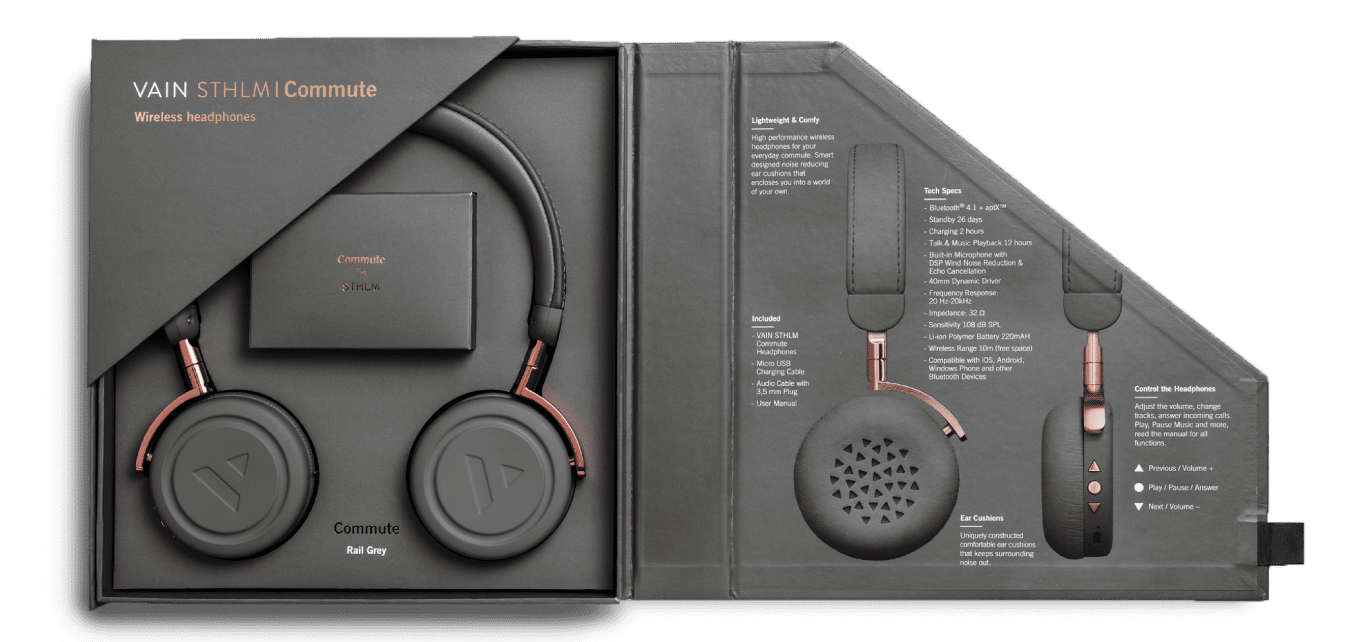
Packaging plays a crucial role in attracting customers and promoting brand recognition. Companies often spend a lot of time and money designing the perfect package for their products, and one element that can add a unique touch is interior printing. Interior printing involves printing graphics or text on the inside of a package, such as a box or a bag. This can add an extra level of detail and visual interest to the packaging, but it’s important to consider whether or not it’s the right choice for your product. Why You Should Consider Interior Print In this blog, we’ll explore the factors to consider when deciding whether or not your packaging should have interior print. The Nature of Your Product The first factor to consider is the nature of your product. Is it a luxury item that requires high-end packaging? Is it a product that requires a lot of information on the packaging, such as instructions or ingredients? If your product is high-end or requires a lot of information, interior printing can be a great way to add an extra layer of detail without sacrificing space on the exterior of the packaging. The Target Audience Consider the target audience for your product. Will they appreciate the extra effort put into the packaging, or will they not notice or care? If your target audience is a group that values luxury or high-end products, they may be more likely to appreciate interior printing. On the other hand, if your product is targeted towards a budget-conscious consumer, they may not value the added expense of interior printing. The Budget Interior printing can be more expensive than regular packaging, so it’s important to consider your budget. Can you afford the extra cost of interior printing, or would that money be better spent on other aspects of the product or marketing? Consider the return on investment of interior printing and whether or not it will have a significant impact on sales. The Design of the Packaging The design of the packaging should also be taken into account when deciding whether or not to include interior printing. If the exterior design is busy or already includes a lot of graphics and text, interior printing may not be necessary and could make the packaging feel cluttered. On the other hand, if the exterior design is simple, interior printing can add an extra level of interest and detail. The Packaging Material Finally, consider the material of the packaging. Some materials, such as paper or cardboard, are easier to print on the interior than others. If the packaging material is not conducive to interior printing, it may not be worth the extra expense or effort. Popular Print Options Available for Interior Packaging Print There are several print options available for applying graphics and text to the inside of packaging. These include digital printing, lithographic printing, flexographic printing, and screen printing. Each option has its own unique features, advantages, and limitations. Below are brief explanations of each option: Digital Printing Digital printing is a relatively new printing process that uses digital files to produce high-quality prints. It is a popular option for printing on the inside of packaging because it can produce crisp, vibrant images and text with minimal setup time. Digital printing is also highly customizable, allowing for unique designs that can be changed quickly and easily. One drawback of digital printing is that it is not ideal for high-volume printing due to cost. Lithographic Printing Lithographic printing, also known as offset printing, is a popular option for high-volume printing jobs. It involves transferring ink from a plate onto a rubber blanket and then onto the packaging material. Lithographic printing produces high-quality prints with sharp details and vibrant colors. However, it requires a significant setup time and is not as customizable as digital printing. Flexographic Printing Flexographic printing is a popular option for printing on flexible packaging materials such as plastic bags and films. It uses flexible rubber plates to transfer ink onto the packaging material. Flexographic printing can produce high-quality prints at high speeds, making it ideal for high-volume printing jobs. However, it is not as precise as other printing methods and may produce slightly blurred or distorted images. Screen Printing Screen printing involves creating a stencil or mesh screen of the desired design and then transferring ink through the screen onto the packaging material. Screen printing can produce high-quality prints with vibrant colors and can be used on a variety of materials, including paper, plastic, and fabric. However, it is not as efficient as other printing methods and requires a significant amount of setup time. Summary: Interior Packaging Print In conclusion, the decision to use interior printing on packaging requires careful consideration of several factors, including the product, target audience, budget, packaging design, and material. Interior printing can enhance the customer experience and create a memorable impression, but it should be used strategically and in line with the brand identity. By selecting the appropriate print option, businesses can create stunning and unique packaging designs that not only protect their products but also increase brand recognition and customer loyalty. If you are interested in custom printed packaging, then partner with Brown Packaging today to get started. (714)300-0650 request@brownpackaging.com Most Recent Posts: Categories: Corrugated Ecommerce ESD Design Display Flexible Packaging Foam Folding Carton Packaging Plastic Packaging Pouch Printing Protection Retail Rigid Box Thermoform Sustainability Subscribe To Our Newsletter By submitting your information, you agree to our terms and conditions and privacy policy. Custom Packaging Facebook Twitter LinkedIn Pinterest Relevant Posts

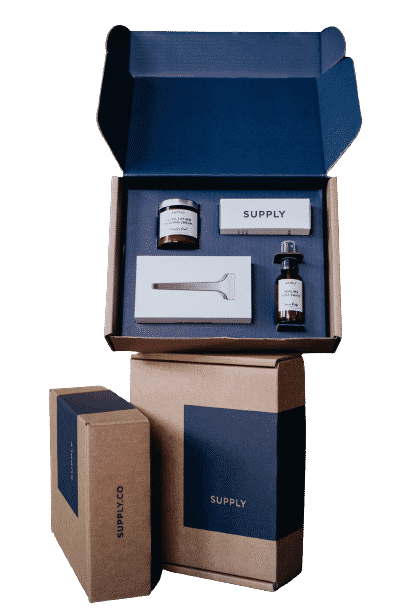
In today’s world of e-commerce, businesses are constantly searching for ways to differentiate themselves from their competitors. One often overlooked aspect of the customer experience is the unboxing experience. The act of unboxing is the first physical interaction a customer has with a product, and it can greatly influence their perception of the brand and their overall satisfaction with their purchase. In this article, we will explore the importance of the unboxing experience and share some tips on how to create an engaging unboxing experience that leaves a lasting impression on the customer. The Importance of the Unboxing Experience The unboxing experience is the first touchpoint a customer has with a product, and it sets the tone for the entire customer experience. A well-crafted unboxing experience can create excitement, anticipation, and delight in the customer, which can translate to positive brand perception and increased customer loyalty. Research has shown that the unboxing experience can have a significant impact on customer satisfaction and their likelihood to repurchase from a brand. In a study conducted by Dotcom Distribution, 40% of customers said they would be more likely to purchase from a retailer again if they had a positive unboxing experience, and 68% said that the unboxing experience influenced their perception of the brand. Creating an Engaging Unboxing Experience Now that we’ve established the importance of the unboxing experience, let’s discuss how to create an engaging unboxing experience that leaves a lasting impression on the customer. Packaging Design The first step in creating an engaging unboxing experience is to design packaging that is visually appealing and consistent with your brand identity. Consider using unique shapes, colors, and materials to make your packaging stand out from your competitors. The packaging should also be functional, protecting the product during shipping and handling. Personalization Personalization is key to creating an emotional connection with the customer. Consider adding a handwritten note or personalized message to the packaging to make the customer feel special and valued. You could also include samples or freebies based on the customer’s purchase history or preferences. Unboxing Instructions Including clear and concise unboxing instructions can help customers feel confident in their purchase and prevent any confusion or frustration during the unboxing process. Consider including step-by-step instructions or a video tutorial to guide the customer through the unboxing experience. Surprise and Delight Including a surprise or unique element in the unboxing experience can create excitement and anticipation in the customer. Consider including a small gift or discount code in the packaging, or designing the packaging to reveal the product in a creative way. Shareability Encourage customers to share their unboxing experience on social media by including branded hashtags or social media handles in the packaging. This not only increases brand visibility, but also creates a sense of community and engagement with the brand. Sustainable Packaging Sustainability is becoming increasingly important to customers, and using eco-friendly packaging materials can create a positive impression of the brand. Consider using biodegradable or recyclable materials, or even incorporating sustainable elements into the packaging design, such as plant able seed paper. Brand Storytelling The unboxing experience is a great opportunity to share the brand’s story and values with the customer. Consider including a booklet or card that tells the brand’s story, or incorporating messaging into the packaging design that communicates the brand’s values and mission. Multi-Sensory Experience Creating a multi-sensory experience can engage the customer on a deeper level and create a memorable experience. Consider incorporating scents, textures, or sound elements into the packaging design to create a sensory experience that complements the product. Product Protection While the unboxing experience should be visually appealing and engaging, it’s important to also ensure that the product is well-protected during shipping and handling. Consider using packaging materials such as bubble wrap or foam inserts to protect the product and prevent damage during transit. Feedback and Reviews The unboxing experience can also be used to gather feedback and encourage reviews from customers. Consider including a feedback card or directing customers to a review platform to share their thoughts on the product and the unboxing experience. Summary: Unboxing Experience In conclusion, creating an engaging unboxing experience is a crucial aspect of the customer experience that can greatly influence customer satisfaction and loyalty towards a brand. By investing in packaging design, personalization, clear instructions, surprise and delight elements, shareability, sustainability, brand storytelling, multi-sensory experiences, product protection, and feedback and reviews, businesses can create a memorable and positive unboxing experience that leaves a lasting impression on the customer. If you are interested in custom packaging for your business and want to maximize the unboxing experience, then partner with Brown Packaging today to get started. (714)300-0650 request@brownpackaging.com Most Recent Posts: Categories: Corrugated Ecommerce ESD Design Display Flexible Packaging Foam Folding Carton Packaging Plastic Packaging Pouch Printing Protection Retail Rigid Box Thermoform Sustainability Subscribe To Our Newsletter By submitting your information, you agree to our terms and conditions and privacy policy. Custom Packaging Facebook Twitter LinkedIn Pinterest Relevant Posts

Summer is a season of warm weather and outdoor activities that brings joy to many people. However, for businesses that rely on packaging to transport and store their products, summer can be a challenging season. The high temperatures can have a significant impact on packaging, leading to damage and even product loss. Quick Overview: Summer Heat Vs Packaging In this article, we will discuss the following topics: Understanding the Impact of Heat on Packaging Common Types of Packaging Materials and Their Vulnerability to Heat The Impact of Heat on Different Types of Products Tips for Mitigating the Risks of Heat on Packaging Impact of Heat on Packaging Costs Environmental Impact of Heat-Damaged Packaging Regulations and Standards for Heat-Resistant Packaging Emerging Technologies for Heat-Resistant Packaging Importance of Effective Communication with Customers By the end of this article, you will have a better understanding of the steps you can take to safeguard your products during the summer months and maintain your reputation for quality and reliability. Understanding the Impact of Heat on Packaging Packaging is designed to protect products from various environmental factors, such as moisture, light, and temperature. However, extreme heat can compromise the integrity of the packaging and make it less effective in safeguarding the product. When exposed to high temperatures, packaging materials can shrink, warp, or melt, leading to leaks, cracks, or breaks. This can result in product spoilage, contamination, or even loss. Common Types of Packaging Materials and Their Vulnerability to Heat Different packaging materials have varying degrees of susceptibility to heat damage. Plastic packaging, for example, is widely used because it is durable, lightweight, and cost-effective. However, plastic is vulnerable to heat, and exposure to high temperatures can cause it to warp or melt, compromising the product’s safety. Glass packaging is popular for products such as beverages, sauces, and jams. While glass is less susceptible to heat damage than plastic, it can still crack or break when exposed to extreme temperatures, leading to product loss. Metal packaging, such as cans and tins, is sturdy and can withstand high temperatures. The Impact of Heat on Different Types of Products Different types of products have varying degrees of vulnerability to heat damage. For example, food and beverage products are highly susceptible to spoilage and contamination when exposed to high temperatures. Heat-sensitive products, such as pharmaceuticals and cosmetics, can lose their efficacy or even become hazardous when exposed to extreme heat. Tips for Mitigating the Risks of Heat on Packaging Businesses can take several steps to mitigate the risks of heat damage on packaging. Choosing packaging materials that are resistant to heat, such as metal or insulated packaging, can be effective. Storing products in temperature-controlled environments, such as refrigerators or air-conditioned rooms, can help prevent heat damage. Using protective packaging, such as bubble wrap or foam inserts, can provide an extra layer of insulation and protection for products during transportation and storage. Regular monitoring and tracking of products can help identify any signs of heat damage early and take appropriate action to prevent product loss or spoilage. Impact of Heat on Packaging Costs Heat damage to packaging can lead to product loss, which can result in increased costs for businesses. For example, businesses may need to replace damaged packaging, reship products, or issue refunds to customers. In addition, heat damage can also result in delays in product delivery, which can further impact business costs. Understanding the financial impact of heat damage on packaging can help businesses prioritize investments in heat-resistant packaging materials and temperature-controlled storage. Environmental Impact of Heat-Damaged Packaging Heat-damaged packaging can also have environmental implications. For example, products that spoil or become contaminated due to heat damage may need to be disposed of, leading to waste. In addition, heat-damaged packaging may not be recyclable, further contributing to environmental issues. Businesses can reduce their environmental impact by choosing packaging materials that are recyclable, biodegradable, or compostable and implementing sustainable packaging practices. Regulations and Standards for Heat-Resistant Packaging Regulations and standards for heat-resistant packaging vary depending on the type of product and industry. For example, the US Food and Drug Administration (FDA) has specific regulations for packaging materials used for food and drug products. Understanding regulatory requirements and industry standards for heat-resistant packaging can help businesses ensure their products meet safety and quality standards. Emerging Technologies for Heat-Resistant Packaging Advances in technology have led to the development of new packaging materials that are more resistant to heat damage. For example, researchers are exploring the use of nanotechnology to create heat-resistant packaging materials that can protect products from high temperatures. Other innovations include the use of biodegradable or compostable materials that are both environmentally friendly and heat-resistant. Keeping abreast of emerging technologies in heat-resistant packaging can help businesses stay competitive and improve product quality. Importance of Effective Communication with Customers Effective communication with customers is crucial in ensuring they understand the risks associated with summer heat and packaging. Businesses can use various channels, such as social media, email, or packaging inserts, to inform customers about the importance of proper storage and handling of products during summer months. By educating customers, businesses can minimize the risk of product loss or damage due to heat, leading to increased customer satisfaction and loyalty. Summary: Summer Heat Vs Packaging In conclusion, summer heat can have a significant impact on packaging, leading to product loss, contamination, or spoilage. Businesses must understand the risks associated with heat damage and take appropriate steps to mitigate them. By choosing heat-resistant packaging materials, storing products in temperature-controlled environments, using protective packaging, and monitoring products regularly, businesses can safeguard their products and improve their bottom line. Additionally, businesses should prioritize sustainability, stay up-to-date with emerging technologies, and communicate effectively with customers to minimize the environmental and financial impact of heat-damaged packaging. By taking these measures, businesses can ensure that their products reach customers in the best possible condition and maintain their reputation for quality and reliability. If you are interested with packaging solutions with reliable durability to summer heat, then

The cold chain is a temperature-controlled supply chain that plays a critical role in ensuring that certain products, such as pharmaceuticals, vaccines, and food, maintain their quality and efficacy. In this supply chain, the temperature is controlled, monitored, and maintained from the point of manufacture to the point of consumption. Cold chain packaging is an integral part of this process, as it provides a protective environment for temperature-sensitive products during transport and storage. In this blog, we will discuss the importance of cold chain packaging in maintaining product quality, including the various types of cold chain packaging, their benefits, and the challenges associated with cold chain packaging. What is Cold Chain Packaging? Cold chain packaging is the packaging used to protect temperature-sensitive products during transportation and storage. It is designed to maintain a specific temperature range to prevent product degradation and spoilage. Cold chain packaging is used in various industries, including pharmaceuticals, biotech, food, and beverage. Types of Cold Chain Packaging There are several types of cold chain packaging available, including: Insulated Shippers – Insulated shippers are designed to maintain a specific temperature range for a specific duration. These shippers can be made from various materials, including expanded polystyrene (EPS) containers, insulated mailers, foil bubble liners, polyurethane cooler boxes and paper-based liners. They are commonly used for transporting vaccines, blood samples, and temperature-sensitive medications. Refrigerants – Refrigerants are used in cold chain packaging to maintain a specific temperature range. These can be in the form of gel packs, dry ice, or liquid nitrogen. They are placed in insulated shippers to maintain the desired temperature range. Phase Change Materials (PCMs) – PCMs are substances that can store and release thermal energy during a phase change. These materials are commonly used in cold chain packaging to maintain a specific temperature range for extended periods. Benefits of Cold Chain Packaging Maintains Product Quality – Product quality is maintained by keeping products within a specific temperature range during transportation and storage. This ensures that products remain effective and safe for consumption. Reduces Waste – Waste is reduced by preventing spoilage and degradation of products during transportation and storage. This helps reduce the need for product recalls, which can be costly for manufacturers. Increases Shelf Life – Shelf life is increased for temperature-sensitive products by maintaining a specific temperature range. This helps ensure that products can be stored for longer periods without degrading or spoiling. Challenges Associated with Cold Chain Packaging Temperature Control – Temperature control is one of the most significant challenges associated with cold chain packaging. Maintaining a specific temperature range throughout the transportation and storage process can be challenging, especially in extreme weather conditions. Cost – It can be expensive, which can be a significant barrier for small manufacturers. The cost of materials, such as insulated shippers and refrigerants, can add up quickly. Regulatory Compliance – Cold chain packaging must comply with various regulations, including those set by the FDA and other regulatory bodies. Ensuring compliance with these regulations can be challenging and costly for manufacturers. Summary: Cold Chain Packaging Explained Cold chain packaging plays a critical role in maintaining product quality and safety during transportation and storage. It helps reduce waste, increase shelf life, and ensure that products remain effective and safe for consumption. However, there are challenges associated with cold chain packaging, including temperature control, cost, and regulatory compliance. Despite these challenges, the benefits of cold chain packaging outweigh the costs and challenges, making it an essential part of the cold chain supply chain. If you are interested in cold chain packaging solutions, then contact Brown Packaging today to get started. (714)300-0650 request@brownpackaging.com Most Recent Posts: Categories: Corrugated Ecommerce ESD Design Display Flexible Packaging Foam Folding Carton Packaging Plastic Packaging Pouch Printing Protection Retail Rigid Box Thermoform Sustainability Subscribe To Our Newsletter By submitting your information, you agree to our terms and conditions and privacy policy. Cold Chain Packaging Facebook Twitter LinkedIn Pinterest Relevant Posts

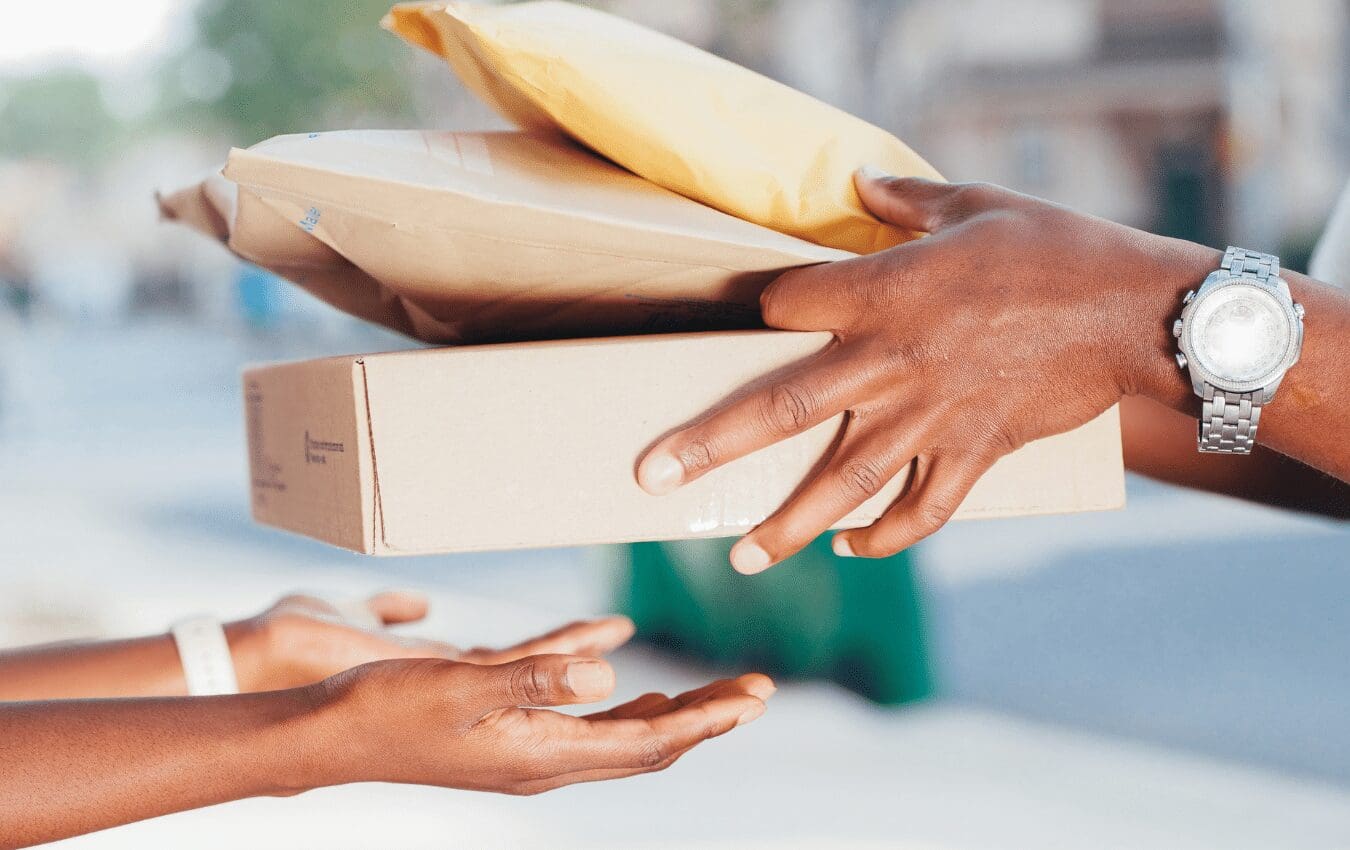
In recent years, the world has seen a rapid growth in the e-commerce industry. With the convenience of online shopping and the ability to purchase goods and services from the comfort of our homes, e-commerce has become a popular choice for consumers all over the world. This surge in e-commerce has also brought about a significant change in the packaging industry. E-commerce has created new challenges and opportunities for the packaging industry, leading to new innovations and changes in the way products are packaged and delivered. The packaging of products plays a crucial role in the e-commerce industry. It must not only protect the product during transit but also provide a positive unboxing experience for the customer. The packaging of a product is often the first interaction a customer has with a brand, and it can make a lasting impression. With the rise of e-commerce, packaging has become more important than ever, as it must meet the demands of online shopping while still promoting the brand and creating a positive customer experience. Overview: The Impact of Ecommerce on Packaging In this blog, we will explore the challenges and opportunities that the e-commerce industry has brought to the world of packaging. We will examine how e-commerce packaging is changing the way products are packaged and delivered and what this means for the future of the packaging industry. By understanding the challenges and opportunities in e-commerce packaging, we can gain a better appreciation of the impact that e-commerce is having on the packaging industry and how it is shaping the future of online shopping. Challenges in E-commerce Packaging Protecting Products in Transit Minimizing Shipping Costs Reducing Waste Opportunities in E-commerce Packaging Personalizing Packaging Enhancing the Customer Experience Streamlining Delivery Processes Conclusion: The Future of E-commerce Packaging Challenges in E-commerce Packaging The growth of e-commerce has brought about a number of challenges for the packaging industry. Packaging for e-commerce must be able to protect products during transit, minimize shipping costs, and reduce waste, all while meeting the demands of customers and stakeholders. These challenges can be difficult to navigate, but they also provide an opportunity for companies to differentiate themselves and gain a competitive advantage. In this section, we will explore some of the challenges associated with e-commerce packaging and how companies are addressing these challenges to meet the demands of online shopping. Protecting Products in Transit One of the biggest challenges in e-commerce packaging is ensuring that products arrive at their destination in good condition. With packages being handled by multiple people and machines during transit, it can be difficult to protect fragile items from damage. This is particularly important for e-commerce companies, as damaged products can result in returns and negative reviews, which can harm the company’s reputation and bottom line. To address this challenge, e-commerce companies are investing in new materials and packaging methods that can better protect products during transit. Some companies are using stronger and more durable packaging materials, such as double-walled boxes and foam inserts, to absorb shock and protect fragile items. Others are using custom-fit packaging that is designed to fit the product perfectly, reducing the amount of movement and potential damage during transit. In addition to using stronger materials, e-commerce companies are also implementing new technologies to help protect products during transit. For example, some companies are using sensors and tracking devices to monitor the condition of packages during transit, allowing them to quickly address any issues that may arise. Others are using predictive analytics to predict which packages are at a higher risk of damage, allowing them to take extra precautions to protect these packages. Minimizing Shipping Costs In the e-commerce industry, shipping costs can make up a significant portion of a company’s expenses. With the rise of e-commerce, shipping volumes have increased dramatically, and companies are looking for ways to minimize their shipping costs. Fortunately, e-commerce packaging provides an opportunity for companies to reduce these costs. One of the ways that e-commerce companies can minimize shipping costs is by using lighter and more compact packaging materials. By using lighter materials, companies can reduce the weight of packages, which in turn reduces shipping costs. For example, companies can switch from using heavy corrugated boxes to using lighter poly mailers. This not only reduces the weight of packages but also takes up less space in shipping containers, allowing companies to ship more packages in a single shipment, further reducing costs. Another way that companies can minimize shipping costs is by using more efficient packaging methods. For example, some companies are using void fill materials, such as air cushions or biodegradable peanuts, to fill empty space in packages. By using these materials efficiently, companies can reduce the size of packages and minimize the amount of space that is taken up in shipping containers, reducing shipping costs. Finally, companies can minimize shipping costs by using sustainable packaging materials. By using eco-friendly packaging materials, such as recycled or biodegradable materials, companies can reduce their impact on the environment, as well as take advantage of discounts offered by some shipping carriers for using sustainable packaging. Reducing Waste The growth of e-commerce has also led to an increase in packaging waste, as more and more packages are being shipped to customers all over the world. With growing concerns about the environmental impact of packaging waste, e-commerce companies are looking for ways to reduce the waste associated with their packaging. Fortunately, e-commerce packaging provides an opportunity for companies to reduce waste and promote sustainability. One of the ways that e-commerce companies can reduce waste is by using more environmentally friendly packaging materials. For example, companies can switch from using single-use plastic packaging to using biodegradable or compostable packaging materials, such as paper, starch-based materials, or cellulose. By using these materials, companies can reduce the amount of waste that is generated and promote sustainability. Another way that companies can reduce waste is by using reusable or recyclable packaging materials. For example, companies can use reusable packaging materials, such as cloth or

The importance of packaging in our daily lives cannot be overstated. Packaging protects, preserves, and transports the products we use and consume every day, ensuring their quality and safety. However, the traditional packaging industry has come under scrutiny in recent years due to its impact on the environment. Packaging waste contributes to overflowing landfills, litter in oceans and rivers, and greenhouse gas emissions, leading to a growing need for more sustainable packaging solutions. In response to this growing concern, the concept of sustainable packaging has emerged, providing a more environmentally friendly and responsible approach to packaging. Sustainable packaging is defined as packaging that meets the needs of the present without compromising the ability of future generations to meet their own needs. This means designing and producing packaging that is environmentally friendly, socially responsible, and economically viable. The goal of sustainable packaging is to reduce waste, conserve resources, and minimize the impact on the environment throughout the entire life cycle of the packaging, from production to disposal. In this blog, we will delve into the topic of sustainable packaging, discussing the importance of eco-friendly packaging solutions and the various materials and methods being used to reduce waste. By examining the latest developments and trends in sustainable packaging, we hope to raise awareness and encourage more environmentally conscious decisions in the packaging industry. What is Sustainable Packaging? Sustainable packaging is an approach to packaging that takes into consideration the impact of the packaging on the environment and aims to reduce waste and conserve resources throughout the entire life cycle of the packaging. This involves considering the entire life cycle of the packaging, from production to disposal, and finding ways to minimize the impact of packaging on the environment. The definition of sustainable packaging can vary, but it typically includes the following elements: Environmentally friendly: Environmentally friendly sustainable packaging should prioritize recyclability and biodegradability in addition to minimizing resource use, waste, emissions, and environmental impacts. This involves using materials that are easily recyclable and accepted by local facilities, and designing the packaging to biodegrade over time into natural materials, thus promoting a healthier environment and reducing waste. Socially responsible: Socially responsible packaging should be safe for workers and consumers, and not have any adverse effects on human health or the environment. Economically viable: Economically viable packaging should be cost-effective and not have a negative impact on the profitability of the business. Sustainable packaging aims to balance these three elements, ensuring that the packaging meets the needs of the present without compromising the ability of future generations to meet their own needs. In other words, sustainable packaging should provide the same level of protection and preservation as traditional packaging, but with a reduced impact on the environment. The trend towards sustainable packaging is driven by a growing awareness of the impact of packaging on the environment and a desire for more environmentally friendly solutions. Consumers are demanding more eco-friendly options, and companies are responding by developing and implementing more sustainable packaging solutions. This has led to the growth of new materials, processes, and technologies that are helping to reduce the impact of packaging on the environment. Types of Sustainable Packaging Materials There is a wide variety of materials that can be used to create sustainable packaging. Some of the most commonly used materials include: Recycled paper and corrugated: These are one of the most popular materials for sustainable packaging due to its ease of recycling and biodegradability. Recycled paper and corrugated can be used for a variety of packaging applications, including boxes, envelopes, and shipping containers. Plant-based materials: Plant-based materials, such as cornstarch, cellulose, and bamboo, are biodegradable and compostable, making them ideal for sustainable packaging. These materials can be used for a variety of applications, including food packaging, bags, and containers. Biodegradable plastics: Biodegradable plastics are made from renewable resources that are designed to break down quickly when exposed to the elements. These materials are often used for food packaging, shopping bags, and other disposable products. Glass: Glass is a highly recyclable material that can be used for food packaging, cosmetics, and other products. Glass containers can be used multiple times and have a long lifespan, making them a great option for sustainable packaging. Metal: Metal, such as aluminum and steel, is highly recyclable and has a long lifespan, making it a popular choice for sustainable packaging. Metal containers are often used for food and beverage packaging, as well as for household products. Reusable packaging: Reusable packaging, such as refillable bottles, containers, and bags, are designed to be used multiple times, reducing the need for disposable packaging. This type of packaging is becoming increasingly popular as consumers seek more sustainable options. These are just a few examples of the many materials that can be used for sustainable packaging. The best material for a particular application will depend on the specific needs of the product, as well as the cost and availability of the material. Companies are continually developing and improving these materials, so it is likely that new and innovative sustainable packaging materials will emerge in the future. Methods to Reduce Waste in Packaging In addition to using sustainable materials, there are a number of methods that can be used to reduce waste in packaging. Some of the most effective methods include: Right-sizing and Reduction of Packaging Materials: One of the simplest ways to reduce waste in packaging is to use the right amount of packaging for a particular product. This means using just enough packaging to protect the product and keep it safe, without using excessive amounts of material. This helps to reduce the amount of packaging waste that is generated and also saves money by reducing the cost of materials. Recycling: Recycling is a key component of sustainable packaging, as it helps to reduce waste by turning used packaging into new products. Many types of packaging, including paper, corrugated, glass, and metal, can be easily recycled and turned into new products, reducing the need for new materials and conserving resources.

ISTA (International Safe Transit Association) certification is an essential component of the packaging industry. It involves testing and certifying packaging materials and products to ensure that they meet specific standards for shipping and handling. The certification process helps to ensure that packaging materials are robust enough to withstand the rigors of transportation and protect the contents within. In this blog post, we will discuss the circumstances under which someone would need an ISTA certification for their packaging. Shipping Fragile and Delicate Items When shipping fragile and delicate items, such as glassware, electronics, or medical devices, it’s essential to have packaging that can protect these items from damage during transit. An ISTA certification ensures that the packaging meets specific standards for drop testing, vibration testing, and compression testing to protect the contents within. Shipping Hazardous Materials Shipping hazardous materials requires specialized packaging to ensure the safe transport of these goods. An ISTA certification ensures that the packaging meets specific standards for handling hazardous materials and can withstand the conditions required for transportation. Meeting Regulatory Requirements Many industries have regulatory requirements for packaging materials. For example, the pharmaceutical industry has strict requirements for packaging materials to ensure the safety and efficacy of drugs during transportation. An ISTA certification ensures that the packaging meets these regulatory requirements and provides a standardized testing process for compliance. Reducing Transportation Costs Poorly designed or inadequate packaging can result in increased transportation costs due to damaged goods, lost items, and additional handling. An ISTA certification ensures that packaging materials are robust enough to withstand the rigors of transportation, reducing the likelihood of damage and decreasing overall transportation costs. Increasing Customer Satisfaction Customers expect their products to arrive in pristine condition, free from damage or defects. An ISTA certification ensures that packaging materials are tested to rigorous standards, providing peace of mind for both the shipper and the customer. This can lead to increased customer satisfaction and repeat business. Retail Chains and Club Stores Require ISTA Retail chains and club stores have specific packaging requirements that shippers must meet to sell their products in-store or online. These requirements are designed to ensure that products arrive at the store or warehouse in good condition and ready for display. Most retail chains and club stores require that packaging materials meet specific ISTA standards before they can be sold in their stores. In many cases, these requirements exceed the minimum ISTA standards, meaning that shippers must invest in high-quality packaging materials that can withstand the rigors of transportation. Working with an ISTA-certified packaging company can help shippers meet the packaging requirements of retail chains and club stores. These companies have experience in designing and testing packaging materials that meet the strictest ISTA standards, ensuring that your products arrive at the store or warehouse in good condition. Moreover, using packaging materials that meet the packaging requirements of retail chains and club stores can also help to increase product visibility and sales. These stores are more likely to promote products that meet their packaging requirements, meaning that shippers who invest in high-quality packaging materials may see an increase in sales and brand recognition. It’s worth noting that the packaging requirements of retail chains and club stores can vary depending on the type of product and the retailer. As such, it’s important to work with an ISTA-certified packaging company that has experience working with different types of retailers and can help you meet their specific packaging requirements. Summary: Do you Need ISTA Certification for Your Packaging? Ultimately, an ISTA certification is necessary for anyone shipping fragile, delicate, or hazardous materials, meeting regulatory requirements, reducing transportation costs, and increasing customer satisfaction. It provides a standardized testing process for packaging materials and ensures that they meet specific standards for drop testing, vibration testing, and compression testing. Retail chains and club stores often require that your product be packaged in an ISTA Certified package. If you are interested in custom packaging that can meet your requirements for certification, then partner with Brown Packaging today to get started. (714)300-0650 request@brownpackaging.com Most Recent Posts: Categories: Corrugated Ecommerce ESD Design Display Flexible Packaging Foam Folding Carton Packaging Plastic Packaging Pouch Printing Protection Retail Rigid Box Thermoform Sustainability Subscribe To Our Newsletter By submitting your information, you agree to our terms and conditions and privacy policy. Custom Packaging Facebook Twitter LinkedIn Pinterest Relevant Posts

In today’s highly competitive marketplace, the packaging of a product plays a crucial role in determining a brand’s success. It is the first point of contact between a brand and its customers and can have a lasting impact on the customer’s perception of the brand. As consumers are bombarded with numerous products vying for their attention, it is increasingly important for brands to differentiate themselves and stand out from the crowd. One of the most effective ways to do this is through the packaging of the product. Packaging is not just a means of protection and preservation, but also a powerful tool for shaping a brand’s identity. Overview: Packaging and Brand Identity In this blog, we will delve into the relationship between packaging and brand identity and explore the various ways that brands are using packaging to communicate their values and messaging to their customers. From the use of eco-friendly materials to reflect a commitment to sustainability to the use of premium materials to communicate a brand’s premium quality, we will examine the various ways that brands are using packaging to shape their identity and stand out from the competition. We will also discuss the impact that packaging has on customer perception and the ways in which it can influence a customer’s decision to purchase a product. Whether you’re a brand looking to establish your identity or a customer looking to make informed purchasing decisions, this blog will provide valuable insights into the world of packaging and brand identity. The Connection Between Packaging and Brand Identity How Brands are Using Packaging to Communicate Their Values and Messaging Conclusion: Packaging and Brand Identity The Connection Between Packaging and Brand Identity The connection between packaging and brand identity is a crucial one as packaging plays a critical role in establishing and communicating a brand’s identity to its customers. Packaging is often the first point of contact between a brand and its customers, and it can make a lasting impression that can influence their perception of the brand. Here’s a closer look at the connection between packaging and brand identity: First Impressions Packaging is the first thing that customers see when they encounter a product, and it can create a lasting impression. A well-designed and visually appealing packaging can make a positive impression on customers and help establish the brand’s identity in their minds. Brand Message Packaging is an effective tool for communicating a brand’s values and messaging to its customers. Brands can use packaging to convey information about the product, such as its features, benefits, and usage instructions, as well as the brand’s values, such as its commitment to sustainability or its focus on quality. Brand Personality Packaging can also help convey a brand’s personality, such as its sense of humor, its approachability, or its sophistication. By using specific colors, shapes, and images, brands can create packaging that reflects their personality and helps to establish their identity in the minds of customers. Brand Awareness Packaging is also an effective tool for increasing brand awareness. A distinctive and memorable packaging design can help customers recognize the brand and remember it in the future. How Brands are Using Packaging to Communicate their Values and Messaging Brands are using packaging in a variety of ways to communicate their values and messaging to customers. From the use of eco-friendly materials to reflect a commitment to sustainability, to the use of premium materials to communicate a brand’s premium quality, packaging is a powerful tool for shaping a brand’s identity and communicating its values and messaging to customers. Here are some of the ways that brands are using packaging to communicate their values and messaging: Sustainability Many brands are using eco-friendly packaging materials, such as recyclable or biodegradable materials, to communicate their commitment to sustainability and the environment. This not only helps to reduce waste and protect the environment but also appeals to customers who are looking for environmentally conscious brands. Premium Quality Brands can use premium materials, such as high-quality paper, glass, or metal, in their packaging to communicate a premium quality image. This can help to differentiate the brand from its competition and communicate its focus on quality to customers. Personalization Packaging can also be personalized to communicate a brand’s focus on individual customers. For example, brands can use custom packaging with personalized messages or images to create a personal connection with customers and build brand loyalty. Simplicity and Minimalism Brands can also use simple and minimalist packaging designs to communicate a focus on functionality and efficiency. This type of packaging can appeal to customers who are looking for products that are easy to use and do not have any unnecessary features. Innovation Brands can use innovative packaging designs, such as interactive or augmented reality packaging, to communicate their focus on innovation and technology. This can help to differentiate the brand from its competition and appeal to customers who are looking for cutting-edge products. Conclusion: Packaging and Brand Identity In brief, packaging plays a critical role in establishing and communicating a brand’s identity to its customers. The connection between packaging and brand identity is a vital one, and brands are using packaging in a variety of ways to communicate their values and messaging to customers. From eco-friendly materials to premium materials, from personalization to simplicity, packaging is a powerful tool for shaping a brand’s identity and communicating its values and messaging to customers. A well-designed and effective packaging can help establish a brand’s identity, increase brand awareness, and make a positive impression on customers, all of which can contribute to the brand’s success in the marketplace. It is essential for brands to understand the connection between packaging and brand identity and to use packaging as a tool to communicate their values and messaging to customers. For customers, understanding the ways in which brands are using packaging to communicate their values and messaging can help them make informed purchasing decisions. By paying attention to packaging, customers can gain insight into a brand’s values and messaging, and

Digital printing has revolutionized the packaging industry in recent years. It has brought a lot of flexibility, creativity, and efficiency to the packaging process. It has enabled brands to customize their packaging designs and produce them in small quantities at a lower cost than traditional printing methods. As digital printing technology continues to improve, it is poised to have an even greater impact on the packaging industry in the future. Quick Overview: Future of Digital Print In this blog, we will explore the future of digital print in packaging. Customization and Personalization Faster Time-to-Market Sustainable Packaging Greater Efficiency and Cost-Effectiveness Advanced Printing Techniques On-Demand Printing Interactive Packaging Improved Quality Smart Packaging Greater Flexibility Customization and Personalization Digital printing has made it possible for brands to create customized packaging designs that can be tailored to specific customer needs. In the future, this trend is expected to continue with more advanced software and technology. Brands will be able to offer more personalized packaging to their customers, such as custom graphics, text, and even individualized packaging for each product. This will help companies to differentiate their products and create a more engaging customer experience. Faster Time-to-Market Digital printing has already reduced the time-to-market for packaging products, but this trend is expected to accelerate in the future. With digital printing, brands can produce packaging designs quickly and efficiently without having to go through the lengthy setup and lead times associated with traditional printing methods. As digital printing technology continues to improve, it will become even faster and more cost-effective, making it an attractive option for brands looking to bring products to market quickly. Sustainable Packaging Sustainability is a growing concern for consumers and brands alike. Digital printing can help to reduce waste and make packaging more environmentally friendly. In the future, we can expect to see more sustainable packaging options made possible by digital printing technology. For example, brands could use digital printing to produce packaging with biodegradable materials or to print on recycled paper. This will help to reduce the environmental impact of packaging and meet the demands of environmentally conscious consumers. Greater Efficiency and Cost-Effectiveness Digital printing has already improved efficiency and cost-effectiveness in the packaging industry, but the future looks even brighter. As technology continues to improve, we can expect to see even greater efficiency gains and cost savings. For example, new software and automation tools will help to streamline the printing process, reducing waste and increasing productivity. This will make digital printing an even more attractive option for brands looking to reduce costs and improve efficiency. Advanced Printing Techniques As digital printing technology continues to advance, we can expect to see new and innovative printing techniques emerge. For example, augmented reality (AR) could be used to enhance packaging designs and create a more interactive customer experience. This advanced printing technique will help brands to differentiate their products and create a more engaging customer experience. On-Demand Printing Digital printing enables brands to print packaging on-demand, which means they can produce smaller quantities of packaging as and when they need it. This eliminates the need for large print runs and reduces the amount of inventory a company needs to hold. In the future, on-demand printing is expected to become even more prevalent, allowing brands to respond quickly to changing market demands and reduce their overall costs. Interactive Packaging As technology advances, packaging is becoming more interactive. Brands are using digital printing to create packaging that incorporates augmented reality (AR), QR codes, and other interactive elements. This creates a more engaging customer experience and allows brands to provide additional product information or promotional offers. In the future, we can expect to see even more interactive packaging, with brands using digital printing to create packaging that integrates with mobile apps or other digital platforms. Improved Quality Digital printing technology has already improved the quality of packaging designs, but this trend is expected to continue in the future. As the technology improves, digital printing will be able to produce even more vibrant colors, sharper images, and finer details. This will enable brands to create more visually stunning packaging designs that stand out on store shelves and capture the attention of consumers. Smart Packaging Smart packaging is a new trend in the packaging industry that uses technology to add additional functionality to packaging. For example, smart packaging can be used to monitor the temperature of food products, track the location of shipped products, or provide real-time product information to consumers. Digital printing technology is a key component of smart packaging, allowing brands to incorporate sensors, antennas, and other electronic components into packaging designs. In the future, we can expect to see more smart packaging solutions made possible by digital printing technology. Greater Flexibility Digital printing enables brands to produce packaging designs with greater flexibility than traditional printing methods. Brands can easily make changes to packaging designs, produce smaller quantities of packaging, and create custom packaging for specific products or events. In the future, we can expect to see even greater flexibility in digital printing, with brands using the technology to create packaging that is tailored to specific customer segments or geographic regions. This will enable brands to better meet the needs of their customers and stand out in an increasingly competitive marketplace. Summary: The Future of Digital Packaging Conclusion The future of digital print in packaging looks bright. As technology continues to improve, we can expect to see more customization, faster time-to-market, greater sustainability, improved efficiency, cost-effectiveness, and advanced printing technique. Brands that embrace digital printing will be able to differentiate themselves from the competition and create a more engaging customer experience. Digital printing is the future of packaging, and it is an exciting time to be a part of this industry. If you are interested in digital printed packaging, then partner with Brown Packaging today to get started. (714)300-0650 request@brownpackaging.com Most Recent Posts: Categories: Corrugated Ecommerce ESD Design Display Flexible Packaging Foam Folding Carton Packaging Plastic Packaging Pouch Printing Protection Retail Rigid Box Thermoform

Packaging is an essential aspect of product design, as it helps to protect the contents and enhance their shelf life. One of the most versatile types of packaging is pouches, which can be used for a wide range of products, from food items to personal care products. Pouches are lightweight, portable, and come in various shapes and sizes. They are also customizable, allowing businesses to showcase their brand with unique graphics and designs. The material used to make pouches can significantly impact their functionality and performance. In this blog, we will explore the different types of materials used to make pouches and their benefits and drawbacks. Plastic Pouches Plastic is one of the most common materials used to make pouches. It is versatile, durable, and lightweight, making it an ideal material for packaging. There are several types of plastic films used in the production of pouches, such as polyethylene, polypropylene, and polyester. Polyethylene (PE) is a widely used plastic film that is suitable for packaging food items, such as snacks, baked goods, and frozen foods. It is affordable, has excellent moisture and oxygen barrier properties, and is easy to print on. Polyethylene films come in different thicknesses, with high-density polyethylene (HDPE) being more robust than low-density polyethylene (LDPE). Polypropylene (PP) is another type of plastic film commonly used to make pouches. It is more durable than PE and has a higher melting point, making it suitable for hot-fill applications. PP films offer good moisture and oxygen barrier properties and are resistant to punctures and tears. Polyester (PET) is a strong, high-clarity plastic film that is suitable for packaging products that require high barrier properties, such as coffee, snacks, and dried fruits. It is also suitable for packaging products that require microwaveable or oven-able pouches. Plastic pouches are customizable, allowing businesses to showcase their brand with high-quality graphics and designs. However, plastic pouches are not biodegradable and can contribute to environmental pollution. They also have limited heat resistance and are not suitable for high-temperature applications. Paper Pouches Paper is a natural and biodegradable material that is becoming increasingly popular for pouch packaging. Paper pouches are lightweight, portable, and eco-friendly, making them an ideal option for dry food items such as nuts, seeds, and snacks. Paper pouches are typically made from kraft paper, which is a sturdy and tear-resistant material. They are also customizable and can be printed with unique designs and graphics. However, paper pouches are not suitable for products that require high barrier properties, such as liquids and perishable food items. Aluminum Foil Pouches Aluminum foil is a high barrier material that is commonly used for packaging perishable food items, such as meat, dairy products, and beverages. Foil pouches offer excellent moisture and oxygen barrier properties, preventing spoilage and extending the shelf life of the product. Aluminum foil pouches are puncture-resistant and tamper-evident, making them an ideal option for high-value products. They are also heat-sealable, ensuring the contents remain fresh and protected from external factors. However, aluminum foil pouches are not suitable for microwave or oven-able applications. They are also not biodegradable and can contribute to environmental pollution. Biodegradable Pouches As consumers become more environmentally conscious, biodegradable pouches are becoming increasingly popular. These pouches are made from materials such as corn starch, sugarcane, and other natural fibers. Biodegradable pouches break down quickly in the environment, leaving no harmful residues. They are also suitable for food items and offer similar barrier properties as traditional plastic pouches. However, biodegradable pouches are more expensive than traditional plastic pouches and have limited availability. They may also have lower barrier properties than other materials, making them less suitable for certain products. Composite Pouches Composite pouches are made by combining different materials to create a customized packaging solution. For example, a composite pouch might combine plastic and aluminum foil to create a high barrier pouch suitable for packaging liquids and powders. Composite pouches offer a range of benefits, such as increased durability, enhanced barrier properties, and improved product shelf life. Composite pouches are customizable and can be printed with high-quality graphics and designs. They are also tamper-evident, ensuring the contents remain fresh and protected from external factors. However, composite pouches are more expensive than traditional plastic pouches and may not be suitable for all products. The use of multiple materials in composite pouches may also make them more difficult to recycle. Summary: Which Pouch Material Should You Choose? In conclusion, the choice of material used to make pouches depends on the product being packaged, the required barrier properties, and environmental considerations. From plastic and paper to aluminum foil and biodegradable materials, there are several options available for creating the perfect pouch for your product. By understanding the benefits and drawbacks of each material, businesses can make informed decisions about the best type of pouch packaging for their products. If you are looking for custom pouches, then contact Brown Packaging today to get started. (714)300-0650 request@brownpackaging.com Most Recent Posts: Categories: Corrugated Ecommerce ESD Design Display Flexible Packaging Foam Folding Carton Packaging Plastic Packaging Pouch Printing Protection Retail Rigid Box Thermoform Sustainability Subscribe To Our Newsletter By submitting your information, you agree to our terms and conditions and privacy policy. Pouches Facebook Twitter LinkedIn Pinterest Relevant Posts

In today’s competitive marketplace, packaging has become one of the most crucial elements of any product. It not only protects the product but also plays a significant role in the marketing and branding of the product. However, creating a packaging design that effectively represents your brand while keeping costs under control can be challenging. Therefore, creating a budget for your packaging design is a critical aspect that should be considered by any business owner. Quick Overview: 10 Ways Your Budget Is Impacting Your Packaging Design In this blog post, we will explore how a budget can affect your packaging design. Material Selection Printing and Finishing Customization Quantity Logistics Size and Shape Design Complexity Branding Elements Sustainable Materials Regulatory Compliance Material Selection The materials used for packaging can vary significantly in cost. If you have a low budget, you may opt for less expensive materials such as paper or cardboard, while a higher budget may allow for more luxurious materials such as metal or glass. Additionally, different materials can have different benefits and drawbacks, such as eco-friendliness or durability, so it’s important to consider your budget when selecting materials. Printing and Finishing Packaging design can be enhanced with different printing and finishing techniques such as embossing, foil stamping, and spot UV printing. These techniques can add a significant visual impact to your packaging but can also be costly. Therefore, it’s crucial to consider the budget when deciding which printing and finishing techniques to use. Customization Customized packaging can help your brand stand out in a crowded market. However, customization can also increase costs significantly. The level of customization required will depend on your brand and the product being sold. For example, a luxury brand may require more custom packaging than a standard product. It’s essential to understand the level of customization required and its impact on the budget. Quantity The quantity of packaging produced can also impact the budget. Larger quantities can often lead to economies of scale, resulting in lower per-unit costs. Therefore, it’s crucial to determine the optimal quantity for your packaging design while considering your budget. Logistics The logistics of packaging can also affect the budget. The cost of shipping, warehousing, and storage should all be taken into account when creating a packaging budget. Additionally, any potential delays or issues in the supply chain can also impact the budget and should be considered when creating the budget. Size and Shape The size and shape of your packaging can have an impact on the budget. More intricate or unusual shapes may require custom tooling, which can be costly. Similarly, larger sizes may require more materials, increasing the overall cost. Therefore, it’s important to consider the size and shape of your packaging when creating a budget. Design Complexity The complexity of your packaging design can also impact the budget. More complex designs may require more time and resources to create, increasing the overall cost. Additionally, complex designs may require more materials or customization, which can further increase costs. Therefore, it’s important to consider the level of design complexity when creating a budget. Branding Elements Packaging is an important branding tool, and incorporating branding elements into your packaging can help build brand recognition and loyalty. However, incorporating branding elements into your packaging design can also increase costs. For example, using custom colors or adding a special color logo can increase printing costs. Therefore, it’s important to consider the branding elements you want to include in your packaging design when creating a budget. Sustainable Materials Sustainable packaging has become increasingly popular in recent years, as consumers become more environmentally conscious. However, sustainable materials can be more expensive than traditional materials, impacting the budget. Therefore, it’s important to consider the use of sustainable materials when creating a packaging budget. Regulatory Compliance Different products may have different regulatory requirements that impact the packaging design. For example, some products may require specific warning labels or safety features. Ensuring compliance with these regulations can impact the budget, as additional design elements or materials may be required. Therefore, it’s important to consider regulatory compliance when creating a budget for your packaging design. Summary: Budgeting and Packaging Design In conclusion, creating a packaging design that effectively represents your brand while staying within budget constraints is crucial. A budget can impact various elements of packaging design, such as material selection, printing techniques, customization, quantity, logistics, size and shape, design complexity, branding elements, sustainable materials, regulatory compliance, shipping and handling, target audience, industry standards, seasonal changes, and multilingual design. As a result, businesses must carefully consider each of these factors when creating a packaging budget to ensure that they can create a packaging design that meets their needs and budget constraints. By doing so, businesses can not only create an effective packaging design but also save costs and improve their bottom line. If you are interested in getting the best packaging solutions for your budget, then contact Brown Packaging today to get started. (714)300-0650 request@brownpackaging.com Most Recent Posts: Categories: Corrugated Ecommerce ESD Design Display Flexible Packaging Foam Folding Carton Packaging Plastic Packaging Pouch Printing Protection Retail Rigid Box Thermoform Sustainability Subscribe To Our Newsletter By submitting your information, you agree to our terms and conditions and privacy policy. Custom Packaging Facebook Twitter LinkedIn Pinterest Relevant Posts

Shipping tubes, also known as mailing tubes, are cylindrical containers that are designed to protect and transport rolled documents, posters, artwork, and other items that cannot be folded. These tubes are typically made of materials such as paperboard, plastic, or metal and come in various sizes and shapes to meet different shipping needs. The primary function of shipping tubes is to provide a secure and protective package for rolled items during shipping and mailing. Rolled items such as artwork, blueprints, engineering plans and posters are often too large or too fragile to be folded or placed in traditional flat packaging, making shipping tubes the ideal choice for their safe transport. Shipping Tube Material Options There are several material options available for shipping tubes, including paperboard, plastic, and metal. Each material offers different levels of durability, protection and environmental impact. Paperboard tubes: are often referred to as cardboard tubes, are the most common material for shipping tubes. They are made from recycled paper and are lightweight, affordable, and environmentally friendly. These tubes come in different thicknesses, depending on the level of durability required. Thinner tubes are less expensive and are ideal for shipping lightweight items such as posters, charts, and maps. Thicker tubes are more durable and can be used for shipping heavier items such as textiles and artwork. Plastic tubes: are made from polyethylene or polypropylene and are more durable and water-resistant than paperboard tubes. They come in different colors, thicknesses, and shapes and can be transparent or opaque. Plastic tubes are ideal for shipping items that require more protection, such as textiles, artwork, and fragile items. They are also more expensive than paperboard tubes and have a greater environmental impact. Metal tubes: are the most durable and secure shipping option. They are made from steel or aluminum and are resistant to water, fire, and other hazards. Metal tubes are ideal for shipping heavy and valuable items such as blueprints, architectural drawings, and engineering plans. They are also more expensive than paperboard or plastic tubes and have a greater environmental impact. When choosing a material for shipping tubes, it is important to consider the level of protection required, the weight and fragility of the items being shipped, and the environmental impact of the material. Paperboard tubes are an eco-friendly and affordable option for shipping lightweight items, while plastic and metal tubes offer greater durability and protection for heavier or more fragile items. Mailing Tube Styles Mailing tubes are an essential packaging solution for safely transporting rolled or delicate items. They come in a variety of styles to suit different needs, from open-end tubes for flat items to telescopic tubes for adjustable lengths. Understanding these different styles can help you choose the best mailing tube for your shipping needs, ensuring your items arrive safely and securely at their destination. Open End Tube: This style of mailing tube has a flush cut at one end and a removable plastic end cap at the other end, making it easy to insert and remove contents. Open-end tubes are popular for shipping artwork, posters, and other flat items. Crimped End Tube: Crimped end tubes have one end crimped and the other end open. The crimped end provides a secure closure for the tube and protects the contents from moisture and dirt. These tubes are commonly used for mailing documents, blueprints, and other rolled items. Telescopic Tube: Telescopic tubes have a nested design, with one tube fitting inside another. This allows for adjustable lengths, making them versatile for a variety of items. They typically have plastic end caps to secure the contents. Triangle Tube: Made from sturdy paperboard, triangle tubes have a triangular cross-section, making them ideal for shipping items that require extra protection, such as posters or blueprints. They are often closed with plastic end caps and can be stacked for easy storage. Mailing Tube Customization Options Shipping tubes can be customized to meet specific shipping needs. The following are some common customization options: Size: Shipping tubes come in different sizes to accommodate various items. Custom sizes can also be ordered to fit unique items. Thickness: Shipping tubes come in different thicknesses to provide different levels of protection. Thicker tubes are more durable and offer more protection than thinner ones. Closure: Shipping tubes can be sealed with a variety of closures, including plastic and metal endcaps, and snap-on lids. End caps are the most common closure and are made from the same material as the tube, plastic or metal. Labeling: Shipping tubes can be labeled with a company logo, product information, and shipping instructions. Labels can be printed directly on the tube or on a separate label that is affixed to the tube. Color: Shipping tubes can be manufactured in a variety of colors, making it easy to differentiate between different items or shipments. Print design: Shipping tubes can be printed with custom designs, patterns, or images to add branding or personalization to the packaging. It can be flexographic random print with single or multiple colors, or laminated with litho-label. Customization options can vary depending on the material of the tube. For example, paperboard tubes can be printed with custom designs using a flexo or offset printing process. Plastic tubes can be produced in different colors, thicknesses, and shapes, and can be labeled with a printed sticker or a direct print. Metal tubes can be customized with a printed label or etching on the surface of the tube. Advantages and Disadvantages of Shipping Tubes Shipping tubes offer several advantages and disadvantages for shipping and mailing items: Advantages Protection: Mailing tubes provide a protective barrier for rolled items during shipping and mailing. They help to prevent damage from moisture, dirt, and other hazards. Versatility: Shipping tubes are versatile and can be used to ship a wide range of items, including posters, artwork, and blueprints. Customization: Customized to meet specific shipping needs, including size, thickness, closure, labeling, color, and print design. Affordability: Affordable shipping option, especially for lightweight items that can be shipped via standard mail.

In the highly competitive world of product packaging, brands are constantly seeking innovative ways to capture the attention of consumers. One such innovation that has gained popularity in recent years is the use of shrink sleeves. Shrink sleeves are an excellent branding tool that allows brands to showcase their products in a unique and eye-catching way. Shrink sleeves are made of a heat-shrinkable polymer that conforms to the shape of the container when exposed to heat. This provides 360-degree coverage, making it an ideal choice for brands that want to differentiate their products from competitors. Shrink sleeves offer a vast canvas for brands to display their logos, product information, and other branding elements. The versatility of shrink sleeves has made them an increasingly popular choice in a range of industries and are ideal for many products that require full-body coverage. To help you make the best decision on whether shrink sleeves are the right packaging application for you, we are covering all the topics you need to know such as packaging applications, benefits and when you should use shrink sleeves. Shrink Sleeve Packaging Applications Shrink sleeves are versatile and widely used in various packaging applications. The following are some of the popular packaging applications of shrink sleeves: Beverages: Shrink sleeves are used extensively in the beverage industry, including bottled water, soft drinks, and energy drinks. These containers are usually cylindrical or square, making it difficult to apply traditional labels. Shrink sleeves provide complete coverage to the container, making it an ideal choice for branding and product differentiation. Food: The food industry has also embraced the use of shrink sleeves, especially for frozen foods, snack foods, and sauces. These products require packaging that can withstand the elements and keep the product fresh. Shrink sleeves are moisture-resistant, making them an ideal choice for food packaging. Health and Beauty: The health and beauty industry has also adopted the use of shrink sleeves for packaging products such as shampoo, conditioners, body washes, and lotions. These products require packaging that can withstand the rigors of shipping, handling, and storage. Shrink sleeves are an excellent choice for these products, as they are durable and moisture-resistant. Household Products: Shrink sleeves are also used in the packaging of household products such as cleaning solutions, detergents, and insecticides. These products require packaging that can withstand the harsh chemicals and be able to provide product information and safety instructions. Shrink sleeves provide an excellent branding opportunity for these products while also providing safety and usage information. Promotional Products: Shrink sleeves are an excellent choice for promotional products such as bottles, mugs, and cups. These products require branding that stands out, and shrink sleeves provide complete coverage for maximum impact. Shrink sleeves can be used to convey brand messages, product information, and other branding elements. Benefits of Shrink Sleeves Shrink sleeves offer numerous benefits to brands that choose to use them in their product packaging. The following are some of the benefits of using shrink sleeves: 360-Degree Coverage: Complete coverage to the container, providing a vast canvas for brands to display their logos, product information, and other branding elements. This allows brands to differentiate their products and stand out in a crowded marketplace. Durability: Durable material that resists scratches, fading, and abrasions. This makes them an ideal choice for products that require a long shelf life and those that are frequently handled or exposed to the elements. Branding: Brands have an excellent opportunity to showcase their products in a unique way. By providing complete coverage to the container, brands can convey their brand message, product information, and other branding elements effectively. Flexibility: Shrink sleeves can be used on containers of different shapes and sizes, making them an excellent choice for brands that have a diverse product portfolio. They can conform to the shape of the container when exposed to heat, making them suitable for a wide range of products. Tamper-Proofing: Tamper-evident seal can be added to provide an additional layer of security to the product. This helps to ensure that the product is not tampered with or opened before purchase. Shelf Appeal: Enhance the appearance of the product with graphic and print options, making it more appealing to customers. They offer a unique and eye-catching way to showcase products on the shelves, increasing the likelihood of purchase. Summary: Shrink Sleeves In conclusion, shrink sleeves offer brands numerous benefits, making them a popular choice in the world of product packaging. From providing complete coverage to the container, durability, branding opportunities, flexibility, tamper-proofing, and shelf appeal, shrink sleeves offer an excellent opportunity for brands to differentiate their products and stand out in a crowded marketplace. If you are interested in custom shrink sleeves, then partner with Brown Packaging today to get started. (714)300-0650 request@brownpackaging.com Most Recent Posts: Categories: Corrugated Ecommerce ESD Design Display Flexible Packaging Foam Folding Carton Packaging Plastic Packaging Pouch Printing Protection Retail Rigid Box Thermoform Sustainability Subscribe To Our Newsletter By submitting your information, you agree to our terms and conditions and privacy policy. Shrink Sleeves Facebook Twitter LinkedIn Pinterest Relevant Posts

Custom packaging has become a popular trend in recent years, as businesses seek to differentiate themselves and make a lasting impression on their customers. The packaging of a product plays a significant role in the customer’s experience and can have a major impact on their perception of the brand. By creating a unique and personalized packaging design, businesses can enhance brand recognition and customer engagement. In this blog, we will explore the trend of custom packaging and how it can help businesses achieve their goals. From increased brand recognition to a more personalized customer experience, the benefits of custom packaging are numerous. We will also discuss the considerations that businesses need to keep in mind to ensure success with custom packaging, including factors such as the type of product being packaged, the target audience, and the brand identity. So, whether you are a business looking to enhance your brand image or a customer searching for a more personalized shopping experience, this blog will provide valuable insights into the world of custom packaging. Read on to learn more about how custom packaging can benefit your business and enhance your brand recognition and customer engagement. Increased Brand Recognition Increased brand recognition is one of the primary benefits of custom packaging. A unique and recognizable packaging design can help to make a lasting impression on customers and increase brand awareness. When customers are exposed to a consistent and visually appealing packaging design, they are more likely to remember the brand and associate it with positive experiences. This helps to build brand loyalty and foster customer engagement, as customers are more likely to return to a brand, they are familiar with and trust. Incorporating elements such as custom branding, logos, and colors into the packaging design can also help to increase brand recognition. For example, a company could use its signature colors or logo on the packaging, making it easily recognizable and memorable to customers. This not only helps to build brand recognition but also serves as a marketing tool, as customers are more likely to notice and remember a distinctive packaging design. In addition to visual elements, businesses can also use custom packaging to communicate the unique features and benefits of their products. By incorporating informative branding or product information into the packaging, businesses can differentiate themselves from their competitors and increase brand recognition. Overall, custom packaging offers numerous benefits for businesses looking to increase brand recognition and foster customer engagement. By creating a unique and memorable packaging design, businesses can differentiate themselves from their competitors, build brand loyalty, and ultimately drive sales. Personalized Customer Experience Personalized customer experience is another key advantage of custom packaging. By incorporating elements such as personalized messaging, custom branding, and special packaging features, businesses can create a more meaningful and memorable customer experience. This not only helps to increase customer engagement but also fosters brand loyalty, as customers feel that their needs and preferences are being taken into consideration. For example, a business could use custom packaging to create a special unboxing experience for its customers. This could include personalized messaging, such as a thank you note or a special message, that makes the customer feel valued and appreciated. The use of high-quality packaging materials, such as eco-friendly packaging or special packaging features, can also help to create a more personalized customer experience. Personalized packaging can also be used to target specific customer segments. For example, a business could create special packaging designs for different age groups or customer interests. This not only helps to create a more personalized customer experience but also allows businesses to better understand and connect with their target audience. In conclusion, personalized customer experience is a key advantage of custom packaging. By incorporating elements such as personalized messaging, custom branding, and special packaging features, businesses can create a more meaningful and memorable customer experience that increases customer engagement and fosters brand loyalty. Marketing Tool Custom packaging can serve as a powerful marketing tool for businesses, helping to increase brand recognition and drive sales. By creating a unique and visually appealing packaging design, businesses can differentiate themselves from their competitors and make a lasting impression on their customers. One of the main benefits of custom packaging as a marketing tool is its ability to grab the attention of customers. A distinctive packaging design can help a product stand out on shelves, attracting the attention of customers and increasing the chances of a sale. This can be particularly important in crowded retail environments, where customers are faced with numerous choices and limited attention spans. In addition to attracting attention, custom packaging can also serve as a platform for marketing messages and product information. By incorporating branding, logos, and product information into the packaging design, businesses can educate customers about their products and promote their brand. This not only helps to increase brand recognition but also drives sales by providing customers with the information they need to make an informed purchasing decision. Custom packaging can also help businesses to create a consistent brand image across their product line. By using consistent branding, logos, and packaging designs, businesses can create a cohesive and recognizable brand image that helps to build brand loyalty and foster customer engagement. Overall, custom packaging offers numerous benefits as a marketing tool, helping businesses to increase brand recognition, drive sales, and create a consistent brand image. Whether you are a small business looking to make a big impact or a large corporation seeking to stand out in a crowded retail environment, custom packaging can be a powerful marketing tool to help you achieve your goals. Cost Cost is an important consideration for businesses when it comes to custom packaging. While custom packaging offers numerous benefits in terms of increased brand recognition and customer engagement, it can also be more expensive than standard packaging options. The cost of custom packaging can vary greatly depending on several factors, including the size and complexity of the packaging design, the type of materials used, and

Food packaging is a critical component of the food industry, providing protection, preservation, and marketing benefits for food products. It is an essential element in the supply chain, helping to ensure that food products are safe and of high quality when they reach consumers. Food packaging plays a vital role in maintaining the freshness, flavor, and nutritional value of food products, while also providing convenience, brand recognition, and regulatory compliance. There are a wide range of food packaging materials and products available, including plastics, paperboard, corrugated materials, and more. Each type of packaging material offers unique benefits and challenges, and businesses must carefully consider their packaging needs when selecting the best packaging options for their products. In addition to providing functional benefits, food packaging must also comply with strict regulatory requirements set by the FDA and government agencies. These requirements ensure that food packaging is safe and effective, and help to protect the health of consumers. Overview: Food Packaging Explained This blog will provide an overview of food packaging, including the reasons why businesses need food packaging, the various types of packaging materials and products available, and the FDA and government requirements that must be met. By understanding the importance of food packaging and the role it plays in the food industry, businesses can make informed decisions about their packaging needs and ensure the safety, quality, and marketability of their food products. Why Food Packaging Important Common Food Packaging Materials Food Packaging Applications Federal Drug Administration and Government Requirements Why Food Packaging Important Food packaging plays a crucial role in the food industry, providing a variety of benefits to businesses and consumers. Here are some of the main reasons why businesses need food packaging: Protection Food packaging protects food products from physical damage, contamination, and spoilage during storage and transportation. This helps to ensure that food products reach consumers in good condition and are safe to eat. Preservation Food packaging helps to preserve the freshness, flavor, and quality of food products. Packaging can help to prevent the growth of harmful microorganisms and the oxidation of food products, extending the shelf life and preserving the nutritional value of food. Branding Food packaging is a valuable marketing tool for businesses, allowing them to promote their brand and differentiate their products from their competitors. Food packaging can include branding elements, such as logos, graphics, and product information, that help to build brand recognition and loyalty. Convenience Food packaging provides convenience for both businesses and consumers. Packaging can be designed to make it easy to store, transport, and dispense food products, while also providing a clean and convenient way to consume food on the go. Cost Savings Food packaging can help businesses to reduce costs by improving supply chain efficiency and reducing waste. For example, the use of barrier materials in food packaging can help to extend the shelf life of food products, reducing waste and the need for frequent restocking. Compliance Food packaging must comply with various regulations and standards, including those set by the FDA and other government agencies. Compliance with these regulations helps to ensure the safety of food products and protects the health of consumers. These are just a few of the many reasons why businesses need food packaging. By using appropriate food packaging, businesses can improve the safety, quality, and marketability of their products, while also meeting the needs of their customers. Common Food Packaging Materials Food packaging materials come in a variety of forms, each with its own unique properties and benefits. Let’s take a closer look at some of the most common packaging materials used in the food industry: Plastic (Polymers) Plastic packaging is a popular choice due to its light weight, flexibility, and durability. Plastic packaging comes in a variety of forms, including bags, containers, trays, and more. Plastic packaging can be made from a variety of materials, including polyethylene (PE), polypropylene (PP), and polyethylene terephthalate (PET). Each type of plastic has its own unique properties and benefits, making it suitable for different food packaging applications. For example, PE is commonly used for food bags due to its flexibility, while PET is used for beverage bottles due to its clarity and resistance to impact. Corrugated Corrugated packaging is made from corrugated cardboard and is commonly used for shipping and storing food products. It provides excellent protection against physical damage and is an eco-friendly alternative to other packaging materials. Corrugated packaging is also easily recyclable and biodegradable, making it a sustainable choice for food packaging. Paperboard Paperboard packaging is made from multiple layers of paper and is commonly used for packaging food products, such as cereal boxes and snack packs. Paperboard is lightweight, strong, and biodegradable, making it an environmentally friendly option. Some paperboard packaging also features a food-grade coating, making it suitable for direct food contact. Glass Glass packaging is commonly used for preserving food products, such as pickles, jams, and sauces. Glass is non-reactive, ensuring that the flavor and quality of food products remain intact. Glass is also recyclable and can be reused, making it a sustainable choice for food packaging. Metal Metal packaging is commonly used for preserving food products, such as canned goods. Metal packaging provides a barrier to light, air, and moisture, helping to preserve the freshness and quality of food products. Metal packaging can be made from a variety of materials, including tin, aluminum, and steel. In addition to these common packaging materials, there are also various other materials used in the food packaging industry, including biodegradable and compostable packaging, such as bioplastic, and innovative materials, such as smart packaging, which includes features like temperature indicators and modified atmosphere packaging. It’s important for businesses to carefully consider the materials used for food packaging to ensure that they meet both regulatory requirements and the needs of their customers. By choosing the right packaging materials and applications, businesses can provide their customers with high-quality, safe, and appealing food products. Food Packaging Applications Food packaging applications refer to the ways in which food

Displays play a key role in marketing and selling your product in stores. With the goal of grabbing the attention of a customer, it is important to choose the right style. There are many factors to keep in mind when deciding which display is best for your business needs. The two main types are POP and POS displays. Making the decision between both will be based on your product and your overall company goals. With a well-designed display you can showcase your products most impressive features and have a better chance of catching your customer’s attention. It is important to understand the differences between the two in order to choose the best display for your business needs. What is a POP Display? A POP display refers to point of purchase which is the physical location where a consumer decides they would like to buy a product. These displays need to appeal to the customer and convince them to make a purchase. It is important that POP displays are customized with eye catching designs, in order to convince the costumer to purchase the product. These displays are meant to be placed in highly trafficked areas to ensure the maximum number of views. There are three main types of POP displays. The first being temporary which is made with corrugated material. This is the cheaper to produce compared to the longer shelf life displays. Shelf life for this is up to 6 months. Next being semi-permanent, which is made with heavy duty corrugated, metal, wood, acrylic, and glass. The shelf life for this is 6 months to a year. Lastly is permanent which is made with plastic, metal, wood, glass and other durable materials. The shelf life is up to 3 years which makes it the longest lasting POP display. POP Display Styles: Floor Display: Typically located in aisles with shopping access from all sides. Pallet Display: Located on a pallet and can vary in three sizes (Half, Quarter, Full) Power Wing (Sidekick) Display: Versatile and can be placed on endcaps or the sales floor. Dump Bin: Placed on the sales floor and can be accessed from all sides. Pallet Skirt/Wrap: A corrugated covering of a stack of pallets, which is used to hold up and display products. Floor Pallet Power Wing (Sidekick) Dump Bin POP Display Strengths: Increase brand awareness Showcase products and new items Breakaway from competition on shelf Placed in high traffic areas What is a POS Display? A POS display refers to point of sale which is the specific area where the sale takes place. These are the displays that customers interact with near the checkout or register. The purpose of these are to engage the customer in impulse purchasing. This is usually for items you didn’t plan on purchasing, but after seeing the item at check out, you impulsively chose to buy it. Since these are placed at checkouts, it’s almost a guarantee that customers will see your product. Although these displays are small, it is still important to have an eye catching design in order to draw in the customer. Since these displays are smaller, they are best for small items and those that are individually packaged. Common examples of these are; drinks, candy, gum, and other small items located at the register. POS Display Styles: PDQ Trays: Designed to fit in small places and maximize the use of retail place. Counter Top: Displays that are usually on a counter and designed to hold small products and fit them in compact areas with limited space. Power Wing (Sidekick) Display: Versatile and can be placed on endcaps or the sales floor. PDQ Tray Counter Top Display POS Display Strengths: At checkout, all customers will see Targets impulsive buyers Usually smaller and cheaper products Showcase products and new items When to Choose a POP or POS Display: Point of Purchase More costly Bigger displays More products Versatility and mobility to place display throughout the store Variety of display options and best for design Point of Sale Less costly Smaller/individually packaged products Less variety of products Placed at check out Targets impulse purchases Summary: Choosing the Right Display Displays are a great way to stand out among your competitors. These two displays although similar, give two different approaches when it comes to showcasing your product. Choosing the right display for your business needs is important. They can come in many sizes, shapes, and designs with the common purpose of promoting and displaying your products. You must take many factors into consideration when making that decision. If you need help deciding which display would be best for your business needs, then contact Brown Packaging today so one of our packaging specialists can assist you. (714)300-0650 request@brownpackaging.com Most Recent Posts: Categories: Corrugated Ecommerce ESD Design Display Flexible Packaging Foam Folding Carton Packaging Plastic Packaging Pouch Printing Protection Retail Rigid Box Thermoform Sustainability Subscribe To Our Newsletter By submitting your information, you agree to our terms and conditions and privacy policy. Custom Displays Facebook Twitter LinkedIn Pinterest Relevant Posts

Corrugated packaging has been a popular choice for packaging and shipping goods for over a century, and for good reason. The unique structure of corrugated packaging, with its fluted layer between two liners, provides a lightweight yet strong material that can be customized to fit a wide variety of shapes and sizes. However, the environmental benefits of corrugated packaging are often overlooked. With increasing concern over climate change and the impact of waste on the environment, it’s important to consider the sustainability of the materials we use, including packaging. Fortunately, corrugated packaging offers a range of environmental advantages that make it one of the most sustainable packaging materials available today. It’s made from renewable resources, can be easily recycled, and has a relatively low carbon footprint compared to other materials. As consumers become more conscious of their environmental impact, companies are also making an effort to reduce their carbon footprint and contribute to sustainable practices. Choosing corrugated packaging is a simple yet effective way to make a positive impact on the environment. By using recyclable and biodegradable materials, companies can reduce waste, conserve resources, and minimize their carbon footprint. Overview: Corrugated Packaging, Benefits & Sustainability In this article, we will explore the sustainability benefits of corrugated packaging, including its recyclability, biodegradability, and low carbon footprint. We will also examine how these benefits contribute to a more sustainable future and what steps we can take to promote the use of corrugated packaging. Recyclability Biodegradability Low Carbon Footprint Recyclability Recyclability of corrugated packaging is one of the key reasons it is such a sustainable material. Corrugated packaging is made from paper, which is a renewable resource and can be recycled multiple times. Recycling corrugated packaging is easy and efficient, with the vast majority of materials collected and reused within just a few weeks. In this section, we will explore the different aspects of the recyclability of corrugated packaging, including its collection and sorting, recycling process, and benefits to the environment. Collection and Sorting The first step in the recycling process of corrugated packaging is the collection and sorting of materials. Most municipalities have curbside recycling programs that include corrugated packaging, making it easy for households to recycle. The packaging can also be recycled at local recycling centers or through drop-off programs. Once the materials are collected, they are transported to a recycling facility, where they are sorted and prepared for recycling. Recycling Process The recycling process of corrugated packaging is relatively simple and requires minimal energy compared to other materials. The first step is to remove any contaminants, such as tape or staples, which can be done through a pulping process that separates the fibers from the contaminants. The fibers are then cleaned, screened, and de-inked, and made into new paper products. The entire process can take just a few weeks from the time the packaging is collected to the production of new products. Benefits to the Environment Recycling corrugated packaging has many benefits for the environment. Firstly, it conserves resources, as the paper fibers can be recycled multiple times, reducing the need for new materials. Secondly, it reduces the amount of waste sent to landfills, which helps to preserve natural habitats and reduce greenhouse gas emissions. Finally, recycling corrugated packaging helps to promote a circular economy, where materials are reused and waste is minimized. Biodegradability Another sustainability advantage of corrugated packaging is its biodegradability. This means that the material can be broken down by natural processes and does not persist in the environment. In this section, we will explore the biodegradability of corrugated packaging, including how it decomposes, the impact on the environment, and the benefits of composting. Decomposition When corrugated packaging is disposed of in a landfill, it decomposes over time and produces methane gas, a potent greenhouse gas. However, the decomposition process of corrugated packaging is significantly faster than other materials such as plastic, which can take hundreds of years to break down. Corrugated packaging is made from paper, which is a natural material that can be broken down by microorganisms. Impact on the Environment When corrugated packaging is recycled, it is diverted from landfills, and methane emissions are reduced. Methane gas is a potent greenhouse gas that contributes to climate change, so by reducing the amount of corrugated packaging in landfills, we can help mitigate the effects of climate change. Additionally, the biodegradability of corrugated packaging means that it is less likely to persist in the environment and cause harm to wildlife. Composting Corrugated packaging is also an excellent material for composting. It can be shredded and added to a compost pile, where it breaks down quickly and helps to nourish the soil. Composting corrugated packaging also helps to reduce waste and conserve resources. The paper fibers in corrugated packaging provide a good source of carbon for composting, which is essential for creating a balanced compost pile. Benefits of Composting Composting corrugated packaging has many benefits, including reducing the amount of waste sent to landfills, improving soil health, and conserving resources. By adding corrugated packaging to a compost pile, it can help to break down other organic materials, such as food waste, and create a nutrient-rich compost that can be used to grow plants. Low Carbon Footprint The low carbon footprint of corrugated packaging is another important sustainability advantage. The manufacturing process requires less energy compared to other materials, and the packaging is lightweight, which reduces transportation emissions. In this section, we will explore the different aspects of the low carbon footprint of corrugated packaging, including the manufacturing process, transportation emissions, and the impact on the environment. Manufacturing Process The manufacturing process of corrugated packaging requires less energy compared to other materials. The packaging is made from renewable resources, which reduces the reliance on fossil fuels. The process of manufacturing corrugated packaging involves converting wood pulp into paper, which is then formed into the distinctive corrugated structure. The manufacturing process is energy efficient and can be powered by renewable energy sources. Transportation Emissions The lightweight nature of