

Home » Best Practices in Protective Packaging for Fragile Items
Best Practices in Protective Packaging for Fragile Items
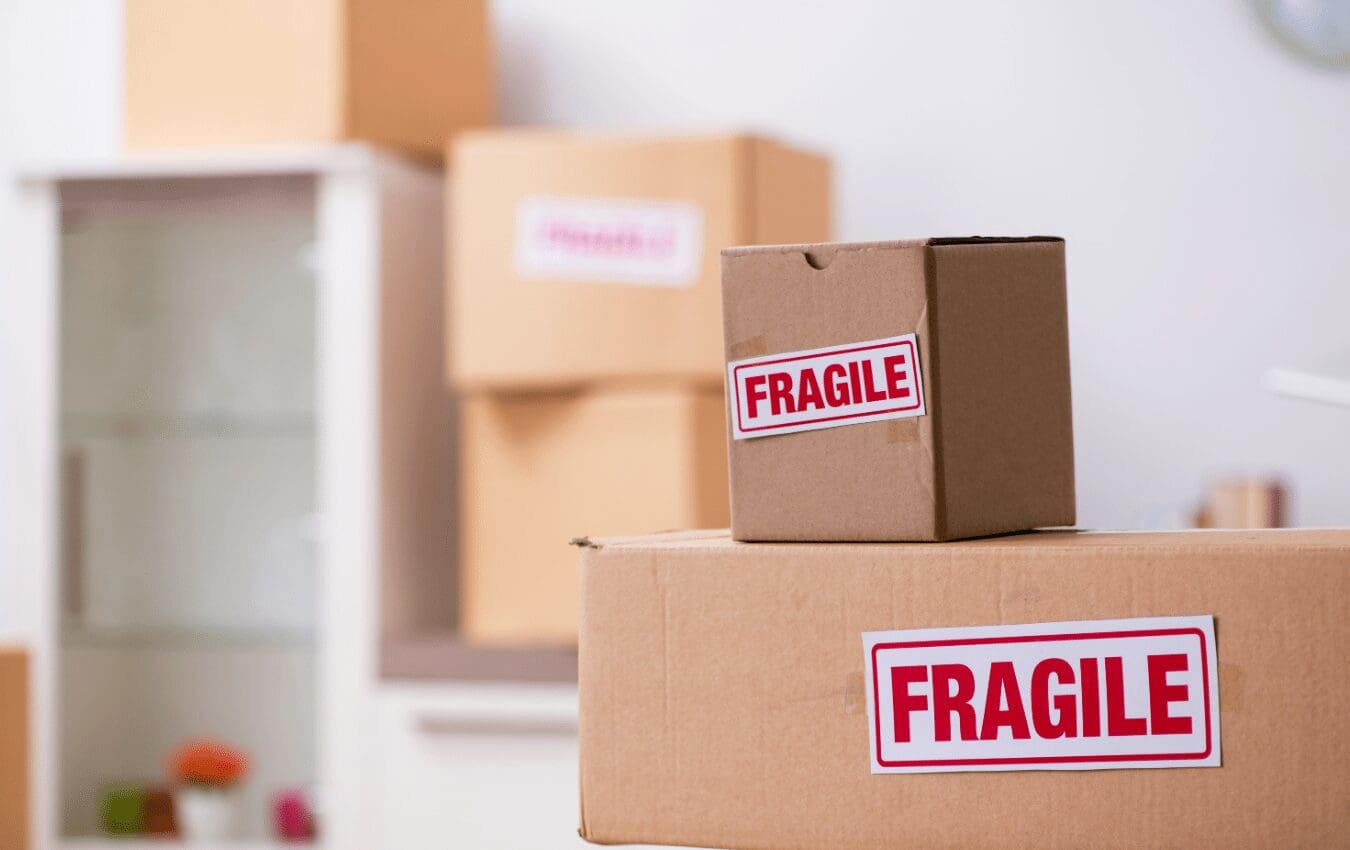
When it comes to shipping or storing fragile items, ensuring their safe arrival without any damage is of utmost importance. Fragile items such as glassware, electronics, ceramics, and artwork require special attention and protection during transportation. This blog aims to highlight the best practices in protective packaging for fragile items, offering valuable insights to individuals and businesses to ensure their delicate items reach their destination intact.
Understanding the Fragility of the Item
Before choosing the appropriate protective packaging, it is crucial to understand the fragility of the item. Assess its susceptibility to impact, vibration, compression, and temperature variations. This understanding will help determine the level of protection required and guide the selection of suitable packaging materials.
Selecting the Right Packaging Materials
Cushioning Materials
Bubble wrap, foam sheets, packing peanuts, and air pillows are popular cushioning materials. They provide a protective layer around the item, absorbing shocks and preventing direct contact with the outer packaging.
Inner Packaging
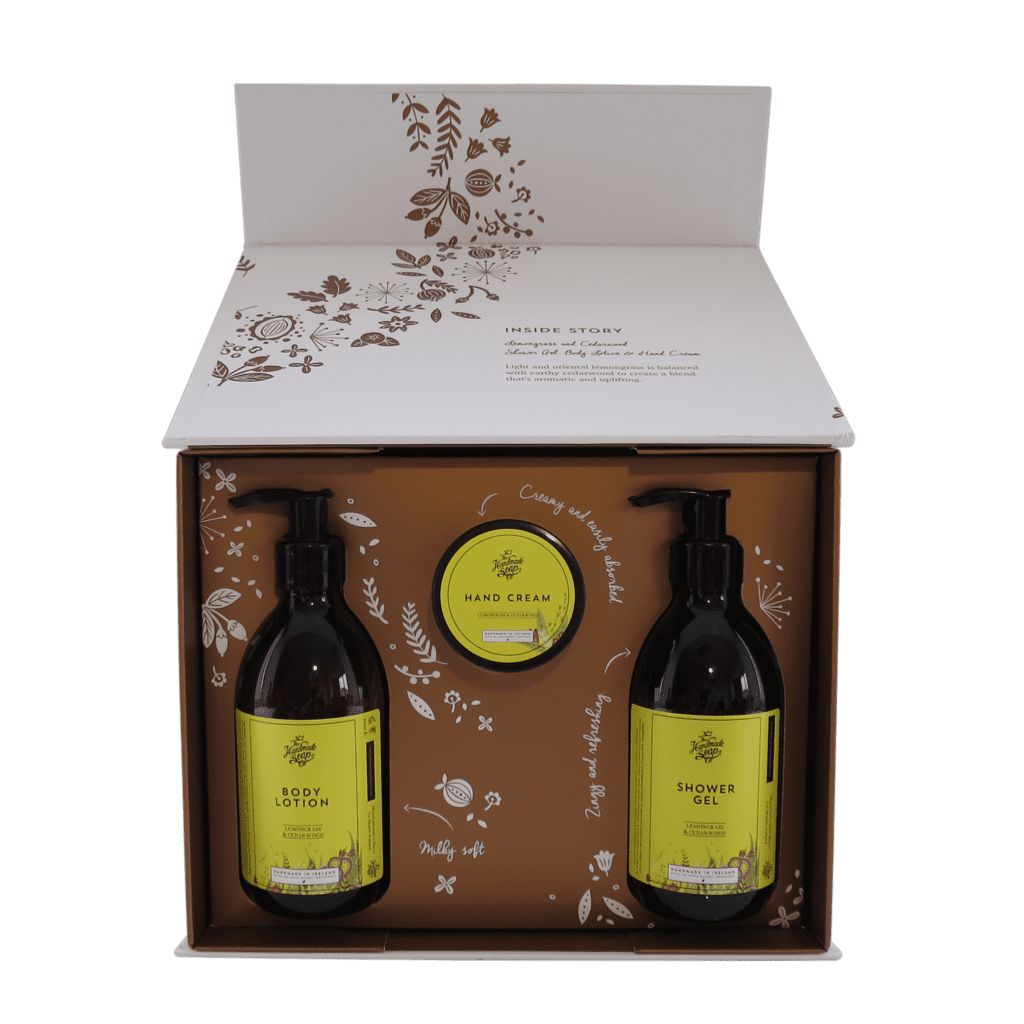
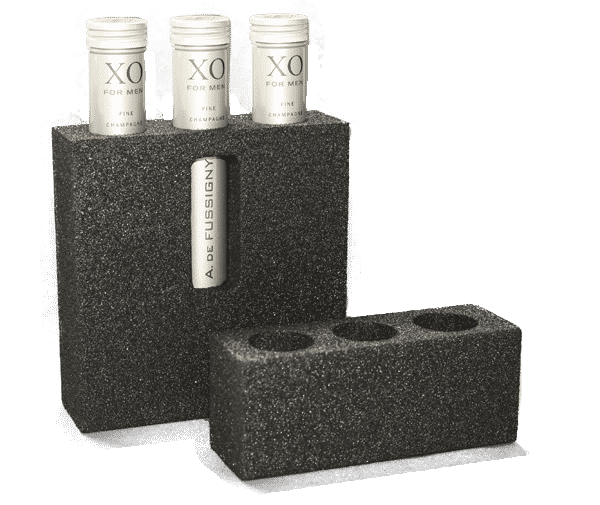
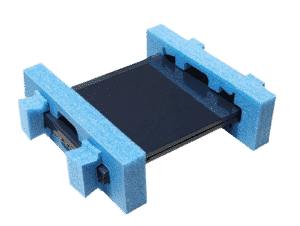
For fragile items with intricate details or multiple components, it is advisable to use inner packaging to provide additional protection. Custom foam inserts, cardboard dividers, and molded pulp trays can be tailored to fit the specific shape and size of the item, securing it in place and minimizing movement during transit.
Outer Packaging
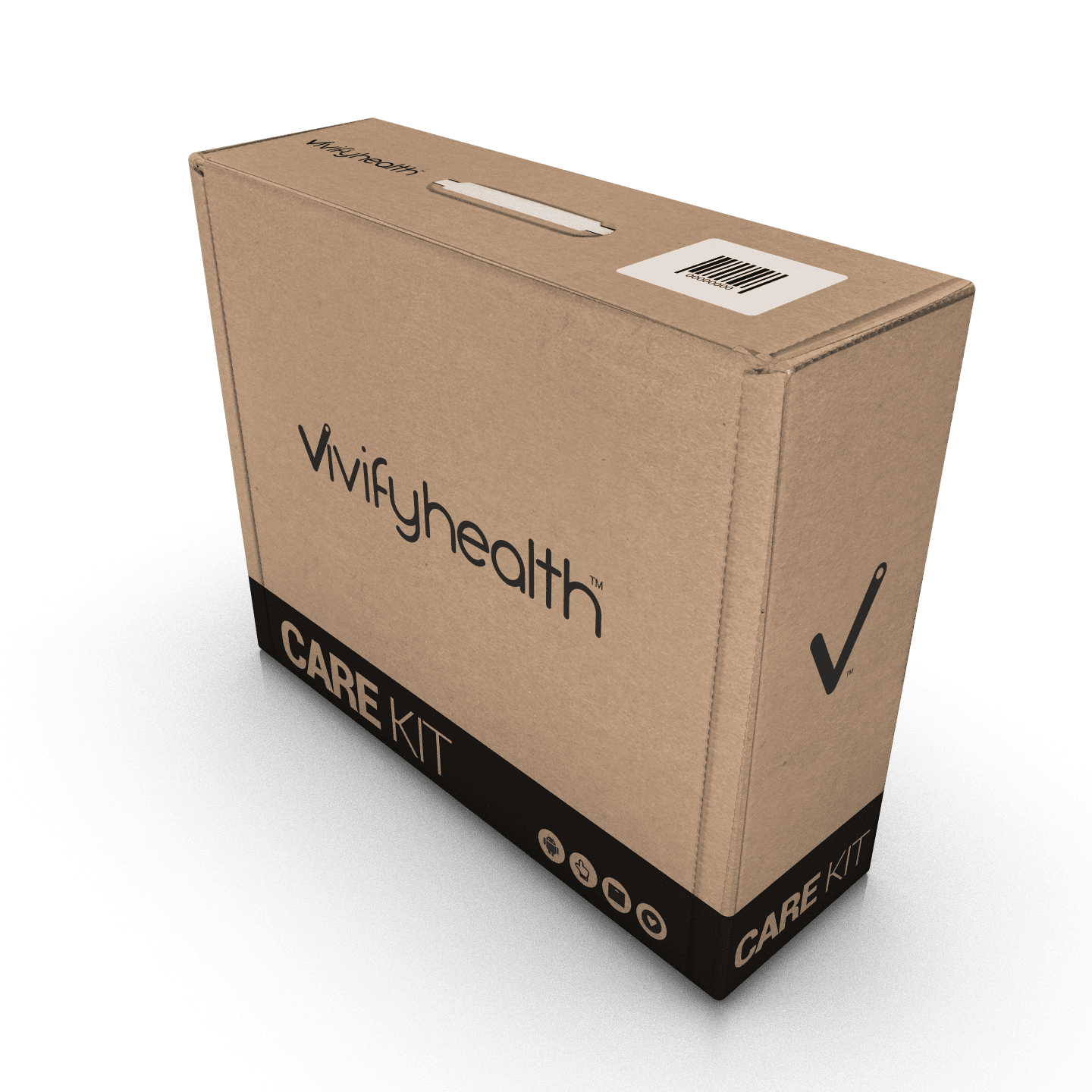
The outer packaging should be sturdy and durable to withstand external impacts. Corrugated cardboard boxes are commonly used due to their strength and shock-absorbing capabilities. Reinforced corners or double-walled boxes provide extra protection.
Proper Packing Techniques
Wrap The Item
Start by wrapping the fragile item with a layer of bubble wrap or foam sheets, ensuring all sides are covered. Secure the wrapping with tape, but avoid applying tape directly to the item’s surface to prevent damage upon removal.
Fill Void Spaces
Fill the empty spaces within the box using packing peanuts, crumpled paper, or air pillows. This prevents the item from shifting or moving during transportation.
Labeling and Instructions
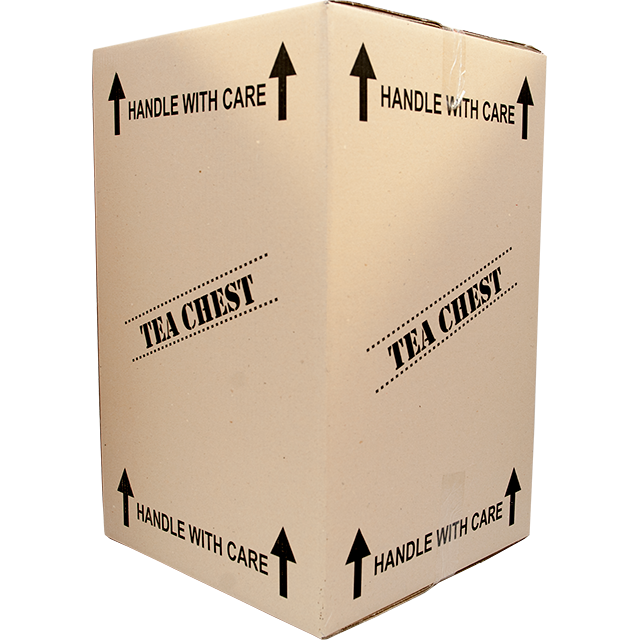
Clearly label the package as “Fragile” or “Handle with Care” to alert handlers and carriers of the delicate contents. Include any specific handling instructions, such as “This Side Up” or “Do Not Stack.”
Consider Specialized Packaging
Certain fragile items may require specialized packaging solutions tailored to their unique characteristics:
Temperature-sensitive items: For items sensitive to temperature fluctuations, consider insulated packaging or temperature-controlled containers.
Liquid or breakable items: Use leak-proof and sturdy containers, and seal them properly to prevent spills or breakage.
Artwork or delicate objects: Consider custom-built wooden crates or reinforced cardboard boxes designed specifically for protecting artwork and delicate objects. These containers provide added protection against impact, humidity, and temperature changes.
Partner with a Reliable Shipping Carrier
Choosing a reputable shipping carrier with experience in handling fragile items is crucial. Research carriers that offer specialized fragile item handling services or use dedicated fragile item shipping services. Insurance options are also worth considering to provide financial protection in case of damage during transit.
Final Thoughts: Protective Packaging and Fragile Items
Protective packaging plays a vital role in safeguarding fragile items during shipping or storage. By understanding the fragility of the item, selecting appropriate packaging materials, utilizing proper packing techniques, and considering specialized packaging, individuals and businesses can ensure the safe arrival of delicate items. Partnering with a reliable shipping carrier further enhances the chances of a successful and damage-free transportation experience.
Successful Examples of Creative Yet Functional Packaging
Many brands have successfully achieved this balance. Here are a few noteworthy examples:
Nike’s Air Max 95 Box: Nike designed a shoebox for the Air Max 95 that resembled the shoe’s design. Not only did it create a unique unboxing experience, but the box was sturdy and protective, maintaining the fundamental functionality of shoe packaging.
Puma’s Clever Little Bag: Puma replaced traditional shoe boxes with a reusable bag in a carton frame, reducing corrugated usage by 65%. This design retained its protective function while adding the creative element of a reusable bag for the customers, effectively telling a story about Puma’s commitment to sustainability.
Fit Buns High Protein Bread: This brand used packaging that features a muscular arm graphic which also serves as a handle. It’s a playful touch that reinforces the product’s high-protein, healthy angle, while providing functionality in the form of an easy-to-carry package.
In conclusion, the perfect blend of creativity and functionality in custom packaging can create a memorable brand experience, drive customer engagement, and ultimately fuel business growth. Striking this balance requires thoughtful design, innovative use of materials, rigorous testing, and a deep understanding of the customer’s journey. With the right approach, your packaging can serve as a powerful marketing tool that encapsulates your brand’s identity while serving its protective and informative roles impeccably.
In the realm of custom packaging, it’s all about creating harmony between the practical and the creative, turning each package into a canvas that tells your brand’s story and a protective shell that ensures your product reaches your customer in pristine condition. The interplay between these elements can result in a packaging design that is as enchanting as it is effective, delighting your customers and setting your brand apart in the marketplace.
If you are interested in custom packaging with a balance of functionality and creativity, then partner with Brown Packaging today.
Sustainable packaging in 2027 will be less about broad claims and more about proof, performance, compliance, and cost control. Buyers will still care about recyclable
Sustainable packaging in 2027 will be less about broad claims and more about proof, performance, compliance, and cost control. Buyers will still care about recyclable
A folding carton may look simple once it reaches the shelf, but it goes through a controlled production process before it becomes a finished package.
Folding carton production is becoming more automated because buyers are asking for faster timelines, tighter consistency, and more flexibility across more SKUs. Shorter product lifecycles,
Folding carton style matters because structure affects more than appearance. The right carton can improve shelf presentation, packing speed, product access, closure security, storage efficiency,
Pouch packaging trends in 2027 will be shaped by convenience, shelf impact, sustainability pressure, sealing performance, automation, ecommerce growth, and total packaging cost. Buyers will
By submitting your information, you agree to our terms and conditions and privacy policy.
Home » Best Practices in Protective Packaging for Fragile Items



In the world of marketing, custom packaging has emerged as a powerful tool for brand differentiation and delivering unforgettable customer experiences. It’s more than just

Most packaging cost discussions focus on unit price. Very few quantify the financial impact of obsolete inventory. Yet for many brands and industrial programs, packaging
The holiday season pushes packaging supply chains to their limits. With surging e-commerce demand, constrained carrier capacity, and rising material costs, packaging buyers must navigate