
Blogs
At Brown Packaging, we provide insightful content about the packaging industry to keep our clients, followers, and partners informed with the latest trends and accurate information. Our goal is to equip you with up-to-date knowledge that helps you stay ahead in the ever-evolving world of packaging.

Pouch packaging continues to gain traction across industries due to its versatility, lightweight nature, and eco-friendly potential. In 2025, brands will adopt innovative and sustainable pouch solutions to meet consumer expectations for convenience and environmental responsibility. Below are the top pouch packaging trends expected to shape the market in 2025: Sustainable Materials Flexible and Refillable Pouches Eco-Friendly Printing Technologies Lightweight and Space-Saving Designs Customizable Branding and Personalization Recyclable and Compostable Pouches Resealable and Reusable Features Smart and Interactive Packaging Monomaterial Pouch Designs Cost-Effective Pouch Solutions Sustainable Materials Pouch packaging in 2025 will see an increased shift toward sustainable, eco-friendly materials. Pouches made from plant-based plastics, biodegradable films, and recycled materials will dominate as brands seek to reduce their environmental impact while offering packaging that’s durable and reliable. Flexible and Refillable Pouches Refillable pouches will become more common, especially in industries like personal care and cleaning products. These pouches offer a convenient, eco-friendly alternative to single-use containers, allowing consumers to refill and reuse the packaging multiple times, reducing plastic waste significantly. Eco-Friendly Printing Technologies In 2025, brands will turn to more sustainable printing methods for pouch packaging. This includes water-based inks, digital printing, and other low-impact printing technologies that reduce harmful emissions and chemical waste. These solutions also offer high-quality graphics that enhance the visual appeal of the pouch without compromising sustainability. Lightweight and Space-Saving Designs Pouches are already popular for their lightweight and space-saving advantages, and this trend will continue into 2025. The reduced material usage in pouches helps lower shipping costs and carbon emissions, making them an eco-conscious choice for businesses looking to streamline their packaging while maintaining product integrity. Customizable Branding and Personalization Customization will continue to play a key role in pouch packaging, with brands offering unique designs that enhance consumer experiences. From limited-edition graphics to personalized messages, digital printing allows for flexible design changes that meet consumer preferences for personalized, eye-catching packaging. Recyclable and Compostable Pouches Pouches made from recyclable and compostable materials will become standard in 2025 as companies strive to eliminate non-recyclable plastics. Advances in monomaterial technology will make pouches easier to recycle, while compostable alternatives will provide eco-friendly disposal options for consumers. Resealable and Reusable Features Resealable pouches continue to be a popular choice due to their convenience and ability to maintain product freshness. In 2025, more brands will adopt these features to meet consumer demand for packaging that extends product life while also offering the potential for reuse, adding both convenience and environmental benefits. Smart and Interactive Packaging The integration of smart technology, such as QR codes or NFC chips, in pouch packaging will continue to rise in 2025. This technology allows consumers to engage with the product through interactive content, track the product’s journey, or access detailed sustainability information. It also helps brands communicate transparency and build consumer trust. Monomaterial Pouch Designs Monomaterial pouches, made from a single type of plastic, will be more prevalent due to their recyclability. The simplified composition of monomaterial pouches makes them easier to process in recycling systems, reducing waste and improving the sustainability of flexible packaging. Cost-Effective Pouch Solutions Cost efficiency will remain a driving factor for pouch packaging, with businesses seeking ways to balance sustainability and affordability. Advances in manufacturing technology will allow brands to produce pouches at lower costs while maintaining the high-quality features consumers expect, such as resealability, durability, and design flexibility. Pouch packaging is evolving to meet both sustainability goals and consumer convenience. In 2025, brands that embrace these trends will be better positioned to deliver eco-friendly, cost-effective, and innovative packaging solutions to a market increasingly focused on sustainability and customization. If you’re interested in pouches for 2025, whether they are custom or stock, then partner with Brown Packaging today to get started. (714)300-0650 request@brownpackaging.com Most Recent Posts: Categories: Corrugated Ecommerce ESD Design Display Flexible Packaging Foam Folding Carton Packaging Plastic Packaging Pouch Printing Protection Retail Rigid Box Thermoform Sustainability Subscribe To Our Newsletter By submitting your information, you agree to our terms and conditions and privacy policy. Custom Pouches Facebook Twitter LinkedIn Pinterest Relevant Posts

Tariffs proposed for 2025 are set to reshape the packaging industry, driving changes in costs, sourcing, and lead times. For packaging buyers, one of the most critical adjustments will be navigating disruptions in lead times, as tariffs incentivize a shift toward domestic sourcing. Understanding how these changes will affect procurement timelines is essential for maintaining smooth operations in the evolving marketplace. The Role of Tariffs in Extending Lead Times The proposed tariffs aim to reduce reliance on imported packaging materials and finished products. While this promotes domestic manufacturing, it also introduces challenges: Supply Chain Realignment: A sudden increase in demand for U.S.-sourced packaging can strain domestic suppliers, leading to extended production schedules. Limited Domestic Capacity: Many U.S. packaging manufacturers operate at near-full capacity, and scaling up to meet demand will take time. Customs Delays: For businesses still reliant on imports, the additional administrative processes associated with tariffs could delay shipments further. Factors Contributing to Longer Lead Times Supply Chain Bottlenecks As businesses pivot to domestic suppliers, these manufacturers may struggle to meet the surge in demand. The result could be production backlogs, delaying order fulfillment. Increased Competition for Materials Materials like paperboard, corrugated cardboard, and plastics are expected to see heightened demand domestically. With limited availability, buyers may face longer waits for procurement. Import Delays and Costs For companies that continue importing, tariffs create new challenges: Administrative Processes: Tariff-related documentation and compliance checks can slow customs clearance. Reduced Import Volume: Higher costs from tariffs may lead suppliers to reduce shipments, further limiting availability. Industries Most Affected by Lead Time Changes Certain sectors within the packaging industry are particularly vulnerable to lead time extensions: Custom Packaging: Projects requiring unique designs or specialized materials often involve longer production cycles, which could be further extended by domestic supplier backlogs. High-Volume Orders: Bulk orders for e-commerce, retail, or manufacturing sectors may experience delays due to limited production capacity. Sustainable Packaging: Eco-friendly materials like recycled kraft paper may face higher demand, lengthening procurement timelines. Proactive Strategies to Manage Lead Times To mitigate the impact of tariffs on lead times, packaging buyers can adopt several strategies: Partner with Multiple Suppliers Diversifying your supplier base can reduce reliance on any single manufacturer, providing flexibility if one supplier experiences delays. Plan Ahead and Stockpile Extended lead times require more precise forecasting and inventory management. Stockpiling essential materials when possible can help prevent disruptions. Leverage Local Sourcing While domestic suppliers may face initial challenges, working with local manufacturers can eliminate the delays associated with customs processes and long-distance shipping. Optimize Packaging Design Reducing complexity in packaging designs can shorten production times. For instance, shifting from multi-component packaging to simpler, mono-material designs can streamline manufacturing. Utilize Advanced Planning Tools Digital tools for demand forecasting, order tracking, and supply chain management can provide real-time insights, enabling better planning and quicker response to disruptions. Opportunities Amid Challenges Despite the potential for longer lead times, tariffs could drive positive changes for the packaging industry over the long term: Investment in Domestic Infrastructure: Increased demand for U.S.-sourced packaging may lead to expansion and modernization of domestic manufacturing facilities, ultimately reducing lead times. Stronger Buyer-Supplier Relationships: Closer collaboration between buyers and domestic suppliers can foster innovation and improve lead times over time. Enhanced Supply Chain Resilience: Reduced reliance on global supply chains mitigates risks from international disruptions, such as shipping delays or geopolitical tensions. What Packaging Buyers Need to Know To thrive in this changing environment, packaging buyers must prioritize proactive planning and supplier collaboration. By understanding how tariffs influence lead times and adapting strategies accordingly, businesses can maintain operational efficiency and avoid costly delays. In Summary: Tariffs are set to create challenges in packaging lead times, but with the right preparation and strategies, businesses can adapt effectively. Focus on building flexible supply chains, optimizing packaging designs, and leveraging local sourcing to minimize disruption and ensure success in 2025 and beyond. If you are interested in limiting the impact of tariffs on your packaging, then partner with Brown Packaging today to get started. (714)300-0650 request@brownpackaging.com Most Recent Posts: Categories: Corrugated Ecommerce ESD Design Display Flexible Packaging Foam Folding Carton Packaging Plastic Packaging Pouch Printing Protection Retail Rigid Box Thermoform Sustainability Subscribe To Our Newsletter By submitting your information, you agree to our terms and conditions and privacy policy. Custom Packaging Facebook Twitter LinkedIn Pinterest Relevant Posts

As 2025 approaches, the U.S. packaging industry faces significant shifts due to proposed tariffs aimed at encouraging domestic sourcing. These changes could reshape supply chains, cost structures, and market dynamics, presenting both challenges and opportunities for businesses. Below, we explore how tariffs could influence the packaging industry and what buyers need to know to navigate this evolving landscape. Tariffs and Domestic Sourcing: A New Era for Packaging? The proposed tariffs reflect a push to reduce reliance on imported goods, favoring American-made products. For the packaging industry, this means a potential increase in demand for domestically sourced raw materials and finished packaging products. While this shift aligns with broader goals of economic independence, it could also disrupt current supply chains. Key Implications: Increased Costs for Imported Materials: Tariffs on materials like paperboard, plastics, and aluminum will likely drive up costs for companies reliant on foreign suppliers. Demand for U.S.-Based Manufacturing: Businesses may pivot to local suppliers, benefiting domestic manufacturers but potentially creating supply bottlenecks in the short term. Longer Lead Times: Transitioning to domestic sources may extend lead times as the industry adjusts to meet heightened demand. Material Costs: A Major Concern for Buyers One of the most immediate effects of tariffs will be the cost of raw materials. Common packaging materials like corrugated cardboard, flexible plastics, and metalized films are often sourced globally to balance quality and affordability. Tariffs could significantly alter these dynamics. For Example: Corrugated Boxes: The cost of imported linerboard and medium could increase, pushing up prices for corrugated packaging. Plastic Packaging: Tariffs on polyethylene and other polymers may lead to higher costs for flexible pouches and shrink films. Metal Packaging: Aluminum tariffs could impact beverage cans and other metal containers, with costs being passed on to buyers. Packaging buyers should anticipate these changes and consider strategies to manage costs, such as renegotiating supplier contracts or exploring alternative materials. Opportunities for Sustainable Packaging As tariffs promote domestic production, there’s an opportunity to incorporate sustainability into the equation. Many U.S.-based manufacturers prioritize eco-friendly practices, aligning with growing consumer and corporate demand for sustainable packaging. Potential Benefits: Local Sourcing Reduces Carbon Footprint: Shorter transportation distances for materials can reduce greenhouse gas emissions. Investment in Green Technologies: U.S. manufacturers are increasingly adopting renewable energy and recycling processes, offering buyers eco-friendly options. Compliance with Domestic Standards: Working with U.S. suppliers ensures adherence to stringent environmental regulations, supporting sustainability goals. Adaptation Strategies for Packaging Buyers To stay competitive in this new landscape, packaging buyers should proactively adapt to these changes. Here are some strategies to consider: Diversify Your Supplier Base Establish relationships with multiple domestic suppliers to reduce dependence on any single source and mitigate potential disruptions. Explore Alternative Materials Consider using materials less impacted by tariffs, such as kraft paper or recycled substrates, which may be more readily available domestically. Optimize Packaging Design Reducing material usage through innovative design can offset increased costs. For instance, lightweighting or reducing void space in packaging can lead to significant savings. Invest in Forecasting and Inventory Management Improved demand forecasting and stockpiling essential materials can help mitigate the effects of longer lead times and fluctuating prices. Long-Term Impacts on the Packaging Industry While tariffs may initially present challenges, they also have the potential to strengthen the domestic packaging industry over time. Increased investment in local production capacity, innovation in sustainable materials, and closer collaboration between buyers and suppliers could lead to a more resilient industry. Looking Ahead: Technological Advancements: Domestic manufacturers may leverage automation and digital tools to boost efficiency and offset higher labor costs. Stronger Supply Chains: Local sourcing reduces vulnerability to global disruptions, such as those seen during the COVID-19 pandemic. Competitive Advantages: Companies that adapt quickly may find themselves better positioned to meet evolving market demands. Preparing for the Future Tariffs will undoubtedly shape the U.S. packaging industry in 2025 and beyond. By understanding their potential impacts and adopting proactive strategies, packaging buyers can navigate these changes effectively while positioning their businesses for success. The road ahead may require adjustments, but with careful planning and a commitment to innovation, the packaging industry can thrive in this new environment. If you are interested in optimizing the cost efficiency and performance of your packaging for 2025, then partner with Brown Packaging today to get started. (714)300-0650 request@brownpackaging.com Most Recent Posts: Categories: Corrugated Ecommerce ESD Design Display Flexible Packaging Foam Folding Carton Packaging Plastic Packaging Pouch Printing Protection Retail Rigid Box Thermoform Sustainability Subscribe To Our Newsletter By submitting your information, you agree to our terms and conditions and privacy policy. Custom Packaging Facebook Twitter LinkedIn Pinterest Relevant Posts

Tampering and theft are significant concerns for manufacturers and consumers alike. Tampered products can pose health and safety risks, while theft results in financial losses. To ensure the integrity of your products and packaging, as well as protect against theft, it’s essential to implement effective tamper-resistant and theft-deterrent measures. In this blog, we’ll explore various strategies and best practices to help you protect your packaging against tampering and theft effectively. Understanding the Threat Before we delve into protective measures, it’s crucial to understand the potential risks associated with tampering and theft: Safety Hazard: Tampered products can become contaminated or altered, posing health and safety risks to consumers. Loss of Consumer Trust: Incidents of tampering can lead to a loss of consumer trust in your brand and result in reputational damage. Regulatory Violations: Tampering incidents may lead to legal and regulatory issues, including recalls and fines. Financial Loss: Theft of products during transit or from store shelves can result in significant financial losses for manufacturers and retailers. Protective Measures To safeguard your packaging against tampering and theft, consider implementing the following protective measures: Tamper-Evident Packaging: Incorporate tamper-evident features into your packaging design. These features provide visible evidence of tampering, making it evident if a package has been compromised. Common tamper-evident features include: Shrink Bands: Applied around the cap or lid, shrink bands break or distort when tampered with. Tear Strips: These strips are designed to be broken for package access and leave visible evidence when torn. Breakable Seals: Seals that must be broken to open the package. Frangible Components: Components that break or shatter when manipulated. Security Labels and Stickers: Apply security labels or stickers to packaging surfaces. These labels are designed to leave a visible mark or message when removed, indicating tampering. Some labels even feature holograms or unique identifiers for added security. Serialization and Track-and-Trace Systems: Implement serialization and track-and-trace systems to monitor and authenticate product movement through the supply chain. These systems help identify anomalies and potential tampering incidents and can aid in tracking stolen products. Employee Training: Train your staff to recognize signs of tampering and follow proper security procedures. Encourage them to report any suspicious activities or findings promptly. Regulatory Compliance: Adhere to industry and regulatory standards for tamper-evident packaging. Compliance ensures that your products meet safety and security requirements. Theft-Deterrent Packaging: Design packaging to deter theft. Utilize features like clear plastic clamshells, locking mechanisms, or security tags that activate alarms when removed. Security Cameras and Alarms: Implement security measures in storage facilities and retail spaces, including security cameras and alarm systems. These systems can deter theft and provide evidence in case of incidents. Package Design Considerations: Design packaging with tamper resistance and theft deterrence in mind. Use materials that are difficult to tamper with or require specialized tools for opening. Consider tamper-resistant closures and packaging that can’t be easily concealed or stolen. Collaboration with Retailers: Work closely with retailers to implement anti-theft measures. Retailers can use anti-shoplifting devices, secure shelving, and trained staff to deter theft. Regular Inspections and Testing: Maintain a proactive approach to protection by regularly inspecting products for tampering and theft. Conduct theft tests to identify vulnerabilities and make necessary adjustments. Vigilance and Continuous Improvement Protecting your packaging against tampering and theft is an ongoing effort. Continuously assess your packaging solutions and gather feedback from consumers, retailers, and regulatory agencies. Stay vigilant and proactive in addressing any potential vulnerabilities or emerging threats. By implementing these strategies and maintaining a proactive approach to packaging protection, you can significantly reduce the risk of tampering and theft incidents, enhance the safety and trustworthiness of your products, and safeguard your financial interests. If you are interested in protection against tampering and theft for your packaging, then partner with Brown Packaging today to get started. (714)300-0650 request@brownpackaging.com Most Recent Posts: Categories: Corrugated Ecommerce ESD Design Display Flexible Packaging Foam Folding Carton Packaging Plastic Packaging Pouch Printing Protection Retail Rigid Box Thermoform Sustainability Subscribe To Our Newsletter By submitting your information, you agree to our terms and conditions and privacy policy. Custom Packaging Facebook Twitter LinkedIn Pinterest Relevant Posts

The food industry has undergone a variety of changes over the years, with one of the most prominent shifts being in the area of packaging. In this pursuit of improvement and innovation, flexible packaging has come to the forefront. From the grocery store aisle to the restaurant kitchen, flexible packaging is becoming increasingly prevalent. But why is this the case? Below, we explore the key advantages of flexible packaging in the food industry. Enhanced Shelf Life and Food Safety One of the primary benefits of flexible packaging is the increased shelf life it offers for food products. The materials used in flexible packaging are designed to protect food from environmental factors such as moisture, light, and oxygen, all of which can speed up the spoilage process. By keeping these elements at bay, flexible packaging helps to preserve the freshness, taste, and nutritional value of food for longer periods, ultimately reducing food waste. Moreover, flexible packaging provides improved food safety. It creates a barrier against contaminants and bacteria, reducing the risk of foodborne diseases. Sustainability and Lower Environmental Impact Sustainability is a crucial consideration in the modern world, and flexible packaging shines in this aspect. This packaging method requires less energy to manufacture and transport due to its lightweight nature. Consequently, it contributes to a lower carbon footprint compared to more traditional forms of packaging. Additionally, flexible packaging utilizes less material overall, which means less waste is generated at the end of its life cycle. And while recycling capabilities for flexible packaging still have room for growth, strides are being made in this area, and many types of flexible packaging are already recyclable. Cost-Effectiveness From a financial perspective, flexible packaging can offer significant savings for food businesses. As previously mentioned, it’s lightweight, which reduces transportation costs. Additionally, because it’s efficient and compact, more units can be shipped or stored in a single space compared to rigid packaging, maximizing logistical efficiency. Flexible packaging also offers cost savings in terms of reduced food spoilage. By extending the shelf life of products, businesses can reduce the frequency of unsold products being thrown away, enhancing their bottom line. Consumer Convenience The ease and convenience of flexible packaging are hard to overstate. Features like resealability, microwavable pouches, and easy-open tear notches cater to the modern, on-the-go consumer who values time-saving options. These user-friendly features also add to the overall consumer experience, improving the perception of the brand and increasing the chances of repeat purchases. Innovative Branding and Marketing Opportunities Flexible packaging acts as a canvas for creative and eye-catching designs, offering ample branding and marketing opportunities. Unlike rigid packaging, flexible packaging allows for 360-degree product visibility and design, giving brands the ability to stand out on crowded supermarket shelves. The flexibility also allows for customization in packaging shape and size, providing further ways for a brand to differentiate its products. Conclusion: A Future-focused Packaging Solution In conclusion, the food industry’s adoption of flexible packaging is far from arbitrary. It provides a multitude of advantages, including enhanced food safety and shelf life, sustainability, cost-effectiveness, consumer convenience, and innovative branding opportunities. As the food industry continues to evolve and consumer demands shift, flexible packaging will likely become an even more prominent feature of our grocery aisles and kitchen cupboards. It’s not just a trend—it’s a future-focused solution for a more sustainable and efficient food industry. (714)300-0650 request@brownpackaging.com Most Recent Posts: Categories: Corrugated Ecommerce ESD Design Display Flexible Packaging Foam Folding Carton Packaging Plastic Packaging Pouch Printing Protection Retail Rigid Box Thermoform Sustainability Subscribe To Our Newsletter By submitting your information, you agree to our terms and conditions and privacy policy. Custom Packaging Facebook Twitter LinkedIn Pinterest Relevant Posts

As businesses continue to seek eco-friendly and efficient packaging solutions, foam packaging is evolving to meet the demands of both consumers and industries. In 2025, foam packaging will see advancements in sustainable materials, design flexibility, and cost-efficiency, making it a more viable option for environmentally conscious businesses. Here are the top foam packaging trends to watch in 2025: Lightweight and Protective Designs Biodegradable and Recyclable Foams Custom Foam Solutions for Fragile Products Flexible and Multi-Purpose Foam Packaging Improved Cushioning and Shock Absorption Reusable Foam Packaging Smart Foam Packaging Anti-Static and Conductive Foams Cost-Effective Foam Solutions Lightweight and Protective Designs Foam packaging is favored for its ability to provide lightweight yet effective protection. In 2025, expect advanced lightweight foam materials that deliver superior cushioning while reducing overall packaging weight. This helps lower shipping costs and reduces fuel consumption during transportation. Biodegradable and Recyclable Foams Foam packaging is often criticized for being difficult to recycle, but 2025 will bring more biodegradable and recyclable foam materials into the market. Manufacturers are innovating new foam types that can break down more easily or be recycled into new packaging, reducing landfill waste and environmental harm. Custom Foam Solutions for Fragile Products In 2025, brands will continue to seek custom foam packaging designed specifically to protect fragile or sensitive products. From electronics to delicate medical devices, custom foam inserts and shapes will help ensure that products arrive undamaged while optimizing the packaging space. Flexible and Multi-Purpose Foam Packaging Flexible foam solutions that can adapt to various product shapes and sizes will become more popular. Multi-use foam packaging will provide versatility for businesses looking to streamline their packaging processes while reducing the need for multiple packaging components. Improved Cushioning and Shock Absorption As e-commerce and global shipping continue to grow, the demand for foam packaging that offers superior cushioning and shock absorption will rise. Expect advances in foam technology that enhance impact resistance and protection, ensuring that products are safely delivered even over long distances. Reusable Foam Packaging Reusable foam packaging solutions will gain traction as businesses seek ways to reduce waste and adopt circular economy practices. Foam that can be cleaned, repurposed, or reused for multiple shipments will become a cost-effective and eco-friendly choice for many industries. Smart Foam Packaging Smart foam packaging is emerging as a solution for high-value products that require real-time monitoring. Foams embedded with sensors or RFID tags will allow companies to track and monitor product conditions, such as temperature or humidity, ensuring quality control throughout the supply chain. Anti-Static and Conductive Foams Industries such as electronics and technology will continue to rely on anti-static and conductive foam packaging. These foams prevent electrostatic discharge (ESD) and protect sensitive electronics from damage during transport. In 2025, more innovative foams designed to meet these specialized needs will be developed. Cost-Effective Foam Solutions As businesses seek to balance sustainability with cost-efficiency, cost-effective foam packaging solutions will remain a priority. Advances in foam manufacturing processes will reduce production costs, making sustainable foam options more affordable without sacrificing performance or protection. In 2025, foam packaging will focus on combining protection, and cost-effectiveness to meet the evolving needs of businesses and consumers. Companies that adopt these trends will be able to offer superior product protection while reducing their environmental impact and operational costs. If you’re interested in foam packaging for 2025, then partner with Brown Packaging today to get started. (714)300-0650 request@brownpackaging.com Most Recent Posts: Categories: Corrugated Ecommerce ESD Design Display Flexible Packaging Foam Folding Carton Packaging Plastic Packaging Pouch Printing Protection Retail Rigid Box Thermoform Sustainability Subscribe To Our Newsletter By submitting your information, you agree to our terms and conditions and privacy policy. Custom Foam Packaging Facebook Twitter LinkedIn Pinterest Relevant Posts

In the world of e-commerce, packaging is much more than just protection for your products. It has evolved into a vital marketing asset that helps build brand recognition, enhance customer experiences, and drive brand loyalty. Here are key ways businesses can leverage e-commerce packaging to serve as an effective marketing tool: Create a Memorable Unboxing Experience The unboxing experience is the first physical interaction customers have with your brand. A well-crafted unboxing experience leaves a lasting impression and can turn one-time buyers into loyal customers. Brands can design their packaging to be visually engaging and reflective of their brand identity. This could include using branded materials, premium finishes, or even adding personalized touches, such as custom messages or small gifts. By designing packaging with the customer experience in mind, businesses can foster a deeper emotional connection with their customers, leading to brand loyalty and increased customer retention. Encourage Social Sharing Packaging that is visually appealing or creatively designed encourages customers to share their unboxing experience on social media. A simple, visually striking box or innovative design can easily prompt a customer to share their experience with friends and followers. Social sharing acts as word-of-mouth marketing and provides free promotion, helping your brand reach a wider audience. To amplify social sharing, include your brand’s social media handles and encourage the use of a branded hashtag. Providing customers with an incentive, such as a discount or a feature on your social pages, can further boost engagement and increase your brand’s visibility. Highlight Sustainability Efforts Sustainability is becoming a key concern for modern consumers, and packaging is an excellent space to showcase your eco-friendly practices. Using recyclable or biodegradable materials and clearly communicating your sustainability efforts can help build trust with environmentally conscious customers. Including a brief message about the eco-friendliness of your packaging shows that your brand is committed to reducing its environmental impact. Emphasizing sustainability in packaging can also influence purchase decisions. Consumers are more likely to support brands that align with their values, and environmentally friendly packaging can give your business a competitive edge. Promote Cross-Selling and Repeat Purchases E-commerce packaging is an ideal platform to promote other products and encourage repeat business. By including promotional materials like flyers, coupons, or special discount codes in your packaging, you can drive customers to explore more of your product offerings. Cross-selling is a powerful strategy to increase the average order value and introduce customers to complementary products. Additionally, including discount vouchers or loyalty incentives for future purchases can boost customer retention and repeat sales. Packaging inserts provide an easy and cost-effective way to engage customers and encourage long-term brand loyalty. Personalize the Packaging Experience Personalized packaging creates a unique and memorable experience for customers, helping to foster stronger brand connections. Personal touches like thank-you notes, custom inserts, or packaging that includes the customer’s name make the experience feel special and tailored. Personalization shows customers that your brand values them, and this extra attention can lead to higher customer satisfaction and brand advocacy. A personalized packaging experience can also create differentiation in the market. Small businesses, in particular, can use personalized packaging to compete with larger brands by delivering a more intimate, customer-focused experience. Integrate QR Codes and Augmented Reality Integrating technology into packaging, such as QR codes or augmented reality (AR), offers a unique way to engage customers beyond the physical product. QR codes can lead customers to a landing page with additional product information, video tutorials, or even personalized thank-you messages. AR can allow customers to interact with your brand in new ways, from virtual product demonstrations to digital storytelling. By using technology in your packaging, you not only enhance the customer experience but also provide valuable post-purchase engagement. Interactive packaging can turn the act of receiving a package into an opportunity for deeper brand immersion. Use Packaging as a Storytelling Tool Packaging can be an effective medium for telling your brand’s story. Whether you’re highlighting the origin of your product, sharing your mission, or explaining the craftsmanship behind your brand, packaging offers the perfect canvas for these narratives. Packaging that conveys your values and the story behind your products helps to humanize your brand, making it more relatable and authentic to customers. By leveraging storytelling in your packaging, you create a connection with your customers that goes beyond the product itself. This helps in building emotional ties with your audience, increasing customer loyalty and advocacy. Conclusion E-commerce packaging is no longer just about protecting the product during shipping. It has become a critical marketing tool that can enhance customer experiences, build brand loyalty, and drive sales. By focusing on memorable unboxing experiences, sustainability, personalization, and interactive elements, businesses can turn their packaging into a powerful extension of their brand and a key factor in their marketing strategy. (714)300-0650 request@brownpackaging.com Most Recent Posts: Categories: Corrugated Ecommerce ESD Design Display Flexible Packaging Foam Folding Carton Packaging Plastic Packaging Pouch Printing Protection Retail Rigid Box Thermoform Sustainability Subscribe To Our Newsletter By submitting your information, you agree to our terms and conditions and privacy policy. Ecommerce Packaging Facebook Twitter LinkedIn Pinterest Relevant Posts

As the 2024 holiday shopping season approaches, e-commerce businesses have a unique opportunity to leave a lasting impression on their customers. One of the most effective ways to do this is by creating a memorable unboxing experience. The holiday season is prime time for customer engagement, and a well-designed unboxing experience can turn a simple package delivery into a powerful marketing moment. Here’s how your e-commerce brand can elevate its holiday packaging and make it an experience that customers will want to share. Reflect Your Brand with Custom Holiday Packaging First impressions matter, and your packaging is often the first physical interaction customers have with your brand. Custom holiday packaging that reflects your brand’s personality and adds a festive touch can leave a lasting impression. Incorporate your brand’s colors and logo, and blend them with seasonal designs like snowflakes, ornaments, or winter scenes. Custom touches, such as holiday greetings or limited-edition packaging, can make customers feel special and more connected to your brand. By personalizing the look of your packaging, you not only enhance the customer’s holiday experience but also increase the likelihood of customers sharing their unboxing experience on social media. When your brand’s design stands out, it becomes an extension of your marketing efforts, reaching new audiences organically. Prioritize Quality in Packaging Materials The materials you use for packaging can make or break the unboxing experience. Flimsy packaging that arrives damaged diminishes the excitement of receiving an order. Invest in durable, high-quality materials like sturdy corrugated boxes or festive mailers to ensure that the product arrives in perfect condition. Additionally, consider sustainable packaging materials, which can appeal to eco-conscious customers. Recyclable or biodegradable materials not only reduce environmental impact but also align with the growing demand for sustainability in e-commerce. Add a Personal Touch with Inserts and Custom Messages Inserts like thank-you cards or holiday greetings can go a long way in making customers feel appreciated. A simple, handwritten note or a festive message that acknowledges their purchase during the holiday season adds a personal touch that feels thoughtful and intentional. Include promotional inserts with discount codes for future purchases to drive repeat sales or offer exclusive holiday promotions to encourage brand loyalty. Personalized messages are a cost-effective way to enhance the unboxing experience, making customers feel connected to your brand on a deeper level. Use Branded and Festive Tissue Paper or Wrapping Adding branded or holiday-themed tissue paper to your packaging can create a luxurious feel and add an extra layer of excitement to the unboxing experience. Consider using printed tissue paper featuring your logo or festive designs like snowflakes, stars, or holly. Wrapping the product carefully inside the package adds an element of surprise and joy, increasing the anticipation as customers open their holiday orders. Create a Social Media-Worthy Moment The goal of a memorable unboxing experience is to create something customers will want to share on social media. Encourage your customers to post their unboxing experience by including a branded hashtag or social media handle within the packaging. You can even include a call to action that prompts them to share their holiday unboxing for a chance to win a prize or be featured on your brand’s social channels. By designing a packaging experience that is both visually appealing and shareable, you transform your customers into brand advocates who help spread the word about your products. Incorporate Sustainability to Appeal to Conscious Consumers With increasing awareness of environmental impact, many consumers prioritize sustainability when making purchases. Incorporating eco-friendly packaging during the holiday season can resonate with these customers. Whether through recyclable boxes, compostable mailers, or biodegradable materials, sustainability shows that your brand cares about the planet. You can further emphasize this by including a small message or icon on the packaging that highlights your commitment to the environment. By offering sustainable packaging, you can attract eco-conscious shoppers and enhance your brand’s reputation for corporate responsibility. Ensure Protective Packaging Without Overcomplicating It While aesthetics are important, the primary function of your packaging is to protect the product inside. Make sure your holiday packaging is designed to keep items safe throughout the delivery process, especially with the increased volume of shipments during the holiday rush. Use protective inserts, such as foam, air cushions, or biodegradable packing peanuts, to prevent damage while maintaining a clean and visually pleasing design. Avoid excessive packaging materials, as they can frustrate customers. Instead, aim for protective yet simple packaging that balances function with beauty. Conclusion Creating an unforgettable unboxing experience this holiday season can transform your e-commerce packaging into a powerful marketing tool. By combining custom designs, high-quality materials, personal touches, and shareable elements, you can turn your packaging into a memorable part of the customer journey. Not only does this enhance customer satisfaction, but it also encourages social media sharing, driving organic promotion for your brand. By prioritizing both aesthetics and functionality, your holiday packaging can become an experience that resonates long after the holiday season ends. (714)300-0650 request@brownpackaging.com Most Recent Posts: Categories: Corrugated Ecommerce ESD Design Display Flexible Packaging Foam Folding Carton Packaging Plastic Packaging Pouch Printing Protection Retail Rigid Box Thermoform Sustainability Subscribe To Our Newsletter By submitting your information, you agree to our terms and conditions and privacy policy. Ecommerce Packaging Facebook Twitter LinkedIn Pinterest Relevant Posts

In e-commerce, packaging plays a crucial role in ensuring that your products reach customers safely and intact. Whether you’re shipping lightweight apparel or heavy electronics, choosing the right corrugated box material is essential for protecting your items throughout the delivery process. Corrugated boxes come in three main types—single-wall, double-wall, and triple-wall—and each offers varying levels of durability and protection. Here’s a breakdown of how to choose the best option for your e-commerce business. Single-Wall Corrugated Boxes: Cost-Effective for Lightweight Items Structure: Single-wall corrugated boxes consist of one layer of fluted material between two layers of linerboard, making them the most common type of corrugated packaging. Best For: Lightweight products such as apparel, books, or small household items that don’t require extensive protection. Benefits: Affordable: Single-wall boxes are cost-effective, making them the most economical choice for businesses shipping light items. Lightweight: Their lightweight nature reduces shipping costs. Widely Available: These boxes are easily sourced and come in a variety of sizes to meet your e-commerce needs. Drawbacks: Limited Protection: While sufficient for lightweight items, single-wall boxes don’t offer much protection for heavy or fragile products. When to Use: Single-wall corrugated boxes are ideal for e-commerce businesses shipping lightweight, durable items that don’t require additional padding or protection during transit. Their low cost and availability make them perfect for high-volume shipping. Double-Wall Corrugated Boxes: Added Protection for Fragile or Heavy Items Structure: Double-wall boxes are made up of two layers of fluted material sandwiched between three sheets of linerboard, offering greater durability and strength than single-wall boxes. Best For: Heavier or more fragile products like kitchen appliances, electronics, or bulkier items. Benefits: Enhanced Durability: With two layers of fluting, these boxes provide superior protection against crushing, drops, or impacts. Perfect for Shipping Fragile Goods: They are ideal for protecting items that require more cushioning during the shipping process. Drawbacks: Heavier: Double-wall boxes are heavier than single-wall, increasing shipping costs slightly. More Expensive: They are costlier than single-wall boxes but provide a better balance of protection and price. When to Use: Double-wall boxes are the best option for e-commerce businesses that ship mid-weight or fragile products. These boxes offer a good balance of protection and cost, ensuring your products arrive intact while maintaining a manageable budget. Triple-Wall Corrugated Boxes: Maximum Protection for Heavy-Duty Shipments Structure: Triple-wall corrugated boxes are built with three layers of fluted material, offering the highest level of strength and durability. Best For: Extremely heavy or high-value items such as industrial equipment, furniture, or large appliances that require maximum protection. Benefits: Ultimate Strength: These boxes are highly resistant to crushing and damage, making them perfect for large or high-value shipments. Ideal for Long-Distance or International Shipping: Triple-wall boxes can withstand rough handling over extended periods, providing peace of mind during long-distance shipping. Drawbacks: Higher Cost: Triple-wall boxes are the most expensive corrugated option due to their enhanced strength and durability. Increased Weight: They are significantly heavier, which can result in higher shipping costs. When to Use: If you’re shipping heavy, valuable, or sensitive products that need the highest level of protection, triple-wall corrugated boxes are the best choice. Though they come at a higher cost, they offer unmatched durability and security during transit. Key Factors to Consider When Choosing the Right Corrugated Box When deciding which corrugated box type is best for your e-commerce packaging, consider the following factors: Product Weight and Fragility: For lightweight, durable items, single-wall boxes are sufficient. For heavier or fragile items, double or triple-wall boxes provide necessary protection. Shipping Distance: Longer shipping distances and international shipments are best handled with double or triple-wall boxes, as they offer better protection against handling damage. Budget: Balancing protection with cost is crucial. While double and triple-wall boxes provide more durability, they are more expensive, so businesses must evaluate the importance of protection versus shipping costs. Conclusion Selecting the right corrugated box material for your e-commerce business is essential for protecting your products and maintaining customer satisfaction. Single-wall boxes are ideal for lighter, non-fragile items, while double-wall and triple-wall boxes offer added protection for heavier or more valuable goods. By considering the weight, fragility, and shipping distance of your products, you can make an informed choice that ensures your items arrive in perfect condition while keeping shipping costs in check. If you’re interested in ecommerce packaging and/or corrugated boxes, then partner with Brown Packaging today to get started. (714)300-0650 request@brownpackaging.com Most Recent Posts: Categories: Corrugated Ecommerce ESD Design Display Flexible Packaging Foam Folding Carton Packaging Plastic Packaging Pouch Printing Protection Retail Rigid Box Thermoform Sustainability Subscribe To Our Newsletter By submitting your information, you agree to our terms and conditions and privacy policy. Ecommerce Packaging Facebook Twitter LinkedIn Pinterest Relevant Posts

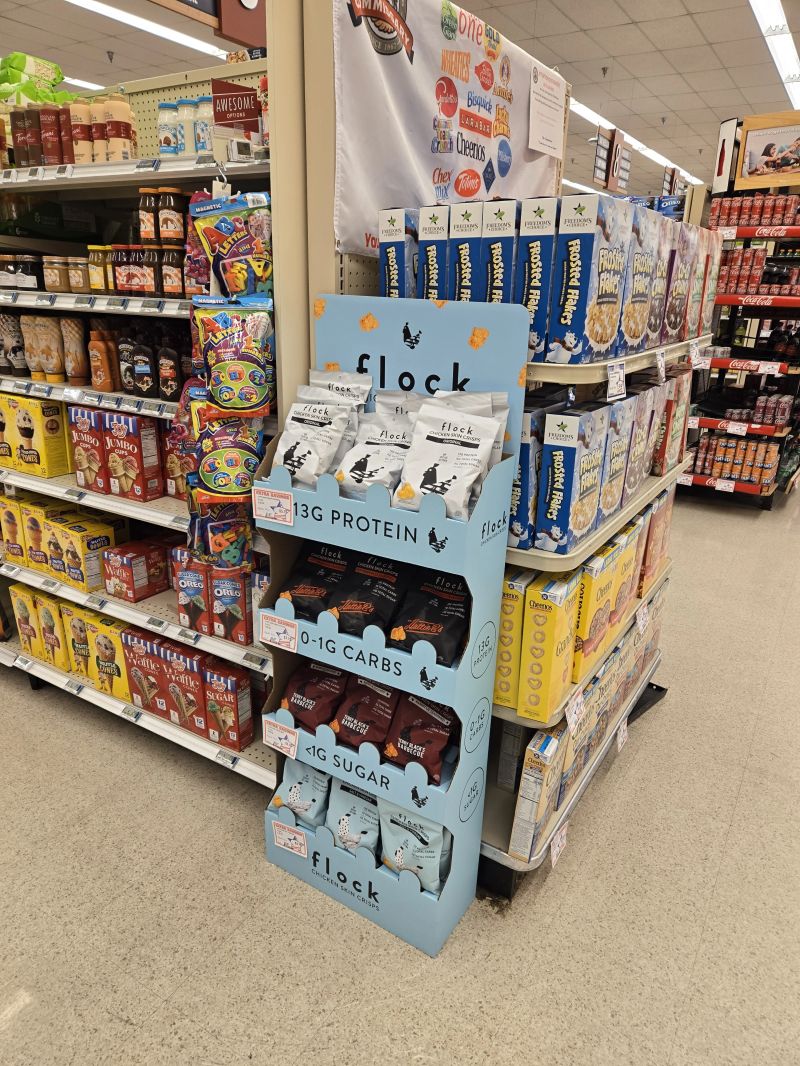
As retail environments evolve, Point of Purchase (POP) displays will continue to be an essential tool for capturing consumer attention and driving in-store sales. In 2025, brands will leverage new technologies, materials, and sustainable practices to enhance consumer experiences through innovative displays. Below are the top trends expected to shape POP displays in 2025: Sustainable Materials Interactive and Digital Displays Custom and Personalized POP Displays Minimalistic and Modular Designs Augmented Reality Integration Lightweight and Portable Solutions Eco-Friendly Printing Technologies Smart Packaging Integration Reusable and Multi-Use Displays Cost-Effective POP Solutions Sustainable Materials In 2025, sustainability will remain a top priority, with more brands turning to recyclable, biodegradable, and renewable materials for their POP displays. Cardboard, corrugated materials, and plant-based plastics will dominate as companies focus on reducing their environmental footprint. These eco-friendly options will not only appeal to eco-conscious consumers but also align with corporate sustainability goals. Interactive and Digital Displays As consumers become more tech-savvy, interactive and digital POP displays will be increasingly common. In 2025, expect displays with touchscreens, motion sensors, and integrated QR codes that engage shoppers, provide product information, and enhance brand interaction. These displays offer real-time data collection, allowing brands to track engagement and fine-tune their in-store marketing strategies. Custom and Personalized POP Displays Brands will continue to push the boundaries with custom-designed POP displays that reflect their identity and values. In 2025, personalized displays that target specific audiences with tailored messaging, design elements, and product promotions will drive deeper consumer connections. This trend is especially strong in industries like cosmetics, beverages, and consumer electronics. Minimalistic and Modular Designs Minimalist designs will remain popular due to their sleek, modern look and ability to convey simplicity and sustainability. In 2025, POP displays will embrace clean lines, neutral colors, and minimalist branding to create a more premium look and feel. Additionally, modular designs that can be easily reconfigured for different products or store layouts will provide retailers with flexibility and efficiency. Augmented Reality Integration Augmented Reality (AR) is expected to make a significant impact on POP displays in 2025. Shoppers will be able to interact with AR-enabled displays through their smartphones, exploring products virtually, learning more about their features, or seeing them in use. This enhances the in-store experience and provides brands with a unique way to engage consumers while promoting their products. Lightweight and Portable Solutions Portability will be a key trend in 2025, with brands and retailers opting for lightweight POP displays that are easy to set up, move, and reconfigure. These solutions will be especially valuable for pop-up shops and temporary retail spaces, allowing for quick installation without sacrificing design or branding impact. Eco-Friendly Printing Technologies Advancements in sustainable printing methods such as water-based inks and digital printing will shape POP displays in 2025. Brands will increasingly turn to eco-friendly printing solutions that reduce chemical waste and environmental harm while maintaining high-quality graphics and designs. This trend will align with the broader movement toward sustainability in retail. Smart Packaging Integration By 2025, smart packaging will begin to merge with POP displays. RFID tags, NFC chips, or embedded sensors will allow products and displays to interact, offering more dynamic ways to connect with consumers. For example, shoppers could scan a product’s packaging at the POP display to receive personalized promotions or product details, creating a seamless integration between packaging and in-store marketing. Reusable and Multi-Use Displays As part of the broader trend toward sustainability, reusable and multi-use POP displays will gain traction. These displays can be easily rebranded or repurposed for different promotions, reducing waste and cost. In 2025, expect more companies to embrace this approach, especially for seasonal or promotional campaigns. Cost-Effective POP Solutions With the increasing demand for both sustainability and innovation, cost-effective POP displays will continue to be in high demand. Businesses will focus on balancing affordable materials, streamlined designs, and efficient production methods to create impactful displays that fit within tight budgets. Recyclable materials, lightweight structures, and digital printing advancements will help keep costs low without sacrificing quality. In 2025, the future of POP displays will center around sustainability, consumer engagement, and adaptability. Companies that embrace these trends will be well-positioned to create impactful in-store experiences that resonate with consumers and align with evolving retail and environmental expectations. If you’re interested in POP displays for 2025, then partner with Brown Packaging today to get started. (714)300-0650 request@brownpackaging.com Most Recent Posts: Categories: Corrugated Ecommerce ESD Design Display Flexible Packaging Foam Folding Carton Packaging Plastic Packaging Pouch Printing Protection Retail Rigid Box Thermoform Sustainability Subscribe To Our Newsletter By submitting your information, you agree to our terms and conditions and privacy policy. POP Displays Facebook Twitter LinkedIn Pinterest Relevant Posts

The design and prototyping phase is a pivotal step in the creation of a Point of Purchase (POP) display. It’s where the conceptual groundwork laid in the initial stages comes to fruition, through creative design and practical execution. This blog explores the detailed process of designing and prototyping a POP display, ensuring it effectively resonates with your target audience while aligning with your brand’s identity. Creative Design: Crafting the Concept Collaborating with Designers Working closely with skilled designers is crucial to transforming your ideas into tangible designs. These professionals can offer creative solutions that blend aesthetic appeal with functional design, ensuring the display is both eye-catching and effective in a retail setting. Aligning Design with Brand Identity The design of your POP display should reflect your brand’s core values and visual identity. This includes using brand-specific colors, fonts, and imagery. Consistency in design reinforces brand recognition and enhances the overall impact of your display. Focusing on Target Audience Engagement Understanding your target audience is key to effective design. The display should cater to their preferences and behaviors, which were identified during the research phase. Elements like engaging graphics, dynamic shapes, and interactive components can draw in your audience and make the display more appealing. Effective Messaging The messaging used in your POP display should be clear, concise, and compelling. It’s not just about promoting a product; it’s about communicating value and evoking a response. Whether it’s a call to action or a promotional message, the text should be easily readable and positioned strategically to catch the viewer’s attention. Prototyping: Testing and Refining the Design Building the Prototype Once the design is finalized, the next step is to create a prototype. This is a critical stage where you can see your concept materialized into a physical form. Prototyping allows you to assess the design’s practical aspects and overall impact. Visualizing in Real Environment Prototyping offers the opportunity to visualize how the display will look in its intended environment. This is the time to examine the scale, color accuracy, and placement of messaging. Seeing the display in a physical format can often highlight necessary adjustments that aren’t apparent in digital designs. Making Necessary Adjustments Based on feedback from the prototyping phase, adjustments can be made to improve the design. This might involve tweaking the size to better fit retail spaces, adjusting colors for greater impact, or refining the messaging for clearer communication. Testing Functionality and Durability It’s also important to test the prototype for functionality and durability, especially if the display will be used in high-traffic areas. This ensures that the display will withstand regular use and maintain its visual appeal over time. Conclusion The design and prototyping stages are where creativity meets practicality. By focusing on strong collaboration with designers, aligning the design with brand identity, and rigorously testing the prototype, you can ensure that your POP display not only looks appealing but also effectively achieves its marketing objectives. This process not only enhances the potential success of the display but also minimizes risks and costs associated with making changes after mass production. If you are interested in POP displays, then partner with Brown Packaging today to get started. In Conclusion Bundle packaging is a powerful strategy that can benefit both businesses and customers. It offers convenience, value, and the potential for increased sales. By understanding your audience, choosing the right products, and effectively marketing your bundles, you can tap into the potential of bundle packaging to enhance your brand and drive revenue. So, get creative, bundle up, and watch your sales soar! If you are interested in bundle packaging, then partner with Brown Packaging today to get started. (714)300-0650 request@brownpackaging.com Most Recent Posts: Categories: Corrugated Ecommerce ESD Design Display Flexible Packaging Foam Folding Carton Packaging Plastic Packaging Pouch Printing Protection Retail Rigid Box Thermoform Sustainability Subscribe To Our Newsletter By submitting your information, you agree to our terms and conditions and privacy policy. POP Displays Facebook Twitter LinkedIn Pinterest Relevant Posts

Packaging plays a crucial role in safeguarding products from various hazards that can compromise their quality, safety, and integrity. From the manufacturing floor to the store shelves and throughout the supply chain, products face several risks that can damage or spoil them if not properly addressed. In this blog, we will explore 6 of the biggest hazards to packaging and how to mitigate them effectively. Incorporate Promotional Inserts Utilize Product Recommendations Highlight Subscription or Loyalty Programs Offer Limited-Time Promotions Include Sample Products Use Packaging as a Brand Ambassador Incorporate Promotional Inserts One of the most direct and cost-effective ways to encourage repeat purchases is by including promotional inserts in your packaging. These can be anything from discount coupons to flyers advertising complementary products or upcoming sales. A thoughtfully placed insert that offers a discount on the customer’s next purchase not only drives them back to your site but also makes them more likely to try other products in your catalog. For example, if a customer purchases skincare products, you could include a flyer promoting your body care line. Cross-selling through inserts introduces customers to items they may not have considered, increasing your average order value over time. Utilize Product Recommendations Using packaging inserts to make personalized product recommendations based on a customer’s past purchases is another effective strategy. You can include suggestions for related items or new arrivals that complement what they have already bought. These recommendations make it easier for customers to discover additional products and feel as though the packaging experience was tailored to them. You can take inspiration from digital giants like Amazon, which have mastered the art of “customers who bought this also bought…” recommendations. By bringing this technique into your e-commerce packaging, you ensure a seamless cross-selling experience. Highlight Subscription or Loyalty Programs Your packaging is an ideal platform to promote loyalty programs or subscription services. By using a small card or an insert, you can introduce customers to the benefits of joining your loyalty program, such as earning points for each purchase or getting access to exclusive offers. Similarly, promoting a subscription service for consumable products like coffee, skincare, or supplements can turn occasional buyers into long-term, repeat customers. Make the enrollment process simple by including a QR code or a link that customers can easily access through their phones. Offer Limited-Time Promotions Create urgency by offering time-sensitive promotions that are delivered right inside the packaging. A card stating “15% off your next order, valid for 30 days” encourages customers to make another purchase before the offer expires. By limiting the timeframe, you incentivize them to take immediate action, which can lead to increased repeat sales. Include Sample Products Another great way to drive cross-selling is to include free samples of other products that may complement the customer’s purchase. If they buy haircare products, for example, include a sample of your latest skincare item. This allows customers to try something new without committing to a purchase, increasing the likelihood they will come back to buy it later if they like the sample. Samples serve as a low-risk method for customers to explore new products and can create excitement around future purchases. Use Packaging as a Brand Ambassador Don’t underestimate the power of well-branded packaging to reinforce your company’s message and encourage repeat business. Strong, cohesive branding across your packaging helps create a memorable unboxing experience. Adding your brand’s logo, tagline, and website URL makes it easy for customers to know where to go when they want to reorder or browse your latest products. Make sure your packaging delivers a consistent brand message, turning it into a brand ambassador that works even after the initial purchase is completed. Conclusion E-commerce packaging offers significant opportunities to promote cross-selling and repeat purchases. By incorporating thoughtful inserts, offering limited-time promotions, highlighting loyalty programs, and including samples, you can turn each package into a marketing tool that encourages ongoing engagement with your brand. Leveraging packaging in this way not only enhances the customer experience but also drives growth by turning one-time buyers into long-term, loyal customers. If you’re interested in ecommerce packaging, then partner with Brown Packaging today to get started. (714)300-0650 request@brownpackaging.com Most Recent Posts: Categories: Corrugated Ecommerce ESD Design Display Flexible Packaging Foam Folding Carton Packaging Plastic Packaging Pouch Printing Protection Retail Rigid Box Thermoform Sustainability Subscribe To Our Newsletter By submitting your information, you agree to our terms and conditions and privacy policy. Ecommerce Packaging Facebook Twitter LinkedIn Pinterest Relevant Posts

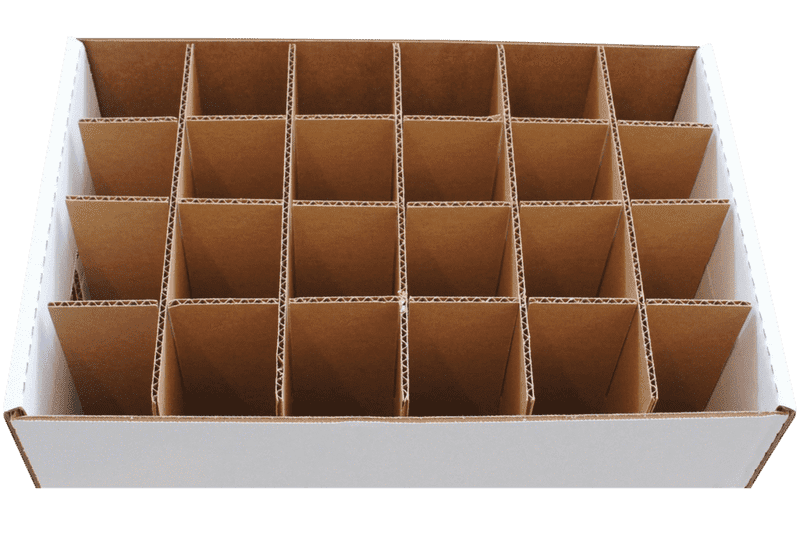
Ensuring that products arrive in perfect condition is a top priority for e-commerce businesses, as damaged items can lead to returns, bad reviews, and loss of customer trust. To prioritize durability and protection in your e-commerce packaging, you should focus on several key strategies: Select the Right Materials Use Protective Inserts Right-Size Your Packaging Secure Sealing Test Packaging Durability Consider the Entire Supply Chain Choose Sustainable Yet Durable Materials Select the Right Materials The foundation of durable packaging lies in using the right materials. Strong, high-quality materials can better withstand the stresses of shipping and handling. Corrugated Boxes: These are widely used for shipping because of their strength and durability. Double-wall or triple-wall corrugated boxes provide extra layers of protection, making them ideal for heavier or fragile items. Padded Mailers: For smaller or more delicate items, padded mailers (with bubble wrap or foam lining) offer extra cushioning while being compact. Rigid Mailers: For documents or flat items that need to avoid bending, rigid mailers are a good choice to protect against damage during transit. By choosing materials that are appropriate for your product’s size and fragility, you can significantly reduce the risk of damage. Use Protective Inserts Inserts provide an extra layer of protection inside the packaging. They help to secure the product in place and absorb impact from movement or drops during transit. Foam Inserts: Custom foam inserts or molded pulp inserts are ideal for protecting fragile or sensitive products like electronics, cosmetics, or glassware. Corrugated Dividers: For multiple items being shipped in the same package, corrugated dividers ensure each product is isolated and protected from collisions with other items inside the box. Air Cushions and Bubble Wrap: For products with irregular shapes, bubble wrap, paper void fillers or air pillows can help fill voids and provide cushioning. The right inserts are critical for absorbing shock and preventing products from shifting, which is one of the main causes of damage during shipping. Right-Size Your Packaging Using oversized boxes leads to excess movement of products inside the package, increasing the chances of damage. Right-sizing your packaging to fit your product snugly minimizes the need for excess filler material and ensures the product is secure. Reduce Void Space: Design packaging that minimizes empty spaces inside the box. This reduces the need for additional packing materials and keeps the product from shifting during transit. Custom Packaging: Consider using custom-fit boxes that are designed specifically for the size and shape of your product. Custom packaging not only offers better protection but also gives your product a more professional appearance. Right-sized packaging also reduces shipping costs by decreasing the dimensional weight of the package, benefiting both your bottom line and the environment. Secure Sealing Durability isn’t just about the box itself—secure sealing is essential to keep the contents safe and intact during transit. Reinforced Tape: Use heavy-duty packaging tape, especially for larger or heavier boxes. Water-activated tape (also known as gummed tape) provides a tamper-evident seal and is more durable than standard tape. Double-Sealing for Fragile Items: For extra protection, consider using multiple layers of tape or reinforcing vulnerable areas of the box, such as the corners and edges, where impacts are more likely to occur. Tamper-Evident Seals: These seals ensure that customers can identify whether the packaging has been opened or tampered with, offering an extra layer of protection and peace of mind. Test Packaging Durability Before committing to a packaging solution, conducting real-world durability tests ensures that your products are protected throughout the shipping process. Drop Tests: Simulate shipping conditions by performing drop tests from different heights to assess how well the packaging holds up to impact. Compression Testing: Test how well your packaging can withstand weight and pressure, especially for items that may be stacked during shipping or storage. Environmental Testing: For products shipped in extreme conditions (hot, cold, or humid environments), test how your packaging materials react to these conditions to ensure the product’s integrity remains intact. Testing helps you identify weak points in your packaging design and gives you the opportunity to make improvements before issues arise with customers. Consider the Entire Supply Chain Your product’s journey doesn’t end when it leaves your warehouse. To ensure durable and protective packaging, consider every step of the supply chain, from your packaging facility to the final delivery. Third-Party Logistics (3PL) Handling: Ensure that your packaging can withstand the handling practices of third-party shipping and logistics companies. This includes drops, stacking, and rough handling. Carrier Requirements: Some carriers have specific packaging guidelines for certain products (like fragile items or hazardous materials). Adhering to these guidelines reduces the risk of damage and ensures smooth shipping. By understanding how your product will be handled at each stage of the supply chain, you can better design your packaging to prevent damage and ensure safe delivery. Choose Sustainable Yet Durable Materials Sustainability and durability don’t have to be mutually exclusive. Many eco-friendly materials can offer excellent protection while reducing your environmental footprint. Recycled Corrugated Boxes: Boxes made from recycled materials are just as durable as virgin fiber boxes, but have the added benefit of being more sustainable. Biodegradable Packing Materials: Biodegradable air cushions, packing peanuts, and bubble wrap offer protective cushioning while minimizing environmental impact. By choosing sustainable materials that also prioritize durability, you meet customer expectations for eco-consciousness while ensuring their products arrive in perfect condition. Conclusion Prioritizing durability and protection in your e-commerce packaging is essential for reducing damage, improving customer satisfaction, and minimizing return rates. By selecting the right materials, using protective inserts, and optimizing your packaging design, you can create a packaging solution that not only protects your products but also enhances the overall customer experience. Regular testing and adapting your packaging to the realities of the supply chain ensure that your packaging is fit for purpose and durable enough to handle the rigors of shipping. If you’re interested in ecommerce packaging, then partner with Brown Packaging today to get started. (714)300-0650 request@brownpackaging.com Most Recent Posts: Categories: Corrugated Ecommerce ESD Design

When planning a Point of Purchase (POP) display, the first and arguably most critical step is to clearly define your objectives. Setting specific, actionable goals early in the process sets the foundation for all subsequent decisions—from design to placement, and even the materials used. This blog explores how to effectively understand and set objectives for POP displays to ensure they meet your business needs and drive desired outcomes. Importance of Clear Objectives Understanding the purpose of your POP display is essential. Without clear goals, it’s difficult to measure success or make informed decisions during the design and implementation phases. Clear objectives help align your team, streamline the design process, and ensure that every element of the POP display works towards a common end. Common Goals for POP Displays Increasing Brand Awareness For many businesses, POP displays are a tool to enhance brand visibility and recognition. If this is your goal, focus on designs that strongly feature your brand’s logos, colors, and themes. The display should be placed in high-traffic areas to maximize exposure to new and existing customers. Promoting a New Product Launching a new product with a POP display can dramatically affect its initial market performance. For new product promotions, the display should be designed to educate customers about the product features and benefits, encouraging trial and adoption. Interactive elements such as QR codes linking to product demonstrations or reviews can be highly effective. Boosting Sales of an Existing Product If the goal is to increase sales for an existing product, your POP display should focus on creating a sense of urgency or highlighting the value of the product. This might include time-limited offers, discounts, or bundling with other products. The messaging should be persuasive and direct, driving customers to make a purchase decision on the spot. Steps to Define Your Goals Analyze Your Market and Audience Start by understanding who your customers are and what drives their purchasing decisions. Market research can provide insights into customer behaviors, preferences, and trends. This information is invaluable in tailoring your POP display to appeal directly to your target audience. Identify Key Performance Indicators (KPIs) Once you’ve defined your goals, establish KPIs to measure the effectiveness of your POP display. For brand awareness, metrics might include the number of customer interactions or social media mentions. For sales promotions, track the increase in sales volume or revenue generated from the products featured in the display. Collaborate with Stakeholders Engage with various stakeholders, including marketing teams, sales staff, and even customers, to gather insights and feedback. This collaborative approach can help refine your objectives and ensure they are realistic and achievable. Be S.M.A.R.T Ensure your goals are Specific, Measurable, Achievable, Relevant, and Time-bound. This S.M.A.R.T framework helps create objectives that are not only clear but also actionable and aligned with your overall business strategy. Conclusion Defining clear objectives for your POP displays is more than a preliminary step; it’s a strategic action that influences every aspect of your campaign. By setting well-defined goals, you can design POP displays that not only attract attention but also effectively convey your message and achieve desired outcomes. Whether increasing brand awareness, introducing new products, or boosting sales, the right objectives will guide your efforts towards success in the competitive retail landscape. If you are interested in POP displays, then partner with Brown Packaging today to get started. (714)300-0650 request@brownpackaging.com Most Recent Posts: Categories: Corrugated Ecommerce ESD Design Display Flexible Packaging Foam Folding Carton Packaging Plastic Packaging Pouch Printing Protection Retail Rigid Box Thermoform Sustainability Subscribe To Our Newsletter By submitting your information, you agree to our terms and conditions and privacy policy. POP Display Facebook Twitter LinkedIn Pinterest Relevant Posts

When it comes to packaging, the roll-end tuck top (RETT) box is a versatile solution that seamlessly transitions between the realms of retail and e-commerce. In this blog, we will explore the dynamic ways in which RETT boxes are used in these two distinct worlds. Beyond the traditional comparisons, we’ll dive into the nuances, highlighting how design, branding, features, functions, and purpose evolve to cater to the unique demands of each sector. Designing for the Shelf or the Cart Design Considerations in Retail In the physical realm of retail, the design of RETT boxes is all about commanding attention on the shelf. The focus is on aesthetics and shelf appeal. The box becomes a piece of art, often featuring unique shapes, bold colors, and captivating graphics. Here, it’s all about capturing the customer’s gaze. Design Considerations in E-commerce In contrast, e-commerce RETT boxes are designed for functionality and durability during transit. Shape and color remain important, but the primary focus shifts towards ensuring the box safeguards the product until it reaches its final destination. Sturdiness and size are key considerations, as the box must withstand the rigors of the shipping process. Retail Ecommerce The Brand’s Silent Ambassador Branding in Retail In retail, the packaging serves as a brand ambassador. Boxes are adorned with vivid brand logos, striking taglines, and captivating imagery. Each box becomes a piece of a brand’s story, instantly recognizable and invoking a sense of trust and familiarity. Branding in E-commerce E-commerce RETT boxes extend the brand’s influence beyond the physical realm. They often include elements like QR codes for online engagement, creating a seamless transition from the box to the digital world. The unboxing experience becomes a powerful opportunity to reinforce the brand’s identity and values. Features: From Windows to Locks Features in Retail Retail RETT boxes are not just containers; they’re showcases. Many incorporate window panels or die-cut shapes that allow customers to peek at the product inside. Magnetic closures, embossed logos, and intricate detailing add an air of luxury and exclusivity. Features in E-commerce E-commerce RETT boxes prioritize secure closures and easy access. Tuck flaps, cherry locks, or dust flaps are often integrated to ensure the product arrives intact. These features enhance the unboxing experience, turning a simple delivery into a moment of anticipation and excitement. Functionality: Protecting and Presenting Functionality in Retail In the retail environment, RETT boxes provide both protection and presentation. They keep products safe on shelves while captivating customers with their attractive exteriors. These boxes serve not only as packaging but also as storage and gift wrapping. Functionality in E-commerce E-commerce RETT boxes play a dual role. Their primary function is to ensure the product’s safety during transit, reducing the risk of damage. Simultaneously, they serve as the initial layer of presentation upon arrival at the customer’s doorstep, offering a sneak peek of what’s inside. Purpose: From Shelves to Doorsteps Purpose in Retail In retail, RETT boxes facilitate the purchase decision. They capture attention, convey essential product information, and ultimately drive sales. These boxes are a vital part of the in-store experience, influencing buying choices. Purpose in E-commerce In e-commerce, RETT boxes have a dual purpose. They protect the product during shipping, reducing the chances of damage or breakage. Furthermore, they enhance the unboxing experience, transforming a mere delivery into a memorable and shareable moment. Embracing Sustainability Both retail and e-commerce sectors are increasingly focusing on sustainable packaging practices. RETT boxes are no exception. In both settings, they are evolving towards eco-friendly materials and designs, aligning with the global commitment to reducing environmental impact. Conclusion: Adaptable Ambassadors Roll End Tuck Top (RETT) boxes prove their adaptability as versatile packaging solutions that seamlessly transition between the domains of retail and e-commerce. Beyond their physical attributes, these boxes carry the brand’s identity and message, whether on a store shelf or within the confines of a customer’s home. In the end, RETT boxes are ambassadors that reflect the essence of the brand, ensuring that products make a lasting impression, whether they are showcased in a physical store or unboxed in the comfort of a customer’s home. If you are interested in RETT boxes for either retail or ecommerce, then partner with Brown Packaging today to get started. (714)300-0650 request@brownpackaging.com Most Recent Posts: Categories: Corrugated Ecommerce ESD Design Display Flexible Packaging Foam Folding Carton Packaging Plastic Packaging Pouch Printing Protection Retail Rigid Box Thermoform Sustainability Subscribe To Our Newsletter By submitting your information, you agree to our terms and conditions and privacy policy. Roll End Tuck Top Facebook Twitter LinkedIn Pinterest Relevant Posts

In the competitive retail landscape, creating a sense of urgency through Point of Purchase (POP) displays can significantly boost impulse buying and drive quick sales decisions. This blog explores effective strategies to harness the power of urgency in POP displays, helping retailers turn casual browsers into committed buyers. Understanding the Psychology of Urgency Urgency compels action. It taps into a consumer’s fear of missing out (FOMO) on a good deal, a new product, or a limited-time offer. The right use of urgency in a POP display can make the difference between a shopper walking by and one stopping to make a purchase. It’s about creating an irresistible offer that feels too good to pass up. Key Strategies to Create Urgency Limited-Time Offers Highlighting that a special offer is available for a limited time is a classic and effective way to create urgency. Use countdown timers or dates clearly stating when the promotion ends. This can be particularly effective during holiday sales, back-to-school seasons, or any other time-sensitive shopping periods. Limited Quantities Available Displaying messages like “While Supplies Last” or “Limited Stock” can drive home the urgency of purchasing before it’s too late. This strategy works well for products known to be popular or for newly released items that are expected to sell out quickly. Exclusive Products Featuring products that are exclusive to your store or available only for a limited period can also create urgency. Shoppers are more likely to make on-the-spot purchases if they believe they’re getting something unique or hard to find elsewhere. Flash Sales Utilize POP displays to promote flash sales, where products are available at a discount for a short period. This not only creates urgency but also adds an element of excitement to the shopping experience. Seasonal and Event-Driven Promotions Aligning POP displays with ongoing events or seasons can leverage existing consumer excitement and a natural sense of urgency. For example, a POP display with a “Back to School Sale Ends Soon!” message during the late summer effectively targets parents and students looking to complete their shopping in time. Design Elements That Enhance Urgency Bold and Clear Messaging Your urgency message should be the most prominent part of the display. Use large fonts, bold colors, and direct language to ensure the message is easily seen and understood from a distance. Visual Cues Use visual cues such as arrows or borders to draw attention directly to the urgency message. Bright colors like red or orange are often associated with urgency and can be very effective. Strategic Placement Place urgent POP displays at high-traffic areas or decision points within the store, such as near the checkout lanes or at the end of aisles. The more eyes on your urgent message, the better. Use of Technology Incorporating digital elements into your POP displays can make updating urgency messages more dynamic and timely. Digital screens can show changing countdowns, flash sale times, or instantly update stock levels to reflect scarcity. How to Create Effective Bundles Creating successful bundle packages requires careful planning and consideration. Here are some steps to guide you: Understand Your Audience: Start by understanding your target audience’s needs and preferences. What products or services are they likely to buy together? What problems can your bundles solve for them? Choose Complementary Products: Select products that naturally complement each other. They should enhance the value of the bundle and make sense to the customer. For example, a camera bundle could include lenses, a tripod, and a camera bag. Pricing Strategy: Determine the pricing strategy for your bundles. Typically, bundles are priced lower than the total cost of purchasing each item separately, offering customers a discount. However, ensure that your pricing still allows for a reasonable profit margin. Packaging Design: Invest in attractive and informative packaging design. The packaging should clearly communicate what’s included in the bundle and its value proposition. High-quality packaging enhances the perceived value of the bundle. Marketing and Promotion: Promote your bundles through various marketing channels, both online and offline. Highlight the benefits of purchasing the bundle, such as cost savings or convenience. Use visuals and descriptions that resonate with your target audience. Monitor and Adjust: Track the performance of your bundles. Analyze sales data, customer feedback, and return on investment. Make adjustments as needed to optimize your bundle offerings. Conclusion Creating a sense of urgency with POP displays is a potent strategy to accelerate decision-making and increase sales. By combining psychological triggers with strategic design and placement, retailers can effectively motivate customers to act quickly, increasing both customer engagement and profitability. Effective urgency strategies make the shopping experience exciting and rewarding, encouraging customers to make immediate purchases and potentially return for more. If you are interested in POP displays, then partner with Brown Packaging today to get started. (714)300-0650 request@brownpackaging.com Most Recent Posts: Categories: Corrugated Ecommerce ESD Design Display Flexible Packaging Foam Folding Carton Packaging Plastic Packaging Pouch Printing Protection Retail Rigid Box Thermoform Sustainability Subscribe To Our Newsletter By submitting your information, you agree to our terms and conditions and privacy policy. POP Display Facebook Twitter LinkedIn Pinterest Relevant Posts

In e-commerce, packaging plays a crucial role in protecting products, creating a memorable unboxing experience, and building brand loyalty. Within packaging, there are different layers, with primary packaging being one of the most important. It is the first layer of protection directly surrounding the product, and it’s essential in safeguarding items and shaping customer perceptions. This blog will break down the concept of primary packaging in e-commerce, its functions, and why it matters for your business. What is Primary Packaging? Primary packaging refers to the material that is in direct contact with the product. It’s the first level of packaging that holds, protects, and contains the product itself. In many cases, it is the packaging that consumers interact with first when they open a package. Examples of primary packaging in e-commerce include: The bottle that holds liquid products like shampoos or lotions. The box that contains electronics, like a smartphone or a camera. The pouch that holds food items, such as coffee beans or snacks. In contrast, secondary packaging refers to the outer materials used for protection or grouping during shipping (such as the shipping box or mailer), while tertiary packaging is used for bulk handling and transportation (like pallets or larger boxes). Functions of Primary Packaging in E-Commerce Product Protection: The most essential role of primary packaging is to protect the product. It serves as a barrier against contamination, breakage, and external damage, ensuring that the product reaches the customer intact. For example, a glass bottle of perfume is encased in its primary packaging to shield it from damage and spills during transit. Branding and Marketing: Primary packaging is often the face of your brand. It is the first thing the customer sees and interacts with, making it a critical touchpoint for branding and marketing. Custom-designed packaging with logos, vibrant colors, or eye-catching graphics creates a memorable customer experience, differentiates your product from competitors, and reinforces brand identity. Information Delivery: Primary packaging provides essential information about the product, including product descriptions, ingredients, instructions for use, and expiration dates. For instance, a food package will typically include nutritional information and preparation instructions, making it easier for customers to use the product correctly. Customer Experience and Engagement: In e-commerce, where customers cannot physically inspect the product before purchasing, the unboxing experience becomes an essential part of customer engagement. Well-designed primary packaging enhances this experience, creating a sense of anticipation and satisfaction when customers receive their items. A memorable unboxing can lead to customer loyalty and even social media sharing. Why Primary Packaging Matters in E-Commerce Protects During Shipping In e-commerce, products are subject to more handling than traditional retail. Packages can be dropped, stacked, or mishandled during transit. Primary packaging needs to be durable enough to protect the product throughout this journey. Without effective primary packaging, products can arrive damaged, leading to returns, refunds, and dissatisfied customers. Influences Buying Decisions Primary packaging often influences customers’ purchase decisions. In e-commerce, product images and descriptions play a huge role, but once the item arrives, the physical packaging must meet the expectations set online. If the packaging is attractive, practical, and functional, it enhances the overall perception of the product. Creates Brand Loyalty Memorable and well-designed primary packaging adds to the unboxing experience and leaves a lasting impression on customers. When the packaging feels premium or reflects the company’s values (such as using eco-friendly materials), customers are more likely to remember the brand and make repeat purchases. Sustainability Matters As sustainability becomes a critical factor for consumers, brands are increasingly focusing on eco-friendly primary packaging options. By using recyclable or compostable materials, businesses not only protect their products but also align with consumer preferences for environmentally friendly packaging. This reduces environmental impact and enhances the brand’s reputation. Examples of Effective Primary Packaging in E-Commerce Cosmetics and Beauty Products: Primary packaging for beauty products, like lipstick tubes or foundation bottles, is designed to protect delicate formulations while offering a luxurious appearance. High-quality materials and aesthetically pleasing designs add to the product’s perceived value. Food and Beverage: Pouches or vacuum-sealed bags are often used for perishable items like coffee or snacks, preserving freshness and protecting the product from external factors like moisture and air. Electronics: Smartphones or headphones are housed in secure, often sleek boxes designed not only to protect against damage but also to enhance the unboxing experience. These boxes may include foam inserts for added protection and premium branding. Conclusion Primary packaging is a critical element in e-commerce packaging strategies. It plays an essential role in protecting the product, enhancing customer experiences, and strengthening brand identity. E-commerce businesses that invest in high-quality, sustainable, and well-designed primary packaging are more likely to see satisfied customers, lower return rates, and increased brand loyalty. If you’re interested in ecommerce packaging and/or primary packaging, then partner with Brown Packaging today to get started. (714)300-0650 request@brownpackaging.com Most Recent Posts: Categories: Corrugated Ecommerce ESD Design Display Flexible Packaging Foam Folding Carton Packaging Plastic Packaging Pouch Printing Protection Retail Rigid Box Thermoform Sustainability Subscribe To Our Newsletter By submitting your information, you agree to our terms and conditions and privacy policy. Ecommerce Packaging Facebook Twitter LinkedIn Pinterest Relevant Posts

Packaging plays a crucial role in safeguarding products from various hazards that can compromise their quality, safety, and integrity. From the manufacturing floor to the store shelves and throughout the supply chain, products face several risks that can damage or spoil them if not properly addressed. In this blog, we will explore 7 of the biggest hazards to packaging and how to mitigate them effectively. Physical Impact Moisture and Humidity Temperature Fluctuations Contamination Tampering and Theft UV and Light Exposure Oxygen and Air Exposure Physical Impact Impact during Handling and Transport: Products often endure a series of impacts during handling and transportation. They may be dropped, bumped, or stacked under heavy loads, which can result in physical damage. To mitigate this hazard: Choose durable packaging materials that can withstand external pressure. Use cushioning materials like bubble wrap, foam, or corrugated inserts to protect fragile items. Ensure proper stacking and handling instructions for products during transit. Moisture and Humidity Exposure to Moisture: Exposure to moisture and humidity can lead to product spoilage, mold growth, and label deterioration. Common sources of moisture include condensation, humidity, or exposure to rain. To protect against moisture: Use moisture-resistant packaging materials, such as laminated films or barrier coatings. Include desiccants or humidity control products inside the packaging. Store products in a controlled environment with proper ventilation and dehumidification. Temperature Fluctuations Temperature Extremes: Extreme temperatures, both high and low, can adversely affect product quality and shelf life. Frozen or overheated products can spoil, change texture, or lose flavor. To mitigate temperature-related hazards: Utilize insulated packaging or temperature-controlled containers when necessary. Follow recommended storage and transportation temperature guidelines. Consider phase-change materials or gel packs for temperature-sensitive items. Contamination External Contaminants: Products can be exposed to external contaminants such as dust, dirt, and chemicals, leading to contamination risks. To minimize contamination hazards: Choose packaging materials that offer a protective barrier against external contaminants. Implement good manufacturing practices (GMP) and hygiene protocols during production and packaging. Regularly clean packaging equipment and storage areas. Tampering and Theft Tampering and Theft Prevention: Tampering and theft are serious concerns, especially for food and pharmaceutical products. Tampering can lead to safety risks, while theft results in financial losses. To prevent tampering and theft: Implement tamper-evident packaging features like shrink bands, breakable seals, or tear strips. Use security labels that leave a visible mark when removed. Employ serialization and track-and-trace systems to monitor product movement. UV and Light Exposure UV and Light Damage: Exposure to ultraviolet (UV) and visible light can cause product degradation, discoloration, and loss of quality. This is particularly relevant for light-sensitive items like pharmaceuticals and certain food products. To counter UV and light exposure hazards: Use opaque or UV-resistant packaging materials. Consider tinted or amber containers for light-sensitive items. Store products away from direct sunlight or fluorescent lighting. Oxygen and Air Exposure Oxygen and Oxidation: Certain products, such as perishable foods, pharmaceuticals, and sensitive chemicals, can deteriorate when exposed to oxygen. Oxygen can lead to oxidation, spoilage, or chemical reactions. To minimize oxygen exposure: Utilize oxygen barrier packaging materials to restrict oxygen permeation. Vacuum-seal products to remove air from the package. Implement nitrogen flushing or gas flushing to displace oxygen. By addressing these major hazards to packaging, you can enhance the protection of your products throughout their journey from production to the hands of consumers. Tailoring your packaging solutions to specific product characteristics and understanding the risks involved is essential for maintaining product quality, safety, and customer satisfaction. If you are interested in safe and proper packaging, then partner with Brown Packaging today to get started. (714)300-0650 request@brownpackaging.com Most Recent Posts: Categories: Corrugated Ecommerce ESD Design Display Flexible Packaging Foam Folding Carton Packaging Plastic Packaging Pouch Printing Protection Retail Rigid Box Thermoform Sustainability Subscribe To Our Newsletter By submitting your information, you agree to our terms and conditions and privacy policy. Custom Packaging Facebook Twitter LinkedIn Pinterest Relevant Posts

In the fast-paced retail environment, capturing the attention of impulse buyers is crucial for boosting sales. Point of Purchase (POP) displays are designed to grab shopper attention at the moment when buying decisions are made, making them a powerful tool for influencing impulse purchases. This blog explores how POP displays can be strategically used to target impulse buyers effectively. Understanding Impulse Buyers Impulse buyers are customers who make spontaneous purchase decisions triggered by seeing the product at that moment. These decisions are often driven by emotional appeal, convenience, or the allure of a good deal. Understanding the psychology of impulse buying is key to designing POP displays that convert passersby into buyers. Designing POP Displays for Maximum Impact Visual Appeal The first step in capturing the attention of an impulse buyer is through striking visual design. Bright colors, bold fonts, and attractive graphics can make POP displays stand out. Incorporating eye-catching elements like flashing lights or digital screens can also draw more attention compared to static displays. Strategic Placement Placement of POP displays can significantly affect their success in capturing impulse buyers. High-traffic areas such as near the checkout lines, at the end of aisles, and close to the store entrance are prime locations. These spots are where customers are most likely to make last-minute purchase decisions. Promotional Messaging Effective POP displays use clear, compelling messages that create a sense of urgency or highlight exclusivity. Phrases like “Limited Time Offer,” “While Supplies Last,” or “Exclusive Deal” can prompt impulse buyers to act immediately to take advantage of the offer before it’s gone. Product Accessibility For an impulse buy to occur, the product must be easily accessible. POP displays should allow customers to easily pick up the product, examine it, and make a quick purchase. Interactive displays that encourage touching and engaging with the product can also increase the likelihood of impulse buys. Leveraging Consumer Behavior Insights Understanding Consumer Habits Analyzing data on consumer behavior and shopping patterns can help tailor POP displays to the habits and preferences of target demographics. For instance, placing snack items in POP displays near the beverage section can capitalize on common buying patterns where shoppers who pick up drinks might also grab a quick snack. Seasonal and Event-Based Targeting Aligning POP displays with seasonal events or holidays can effectively target impulse buyers looking for gifts or celebratory items. For example, chocolate and candy displays are more effective near Valentine’s Day or Easter. Measuring and Adapting Testing Different Approaches Retailers should test various designs and placements of POP displays to see what works best. A/B testing can provide valuable insights into which strategies are most effective at driving impulse purchases. Adapting to Feedback Regularly updating POP displays based on customer feedback and sales data can help maintain their effectiveness. Changing the display’s design, message, or placement in response to observed customer behaviors can optimize their impact. If you are interested in POP displays, then partner with Brown Packaging today to get started. (714)300-0650 request@brownpackaging.com Most Recent Posts: Categories: Corrugated Ecommerce ESD Design Display Flexible Packaging Foam Folding Carton Packaging Plastic Packaging Pouch Printing Protection Retail Rigid Box Thermoform Sustainability Subscribe To Our Newsletter By submitting your information, you agree to our terms and conditions and privacy policy. Custom Packaging Facebook Twitter LinkedIn Pinterest Relevant Posts

Pouch packaging has gained immense popularity across various industries due to its convenience, versatility, and eye-catching design possibilities. However, when considering pouch packaging for your products, it’s essential to understand the cost factors associated with it. In this detailed blog, we will break down the cost of pouch packaging and explain how unit costs per 1,000, 10,000, 100,000, and 1,000,000 units work. By the end, you’ll have a clear understanding of what to expect when budgeting for your pouch packaging needs. Determining Pouch Packaging Costs Pouch packaging costs can vary significantly based on several factors. To calculate unit costs for different quantities, consider the following key variables: Pouch Type: The type of pouch you choose, such as stand-up pouches, flat pouches, or custom-shaped pouches, will impact the cost. Specialty or custom-shaped pouches tend to be more expensive. Material Selection: Pouches can be made from various materials, including plastic, foil, or paper. The material choice affects both the cost and the appearance of the pouch. Size and Dimensions: The physical dimensions of the pouch play a significant role in pricing. Larger or irregularly shaped pouches typically cost more. Printing and Design: The complexity of the design and the number of colors used for printing influence costs. Intricate artwork or high-resolution graphics may increase expenses. Quantity Ordered: Economies of scale come into play when ordering larger quantities. Typically, the more pouches you order, the lower the unit cost. Add-On Features: Special features like zippers, spouts, or tear notches can impact the overall cost. These add-ons add both complexity and value to the pouch. Lead Time: Rush orders or tight production schedules may incur additional fees, so planning ahead can help you save on costs. Unit Costs for Different Quantities To better understand how pouch packaging costs scale with quantity, let’s break down the unit cost per 1,000, 10,000, 100,000, and 1,000,000 units. Per 1,000 Units: When ordering a small quantity of pouches (e.g., 1,000 units), the unit cost tends to be higher due to setup and production costs. This is the most expensive option on a per-unit basis. Per 10,000 Units: Ordering 10,000 units typically reduces the unit cost significantly. The setup costs are spread across a larger quantity, making each pouch more cost-effective. Per 100,000 Units: Ordering 100,000 units further decreases the unit cost. The economies of scale become more pronounced, resulting in a considerable reduction in cost per pouch. Per 1,000,000 Units: For larger orders of 1,000,000 units, the unit cost is often the lowest. The efficiencies gained in production, materials, and setup costs result in a highly cost-effective solution. Additional Cost Considerations It’s essential to remember that the unit cost of pouch packaging is not the only expense to consider: Shipping and Handling: Factor in shipping and handling costs, which can vary depending on the weight and volume of the pouches. Design and Artwork: Design and artwork creation may incur separate costs, especially if you require custom graphics or intricate designs. Storage: If you are ordering a large quantity, consider storage costs if you do not have adequate space. Quality Control: Budget for quality control measures to ensure that the final product meets your specifications and standards. Conclusion Understanding the cost of pouch packaging is essential for effective budgeting. It’s crucial to consider factors such as pouch type, material selection, size, design complexity, quantity ordered, and additional features when calculating unit costs. As quantities increase, the unit cost tends to decrease due to economies of scale. By carefully evaluating your packaging needs and planning accordingly, you can make informed decisions that optimize both cost-efficiency and the visual appeal of your pouch packaging. If you are interested in pouch packaging, then partner with Brown Packaging today to get started. (714)300-0650 request@brownpackaging.com Most Recent Posts: Categories: Corrugated Ecommerce ESD Design Display Flexible Packaging Foam Folding Carton Packaging Plastic Packaging Pouch Printing Protection Retail Rigid Box Thermoform Sustainability Subscribe To Our Newsletter By submitting your information, you agree to our terms and conditions and privacy policy. Custom Pouches Facebook Twitter LinkedIn Pinterest Relevant Posts

After deploying Point of Purchase (POP) displays, the next critical step is to monitor and evaluate their effectiveness. This phase is essential to understanding the impact of the displays on customer engagement and sales, and it provides valuable insights that can guide future marketing strategies and display designs. This blog details the processes of performance tracking, gathering feedback, and making necessary adjustments to ensure the continual improvement of POP displays. Performance Tracking: Measuring Success Utilizing Sales Data The most direct measure of a POP display’s effectiveness is its impact on sales. Track the sales data of products featured in the display and compare it to sales figures before the display’s installation or with similar products not included in the display. This data provides a clear indication of the display’s ability to convert interest into purchases. Collecting Customer Feedback Gathering feedback directly from customers can provide insights into how the displays are perceived and their influence on buying decisions. Feedback can be collected through surveys, interviews, or even informal conversations at the point of sale. Conducting Observational Studies Observational studies involve watching how customers interact with the display. Note factors such as the time spent at the display, the interaction with products, and the overall traffic. Observational data can help understand customer behavior patterns and engagement levels. Feedback and Adjustments: Continuous Improvement Analyzing Feedback Once data is collected, analyze it to identify trends and patterns. Look for feedback that indicates what customers like about the display and what elements might be causing confusion or disinterest. This analysis can pinpoint what aspects of the display are most effective and which ones need improvement. Implementing Adjustments Based on the analysis, implement adjustments to improve the display. This might involve changing the layout, updating the messaging, or even altering the design elements like colors or lighting. Small, iterative changes can often lead to significant improvements in engagement and effectiveness. A/B Testing To determine which adjustments are most effective, conduct A/B testing by creating different versions of your display. This method allows you to compare results directly and make data-driven decisions about which elements to implement across all displays. Establishing a Routine for Review Regular Reviews Set up a schedule for regular review and maintenance of POP displays. This ensures that displays continue to function as intended and remain visually appealing to customers. Updating Displays Keep displays fresh and relevant by updating them regularly to align with new marketing campaigns, seasonal changes, or new product launches. This not only maintains customer interest but also ensures that the POP displays continue to meet business goals. Conclusion Monitoring and evaluation are critical to maximizing the effectiveness of POP displays. By tracking performance, gathering feedback, and continuously making informed adjustments, businesses can enhance the impact of their displays. This ongoing process not only improves the current displays but also provides invaluable insights that can be applied to future display projects, ultimately leading to better customer engagement and increased sales. If you are interested in POP displays, then partner with Brown Packaging today to get started. (714)300-0650 request@brownpackaging.com Most Recent Posts: Categories: Corrugated Ecommerce ESD Design Display Flexible Packaging Foam Folding Carton Packaging Plastic Packaging Pouch Printing Protection Retail Rigid Box Thermoform Sustainability Subscribe To Our Newsletter By submitting your information, you agree to our terms and conditions and privacy policy. POP Displays Facebook Twitter LinkedIn Pinterest Relevant Posts