Home » Considering Material and Finish in Pouch Packaging
Considering Material and Finish in Pouch Packaging
When it comes to pouch packaging, the material and finish play a crucial role in the overall functionality, aesthetics, and consumer appeal of the product. These elements are not just about visual charm; they impact durability, product preservation, and brand perception. This blog post aims to provide an in-depth guide on how to consider material and finish in the design of pouch packaging.
Understanding the Significance of Material and Finish in Pouch Packaging
The choice of material and finish for pouch packaging is pivotal. It’s not just a matter of containing the product; it’s about preserving its quality, ensuring usability, and creating an appealing presentation that resonates with consumers.
Choosing the Right Material
- Assess Product Needs:
- Perishability: For perishable goods, consider barrier properties like oxygen and moisture resistance.
- Weight and Form: Heavier items or liquids require stronger, more durable materials.
- Chemical Compatibility: Ensure the material is compatible with your product to prevent reactions or degradation.
- Sustainability Considerations:
- Eco-Friendly Options: Explore materials that are recyclable, biodegradable, or made from renewable resources.
- Lifecycle Impact: Consider the environmental impact of the material throughout its lifecycle, from production to disposal.
- Cost-Effectiveness:
- Balance the cost of the material with the value it adds in terms of functionality and consumer appeal.
Selecting the Appropriate Finish
- Enhancing Aesthetics:
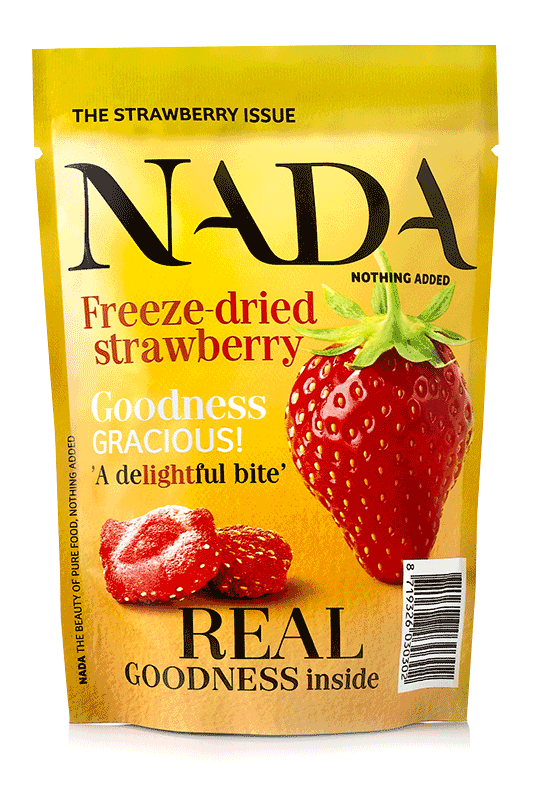
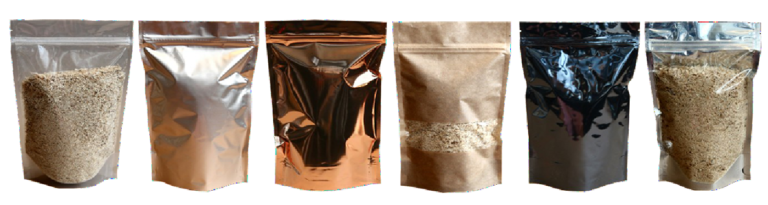
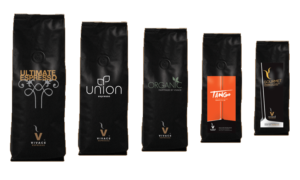
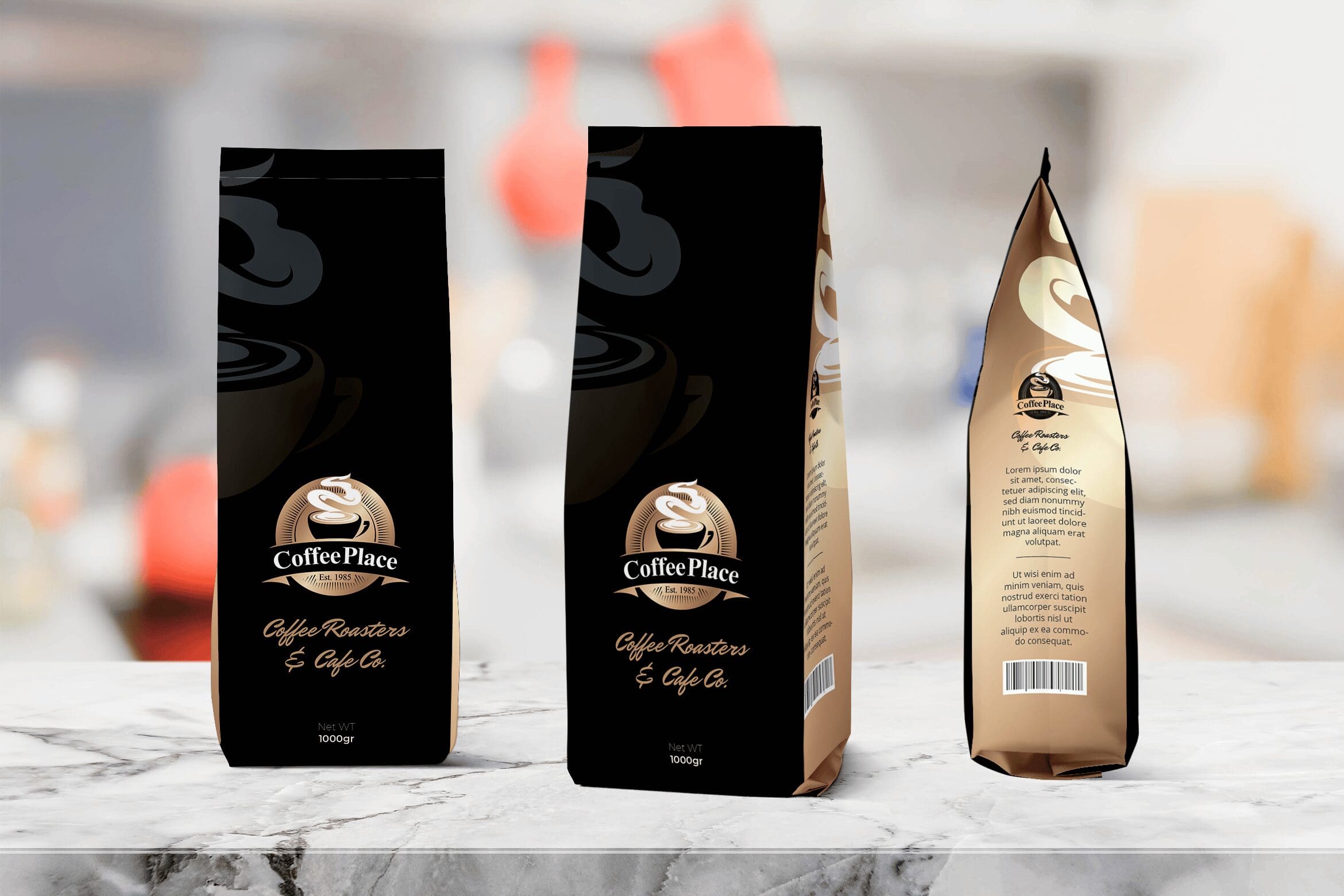
- Matte vs. Glossy: Matte finishes offer a sophisticated, modern look, while glossy finishes are bright and eye-catching. Choose based on your brand image and customer preferences.
- Texture: Textured finishes can provide a unique tactile experience, adding to the perceived value of the product.
- Functional Benefits:
- Protection from Damage: Finishes can offer additional protection against physical damage, UV light, and moisture.
- Visibility and Legibility: Consider how the finish affects the visibility of the packaging contents and the legibility of printed information.
- Printing and Branding:
- Print Compatibility: Ensure the finish works well with your chosen printing method for clear, vibrant graphics.
- Brand Consistency: The finish should align with your overall branding strategy, reinforcing brand identity.
Innovative Material and Finish Combinations
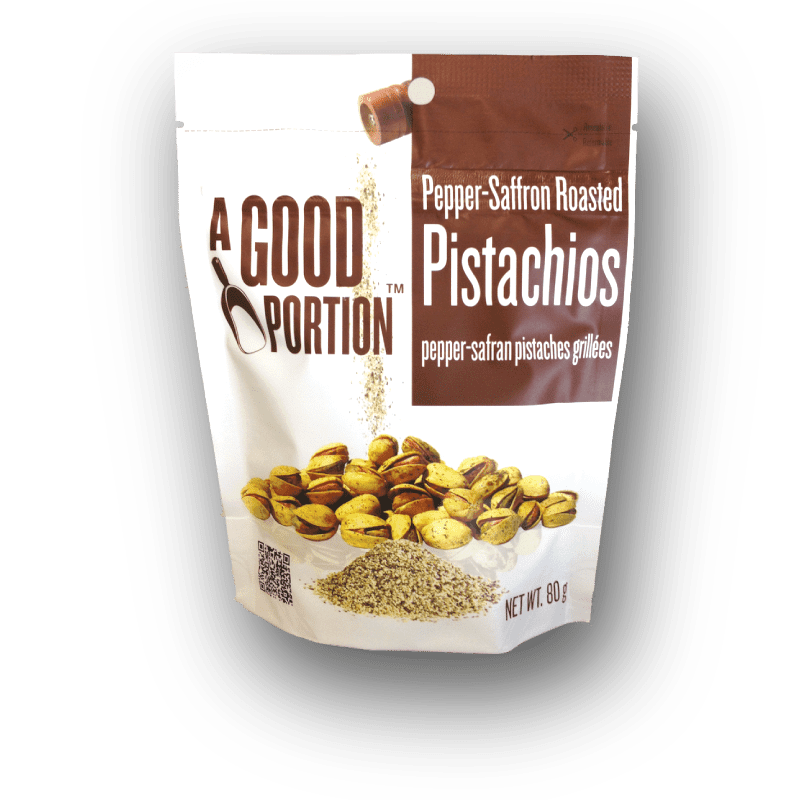
- Windowed Pouches: Combine opaque materials with clear sections for product visibility.
- Metallic Effects: Use materials with metallic finishes for a premium look, ideal for luxury products.
Consumer Experience and Interaction
- Ease of Use: Consider how the material and finish affect the opening, closing, and overall handling of the pouch.
- Unboxing Experience: The material and finish can significantly impact the unboxing experience, crucial for e-commerce products.
Regulatory Compliance and Safety
Ensure that the chosen materials and finishes comply with industry-specific regulations, particularly for food and pharmaceutical products.
Testing and Feedback
Conduct market tests and gather consumer feedback to refine your choice of materials and finishes.
Conclusion
The material and finish of pouch packaging are more than superficial choices; they are integral components of the product’s marketability and consumer experience. By thoughtfully considering these elements, businesses can create packaging that not only stands out on the shelf but also meets the functional demands of the product and the environmental considerations of the market. In the ever-evolving world of packaging, the right material and finish can make all the difference in capturing and retaining consumer interest.
If you are interested in pouch packaging, then partner with Brown Packaging today to get started.
Most cost savings in packaging come from:👉 Ordering more volume But increasing MOQ isn’t always possible. Storage is limited Cash flow is constrained Demand is uncertain So the real question
Minimum order quantities (MOQs) aren’t arbitrary. They exist because packaging production has fixed costs that don’t scale down—only up. When you order one unit, you still pay for:👉 The entire
Most POP display programs don’t lose money on materials. They lose it in:👉 empty space Displays are often shipped with: Excess void space Poor stacking efficiency Low pallet utilization You’re
Taller displays get attention. But they also get: Rejected by retailers Unstable under load More likely to fail in-store Height isn’t just a design choice—it’s a tradeoff between visibility and
By submitting your information, you agree to our terms and conditions and privacy policy.
Home » Considering Material and Finish in Pouch Packaging